Avens (Geum 'Banana Daiquiri')
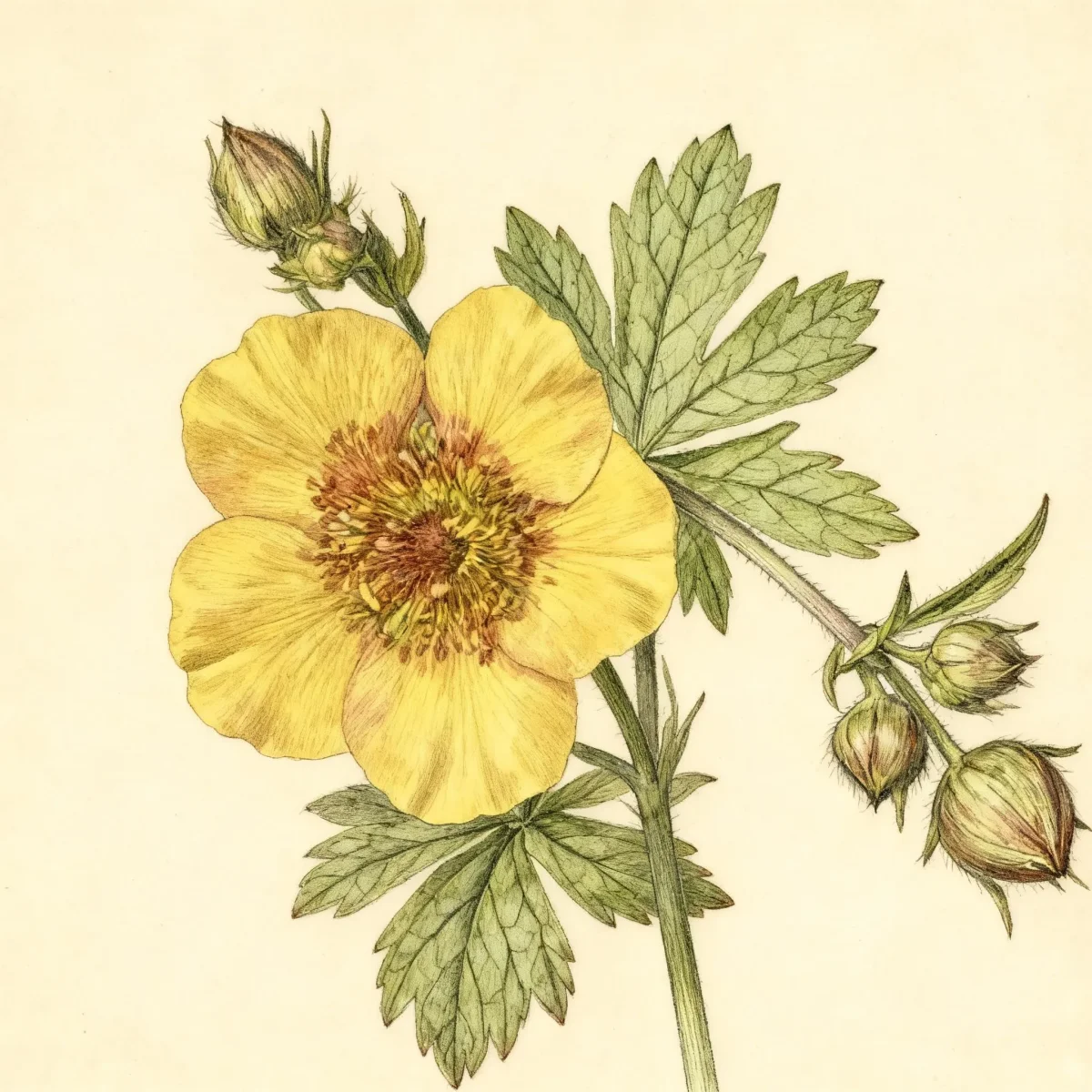
Geum 'Banana Daiquiri' is a low-maintenance Avens featuring ruffled yellow blooms from spring to early summer.
Scroll down to discover growing tips, care requirements, companion plants, and more
Complete Plant Information
Overview
The Geum ‘Banana Daiquiri’ is a highly desirable herbaceous perennial known widely as Avens, offering reliable color in the spring garden. This specific cultivar belongs to the Cocktails™ series and provides a delightful display of ruffled, lemon-yellow blooms held above attractive foliage. Gardeners prize Geum ‘Banana Daiquiri’ for its relatively low maintenance needs combined with its cheerful spring flower show.
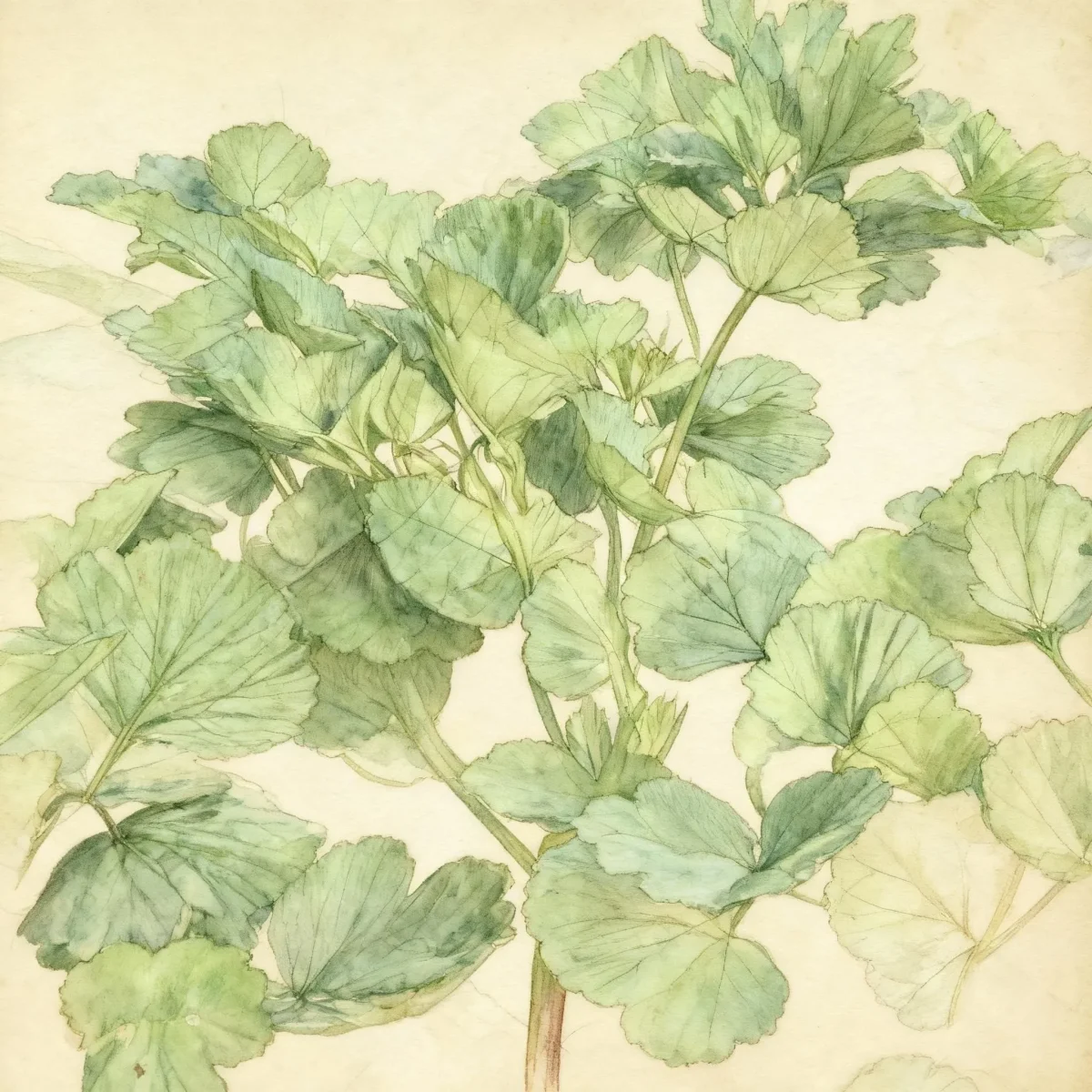
This plant forms a dense clump of semi-evergreen, coarsely dissected basal leaves, providing texture even when not in bloom. While it performs best in cooler climates, diligent care allows this variety to thrive across USDA Zones 4 through 8. Its compact size makes the Geum ‘Banana Daiquiri’ an excellent choice for adding consistent, bright color to smaller garden spaces or borders.
Attractive to beneficial insects, including butterflies, Avens contributes positively to local ecosystems. It is a hardy perennial selection that, when situated correctly, offers excellent visual impact without requiring excessive attention throughout the season.
Fast Facts
- Plant Family: Rosaceae
- Plant Type: Herbaceous perennial
- Hardiness Zones: USDA Zones 4-8
- Size at Maturity:
- Height: 1.25-1.5 ft
- Spread: 1-1.25 ft
- Bloom Time: April to May
- Bloom Description: Yellow
- Sun Exposure: Full sun to part shade
- Water Needs: Medium
- Maintenance Level: Low
How to Grow
Plant Geum ‘Banana Daiquiri’ in the spring in a location that receives full sun to light afternoon shade, especially in hotter regions. The critical cultural requirement for this Avens is well-drained soil; wet, poorly drained soils in winter are often fatal to the plant’s long-term health. Ensure the soil is fertile and consistently medium moist for optimal vigor.
Routine care involves deadheading spent flowers diligently. Removing faded blooms encourages Geum ‘Banana Daiquiri’ to produce additional flowering stems throughout the season. Watering should be consistent, maintaining soil moisture but never allowing it to remain soggy, particularly during the summer months.
Be aware that this selection may struggle when faced with intense summer heat and high humidity, particularly south of Zone 7. In these warmer areas, providing some afternoon shade is a vital strategy to help the plant persist through the oppressive summer weather. To maintain robust growth, plan to divide plants every few years during the spring.
Landscape Uses
The compact structure and vibrant blooms make Geum ‘Banana Daiquiri’ highly effective when incorporated into mixed perennial borders where its sunshine-yellow flowers can brighten the spring display. Its 1 to 1.5-foot height positions it perfectly in the middle or front of a border design, providing a transition between low groundcovers and taller background specimens.
Consider planting this Avens among plants with contrasting foliage or bloom times, such as deep purple salvias or early-flowering ornamental grasses, to enhance visual interest. Furthermore, the basal foliage of Geum ‘Banana Daiquiri’ often remains semi-evergreen in southern climates, functioning as an attractive ground cover long after the main flush of flowers has passed. They also perform admirably when massed together in rock gardens for a substantial block of color.
Standout Features
Flower Qualities
- Showy
Noteworthy Characteristics
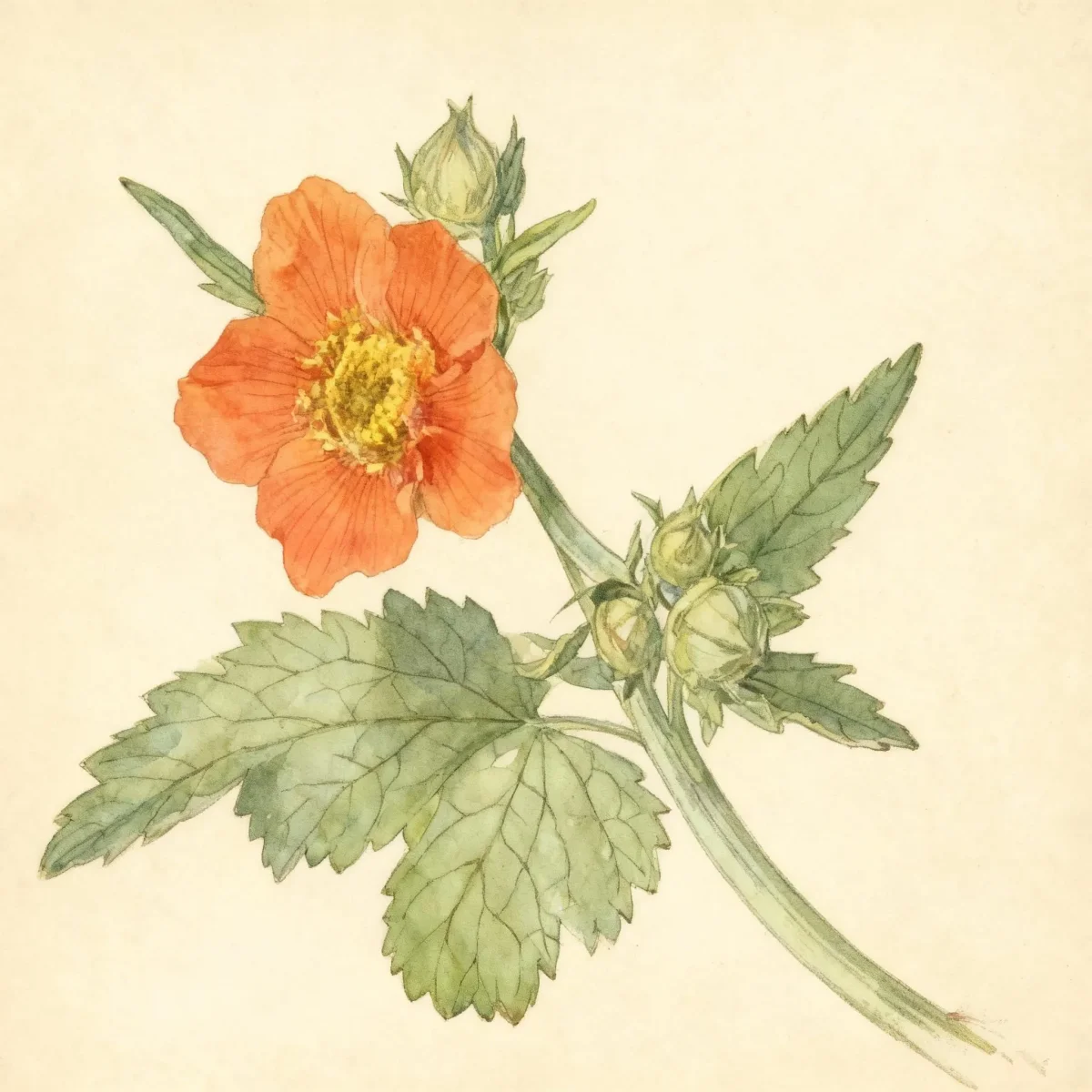
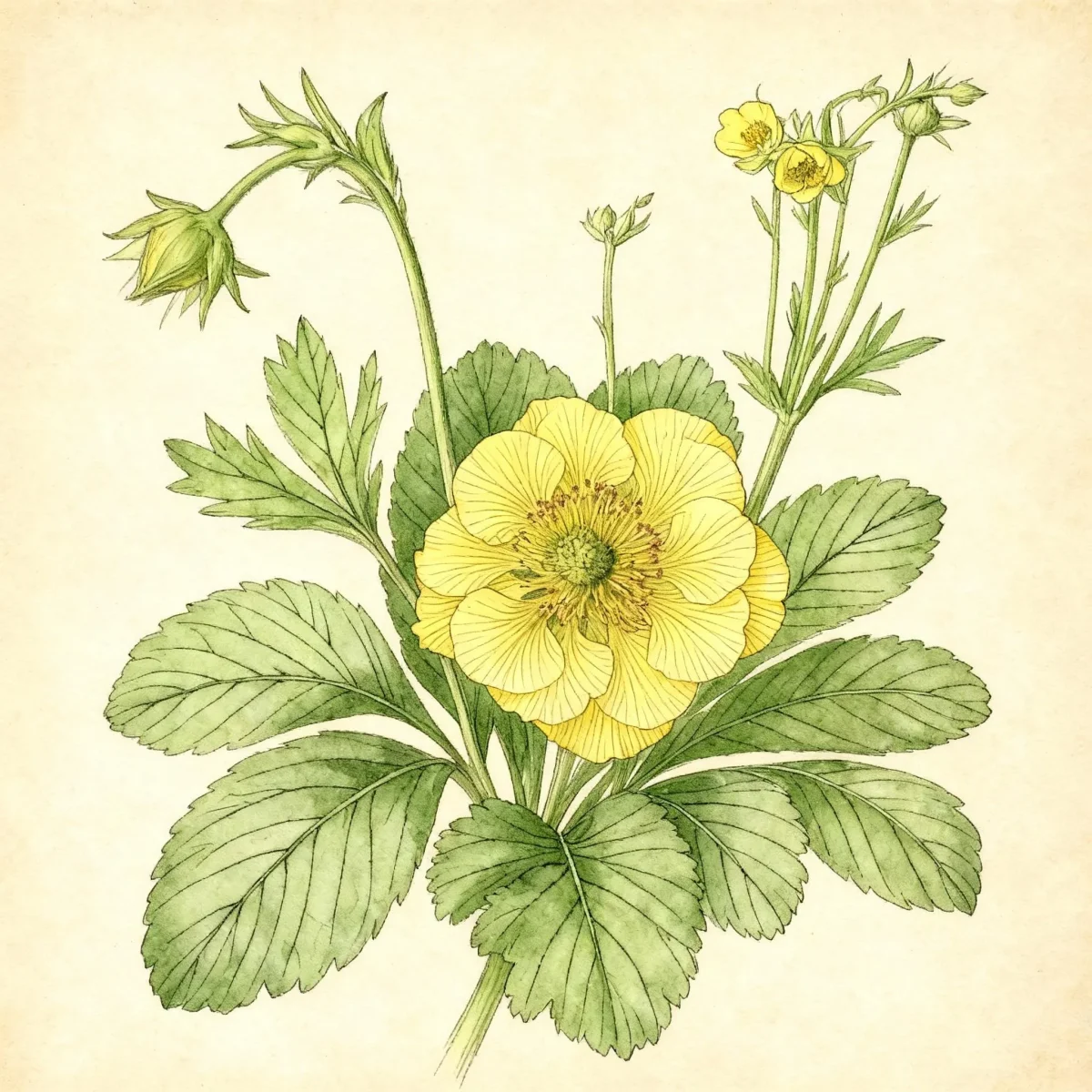
Geum is a genus of about 50 species from North and South America, Asia, New Zealand and Africa.Genus name is the classical Latin name of the group.‘Banana Daiquiri’ is a vigorous, yellow-flowering hybrid selection of Geum in the Cocktails™ series developed by Intrinsic Perennials. This hardy perennial features semi-double to single flowers (up to 1” in diameter) with light lemon-yellow, ruffled petals surrounding bright yellow anthers. The blooms, which appear from late spring into early summer, are held on fuzzy stems up to 18” tall above a low, dense clump up to 14” across of glossy, semi-evergreen, coarsely dissected basal foliage. Attractive to butterflies and other insect pollinators. Plant patent number PP25351 applies to this cultivar
Tolerances
- Deer tend to avoid this plant
Potential Problems
This Avens variety is generally robust, boasting no serious insect or disease problems under ideal conditions, which is a great benefit for low-maintenance gardening. The primary cultural challenge often stems from poor drainage, as wet winter soil can prove fatal to the plant crown. In heavy clay soils or regions experiencing prolonged heat and summer humidity, Geum ‘Banana Daiquiri’ may have a shorter lifespan. Preventative measures involve amending heavy soils thoroughly before planting to ensure superior drainage.
Frequently Asked Questions
What hardiness zones is Avens suitable for?
Geum ‘Banana Daiquiri’ is suitable for USDA Hardiness Zones 4 through 8, ensuring reliable perennial performance across this range.
How large does Avens grow?
This variety typically reaches a height between 1.25 to 1.5 feet tall and spreads modestly to between 1 and 1.25 feet wide, forming a dense clump.
When does Avens bloom?
The primary bloom time for Geum ‘Banana Daiquiri’ is generally from April to May, producing bright yellow flowers.
What sun exposure does Avens need?
This plant prefers full sun but benefits significantly from part shade, especially where it can receive some afternoon shade during intense summer heat.
Conclusion
The Geum ‘Banana Daiquiri’ provides excellent value to the perennial garden through its low maintenance requirement and striking yellow springtime blooms. Integrating this robust Avens cultivar ensures reliable color and structure in borders and rock gardens. Before planting, verify that your site offers the well-drained soil necessary for long-term success and plan for supplemental afternoon shade if you garden in the warmer end of its hardiness range.
Companion Planting
Selecting suitable neighbors is key to ensuring the success of Geum ‘Banana Daiquiri’, especially where summer heat management is concerned. Because they prefer medium moisture but absolutely require sharp drainage, pair this Avens with other perennials that share similar cultural needs, such as Dianthus, hardy Geraniums, or low-growing Salvias. These companions can handle the sun levels while not demanding excessive water retention in the soil profile.
Avoid planting the Geum ‘Banana Daiquiri’ directly next to moisture-loving bog plants or species that thrive in dry, lean soils, as meeting the needs of both groups simultaneously can lead to stress for one or the other. Focusing on a mid-range moisture requirement helps maintain the crucial balance needed for this Rosaceae family member.
Wildlife Benefits
Although primarily grown for its flowers, the Geum ‘Banana Daiquiri’ offers tangible benefits for local insect populations. Its yellow, single to semi-double blooms are highly visible and accessible, making them efficient landing pads for various insect pollinators. The ruffled petals surround bright yellow anthers, providing both nectar and pollen rewards to foraging visitors.
Specifically, this Avens is noted as being attractive to butterflies, which adds dynamic movement to the garden beds where it is planted. Planting in masses enhances visibility for these critical pollinators, maximizing the ecological benefit of your Geum display from late spring onward. Even when not blooming, the dense basal foliage acts as low cover for ground-dwelling beneficial insects.