Sunflower (Helianthus 'Sunshine Daydream')
Helianthus 'Sunshine Daydream' is a low-maintenance, showy perennial Sunflower boasting double golden-yellow blooms from July to August.
Scroll down to discover growing tips, care requirements, companion plants, and more
Complete Plant Information
Overview
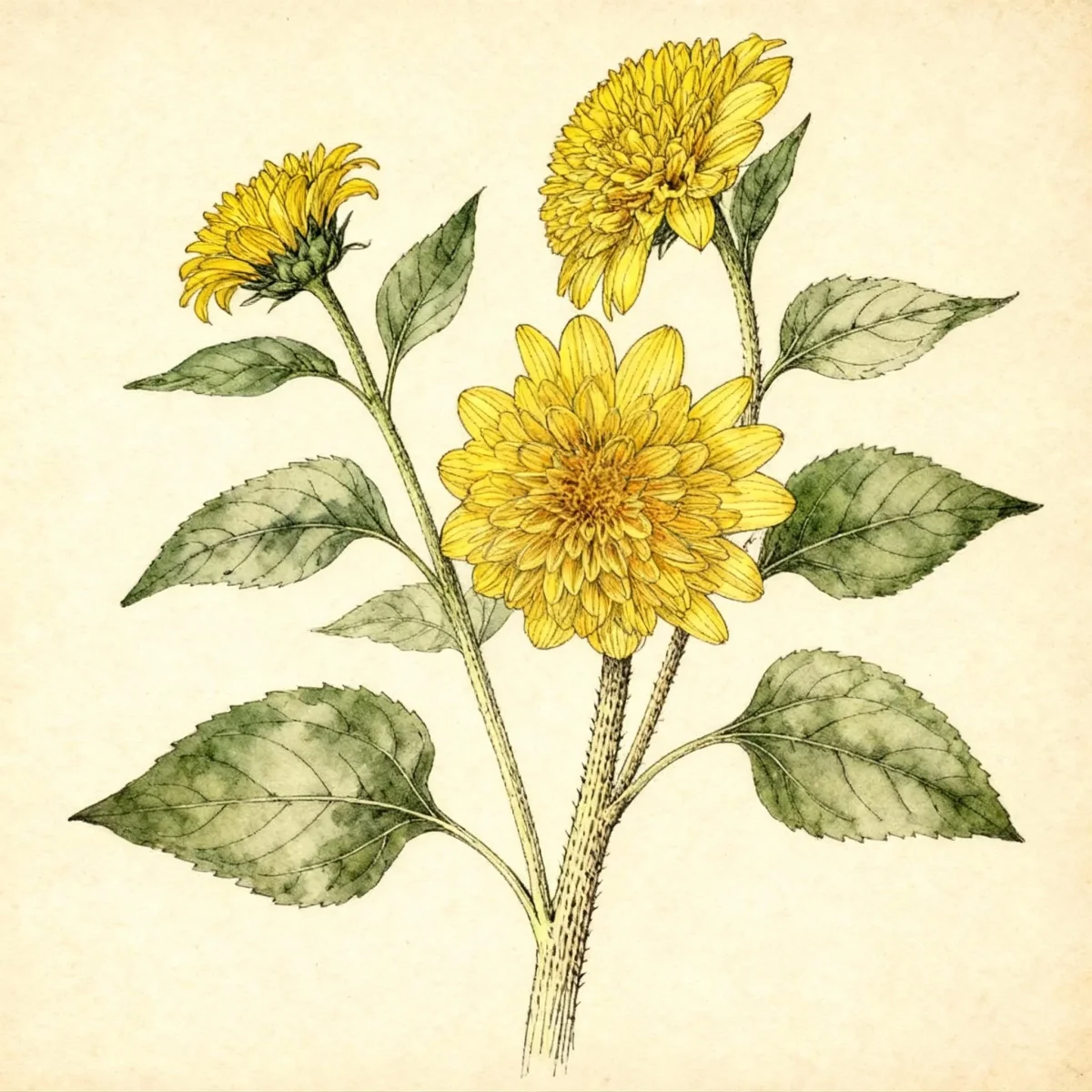
Helianthus ‘Sunshine Daydream’ is a striking herbaceous perennial Sunflower valued for its vigorous growth and profusion of golden-yellow, double blooms that resemble dahlias. This cultivar brightens the mid-to-late summer garden, offering consistent color when many early bloomers begin to fade. As a member of the esteemed Garden Candy™ series, this Sunflower demonstrates significant hardiness and resilience.
This variety typically reaches heights between 5 and 6 feet, supported by sturdy, dark stems, making it an excellent structural element in garden borders. Though it prefers consistent moisture, established Helianthus ‘Sunshine Daydream’ exhibits notable drought tolerance once settled into its site. Its vibrant, showy flowers are highly attractive to garden visitors, including beneficial insects.
Gardeners appreciate the low maintenance requirements of this perennial Sunflower, which readily self-sows, offering a naturalized look over time. Whether used for dramatic vertical accents or brilliant background structure, Helianthus ‘Sunshine Daydream’ provides reliable, cheerful performance throughout its long bloom season.
Fast Facts
- Plant Family: Asteraceae
- Plant Type: Herbaceous perennial
- Hardiness Zones: USDA Zones 4-8
- Size at Maturity:
- Height: 5-6 ft
- Spread: 2-4 ft
- Bloom Time: July to August
- Bloom Description: Yellow
- Sun Exposure: Full sun
- Water Needs: Medium
- Maintenance Level: Low
How to Grow
Plant seed for the perennial Sunflower Helianthus ‘Sunshine Daydream’ in the garden after the spring frost date has safely passed. This plant thrives best when sited in locations protected from harsh, strong winds that can batter the tall stems. Ideally, provide average, well-drained soils, although this cultivar is adaptable, tolerating clay, sandy loams, and even poor, rocky soils common in urban settings. Full sun is necessary for the best flowering performance, though established plants can handle some light shade.
Watering should maintain a medium level of moisture, especially while young. Once mature, the plant’s noted drought tolerance means you do not need to water constantly, though deep, regular watering during dry spells will support lush foliage. Fertilization is generally unnecessary due to its adaptability to various soil conditions. Deadheading by removing spent seed heads and foliage after the bloom period can tidy the landscape, though gardeners may wish to leave seed heads for winter bird feed.
Be aware that the foliage of this Sunflower often starts to look tired or tattered as the summer season progresses toward fall. For optimal aesthetics, consider planting these behind mid-border plants that can visually screen the aging lower leaves of the Helianthus ‘Sunshine Daydream’. Since plants will self-sow, be prepared to thin seedlings or transplant volunteers the following spring.
Landscape Uses
The structural height and brilliant yellow flowers of Helianthus ‘Sunshine Daydream’ make it supremely useful for mass plantings or as bold punctuation marks in mixed borders. It excels when used to naturalize areas where a wildflower aesthetic is desired, or in dynamic cottage gardens seeking continuous summer color. Its bold presence allows it to serve as the backbone in native plant gardens.
Beyond its mass appeal, this Sunflower earns its spot by providing excellent fresh cut flowers. If you harvest blooms regularly, you encourage more flower production, keeping the plant looking fresh while filling vases with its double golden heads. Use it near the back of perennial groupings where its height (up to 6 feet) won’t overshadow shorter companions.
Consider pairing this drought-tolerant perennial with plants that have similar sun and water needs but contrasting textures, such as Rudbeckia or ornamental grasses. It functions perfectly in ‘bird gardens’ where the spent heads, if left standing, become valuable winter food sources for local fauna.
Standout Features
Flower Qualities
- Showy
- Good Cut
Noteworthy Characteristics
Helianthus ‘Sunshine Daydream’ is a perennial hybrid cultivar, often referred to under the designation Helianthus x multiflorus, specifically developed for its dense, double blooms of golden yellow resembling a dahlia. The genus name originates from Greek words meaning sun and flower, referencing the characteristic sun-following habit of many sunflowers. This particular selection is noted for having sturdy, dark-colored stems supporting the hemispherical flowers, providing excellent vertical interest reaching 5 to 6 feet tall.
Tolerances
- Drought
Potential Problems
Rust, various leaf fungal spots, and powdery mildew are somewhat common issues faced by gardeners growing any Sunflowers, including Helianthus ‘Sunshine Daydream’. Proper air circulation is the best defense against fungal development; ensure plants are spaced adequately according to their 2-4 foot spread recommendation. Caterpillars and beetles may target the foliage, requiring manual removal or insecticidal soap if infestations become severe. Gardeners should also watch specifically for the Sunflower Headclipping Weevil (Haplorhynchites aeneus) during July, which can damage developing heads.
Frequently Asked Questions
What hardiness zones is Sunflower suitable for?
This robust perennial Sunflower, Helianthus ‘Sunshine Daydream’, is hardy across USDA Zones 4 through 8.
How large does Sunflower grow?
Helianthus ‘Sunshine Daydream’ typically matures at a height between 5 and 6 feet, with a spread ranging from 2 to 4 feet.
What sun exposure does Sunflower need?
For optimal flowering, this Sunflower requires full sun exposure in your garden plan.
When does Sunflower bloom?
Helianthus ‘Sunshine Daydream’ provides its striking yellow blooms during the peak summer months, specifically from July through August.
Conclusion
The Helianthus ‘Sunshine Daydream’ brings reliable, mid-summer drama to the garden with its unique double, golden-yellow flowers, all while requiring surprisingly low maintenance. This hardy, drought-tolerant selection is an excellent choice for height, color, and supporting garden wildlife throughout the season. Before planting, ensure your site provides full sun and has good drainage to maximize the performance of this spectacular Sunflower.
Companion Planting
When selecting companions for Helianthus ‘Sunshine Daydream’, focus on plants that thrive in full sun, medium moisture, and benefit from the plant’s vertical presence. Low-growing, spreading perennials make excellent foreground plantings, helping to obscure the sometimes fading lower foliage of the taller Sunflower. Consider pairing it with shorter coneflowers (Echinacea) or Russian Sage (Perovskia atriplicifolia) whose silver foliage contrasts beautifully with the dark stems of the Helianthus.
Drought tolerance is shared by many favorite prairie and meadow plants, making grouping easier. Plants like Coreopsis verticillata or ornamental grasses such as Switchgrass (Panicum virgatum) have similar cultural needs to the drought-tolerant Helianthus ‘Sunshine Daydream’. This combination creates a robust, layered summer border that requires minimal supplemental watering once established.
Wildlife Benefits
As a member of the Sunflower genus, Helianthus ‘Sunshine Daydream’ offers significant ecological value beyond its aesthetic appeal. The large flower heads attract numerous pollinators during their extended July and August bloom time, providing vital nectar and pollen resources mid-summer. Furthermore, gardeners who choose to leave the seed heads standing after the blooms fade provide crucial winter sustenance.
These mature seed heads are highly prized food caches for goldfinches and other seed-eating birds throughout the colder months. This simple act of leaving the spent stalks in place fulfills the plant’s potential role in a functional bird garden, linking aesthetic landscaping directly to local ecosystem support.