Peony (Paeonia lactiflora 'Madame Calot')
Heirloom Peony, Paeonia lactiflora 'Madame Calot' offers showy, fragrant, light pink double blooms. Hardy in Zones 3-8, it's a medium-maintenance perennial.
Scroll down to discover growing tips, care requirements, companion plants, and more
Complete Plant Information
Overview
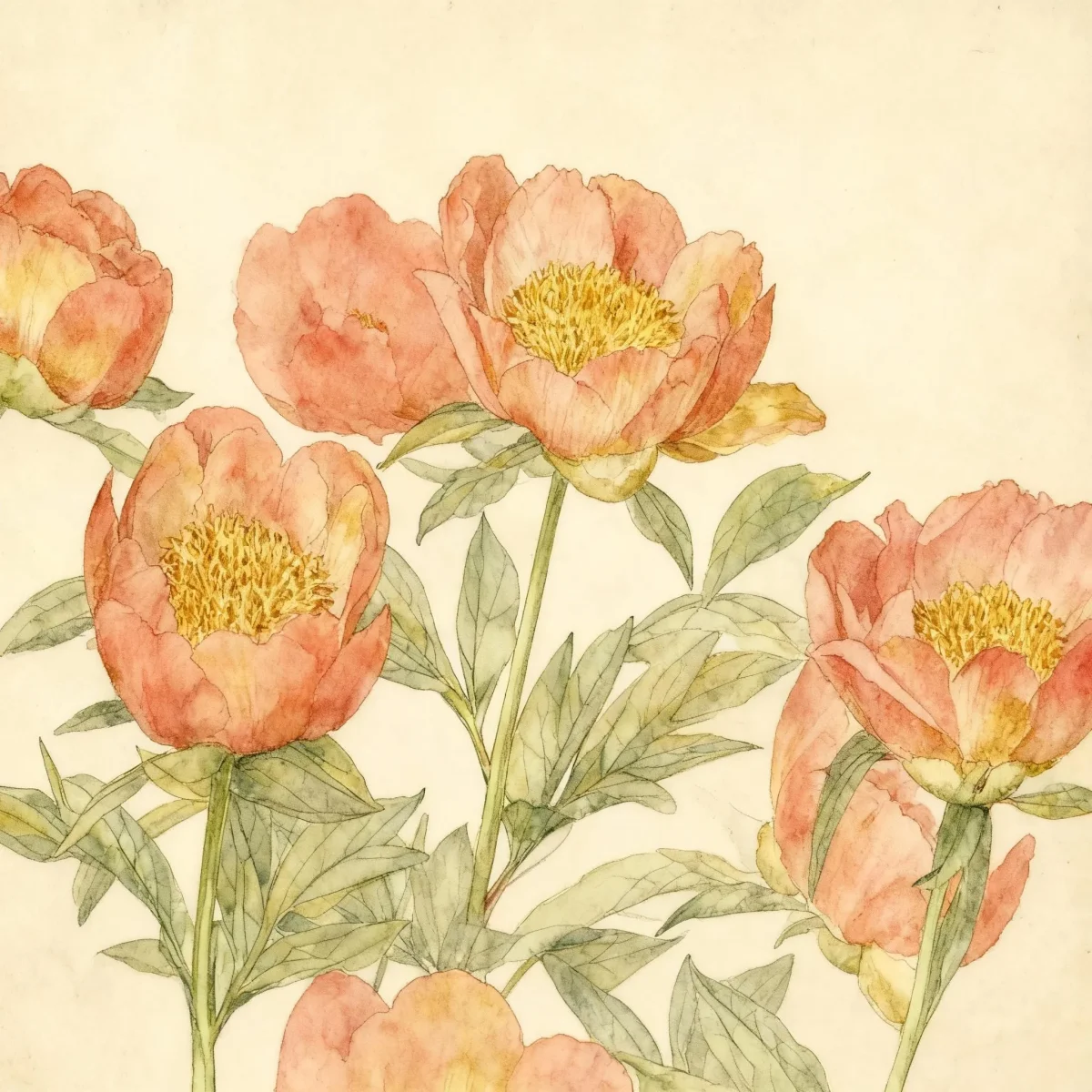
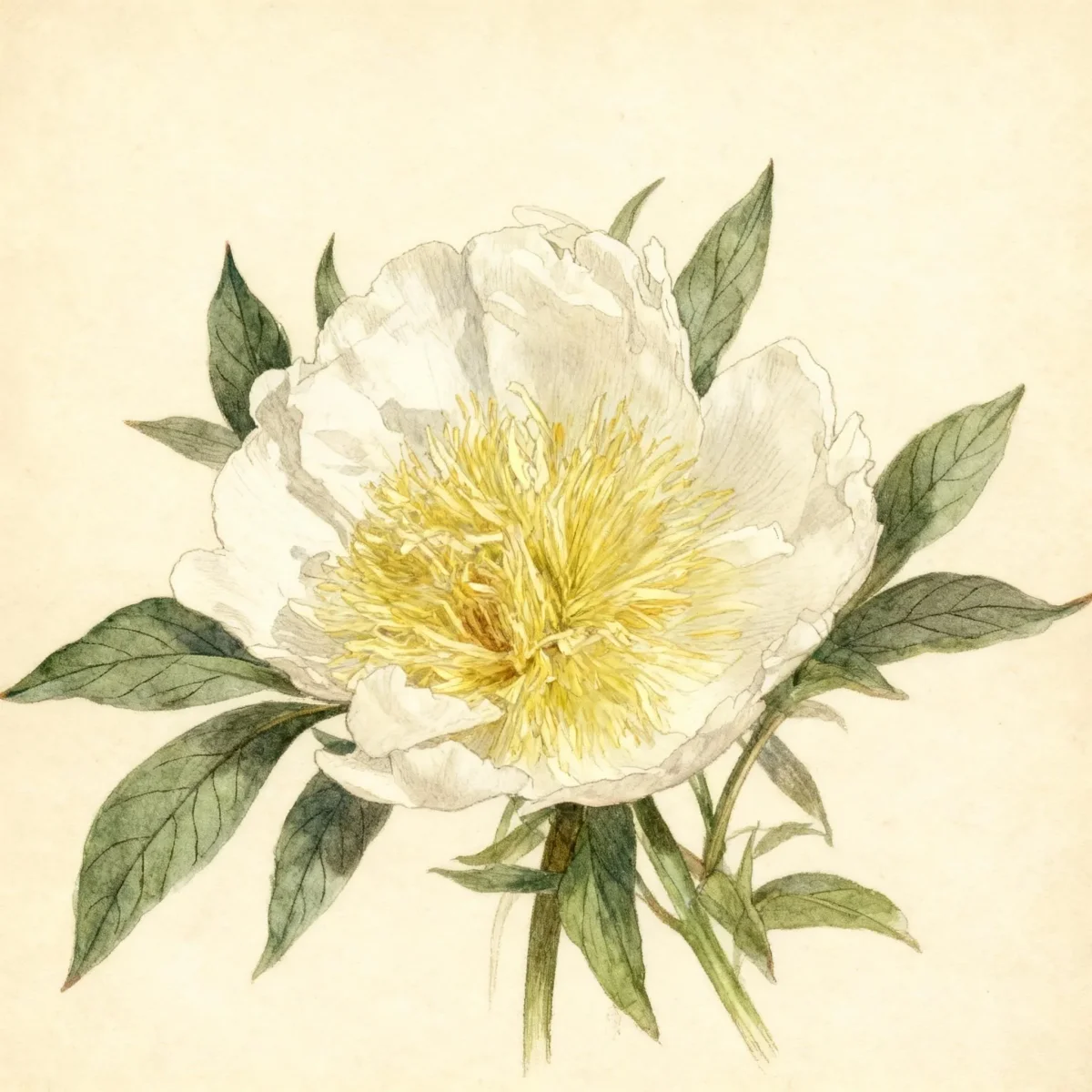
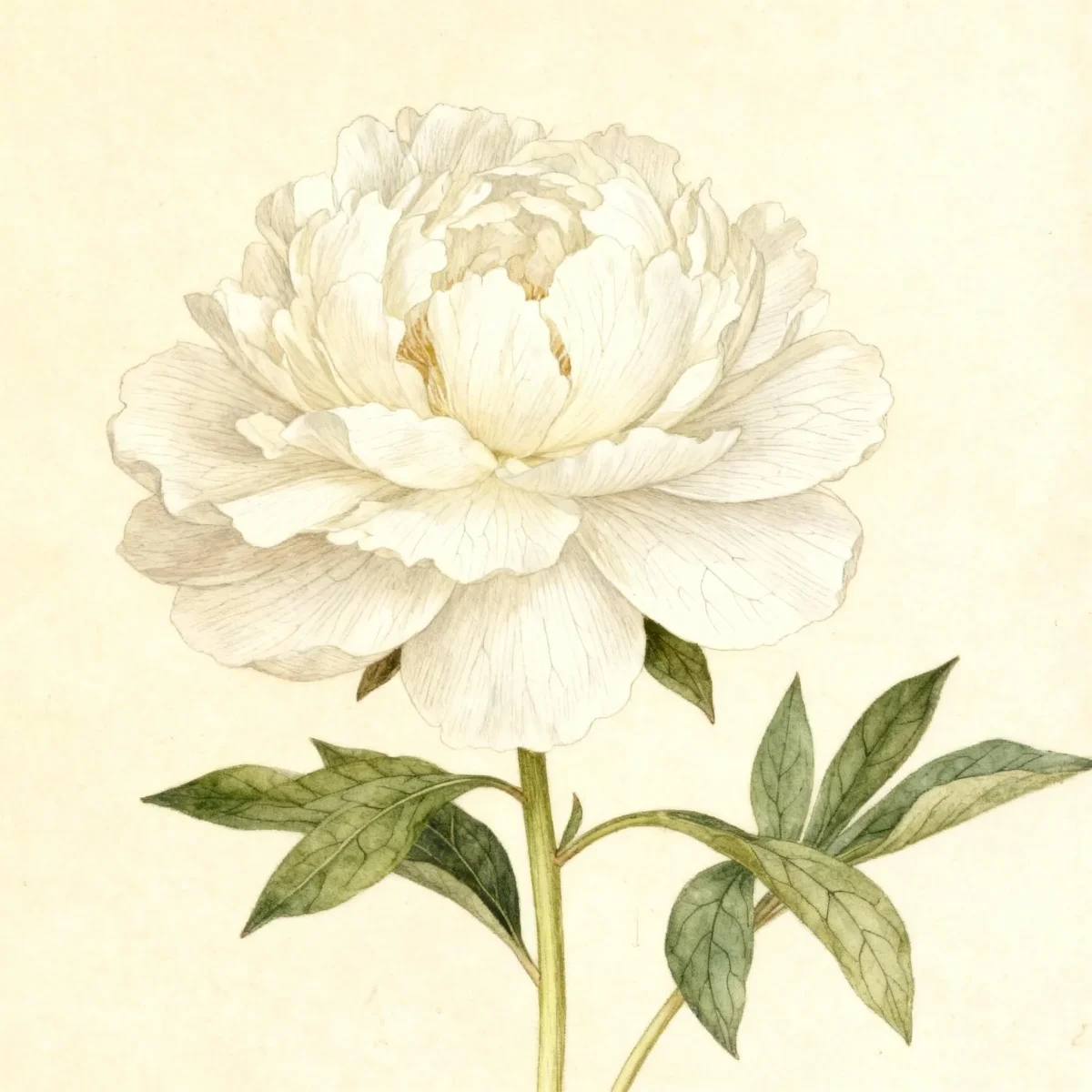
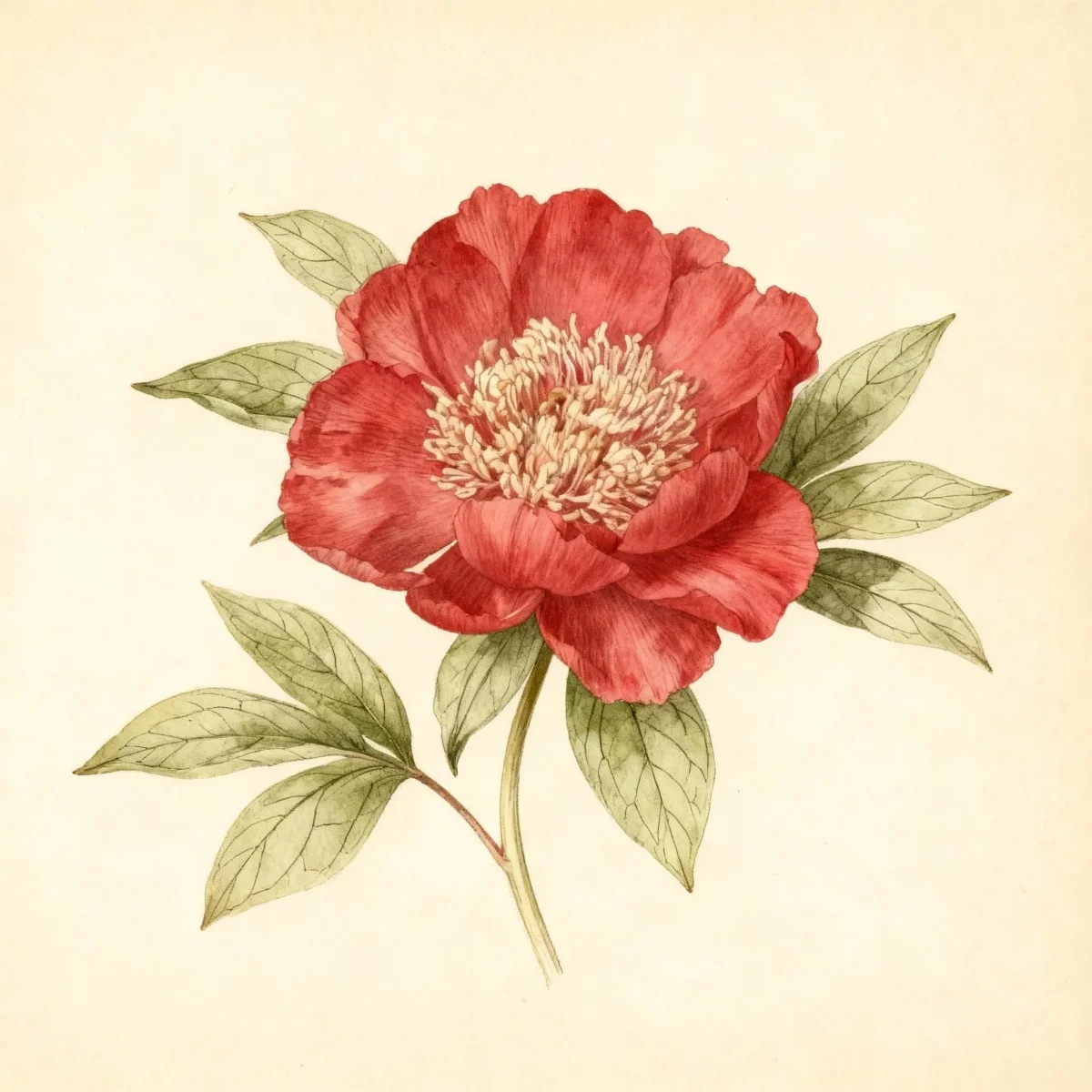
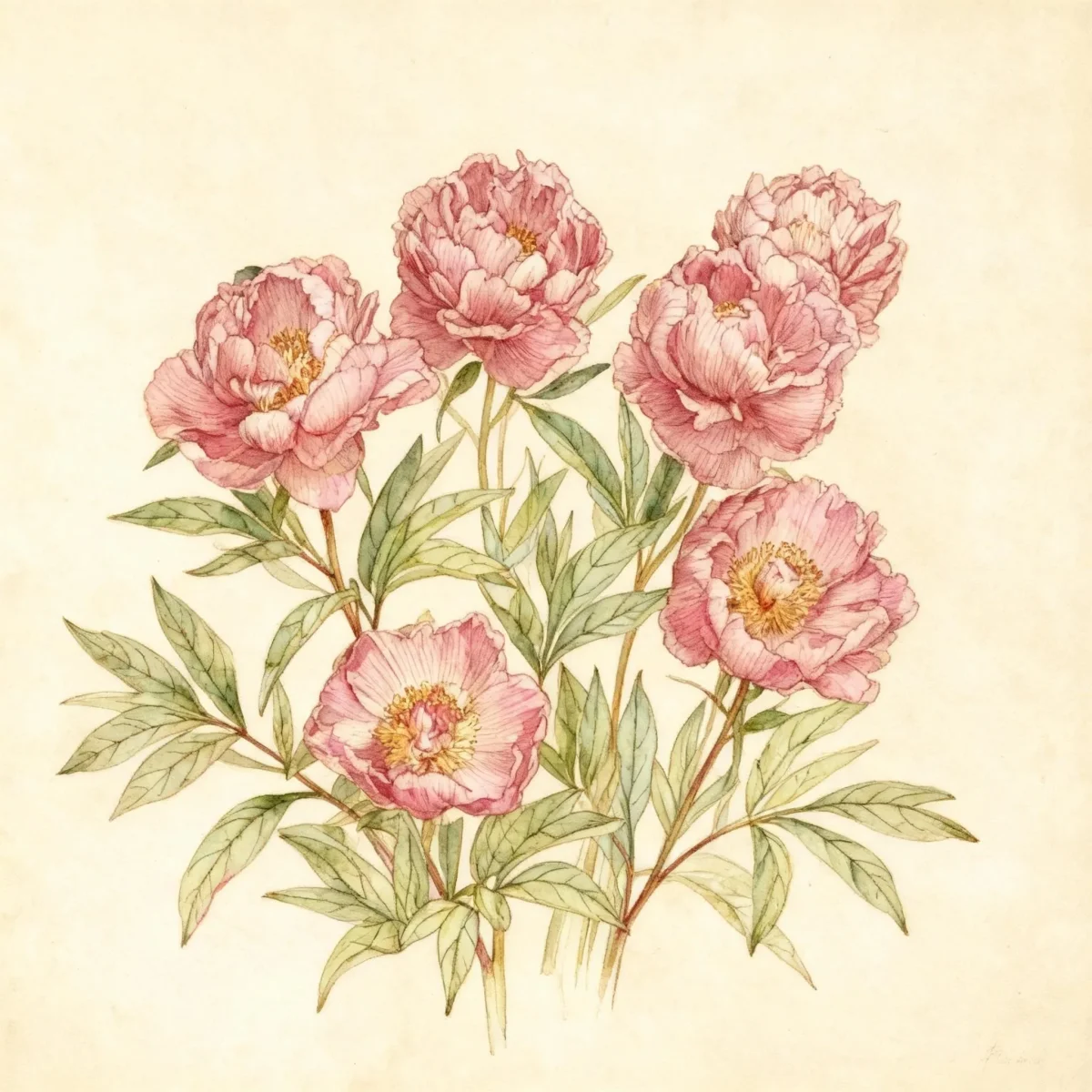
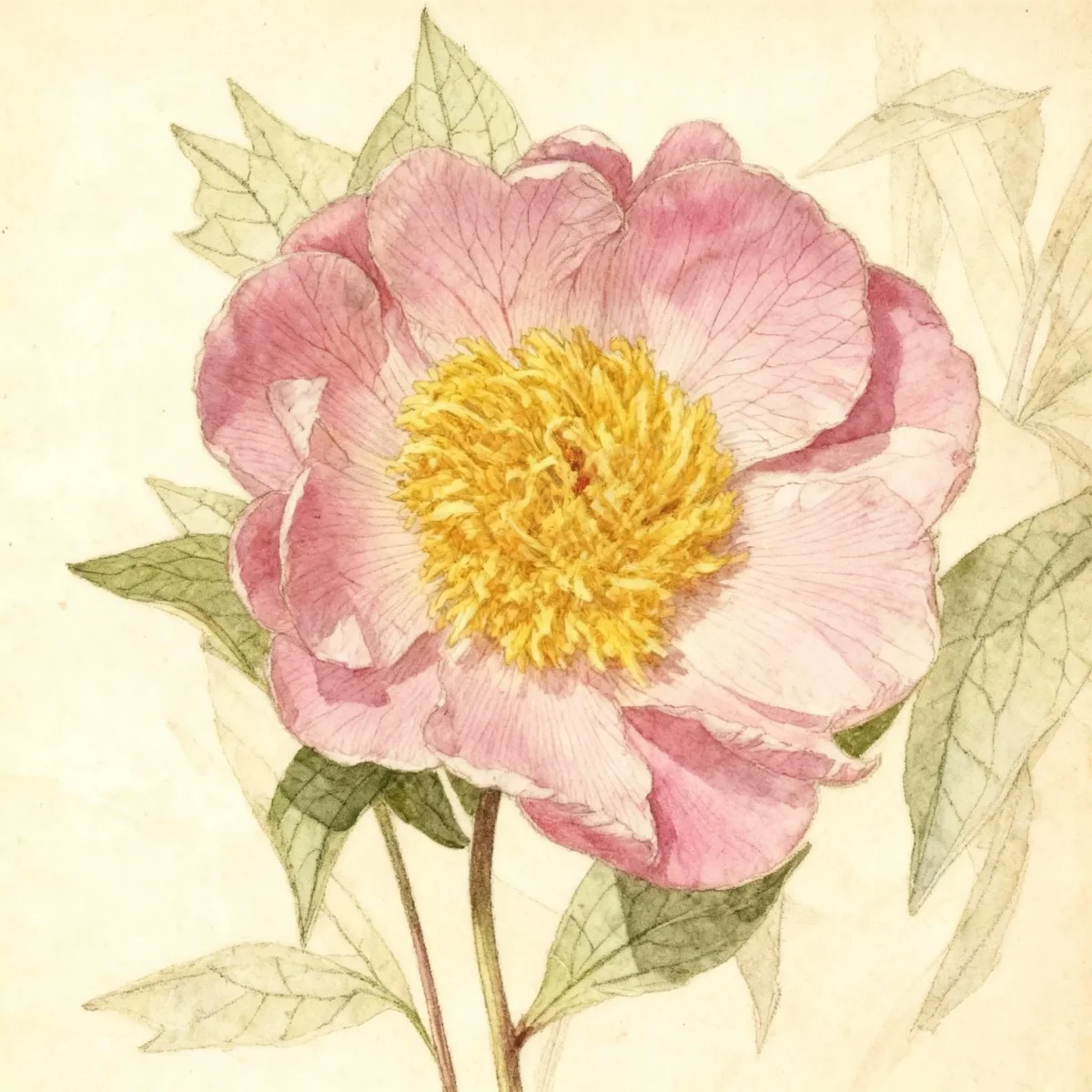
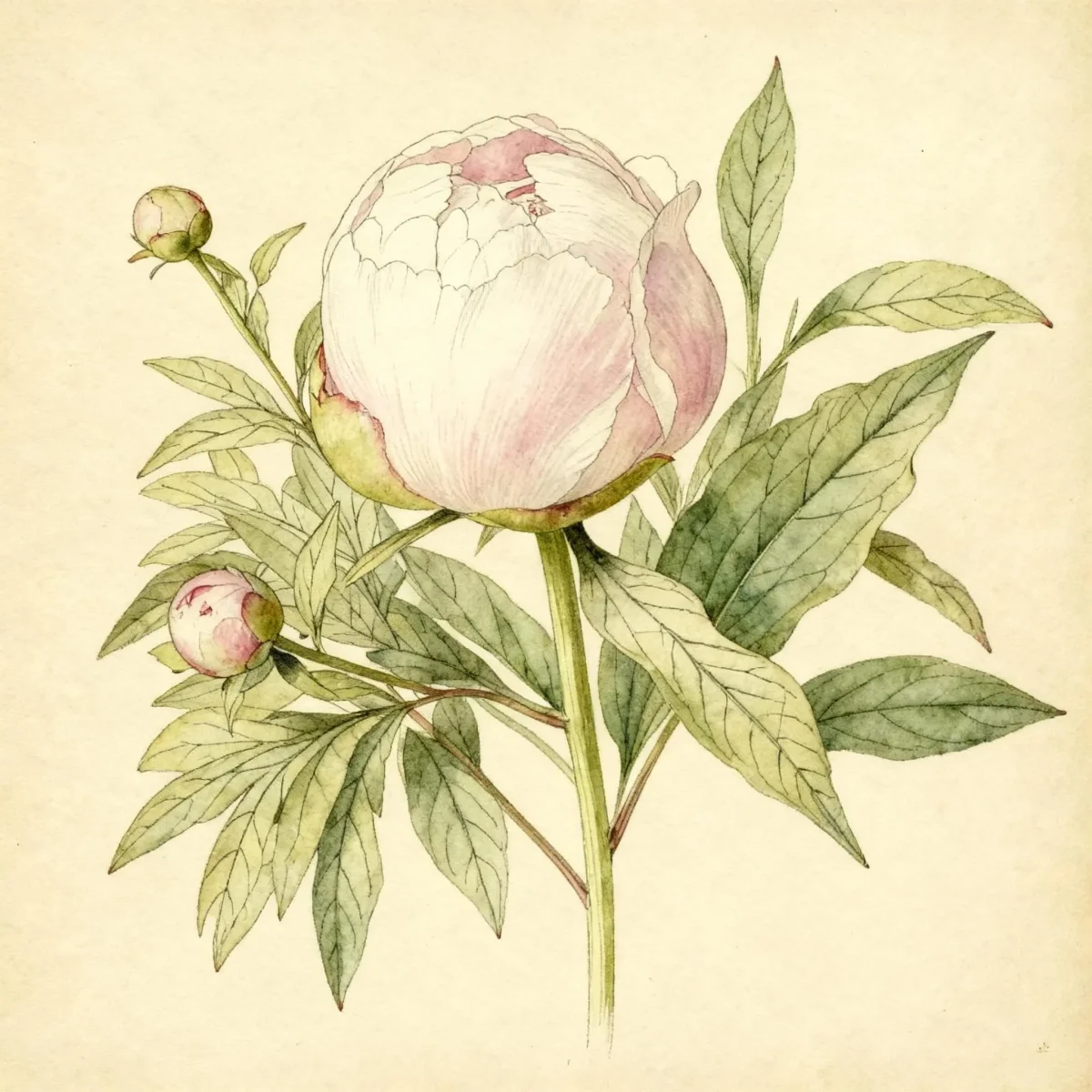
Paeonia lactiflora ‘Madame Calot’ is a treasured heirloom cultivar introduced in 1856, celebrated for its stunning, heavily petaled, rose-type flowers. This Peony produces light pink blooms accented strikingly with cream tints on the edges and deeper crimson flecks toward the center, providing substantial color in late spring through early summer. As a clump-forming, long-lived herbaceous perennial, Paeonia lactiflora ‘Madame Calot’ contributes excellent structure and dependable beauty to the garden year after year, provided it receives the necessary cold winter dormant period.
This classic Peony thrives in conditions ranging from full sun to partial shade, preferring rich, fertile soils that maintain medium moisture levels but drain well. While sturdy, the blooms of this cultivar are substantial, and gardeners should be prepared to offer support for the heavy flower heads, especially after rain. Its strong stems also make it an excellent choice for use as a superb cut flower specimen.
Beyond the opulent spring display, the dark green foliage remains attractive through summer and fall, providing a dependable backdrop for later-blooming perennials. Growing Paeonia lactiflora ‘Madame Calot’ offers gardeners a piece of horticultural history, renowned for its fragrance and classic garden presence, making it an enduring favorite among Peony enthusiasts.
Fast Facts
- Plant Family: Paeoniaceae
- Plant Type: Herbaceous perennial
- Hardiness Zones: USDA Zones 3-8
- Size at Maturity:
- Height: 3-3.25 ft
- Spread: 2.5-3 ft
- Bloom Time: May to June
- Bloom Description: Pink
- Sun Exposure: Full sun to part shade
- Water Needs: Medium
- Maintenance Level: Medium
How to Grow
The key to successful planting for any Peony, including Paeonia lactiflora ‘Madame Calot’, is proper depth. Plant rootstock eyes no more than 2 inches below the soil surface in a location receiving full sun to light afternoon shade. Ensure the soil preparation includes enriching the area with ample compost to provide the rich, fertile medium required for these heavy feeders.
During the growing season, particularly in early development stages, ensure the plants receive abundant moisture. While they tolerate clay soil if drainage is adequate, consistently moist soil is critical for robust growth and abundant flowering. Older plants are relatively self-sufficient but benefit from consistent feeding, especially if blooming diminishes.
As a management practice, remove spent flowers promptly after blooming concludes. Critically, allow the foliage to remain until frost causes it to die back, or at least until late fall, as this is necessary for root energy storage. After the first hard frost, cut the stems down to the ground and dispose of the debris, which helps prevent potential fungal issues like Botrytis blight from overwintering.
Landscape Uses
Peonies are foundational elements in the traditional perennial border due to their exceptional longevity and striking spring performance. Paeonia lactiflora ‘Madame Calot’ excels when used as a specimen planting, providing an anchor of color and form, or massed in drifts for spectacular seasonal impact. Because they are long-lived and require minimal division, they serve excellently as herbaceous hedges along driveways, walkways, or foundations where their height (up to 3.25 feet) is appropriate.
The large, fragrant blossoms make this Peony an unparalleled addition to cottage gardens or romantic landscape designs. While blooming is brief (about 7-10 days for an individual bloom cluster), the attractive foliage carries the eye through the warmer months, framing the gaps left by spring bulbs and setting the stage for summer bloomers.
When planning companions, select plants that do not aggressively compete close to the crown and that appreciate similar cultural conditions—rich soil and medium water. Consider pairing this Peony with lower-growing, sun-tolerant perennials that can softly surround the base once the mature foliage has filled out.
Standout Features
Flower Qualities
- Showy
- Fragrant
- Good Cut
Noteworthy Characteristics
Paeonia lactiflora, commonly known as common garden peony or Chinese peony, is an erect, clump-forming, shrub-like, herbaceous perennial that typically grows to 20-30” tall on stems tinged with red. ‘Madame Calot’ specifically offers double, rose-type flowers that are light pink with cream highlights and crimson flecks toward the darker centers, noted for being a fragrant, early blooming selection with strong stems making for an excellent cut flower. This species has a celebrated history, cultivated in China since the 7th century before its introduction to North America in the 1800s.
Tolerances
- Rabbit
- Deer
- Clay Soil
Potential Problems
Peonies are renowned for being relatively pest-free, and deer and rabbits generally avoid the foliage. However, fungal issues can arise, most commonly Botrytis blight or Phytophthora blight, especially in overly damp or poorly ventilated conditions. Ensure good air circulation around the mature clumps to minimize these risks.
Ants congregating on the buds are entirely normal and are not harmful; they are attracted to the nectar. A major frustration for new gardeners is the failure of a Peony to bloom. This is often due to planting too deep (eyes below 2 inches), planting in excessive shade, or the plant being too young or recently transplanted.
If healthy blooms set but collapse, the large semi-double flowers of Paeonia lactiflora ‘Madame Calot’ may require staking or support, as heavy rain can flatten them. If powdery mildew appears late in the season, it is cosmetic and harmless, but the foliage can be removed after the first hard frost.
Frequently Asked Questions
What hardiness zones is Peony suitable for?
Paeonia lactiflora ‘Madame Calot’ is reliably hardy in USDA Zones 3 through 8, although it performs best in the central regions of Zones 5-7.
How large does Peony grow?
This herbaceous perennial typically reaches a height between 3 and 3.25 feet tall with a spread ranging from 2.5 to 3 feet at maturity.
When does Peony bloom?
This specific Peony cultivar generally blooms in May to June, producing lovely light pink flowers.
What sun exposure does Peony need?
For optimal flowering, this Peony requires full sun, though it can tolerate some part shade, especially in very hot summer climates.
Conclusion
Cultivating Paeonia lactiflora ‘Madame Calot’ introduces historical elegance and dependable fragrance to any perennial collection, rewarding gardeners with showy, high-quality cut flowers each late spring. This long-lived Peony settles in beautifully once established, provided its specific planting depth and cold dormancy needs are met. Before planting, verify that your garden location falls within USDA Zones 3-8 and offers dependable sun exposure to ensure a magnificent floral return year after year.
Companion Planting
When siting Paeonia lactiflora ‘Madame Calot’, consider companions that tolerate its heavy feeding habits and whose foliage matures later, as the peony’s foliage dies back in the fall. Excellent companions that appreciate similar sun and soil conditions include lower-growing varieties of Salvia, Catmint (Nepeta), or hardy Geraniums. These plants can fill the space around the peony’s crown during the summer and fall after the main bloom show has concluded, maintaining border aesthetics.
Avoid planting aggressive spreaders too close to the peony’s base, as competition for nutrients and water in the crown area can be detrimental to the long-term health of this slow-to-establish plant. Integrating bulbs like late-blooming tulips or daffodils can provide early color before the Peony fully emerges.
Seasonal Care Calendar
Spring care centers on providing adequate moisture as new growth emerges and buds swell; this is when supplemental water is most beneficial. As bloom time approaches in May or June, install peony rings or supports discreetly around the stems before they become top-heavy to prevent staking flowers post-rain. In fall, after frost has killed the foliage, cut all stems to the ground for disease prevention management. In areas with minimal snow cover, applying a light layer of mulch over the root zone during winter provides insulation against freeze-thaw cycling, protecting the perennial crown.