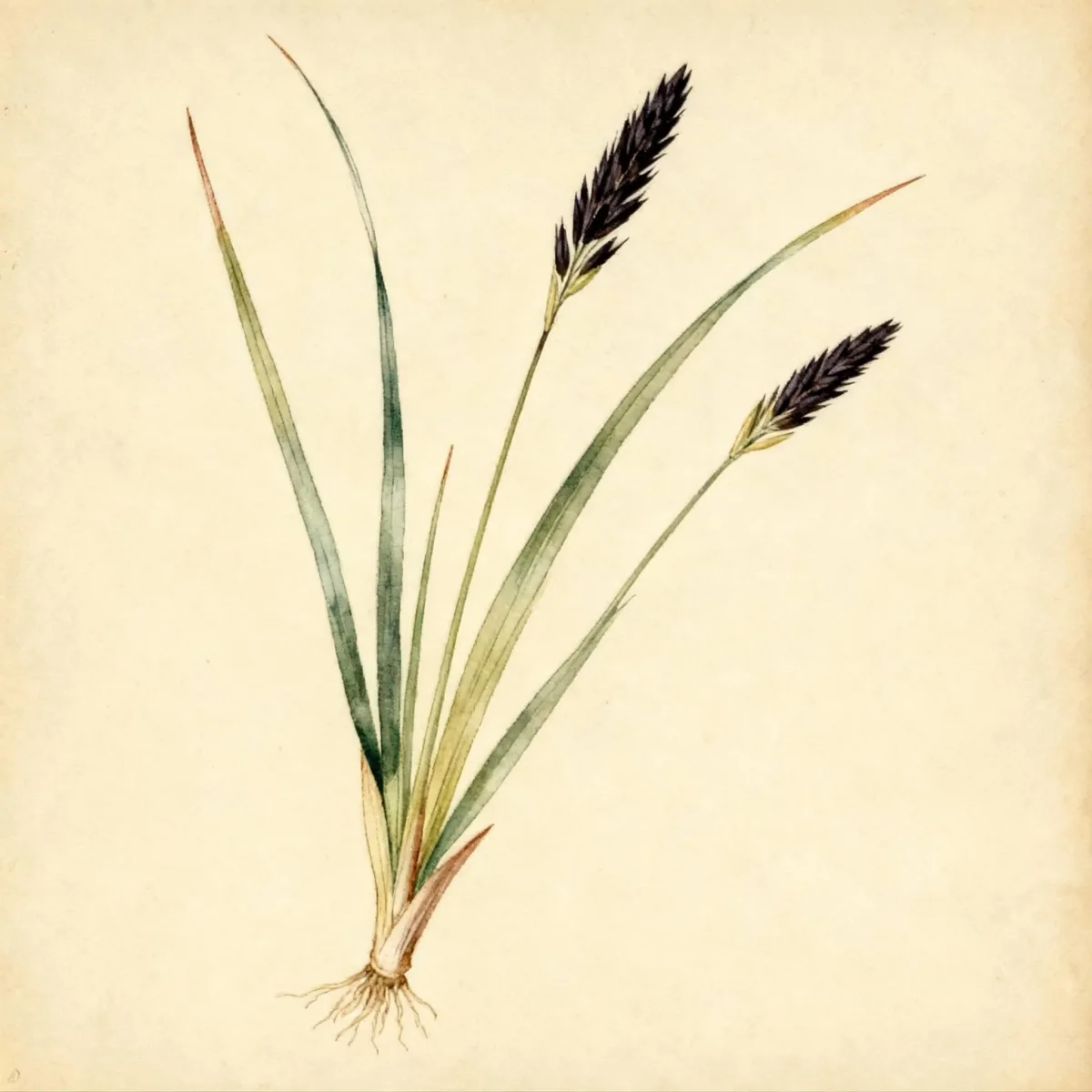
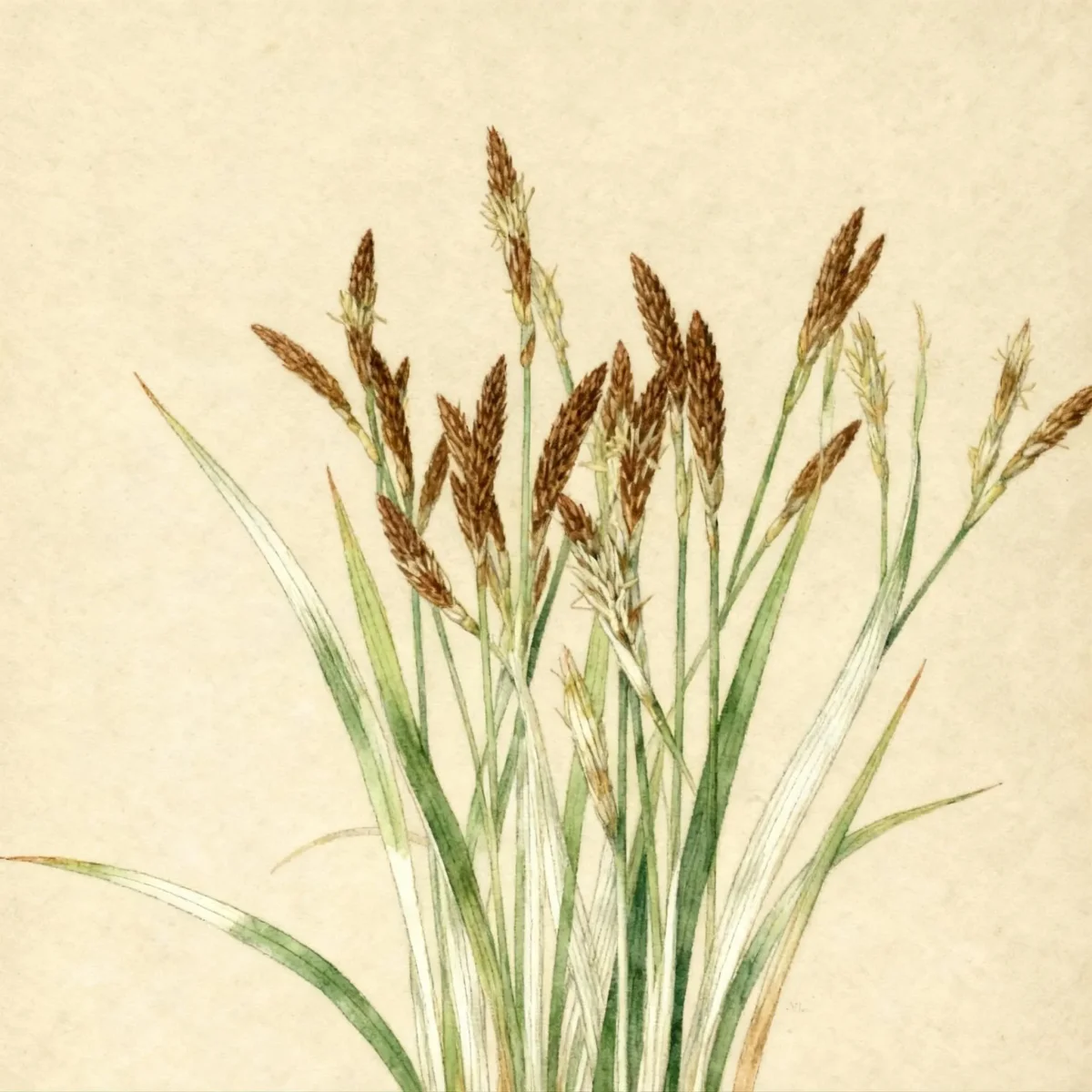
Sedge (Carex pensylvanica 'Straw Hat')
Carex pensylvanica 'Straw Hat' Sedge is a low-maintenance, semi-evergreen groundcover perfect for dry shade areas.
Scroll down to discover growing tips, care requirements, companion plants, and more
Complete Plant Information
Overview
The Carex pensylvanica ‘Straw Hat’ Sedge offers a fine-textured, elegant solution for challenging landscape spots, particularly dry shade. This cultivar is valued for its soft, arching, semi-evergreen foliage which creates a dense, carpet-like effect. As an exceptional ground cover, this Sedge spreads gently by rhizomes, forming attractive, cohesive colonies over time.
Native to Eastern North American woodland areas, Carex pensylvanica ‘Straw Hat’ thrives where many turf grasses fail, making it an excellent lawn substitute in shady, dry environments. Its low stature and fine texture provide contrast against coarser woodland plants. The subtle spring bloom precedes the long season of excellent foliage interest provided by this adaptable perennial.
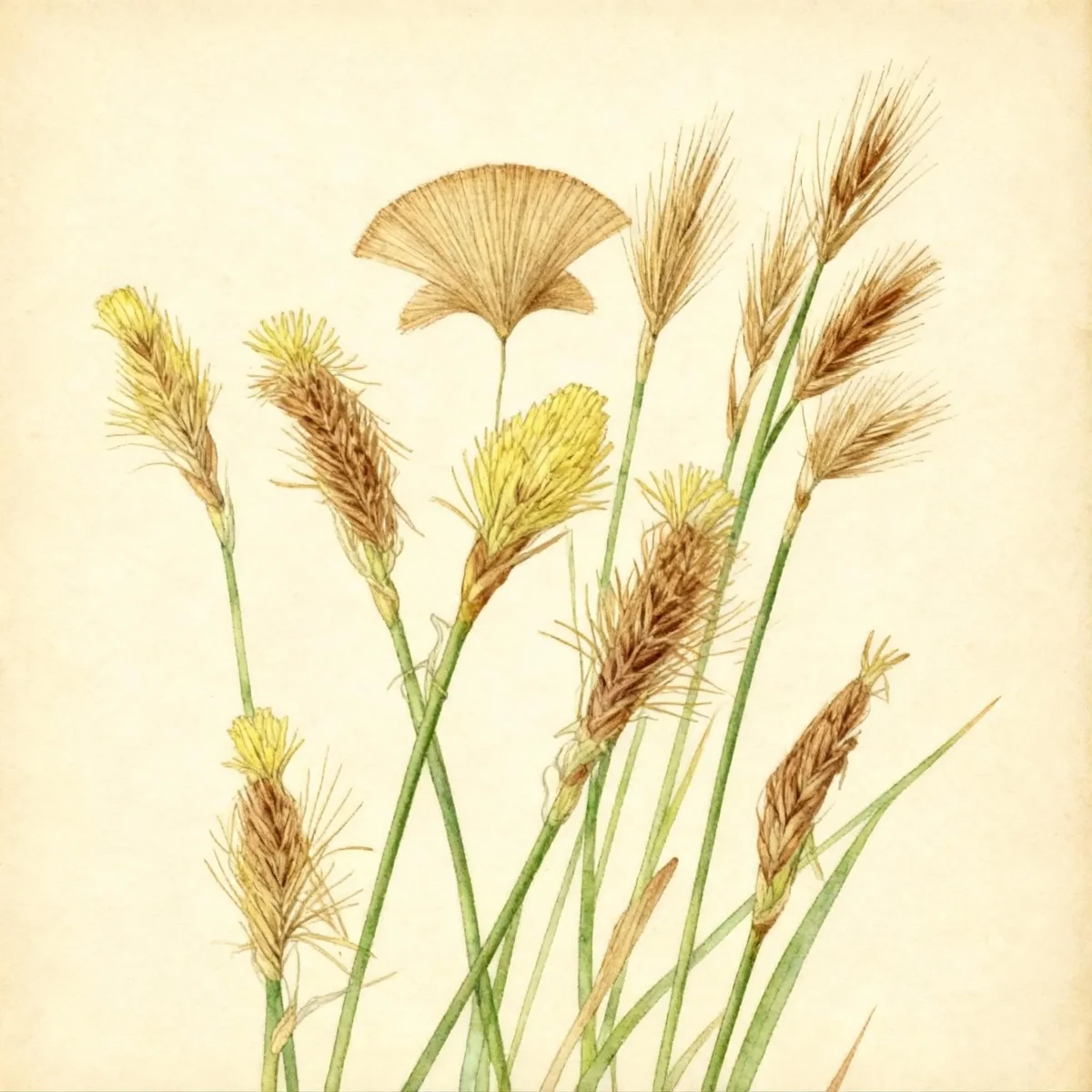
This specific cultivar, ‘Straw Hat’, stands out by offering a larger and arguably showier floral display than the straight species of Pennsylvania Sedge. Its tolerance for drier conditions sets it apart from many other sedges that demand constant moisture. Expect low maintenance and high visual impact from this reliable groundcover option.
Fast Facts
- Plant Family: Cyperaceae
- Plant Type: Rush or Sedge
- Hardiness Zones: USDA Zones 3-8
- Size at Maturity:
- Height: 0.75-1 ft
- Spread: 0.5-1 ft
- Bloom Time: May
- Sun Exposure: Part shade to full shade
- Water Needs: Dry to medium
- Maintenance Level: Low
How to Grow
Planting Carex pensylvanica ‘Straw Hat’ is best achieved in spring or fall when conditions are mild. Locate this Sedge where it receives part shade to full shade exposure; while it tolerates deeper shade, bright, dappled light often yields the best results. This plant prefers average, well-drained soils, thriving exceptionally well in loose loams, especially where they trend toward dryness. Unlike many other sedges, avoid locations that stay consistently wet.
Once established, this Sedge exhibits remarkable drought tolerance, requiring only infrequent watering during prolonged dry spells. Carex pensylvanica ‘Straw Hat’ is very low maintenance. It rarely requires fertilization, as excessive nutrients can sometimes promote unwanted floppiness. Minimal pruning is needed, though old foliage can be cut back in late winter or very early spring, just before new growth emerges.
Spread occurs via rhizomes, creating a tight patch of desirable groundcover. If you are using Carex pensylvanica ‘Straw Hat’ as a lawn substitute, you may choose to mow it two to three times per year down to about two inches to maintain a uniform turf look, though nature allows it to create its own low, attractive profile without mowing. Due to variable germination success from seed, immediate area coverage is best achieved by installing purchased plants.
Landscape Uses
The primary role for Carex pensylvanica ‘Straw Hat’ is as a dependable groundcover for dry shade. It excels under established trees, particularly oaks, where its resilience to dry shade mimics its native habitat perfectly. Use it to suppress weeds silently across wide expanses where turf grass struggles to survive due to heavy shade or dry soil competition from tree roots.
Consider utilizing this Sedge for underplanting beneath taller shade perennials. Its fine, mounding texture contrasts beautifully with hostas or ferns, providing a soft edge to garden beds. Furthermore, Carex pensylvanica ‘Straw Hat’ functions wonderfully as a naturalistic, non-mown lawn alternative in inaccessible or deeply shaded parts of the yard.
For visual interest, group this Sedge with plants that bloom earlier or later, such as spring ephemerals or later-season woodland blooms, ensuring continuous texture throughout the year. Its semi-evergreen nature means it maintains structure even through moderate winters.
Carex pensylvanica ‘Straw Hat’ Standout Features
Noteworthy Characteristics
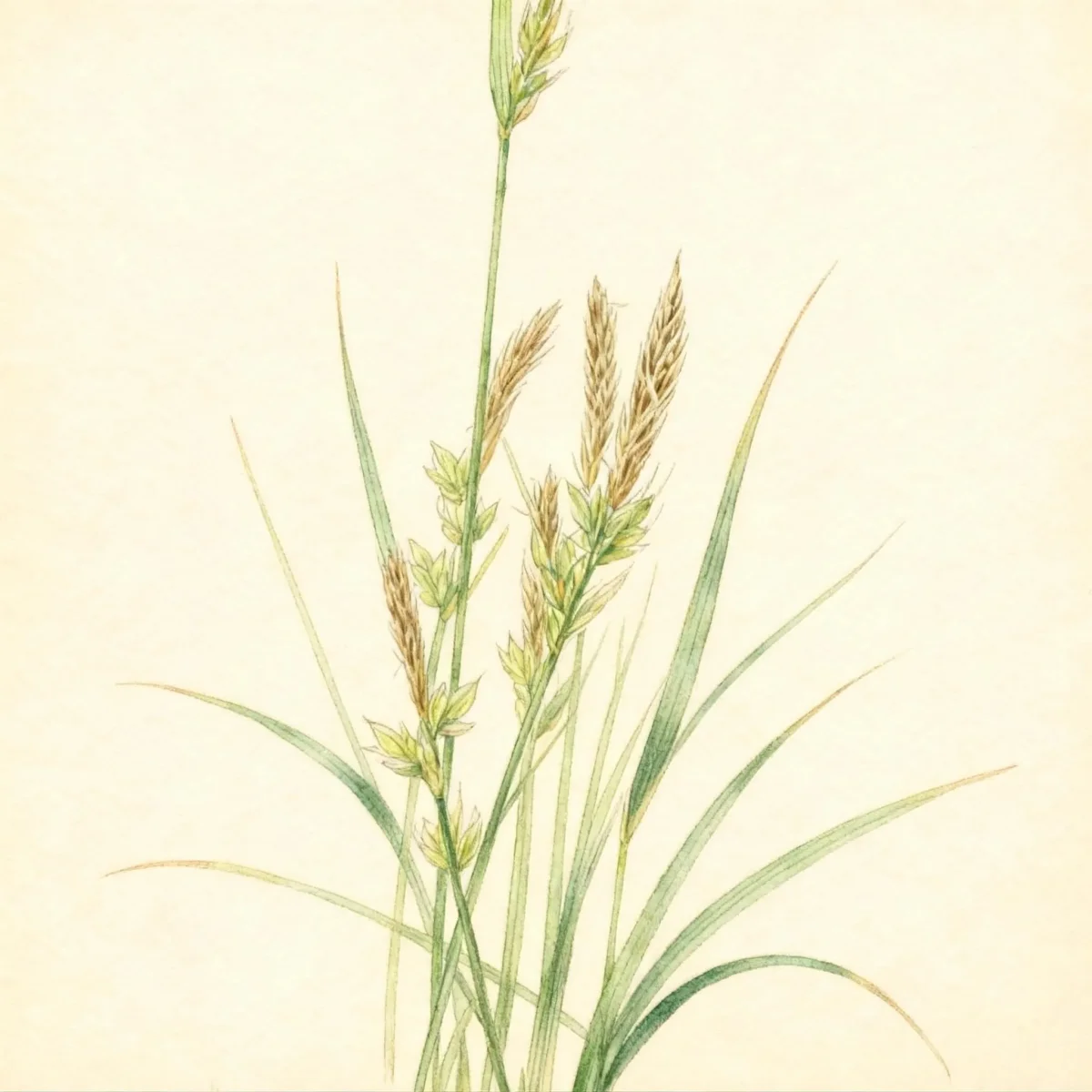
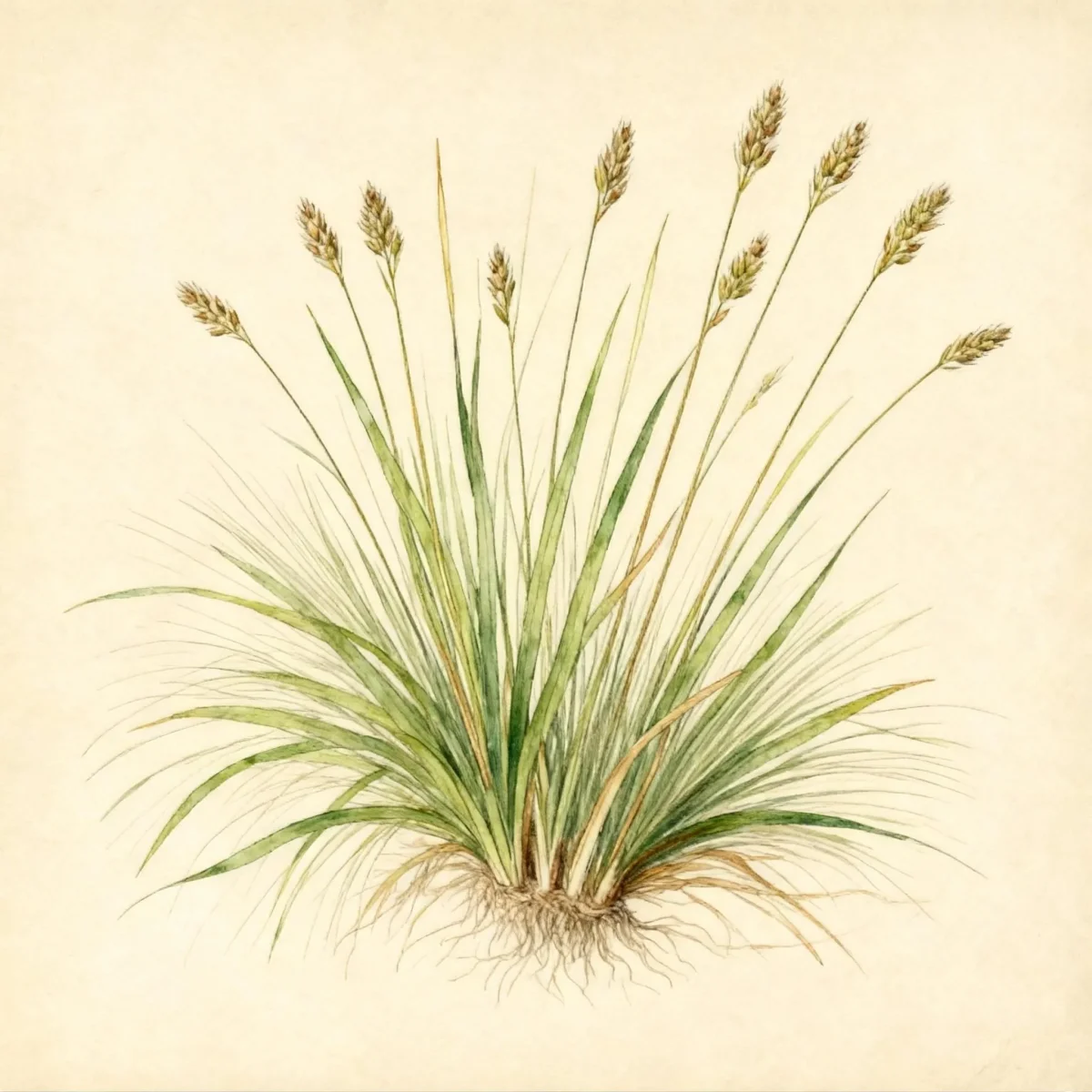
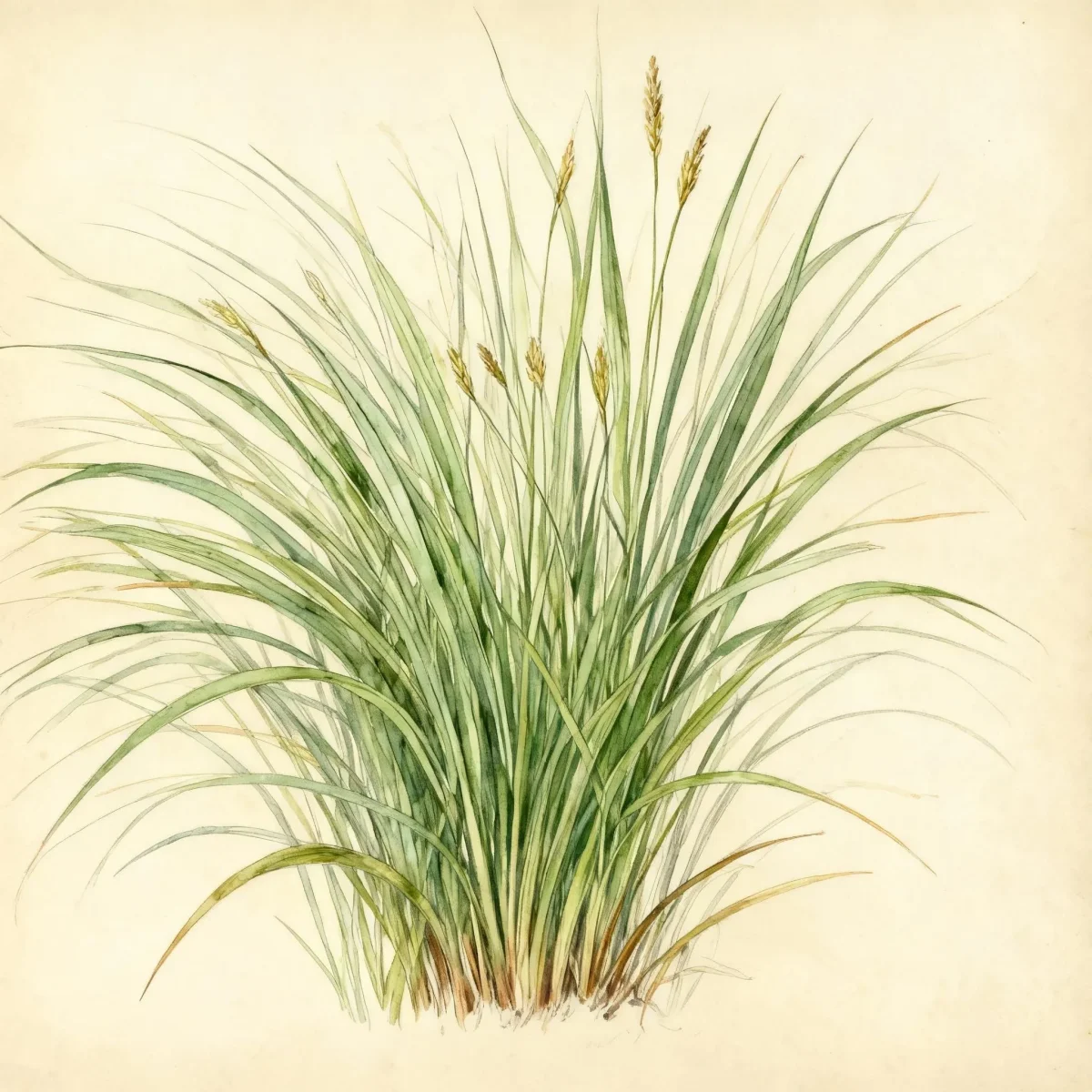
Carex pensylvanica, commonly called Pennsylvania sedge, is a shade-loving perennial sedge that is native to thickets and dry woodland areas in Eastern and Central North America from Quebec to Manitoba south to Mississippi and Georgia. It typically grows in loose colonies with a creeping habit. This is a low sedge with soft, delicate, arching, semi-evergreen leaves, each only about 1/8” wide, typically growing in a clump to 8” tall. The narrow, grass-like, medium green leaves are typically shorter than the flowering stems that bloom in late spring. The cultivar ‘Straw Hat’ produces a larger, showier floral display than the straight species.
Tolerances
- No serious insect or disease problems.
Potential Problems
While generally robust, this Sedge can occasionally succumb to fungal issues. Keep an eye out for occasional leaf spot, smut, and rust, especially in areas where air circulation is poor or humidity lingers. Good cultural practices, such as ensuring adequate drainage as described in the culture notes, are the best prevention. If fungal issues appear, promptly remove infected foliage to prevent spore spread.
Since this species is native to dry upland forests, attempting to grow it in consistently wet or boggy conditions will lead to decline rather than pest problems. Adhering strictly to its preference for dry to medium, well-drained soil will ensure years of healthy performance from your Carex pensylvanica ‘Straw Hat’.
Frequently Asked Questions
What hardiness zones is Sedge suitable for?
Carex pensylvanica ‘Straw Hat’ is reliably hardy through USDA Zones 3 to 8.
How large does Carex pensylvanica ‘Straw Hat’ grow?
This low-growing Sedge typically reaches a height between 0.75 to 1 foot tall and spreads between 0.5 to 1 foot wide.
What sun exposure does Sedge need?
This desirable groundcover requires part shade to full shade conditions to thrive in the garden.
When does Sedge bloom?
The inconspicuous but showy flowers appear on this Sedge during the month of May.
Conclusion
The Carex pensylvanica ‘Straw Hat’ Sedge provides an unmatched combination of toughness and fine texture, making it an essential tool for gardening in dry, shady environments. Its low maintenance needs and ability to form cohesive carpets add significant value to woodland gardens and under tree canopies. Evaluate your garden’s dry shade areas and plan to install this excellent Sedge this coming planting season.
Companion Planting
When designing with Carex pensylvanica ‘Straw Hat’, pair it with woodland companions that share similar dry-shade requirements but offer contrasting textures. Consider plants like Epimedium (Barrenwort), which offers heart-shaped foliage that contrasts beautifully with the fine, linear leaves of the Sedge. Another excellent pairing is Helleborus (Lenten Rose), whose leathery, evergreen leaves provide sturdy structure near the delicate spread of the Pennsylvania Sedge.
In areas where you want a semi-evergreen groundcover contrast, consider planting the Sedge beneath taller, deciduous shrubs or underplanting it with spring bulbs like Daffodils. The Sedge fills in quickly as the bulbs fade, keeping the area tidy throughout the summer months. Ensure that any companion you choose also tolerates the dry conditions this Sedge prefers.
Seasonal Care Calendar
For spring maintenance, focus on clearing away heavy leaf litter that may have accumulated over the winter, allowing light to reach the base of the Carex pensylvanica ‘Straw Hat’. If you are aiming for a lawn appearance, this is the best time to lightly mow the patch down to two inches. Summer care requires minimal intervention; monitor moisture levels only during severe drought periods, as established plants are quite resilient.
Autumn is an ideal time to consider spreading rhizomes or purchased plants to expand your coverage area for this effective Sedge. Since Carex pensylvanica ‘Straw Hat’ is semi-evergreen, it requires little specific winter protection outside of ensuring it is not buried by excessive layers of mulch or snow, which could impede spring emergence. Focus on observation rather than intervention during the dormant season.