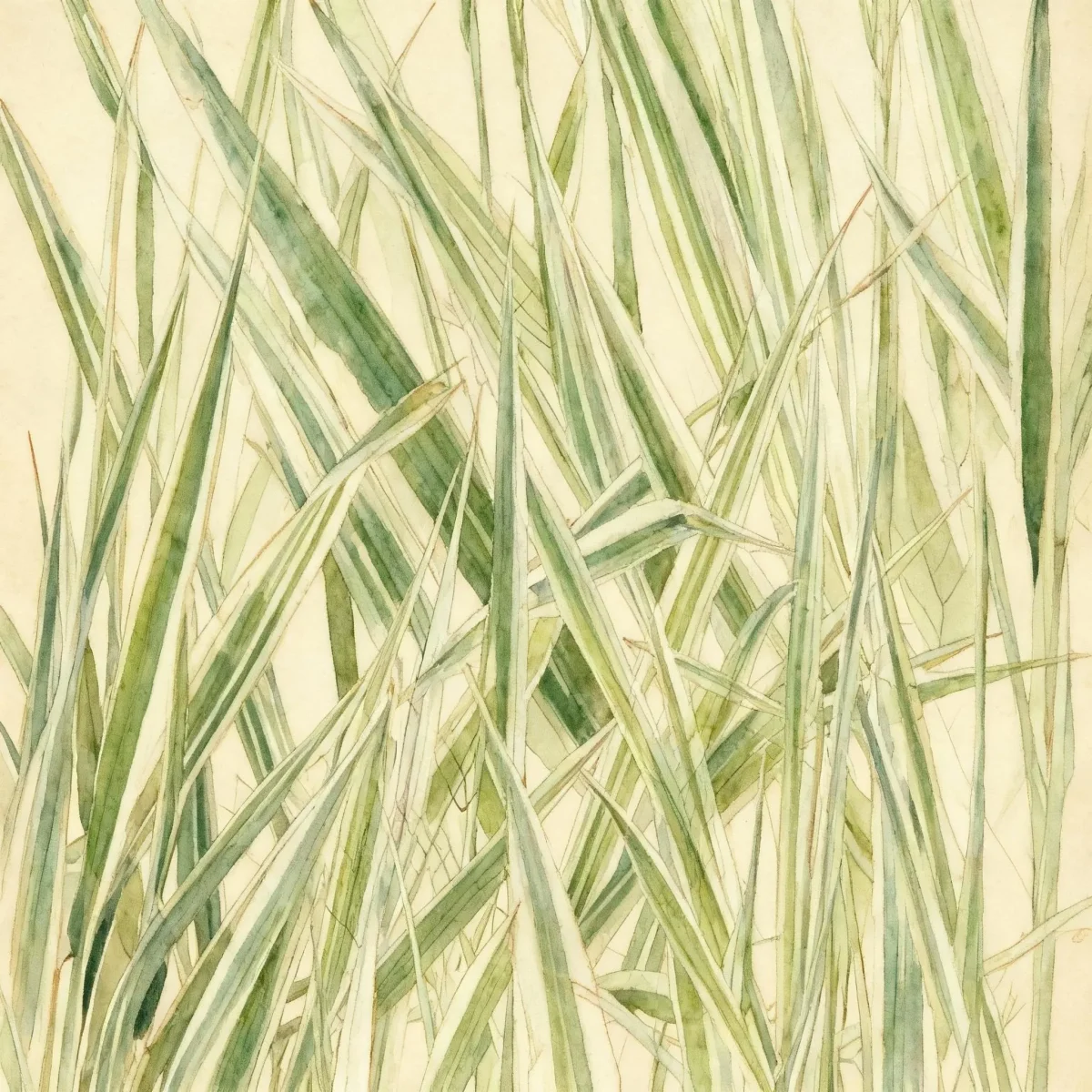
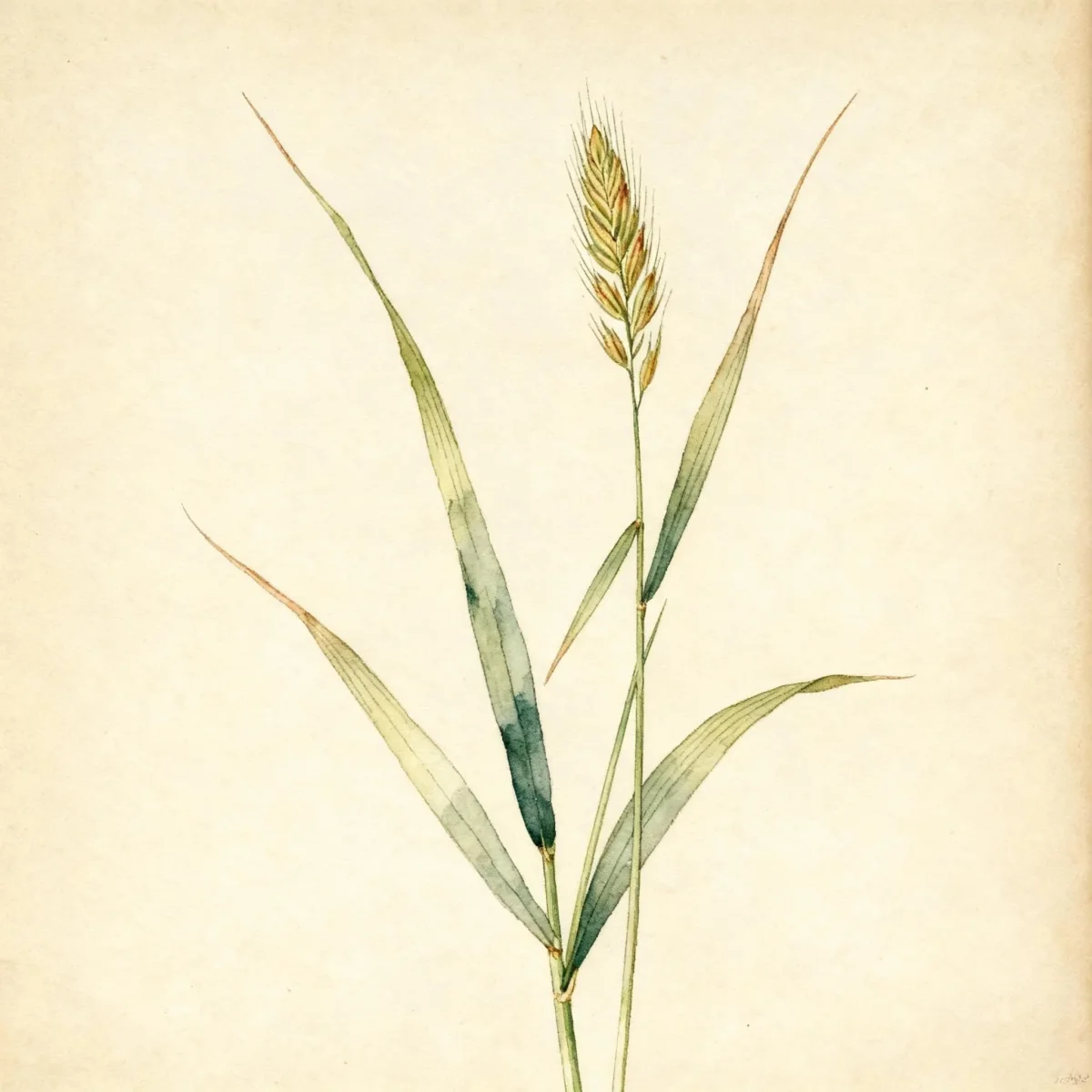
Tall fescue (Festuca 'Cool as Ice')
Festuca 'Cool as Ice' produces steely blue, finely textured foliage, offering superior heat tolerance. This Tall fescue is drought tolerant.
Scroll down to discover growing tips, care requirements, companion plants, and more
Complete Plant Information
Overview
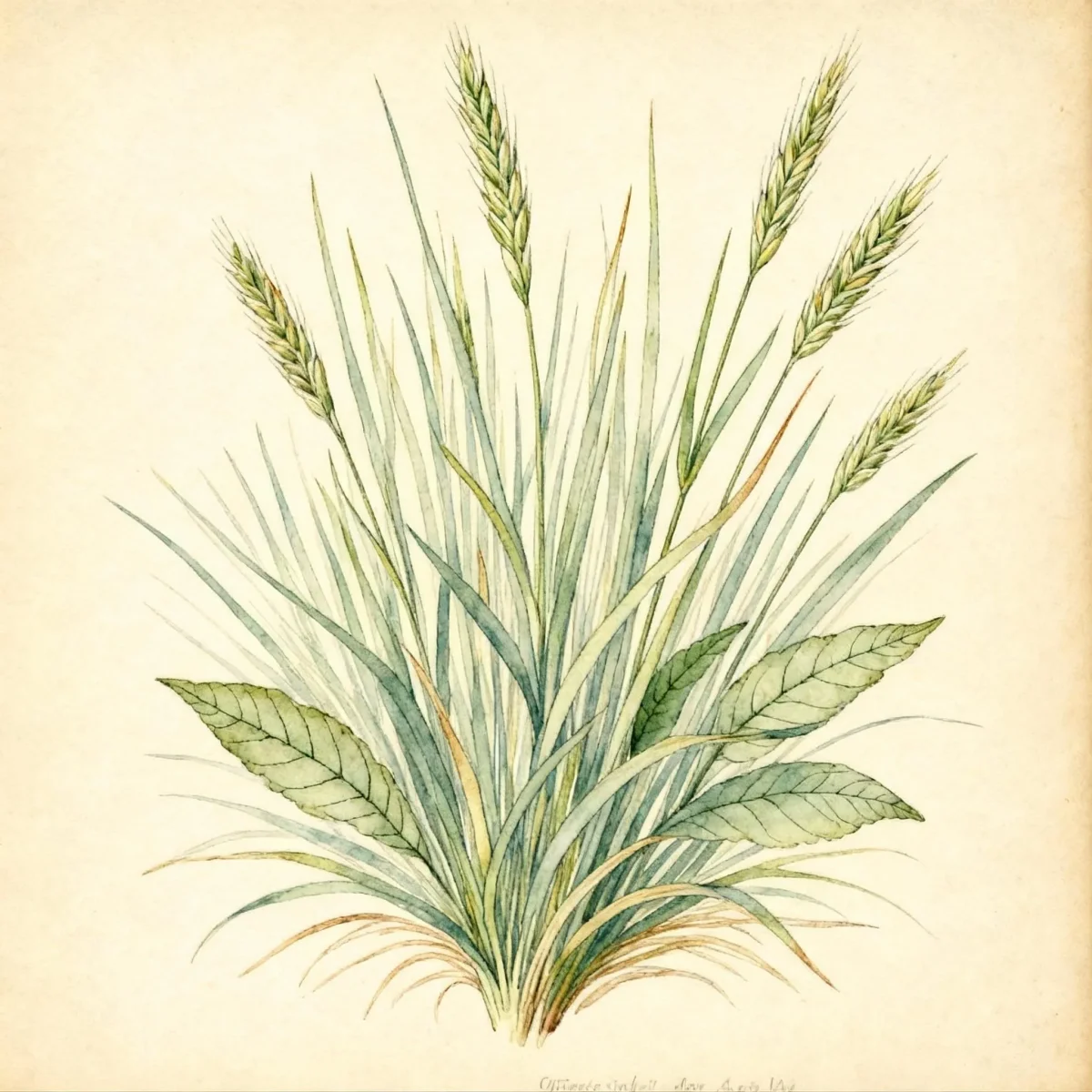
Festuca ‘Cool as Ice’, commonly known as Tall fescue, is highly valued for its striking, finely-textured, steely blue foliage that contrasts beautifully with surrounding greenery. This ornamental grass forms dense, dome-shaped tufts, providing year-round structure, though its foliage is considered semi-evergreen. The superior heat tolerance of Festuca ‘Cool as Ice’ makes it an excellent choice for sunny, dry locations where other grasses may struggle.
This clump-forming grass thrives when situated in full sun, which maximizes its desirable blue coloration, though it tolerates light shade. While ornamental, it demands reasonably well-drained soil, as it strictly dislikes wet conditions, aligning with its low water needs. Gardeners appreciate its low-maintenance appeal once established, provided its short lifespan and division requirements are managed.
The consistent, cool blue hue throughout the growing season sets Festuca ‘Cool as Ice’ apart, making it an architectural accent or massed planting option. It imparts a distinctive texture and color, fitting well into modern and xeriscaped garden designs needing reliable, low-input structure.
Fast Facts
- Plant Family: Poaceae
- Plant Type: Ornamental grass
- Hardiness Zones: USDA Zones 4-8
- Size at Maturity:
- Height: 1-1.5 ft
- Spread: 1.5-2 ft
- Bloom Time: May to July
- Bloom Description: Green fading to light brown
- Sun Exposure: Full sun to part shade
- Water Needs: Dry
- Maintenance Level: Medium
How to Grow
The best time to establish Festuca ‘Cool as Ice’ is when planting in average, well-drained soil. Ensure the location receives full sun for the most vibrant steely blue color, although it will tolerate light shade. This grass prefers dry to medium soil conditions; avoid any area prone to becoming waterlogged, as this is intolerable for the plant’s root system.
Once planted, watering needs are very low; this Tall fescue is highly drought tolerant once established. Fertilization is generally unnecessary, fitting well into lean soil gardens. The primary maintenance task involves regular division; clumps tend to die out in the center and require division and replanting every two to three years to maintain vigor, especially given the plant’s relatively short lifespan.
For spring tidiness, cut back the entire foliage mass to about 3-4 inches above the ground. This promotes the emergence of fresh new leaf blades. If the plants experience stress during exceedingly hot and humid summers, cutting them back moderately can also refresh the growth.
When planting for ground cover effect, mass them densely, spacing clumps about 8 to 10 inches apart, as they do not spread outward aggressively on their own. While seeds can be grown, this often results in variations in the desired foliage color, so nursery-acquired plants are usually preferred for predictable results.
Landscape Uses
Festuca ‘Cool as Ice’ excels as a compact and versatile ornamental grass, especially ideal for defining edges where structure is paramount. Use it to create crisp borders along pathways or garden beds, offering a low, fine-textured line that complements blockier plants. Its short height also makes it perfect for the fronts of layered borders.
This cool-toned grass mixes exceptionally well with plants featuring warmer colors or bolder textures, such as Sedum or Coreopsis. Consider using it as a textural accent within rock gardens, where its drought tolerance mirrors the needs of alpine planting schemes. Mass planting the Festuca ‘Cool as Ice’ creates a soft, undulating sea of blue that unifies diverse plantings in a sunny, dry spot.
Standout Features
Noteworthy Characteristics
Festuca glauca, commonly called blue fescue, is a short-lived, low-growing, semi-evergreen, clump-forming ornamental grass noted for its glaucous, finely-textured, blue-gray foliage. Foliage forms a dome-shaped, porcupine-like tuft of erect to arching, needle-like blades radiating upward and outward to a height of 6-8” (inflorescences typically bring total clump height to 10-14”). Light green flowers with a purple tinge appear in terminal panicles atop stems rising above the foliage in late spring to early summer, but inflorescences are not very showy. ‘Cool as Ice’ emerges a grey-green in the spring, but quickly turns steely blue.
Tolerances
- Deer
- Drought
Potential Problems
The most significant management issue for this variety of Tall fescue is its tendency to be short-lived, necessitating frequent division every 2-3 years to prevent the center of the clump from dying out. This division process is key to long-term success with Festuca ‘Cool as Ice’.
Furthermore, the foliage can decline considerably during periods of extreme heat and high humidity, common in humid continental climates. If decline is observed, cutting the clump back will help stimulate fresh growth when conditions cool slightly. Proper site selection—prioritizing sun and perfect drainage—is crucial to mitigating stress.
Frequently Asked Questions
What hardiness zones is Tall fescue suitable for?
Festuca ‘Cool as Ice’ is generally hardy in USDA Zones 4-8. However, reliability can vary, especially toward the warmer end of its range in humid climates.
How large does Tall fescue grow?
This ornamental grass typically reaches a height between 1 and 1.5 feet, spreading to about 1.5 to 2 feet wide at maturity.
When does Tall fescue bloom?
Bloom time for Festuca ‘Cool as Ice’ spans from May to July, producing green flowers that eventually fade to light brown.
What sun exposure does Tall fescue need?
It performs best in full sun for optimal blue coloration, although it tolerates conditions ranging from full sun to part shade.
Conclusion
Festuca ‘Cool as Ice’ delivers exceptional visual impact through its distinctive, finely-textured, steely blue foliage, making it a superior choice for dry, sunny borders. By understanding the need for high drainage and periodic division, gardeners can ensure consistent beauty from this reliable Tall fescue. Always check local climate compatibility before planting this specific cultivar.
Companion Planting with Drought-Tolerant Perennials
Because Festuca ‘Cool as Ice’ prefers sharp drainage and dry summer soil, pairing it with other drought-tolerant perennials will ensure similar cultural needs across the planting scheme. Plants that thrive alongside this fine-textured grass include Sedum varieties (especially upright types like ‘Autumn Joy’), Lavender (Lavandula), and silvery Artemisia species. This combination leverages texture contrast—the soft needles of the fescue against the broader leaves of companions—while maintaining a shared tolerance for minimal supplemental water.
Designing Blue Grass Massings
For maximum visual effect, consider massing Festuca ‘Cool as Ice’ in groupings rather than using single specimens. Planting clumps closely—around 8 to 10 inches apart—allows the blue domes to merge visually, creating an effective ground cover effect that suppresses weeds between the individual plants better than widely spaced individuals. This technique highlights the cool, silvery tones of the foliage when viewed in large drifts under bright afternoon sun.