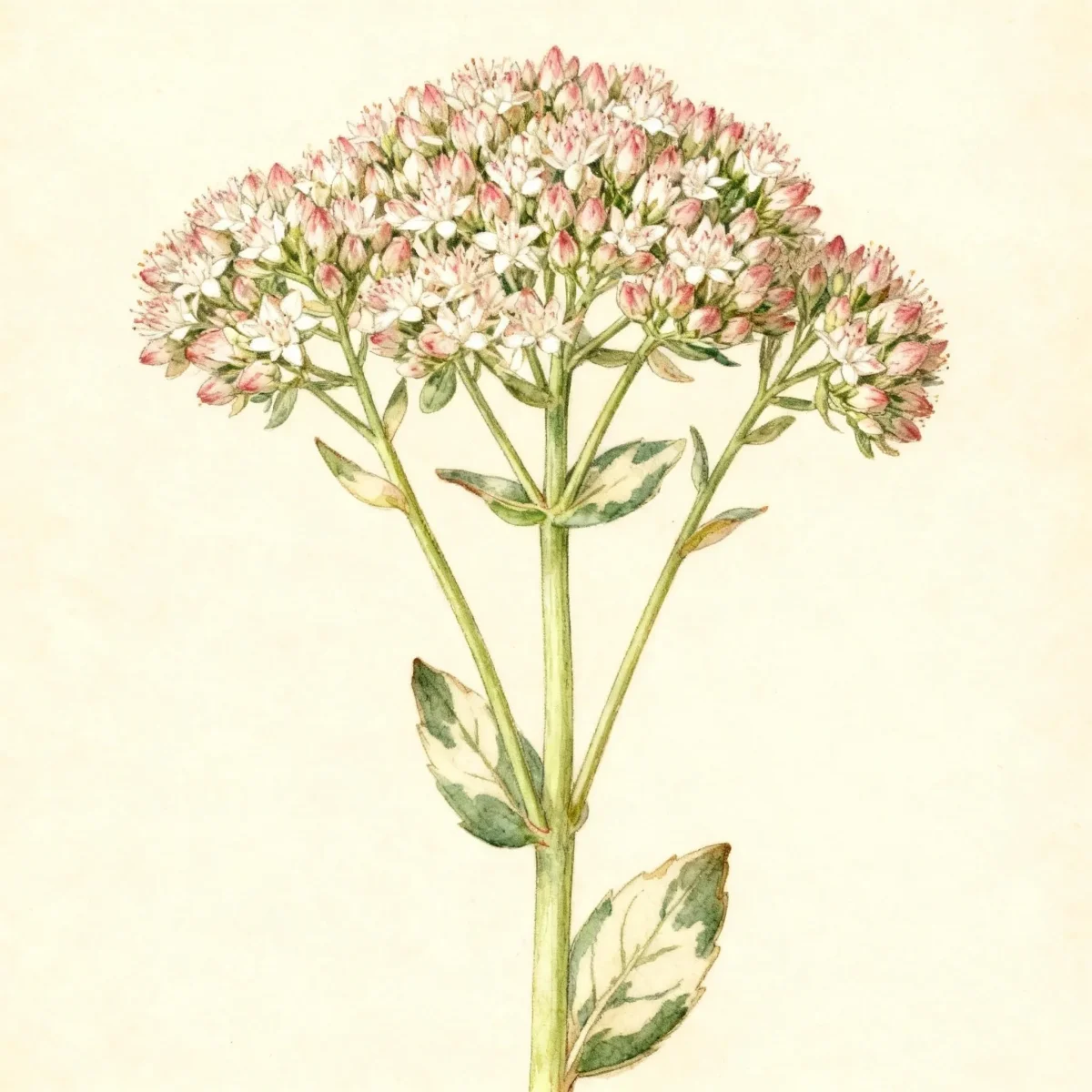
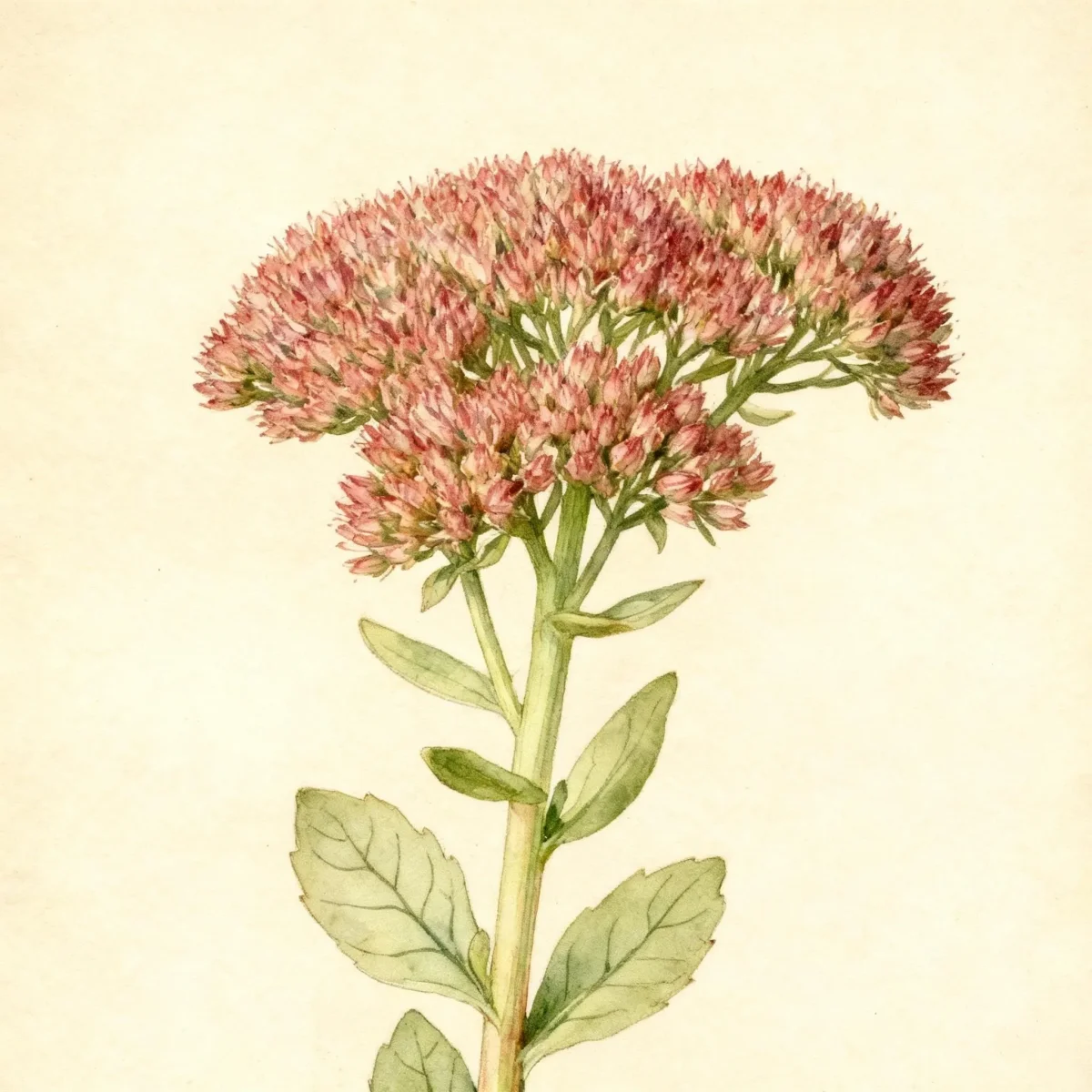
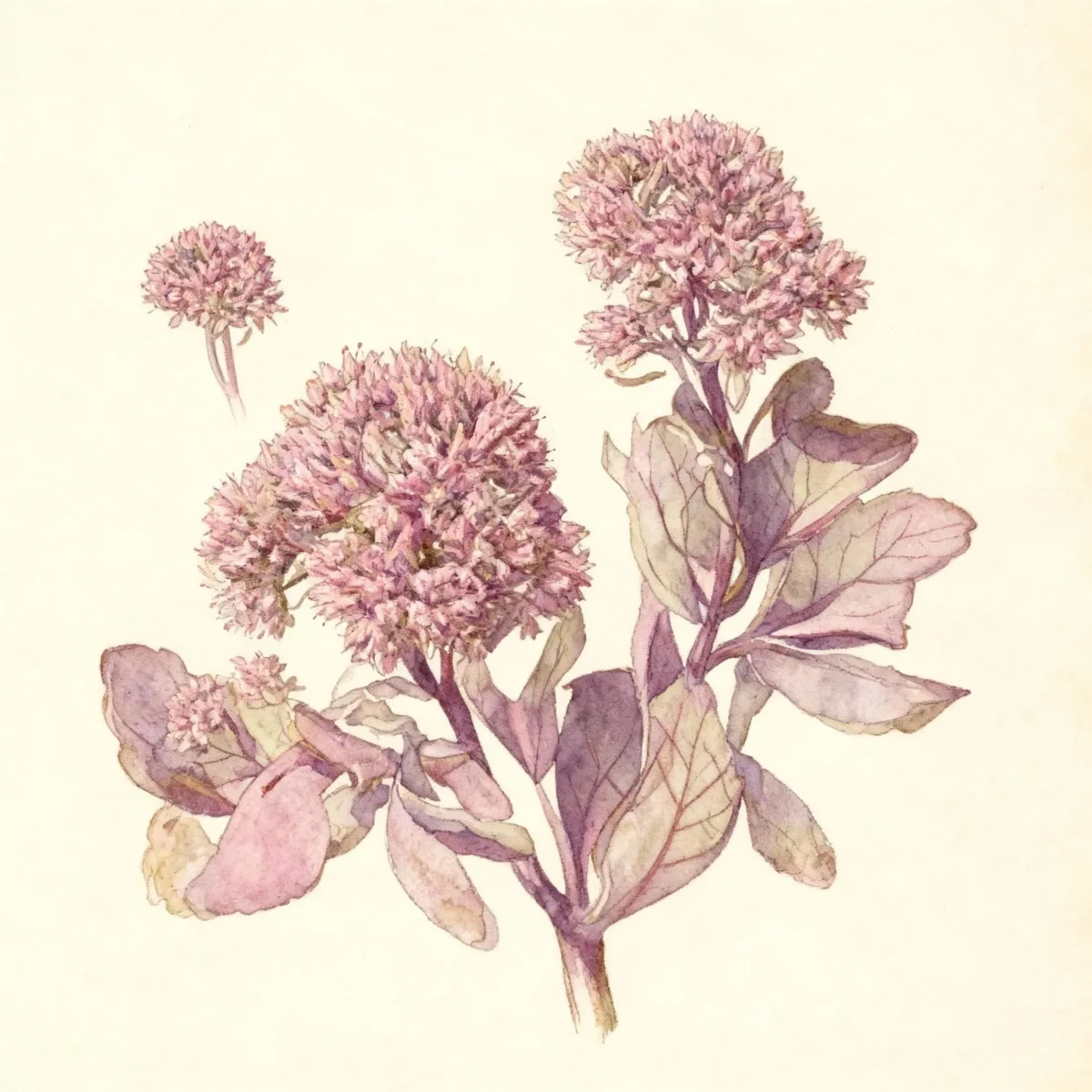
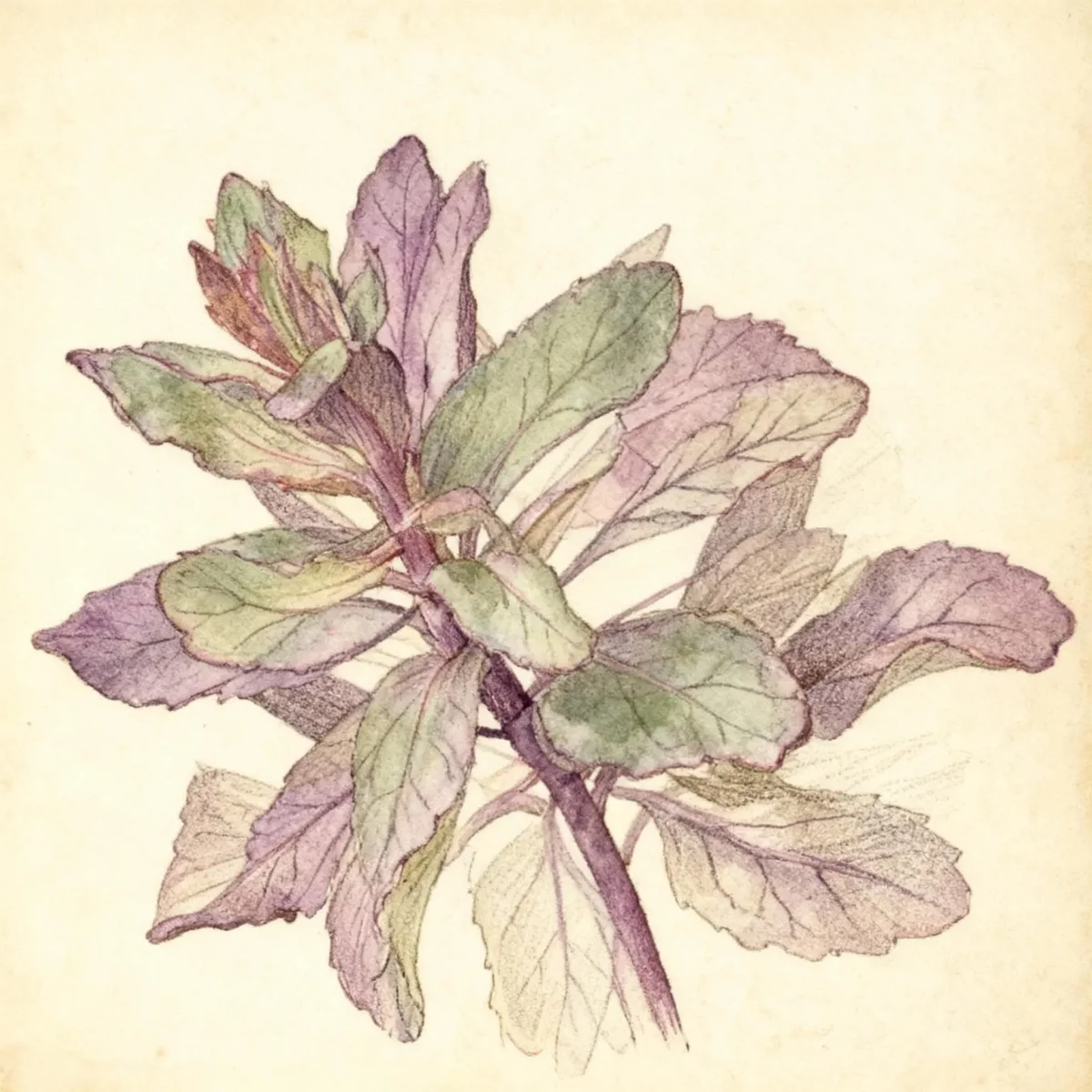
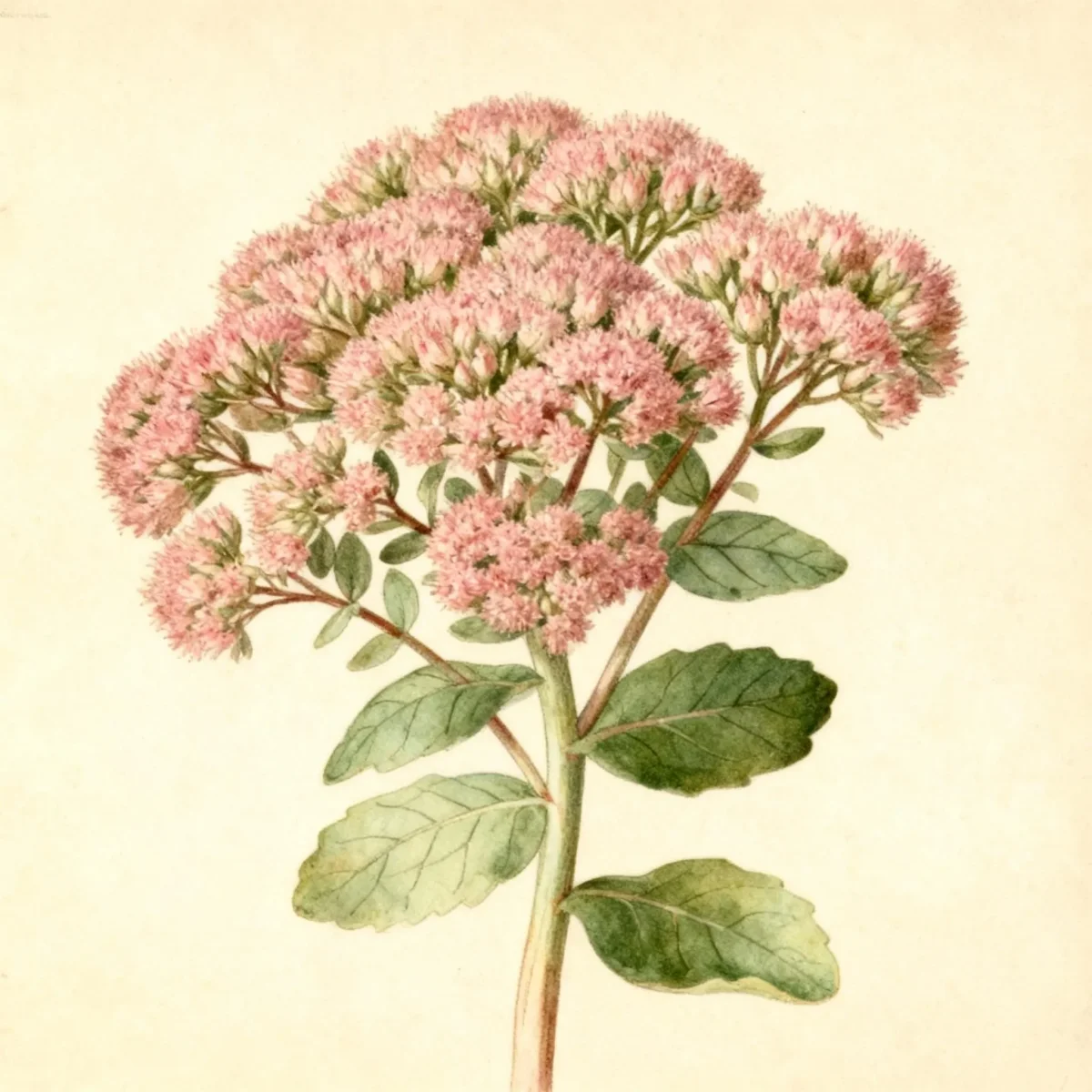
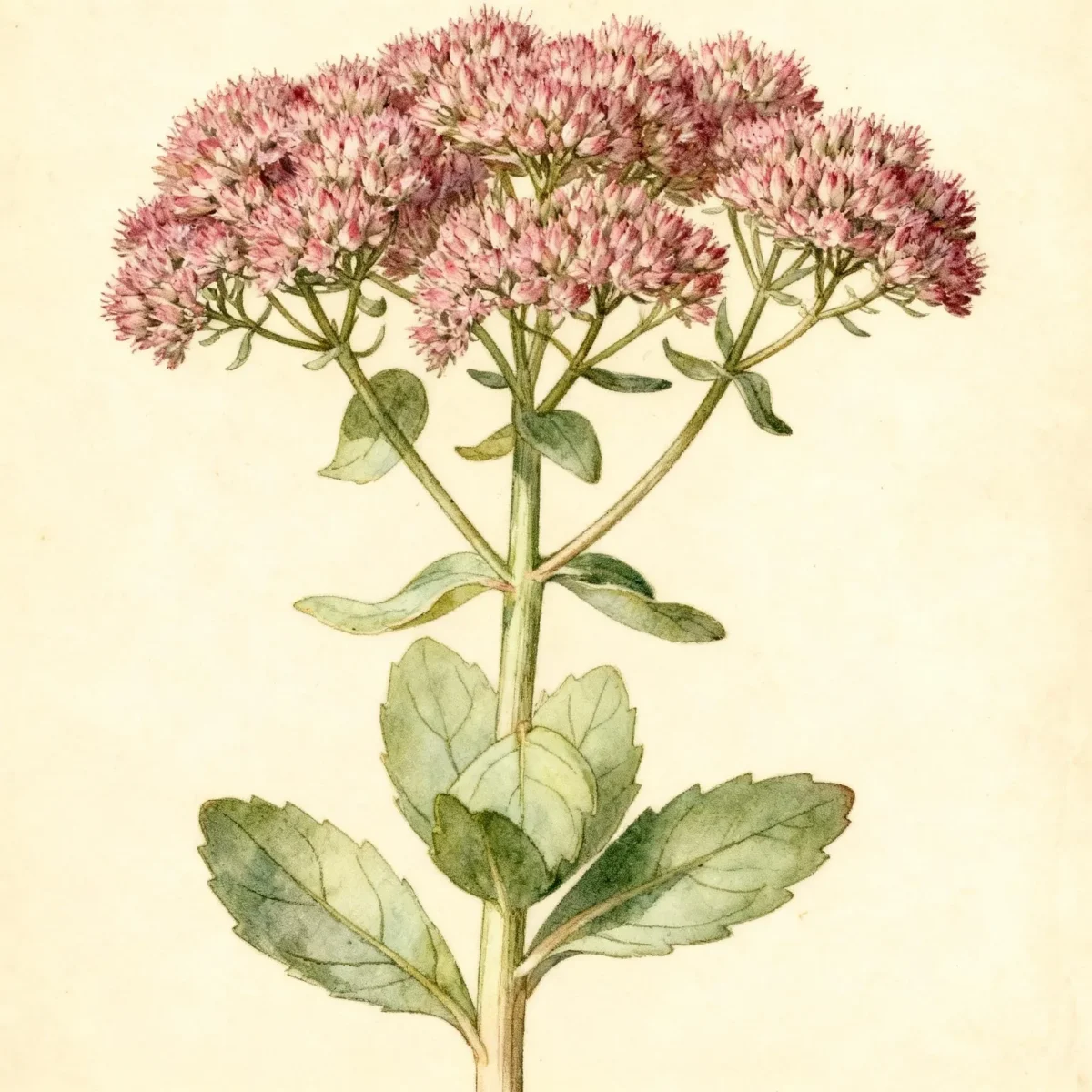
Stonecrop (Sedum rupestre 'Making Progress')
Hardy Sedum rupestre 'Making Progress' Stonecrop offers evergreen, mat-forming ground cover, thriving in dry soils with vibrant yellow summer blooms.
Scroll down to discover growing tips, care requirements, companion plants, and more
Complete Plant Information
Overview
Sedum rupestre ‘Making Progress’ is a standout evergreen ground cover valued for its reliable, mat-forming habit and unique foliage coloration. This variety of Stonecrop provides excellent texture throughout the season, shifting from rich green in summer to deep maroon tones during the colder months. Gardeners prize this herbaceous perennial for its adaptability and low-maintenance requirements, making it a perfect choice for challenging sites.
As a member of the Crassulaceae family, ‘Making Progress’ shares the succulent durability characteristic of Sedums, allowing it to thrive where other plants struggle. It spreads reliably to cover bare ground, effectively suppressing weeds while needing minimal intervention once established. This Stonecrop truly earns its name, sitting comfortably on rocky ledges and across dry slopes.
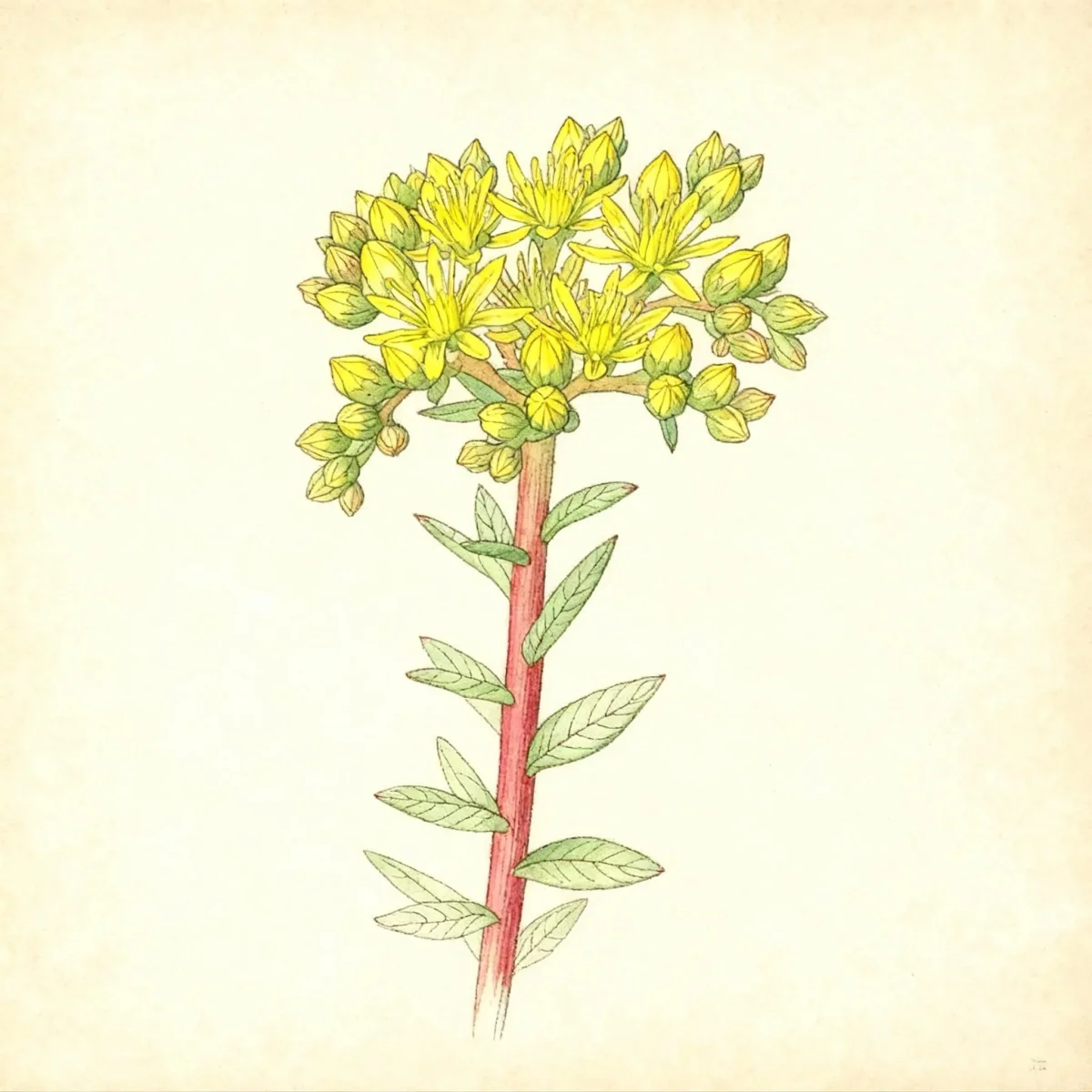
The visual appeal peaks in early summer when sprays of small, star-shaped yellow flowers punctuate the dense foliage. For gardeners looking for dependable, spreading coverage that offers seasonal color shifts, Sedum rupestre ‘Making Progress’ is an essential component for rock gardens or border edging.
Fast Facts
- Plant Family: Crassulaceae
- Plant Type: Herbaceous perennial
- Hardiness Zones: USDA Zones 4-8
- Size at Maturity:
- Height: 0.25-0.5 ft
- Spread: 1-1.5 ft
- Bloom Time: June to August
- Bloom Description: Yellow
- Sun Exposure: Full sun
- Water Needs: Dry to medium
- Maintenance Level: Low
How to Grow
The key cultural requirement for Sedum rupestre ‘Making Progress’ is excellent drainage, making it ideal for sandy, gravelly, or rocky soils typical of mountainous regions. Plant starter plugs 8 to 12 inches apart to ensure rapid massing coverage as a ground cover. While it prefers full sun, this resilient Stonecrop tolerates light afternoon shade, though bloom quality and winter coloration may diminish slightly.
Watering needs are minimal once the evergreen foliage is established; allow the soil to dry out thoroughly between infrequent waterings. Supplemental water is usually only necessary during extended, severe drought. Fertilization is generally unnecessary, as low fertility soils actually help encourage compact, dense growth typical of successful Stonecrop plantings.
Maintenance for this low-care perennial is minimal. Occasionally, older patches may need thinning if the plants begin to heave or spread too aggressively beyond their intended boundaries. Cleanup primarily involves removing any winter debris in early spring before the new growth flushes out, preparing the mat of foliage for summer blooms.
Landscape Uses
Sedum rupestre ‘Making Progress’ excels as a highly effective ground cover, quickly forming a dense, neat carpet that prevents weed encroachment. It is particularly effective when best massed or planted in large groups to showcase its uniform texture and seasonal color shifts. Consider using this Stonecrop along border fronts where its low height will not obscure taller perennials.
This variety is perfect for naturalizing areas where lawn maintenance is difficult, such as slopes or dry, rocky sections of the landscape. Furthermore, its cascading habit makes Sedum rupestre ‘Making Progress’ an outstanding spiller in containers, window boxes, or allowing it to drape beautifully over the edges of retaining walls or stone features.
When selecting companions, pair it with other sun-loving, drought-tolerant plants such as ornamental grasses, Sedum ‘Autumn Joy’, or creeping Thyme. The structure of the needle-like foliage provides a stabilizing backdrop that highlights the finer textures of neighboring plants throughout the growing season.
Standout Features
Flower Qualities
- Showy
Noteworthy Characteristics
Sedum repestre (synonymous with S. Reflexum) is a mat-forming stonecrop that is native to mountain areas in central and western Europe. It is an evergreen plant that grows to only 4” tall but spreads to 24” wide. Pointed, cylindrical, gray-green leaves (to 3/4” long) are fleshy. In cold winter climates, leaves may acquire reddish tones in autumn. Star-shaped yellow flowers (1/2” wide) appear in terminal cymes in summer (June - August). This species is sometimes commonly called rocky stonecrop. The genus name comes from the Latin word sedeo meaning to sit in reference to the general growing habit of many of the sedums (they sit and sprawl over rocks), while the specific epithet means “rock loving” referencing its mountainous native habit. ‘Making Progress’ specifically features green, needle-like foliage in the summer that transitions to maroon red colors from fall until spring, accented by summer sprays of yellow, star-shaped flowers.
Tolerances
- Rabbit
- Deer
- Drought
- Dry Soil
- Shallow-Rocky Soil
- Air Pollution
Potential Problems
Serious insect or disease problems are uncommon for this hardy Stonecrop variety. The primary concern involves occasional opportunistic pests like slugs and snails, particularly when establishing new plants or in overly damp, shaded spots. Scale insects may infrequently become an issue if the plant is stressed or located in very crowded conditions.
To manage snails and slugs, employ regular scouting, especially after rains, or use deterrent methods around the base of the plants. Ensuring optimal site conditions—maximum sun and excellent soil drainage—is the best preventative against discouraging most pest infestations on Sedum rupestre ‘Making Progress’.
Frequently Asked Questions
What hardiness zones is Stonecrop suitable for?
Sedum rupestre ‘Making Progress’ is quite adaptable, thriving across a wide range of climates in USDA Hardiness Zones 4 through 8.
How large does Sedum rupestre ‘Making Progress’ grow?
This variety typically retains a very low profile, reaching a height between 0.25 and 0.5 feet, while spreading horizontally to occupy an area 1 to 1.5 feet wide.
What sun exposure does Stonecrop need?
For the best performance, dense mat formation, and robust flower production, Sedum rupestre ‘Making Progress’ requires full sun exposure.
When does Stonecrop bloom?
This Stonecrop variety provides classic summer color, blooming reliably from June through August with cheerful yellow flowers.
Conclusion
Sedum rupestre ‘Making Progress’ offers incredible value through its evergreen structure, exceptional drought tolerance, and vivid seasonal foliage shifts. This dependable Stonecrop proves that low maintenance does not mean low impact in the landscape, especially when used as a ground cover or accent in rock gardens. Before planting, confirm your local growing zone falls within USDA Zones 4-8, and ensure your chosen site offers the excellent drainage this plant absolutely requires for long-term success.
Companion Planting
When planning a garden where Sedum rupestre ‘Making Progress’ will act as a low border or filler, choose companions that share its preference for dry, well-drained soil and full sun exposure. Excellent partners include varieties of Achillea (Yarrow), which offer contrasting vertical texture, or other low-growing relatives like Sedum acre or creeping thyme (Thymus serpyllum). These pairings create tapestry-like effects, emphasizing the fleshy texture of the primary Stonecrop.
Avoid pairing this plant with moisture-loving species, as overwatering is the fastest way to compromise the health and drainage required by Sedum rupestre ‘Making Progress’. By grouping plants with similar cultural needs, you significantly reduce ongoing watering and maintenance duties, allowing the garden to thrive even during hot summer periods.
Design Ideas for Rock Gardens
The rock garden is the quintessential home for Sedum rupestre ‘Making Progress’ due to its affinity for shallow, rocky soils. Use it to soften the hard edges of boulders or flagstones, allowing the needle-like foliage to spill over the crevices, mimicking its natural mountainous habitat. Planting it between stepping stones is also highly effective, as traffic will not harm the durable, low-growing mats.
In contemporary or minimalist designs, mass planting Sedum rupestre ‘Making Progress’ creates an unbroken swath of texture and color that requires virtually no upkeep once established. This massing technique is superior to single-plant placement, as it highlights the creeping nature of this valuable Stonecrop variety and maximizes weed suppression in sunny, arid locations.