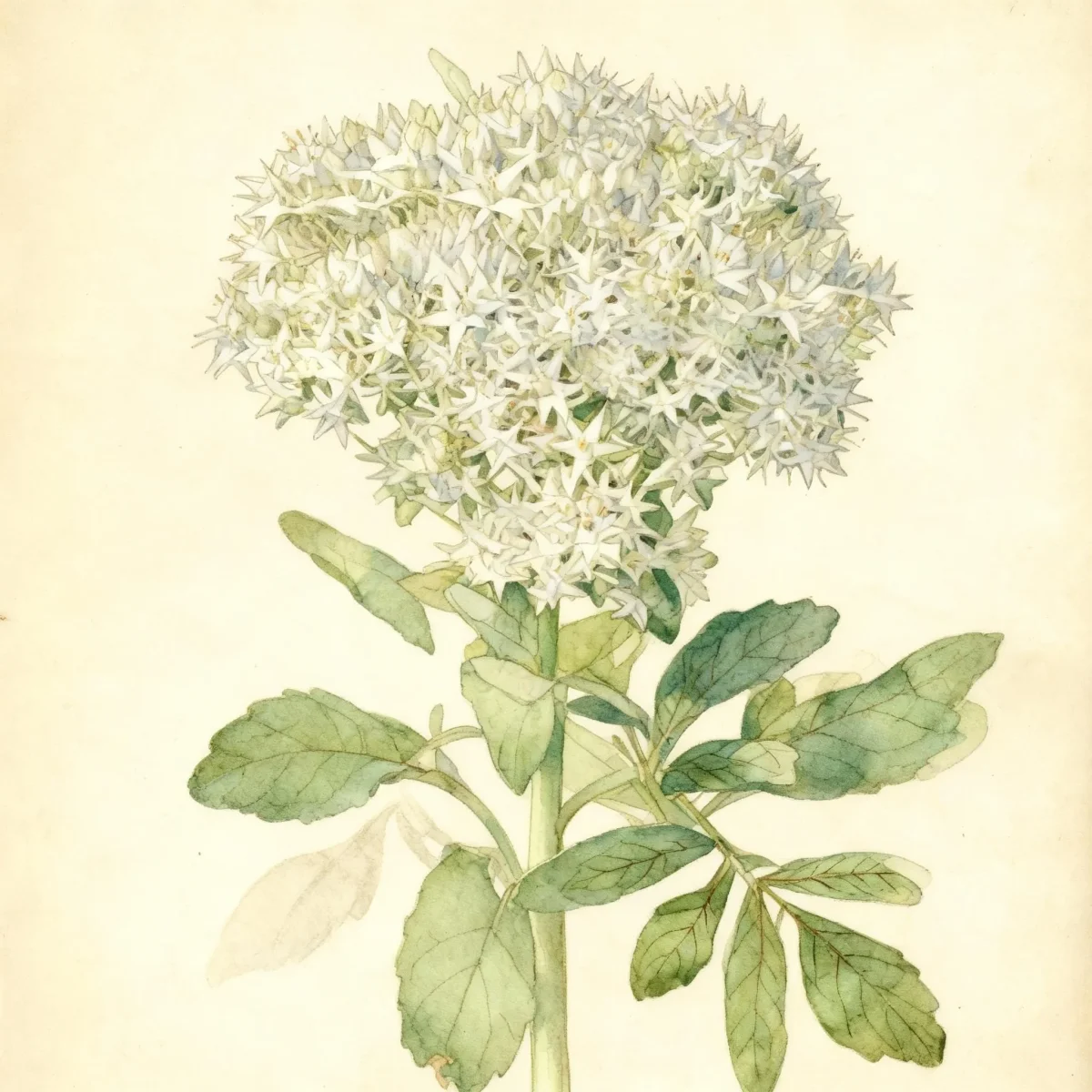
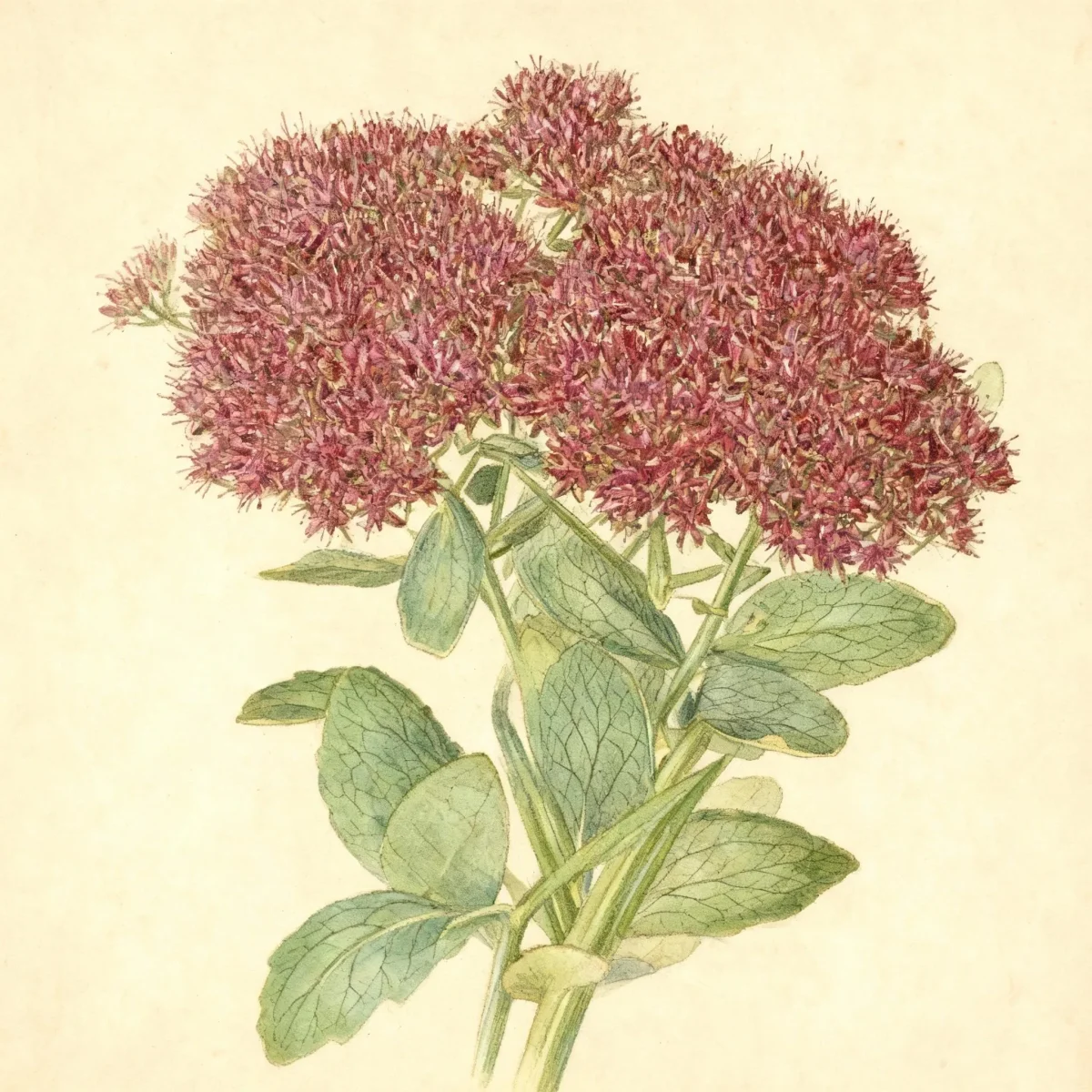
Russian stonecrop (Phedimus kamtschaticus)
Low-maintenance Russian stonecrop (Phedimus kamtschaticus) provides yellow blooms from June to August. Ideal for dry, sunny ground cover in zones 3-8.
Scroll down to discover growing tips, care requirements, companion plants, and more

Complete Plant Information
Overview
The Phedimus kamtschaticus, commonly known as Russian stonecrop, is a valuable, hardy ground cover prized for its resilience and ease of care. This herbaceous perennial quickly establishes a dense mat, making it excellent for covering difficult, dry areas where many other plants fail. Its practicality is matched by its seasonal appeal, offering cheerful yellow flowers during the summer months.
Originating from the Russian Far East, Japan, and nearby regions, Phedimus kamtschaticus has developed robust adaptations to handle challenging conditions. It thrives in full sun and prefers dry to medium soil moisture, showcasing remarkable drought tolerance once established. Gardeners appreciate its low maintenance requirements, which allow it to perform reliably year after year.
Functionally, Russian stonecrop is superb for erosion control and softening hardscapes. Its spreading nature allows it to naturalize beautifully in rock gardens or along slopes. For anyone seeking dependable hardiness paired with vibrant summer color, Phedimus kamtschaticus is an outstanding choice to incorporate into the landscape design.
Fast Facts
- Plant Family: Crassulaceae
- Plant Type: Herbaceous perennial
- Native Range: Russian Far East, Japan, eastern China, Korea
- Hardiness Zones: USDA Zones 3-8
- Size at Maturity:
- Height: 0.25-0.5 ft
- Spread: 1-1.5 ft
- Bloom Time: June to August
- Bloom Description: Yellow
- Sun Exposure: Full sun
- Water Needs: Dry to medium
- Maintenance Level: Low
How to Grow
Planting Russian stonecrop is best achieved in the spring after the last threat of frost has passed, or in early fall. Choose a location receiving full sun, as insufficient light will reduce flower production and cause lax growth. This species tolerates various soil types but excels in well-draining, even lean or shallow-rocky soil, mirroring its native habitat conditions.
Once established, the care requirements for Phedimus kamtschaticus are minimal. Water sparingly; these succulents prefer the soil to dry out between watering sessions. Heavy, prolonged rainfall or overly rich soil should be avoided as they can lead to rot, especially in established clumps. Fertilization is rarely necessary; over-fertilizing can compromise its compact structure and stress the plant.
Pruning is generally confined to tidying up the foliage, usually in early spring before new growth begins. Deadheading the spent yellow flowers is optional; they often dry attractively on the plant. In colder zones (3-5), the foliage may appear ratty after heavy snow, but clean-up is simple as the plant focuses on renewing its mat the following spring. Remember, the low maintenance is one of the biggest draws of Russian stonecrop.
Landscape Uses
The primary strength of Phedimus kamtschaticus lies in its use as an effective ground cover, rapidly creating a vibrant, low-growing carpet. Due to its excellent drought and erosion resistance, it is ideally suited for slopes, retaining walls, or anywhere soil retention is necessary. It spreads to cover 1 to 1.5 feet, suppressing weeds effectively once dense.
For design purposes, the bright yellow summer blooms contrast beautifully against dark mulch or grey gravel paths. Consider planting Russian stonecrop along the edges of sunny perennial borders, allowing its low height to showcase taller neighboring plants. It also works well naturalized beneath taller, slow-spreading trees where turf struggles to establish.
Pair this robust succulent with other sun-loving, drought-tolerant companions such as Sedums, low-growing ornamental grasses, or hardy Alliums. The reliable texture and color provided by Phedimus kamtschaticus ensure textural interest throughout the growing season in difficult, sunny spots.
Standout Features
Flower Qualities
- Showy
Noteworthy Characteristics
This herbaceous perennial forms dense mats of evergreen or semi-evergreen foliage, offering year-round textured interest in mild climates. The bright yellow flowers that appear mid-summer are a reliable source of late-season color in sunny, dry locations.
Tolerances
- Rabbit
- Deer
- Drought
- Erosion
- Dry Soil
- Shallow-Rocky Soil
- Air Pollution
Potential Problems
Phedimus kamtschaticus is exceptionally resistant to pests and diseases, contributing to its low maintenance profile. The primary cultural issue arises from excessive moisture or overly rich soil, which can lead to crown or root rot, especially if planted in heavy clay without amendment. Ensure excellent drainage to prevent this.
Slugs and snails may occasionally sample tender new growth early in spring, although mature dense mats are rarely bothered. If you notice thinning in the middle of established mounds, it might indicate older growth slowly dying out; gently refresh this area by covering with a thin layer of gritty soil and encouraging runners to root.
Frequently Asked Questions
What hardiness zones is Russian stonecrop (Phedimus kamtschaticus) suitable for?
Russian stonecrop is highly adaptable and suitable for USDA Hardiness Zones 3 through 8, offering excellent cold tolerance.
How large does Phedimus kamtschaticus grow?
This plant maintains a very low profile, typically reaching only 0.25 to 0.5 feet in height, while spreading horizontally from 1 to 1.5 feet wide.
When does Russian stonecrop bloom?
Phedimus kamtschaticus produces masses of yellow flowers reliably throughout the summer, generally blooming from June into August.
What sun exposure does Phedimus kamtschaticus need?
This hardy perennial requires full sun exposure to maintain its dense habit and produce the best floral display.
Conclusion
The Russian stonecrop delivers exceptional value through its tough constitution, thriving where little else will grow. Its low-maintenance nature, combined with outstanding drought tolerance and cheerful summer blooms, makes Phedimus kamtschaticus a staple for dry, sunny landscapes. Before installing, confirm your location falls within USDA Zones 3-8 and ensure rapid drainage for long-term success.
Companion Planting
When planning beds that feature Phedimus kamtschaticus, focus on other xeriscape or rock garden species that share its love for intense sun and excellent drainage. Grouping it with other low-growing Sedums (stonecrops) creates a complementary tapestry of texture and bloom timing. Consider using spreading varieties of Thyme or low Artemisia for silvery foliage contrast against the green mats of the Russian stonecrop.
Many aromatic, sun-loving herbs thrive in similar lean, dry conditions. Lavender, Santolina, or creeping Oregano can be placed slightly behind or beside the stonecrop, their upright forms balancing the spreading habit of the Phedimus kamtschaticus. This planting strategy results in a very low-water garden needing minimal seasonal attention.
Propagation Tips
Russian stonecrop is incredibly easy to propagate asexually, ensuring you can expand your coverage area quickly and freely. The best method involves taking simple stem cuttings during the active growing season (late spring through mid-summer). Snip off small pieces of stem, ensure they have a few nodes, and allow the cut end to dry for a day or two until a slight callus forms.
These small cuttings can then be placed directly onto slightly moist, gritty soil in a tray or garden bed and kept lightly watered until roots form, which usually happens rapidly. Alternatively, since Phedimus kamtschaticus readily roots where its stems contact the soil, simply pulling apart existing mats in spring and replanting the rooted sections serves as effective division.