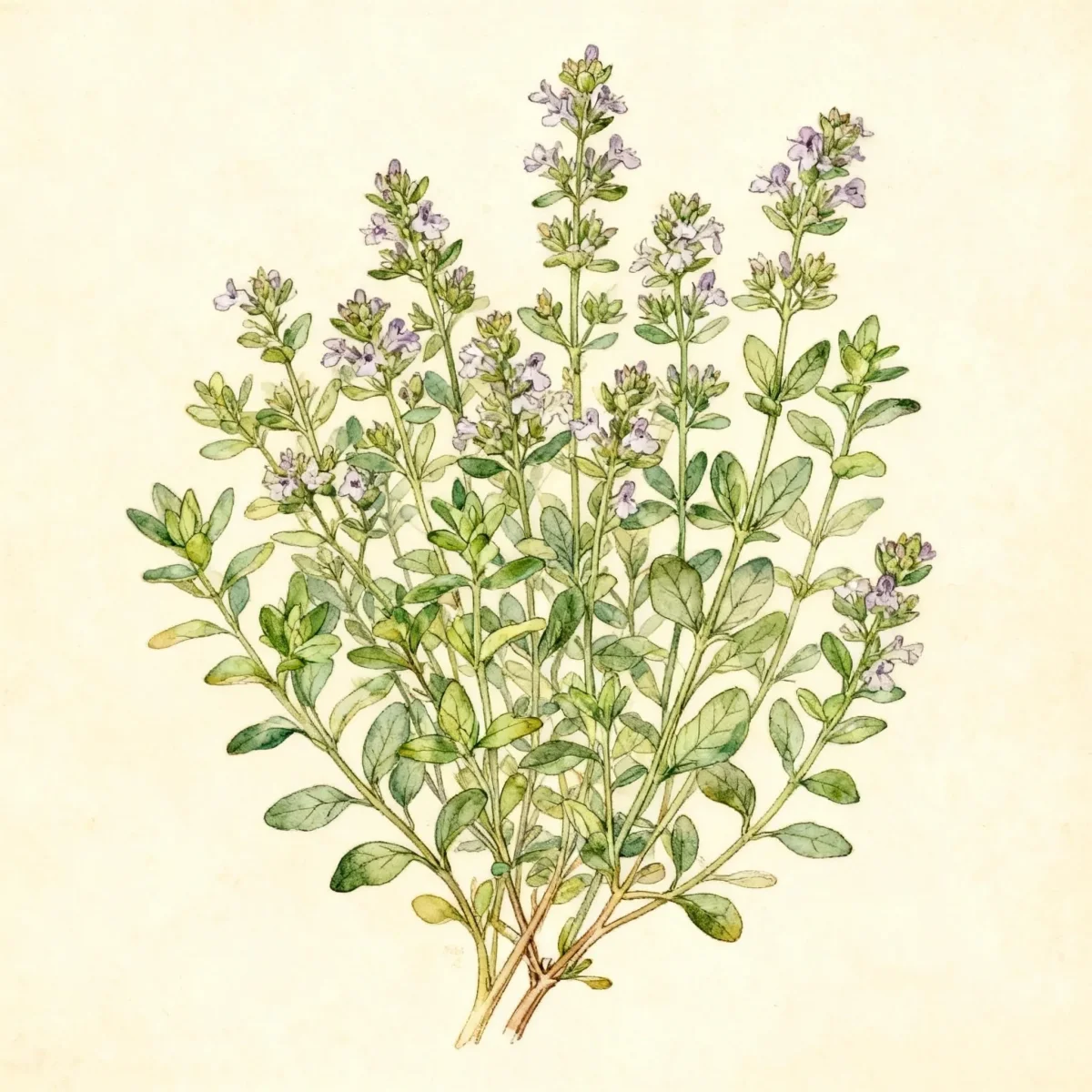
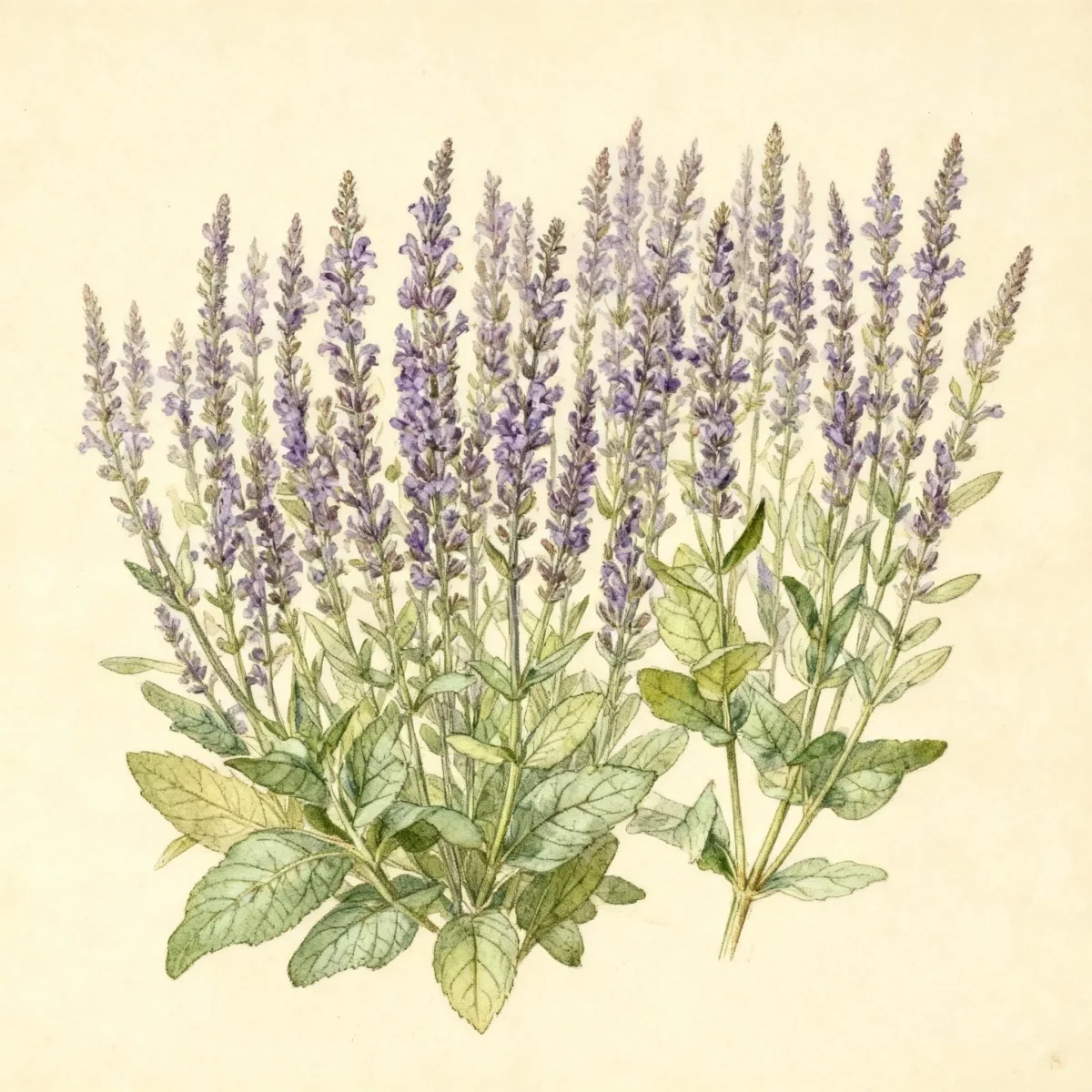
Broad-leaved thyme (Thymus pulegioides 'Foxley')
Thymus pulegioides 'Foxley' is a low-growing, variegated Broad-leaved thyme perfect for sunny borders, offering fragrant leaves and low maintenance.
Scroll down to discover growing tips, care requirements, companion plants, and more
Complete Plant Information
Overview
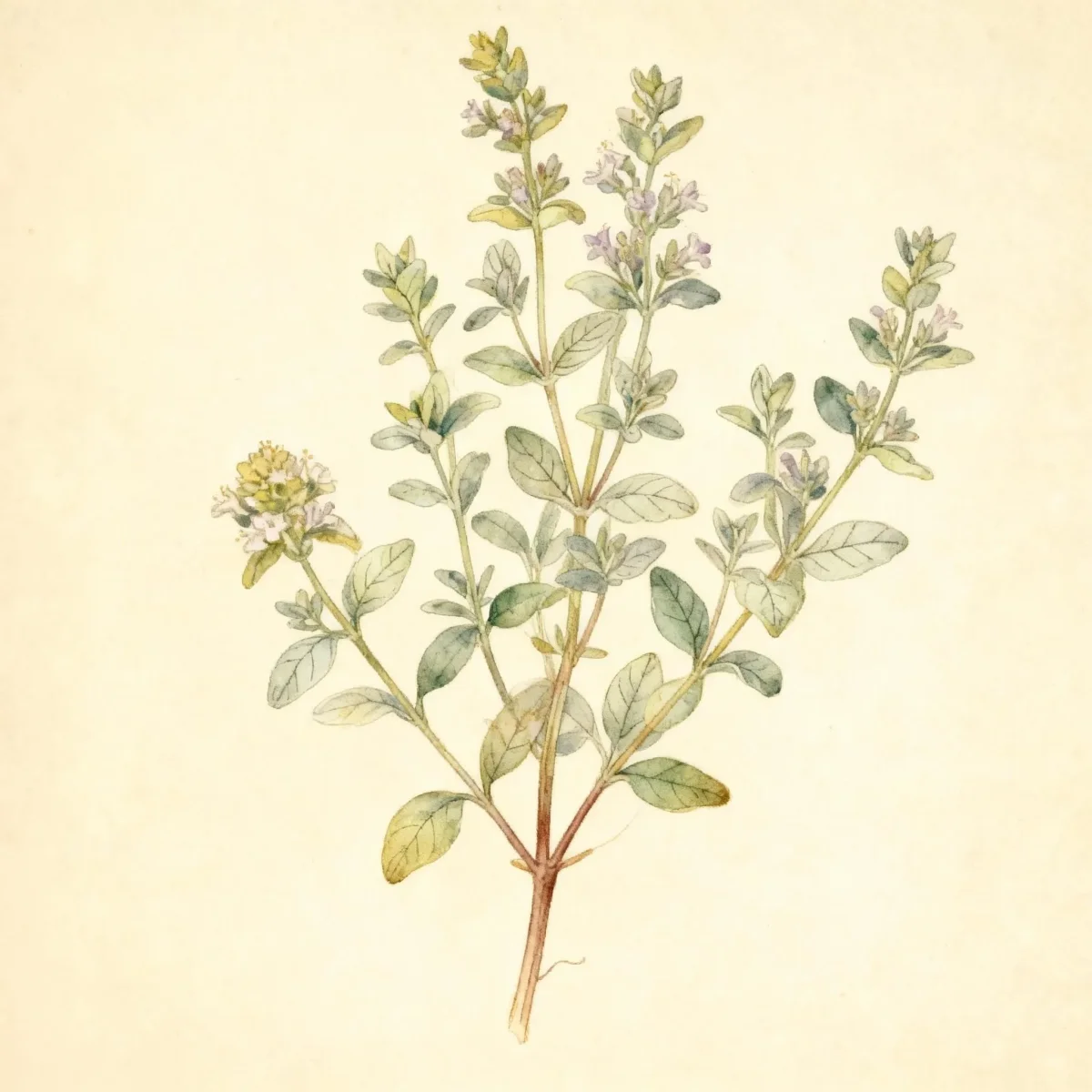
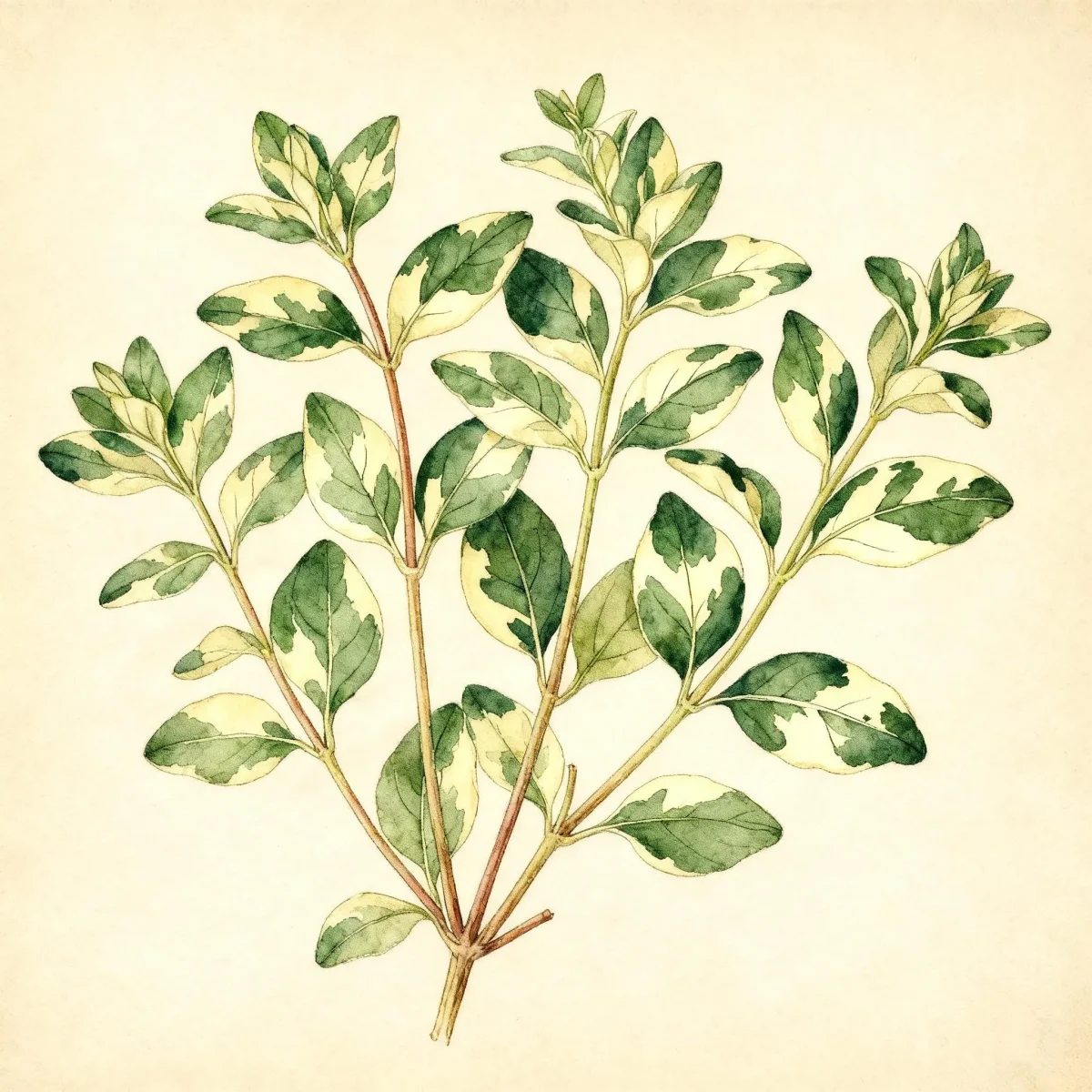
Thymus pulegioides ‘Foxley’ is a highly desirable variegated cultivar, often known as Broad-leaved thyme, prized for its compact, mounding habit and attractive foliage. This low-growing perennial serves beautifully as fragrant ground cover, featuring dark green leaves sharply edged with creamy white variegation, which provides season-long visual interest. Hardy and relatively tough once established, this form of broad-leaved thyme thrives in sunny, dry locations, demanding little attention from the gardener. Its summer bloom of pale pink flowers is particularly appealing to essential pollinators like bees and butterflies.
What sets Thymus pulegioides ‘Foxley’ apart is the combination of useful fragrance, excellent texture, and drought tolerance, making it a superb addition to rock gardens or dry slopes. Despite its compact size, this aromatic herb offers significant functional value in the landscape. Gardeners appreciate the low maintenance requirements of this subshrub, provided its need for sharp drainage is met.
Fast Facts
- Plant Family: Lamiaceae
- Plant Type: Herbaceous perennial
- Hardiness Zones: USDA Zones 5-8
- Size at Maturity:
- Height: 0.5-0.66 ft
- Spread: 1-1.25 ft
- Bloom Time: June to July
- Bloom Description: Pale pink
- Sun Exposure: Full sun
- Water Needs: Dry to medium
- Maintenance Level: Low
How to Grow
Plant Broad-leaved thyme in its ideal location during the spring or fall. The absolute critical requirement for robust growth of Thymus pulegioides ‘Foxley’ is excellent drainage; best results come from medium to dry, well-draining, rocky, or sandy loams situated in full sun. Avoid rich soils, as these can cause plants to become leggy and diminish the flavor intensity of the leaves.
Water sparingly, especially after the plant is established, as this variety tolerates drought well. Intolerant plants suffer greatly if placed in wet, waterlogged soil, leading easily to root rot issues. Fertilization should generally be avoided; healthy growth comes from adequate sun and proper soil structure rather than nutrient richness.
To maintain the compact, mounding shape characteristic of the ‘Foxley’ cultivar, prune immediately after the summer flowering period concludes. Divide clumps in the spring if the plant becomes overcrowded or woody at the center, ensuring fresh roots have time to establish before summer heat sets in.
Landscape Uses
Broad-leaved thyme excels when used as a low-growing ground cover or a textural filler in sunny borders where its small stature won’t overwhelm neighbors. Its ability to tolerate light foot traffic makes it perfect for tucking between stepping stones or along pathways, releasing its fragrance when brushed. Thymus pulegioides ‘Foxley’ is also highly suitable for containers, often cascading charmingly over the edges.
Consider pairing this variegated thyme with plants that share similar low-water, high-sun needs, such as Sedums, Hens and Chicks (Sempervivum), or other Mediterranean herbs like culinary sage. In rock gardens, the upright flower stems contrast nicely with the flat textures of accompanying alpine plants.
The edible leaves of this broad-leaved thyme enhance soups, stews, and other dishes, solidifying its practical role in vegetable or herb gardens adjacent to sunny patios.
Standout Features
Flower Qualities
- Showy
Noteworthy Characteristics
Thymus pulegioides, commonly called broad-leaved thyme or lemon thyme, is a low-growing, evergreen subshrub or semi-woody perennial native to grassy slopes, barrens, and forest openings in the temperate lowlands of Europe. The specific variety ‘Foxley’ is recognized by its compact, mounding habit, reaching up to 6 to 8 inches tall and spreading nearly 16 inches wide. This cultivar features highly fragrant leaves that are dark green beautifully contrasted by creamy white variegation, which are topped with clusters of pale pink flowers during the summer display.
Tolerances
- Deer
- Drought
- Dry Soil
- Shallow-Rocky Soil
- Air Pollution
Potential Problems
This plant generally faces no serious pest or disease issues when sited correctly. The primary threat to Thymus pulegioides ‘Foxley’ is root rot, which occurs almost exclusively when soil is too moist or poorly draining. Prevention is simple: ensure the planting site has sharp drainage and avoid overhead watering, especially in hot weather. Deer typically ignore this aromatic herb, offering another low-maintenance benefit.
If the plant becomes overly woody or sparse in the center, division in spring is the best cultural cure. Always ensure that you are not planting the Broad-leaved thyme in heavy clay that retains water around the root crown throughout the winter months.
Frequently Asked Questions
What hardiness zones is Broad-leaved thyme suitable for?
Thymus pulegioides ‘Foxley’ is reliably hardy across USDA Zones 5 through 8.
How large does Broad-leaved thyme grow?
Mature plants typically reach between 0.5 and 0.66 feet in height, spreading out to cover an area between 1 and 1.25 feet wide.
What sun exposure does Thymus pulegioides ‘Foxley’ need?
This herb requires full sun exposure to maintain its compact habit and variegation pattern.
When does Broad-leaved thyme bloom?
The profusion of pale pink, tubular flowers appears reliably during the summer months, generally from June to July.
Conclusion
The variegated foliage and rugged resilience make Thymus pulegioides ‘Foxley’ an essential choice for sunny, dry garden spots, functioning perfectly as low-maintenance ground cover or aromatic edging. For gardeners managing challenging soil or drought conditions, this Broad-leaved thyme offers beauty without demanding constant coddling. Before planting, confirm your site offers full sun and sharp drainage to ensure many seasons of healthy growth.
Propagation Tips
Propagating Thymus pulegioides ‘Foxley’ is easily achieved through semi-hardwood cuttings taken in mid to late summer. Select pencil-thin, non-flowering stems, ideally with a little bit of older wood attached. Dip the base of the cuttings in rooting hormone, though it is often unnecessary for vigorous thyme varieties, and place them in a porous, well-draining medium like a mix of perlite and peat.
Keep the cuttings consistently moist initially and place them in a bright area, but avoid direct, scorching sun until roots have clearly formed. Because this is a variegated cultivar, rooting success is generally high, providing gardeners with abundant new, fragrant, and visually striking plants for borders or gifts.
Wildlife Benefits
The summer blooming period of Broad-leaved thyme provides a valuable, season-long nectar source when many other herbs are finished flowering. The small, pale pink flowers arranged in rounded clusters are highly attractive to small native bees and various butterfly species seeking sustenance. Planting Thymus pulegioides ‘Foxley’ near patios or windows serves as an excellent way to invite pollinator activity directly into the landscape.
While the leaves are edible to humans, the slightly pungent aroma and flavor of thyme generally deter browsing deer, offering gardeners a functional border plant that is both pollinator-friendly and deer resistant.