False indigo (Baptisia 'Ivory Towers')
Striking Baptisia 'Ivory Towers' False indigo offers upright white blooms, low maintenance, and excellent drought tolerance for zones 4-9.
Scroll down to discover growing tips, care requirements, companion plants, and more
Complete Plant Information
Overview
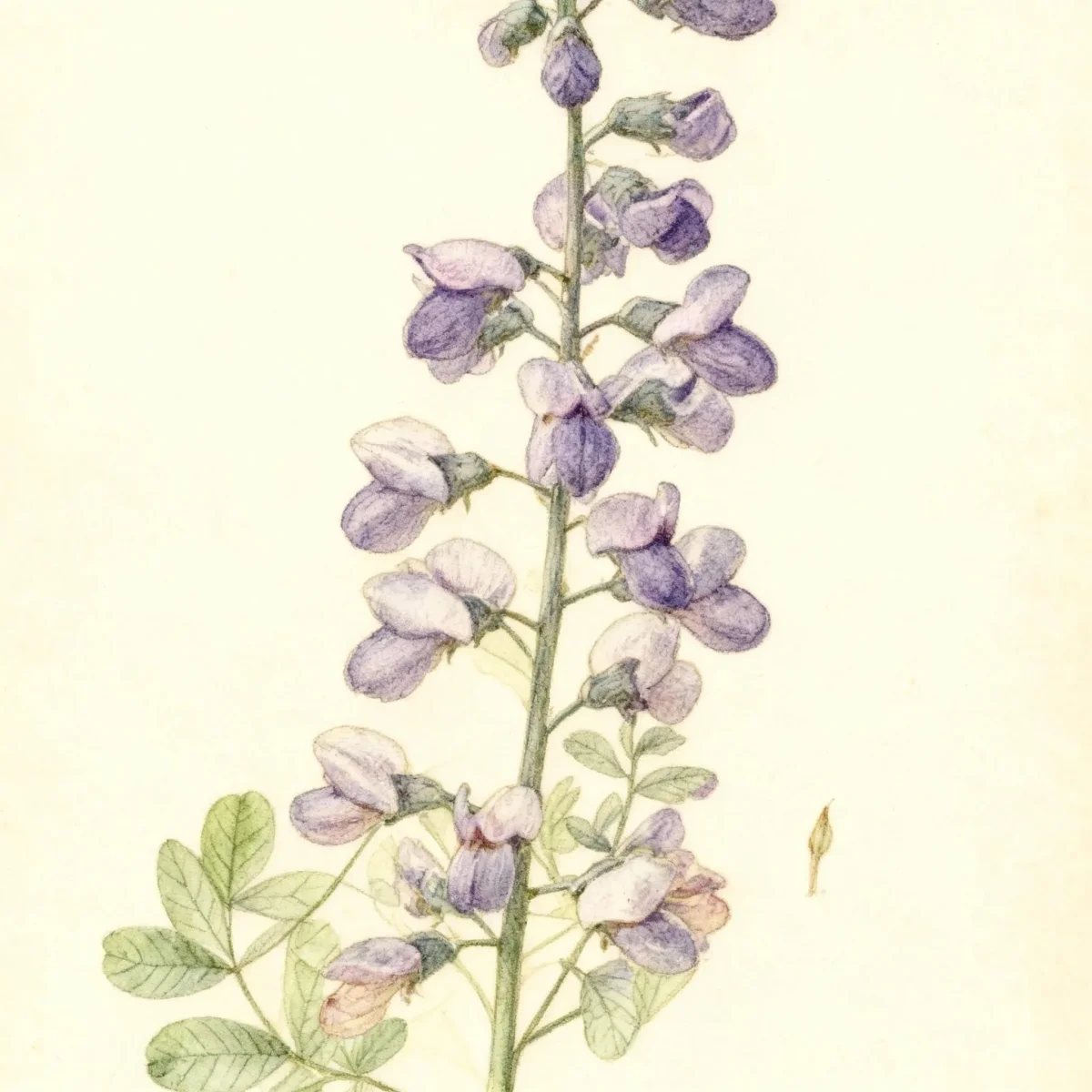
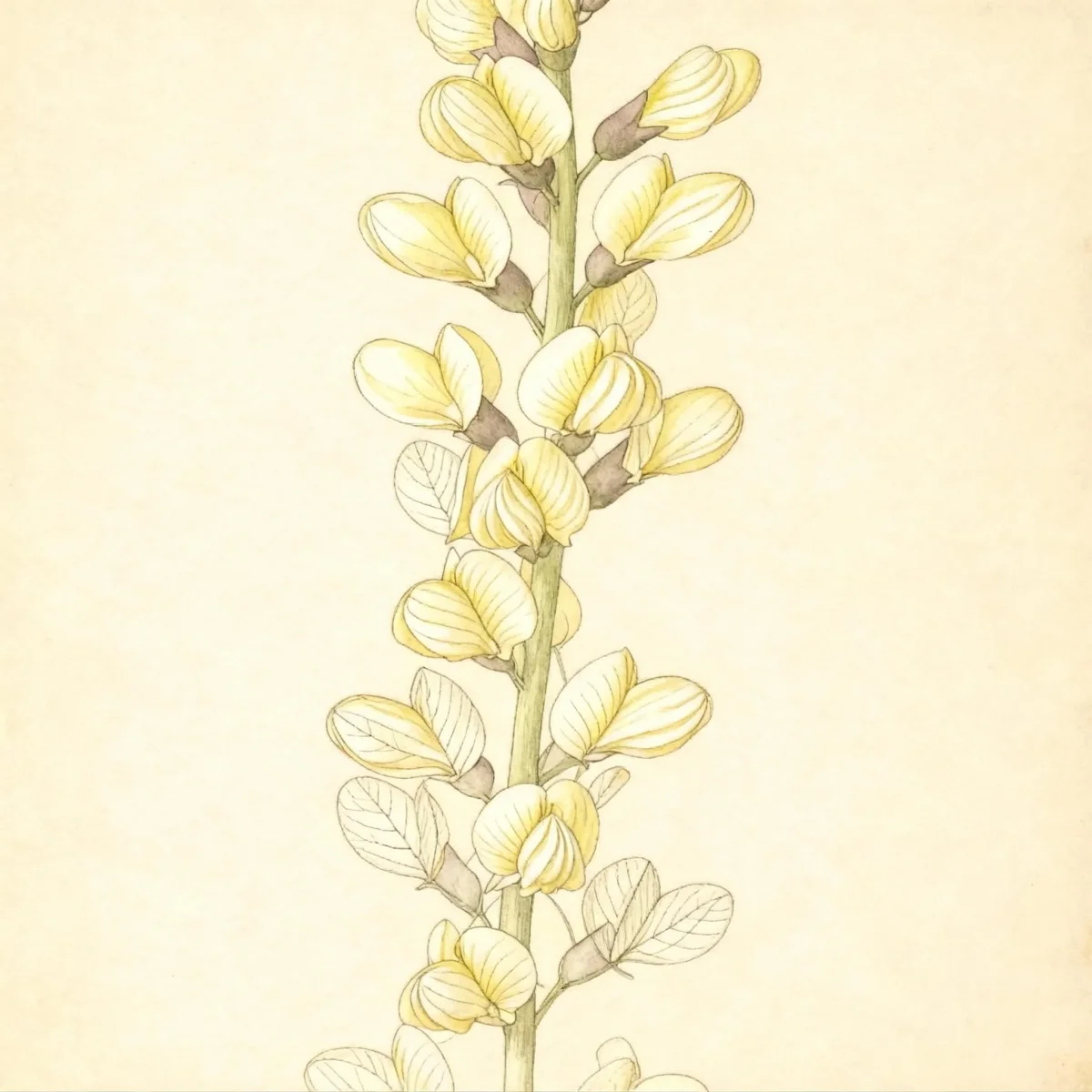
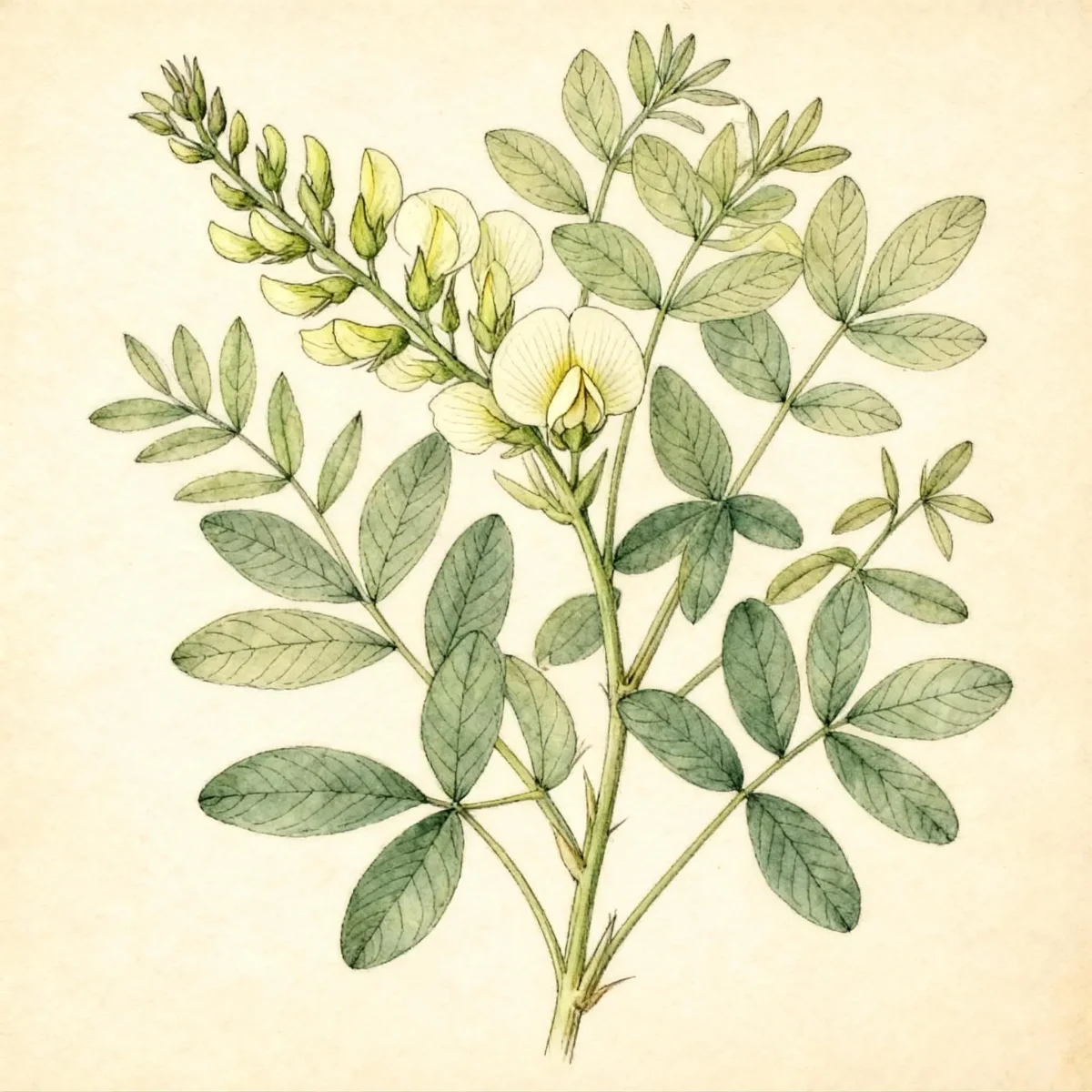
Baptisia ‘Ivory Towers’ is a highly valued herbaceous perennial, celebrated for its commanding vertical presence and resilient nature. This hybrid False indigo cultivar produces stately racemes of creamy white, pea-like flowers starting in late spring, which are magnets for beneficial insect pollinators. Its deep-rooted structure and handsome blue-green foliage contribute to its low-maintenance appeal in the garden.
Gardeners rely on Baptisia ‘Ivory Towers’ for its excellent four-season interest, transitioning from strong spring blooms to attractive, inflated seed pods that persist into the fall. It thrives even when neglected, performing best in average and even somewhat poor soils, making this False indigo a cornerstone for sustainable, water-wise landscapes.
Once established, this variety requires very little intervention. The upright habit is sustained by sturdy stems, providing reliable structure in borders and meadows without constant fuss. Planting Baptisia ‘Ivory Towers’ promises long-term garden satisfaction with minimal upkeep.
Fast Facts
- Plant Family: Fabaceae
- Plant Type: Herbaceous perennial
- Hardiness Zones: USDA Zones 4-9
- Size at Maturity:
- Height: 3-4 ft
- Spread: 2-3 ft
- Bloom Time: April to May
- Bloom Description: White
- Sun Exposure: Full sun to part shade
- Water Needs: Dry to medium
- Maintenance Level: Low
How to Grow
For optimal establishment, plant Baptisia ‘Ivory Towers’ when dormant, either in early spring or fall. It prefers full sun for the best flower production but tolerates partial shade, though this may lead to floppier stems later in the season. The most critical factor is drainage; ensure the soil is well-drained, as this False indigo dislikes wet feet, especially in winter. It performs well in acidic soils and can handle drier conditions once established, reflecting its native environment.
Water only sparingly once your Baptisia ‘Ivory Towers’ is established; it has excellent drought tolerance due to its substantial taproot. Avoid regular fertilization, as rich soils can encourage excessive, weak growth. Remember that this plant develops a large taproot, meaning it absolutely must be placed where it will not need future division or relocation, as disturbance stunts its growth significantly. Plants typically require three years to reach full maturity and vigor.
If the plant begins to lodge (open up in the center) after flowering, you have the option to cut the foliage back to maintain a tidy shape for the rest of the season. Be aware that cutting back the stems removes the attractive, showy seed pods that follow the white flowers. Provide necessary support early if growing in a high-shade area where stems are naturally weaker.
Landscape Uses
The robust structure and late-spring flowering of Baptisia ‘Ivory Towers’ make it an exceptional anchor plant for sunny borders. It serves beautifully as a mid-border specimen due to its mature height of 3 to 4 feet, providing substantial visual mass earlier than many summer bloomers. This False indigo is particularly effective when used in cottage gardens where structure is needed among softer plantings, or planted in small groups to create drifts in naturalized settings.
Consider pairing Baptisia ‘Ivory Towers’ with plants that thrive in similar dry, sunny conditions. Companions like ornamental grasses, coneflowers (Echinacea), or Russian Sage (Perovskia) complement its upright form and white blooms without competing vigorously for nutrients. Because it is deer-resistant, it holds its own at the front of a naturalistic planting, defining edges clearly.
For a truly impactful effect, use Baptisia ‘Ivory Towers’ as a recurring element along sweeping prairie or meadow designs. Its long lifespan and increasing size mean it becomes a permanent feature of the landscape, offering reliable texture throughout the growing season long after the spectacular white flowers have faded.
Standout Features
Flower Qualities
- Showy
Fruit Qualities
- Showy
Noteworthy Characteristics
Baptisia is a genus of about 20 species of herbaceous perennials growing mainly in dry woodland and grassland areas of eastern and southern U.S. This deep-rooted False indigo exhibits good drought and erosion tolerance, and its pea-like flowers attract butterflies and pollinators. The specific cultivar, ‘Ivory Towers’, is noted for its upright habit, bright white flowers held on sturdy, dark purple-tinged stems, and showy, persistent seed pods.
Tolerances
- Drought
- Erosion
- Dry Soil
Potential Problems
This plant is generally prized for its resistance to common garden pests and diseases, meaning you won’t often be treating it for major issues. The primary management concern involves structural support; taller plants, especially those located in shadier or more sheltered spots, may experience flopping after heavy rain or wind once the spring flowering concludes. Position Baptisia ‘Ivory Towers’ away from black walnut trees, as the chemical juglone secreted by these trees can cause poor performance.
If you desire a compact habit immediately after flowering, you can selectively cut back the foliage, though this will sacrifice the attractive seed pods. If flopping occurs naturally, simply cut the stems back hard to the basal foliage, and the plant will put out fresh, dense leaves that remain attractive for the remainder of summer and fall without staking.
Frequently Asked Questions
What hardiness zones is False indigo suitable for?
Baptisia ‘Ivory Towers’ is hardy and adaptable across USDA Zones 4 through 9.
How large does Baptisia ‘Ivory Towers’ grow?
This robust False indigo typically reaches a mature height between 3 and 4 feet tall, with a spread of 2 to 3 feet.
When does False indigo bloom?
You can expect the showy white flowers of Baptisia ‘Ivory Towers’ to appear in the garden from April to May.
What sun exposure does Baptisia ‘Ivory Towers’ need?
For the best performance and strongest stems, Baptisia ‘Ivory Towers’ requires full sun, although it will tolerate partial shade.
Conclusion
Baptisia ‘Ivory Towers’ stands out as a cornerstone perennial, offering structural beauty, reliable drought resistance, and essential pollinator support with very low labor. Incorporating this long-lived False indigo into your perennial beds guarantees season-long rewards. Before installing, confirm your location falls within Zones 4-9 and ensure the spot offers excellent drainage for decades of enjoyment.
Companion Planting
When selecting neighbors for your Baptisia ‘Ivory Towers’, focus on plants that appreciate similar sun exposure and tolerate medium to dry soil conditions once established. Consider drought-tolerant perennials like Sedums or Russian Sage, which provide contrasting textures throughout the summer. These companions will fill in visually once the False indigo finishes its spectacular white bloom period, ensuring continuous garden interest without overly aggressive root competition.
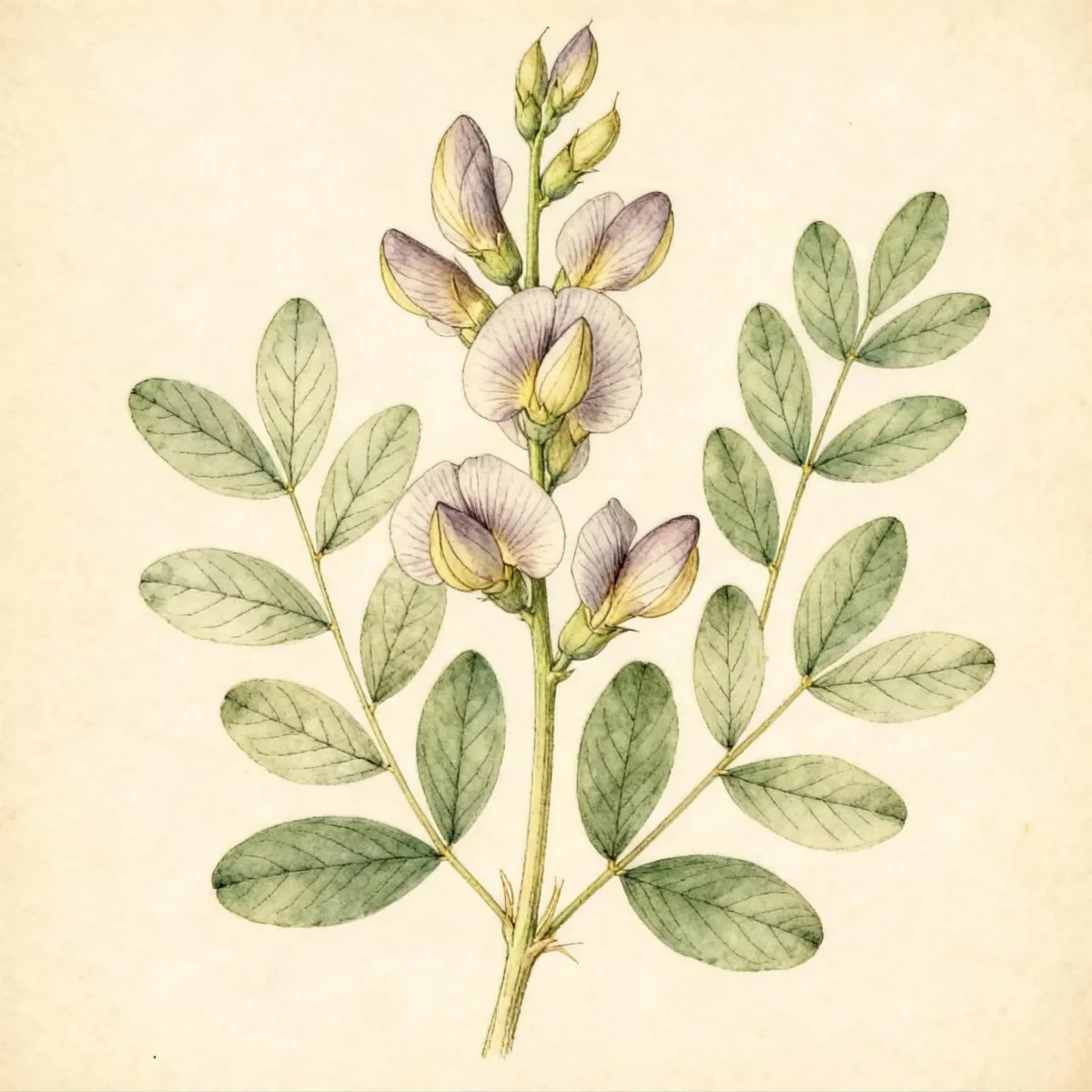
Grouping Baptisia ‘Ivory Towers’ with plants that have fine texture, such as certain ornamental grasses, enhances the strong, bold structure of the large, trifoliate leaves. Plants like Coreopsis (Tickseed) or Rudbeckia (Black-eyed Susan) bloom later, seamlessly taking over the visual spotlight when the first flush of indigo flowers fades.
Wildlife Benefits
The pea-like flowers of Baptisia ‘Ivory Towers’ are highly valuable to various insect life in the garden ecosystem. As a native genus used historically for dye production, the plant maintains strong connections with local beneficial insects. Its foliage serves as a critical host plant for the caterpillars of certain butterflies, especially the wild indigo duskywing.
The plant’s inherent resistance to browsing, combined with its ability to thrive in hotter, drier conditions, means it provides consistent habitat and nectar sources where other plants might struggle during dry spells. Furthermore, the persistent, inflated seed pods offer late-season foraging opportunities and structural appeal for winter interest.