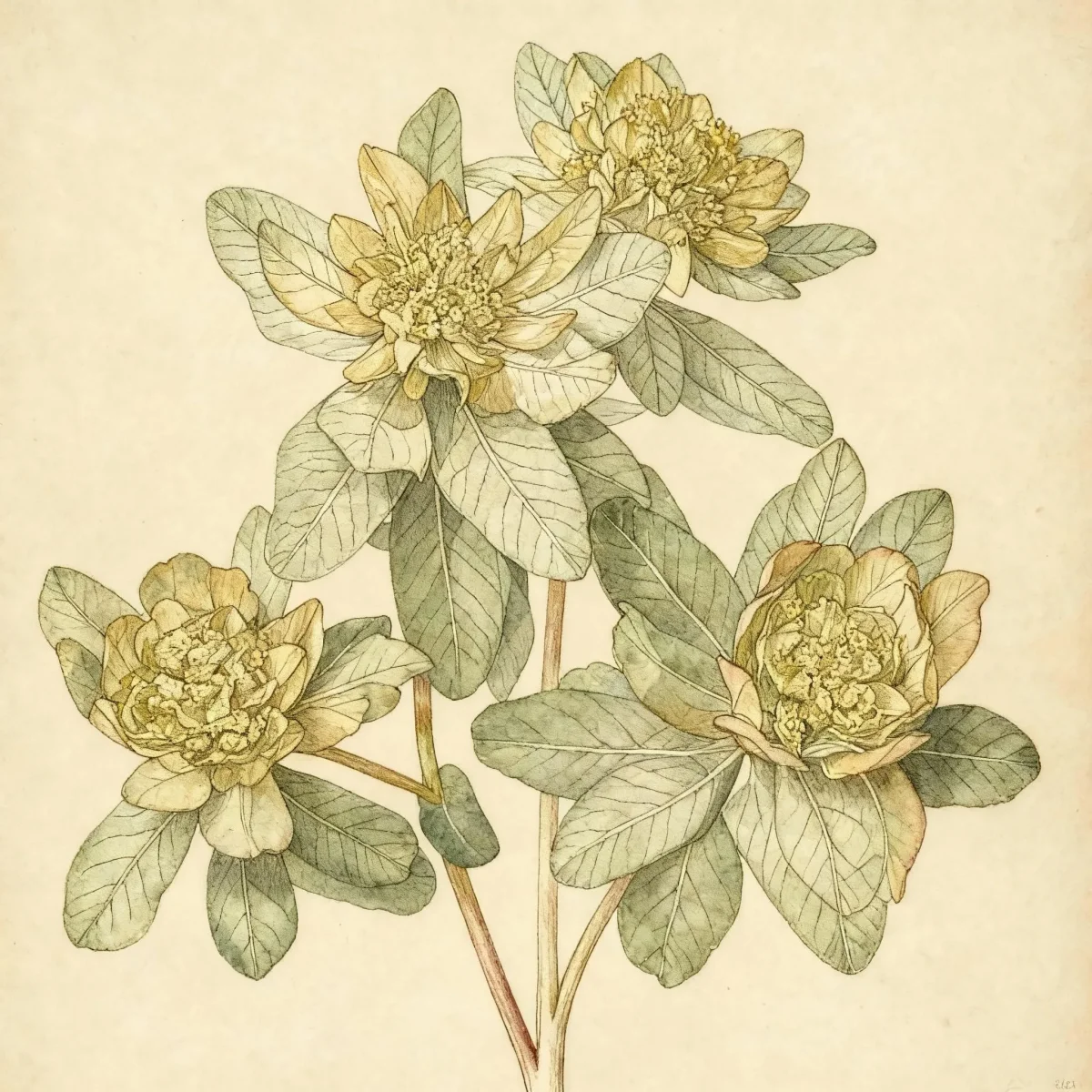
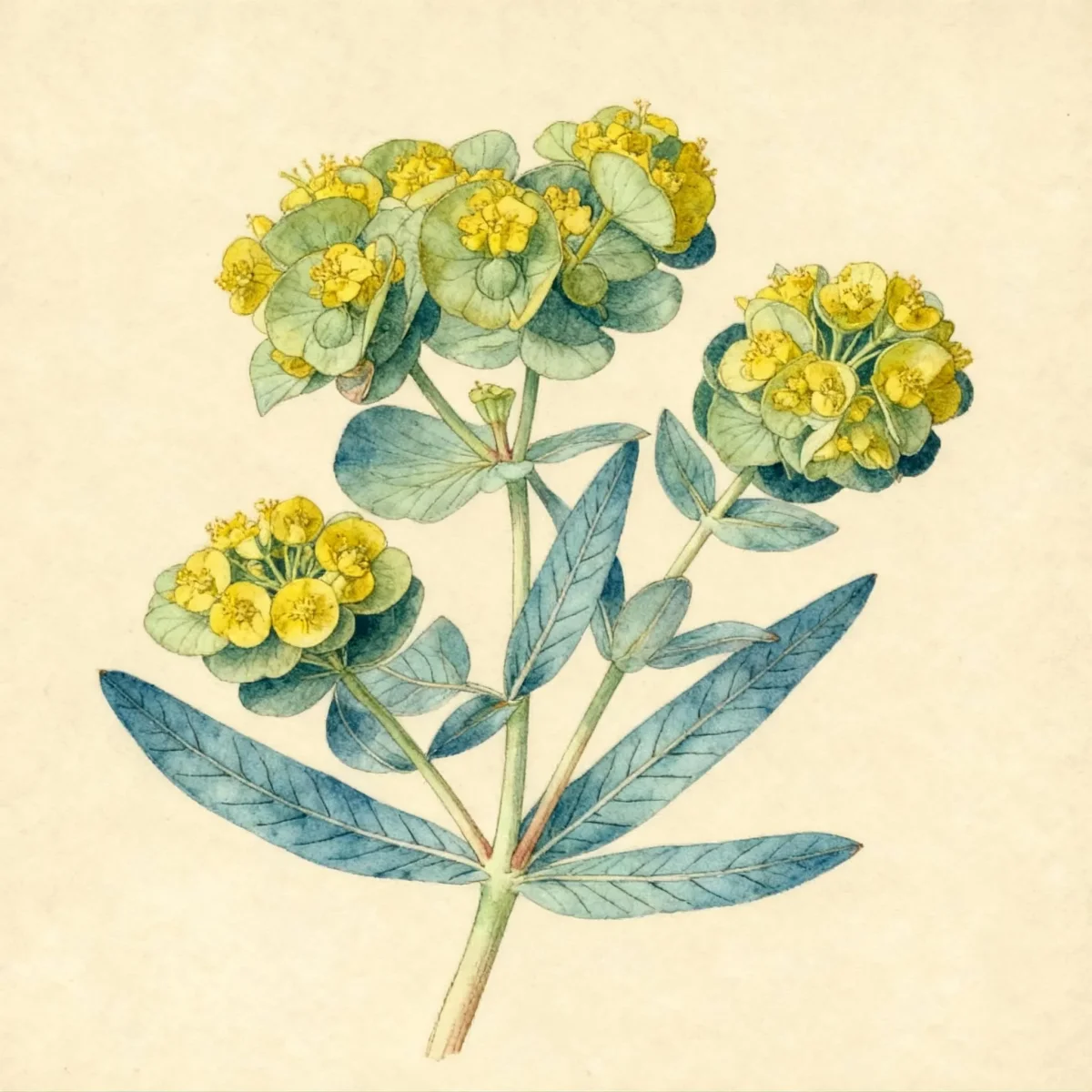
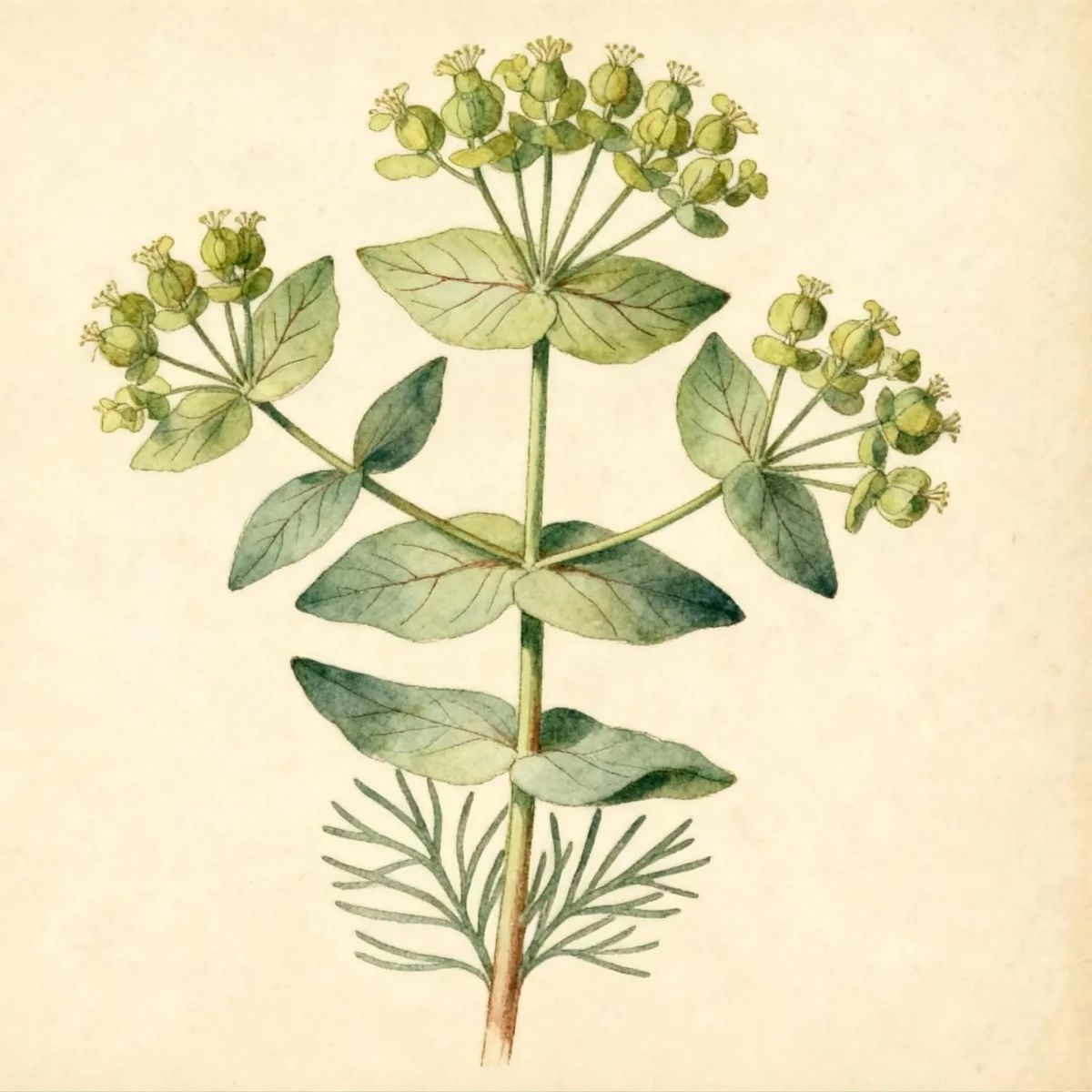
Cushion spurge (Euphorbia epithymoides 'Bonfire')
Euphorbia epithymoides 'Bonfire', or Cushion spurge, offers vibrant red/purple foliage and early yellow spring bracts. It thrives in sun and dry soil.
Scroll down to discover growing tips, care requirements, companion plants, and more
Complete Plant Information
Overview
Euphorbia epithymoides ‘Bonfire’ is a highly sought-after herbaceous perennial prized for its exceptionally colorful foliage display that lasts throughout the growing season. This cultivar of Cushion spurge provides dense, mounding structure, contrasting beautifully with its early spring blooms. Gardeners rely on Euphorbia epithymoides ‘Bonfire’ to deliver reliable, low-water color from late spring well into fall.
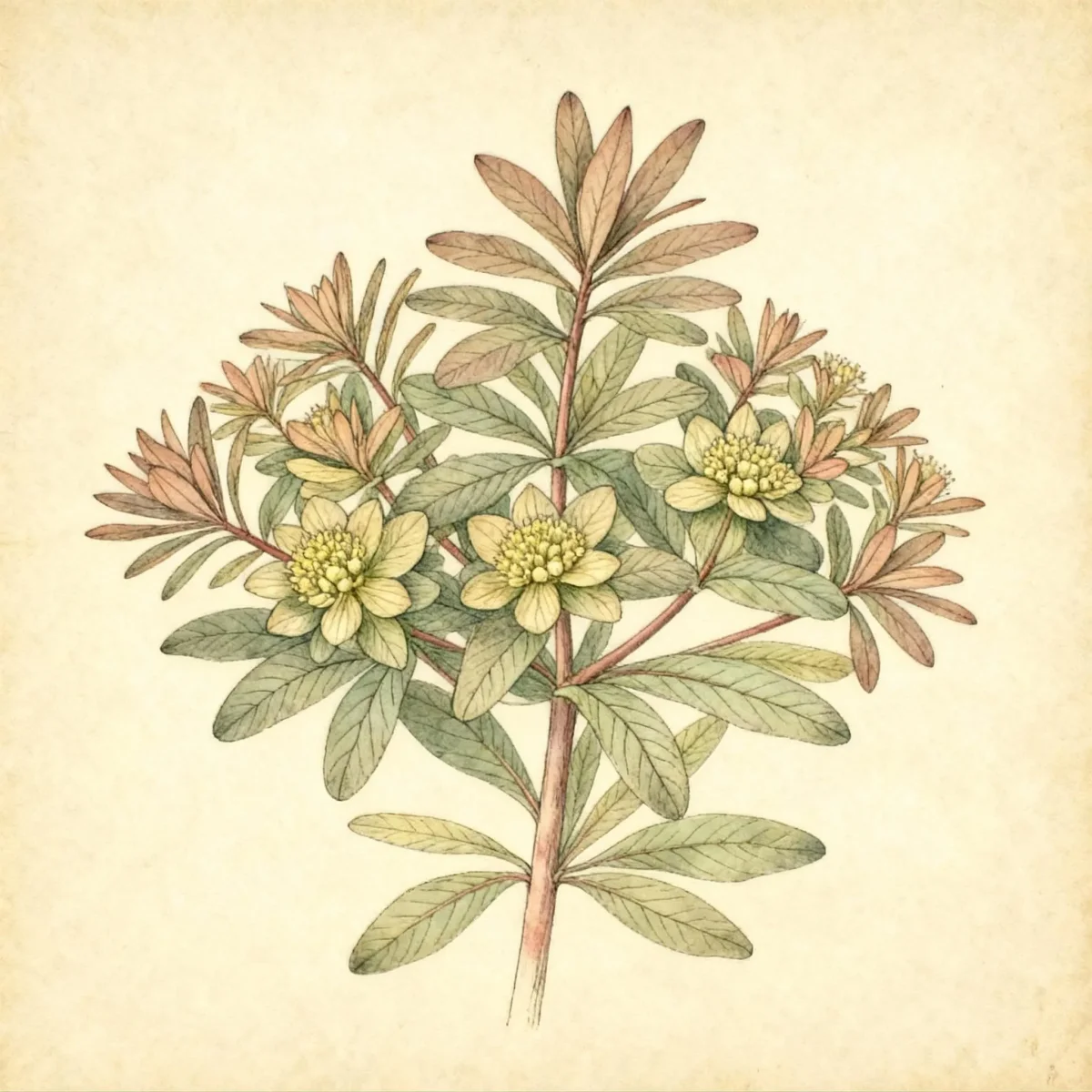
The aesthetic appeal is dominated by the leaves, which emerge green but quickly mature into striking hues of deep red, orange, and purple, deepening to a burgundy tone mid-summer. While the actual flowers are small, they are surrounded by long-lasting, brilliant sulphur-yellow bracts, providing the season’s initial burst of color. This robust plant is known for maintaining a manageable, compact cushion shape when sited correctly.
As a drought-tolerant choice ideal for difficult, drier spots in the landscape, the Cushion spurge thrives where many other perennials struggle. Its combination of excellent texture, vibrant, long-lasting color, and high tolerance to poor soils makes Euphorbia epithymoides ‘Bonfire’ a standout specimen for modern, low-maintenance garden designs.
Fast Facts
- Plant Family: Euphorbiaceae
- Plant Type: Herbaceous perennial
- Hardiness Zones: USDA Zones 4-8
- Size at Maturity:
- Height: 1-1.5 ft
- Spread: 1.5-2 ft
- Bloom Time: April to May
- Bloom Description: Yellow with yellow to chartreuse bracts
- Sun Exposure: Full sun
- Water Needs: Dry
- Maintenance Level: Medium
How to Grow
Planting Euphorbia epithymoides ‘Bonfire’ is best done in spring after the last frost, ensuring it settles well before summer heat arrives. The absolute key to success for Cushion spurge is excellent drainage; it must be grown in dry, well-drained soils, tolerating rocky or sandy conditions readily. While it prefers full sun, providing some light afternoon shade in the hottest summer climates can prevent potential scorching, although excessive shade is detrimental.
Watering should be sparse once established, reflecting its drought tolerance. Avoid heavy mulching directly against the crown, as this can encourage rot. Fertilization is generally unnecessary due to its tolerance for poor soils. If deadheading, promptly remove the spent flowers by shearing the entire plant back slightly to discourage unwanted, free self-seeding.
In spring, clean up any remaining debris from the previous year before new growth emerges. Shear back the spent flower stems after blooming to maintain shape and encourage better foliage color development. Gardeners should remember that stems exude a milky sap when cut, which can cause skin irritation, necessitating gloves for handling and pruning tasks.
Landscape Uses
The robust, defined mound of the Cushion spurge makes it an excellent structural plant for defined areas. Its compact size (1 to 1.5 ft tall) ensures it never overwhelms surrounding plantings, making it perfect for edging paths or defining the front of mixed perennial borders. Use Euphorbia epithymoides ‘Bonfire’ where you need reliable, vibrant color contrasted against cooler green or blue-foliaged neighbors.
For borders, place this plant mid-ground where its early bracts and later foliage color can be appreciated without being hidden. Consider pairing it with plants that enjoy similar dry, sunny conditions, such as Sedums, ornamental alliums, or hardy Salvias. Its textural contrast against fine-leaved plants enhances the overall design appeal throughout the season.
Standout Features
Flower Qualities
- Showy
Noteworthy Characteristics
Euphorbia polychroma, commonoly called cushion spurge, is a mounding, clump-forming perennial which typically grows in a dome (or cushion) shape to 12-18” tall and as wide on erect, sturdy stems bearing oblong, downy, medium green leaves (to 2” long). Cymes of inconspicuous greenish flowers (lacking both sepals and petals) bloom at the stem ends in spring. Although the flower cymes are not showy, they are subtended by long-lasting, bright sulphur-yellow bracts which are exceptionally showy. The leaves of ‘Bonfire’ emerge green in spring but the top growth quickly turns deep red, orange, and purple, with the color deepening to burgundy red in mid summer. ‘Bonfire’ has a compact mounding habit growing 1 to 1.5 ft. Tall and 1.5 to 2 ft. Wide.
Tolerances
- Rabbit
- Deer
- Drought
- Air Pollution
Potential Problems
This plant generally resists serious pest and disease issues, offering reliable structure. The primary concern for gardeners is contact with the milky sap exuded whenever the stems are cut. This sap contains irritants that can cause skin rashes or inflammation, so protective gloves are mandatory when pruning Euphorbia epithymoides ‘Bonfire’.
While deer and rabbits avoid the plant due to this toxicity, gardeners should be mindful when planting near children or pets who might curiously investigate the plant material. If blooms are not promptly removed after fading, the plant may freely self-seed, potentially leading to unwanted spread in preferred growing conditions.
Frequently Asked Questions
What hardiness zones is Cushion spurge suitable for?
Euphorbia epithymoides ‘Bonfire’ is hardy and reliable throughout USDA Zones 4 through 8.
At what time of year does Euphorbia epithymoides ‘Bonfire’ bloom?
This perennial puts on its early show from April into May, featuring bright yellow bracts surrounding the small flowers.
How large does Cushion spurge grow?
This cultivar maintains a compact size, typically reaching 1 to 1.5 feet in height and spreading 1.5 to 2 feet wide.
What is the ideal light condition for growing this plant?
For the best foliage color and dense habit, Euphorbia epithymoides ‘Bonfire’ requires full sun exposure.
Conclusion
For gardeners seeking outstanding, drought-tolerant color with minimal fuss, the Cushion spurge, especially the cultivar Euphorbia epithymoides ‘Bonfire’, is an exceptional choice. Its unique progression of dark, fiery foliage offsets the early yellow blooms perfectly. Before planting, confirm your site receives ample sunlight and drains exceptionally well to ensure this perennial thrives year after year.
Companion Planting
When selecting companions for Euphorbia epithymoides ‘Bonfire’, prioritize other sun-loving, tough perennials that share its dry soil needs. Plants like Ornamental Grasses (e.g., Stipa tenuissima), Nepeta (Catmint), or low-growing Thymus varieties create effective textural contrast while thriving in similar low-water environments. Groups of these low-maintenance plants allow the deep reds of the spurge to really pop during the summer months. Plan groupings to allow space, as the Cushion spurge forms a defined, widening mound.
Seasonal Care Calendar
Spring is the crucial time for shaping and cleanup; shear back the spent spring flower stems immediately after they fade in May to tidy the plant and encourage strong autumn foliage color. Summer care focuses almost entirely on water management—allow the soil to dry out thoroughly between infrequent waterings, especially in hot climates. In fall, appreciate the richness of the burgundy-red leaves before any light cleanup of dead foliage; minimal winter protection is needed in its established hardiness range of Zones 4-8.