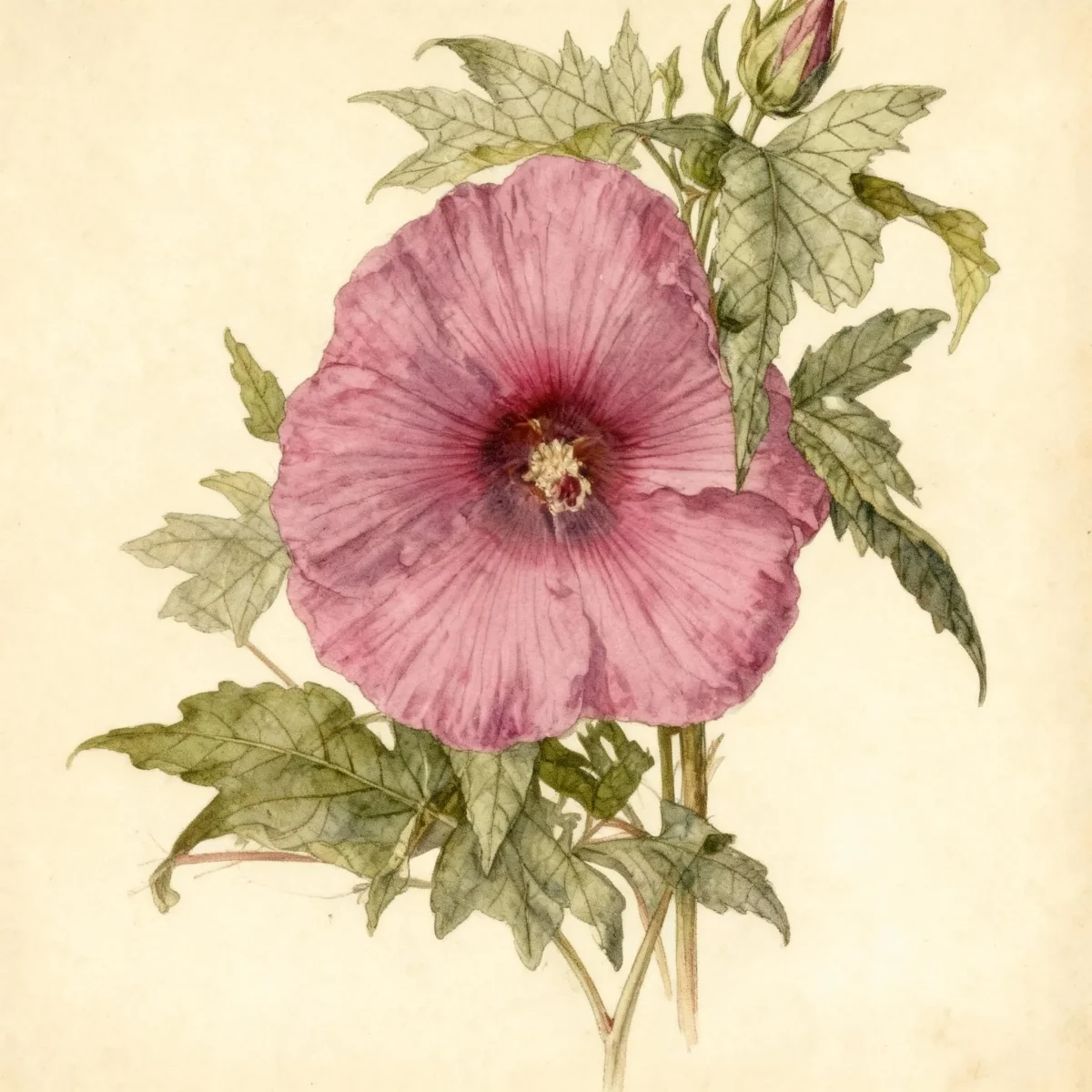
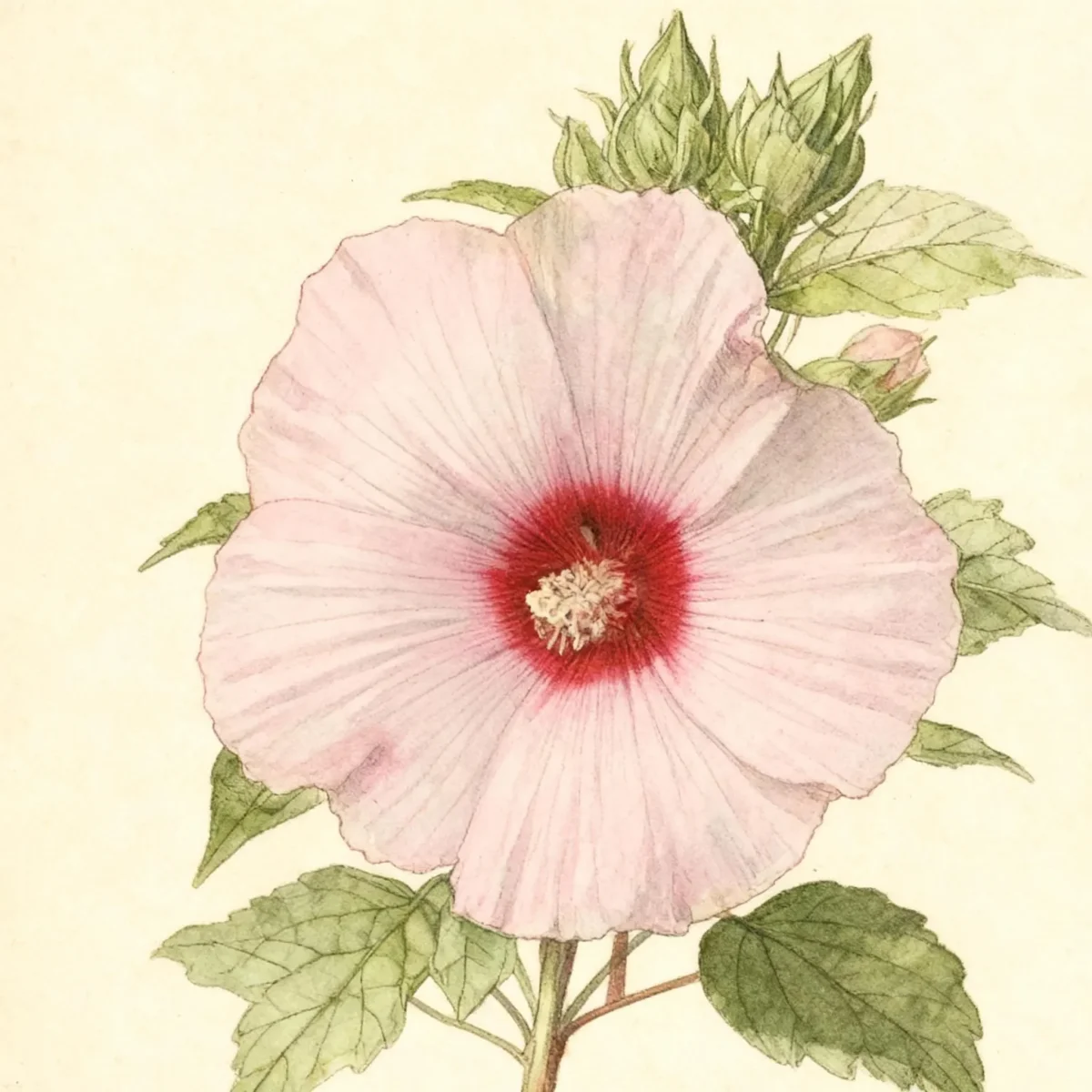
Hardy hibiscus (Hibiscus 'Perfect Storm')
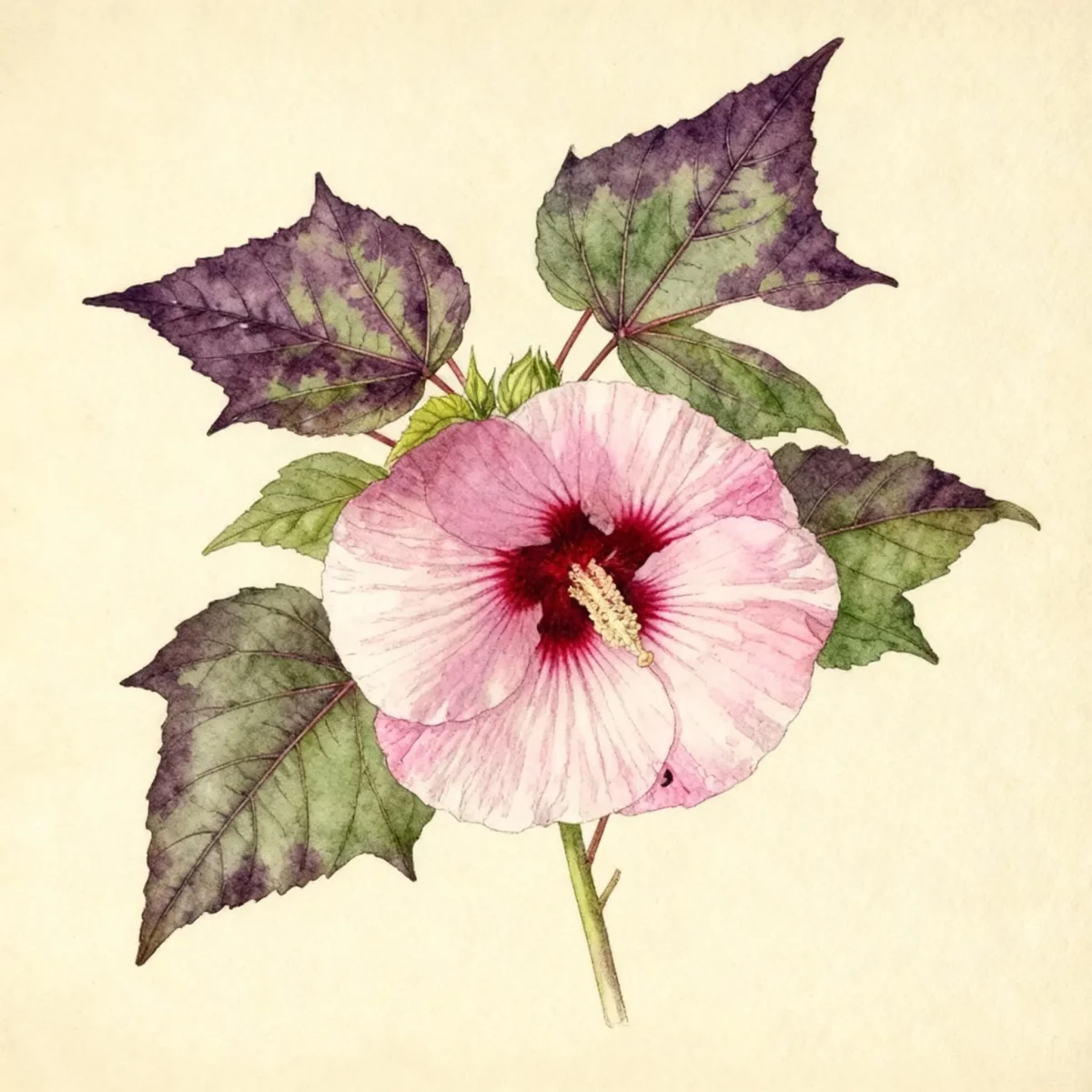
Hibiscus 'Perfect Storm' is a low-maintenance Hardy hibiscus featuring deeply dissected dark purple foliage and spectacular pink flowers.
Scroll down to discover growing tips, care requirements, companion plants, and more
Complete Plant Information
Overview
Hibiscus ‘Perfect Storm’ is a standout cultivar within the realm of Hardy hibiscus, valued specifically for its compact habit and dramatic foliage combined with large, showy blooms. This perennial offers a robust tropical look managed within cold-hardy parameters, making it a reliable summer feature for many gardeners. When situated in full sun, this selection forms a dense clump, presenting intensely dark purple leaves that contrast beautifully with its succeeding flowers.
As a hybrid, this selection typically shares the vigorous nature of its shrubby ancestors but maintains an easily managed size, reaching only about 3 feet tall and 4 feet wide. Gardeners appreciate the exceptionally long bloom season of Hardy hibiscus, which stretches from mid-summer well into early autumn, producing multiple large flowers daily. Planting Hibiscus ‘Perfect Storm’ ensures a low-maintenance focal point that thrives even in wetter landscape areas.
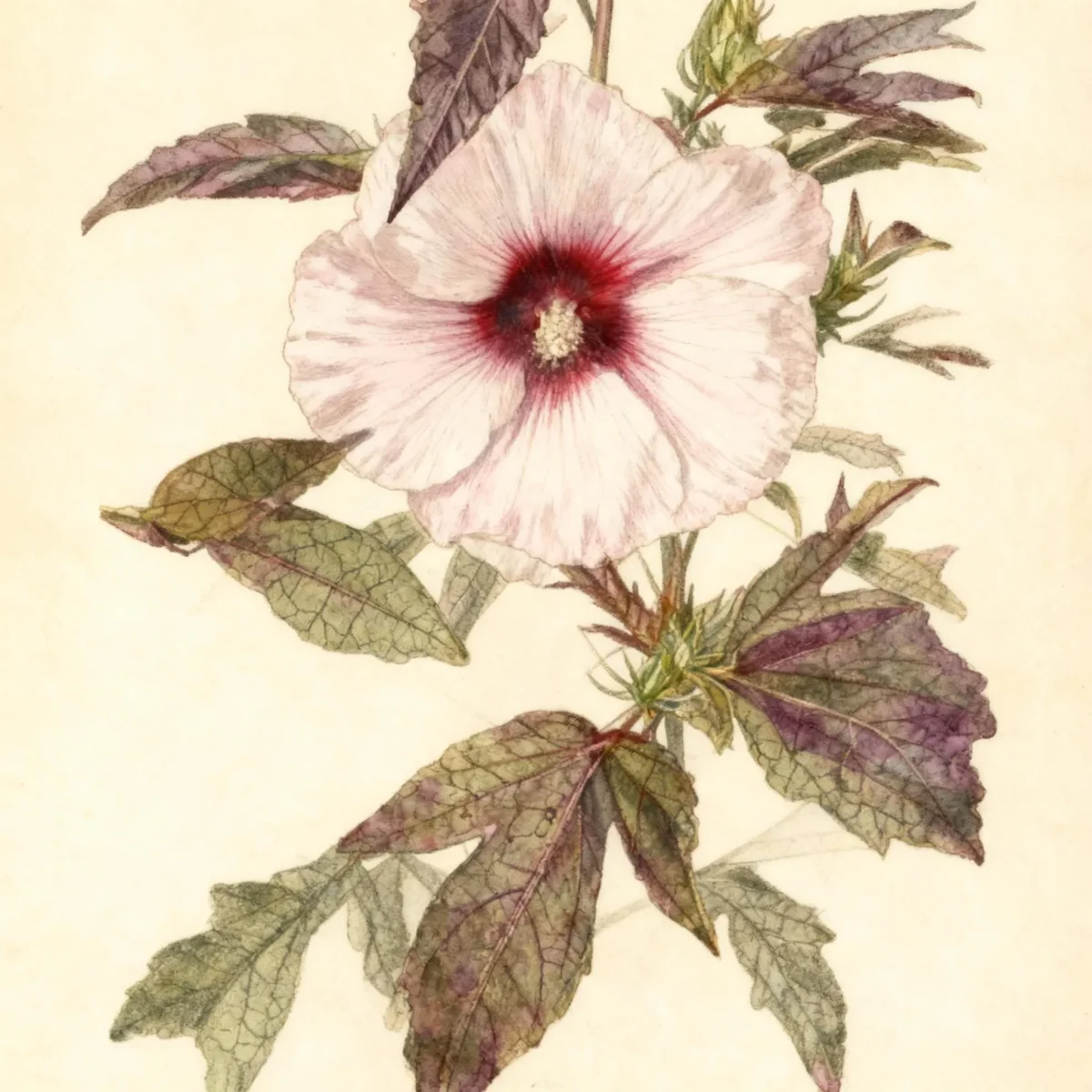
The stunning aesthetic appeal—featuring deeply dissected, near-black leaves and unique pink flowers sporting bright red eyes—makes Hibiscus ‘Perfect Storm’ an excellent choice for adding vertical interest and vibrant color to the mid-to-back of a border. Its adaptability to wetter soils makes it a functional powerhouse where other perennials might struggle.
Fast Facts
- Plant Family: Malvaceae
- Plant Type: Herbaceous perennial
- Hardiness Zones: USDA Zones 4-9
- Size at Maturity:
- Height: 2.5-3 ft
- Spread: 3.5-4 ft
- Bloom Time: July to September
- Bloom Description: Pink with red center eye
- Sun Exposure: Full sun
- Water Needs: Medium to wet
- Maintenance Level: Low
How to Grow
For optimal performance, plant your Hibiscus ‘Perfect Storm’ in the spring after the danger of frost has passed, ensuring it receives full sun exposure. Although it tolerates light shade, full sun is crucial for producing the strongest stems and the heaviest bloom display, while also promoting good air circulation necessary to ward off potential fungal issues. The plant thrives best in moist, organically rich soils but adapts well to average garden conditions provided it does not completely dry out.
Consistent watering is essential, especially during establishment and hot summer months, as leaf scorch is a primary indicator of drought stress. While this Hardy hibiscus enjoys medium to wet soil, ensure drainage is adequate enough to prevent stagnation, especially if planting outside of its preferred wet soil applications. Fertilize regularly throughout the active growing season to support the prodigious flowering habit of this cultivar.
Maintenance for Hibiscus ‘Perfect Storm’ is generally low. Deadhead individual flowers promptly to keep the plant tidy, although this is not strictly required for bloom production. In late autumn, cut the stems back to just 3 to 4 inches above the ground. Be patient in the spring; new growth on Hardy hibiscus shoots can be slow to appear, but once it starts, the plant will quickly fill out its structure.
Landscape Uses
Hibiscus ‘Perfect Storm’ is remarkably versatile, offering both structure and spectacular seasonal color. Its upright, somewhat shrubby habit makes it perfect as a specimen plant where its dark foliage can be clearly appreciated, or massed effectively for a dramatic temporary hedge effect through the hottest part of the season. It excels in rain gardens and low spots within the landscape, as it actively welcomes the higher moisture levels found near streams or pond edges.
Consider using this vigorous plant along borders where its mid-height stature anchors taller background elements like columnar evergreens or grasses. Because it blooms so relentlessly from July onward, it provides crucial late-season color when many spring and early summer perennials are fading. Contrast the intensely dark, deeply dissected foliage of Hibiscus ‘Perfect Storm’ with plants featuring lighter green or yellow-toned leaves for dynamic visual interest.
Standout Features
Flower Qualities
- Showy
Noteworthy Characteristics
Hybrid hardy hibiscus cultivars are often the result of complex breeding work involving multiple U.S. native species. Hibiscus ‘Perfect Storm’ specifically is a compact selection known for its deeply dissected, dark purple foliage that contrasts sharply with its light pink flowers highlighted by bright red center eyes. Flowers are large, measuring about 7 inches in diameter, and they open successively from mid-summer into early fall, ensuring weeks of reliable color.
Tolerances
- Deer
- Wet Soil
Potential Problems
While generally robust, this Hardy hibiscus variety exhibits some susceptibility to common fungal issues such as leaf spots, blights, and rusts, particularly if air circulation is poor or humidity is excessively high. Proactive cultural practices, like ensuring full sun and adequate spacing, are the best defense against these problems. For insect pests, keep an eye out for Japanese beetles, which can quickly defoliate the leaves if left unchecked; immediate handpicking or targeted treatment of beetles is often necessary.
Aphids and sawflies can also occasionally bother the plant, but a strong jet of water or insecticidal soap is usually sufficient for minor infestations. The most critical management issue relates to water: allowing the soil for Hibiscus ‘Perfect Storm’ to dry out completely will result in leaf scorch and bloom drop, so maintaining that medium to wet soil profile is paramount for a healthy display.
Frequently Asked Questions
What hardiness zones is Hardy hibiscus suitable for?
This magnificent Hibiscus ‘Perfect Storm’ is reliably hardy across USDA Zones 4 through 9.
How large does Hardy hibiscus grow?
Hibiscus ‘Perfect Storm’ typically matures to a height between 2.5 and 3 feet, spreading out to 3.5 to 4 feet wide, forming a dense, upright clump.
What sun exposure does Hibiscus ‘Perfect Storm’ need?
For the best results, including the strongest stems and most abundant flowers, plant Hibiscus ‘Perfect Storm’ in a location receiving full sun throughout the day.
When does Hibiscus ‘Perfect Storm’ bloom?
This plant produces its showy flowers from July all the way through September, displaying a lovely pink coloration accented by a distinct red center eye.
Conclusion
For gardeners seeking a truly dramatic, yet wonderfully low-maintenance perennial, Hibiscus ‘Perfect Storm’ offers extraordinary value through its unique dark foliage and extended summer bloom. This reliable Hardy hibiscus selection handles wet conditions better than many alternatives, making it a problem-solver for challenging spots. Before planting, confirm your site meets the full sun requirement, and commit to consistent moisture to ensure your Hibiscus ‘Perfect Storm’ delivers its best performance all season long.
Companion Planting
Selecting partners that share the high moisture and high sun requirements of Hibiscus ‘Perfect Storm’ will enhance the overall garden design while ensuring all plants thrive. Good companions often include cardinal flower (Lobelia cardinalis), which features contrasting red spikes, or various upright ornamental grasses like Switchgrass (Panicum virgatum), which offer movement and vertical contrast to the broad leaves of the hibiscus. Plants that prefer drier conditions should be avoided unless you intend to plant them in a slightly elevated mound within the overall wet area.
Propagation Tips
Hardy hibiscus like ‘Perfect Storm’ can be successfully multiplied through division or cuttings, offering gardeners cost-effective ways to expand their plantings or overwinter stock. Division should be done in early spring just as new growth is beginning, carefully separating the established clump into sections, ensuring each piece retains healthy roots and at least one viable eye. Alternatively, softwood cuttings taken during peak summer growth, when stems are pliable but not woody, can be rooted under high humidity to produce new, genetically identical plants.