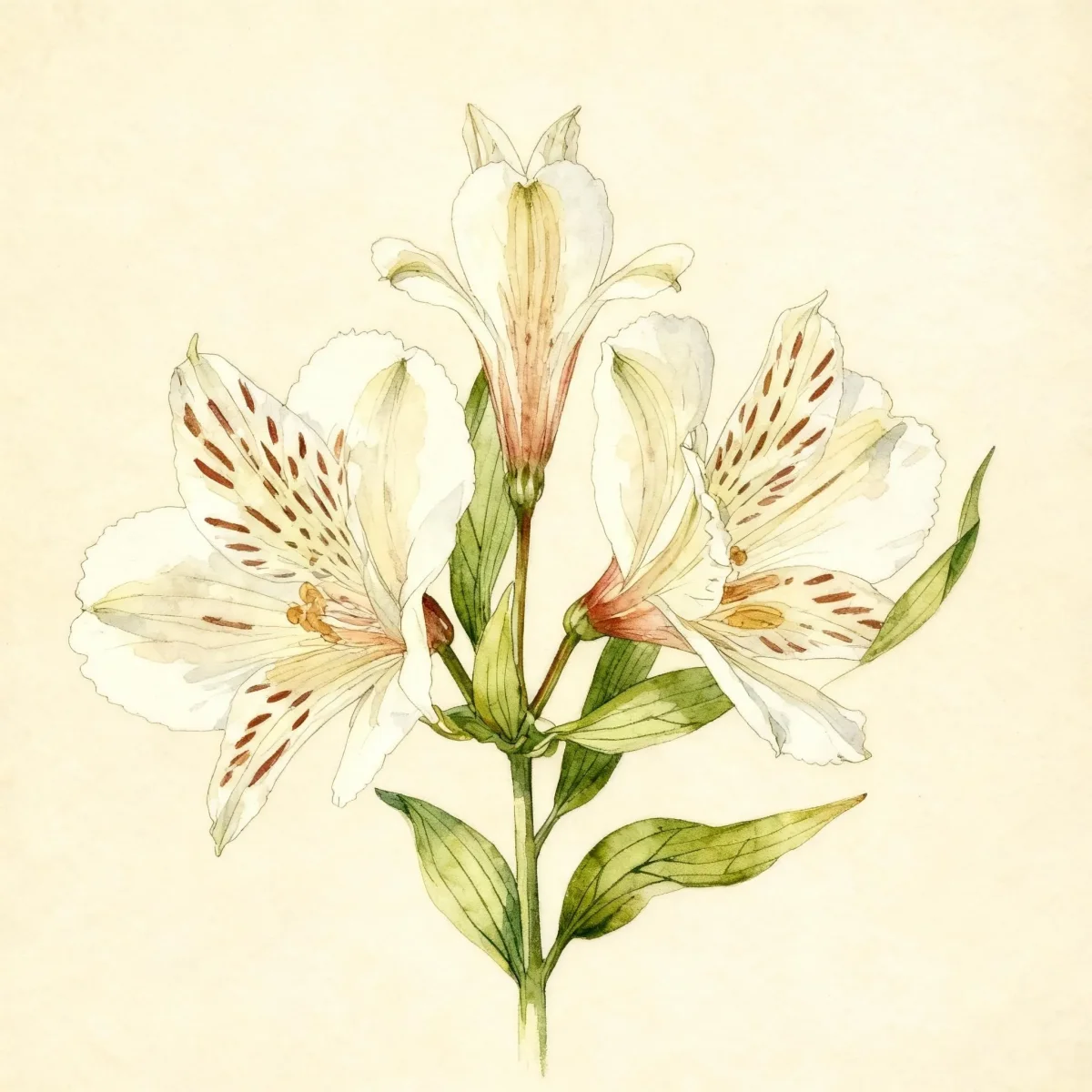
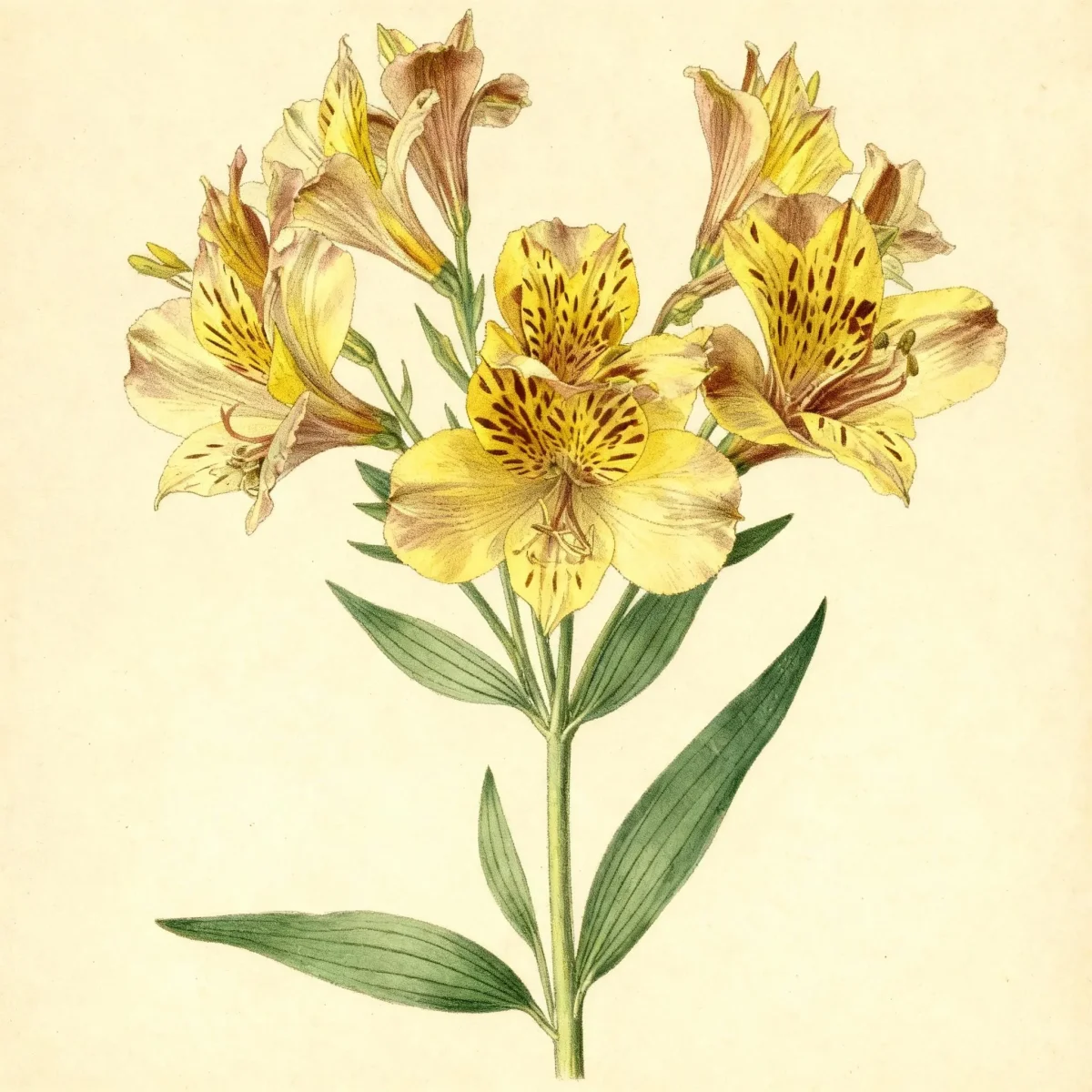
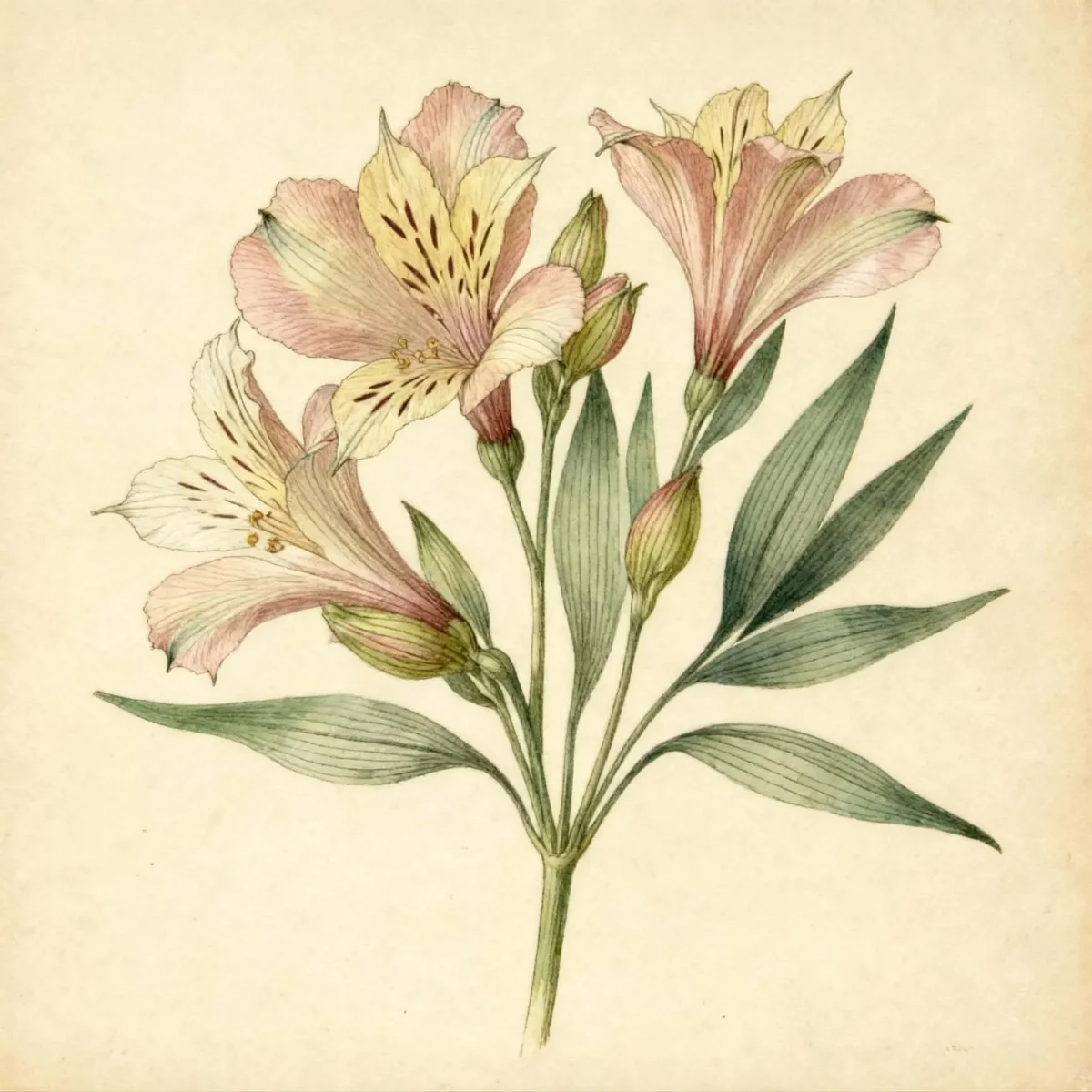
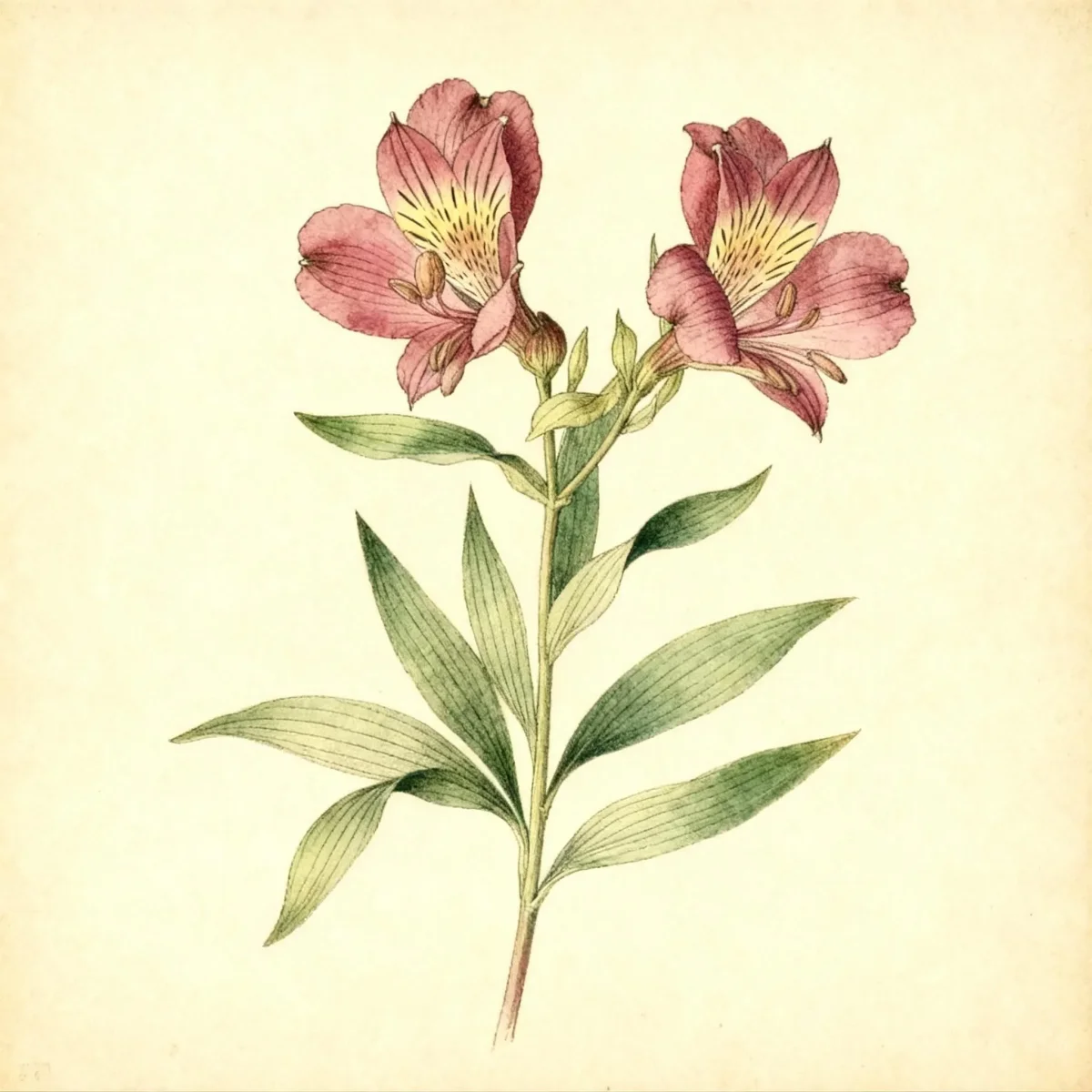
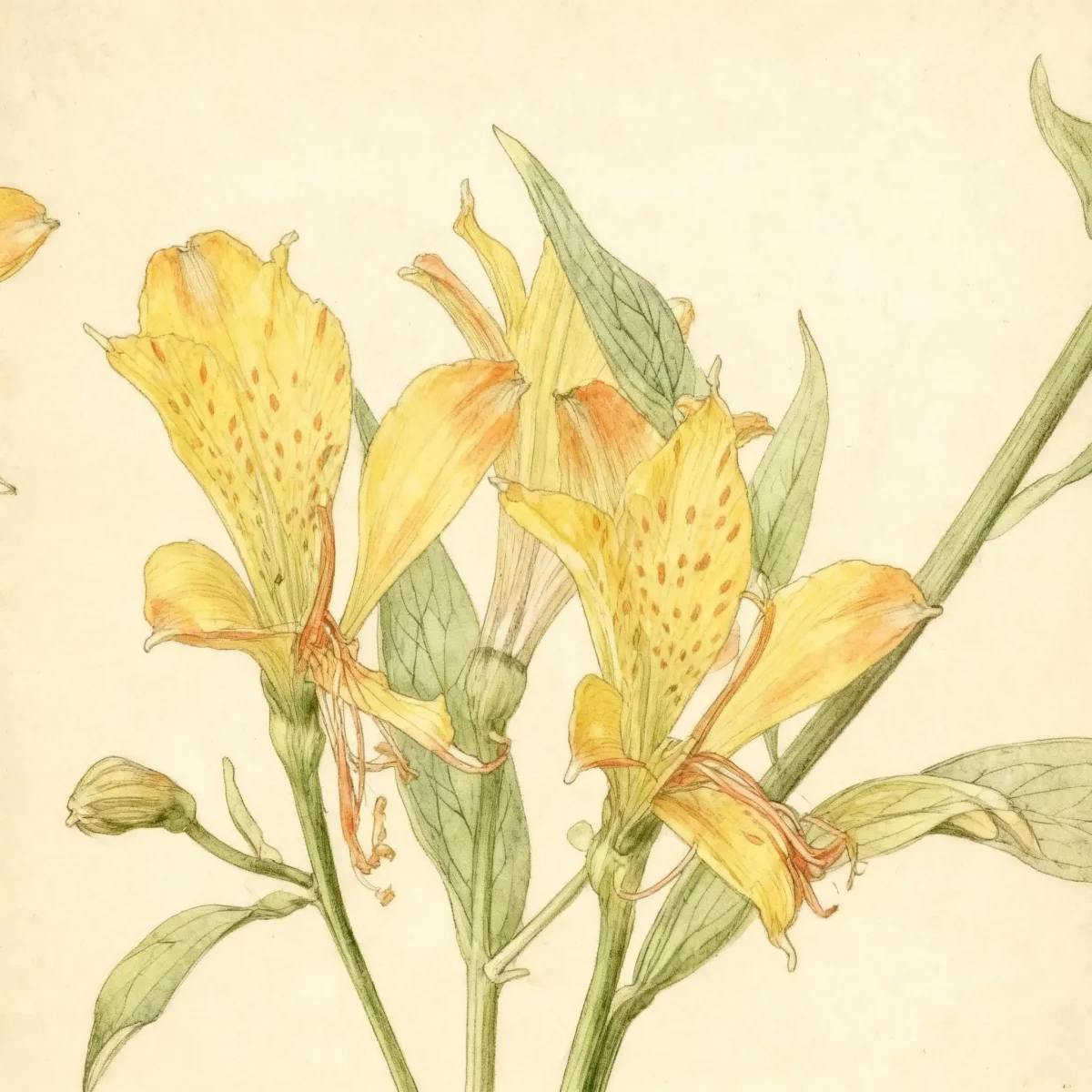
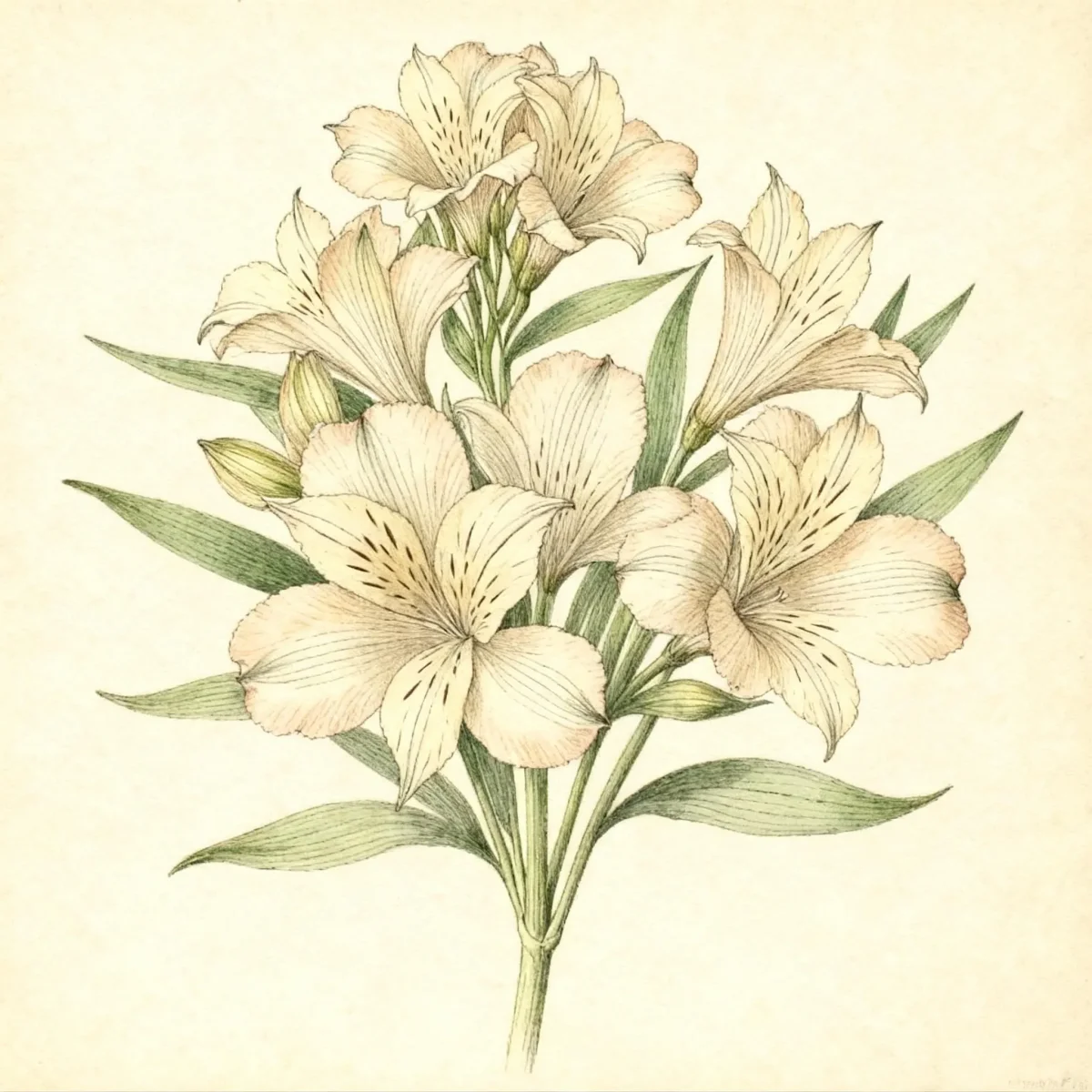
Lily of the Incas (Alstroemeria 'Pacific Sunset Dark Pink')
Vibrant Alstroemeria 'Pacific Sunset Dark Pink' (Lily of the Incas) offers showy magenta blooms from June-July in Zones 8-10. Excellent long-lasting cut flower.
Scroll down to discover growing tips, care requirements, companion plants, and more
Complete Plant Information
Overview
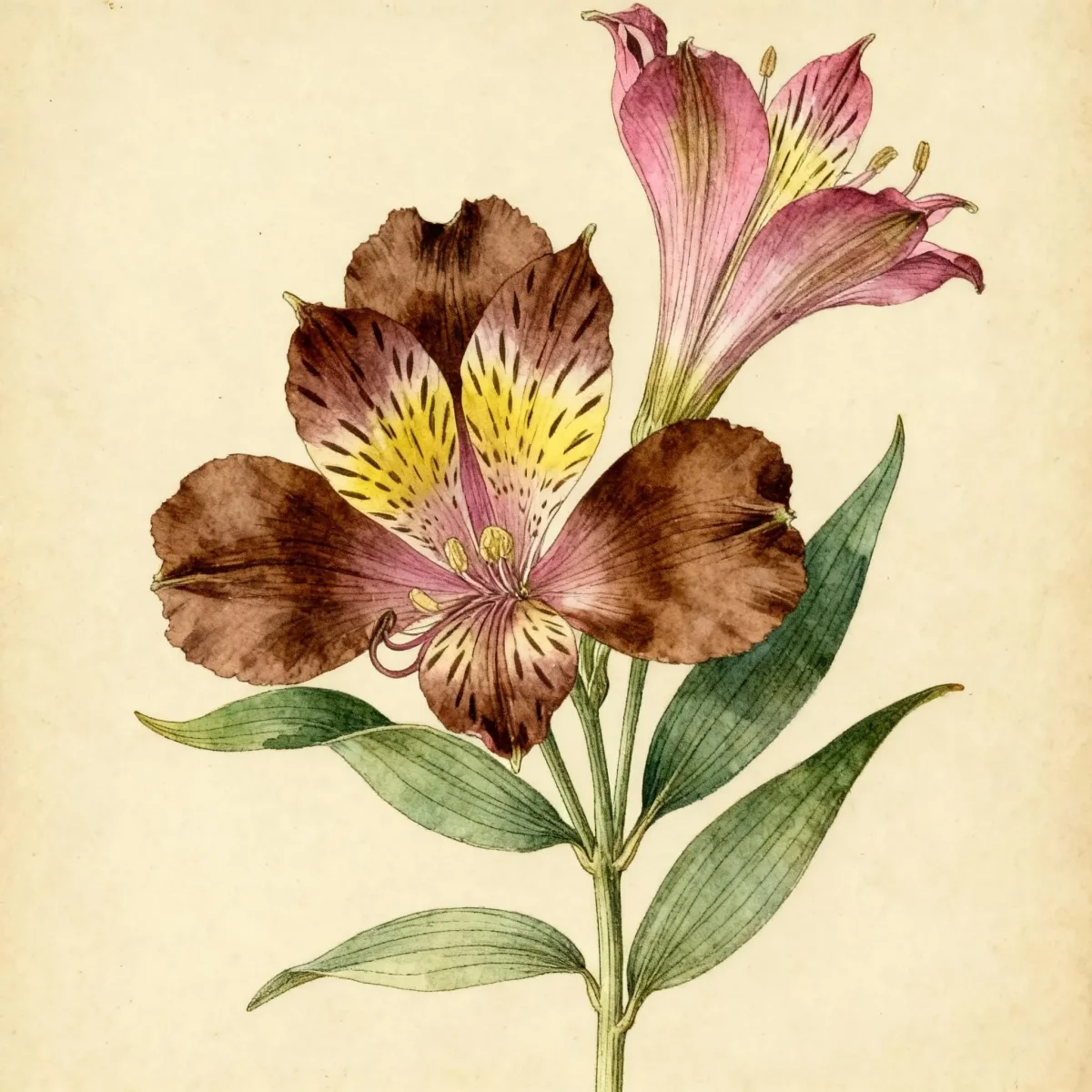
The Alstroemeria ‘Pacific Sunset Dark Pink’, commonly known as Lily of the Incas, is prized by florists and home gardeners alike for its long-lasting, intensely colored blooms. This hybrid selection showcases striking magenta petals accented with dark purple streaks and yellow/white splotches, making it a visual highlight in summer gardens. Growing to a modest height, Alstroemeria ‘Pacific Sunset Dark Pink’ offers dependable color for borders and containers throughout the summer season.
Native to South America, the Lily of the Incas thrives in cultivation when given consistent moisture and rich soil. While it is treated as an annual in many northern gardens, it survives as a perennial in warmer zones (USDA 8-10). These tubers produce stiff flower stems that position the vibrant blooms perfectly above the foliage, providing excellent material for cutting.
For optimal performance, ensure this plant receives either full sun or light afternoon shade, especially in hotter climates. While the care is listed as medium maintenance, ensuring consistent moisture is key to maximizing the stunning floral display of the Alstroemeria ‘Pacific Sunset Dark Pink’.
Fast Facts
- Plant Family: Alstroemeriaceae
- Plant Type: Bulb
- Hardiness Zones: USDA Zones 8-10
- Size at Maturity:
- Height: 1-1.5 ft
- Spread: 1-1.5 ft
- Bloom Time: June to July
- Bloom Description: Magenta
- Sun Exposure: Full sun to part shade
- Water Needs: Medium
- Maintenance Level: Medium
How to Grow
Planting should occur where the soil is organically rich, loose, and well-drained. While many gardeners treat this as an annual, established plants in Zones 8-10 prefer full sun but benefit greatly from protection during the hottest part of the afternoon. Aim for a location that allows for even moisture retention, as consistent watering supports continuous flowering.
Water needs for the Lily of the Incas are medium but demand consistency; avoid letting the soil dry out completely, particularly during active blooming. Taller flowering stems may occasionally require staking to remain upright against wind or heavy rain. Maintenance involves deadheading spent blooms to encourage more flower production throughout June and July.
Winter preparation is crucial if you live outside the reliable low end of the hardiness range. If grown in cold spells, the tubers can survive temperatures down to 15-20°F if well mulched and protected. In genuinely cold winter areas, carefully dig the brittle roots/tubers in the fall and store them indoors. If growing Alstroemeria ‘Pacific Sunset Dark Pink’ in containers, move them to a bright, cool interior location for winter.
Landscape Uses
Hybrid Alstroemeria strains, including this vibrant Alstroemeria ‘Pacific Sunset Dark Pink’, are immensely popular for use as cut flowers due to their long vase life and profuse stems. Beyond the vase, they serve exceptionally well in mixed perennial borders, adding mid-height color contrast against shorter edging plants. They are also perfect additions to dedicated cottage gardens, providing that classic, abundant cottage texture.
Consider planting Lily of the Incas in dedicated cutting gardens where regular harvesting will be a benefit rather than a hindrance to appearance. In borders, group them in drifts so their rich color reads clearly from a distance. Since they are effective annuals too, they work well to fill gaps left by spring bulbs or to provide mid-summer color where summer fatigue has set in for other perennials.
Standout Features
Flower Qualities
- Showy
- Good Cut
Noteworthy Characteristics
The genus Alstroemeria originates entirely from South America. Hybrid strains of Alstroemeria have become exceptionally popular commercial cut flowers because they offer stiff stems and impressive vase longevity, often lasting two weeks. ‘Pacific Sunset Dark Pink’ is specifically noted for its magenta petals contrasted beautifully with dark purple streaks and yellow/white markings.
Tolerances
(No data provided)
Potential Problems
Slugs and snails pose an early threat, often targeting the young foliage as it emerges. Use appropriate baits or methods to manage these mollusks when the plants are young and vulnerable.
Spider mites can become a concern, especially if the Lily of the Incas is grown in hot, dry conditions stressed areas. Ensure adequate air circulation and consistent watering to help mitigate mite populations, checking the undersides of leaves regularly for small webbing or speckled damage.
Frequently Asked Questions
What hardiness zones is Lily of the Incas suitable for?
Alstroemeria ‘Pacific Sunset Dark Pink’ is reliably winter hardy in USDA Zones 8 through 10, though some success may be found in protected Zone 7 locations.
How large does Alstroemeria ‘Pacific Sunset Dark Pink’ grow?
This cultivar typically reaches a manageable height between 1 and 1.5 feet tall, spreading to a similar width of 1 to 1.5 feet.
What sun exposure does Lily of the Incas need?
It performs best in full sun but appreciates a little protection from the harshest afternoon rays, performing well even with partial shade exposure.
When does Alstroemeria ‘Pacific Sunset Dark Pink’ bloom?
You can expect vibrant magenta blooms from this plant throughout the summer months, specifically from June through July.
Conclusion
The Alstroemeria ‘Pacific Sunset Dark Pink’ offers exceptional value through its reliable summer blooms and its status as a premier cut flower. Its rich magenta coloration ensures it draws the eye in any setting, whether planted formally or casually. Before planting, confirm your local USDA zone compatibility and ensure you can meet its need for consistently moist, well-drained soil for the best results.
Companion Planting
Choosing companions that share similar cultural needs regarding sun and moisture is essential for success with Lily of the Incas. Pair Alstroemeria ‘Pacific Sunset Dark Pink’ with plants that also thrive in full sun to light shade and medium water requirements, such as salvias, coreopsis, or even Shasta daisies. Avoid pairing it with extremely drought-tolerant succulents, as the Alstroemeria will suffer if its soil dries out too frequently.
In layered designs, use lower-growing, heat-tolerant companions near the base to shade the soil slightly, which helps maintain the crucial consistent moisture level the Lily of the Incas appreciates. Plants with contrasting foliage textures, like fine-leaved ornamental grasses, help highlight the boldness of the magenta blooms.
Seasonal Care Calendar
Spring preparation involves amending the soil richly with organic matter to ensure excellent drainage and nutrients before active growth begins. Once the danger of hard frost has passed, you can resume regular, deep watering cycles dependent on rainfall.
Summer maintenance focuses primarily on harvesting flowers; cut blooms near the base of the stem to encourage successive flushes. Keep an eye out for pests like mites during hot, dry spells, applying preventative measures as necessary.
If overwintering tubers in cold zones, cease watering somewhat as temperatures drop toward fall. Dig the brittle tubers carefully before the ground freezes hard, cleaning off excess soil before storing them in a cool, dark, slightly damp medium until spring planting time arrives.