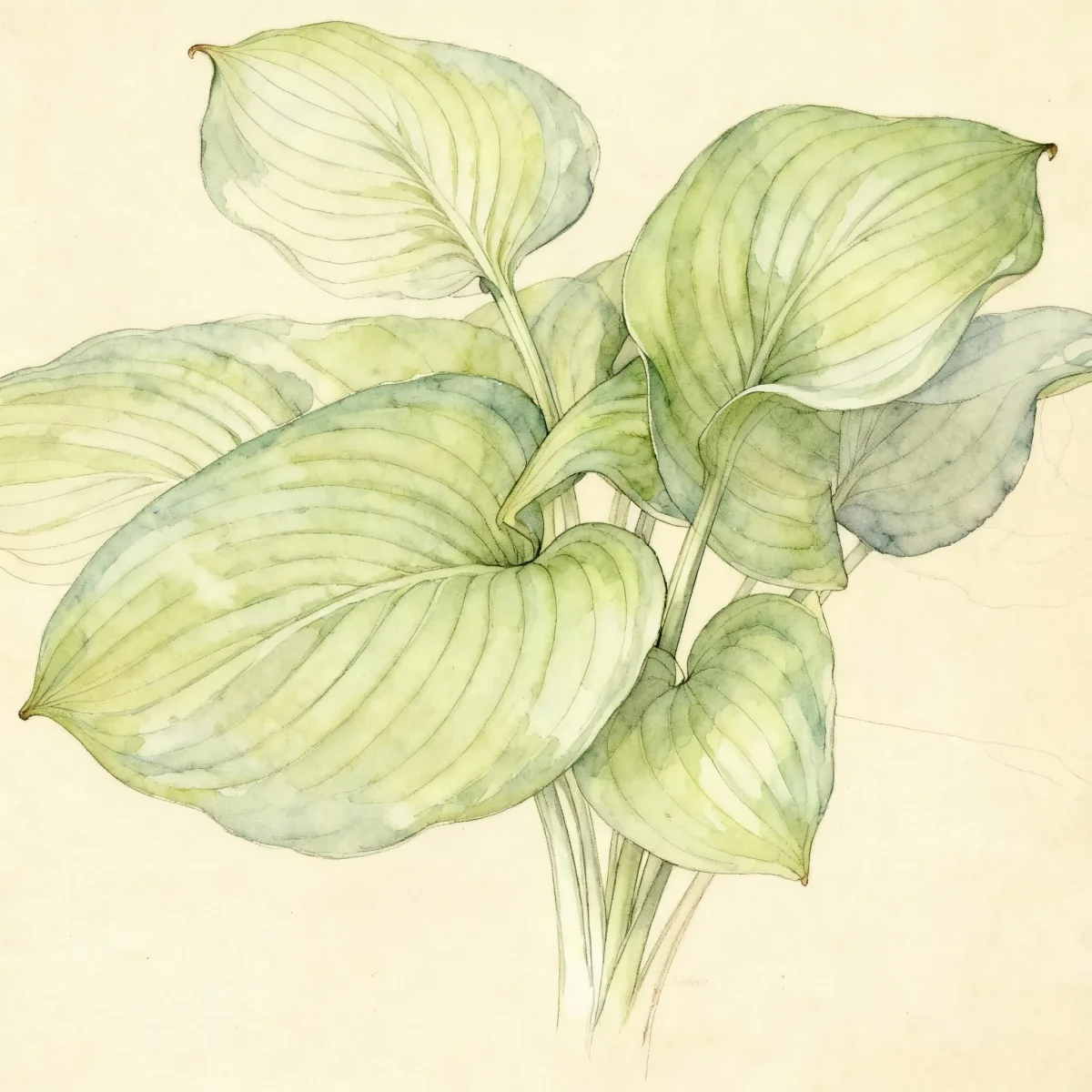
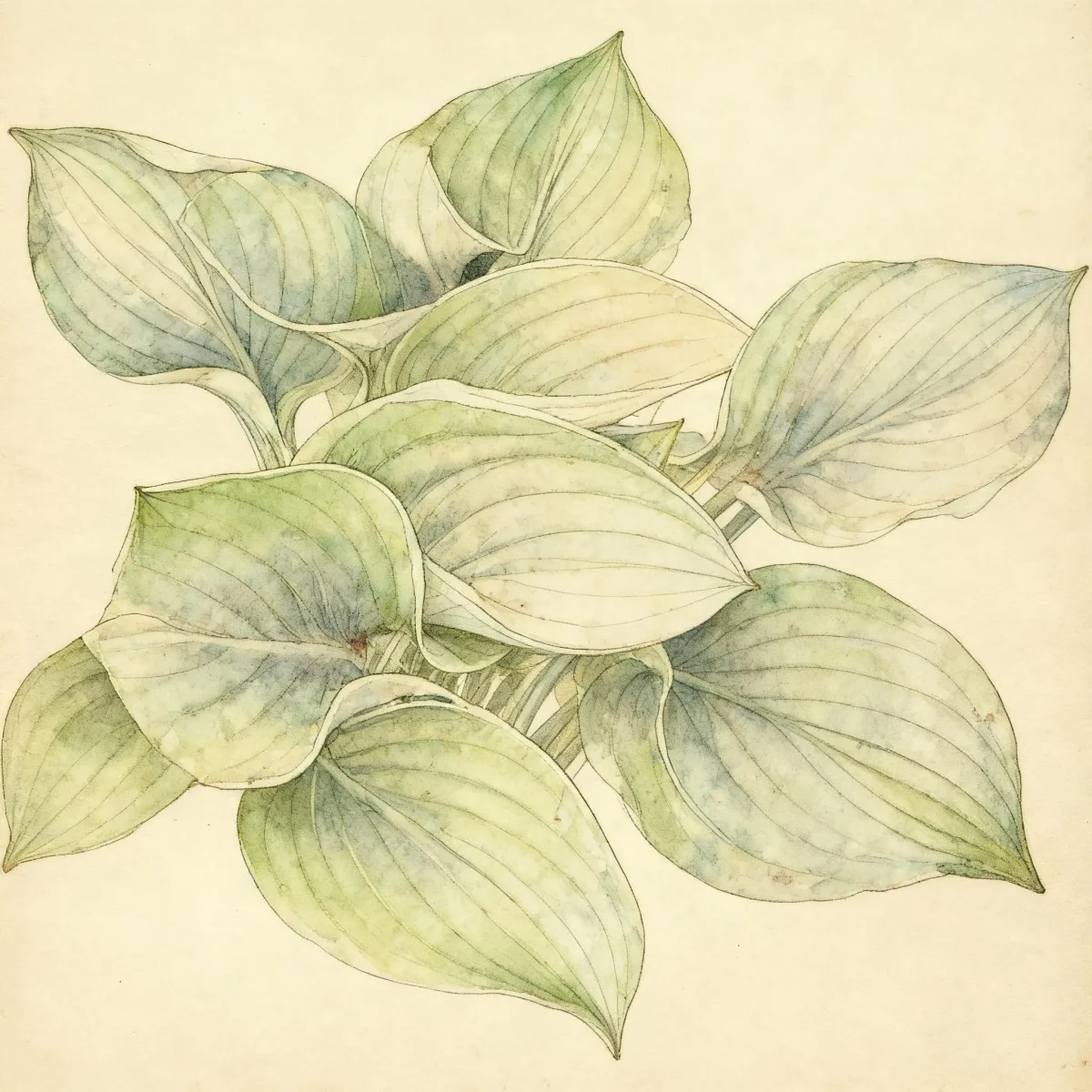
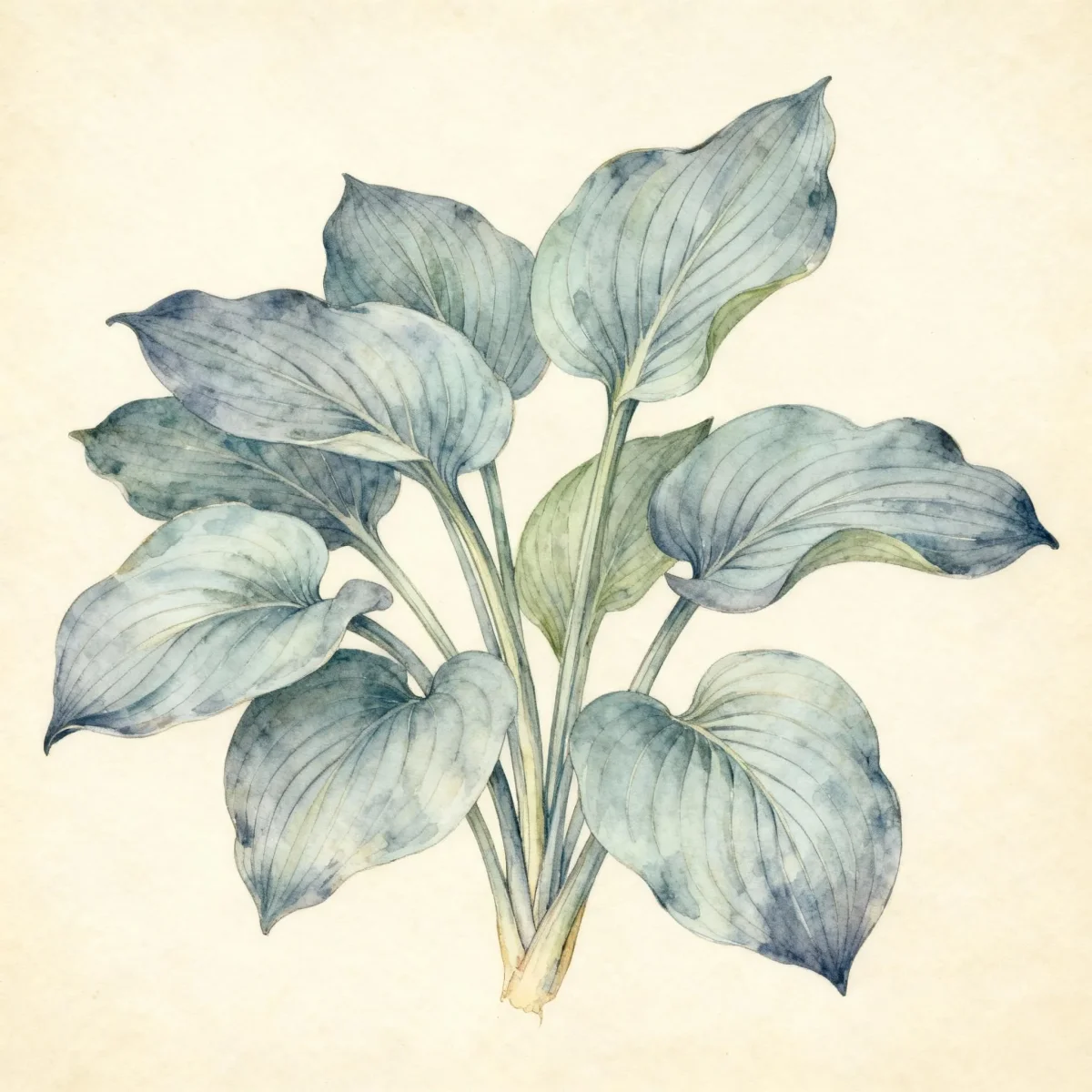
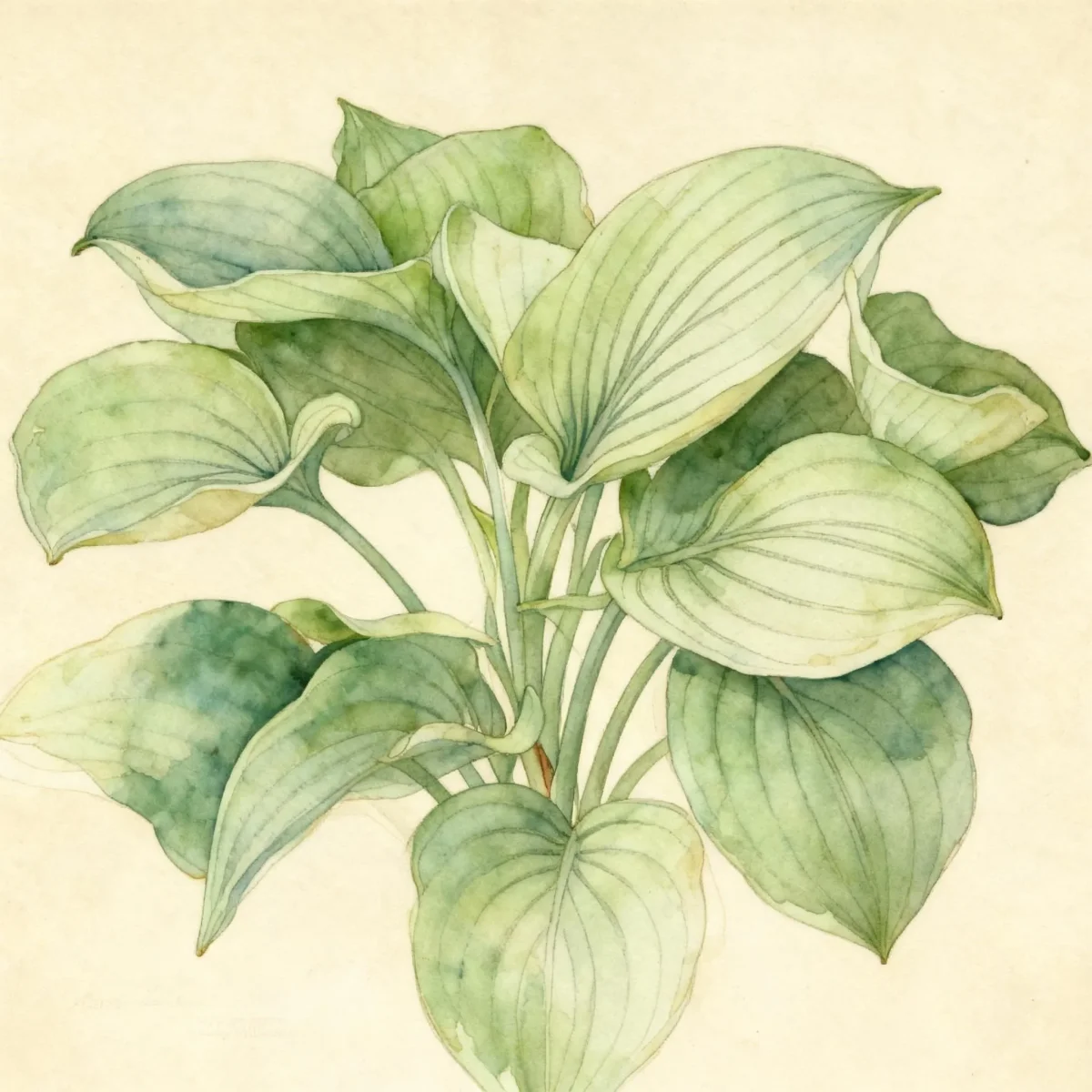
Hosta (Hosta 'Fog Light')
Hosta 'Fog Light' is a low-maintenance perennial featuring yellow leaves with an iridescent blue sheen, thriving in shade.
Scroll down to discover growing tips, care requirements, companion plants, and more
Complete Plant Information
Overview
Hosta ‘Fog Light’ is a prized selection within the Hosta genus, celebrated primarily for its striking ornamental foliage rather than its summer flowers. This medium-sized variety forms an attractive, rounded mound, making the Hosta an essential component for adding texture and color to shaded landscapes where few other plants thrive. Its adaptability ensures that gardeners across varied climates can successfully cultivate this reliable perennial.
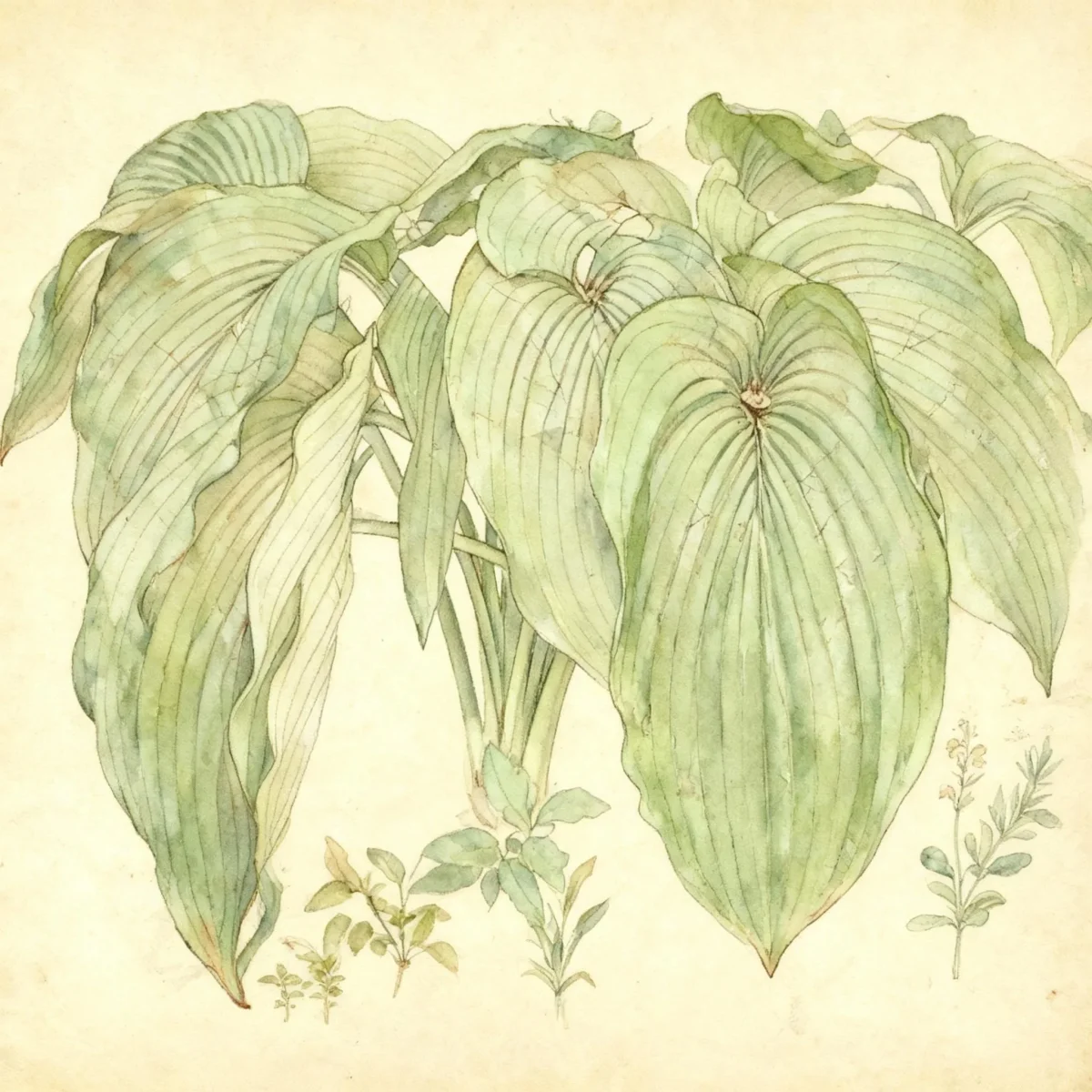
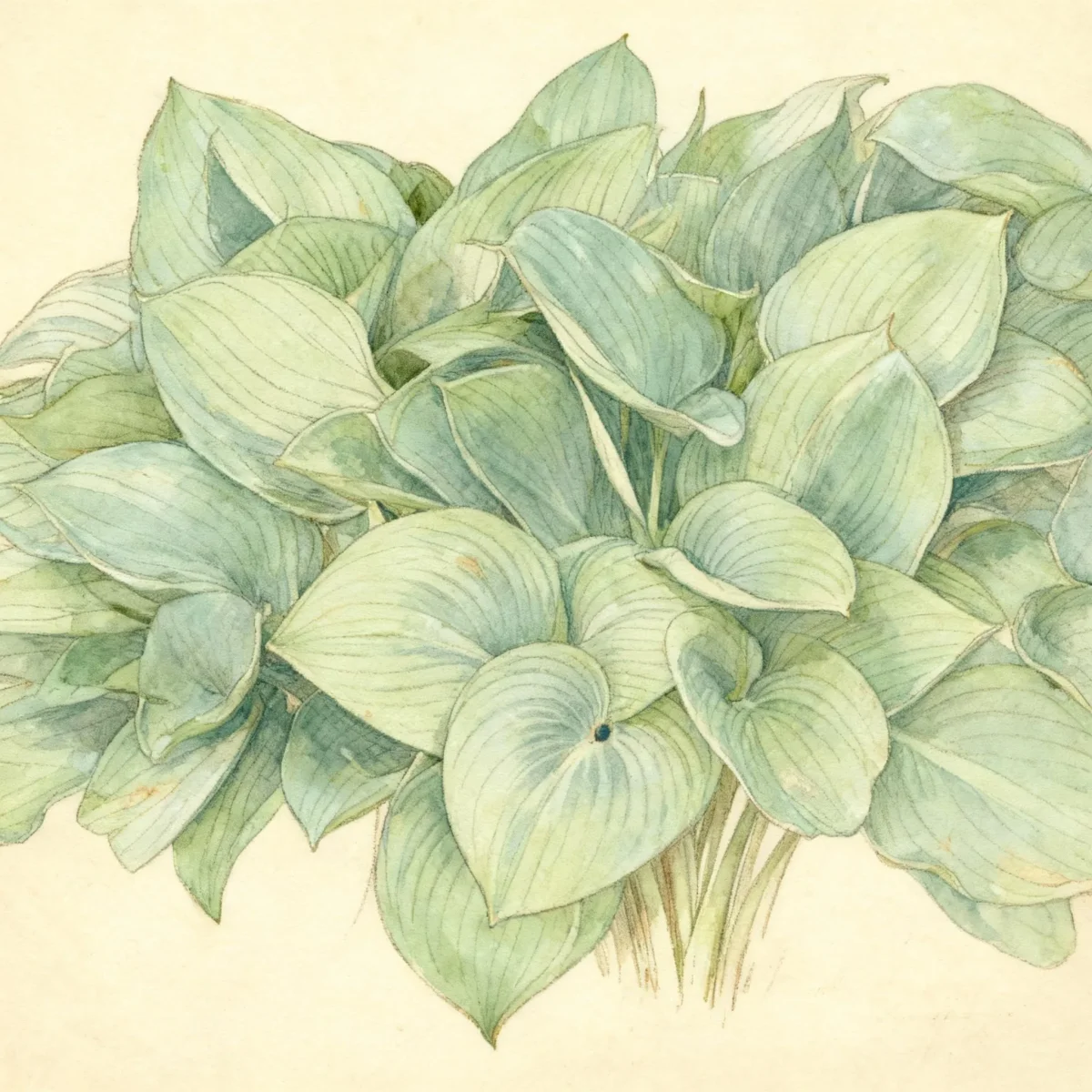
The distinctive leaves of Hosta ‘Fog Light’ emerge yellow and often possess a unique white or iridescent blue sheen, especially when sited in morning sun. Reaching up to 1.5 feet tall with a spread of 2.5 feet, this Hosta selection provides excellent low-maintenance coverage and structure. Growing Hosta ‘Fog Light’ is straightforward, requiring minimal effort once established, solidifying its place as a shade garden staple.
As robust, rhizomatous perennials, Hostas deliver reliable seasonal performance. While ornamental foliage is the main draw, the mid-summer bloom of lavender-purple flowers adds a pleasant secondary feature. For gardeners seeking dependable, beautiful groundcover or specimen accents for deep shade, Hosta ‘Fog Light’ offers both aesthetic appeal and exceptional ease of care.
Fast Facts
- Plant Family: Asparagaceae
- Plant Type: Herbaceous perennial
- Hardiness Zones: USDA Zones 3-8
- Size at Maturity:
- Height: 1-1.5 ft
- Spread: 2-2.5 ft
- Bloom Time: July to August
- Bloom Description: Lavender-purple
- Sun Exposure: Part shade to full shade
- Water Needs: Medium
- Maintenance Level: Low
How to Grow
Planting Hosta ‘Fog Light’ should occur in the spring or fall when conditions stabilize. The ideal site provides them with evenly moist, organically rich, well-drained soil. While they tolerate full shade, achieving the best leaf color and quality often requires partial shade, such as dappled sunlight or protection from intense afternoon rays. Remember that established plants can tolerate some dry shade, but avoiding dryness altogether is key for maintaining peak leaf quality.
Watering requires consistency; medium moisture levels should be maintained, applying water directly to the soil beneath the leaves to keep the foliage dry and minimize disease risk. Hostas are low-maintenance plants overall, rarely requiring fertilizer if planted in rich soil. Pruning is generally unnecessary, though old, tattered foliage can be removed in late fall or very early spring.
Division of your Hosta clump can be done as needed in either spring or autumn. Spring division is often easiest just before the leaves fully unfurl, allowing you to easily divide the crown. Always protect Hosta ‘Fog Light’ from high winds, which can damage the leaf margins, and ensure your location is protected from common pests.
Landscape Uses
Hostas are foundational plants for designing shady gardens, providing essential structure and varied foliage textures where flowering plants struggle. Hosta ‘Fog Light’ shines brightest when massed or planted in groups, creating a consistent sea of its unique yellow-and-iridescent foliage that brightens dark corners. They function exceptionally well as low borders or defining edges along woodland paths or shady borders.
Their clumping habit makes them perfect as background accents or foreground groundcover, depending on the height of surrounding plants. Pair Hosta ‘Fog Light’ with other shade-tolerant companions that offer contrasting leaf shapes or colors, such as ferns, Astilbe, or Heuchera. This combination ensures visual interest throughout the growing season, even when the Hosta flowers are not in peak display. Gardeners utilize these reliable perennials extensively in woodland settings or beneath the canopy of established trees.
Standout Features
Flower Qualities
- Showy
Noteworthy Characteristics
Hosta is a genus of about 70 species of shade-loving, rhizomatous, clump-forming, herbaceous perennials which are native to open woodlands, woodland margins and glades in Japan, Korea, China and eastern Russia. Hostas are primarily grown for their ornamental foliage. Stalked, conspicuously-veined, often dense, basal leaves in a variety of shapes, sizes, colors and textures rise up from a central rhizomatous crown to form a rounded to spreading mound of foliage. Bell or funnel-shaped flowers in terminal, mostly one-sided racemes bloom in late spring or summer atop vertical, unbranched, usually leafless but frequently bracted scapes which rise upward from the crown or rootstock to a point often well above the foliage mound. Genus name honors Austrian botanist Nicholas Thomas Host (1761-1834) and was first established in 1812. The genus was subsequently renamed in 1817 as Funkia in honor of botanist Heinrich Christian Funk under the belief at that time that Hosta was an invalid name. Hosta was finally reinstated as the genus name in 1905 by the International Botanical Congress. Funkia remains a popular common name today in some areas. An additional common name for plants in this genus is plantain lily (foliage is somewhat plantain-like and flowers are somewhat lily-like in some species). ‘Fog Light’ is a medium sized, upright hosta selection reaching up to 18” tall with a 2.5’ spread. The leaves are yellow in color with a unique white to iridescent blue sheen and a slightly wavy edge. The undersides of the leaves are white. In part sun conditions, the leaves will take on nearly orange tones. Lavender-purple flowers bloom in mid-summer.
Tolerances
- Black Walnut
Potential Problems
Slugs and snails represent the primary threat to Hosta foliage, attracted to the tender leaves and causing irritating, jagged holes if left unmanaged. Immediate action is necessary to prevent serious aesthetic damage, especially when the plants are young. Monitor regularly for early signs of feeding damage and deploy appropriate organic barriers or baits to keep mollusk populations in check.
Bacterial and fungal issues, such as foliar nematodes causing interveinal browning or less common leaf spots and crown rot, can occur, usually exacerbated by poor air circulation or overly saturated soil. Ensure proper spacing and water at the base of the plant to mitigate these risks. If viruses like HVX are suspected, infected plants must be completely removed and destroyed immediately to prevent spreading. Deer and rabbits also find Hosta leaves delicious and may consume them voraciously.
Frequently Asked Questions
What hardiness zones is Hosta ‘Fog Light’ suitable for?
Hosta ‘Fog Light’ is suitable for USDA Zones 3 through 8, offering broad adaptability across many regions.
How large does Hosta grow?
This selection reaches a mature height between 1 and 1.5 feet and spreads approximately 2 to 2.5 feet wide.
What sun exposure does Hosta need?
Hosta ‘Fog Light’ performs best when sited in part shade to full shade conditions.
When does Hosta bloom?
The lavender-purple flowers of this Hosta generally appear between July and August.
Conclusion
Hosta ‘Fog Light’ remains a top performer for consistently brightening shaded areas with its remarkable yellow foliage accented by an iridescent sheen, all while demanding low maintenance. Whether used for mass planting or as an accent, this Hosta selection offers excellent color contrast. Before planting, confirm your local USDA zone compatibility, and prepare your soil to be rich and moist for the most vibrant results from your Hosta ‘Fog Light’.
Companion Planting in Shade
Selecting suitable companions enhances the overall aesthetic impact of the shade garden, providing variety in form and texture against the mounding habit of the Hosta. Plants that appreciate similar moist, well-drained soil conditions and thrive in part shade are ideal partners for Hosta ‘Fog Light’. Consider pairing it with Astilbe, Japanese Forest Grass (Hakonechloa), or various groundcover Geraniums.
Ferns, such as Japanese Painted Fern or Autumn Fern, offer wonderfully contrasting, lacy textures that highlight the solid, broad leaves of the Hosta. When grouping these plants, ensure adequate spacing to allow air to circulate around the Hosta leaves, which is crucial for reducing humidity buildup and minimizing slug activity. A well-planned collection of shade perennials ensures continuous interest from early spring through fall.
Seasonal Care Calendar
Early spring is the best time for dividing established Hosta clumps and beginning cleanup by removing any dead winter foliage remnants. As the leaves begin to emerge, this is also the ideal period to apply a layer of organic mulch to conserve moisture and suppress weeds around the base of your Hosta. During the active growing season (late spring through summer), focus intently on consistent watering to meet the medium moisture needs of Hosta ‘Fog Light’.
In the heat of mid-summer, be vigilant against slugs and snails, employing preventative measures before populations explode. If your plant receives any direct sun, monitor the leaves carefully for scorching, which indicates it might need supplemental afternoon shade or more consistent moisture. Fall care involves cutting back the dead foliage after the first hard frost, preparing the crown for winter dormancy within its safe zones of 3-8.