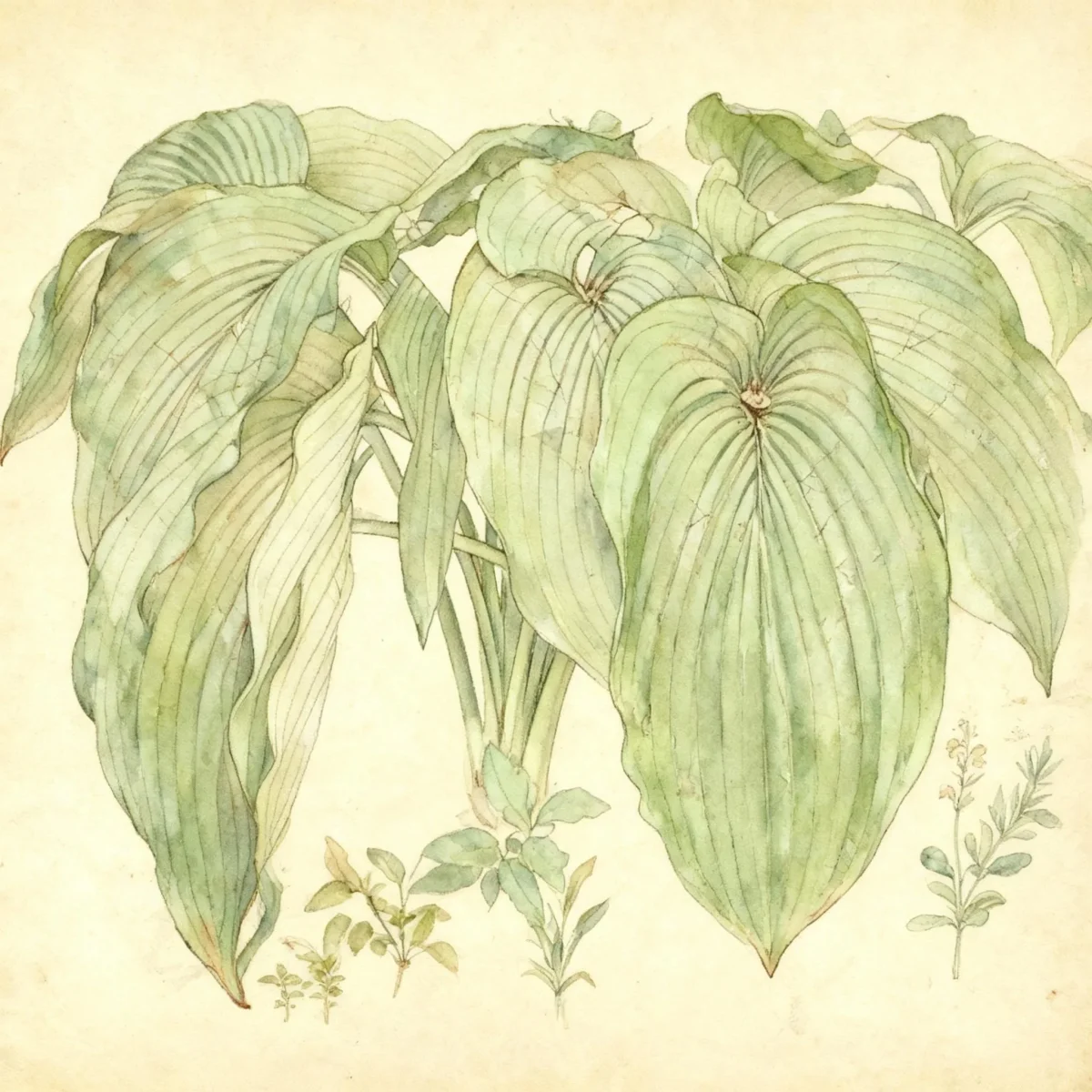
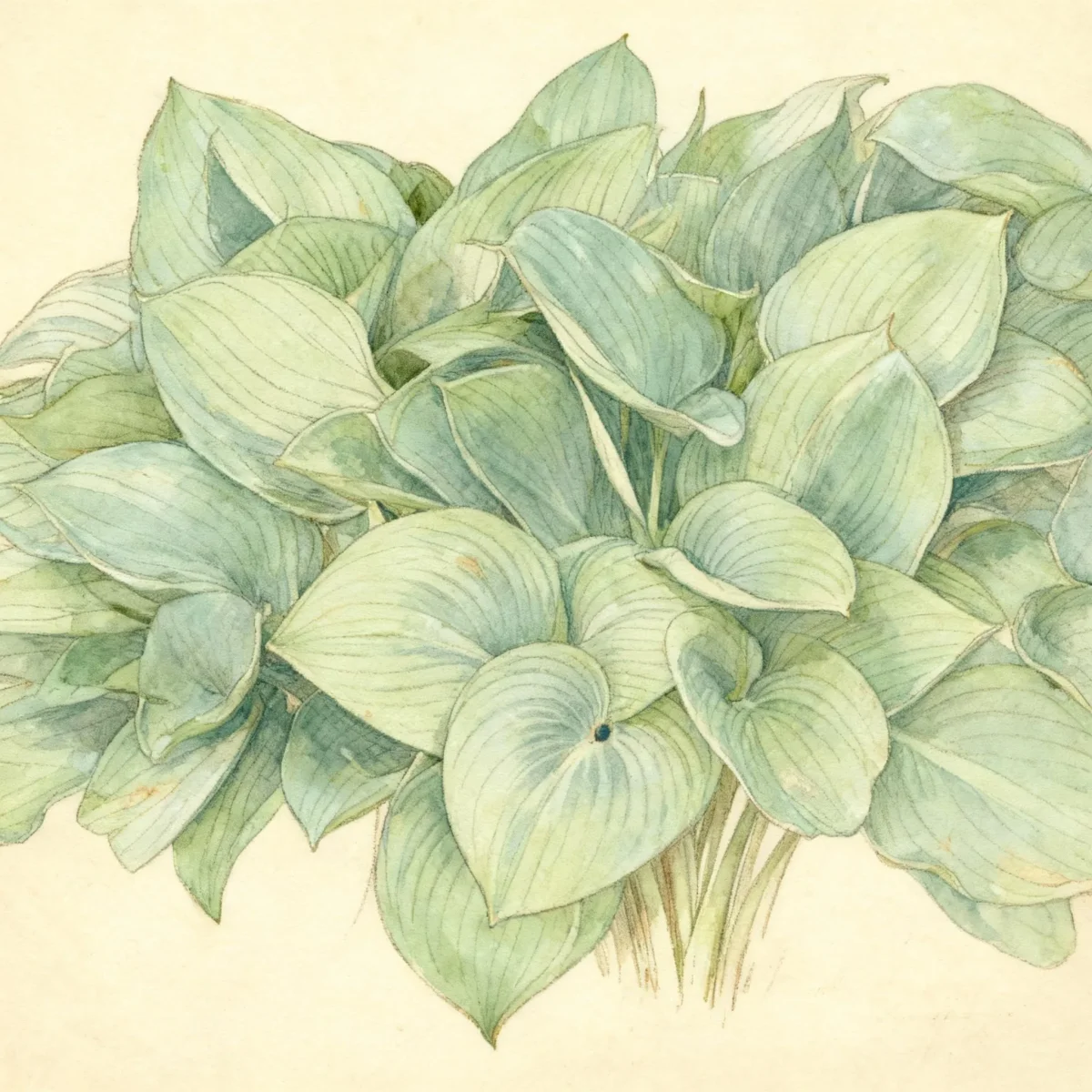
Hosta (Hosta 'Fragrant Fire')
Hosta 'Fragrant Fire' offers glossy, bright green leaves with creamy white margins and fragrant white summer blooms. A low-maintenance perennial for shade gardens.
Scroll down to discover growing tips, care requirements, companion plants, and more
Complete Plant Information
Overview
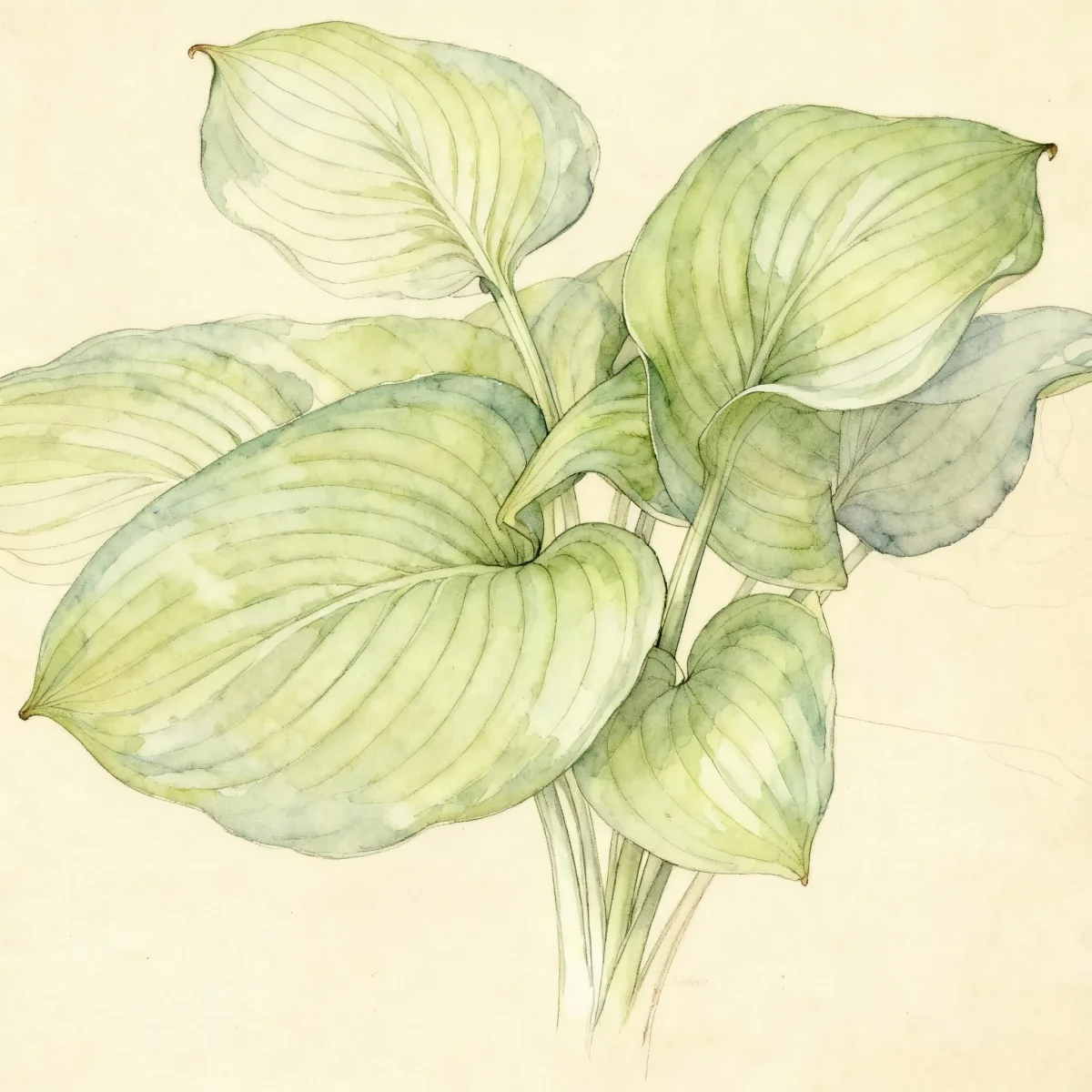
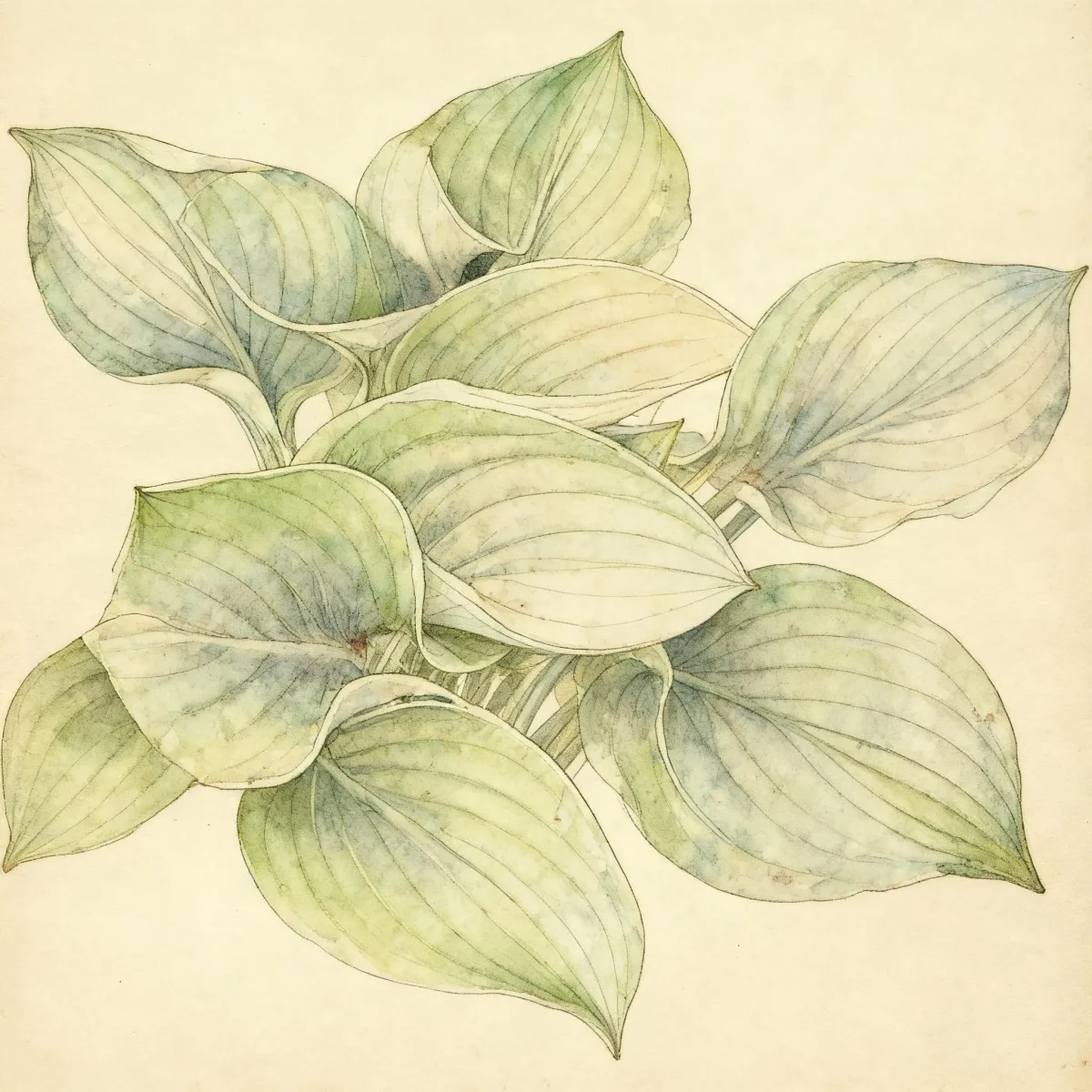
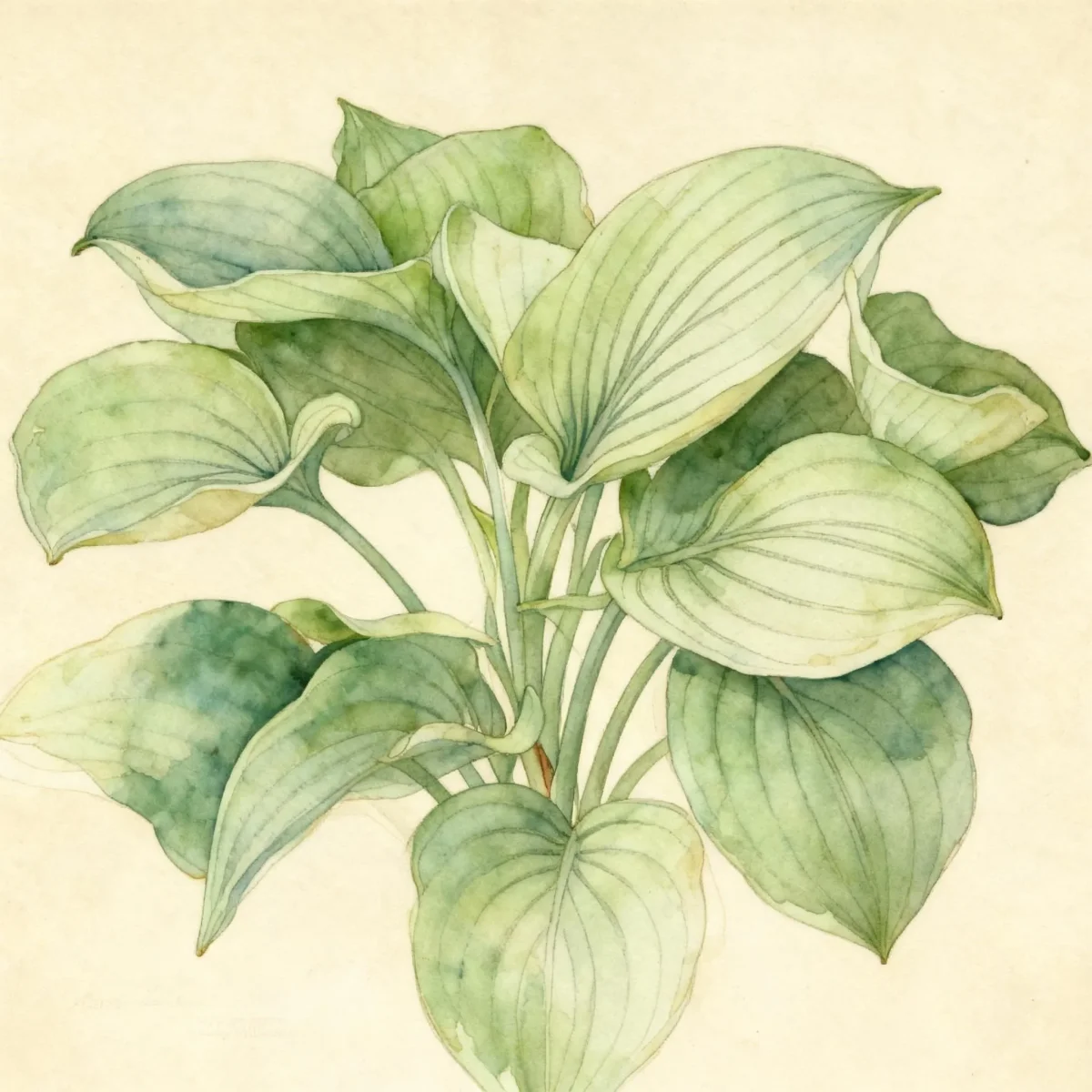
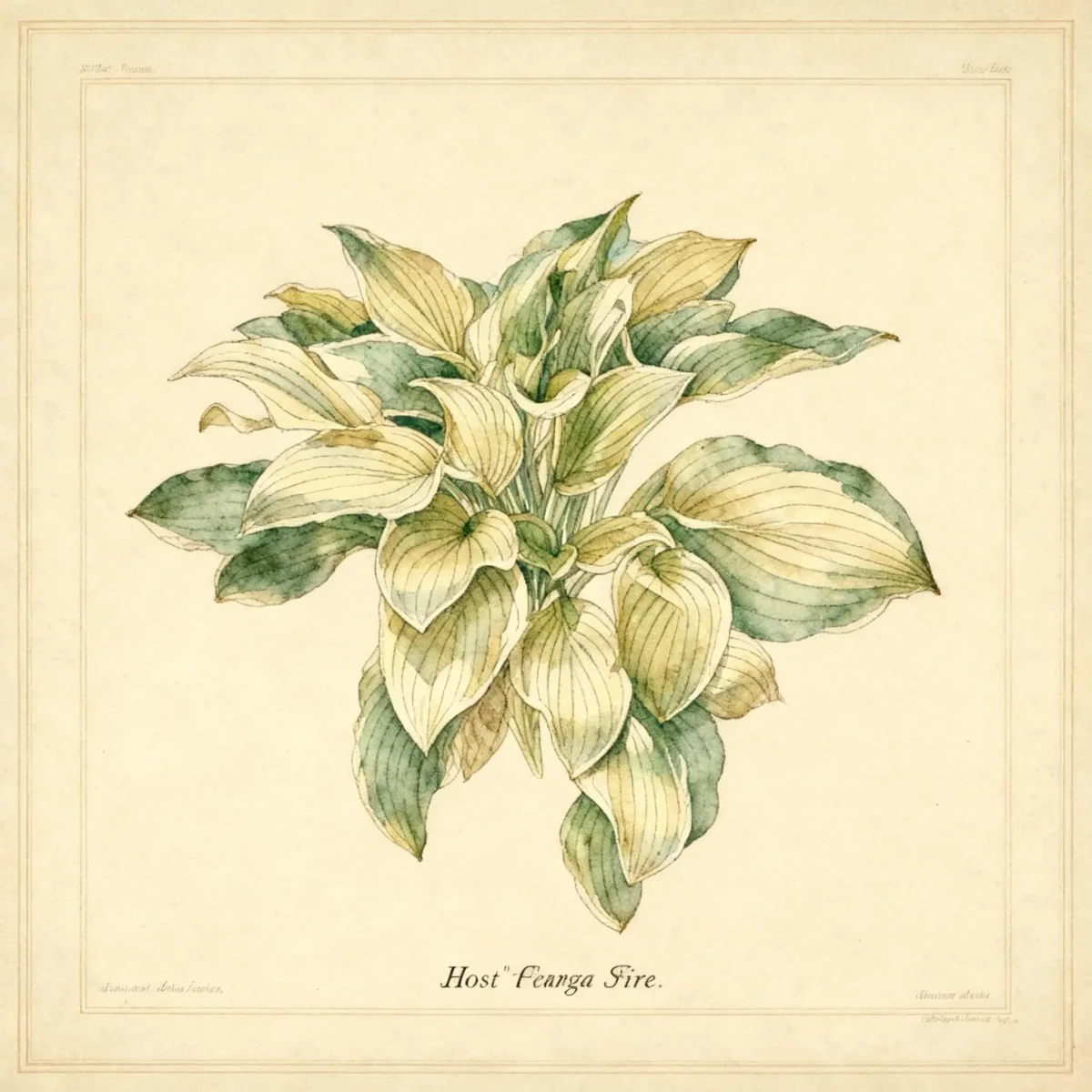
Hosta ‘Fragrant Fire’ is a standout herbaceous perennial highly valued for its striking, ornamental foliage, making it a cornerstone for designers focusing on shade gardens. This cultivar is known for its glossy, bright green leaves beautifully edged with creamy white variegation, forming an upright, vase-shaped mound. A significant benefit of growing Hosta ‘Fragrant Fire’ is its late-season visual interest combined with the allure of fragrant, white, trumpet-shaped flowers that bloom from August into September.
As a Hosta variety, it thrives best when provided reliably moist, rich soil in dappled sunlight or partial shade conditions. While established plants show some tolerance for dry shade, consistent moisture maximizes leaf quality and size. With its low maintenance requirements and substantial presence, Hosta ‘Fragrant Fire’ reliably provides structure and light contrast to darker woodland settings.
Fast Facts
- Plant Family: Asparagaceae
- Plant Type: Herbaceous perennial
- Hardiness Zones: USDA Zones 3-8
- Size at Maturity:
- Height: 1.5-1.75 ft
- Spread: 2.75-3 ft
- Bloom Time: August to September
- Bloom Description: White
- Sun Exposure: Part shade to full shade
- Water Needs: Medium
- Maintenance Level: Low
How to Grow
For optimal health, plant Hosta ‘Fragrant Fire’ in the spring or autumn when soils are cool. Select a location offering rich, organically prepared, well-drained soil. Consistent moisture is key, so plan to water regularly, directing water to the soil beneath the foliage rather than overhead. While this Hosta tolerates some morning sun to enhance its variegation, avoid harsh afternoon light which can scorch the leaves.
Maintenance for your Hosta is generally low. Focus on ensuring deep, infrequent watering during dry spells, especially as the plants establish. Division is rarely needed frequently but is easiest to perform in early spring before the new leaves fully unfurl. During the season, ensure plants are protected from strong winds, which can bruise the leaves.
Because Hosta foliage is highly attractive to deer and rabbits, placement near desirable structures or the use of protective barriers may be necessary. This species, like many Hostas, should be kept in locations protected from the harshest weather elements impacting leaf quality.
Landscape Uses
Hostas are indispensable anchors for shady borders, woodland gardens, and heavily shaded foundation plantings. Hosta ‘Fragrant Fire’ serves excellently as a specimen plant due to its distinct variegation or can be massed to create a bold, bright impact under the canopy of deciduous trees. Its upright, vase shape provides vertical contrast against lower-growing groundcovers.
When designing with this medium-sized Hosta, partner it with plants that appreciate similar light and moisture conditions. Consider pairing the bright margins of ‘Fragrant Fire’ with deep green, fine-textured ferns, or contrasting it with dark purple Heucheras to make the creamy edges truly pop. They work well as a background element in shade gardens or to define the edges of woodland paths.
Standout Features
Flower Qualities
- Showy
- Fragrant
Noteworthy Characteristics
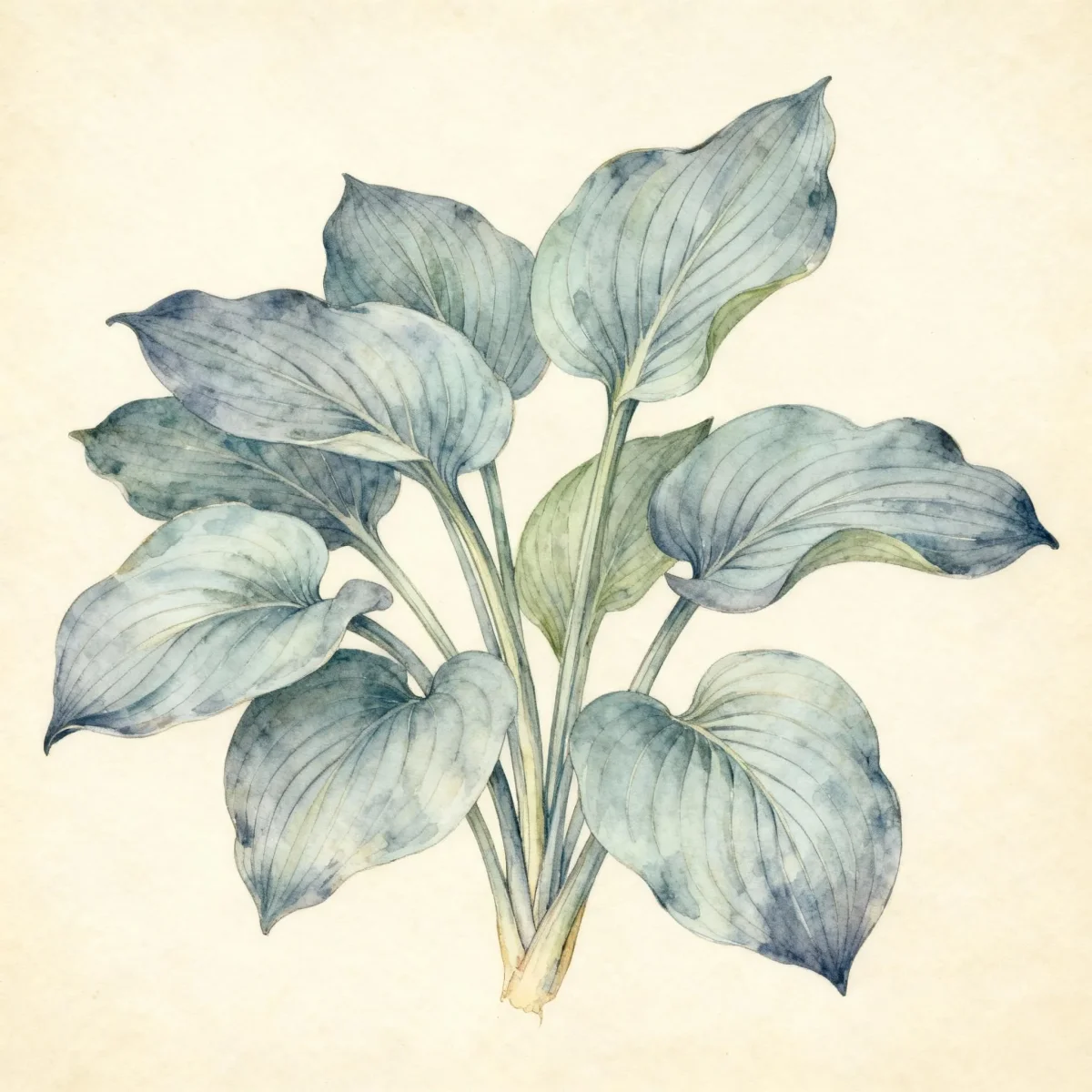
Hosta is a genus of about 70 species of shade-loving, rhizomatous, clump-forming, herbaceous perennials which are native to open woodlands, woodland margins and glades in Japan, Korea, China and eastern Russia. Hostas are primarily grown for their ornamental foliage. Stalked, conspicuously-veined, often dense, basal leaves in a variety of shapes, sizes, colors and textures rise up from a central rhizomatous crown to form a rounded to spreading mound of foliage. ‘Fragrant Fire’ is a medium sized, upright, vase-shaped hosta reaching up to 20” tall with a 3’ spread. The foliage is glossy and bright green with creamy white variegation along the margins, and it produces fragrant, white, trumpet-shaped flowers in late summer attractive to hummingbirds.
Tolerances
- Black Walnut
Potential Problems
The primary threats to Hosta health involve mollusk pests. Slugs and snails are notorious for consuming foliage, leaving jagged holes that can quickly ruin the appearance of your Hosta ‘Fragrant Fire’. Monitor leaves regularly, especially after rain, and employ appropriate slug control methods immediately to prevent serious damage.
Foliar nematodes can cause interveinal browning, which requires prompt removal of affected leaves. While less common, leaf spots and crown rot can occur if drainage is poor or overwatering is excessive. Be vigilant for viral diseases like Hosta Virus X (HVX); plants showing signs of infection must be removed and destroyed immediately.
Frequently Asked Questions
What hardiness zones is Hosta suitable for?
Hosta ‘Fragrant Fire’ is reliably hardy in USDA Zones 3 through 8.
How large does Hosta ‘Fragrant Fire’ grow?
This Hosta typically reaches a height between 1.5 and 1.75 feet tall, spreading to about 2.75 to 3 feet wide.
What sun exposure does Hosta ‘Fragrant Fire’ need?
This variety prefers part shade to full shade. Some morning sun helps produce the best variegation on the leaves of Hosta ‘Fragrant Fire’.
When does Hosta ‘Fragrant Fire’ bloom?
The fragrant, white flowers of Hosta ‘Fragrant Fire’ appear later in the season, generally blooming from August into September.
Conclusion
Hosta ‘Fragrant Fire’ brings essential light contrast and late-season fragrance to any shaded garden space, proving that low-maintenance gardening doesn’t sacrifice visual impact. Ensuring consistent moisture and appropriate placement will reward you with vibrant foliage from this excellent Hosta cultivar. Confirm your location falls within USDA Zones 3-8 and plan your planting for spring or fall to establish a successful, long-lived clump.
Companion Planting
Choosing companions that share the cultural needs of Hosta is crucial for a thriving shade garden. Excellent partners include Astilbes, which offer airy plumes in summer, or various colored foamflowers (Tiarella) that provide low, textural groundcover beneath the Hosta mounds. Bleeding hearts (Dicentra) offer early spring color before the full canopy develops, complementing the foliage focus of Hosta ‘Fragrant Fire’.
When selecting flowering companions, prioritize those that bloom before or after the late summer flowers of this Hosta to ensure continuous seasonal interest. Ferns, with their fine texture, offer a perfect textural contrast to the broad, glossy leaves of the Hosta, enhancing the layered woodland effect.
Design Ideas for Variegated Hostas
Variegated Hostas like ‘Fragrant Fire’ serve as natural highlighters in dark garden areas. Use the bright margins to effectively frame pathways or line the edges of shaded patios where their color can be easily appreciated. Planting them against a dark backdrop, such as dark mulch, dense evergreen shrubs, or dark bark mulch, maximizes the luminosity of the creamy white edges.
In modern shade designs, place Hosta ‘Fragrant Fire’ in simple, clean groupings rather than scattering individual plants. Massing helps unify the design and emphasizes the structural quality of the foliage mound. Near water features or in minimalist settings, their bold shapes provide the necessary visual weight without requiring heavy color palettes.