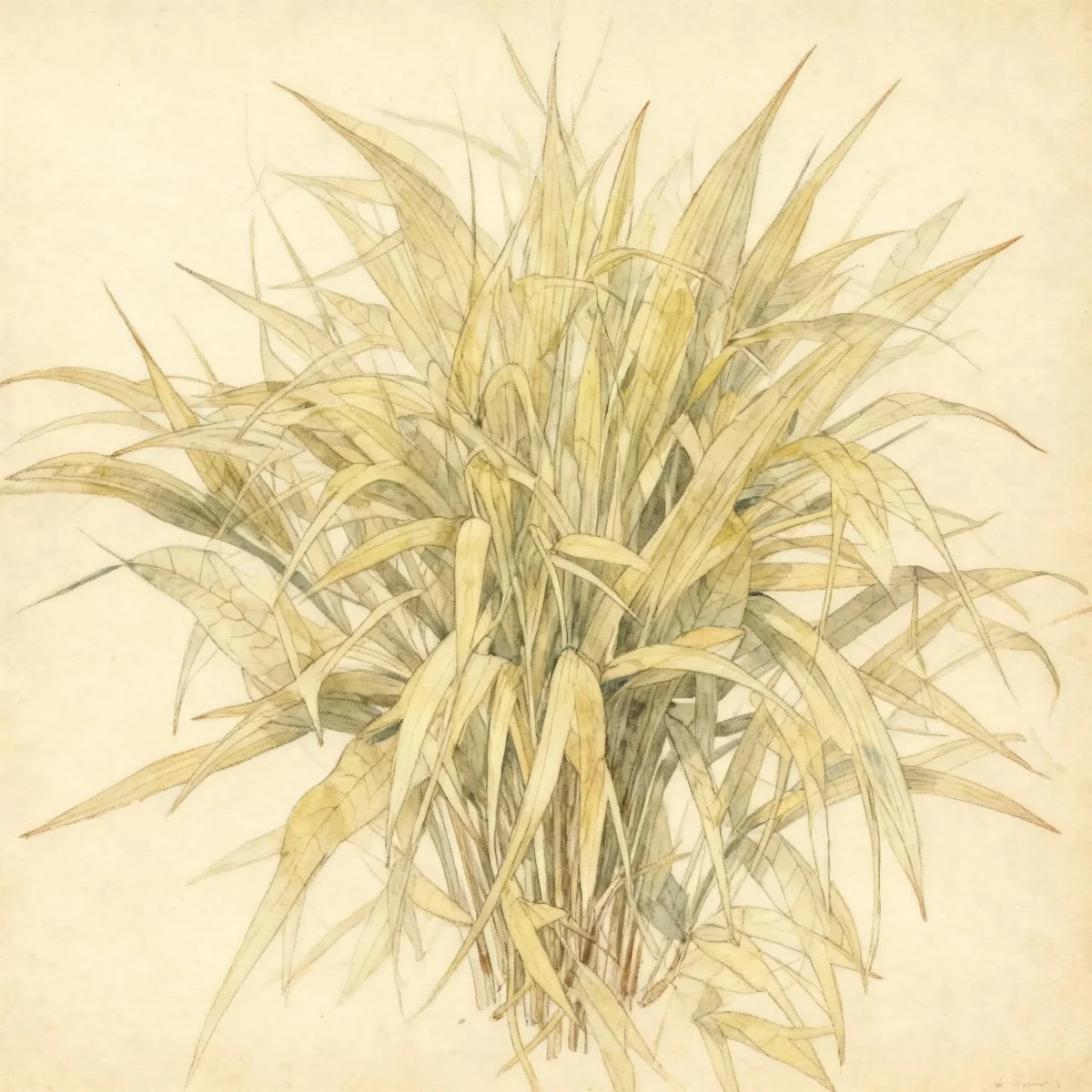
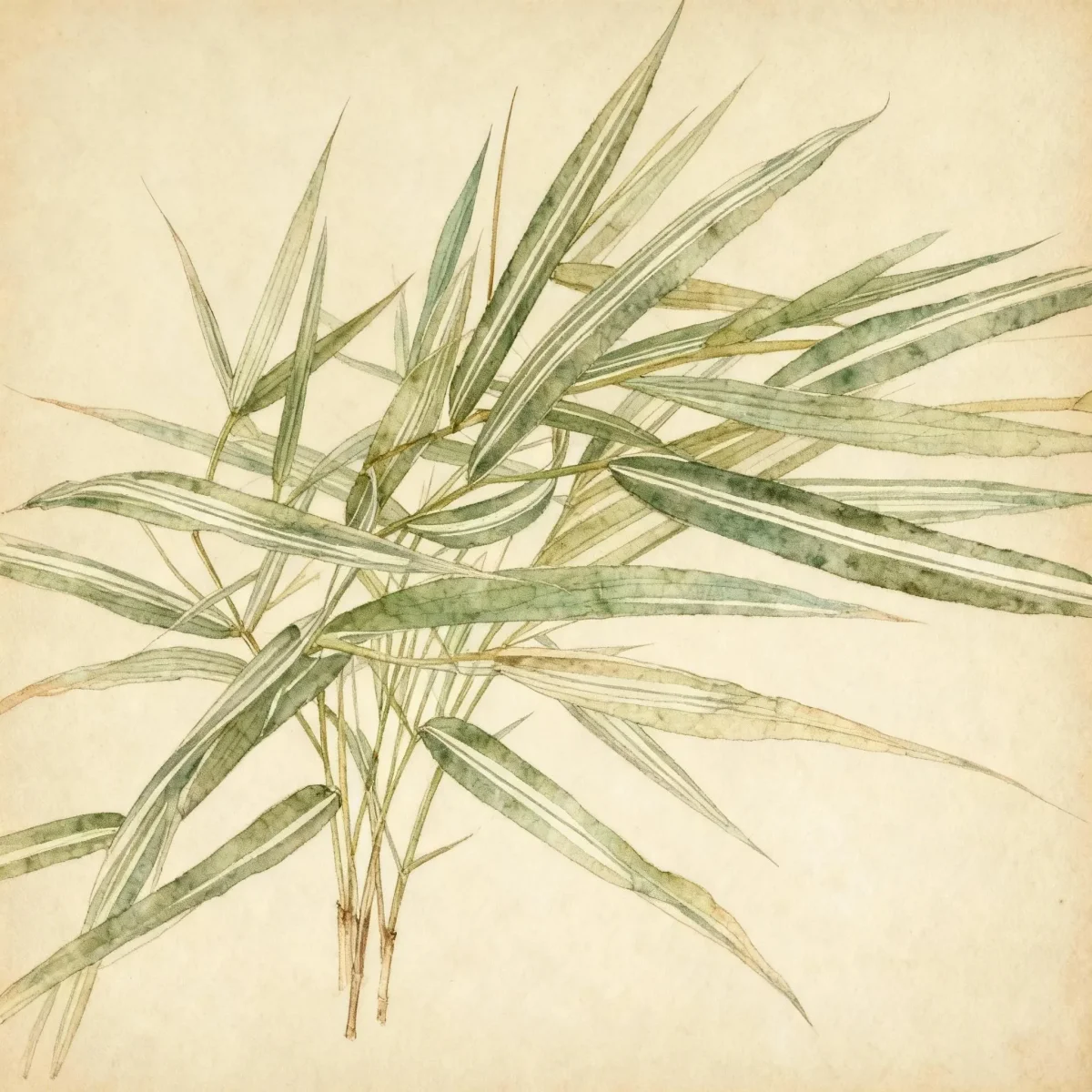
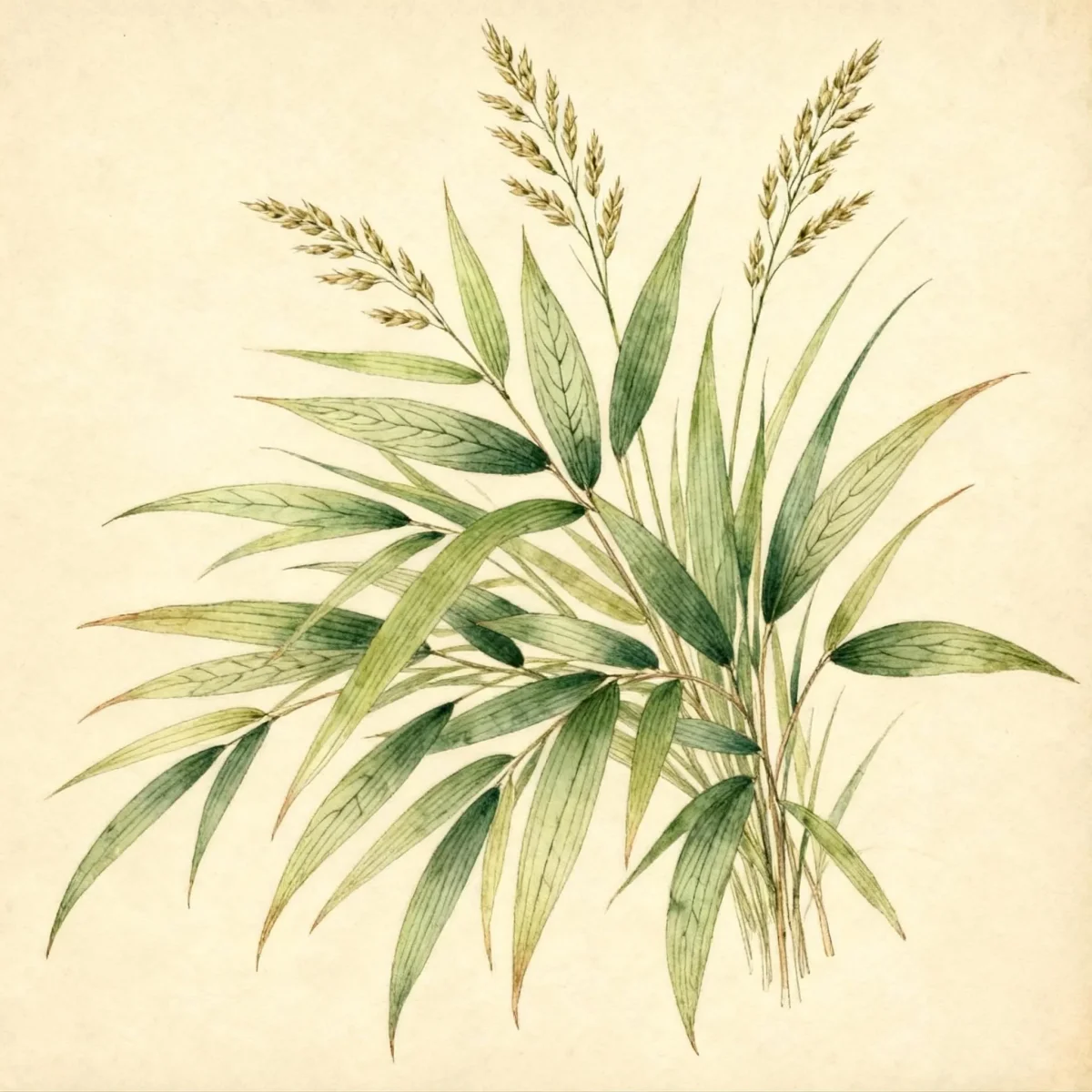
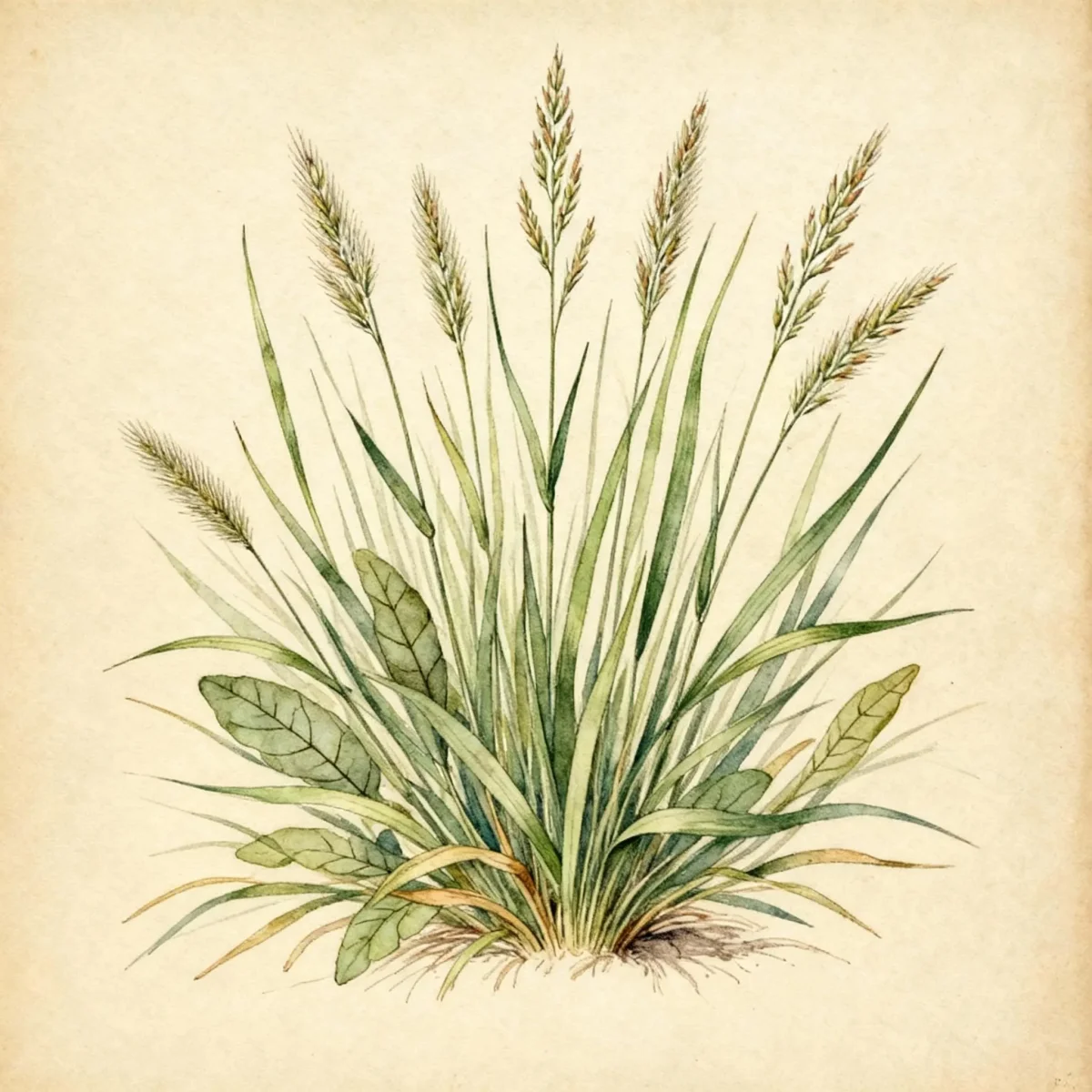
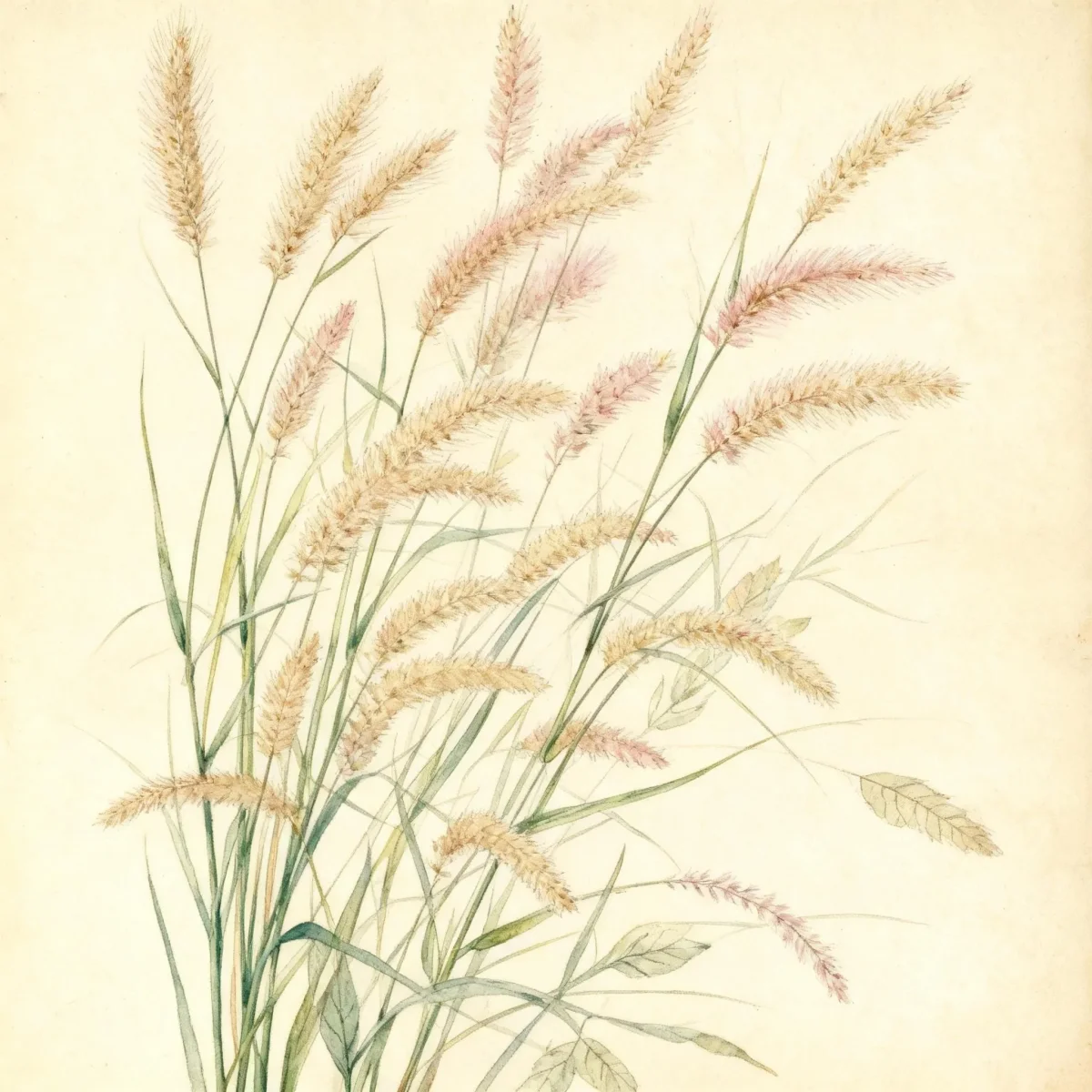
Japanese forest grass (Hakonechloa macra 'Beni-kaze')
Hakonechloa macra 'Beni-kaze' is graceful Japanese forest grass offering arching blades turning red/gold in autumn. Ideal for shady spots.
Scroll down to discover growing tips, care requirements, companion plants, and more
Complete Plant Information
Overview
Hakonechloa macra ‘Beni-kaze’, a striking cultivar of Japanese forest grass, brings elegant, cascading movement to shady garden corners. This deciduous perennial forms dense mounds of thin, gracefully arching foliage, making it a top choice for adding soft texture where little else thrives. Its specific charm lies in its seasonal color shift, with the standard green taking on attractive red and gold tinges as cooler weather approaches in the fall.
As a shade-loving ornamental grass, Hakonechloa macra ‘Beni-kaze’ excels in creating movement and texture along woodland paths or softening structural elements. It spreads gently via rhizomes to form a low, flowing carpet, though it is not considered invasive. Gardeners prize this selection for its exceptionally low maintenance needs once established in the correct environment.
Culturally, this grass connects us to the moist mountain landscapes of central Japan. Achieving the best form and color requires avoiding the extremes of full sun or deep shade. Successfully growing Hakonechloa macra ‘Beni-kaze’ hinges on consistent moisture delivery and protection from scorching summer heat.
Fast Facts
- Plant Family: Poaceae
- Plant Type: Ornamental grass
- Hardiness Zones: USDA Zones 5-9
- Size at Maturity:
- Height: 1-1.5 ft
- Spread: 2-3 ft
- Bloom Time: July to August
- Bloom Description: Yellow-green
- Sun Exposure: Part shade
- Water Needs: Medium
- Maintenance Level: Low
How to Grow
The best time to establish Japanese forest grass is typically spring, allowing the plant to settle before summer heat arrives. Hakonechloa macra ‘Beni-kaze’ demands humusy, organic-rich soil that remains consistently moist but drains exceptionally well. Planting in part shade is crucial; while it tolerates deep shade, the foliage may lose some color intensity. In hot climates, ensure it receives protection or consistent deep watering during dry spells, as the leaves are prone to scorching in intense sun or drought.
Routine care is refreshingly simple for this low-maintenance ornamental grass. Maintain even moisture throughout the growing season, especially during establishment; drought stress leads to leaf scorch. Fertilization is rarely necessary if the soil foundation is rich in organic matter. Because this is a deciduous grass, its main annual pruning requirement is aesthetic.
Before new shoots appear in late winter or early spring, use sharp pruners or shears to trim all the previous year’s foliage down to ground level. This cleanup prepares the plant for its fresh spring growth. Gardeners should apply a layer of mulch in winter to help regulate soil temperature and prevent root heaving in freezing and thawing cycles. Propagation is readily achieved via division of established clumps.
Landscape Uses
Japanese forest grass creates exceptional textural contrast when paired with broadleaf, shade-loving perennials. Use Hakonechloa macra ‘Beni-kaze’ as a flowing groundcover beneath deciduous trees or along shaded slopes where its arching habit can gracefully spill over hardscaping elements like retaining walls or large rocks. Its refined form also makes it an excellent modern accent in contemporary shade borders.
Consider using this versatile ornamental grass near paths and walkways where its movement can be admired up close. It performs beautifully in shaded containers or mixed shade planters, providing fine, cascading texture that complements hostas, ferns, and bleeding hearts. Its tolerance for urban pollution also makes Hakonechloa macra ‘Beni-kaze’ a reliable choice for city gardens where air quality might be a concern.
Noteworthy Characteristics
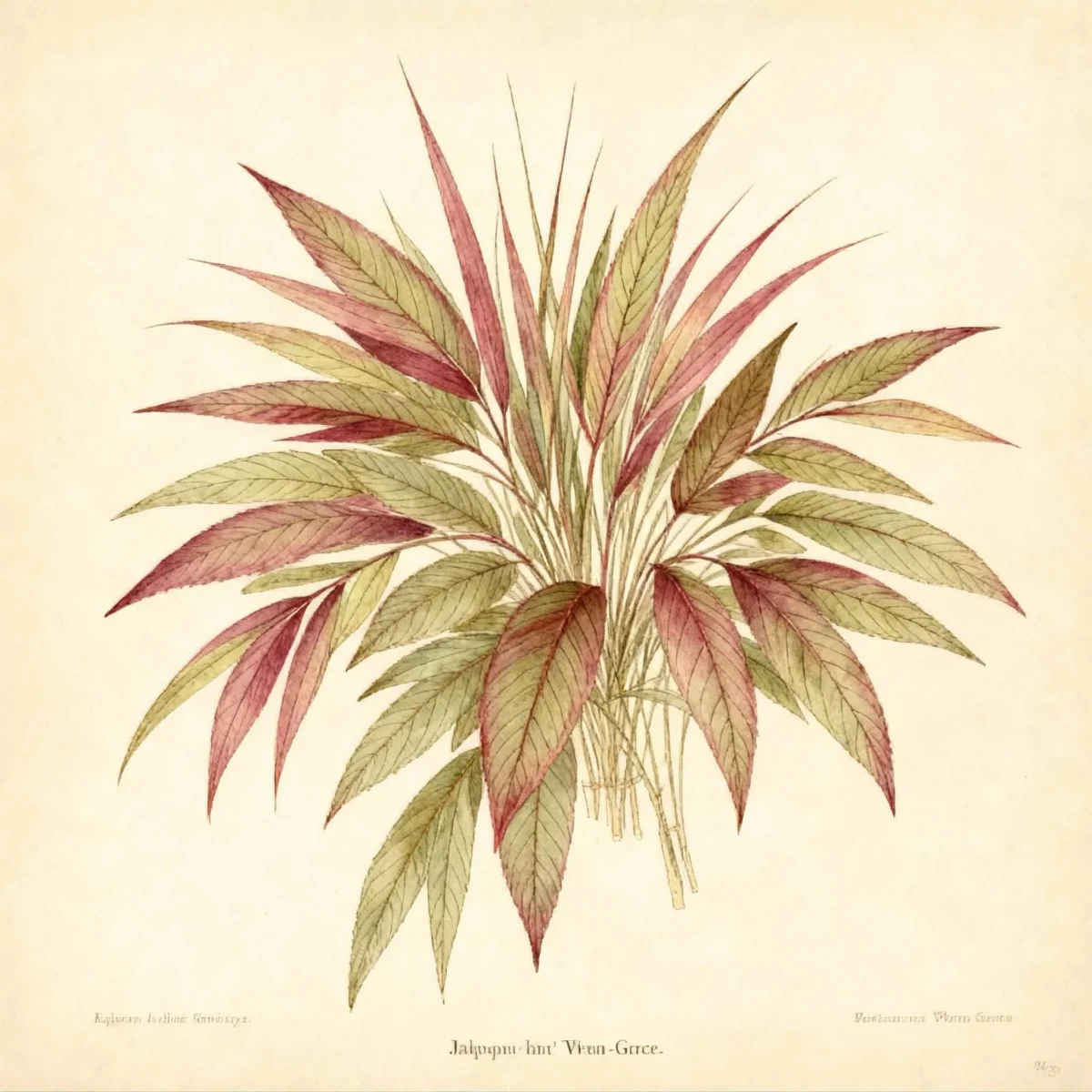
Hakonechloa macra, commonly called Japanese forest grass or Hakone grass, is a rhizomatous, shade-loving, deciduous perennial grass that is native both to moist mountain areas including wet rocky cliffs and to moist woodland areas in central Japan. Gracefully arching, linear-lanceolate, bright green leaves form dense, spreading, cascading mounds. The cultivar ‘Beni-kaze’ is notable for featuring bright green blades in spring and summer which mature to display a distinct red and gold tinge in the fall, adding significant seasonal interest.
Tolerances
- Deer
- Black Walnut
- Air Pollution
Potential Problems
Overall, Hakonechloa macra ‘Beni-kaze’ is robust, presenting no serious recurring insect or disease problems in the landscape. The primary cultural challenge involves moisture and sun management. Leaves may scorch or brown during hot, dry summers, particularly if consistent moisture cannot be maintained in the root zone.
A physical concern gardeners should monitor is root heaving, which can occur during harsh winter freeze-thaw cycles, potentially pushing the plant above the soil line. Ensure adequate winter mulch coverage in colder zones (5-7) to mitigate this risk. Furthermore, remember that while deer tend to avoid this plant, intense afternoon sun will cause leaf burn regardless of moisture levels.
Frequently Asked Questions
What hardiness zones is Japanese forest grass suitable for?
Hakonechloa macra ‘Beni-kaze’ performs best in USDA Hardiness Zones 5 through 9.
How large does Japanese forest grass grow?
This cultivar typically reaches a mature height between 1 and 1.5 feet tall, with a spread ranging from 2 to 3 feet wide.
What sun exposure does Hakonechloa macra ‘Beni-kaze’ need?
This ornamental grass thrives best in part shade; foliage may burn in full sun or lose intensity in excessively deep shade locations.
When does Hakonechloa macra ‘Beni-kaze’ bloom?
It produces small, yellow-green blooms between July and August, adding subtle color during mid-summer.
Conclusion
Hakonechloa macra ‘Beni-kaze’ offers unmatched textural elegance, reliable shade tolerance, and the bonus of autumn coloration, making it an invaluable asset in the perennial border. For gardeners seeking a low-maintenance, spreading ornamental grass that performs beautifully under the canopy, this Japanese forest grass selection delivers consistently. Confirm your garden falls within Zones 5-9 and prioritize rich, moist soil before planning your spring planting schedule for this spectacular grass.
Companion Planting in the Shade
Because Hakonechloa macra ‘Beni-kaze’ needs consistently moist, well-drained soil and part shade, it pairs wonderfully with other woodland natives and shade lovers. Excellent companions include large-leafed Hostas (especially those with blue or chartreuse centers to contrast the fine blades), various hardy ferns like Japanese Painted Ferns, and Hellebores, which provide early spring interest before the grass fully awakens. Placing it near moisture-loving Astilbes or the deep green foliage of Tiarella creates a lush, layered tapestry effect.
Seasonal Care Calendar
Spring defines preparation for this ornamental grass; trim back all old, dead foliage just before new growth emerges to reveal the fresh arching blades. Summer is the primary maintenance period, focusing strictly on consistent watering to prevent the foliage from scorching during heat waves. In autumn, enjoy the red and gold tinges developing on the ‘Beni-kaze’ blades, though no management is required. Finally, applying a winter mulch layer as temperatures decline helps insulate the rhizomes against severe temperature swings.