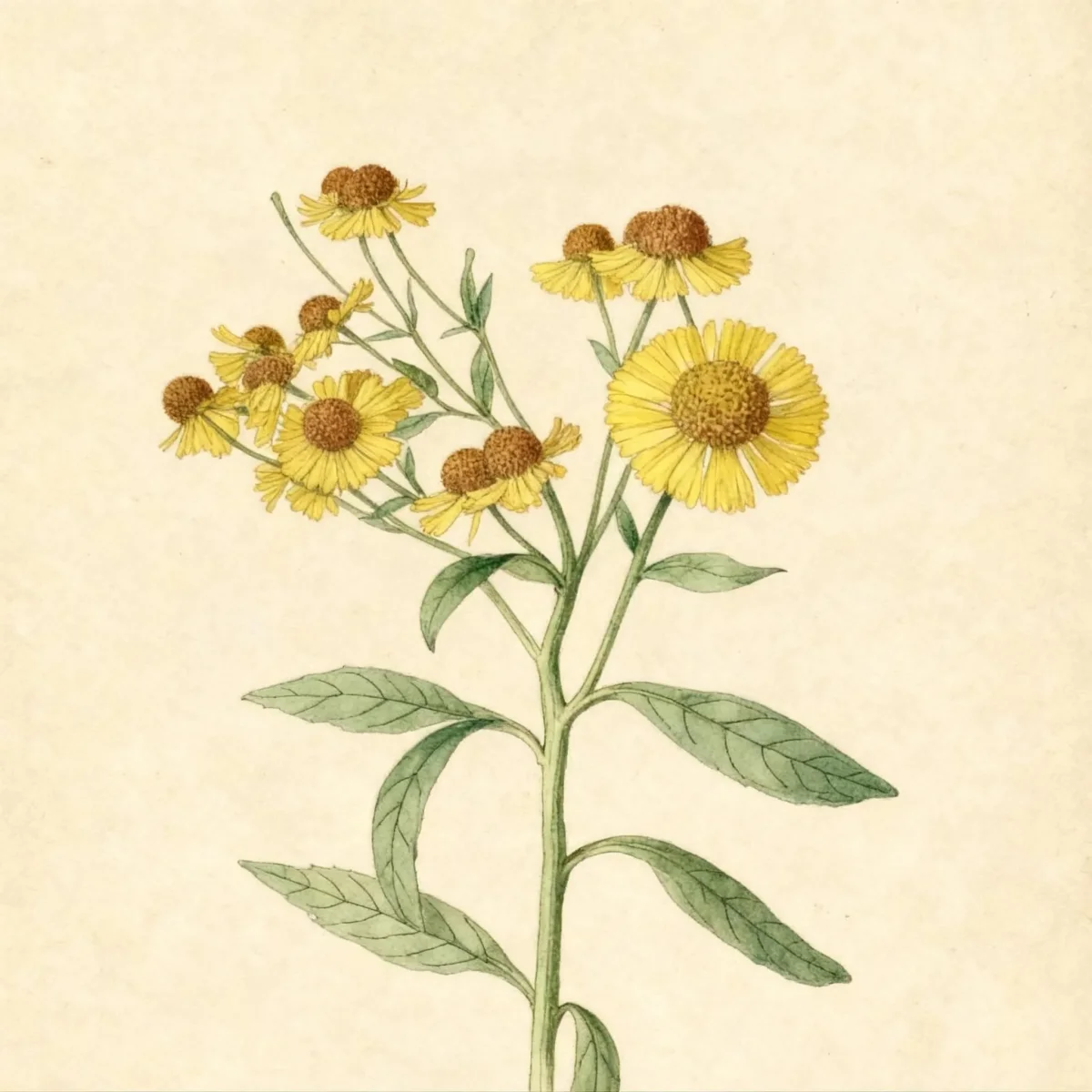
Sneezeweed (Helenium 'Balsalulow' SALUD YELLOW)
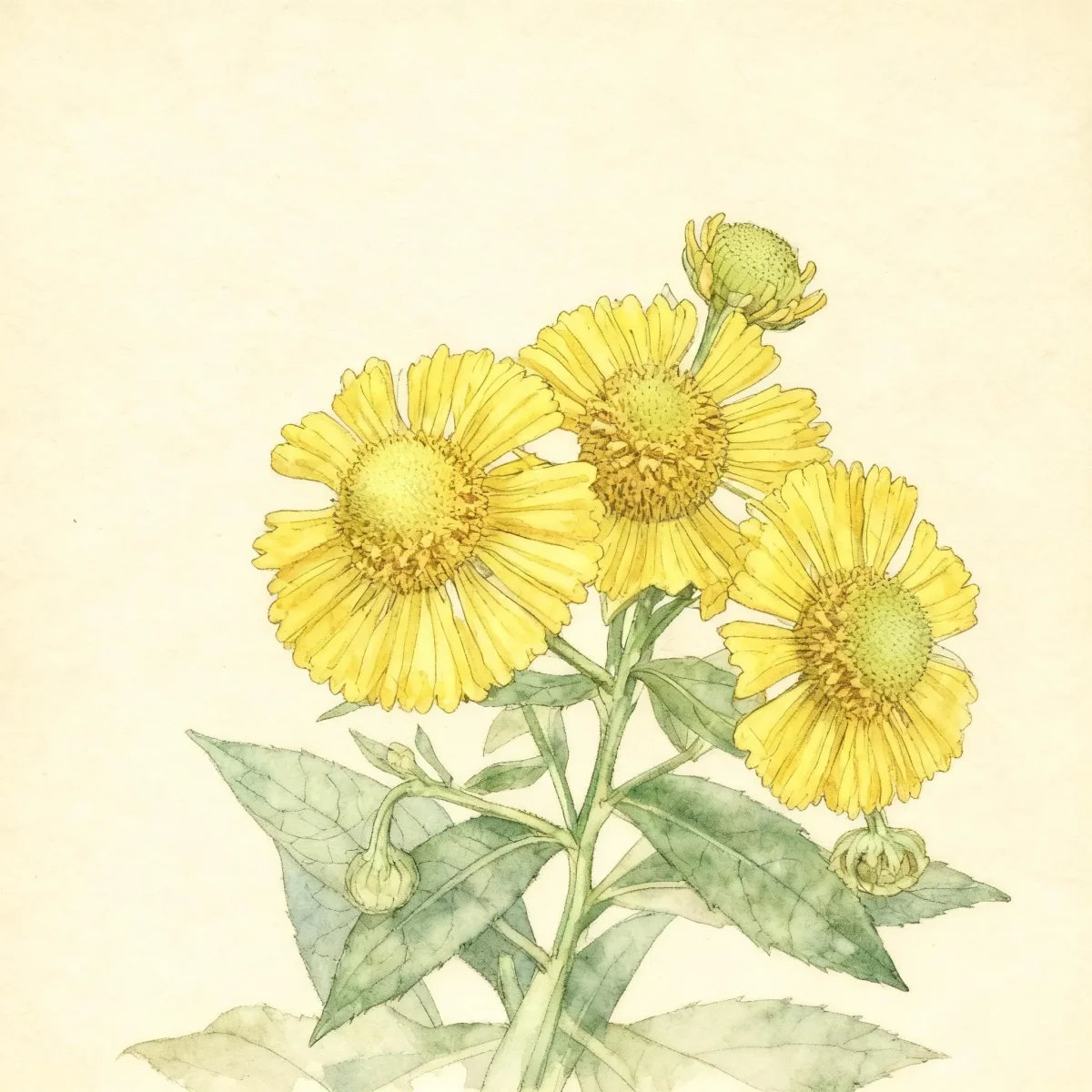
Helenium 'Balsalulow' SALUD YELLOW Sneezeweed offers brilliant yellow late-season color in zones 4-9, ideal for wet areas.
Scroll down to discover growing tips, care requirements, companion plants, and more
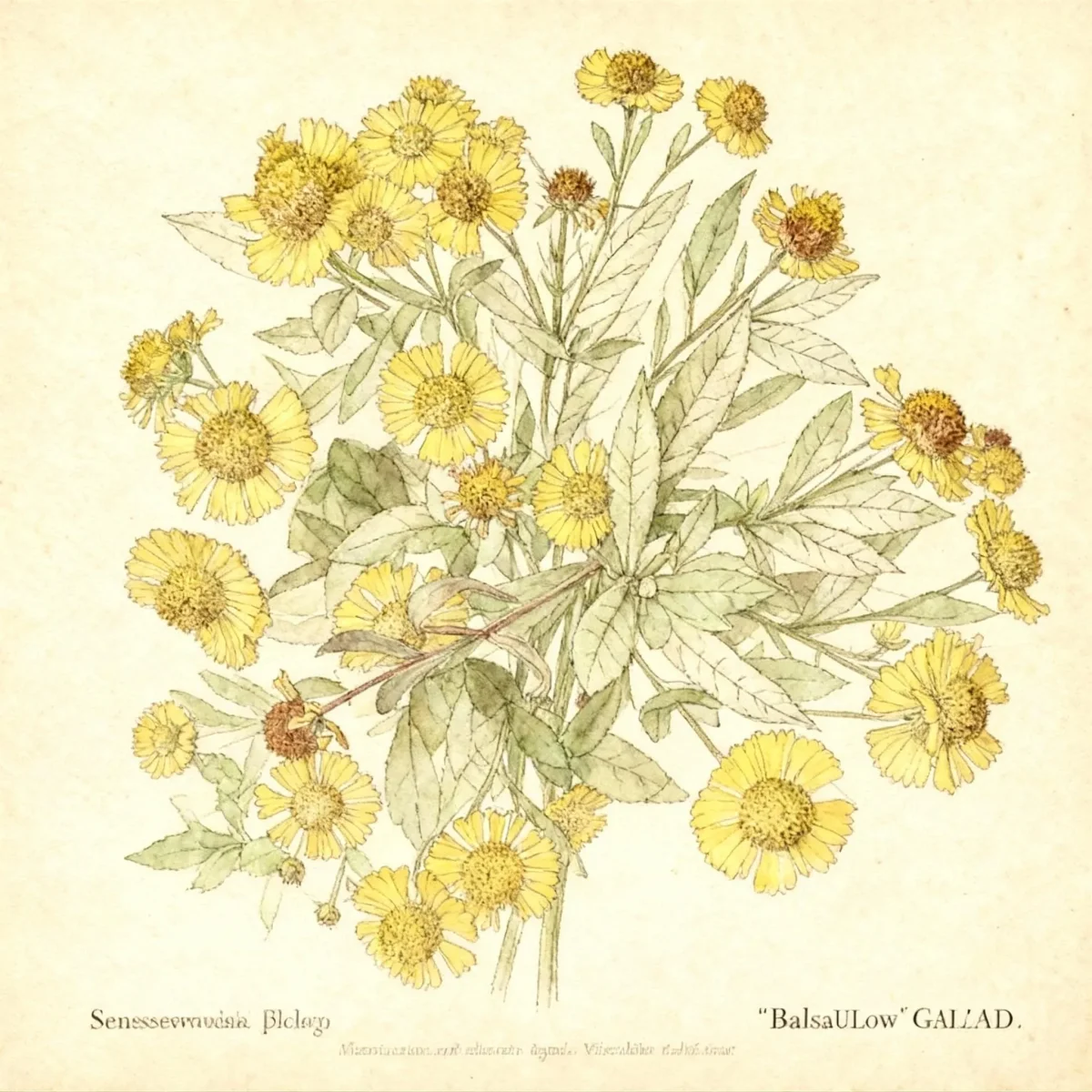
Complete Plant Information
Overview
Helenium ‘Balsalulow’ SALUD YELLOW is a highly valued herbaceous perennial known for its vibrant, late-season display of yellow flowers, bringing necessary color to the garden as summer wanes. This Sneezeweed cultivar is praised for its compact structure compared to older varieties, maximizing flower power without excessive flopping. It integrates seamlessly into various landscape designs, providing exceptional aesthetic appeal while supporting local insect pollinators.
Originating from North and Central America, this specific selection offers robust performance in USDA Zones 4 through 9, thriving in rich, moist soils that mimic its native damp meadow habitats. Gardeners appreciate that Helenium ‘Balsalulow’ SALUD YELLOW is relatively low-maintenance, though its preference for consistent moisture must be respected. The blooms appear reliably from August well into October, offering a crucial food source during this transitional period.
The common name Sneezeweed stems from historical use of dried parts as snuff, though modern gardeners focus on its superb ornamental qualities. For those seeking reliable height and striking yellow color late in the growing season, Helenium ‘Balsalulow’ SALUD YELLOW proves to be a superb, long-blooming addition to the perennial border.
Fast Facts
- Plant Family: Asteraceae
- Plant Type: Herbaceous perennial
- Hardiness Zones: USDA Zones 4-9
- Size at Maturity:
- Height: 1.25-1.5 ft
- Spread: 1-1.25 ft
- Bloom Time: August to October
- Bloom Description: Yellow
- Sun Exposure: Full sun
- Water Needs: Medium to wet
- Maintenance Level: Medium
How to Grow
For optimal performance, plant Helenium ‘Balsalulow’ SALUD YELLOW in the spring or early fall in locations receiving full sun. This plant insists on average, medium to wet, well-drained soil; critically, it is intolerant of dry soils, making it an excellent candidate for rain gardens or pond edges. Proper soil structure ensures the roots have access to moisture without sitting in stagnant water continuously.
Watering requirements for this sturdy Sneezeweed should focus on consistency, maintaining medium to wet soil moisture, especially through hot, dry periods, although established ‘Balsalulow’ shows increased drought tolerance. Avoid over-fertilization, as excess nitrogen typically leads to overly tall, weak growth, increasing the need for support. If height management is desired, cut back plants by about half in early July—at least six weeks before normal flowering—to promote branching and a bushier, more floriferous display.
Deadheading spent flowers encourages sporadic repeat blooming later into the season. To maintain vigor and prevent overcrowding, dividing the clumps of this Helenium every three years is recommended practice. Good air circulation also helps mitigate common foliage diseases.
Landscape Uses
Helenium ‘Balsalulow’ SALUD YELLOW excels when placed toward the middle or front of a border thanks to its manageable stature of 1.5 feet. Its reliable late summer to fall bloom provides crucial warmth and color when many spring and mid-summer perennials have finished their show. This plant is particularly effective in structured perennial borders, cottage gardens, and naturalistic settings like prairies or meadows.
Due to its preference for consistent moisture, this Sneezeweed is perfectly suited for rain gardens, where it can manage occasional pooling water while still offering its signature yellow tones. It pairs beautifully with plants that share similar moisture needs and bloom times, such as Joe Pye Weed (Eutrochium) or late asters. The upright, sturdy habit of Helenium ‘Balsalulow’ SALUD YELLOW also makes it suitable for mass plantings near pond edges where moisture is plentiful.
Furthermore, the vibrant flowers are excellent for cutting. Harvest stems when the ray flowers are fully open but before the central disk is completely mature. This reliable producer ensures continuous texture and color throughout autumn, significantly extending the garden display.
Standout Features
Flower Qualities
- Showy
Noteworthy Characteristics
Helenium is a genus of about 40 species of annuals and hebaceous perennials from North and Central America, generally found in damp meadows. The genus name relates to the Greek name helenion, possibly honoring Helen of Troy, though the connection remains unclear given the plants’ native range. Powdered disk flowers and leaves were historically dried and used as snuff, earning the plant the common name sneezeweed. ‘Balsalulow’ is a patented, compact selection reaching about 16 inches tall with a 14-inch spread, commonly sold as SALUD YELLOW.
Tolerances
- Deer
- Drought
- Wet Soil
Potential Problems
Sneezeweed plants are susceptible to common fungal issues, most notably powdery mildew, leaf spot, and rust, especially in conditions with poor air circulation or high humidity. To reduce the risk of infection, ensure adequate spacing during planting and water the base of the plant rather than overhead. Should fungal issues appear, prompt removal of affected foliage can limit spread, and targeted fungicide application may be necessary.
Most heleniums, including some taller varieties, benefit from staking to prevent stems from lodging, particularly after heavy rain. While deer tend to avoid this specific cultivar and its foliage, general vigilance against pests is always advised. Early intervention greatly minimizes long-term problems for your Helenium ‘Balsalulow’ SALUD YELLOW.
Frequently Asked Questions
What hardiness zones is Sneezeweed suitable for?
Helenium ‘Balsalulow’ SALUD YELLOW is suitable for USDA Zones 4-9, making it a reliable late-season perennial across a wide range of North American climates.
How large does Helenium ‘Balsalulow’ SALUD YELLOW grow?
This compact selection typically reaches a height between 1.25 and 1.5 feet tall, with a spread ranging from 1 to 1.25 feet wide.
What sun exposure does Sneezeweed need?
This plant requires full sun to achieve its best performance, dense habit, and prolific yellow blooms.
When does Helenium ‘Balsalulow’ SALUD YELLOW bloom?
This variety provides a welcome burst of yellow color starting in August and continuing reliably through October.
Conclusion
Helenium ‘Balsalulow’ SALUD YELLOW offers gardeners a robust, compact perennial solution for late-season color, supporting pollinators right up until frost. Its notable wet soil tolerance and deer resistance make this Sneezeweed a highly practical choice for challenging garden spots. Check your local USDA zone compatibility and plan to incorporate this bright yellow selection into your next perennial installation for guaranteed autumn impact.
Companion Planting
Selecting appropriate neighbors is key to creating a thriving late-season tapestry. Since Helenium ‘Balsalulow’ SALUD YELLOW prefers medium to wet soil, pair it with other moisture-loving companions that bloom concurrently. Good companions include tall ornamental grasses like Panicum virgatum cultivars or hardy Sedges (Carex species) that offer fine texture contrast.
For color harmony, combine the brilliant yellow faces of the Sneezeweed with deep purples or blues, such as vigorous varieties of Aster or Tall Monkshood (Aconitum). These groupings provide rich visual depth and ensure that the garden maintains interest long after summer perennials like coneflowers have faded.
Wildlife Benefits
The aster family flowers are crucial late-season nectar sources, and Helenium ‘Balsalulow’ SALUD YELLOW is no exception. Its mass of composite flowers provides an accessible landing pad for a wide variety of butterflies, including Monarchs preparing for migration, as well as smaller beneficial insects like native bees.
The prominent central disk flowers of this Sneezeweed are particularly attractive to pollinators looking for high-energy food sources late in the season. Planting this Helenium ensures you are actively supporting ecosystem health by offering continuous foraging material right when resources start becoming scarce.