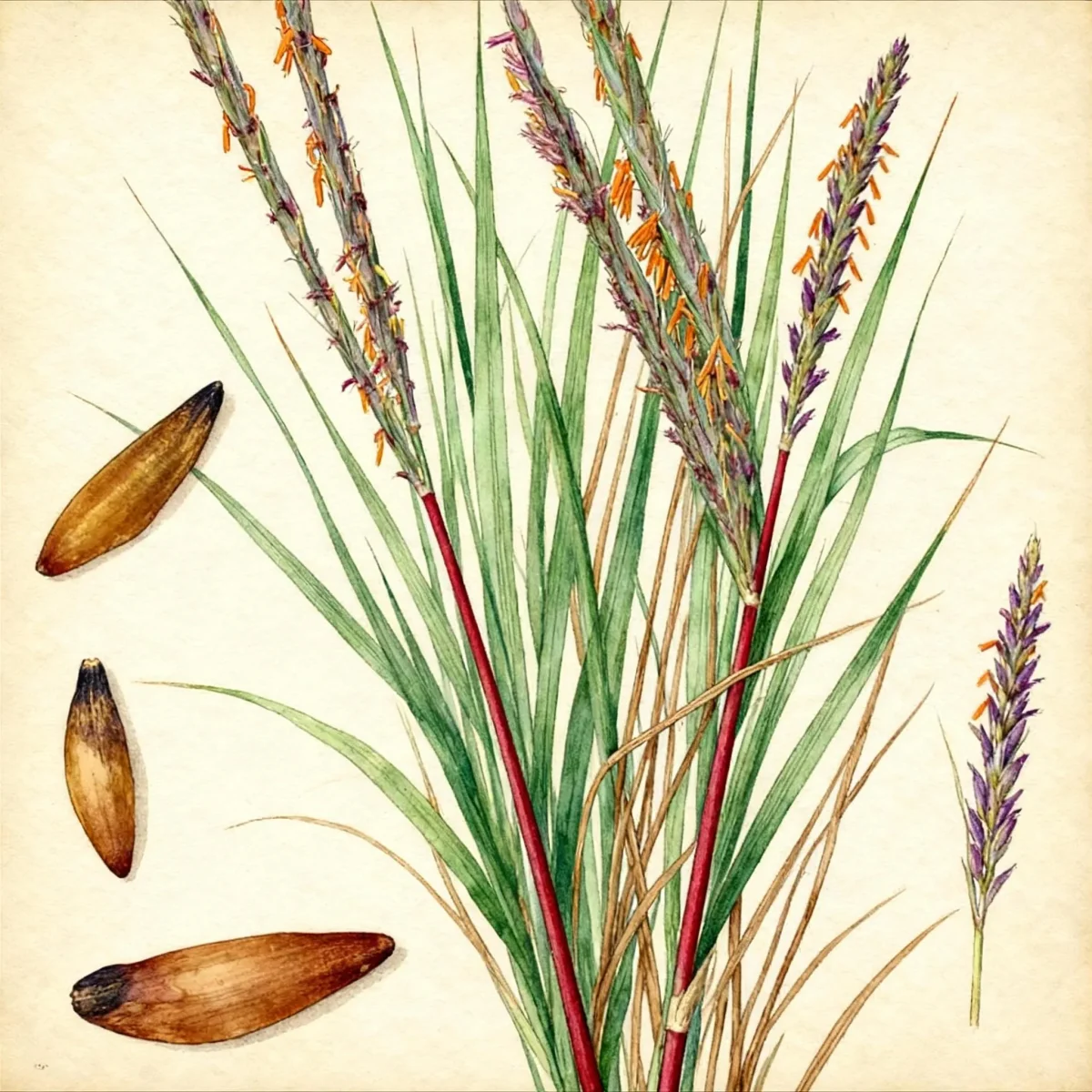
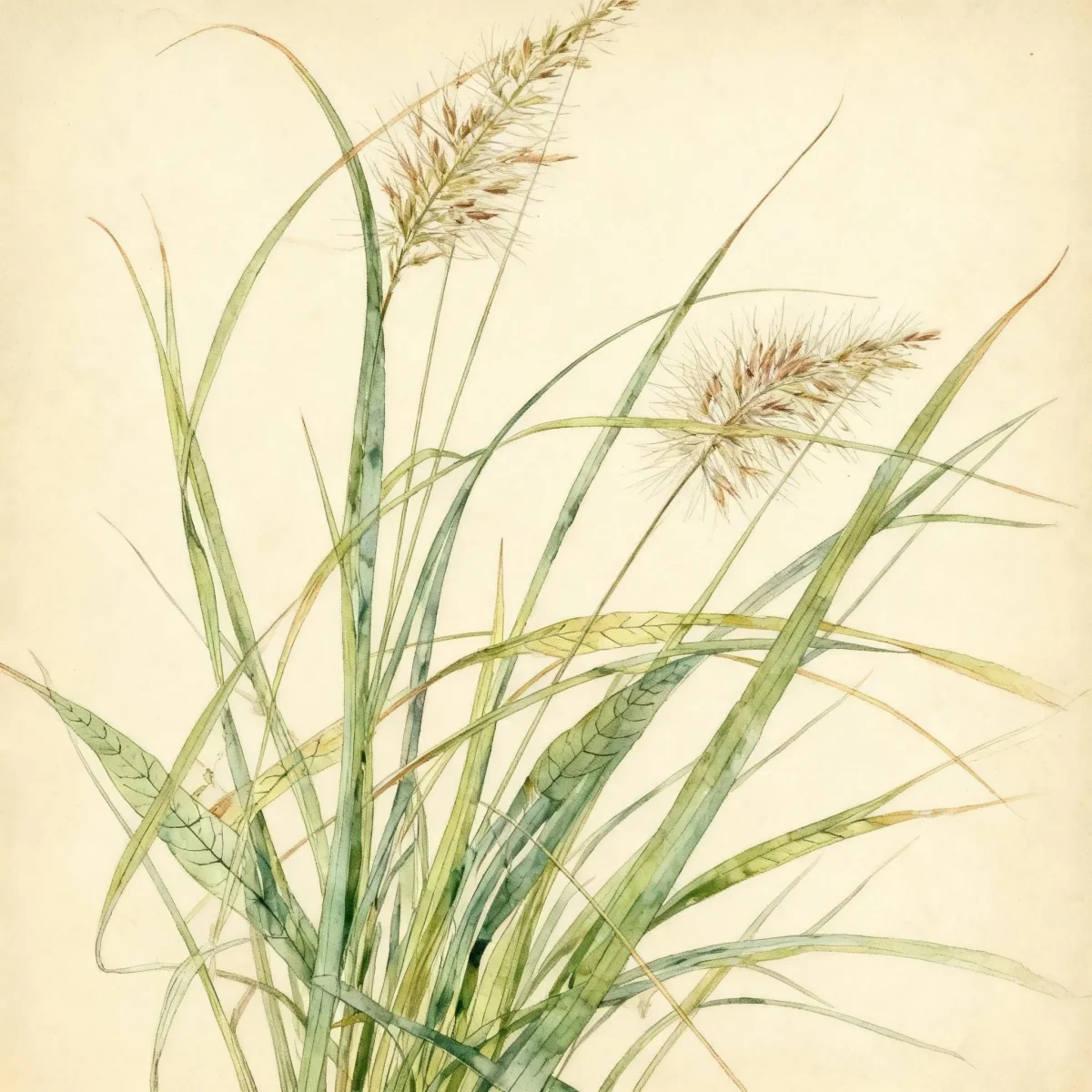
Muhly grass (Muhlenbergia reverchonii UNDAUNTED)
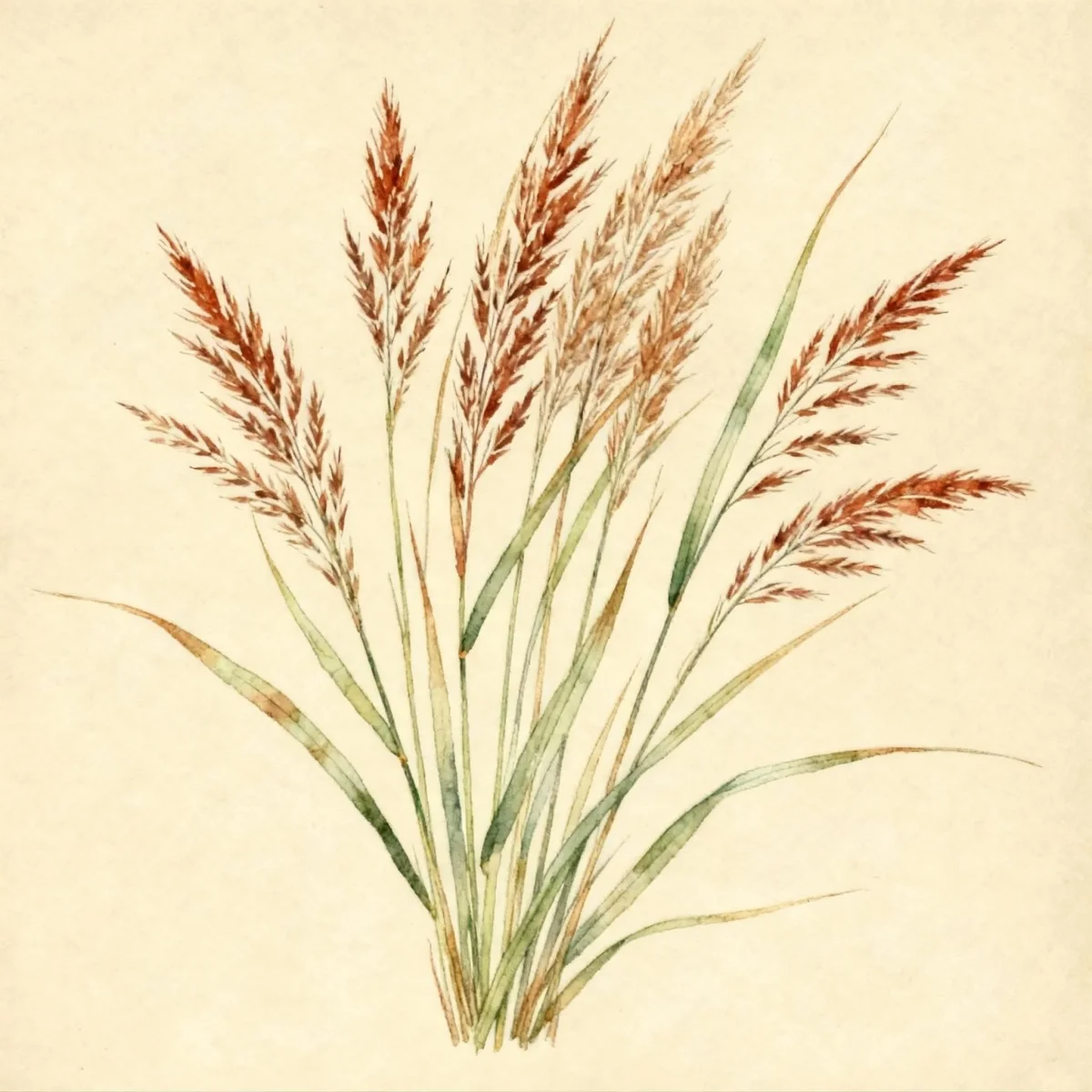
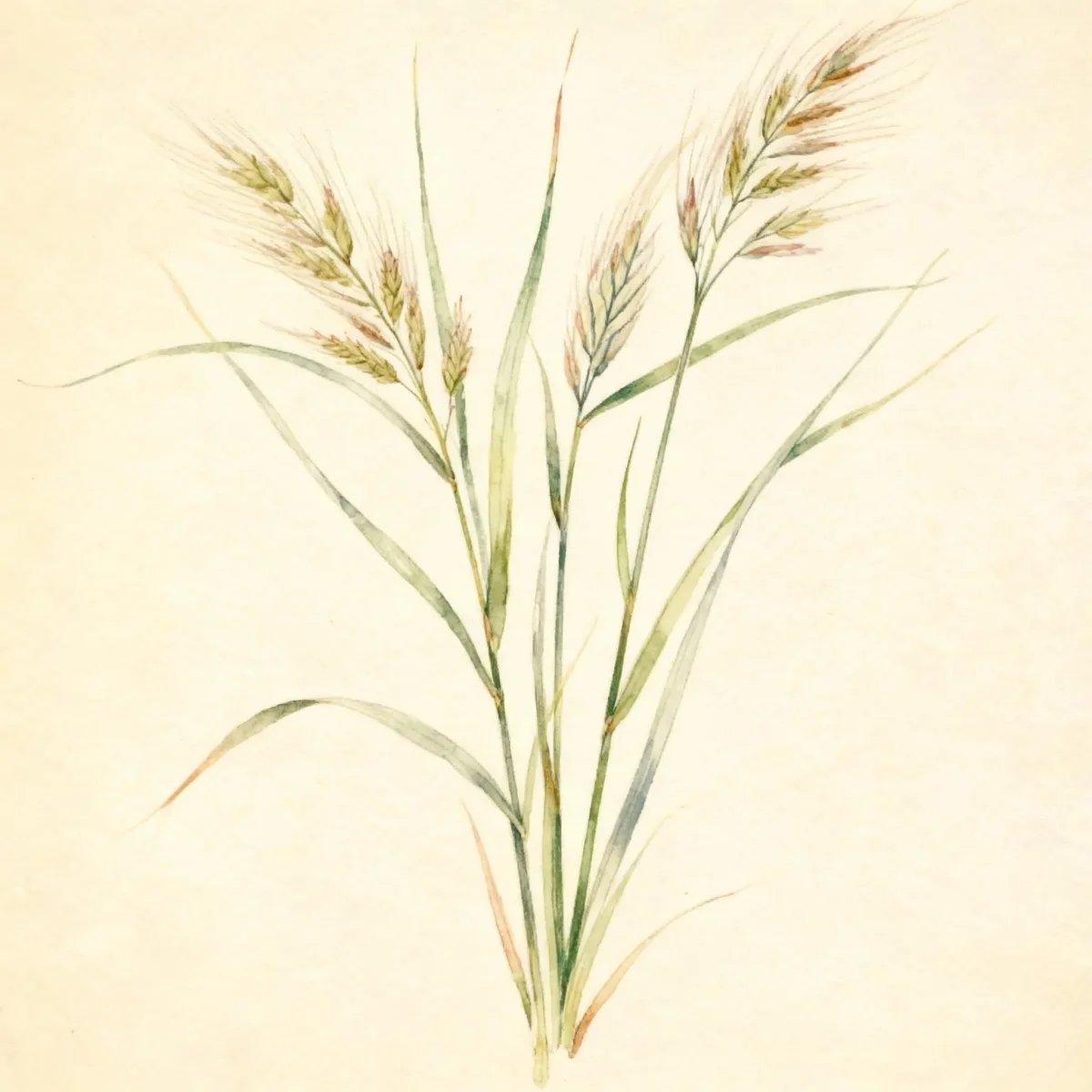
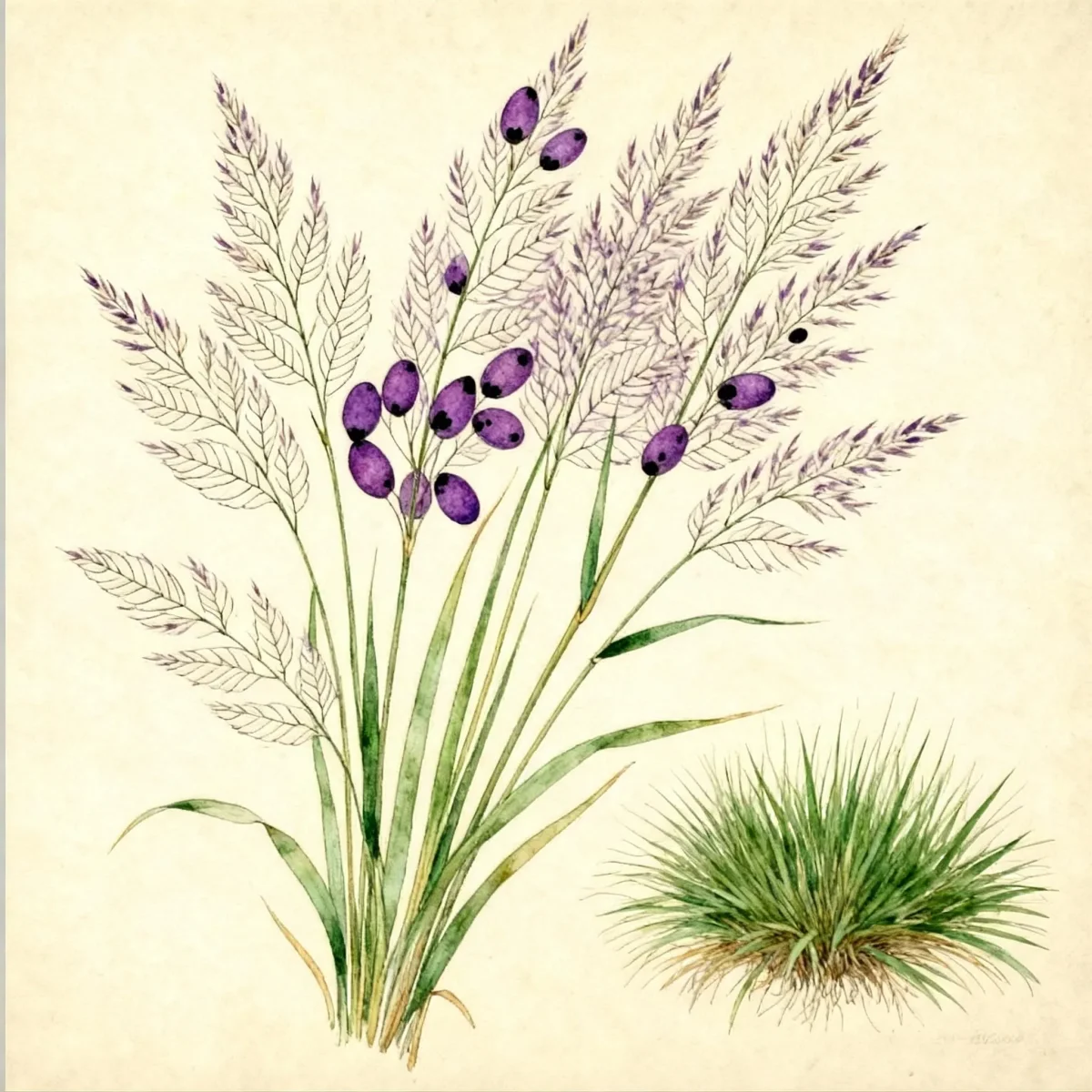
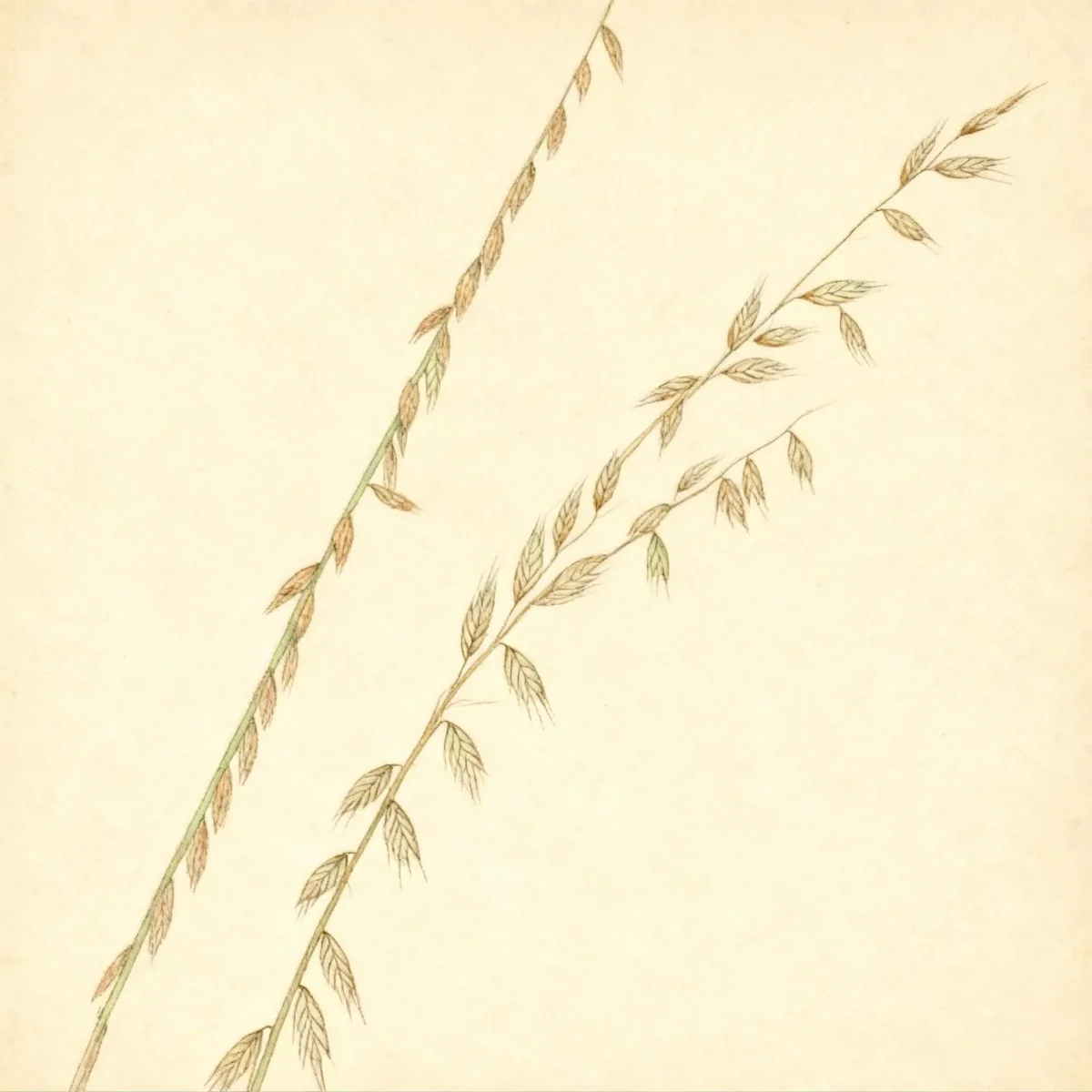
Muhly grass, Muhlenbergia reverchonii UNDAUNTED, is a resilient, low-maintenance ornamental grass prized for its airy pink fall plumes and drought tolerance.
Scroll down to discover growing tips, care requirements, companion plants, and more
Complete Plant Information
Overview
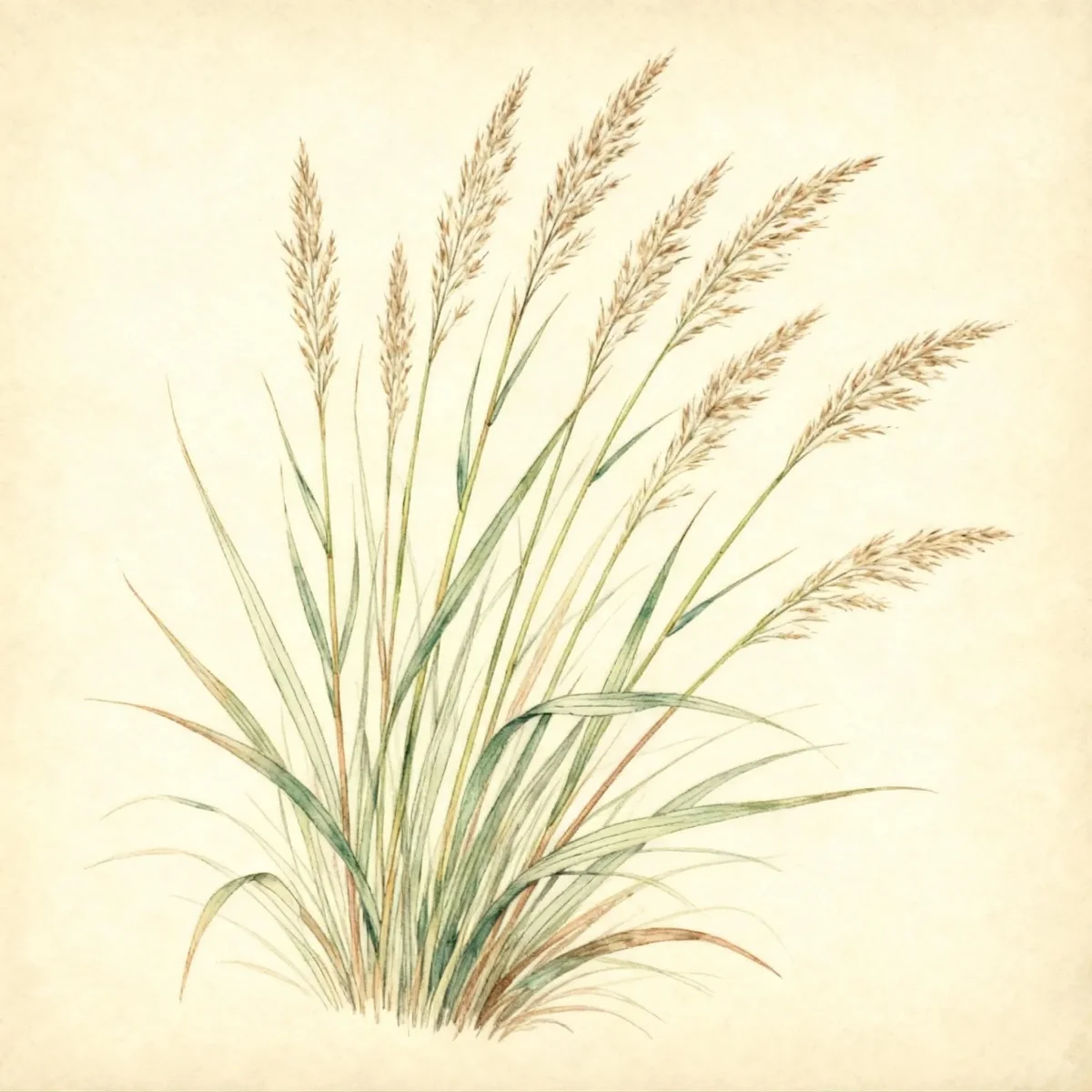
Muhlenbergia reverchonii UNDAUNTED, commonly known as Muhly grass, offers spectacular yet understated beauty as a warm-season perennial bunch grass. This selection is highly valued for its dense, arching basal clump of fine green foliage, which provides year-round texture even before its stunning floral display. Its primary appeal arrives in late summer when flowering stalks rise to present clouds of fine, soft-textured pink plumes that truly define the autumn garden.
This compact cultivar of Muhlenbergia reverchonii demonstrates superior cold and heat hardiness, making it an adaptable choice across varied climates. Muhly grass is extremely low maintenance, thriving in conditions where other ornamental grasses might struggle, especially in poor, dry soils. Its non-running, caespitose habit ensures it remains neatly contained, offering a reliable structural element.
For gardeners seeking native appeal combined with resilience, Muhlenbergia reverchonii UNDAUNTED is an excellent choice. It excels when massed, lending an ethereal, hazy cloud effect in the landscape, and provides essential textural contrast against broader-leafed perennials.
Fast Facts
- Plant Family: Poaceae
- Plant Type: Ornamental grass
- Hardiness Zones: USDA Zones 5-9
- Size at Maturity:
- Height: 1.5-2 ft
- Spread: 1.5-2 ft
- Bloom Time: August to November
- Bloom Description: Pink
- Sun Exposure: Full sun
- Water Needs: Dry to medium
- Maintenance Level: Low
How to Grow
The ideal environment for establishing Muhly grass is in well-drained soil, preferably sandy or rocky, requiring full sun exposure for the best performance, though it tolerates light shade. Plant in spring after the danger of hard frost has passed, allowing the roots to establish fully before challenging dry periods. While this versatile grass tolerates poor soils, consistent moisture will result in slightly taller growth.
Once established, Muhlenbergia reverchonii UNDAUNTED requires minimal attention. It excels in dry to medium soil moisture conditions and is highly tolerant of heat, humidity, and drought, reducing the need for supplemental irrigation substantially. Fertilization is rarely necessary, as rich soils can encourage flopping.
Pruning is simple: cut back the old, tawny winter foliage and basal sheaths in early spring before new growth begins. This fibrous mass at the basal clump should be removed to encourage fresh spring emergence. Propagation can be achieved via division in the spring or through seed, noting that the plant may self-seed lightly in the garden.
Landscape Uses
Muhly grass shines when used in mass plantings, where the collective effect of the pink plumes creates a significant visual impact during the fall season. Grouping clumps of three or more is highly recommended to maximize the ethereal cloud effect of Muhlenbergia reverchonii UNDAUNTED. It performs admirably in cottage gardens, native plant areas, or along borders where its texture can contrast sharply with coarser plantings.
Because of its tolerance for shallow or rocky sites, this ornamental grass is perfect for difficult slopes where amending the soil is impractical. It can serve as excellent, low-maintenance textural filler in large beds or used for mass coverage in areas designated for native revival projects. Consider pairing it with late-blooming perennials that offer contrasting flower forms, such as coneflowers or sedums.
Standout Features
Flower Qualities
- Showy
Noteworthy Characteristics
Muhlenbergia reverchonii, commonly called seep muhly or rose muhly, is a warm season, perennial bunch grass that is noted for its attractive foliage and fall flowers. It is native primarily to rocky slopes, flats, limestone outcroppings and seep areas from central Oklahoma to central Texas. UNDAUNTED is a compact, cold and heat hardy selection of muhly grass that will reach up to 2’ tall with an equal spread, offering soft-textured, pink plumes from late summer into autumn.
Tolerances
- Drought
- Shallow-Rocky Soil
Potential Problems
This plant exhibits excellent toughness and rarely suffers from serious insect or disease problems. Gardeners should focus primarily on ensuring sharp drainage, as prolonged wet conditions, especially in summer, can be detrimental. Avoid over-fertilizing or planting in heavy clay that retains excessive moisture to maintain the low maintenance profile of Muhly grass.
Frequently Asked Questions
What hardiness zones is Muhly grass suitable for?
Muhlenbergia reverchonii UNDAUNTED is cold hardy reliably in USDA Zones 5 through 9, presenting good winter resilience for a warm-season grass.
How large does Muhly grass grow?
This compact selection typically reaches a height and spread between 1.5 to 2 feet, maintaining a neat, clumping form.
What sun exposure does Muhlenbergia reverchonii UNDAUNTED need?
Full sun is the preferred condition for this ornamental grass, ensuring the densest habit and most prolific pink bloom display.
When does Muhly grass bloom?
The flowering stalks emerge in late summer, offering fluffy pink blooms that last from August all the way through November.
Conclusion
The resilience and seasonal beauty of Muhlenbergia reverchonii UNDAUNTED make it an invaluable asset for water-wise and low-maintenance designs. Its distinctive pink plumes provide a spectacular finale to the growing season, confirming Muhly grass as a superior choice for texture. Always check your local USDA Zone compatibility before planting this exceptional native selection.
Companion Planting
When selecting companions for Muhlenbergia reverchonii UNDAUNTED, prioritize plants that share its preference for full sun and well-drained, lean soils. Pairing it with drought-tolerant coneflowers (Echinacea) or sturdy sedums creates a textural study in the late summer garden. Avoid plants that require consistently moist or rich loam, as they will compete unfairly for water and may cause the Muhly grass to become leggy.
Consider native Texas and Oklahoma companions that mirror its cultural needs, such as various species of Salvia or Ruellia (Mexican Petunia), provided the latter is well-managed. The upright, arching form of the grass works well as a soft screen or middle-border element against taller background plants that offer dark, contrasting foliage.
Propagation Tips
Propagation success for Muhlenbergia reverchonii UNDAUNTED hinges on timing and proper technique. The simplest method for increasing your stock is division, which should be performed in the spring just as new green shoots begin to emerge from the basal clump. Carefully lift the clump and use a sharp spade or knife to divide it into sections, ensuring each division has several healthy roots attached.
While the plant may self-seed, controlled propagation from seed is also possible. Collect the seed heads in late fall after they have dried but before they shatter entirely. Sow the seed in spring in a well-drained seed-starting mix, mimicking the dry, rocky conditions it prefers, though germination rates can be variable.