Little pickles (Othonna capensis)
Discover Little pickles (Othonna capensis), a drought-tolerant succulent ground cover with cheerful yellow blooms, ideal for xeriscaping.
Scroll down to discover growing tips, care requirements, companion plants, and more
Complete Plant Information
Overview
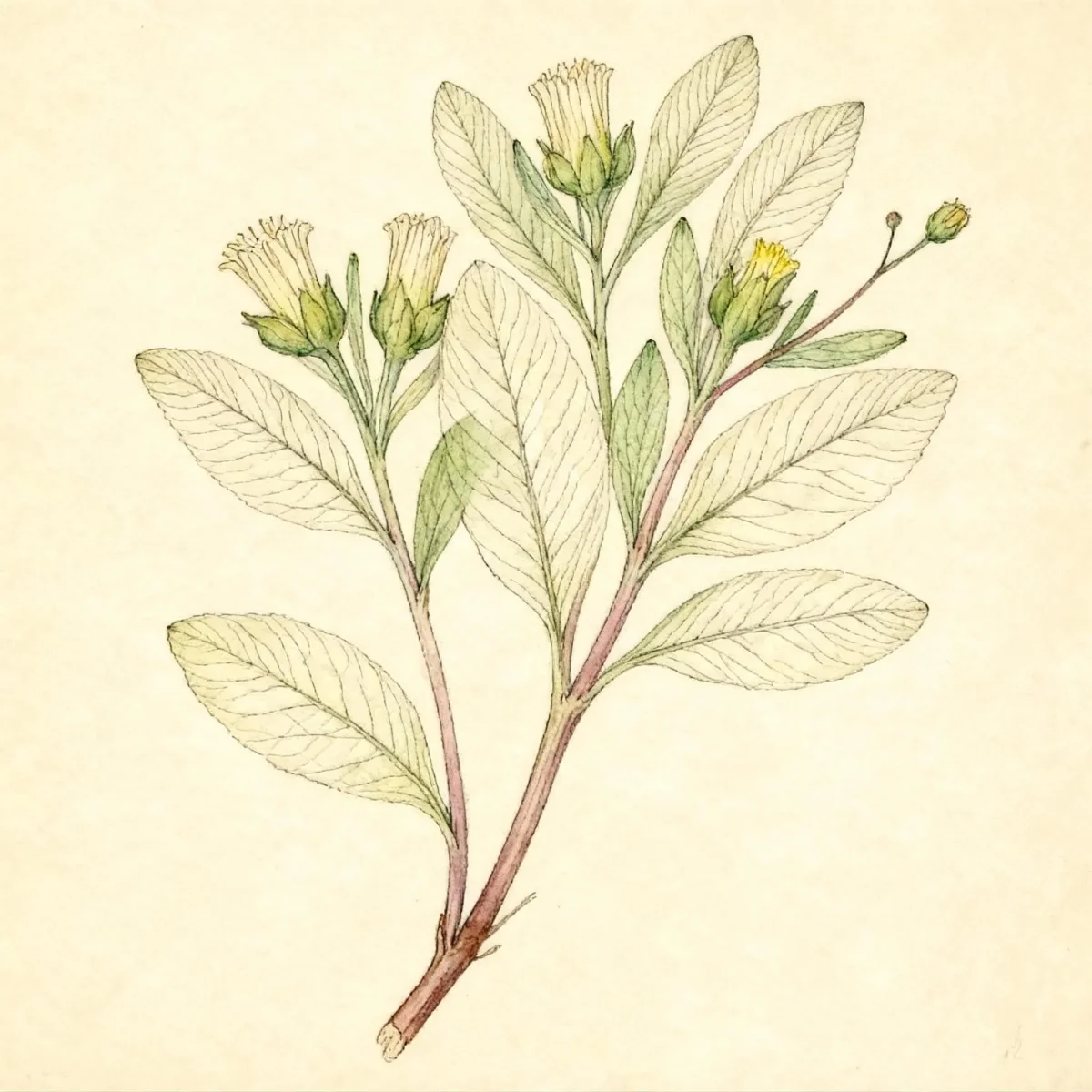
Othonna capensis, widely known as Little pickles, is a charming, low-growing succulent prized for its unique foliage and resilient nature. This herbaceous perennial forms a dense, mat-forming ground cover, perfect for softening hardscapes or managing slopes. Its chief aesthetic appeal lies in the small, oblong, blue-green succulent leaves which develop attractive maroon tints when stressed by dryness.
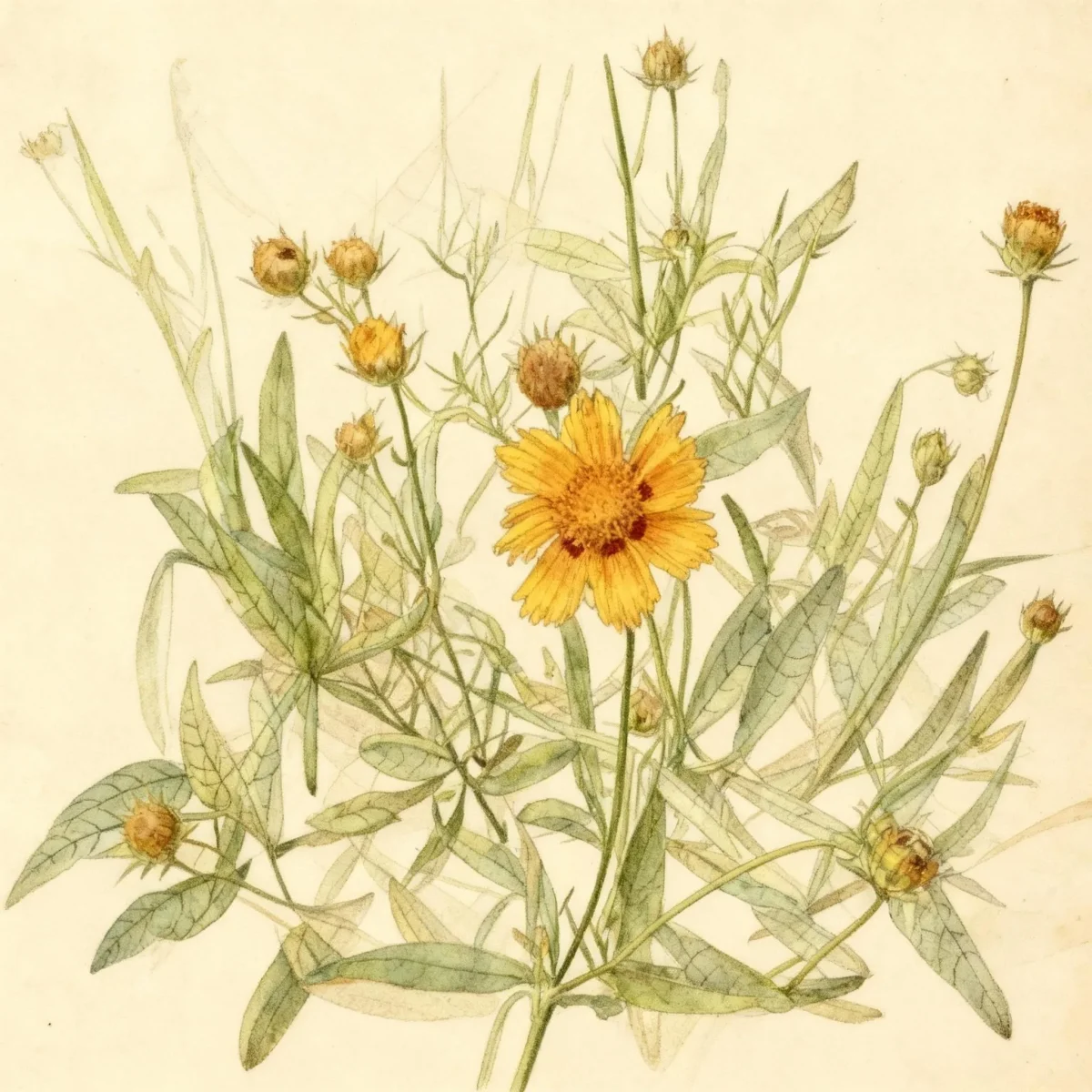
This South African native thrives in challenging conditions, easily establishing itself in dry, well-draining environments. The bright yellow, daisy-like flowers bloom reliably from late spring through summer, adding cheerful color above the distinctive foliage. Gardeners value Little pickles for its low maintenance requirements and its excellent performance in water-wise landscape designs.
As a creeping succulent, Othonna capensis provides excellent coverage, spreading slowly to suppress weeds while attracting butterflies. Its tolerance for heat, wind, and poor soils makes selecting this plant a practical choice for areas where other ornamentals struggle.
Fast Facts
- Plant Family: Asteraceae
- Plant Type: Herbaceous perennial
- Native Range: South Africa
- Hardiness Zones: USDA Zones 5-10
- Size at Maturity:
- Height: 0.25-0.5 ft
- Spread: 1-1.25 ft
- Bloom Time: May to September
- Bloom Description: Yellow
- Sun Exposure: Full sun
- Water Needs: Dry to medium
- Maintenance Level: Low
How to Grow
Othonna capensis requires well-draining conditions to thrive, as heavy, perpetually moist soil is its primary enemy. Plant in enriched, well-draining soil, ideally situated in full sun to ensure the best color and blooming performance. While adaptable to some dappled shade, too much shade will result in leggier growth and fewer flowers. It is hardy across a wide range, spanning USDA Zones 5 through 10.
Watering should be infrequent; treat this succulent as you would others—allow the soil to dry out significantly between waterings, especially during the active growing season. Once established, the drought tolerance of Othonna capensis is exceptional. During winter, it is crucial to provide a distinct dry rest period; overwatering in cool, dormant months rapidly leads to root rot.
Maintenance for Little pickles is minimal. Deadheading spent flowers encourages repeated blooming throughout the summer season. No regular fertilization is typically required unless the soil quality is extremely poor. Because it is naturally low-growing, formal pruning is usually unnecessary, though you may trim rampant edges if needed.
This adaptable plant handles typical stresses well, including exposure to wind and salt spray, making it a superb choice for coastal xeriscapes. Its ability to stabilize soil also makes it effective for erosion control on slight slopes.
Landscape Uses
The trailing, mat-forming habit of Othonna capensis makes it an outstanding choice for ground cover applications where a tidy, low border is desired. It excels in minimalist designs such as desert gardens or rock gardens, perfectly complementing the textures of gravel and stone.
Due to its excellent drought tolerance, this plant is a cornerstone for xeriscaping projects, significantly reducing landscape water consumption. Furthermore, its ability to cascade over edges means it performs beautifully when planted in retaining walls or containers. Allow the short stems of Little pickles to spill over, accentuating its natural trailing characteristic.
Consider pairing Othonna capensis with other architectural, drought-tolerant succulents or low-growing, late-season flowering perennials. Its low profile ensures it won’t obscure neighboring plants, offering superb textural contrast throughout the growing season.
Flower Qualities
- Showy
Noteworthy Characteristics
Othonna capensis, commonly called little pickles, is a low-growing, creeping, succulent ground cover with a trailing, mat-forming habit. It is endemic to the Eastern Cape province of South Africa, where it is found growing naturally in dry, rocky scrublands. The blue-green foliage turns slightly maroon under drought conditions, and the small yellow daisy-like flowers appear on short stems above the foliage during summer months.
Tolerances
- Drought
- Erosion
- Dry Soil
- Shallow-Rocky Soil
Potential Problems
The primary issue gardeners face with Little pickles is managing moisture. Root rot is a significant threat if excess water is supplied, especially when the plant is dormant or when temperatures drop in winter. Ensure soil drainage is exemplary to avoid this common succulent ailment. Beyond water management, Othonna capensis generally remains pest and disease-free, making its low maintenance level a key selling point. Protect it from prolonged heavy rain or standing water during its required winter dry rest period.
Frequently Asked Questions
What hardiness zones is Othonna capensis suitable for?
Othonna capensis provides reliable perennial performance in USDA Zones 5 through 10.
How large does Little pickles grow?
This compact groundcover typically reaches a height between 0.25 and 0.5 feet, spreading outwards to occupy an area between 1 and 1.25 feet wide.
What sun exposure does Othonna capensis need?
This plant performs best when given full sun exposure, although it can tolerate some dappled shade.
When does Little pickles bloom?
The cheerful yellow blooms of Little pickles are typically present from May through September.
Conclusion
Offering a unique combination of succulent texture and resilient, low-water needs, Othonna capensis is an invaluable addition to contemporary and Mediterranean-style landscapes. The distinctive foliage of Little pickles provides year-round interest, punctuated by bright summer flowers. Always double-check your local climate compatibility and prioritize fast-draining soil before planting this drought-loving gem.
Companion Planting with Othonna capensis
When designing a water-wise garden around Little pickles, select companions that share similar cultural requirements for low water and excellent drainage. Think architectural plants that offer textural contrast to the soft mounds of the succulent. Good neighbors include Sedums, low-growing varieties of Sempervivum, or other fine-textured, drought-tolerant groundcovers like creeping Thyme varieties. This pairing ensures all plants thrive under the same infrequent watering schedule mandated by Othonna capensis.
Propagation Tips for Little Pickles
Propagating Othonna capensis is straightforward, primarily utilizing stem cuttings, which roots easily. During the active growing season (spring or early summer), take cuttings several inches long, slightly older stems are preferable to very new, tender tips. Allow the cut end to dry and callous over for a day or two before placing the cutting directly into dry, porous succulent potting mix. Keep the soil slightly moist (but not wet) until roots form, which usually happens quickly, establishing a new, identical clone of the parent plant.