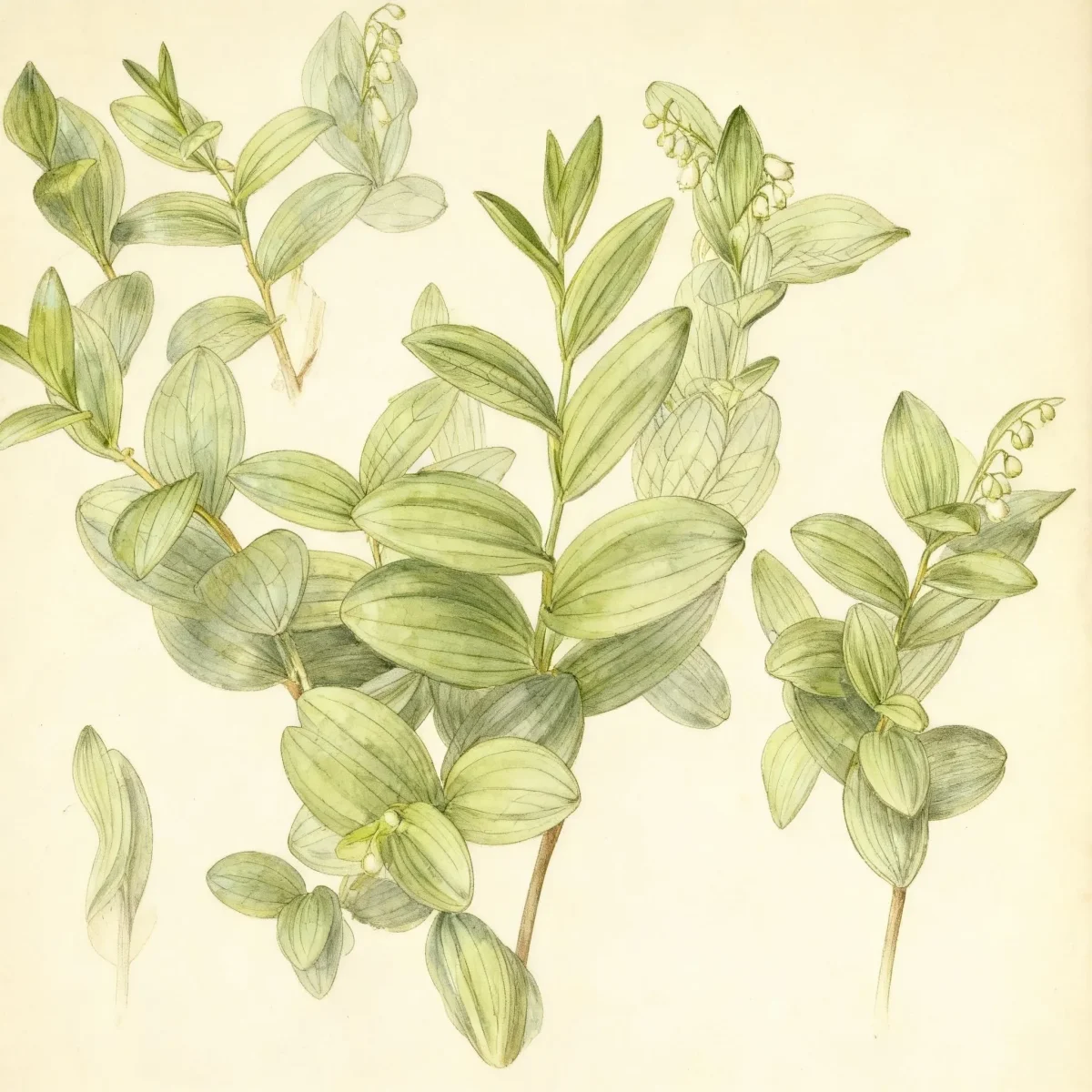
Solomon's seal (Polygonatum odoratum 'Byakko')
Polygonatum odoratum 'Byakko' is a striking Solomon's seal prized for its semi-variegated foliage and low maintenance in shade.
Scroll down to discover growing tips, care requirements, companion plants, and more
Complete Plant Information
Overview
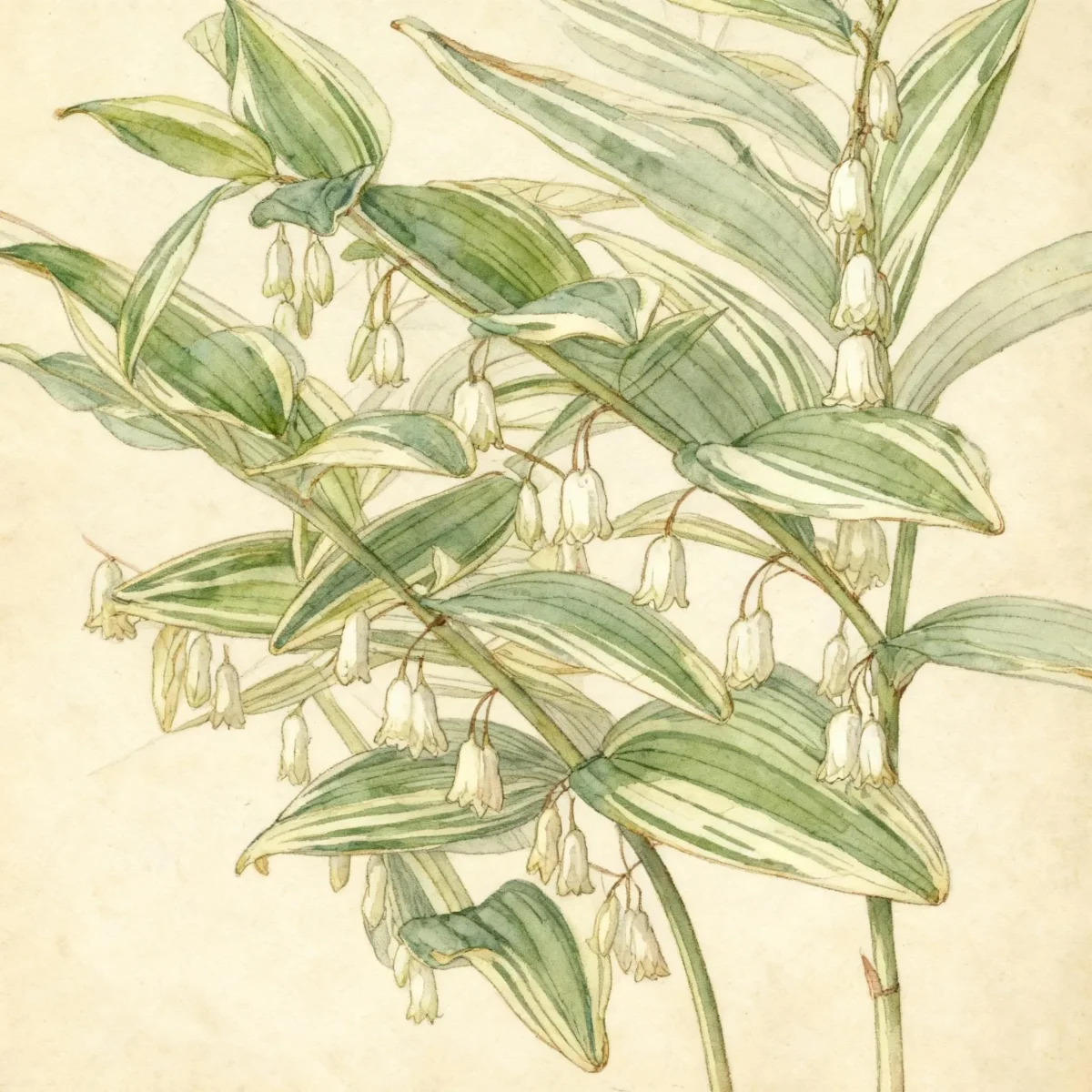
Polygonatum odoratum ‘Byakko’ is a sensational herbaceous perennial, often known by its common name, Solomon’s seal, that brings unique structure and color contrast to shaded garden spaces. This cultivar is highly valued for its distinctive foliage, which emerges green before maturing into a striking half-green and half-white pattern, sometimes sold as ‘White Tiger’. As a low-maintenance plant, Polygonatum odoratum ‘Byakko’ slowly spreads via rhizomes, making it an excellent choice for building colonies in deeply shaded border areas. Gardeners appreciate the sweet fragrance of its nodding white flowers during late spring, which enhances its appeal in woodland-style plantings.
Fast Facts
- Plant Family: Asparagaceae
- Plant Type: Herbaceous perennial
- Hardiness Zones: USDA Zones 4-9
- Size at Maturity:
- Height: 1.5-1.75 ft
- Spread: 1.75-2 ft
- Bloom Time: April to May
- Bloom Description: White
- Sun Exposure: Part shade to full shade
- Water Needs: Medium to wet
- Maintenance Level: Low
How to Grow
Plant Polygonatum odoratum ‘Byakko’ in the spring or fall when conditions are cool, ensuring the soil is humusy, organically rich, and well-drained. While it tolerates standard part shade, the ‘Byakko’ form develops its best, brightest variegation when given some dappled sunlight throughout the day. Avoid placing it in hot afternoon sun, as this cultivar dislikes harsh summer conditions.
Water Solomon’s seal consistently, aiming for medium to wet soil moisture, especially during establishment or periods of drought. Fertilization is rarely necessary if the soil is pre-amended with quality compost, reflecting its low maintenance needs. Pruning is minimal; simply cut back the faded foliage in the fall or wait until new growth emerges in spring before cleaning up old stems.
This reliable perennial slowly expands through thin rhizomes. If you wish to control its spread or propagate more plants, divide the rhizomes in early spring or fall. Remember that Polygonatum odoratum ‘Byakko’ is hardy and thrives best in cooler, consistently moist environments found beneath deciduous trees.
Landscape Uses
The upright yet arching habit of Solomon’s seal makes it an exceptional structural element for shaded borders and woodland gardens. It naturally forms colonies, serving perfectly for naturalizing beneath tree canopies where little else thrives. Its dramatic, variegated foliage is highly attractive when used near the front of borders or within shade rock gardens, providing contrast against dark evergreen groundcovers.
Consider pairing Polygonatum odoratum ‘Byakko’ with woodland companions that share similar cultural needs, such as hostas, ferns, or bleeding hearts (Dicentra). The foliage remains attractive even after the white flowers fade, making it invaluable for long-term textural interest. For functional placements, its tendency to anchor soil makes Polygonatum odoratum ‘Byakko’ an excellent choice for stabilizing gentle slopes or incorporating into rain garden designs where water tends to collect.
Standout Features
Flower Qualities
- Fragrant
Noteworthy Characteristics
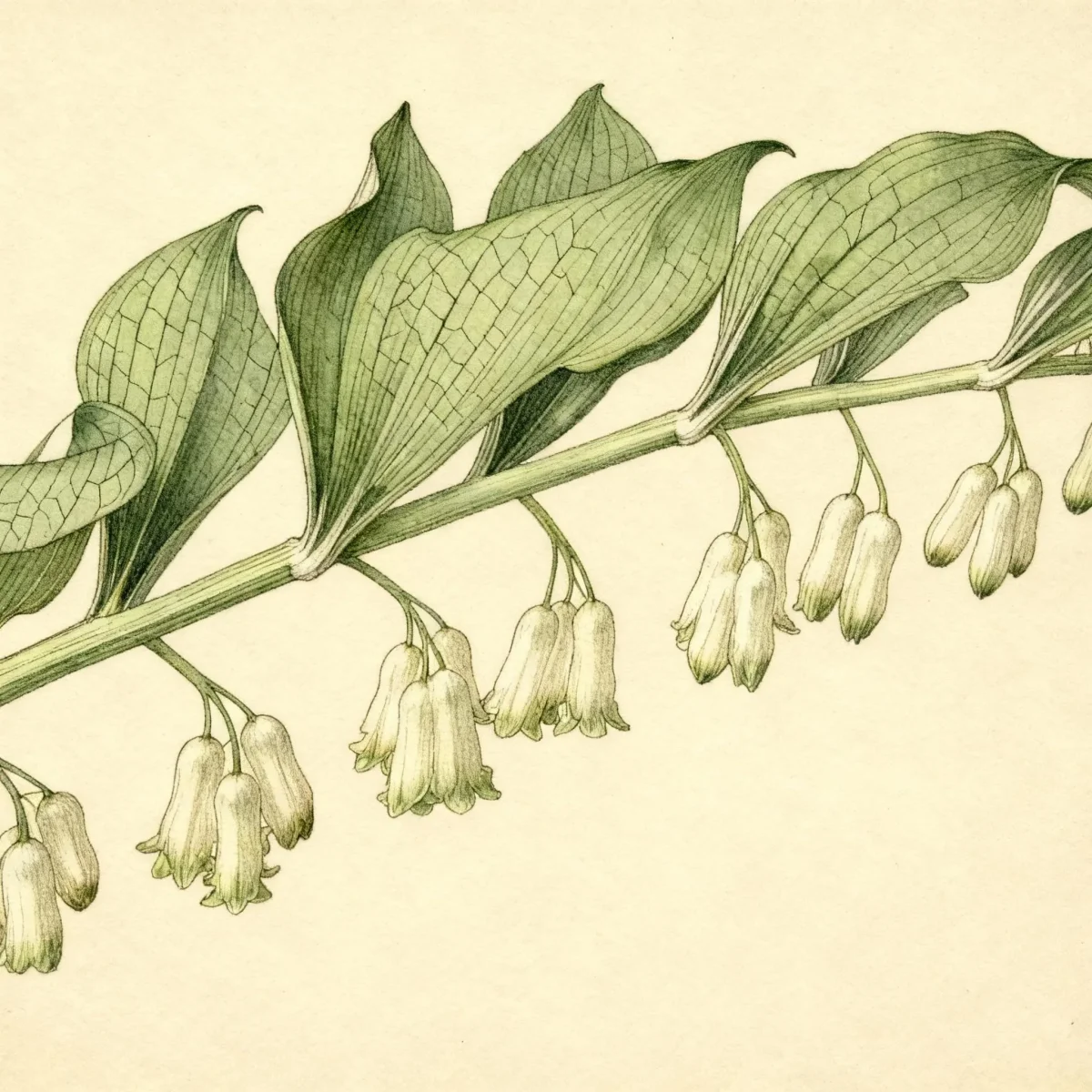
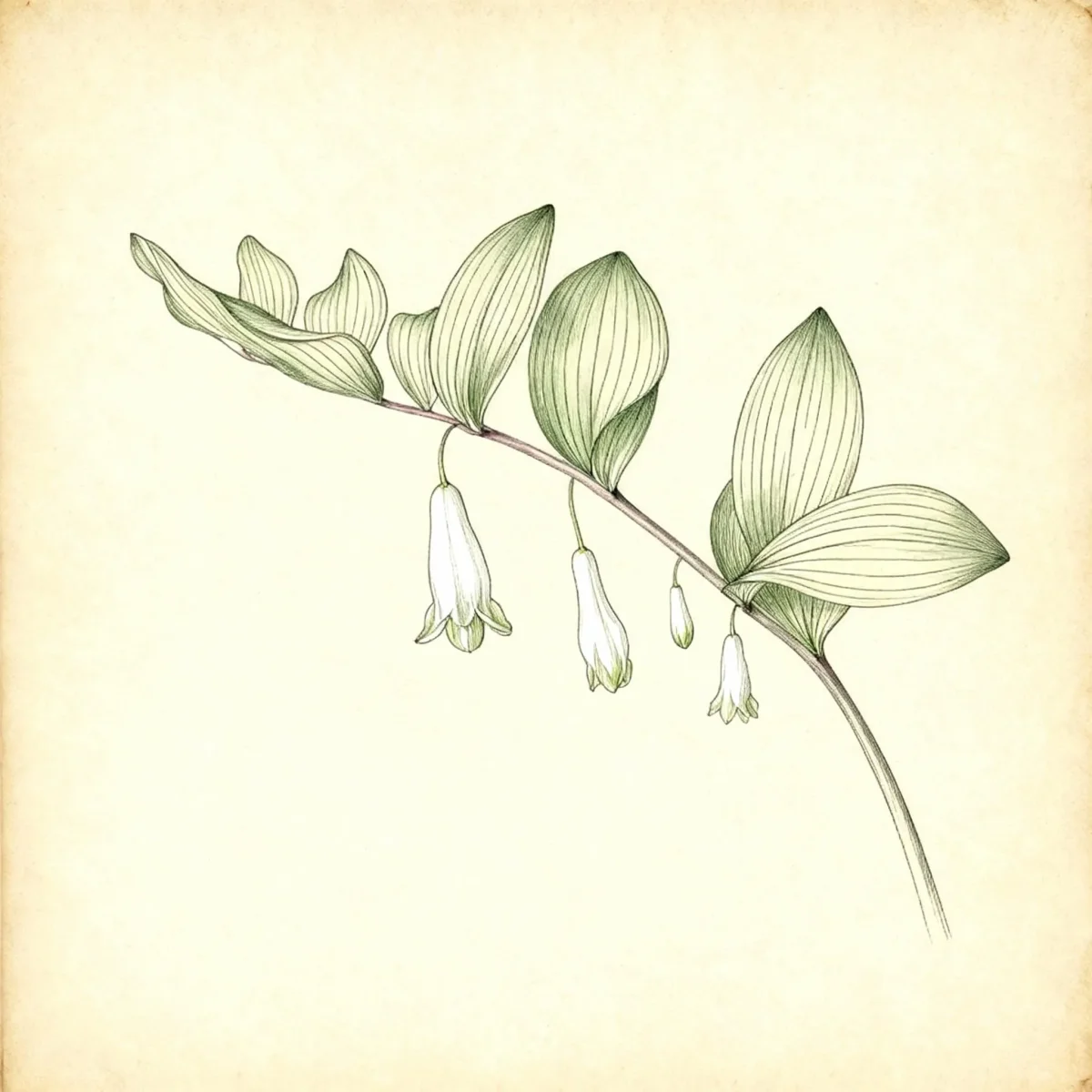
Polygonatum odoratum, commonly called fragrant Solomon’s seal, is a rhizomatous, shade-loving perennial that typically grows to 18-24” tall on low, gracefully arching, angled (as opposed to cylindrical), unbranched stems. The foliage of the ‘Byakko’ cultivar emerges solid green but matures to feature striking half-green and half-white variegation on stems that are often bright red. Flowers are greenish-white, tubular, and droop from the leaf axils, releasing a sweet, lily-like fragrance when in bloom.
Tolerances
- Erosion
- Wet Soil
Potential Problems
Polygonatum odoratum ‘Byakko’ generally experiences no serious insect or disease issues, making it a robust choice for shade gardens. Gardeners should primarily remain vigilant for common garden pests, including slugs, snails, weevils, and sawflies, which may occasionally chew on the foliage, especially when young. Management often involves physical removal or targeted, low-impact treatments if infestations become severe. Please note that all parts of this plant may cause mild discomfort if ingested by humans due to the presence of saponin and convallamarin, so placement should be considered in homes with curious pets or children.
Frequently Asked Questions
What hardiness zones is Solomon’s seal suitable for?
Polygonatum odoratum ‘Byakko’ is hardy across a wide range, thriving in USDA Zones 4 through 9.
How large does Polygonatum odoratum ‘Byakko’ grow?
This herbaceous perennial typically reaches a modest height between 1.5 and 1.75 feet, with a spread ranging from 1.75 to 2 feet at maturity.
What sun exposure does Polygonatum odoratum ‘Byakko’ need?
For optimal health and best variegation, this Solomon’s seal requires part shade to full shade conditions.
When does Solomon’s seal bloom?
The fragrant, white flowers of this plant generally appear in the late spring, blooming from April into May.
Conclusion
The striking bicoloration of Polygonatum odoratum ‘Byakko’ offers unmatched visual appeal in difficult, shaded garden environments, complemented by its low maintenance requirements and sweet floral scent. For gardeners seeking dependable, architectural structure for woodland plantings or rain gardens, this variety of Solomon’s seal is an excellent investment. Ensure your site receives adequate moisture and filtered light, and check your local USDA hardiness zone compatibility before planning your spring planting schedule for Polygonatum odoratum ‘Byakko’.
Companion Planting
When designing a shady border, look for companions that appreciate similar cool, moist, and humus-rich soil conditions as Polygonatum odoratum ‘Byakko’. Hostas with solid green or blue foliage create an excellent backdrop that allows the vertical lines and variegated leaves of the Solomon’s seal to stand out sharply. Likewise, woodland ferns, such as the Japanese Painted Fern or various groundcover ferns, complement the texture of the arching stems.
For seasonal interest that extends beyond the spring bloom of Polygonatum odoratum ‘Byakko’, consider interplanting with plants that offer late-season color, like Astilbe or Helleborus. The Hellebores will provide color very early, right as the Solomon’s seal is emerging, creating a beautiful layered effect in the transitional spring garden.
Wildlife Benefits
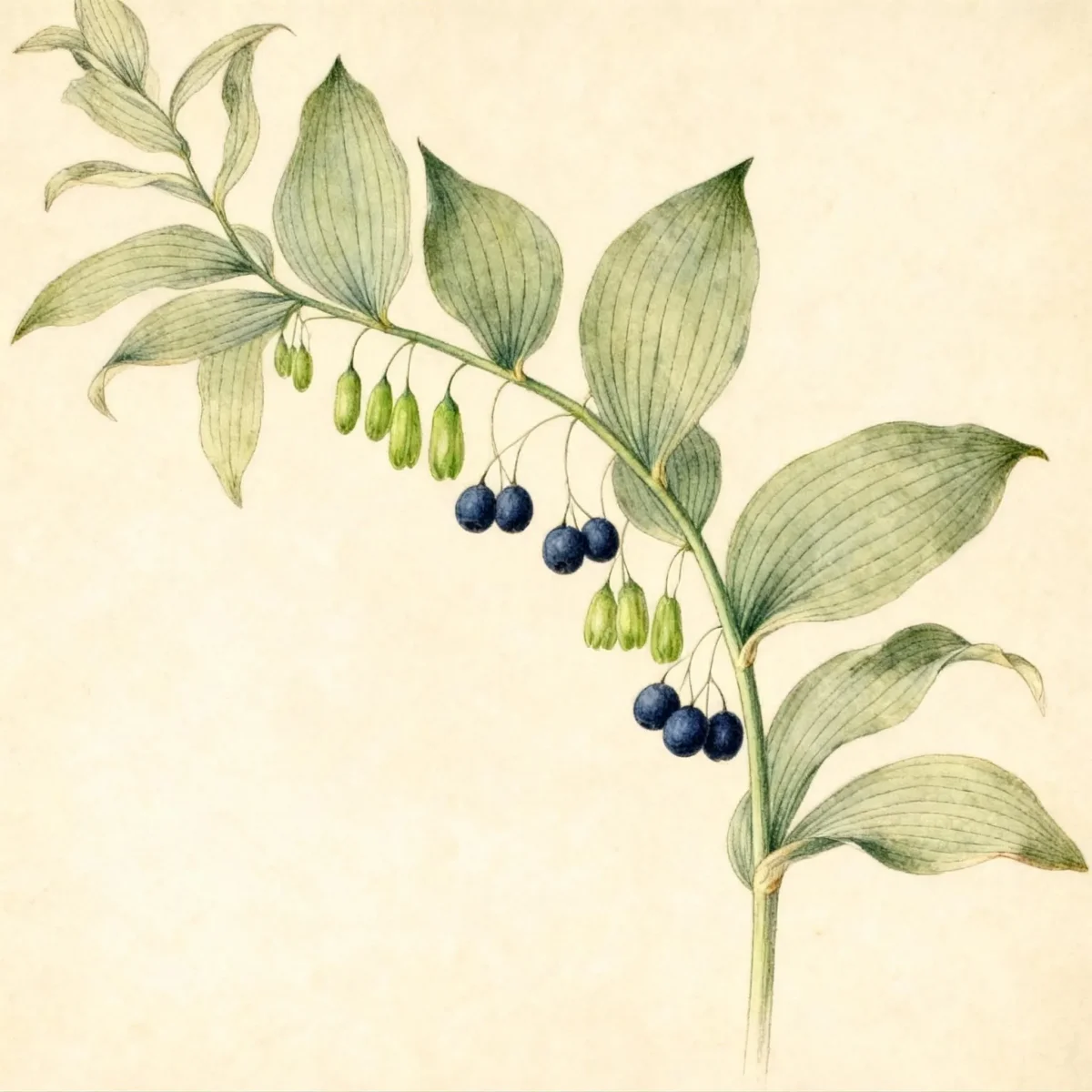
While the foliage of Polygonatum odoratum is generally considered deer and rabbit resistant due to its mild toxicity, the blue-black berries that follow the flowers are attractive to certain birds late in the season. These pendulous berries provide a secondary food source as the plants enter dormancy. The sweet, lily-like fragrance of the nodding flowers during April and May can also attract various pollinators, particularly long-tongued bees, seeking nectar deep within the tubular blooms.