Rosularia (Rosularia platyphylla)
Rosularia platyphylla, or Turkish stonecrop, offers striking rosette form, white summer blooms, and excellent drought tolerance for rock gardens.
Scroll down to discover growing tips, care requirements, companion plants, and more
Complete Plant Information
Overview
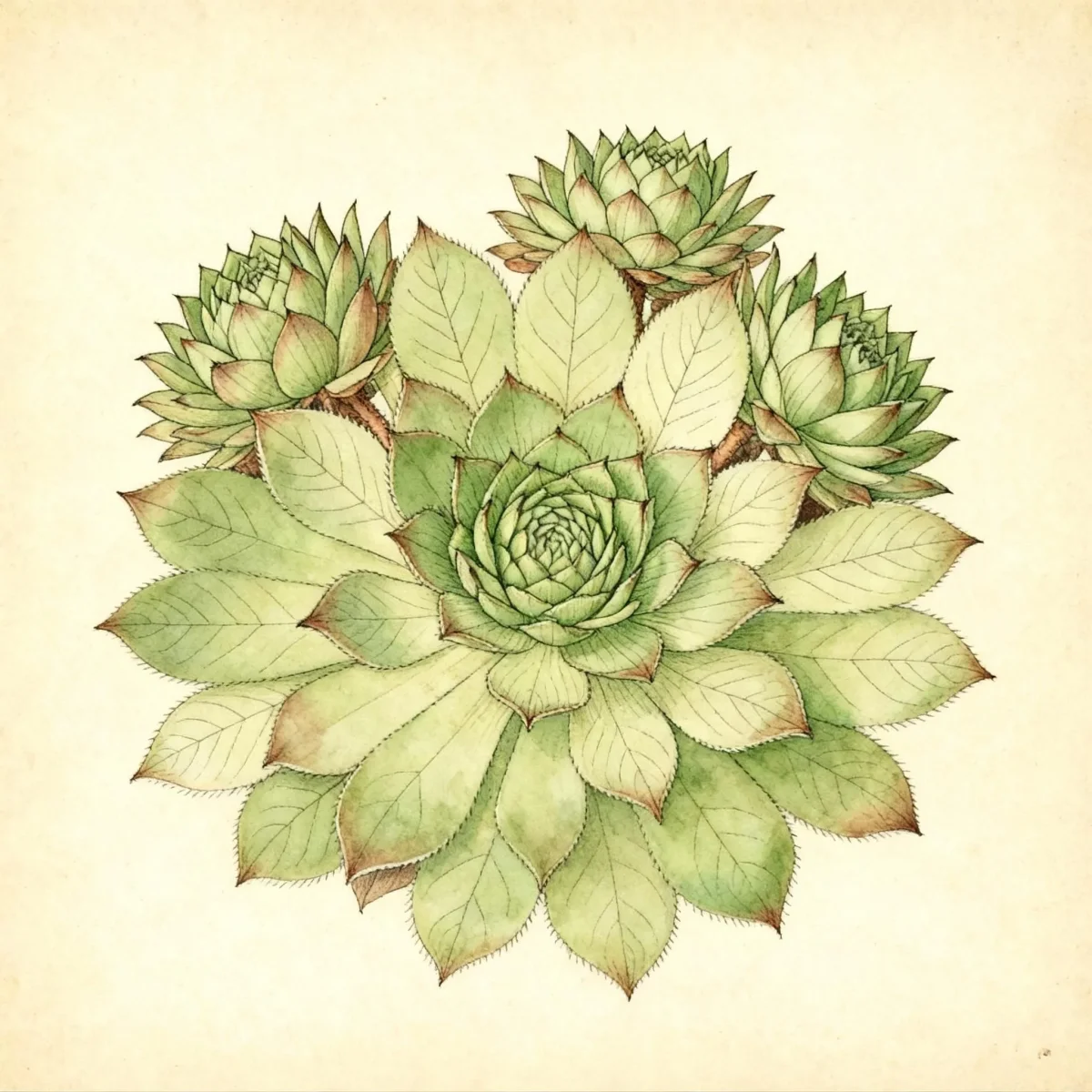
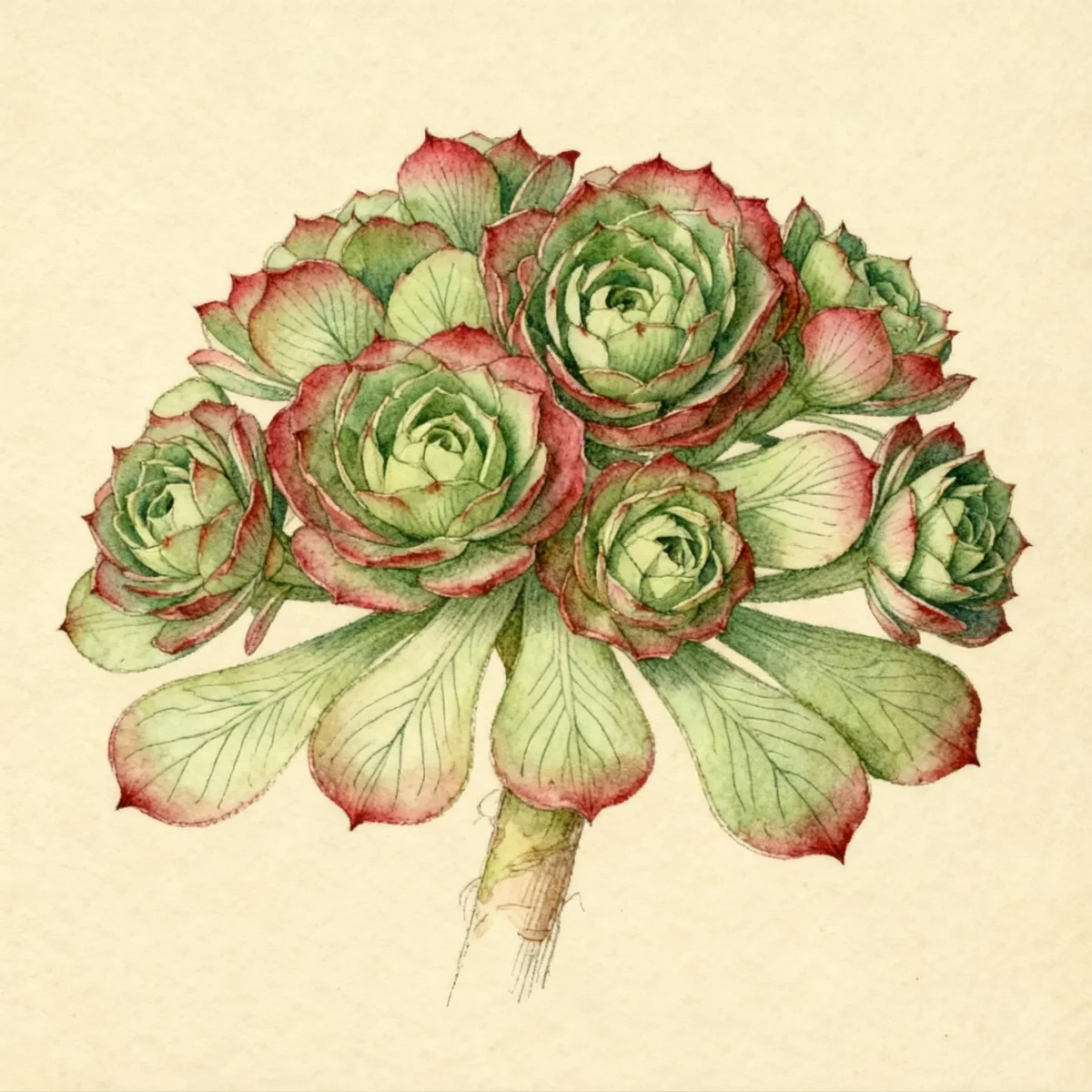
Rosularia platyphylla, often called Turkish stonecrop, is a compact, rosette-forming succulent prized for fitting seamlessly into challenging, arid garden niches. This species forms attractive clumps of pale green, hairy foliage that closely resembles members of the Sempervivum genus, making it an excellent structural plant in miniature landscapes. Gardeners value this Rosularia for its low maintenance needs and spectacular ability to thrive where many other herbaceous perennials struggle.
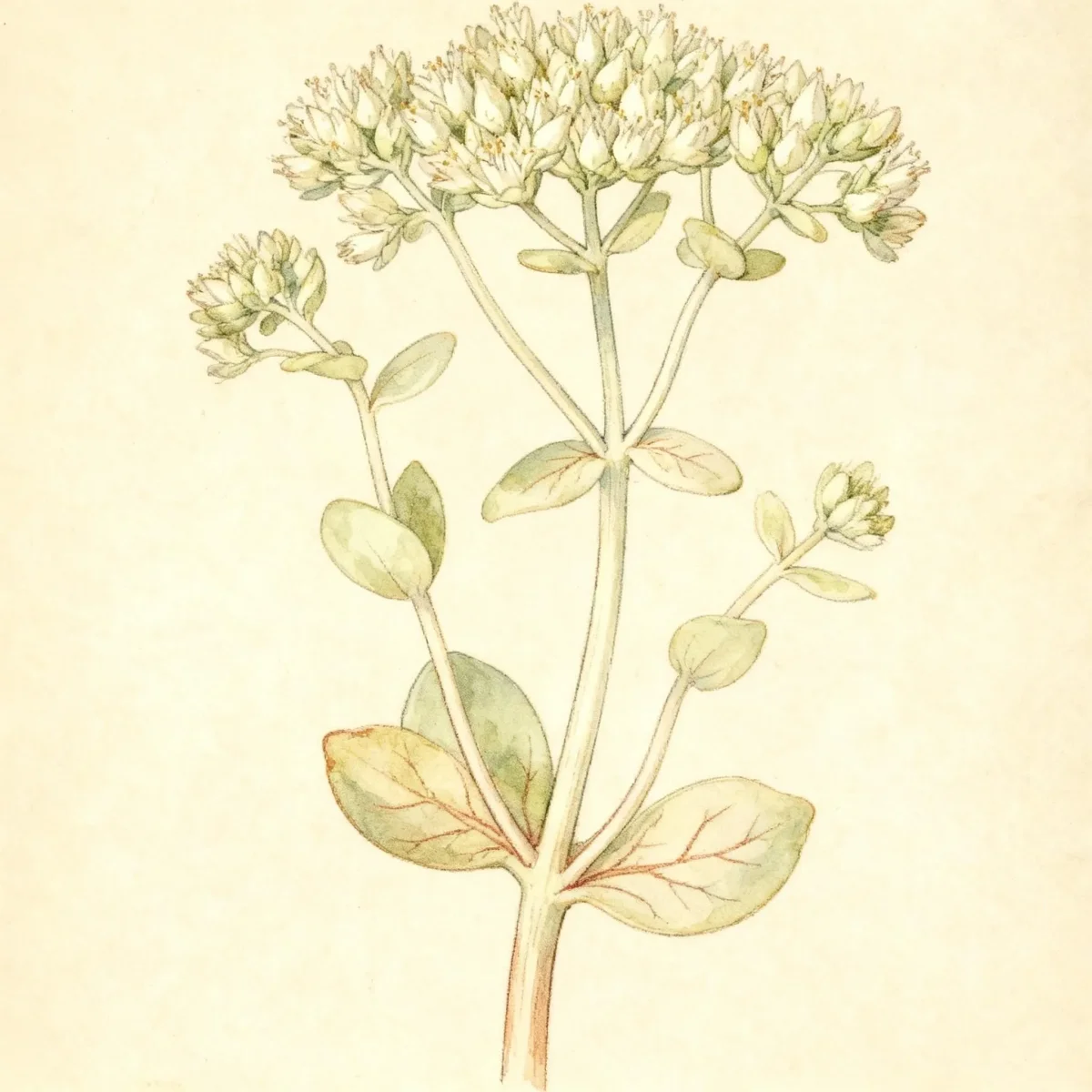
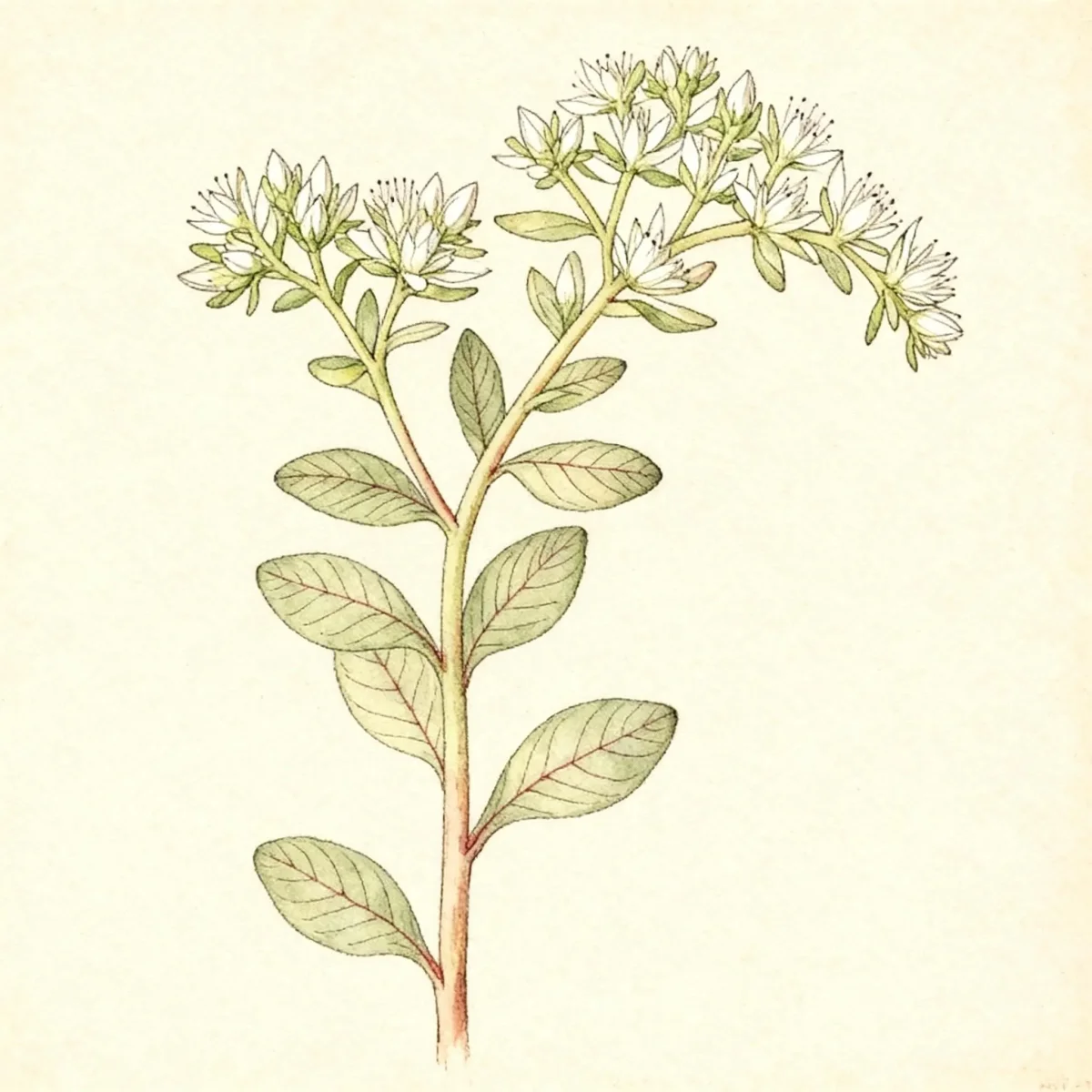
Emerging on upright stalks during the summer months, the delicate panicles of small, white, tubular flowers provide light contrast to the dense foliage base of Rosularia platyphylla. Native to the rocky slopes of Central Asia, this plant is adapted to quick drainage and periods of dryness, making it perfect for alpine settings and rockeries. Its slow spread by offsets eventually creates small, pleasing groupings of these captivating succulents.
The overall compact stature of Rosularia platyphylla (reaching only up to 6 inches tall) ensures it never overwhelms, providing year-round architectural interest. Its inherent drought tolerance, combined with minimal pest issues, solidify its position as a highly functional and beautiful addition to xeriscaping projects and container gardens across suitable hardiness zones.
Fast Facts
- Plant Family: Crassulaceae
- Plant Type: Herbaceous perennial
- Native Range: Kazakhstan, Kyrgyzstan, China, Tajikistan
- Hardiness Zones: USDA Zones 5-10
- Size at Maturity:
- Height: 0.25-0.5 ft
- Spread: 0.75-1 ft
- Bloom Time: June to August
- Bloom Description: White
- Sun Exposure: Full sun to part shade
- Water Needs: Dry to medium
- Maintenance Level: Low
How to Grow
The key to success with Rosularia platyphylla is ensuring impeccable drainage. Plant in early spring or fall in a location that receives full sun, though afternoon shade is beneficial during intense summer heat, particularly in warmer zones. The ideal substrate is a lightly textured, well-draining soil mix, often achieved using gritty amendments suitable for alpine plants.
Watering must be approached cautiously; this Rosularia prefers dry to medium moisture levels. During the growing season, water thoroughly but allow the soil to dry out significantly between drinks. A crucial cultural note is to avoid wetting the foliage directly when watering, as accumulated moisture sitting on the leaves can quickly lead to rot, a common affliction for many succulents.
Maintenance is generally very low once established. No regular fertilizer is typically required, as rich soil can lead to weak, floppy growth. If winter conditions are reliable (Zones 5-10), it should remain hardy outdoors. Remember that Rosularia platyphylla prefers conditions to be on the drier side, especially as dormancy approaches in winter. This plant propagates easily by gently separating the offsets that naturally form around the mother rosette.
Landscape Uses
The small scale and exceptional tolerance of Rosularia platyphylla make it indispensable for specialized garden designs where drainage is paramount. It excels when tucked into the crevices of rock walls, bridging gaps between pavers, or integrated into meticulously curated rock gardens. These plants create beautiful, miniature landscapes that mimic their high-altitude native environment.
For those interested in vertical gardening, this Rosularia is an excellent candidate for living walls or green roofs where its shallow root system and low water demands are significant assets. Avoid using it as a general ground cover, as it prefers distinct pockets over broad swathes where competition or poor air circulation might cause issues.
Consider pairing it with other low-growing, drought-tolerant alpine subjects such as low-growing thyme varieties, sedums, or small Junipers. The fine texture and pale coloration of the foliage offer a restful contrast to plants with darker leaves or more vigorous growth habits.
Standout Features
Noteworthy Characteristics
Rosularia platyphylla, commonly known as rosularia or Turkish stonecrop, is a rosette-forming succulent found growing either singly or in small groups on rocky terraces and slopes in the mountains of Kazakhstan, Kyrgystan, and northwestern China. The rosettes of pale green, finely hairy, spatulate (spoon-shaped) foliage can reach up to 4” in diameter, and may form small, dense groupings of 3-5 rosettes. Upright flowering stalks (up to 6” long) emerge in summer, bearing a panicle of small, white, tubular flowers. This is a slow-growing species that will eventually spread by offsets to fill an 8” area. Its form and habit resemble those of hens and chicks (genus Sempervivum).
Tolerances
- Erosion
- Dry Soil
- Shallow-Rocky Soil
Potential Problems
This species exhibits few significant struggles when grown in its preferred environment. The primary issue to guard against is overwatering or poor drainage, which leads rapidly to basal rot, especially during cool, damp periods or in winter. Ensure soil remains dry, particularly when the plant is inactive. Pest infestations are uncommon, but like all succulents, occasional checks for aphids or mealybugs are prudent, which can usually be managed with a targeted application of insecticidal soap.
Frequently Asked Questions
What hardiness zones is Rosularia suitable for?
The Rosularia genus, specifically Rosularia platyphylla, is hardy in USDA Zones 5 through 10, offering a respectable range for many North American gardeners.
How large does Rosularia platyphylla grow?
This plant remains quite small, typically achieving a height between 0.25 and 0.5 feet, with a spread ranging from 0.75 to 1 foot as it forms modest clumps of offsets.
What sun exposure does Rosularia need?
For optimal growth and flowering, Rosularia platyphylla requires full sun to part shade exposure. In regions known for intensely hot summers, providing some afternoon shade will prevent scorching.
When does Rosularia bloom?
This herbaceous perennial blooms during the early to mid-summer months, specifically from June through August, producing clusters of lovely white flowers.
Conclusion
The combination of architectural foliage, ease of propagation via offsets, and exceptional tolerance for dry, rocky conditions makes Rosularia platyphylla a must-have specimen for alpine and rock garden enthusiasts. As a true low-maintenance succulent, this Rosularia rewards attentive placement with year-round beauty. Before planting, confirm that your intended location provides the sharp drainage required, and then enjoy this unique Central Asian gem.
Companion Planting
Selecting companions for Rosularia platyphylla should focus on plants that share its preference for excellent drainage and low fertilizer requirements. In rockeries, pair it with small, slow-growing alpine herbs that also enjoy full sun, such as creeping thymes (Thymus serpyllum) or low-growing stonecrops (Sedum species). These plants won’t aggressively shade out the rosette structure of the Rosularia. Also, consider pairing it with dwarf conifers or small, gritty-soil loving bulbs for varied seasonal interest without competing for moisture.
Propagation Tips
The most effective and straightforward method for increasing your stock of Rosularia platyphylla is through the division of offsets. As the mother rosette matures, it will produce small, miniature rosettes, often referred to as “chicks,” around its base. Wait until these offsets have developed a small root system of their own—usually late spring or early summer is ideal—and then gently sever them from the parent plant using a sharp, clean knife or simply by carefully twisting them away. Allow the cut end of the offset to callous over for a day or two in dry air before planting it in a well-draining gritty mix, treating it like a fresh cutting, and watering sparingly until new root growth is established.