Rose of Sharon (Hibiscus syriacus 'America Irene Scott' SUGAR TIP)
Discover Hibiscus syriacus 'America Irene Scott' SUGAR TIP, a low-maintenance Rose of Sharon offering soft pink double blooms from July to October.
Scroll down to discover growing tips, care requirements, companion plants, and more
Complete Plant Information
Overview
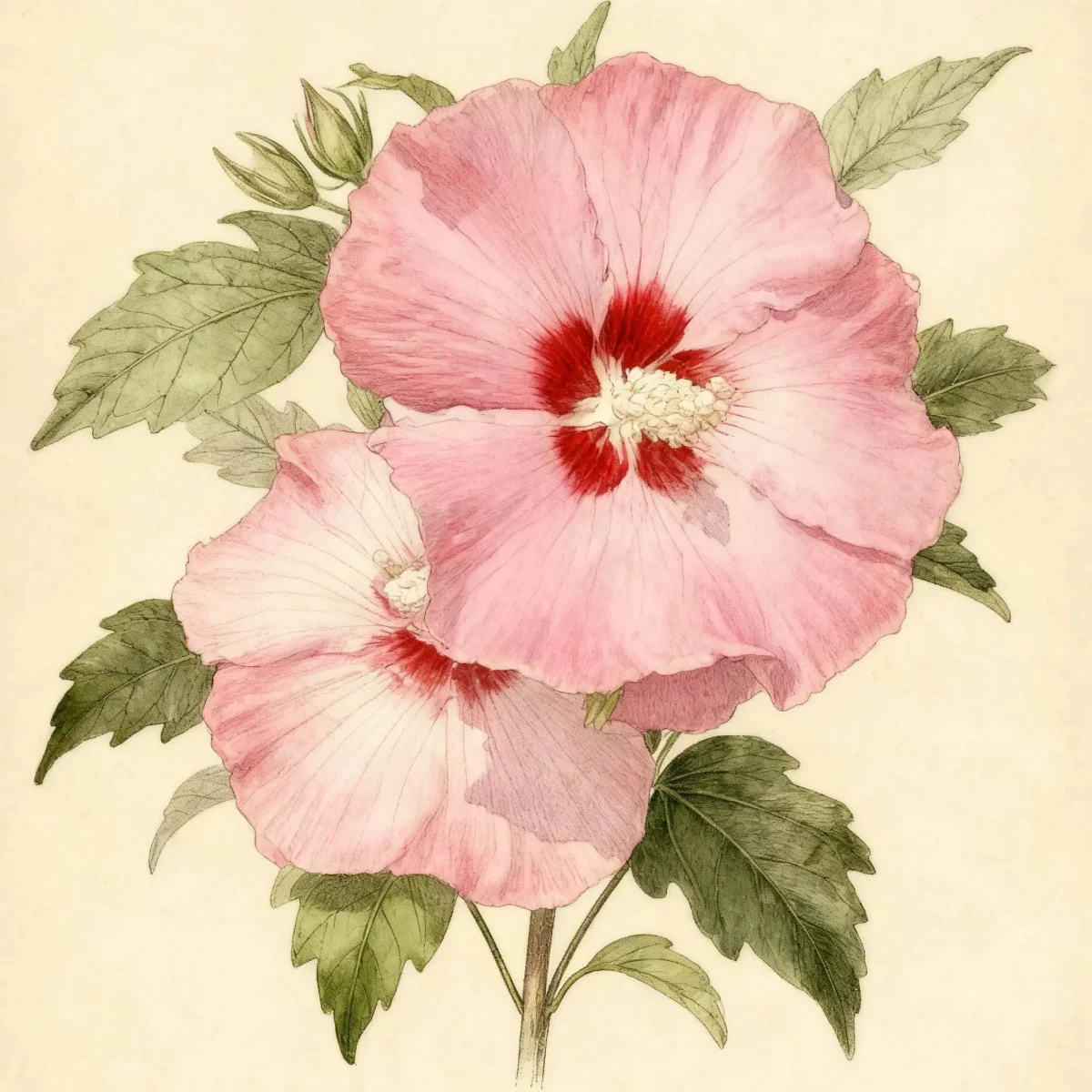
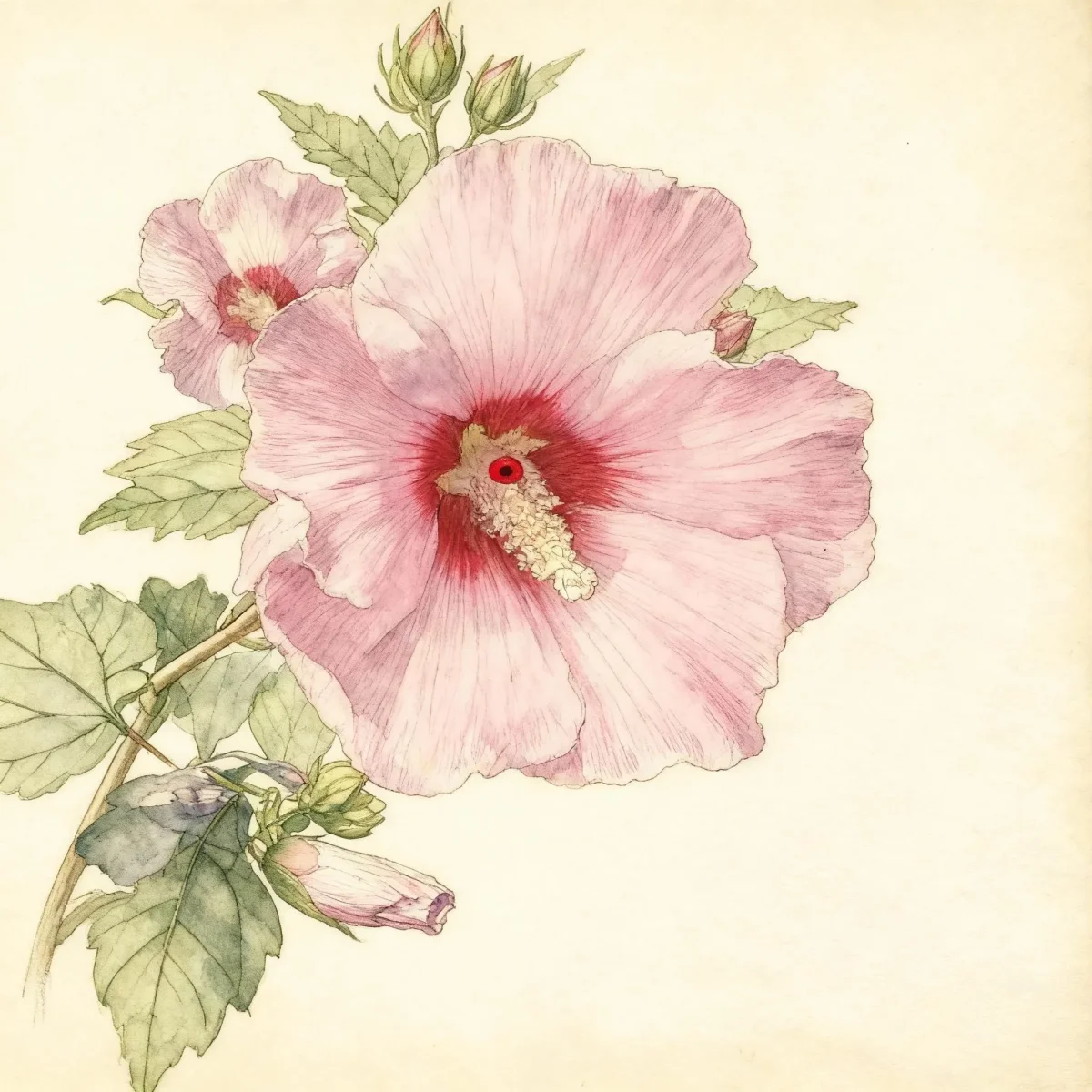
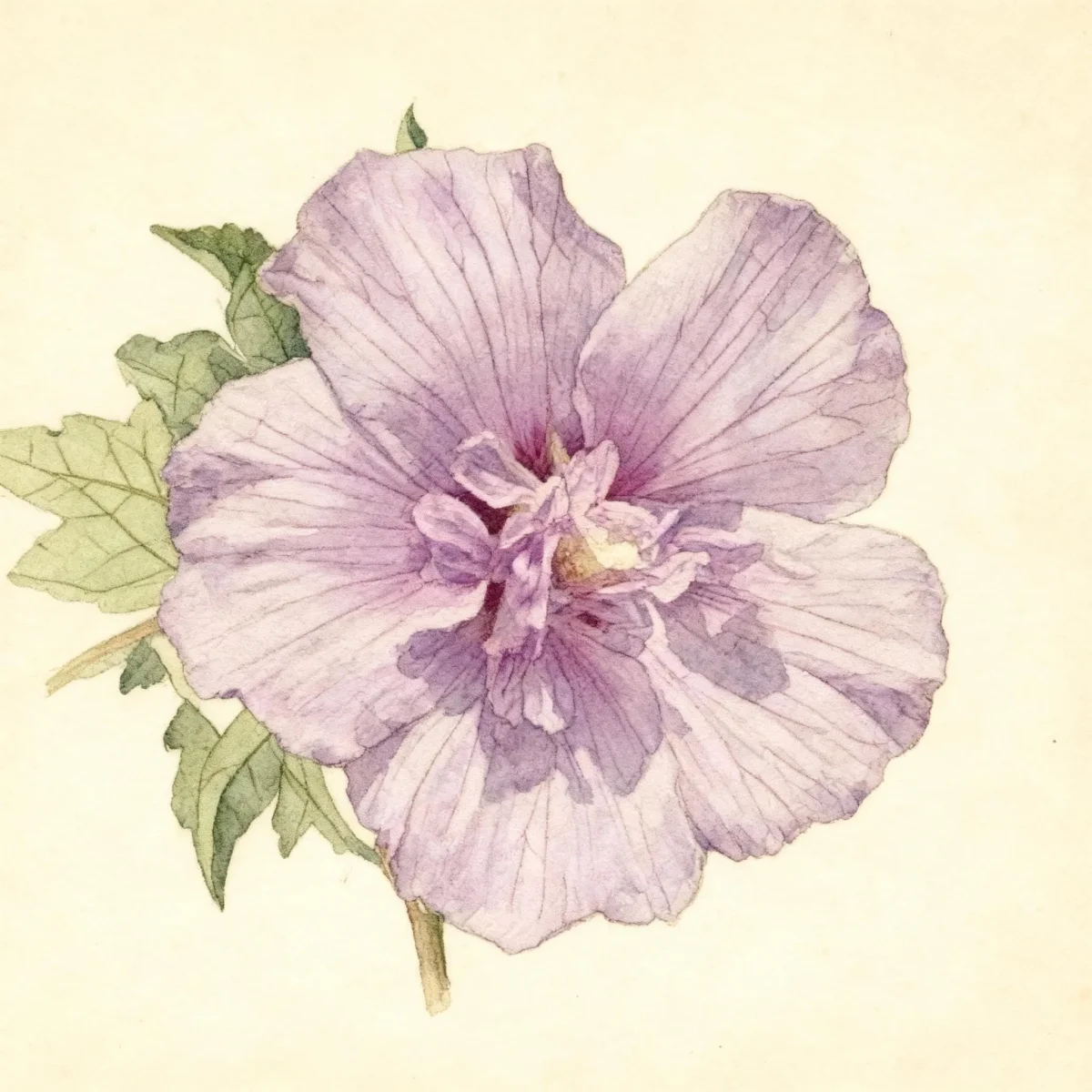
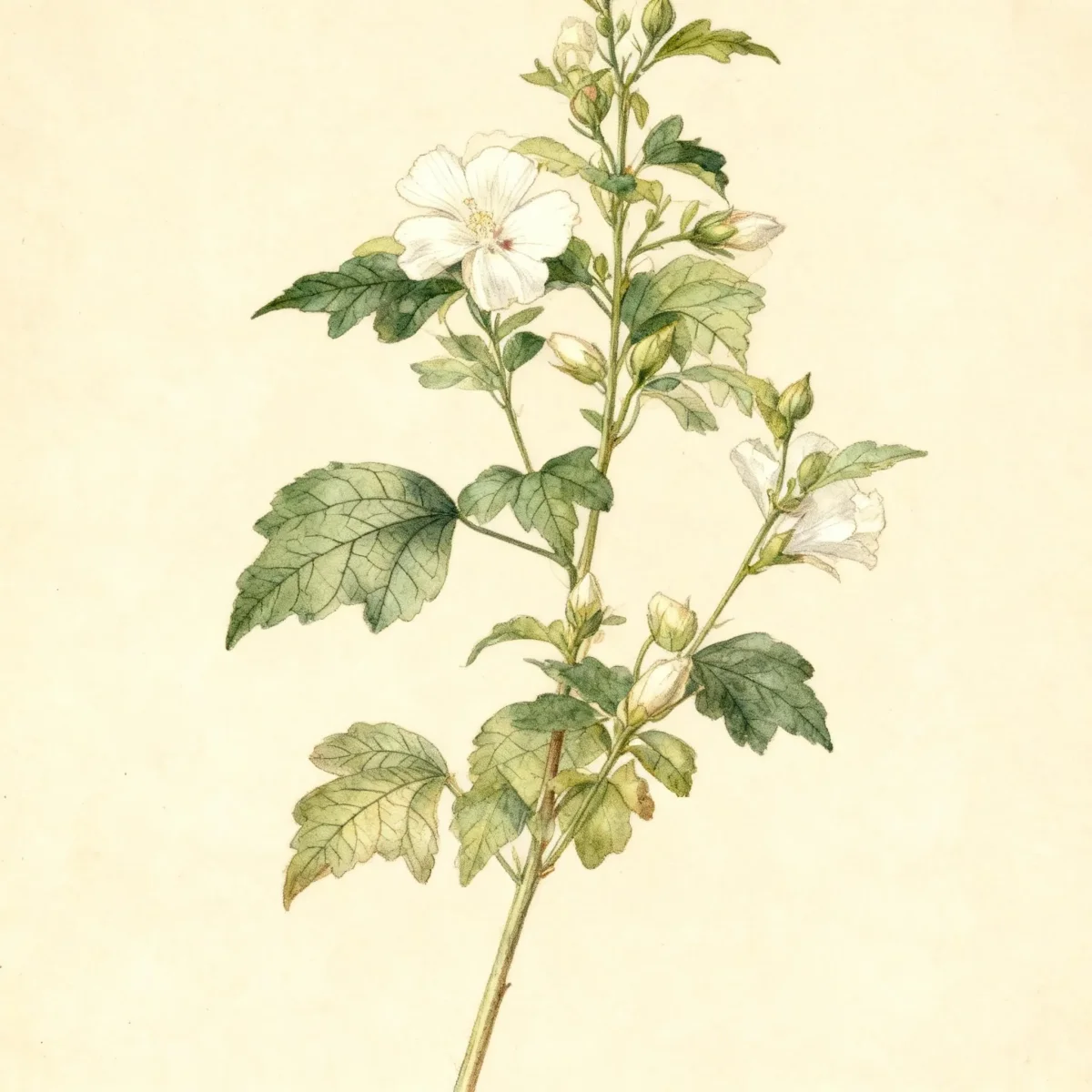
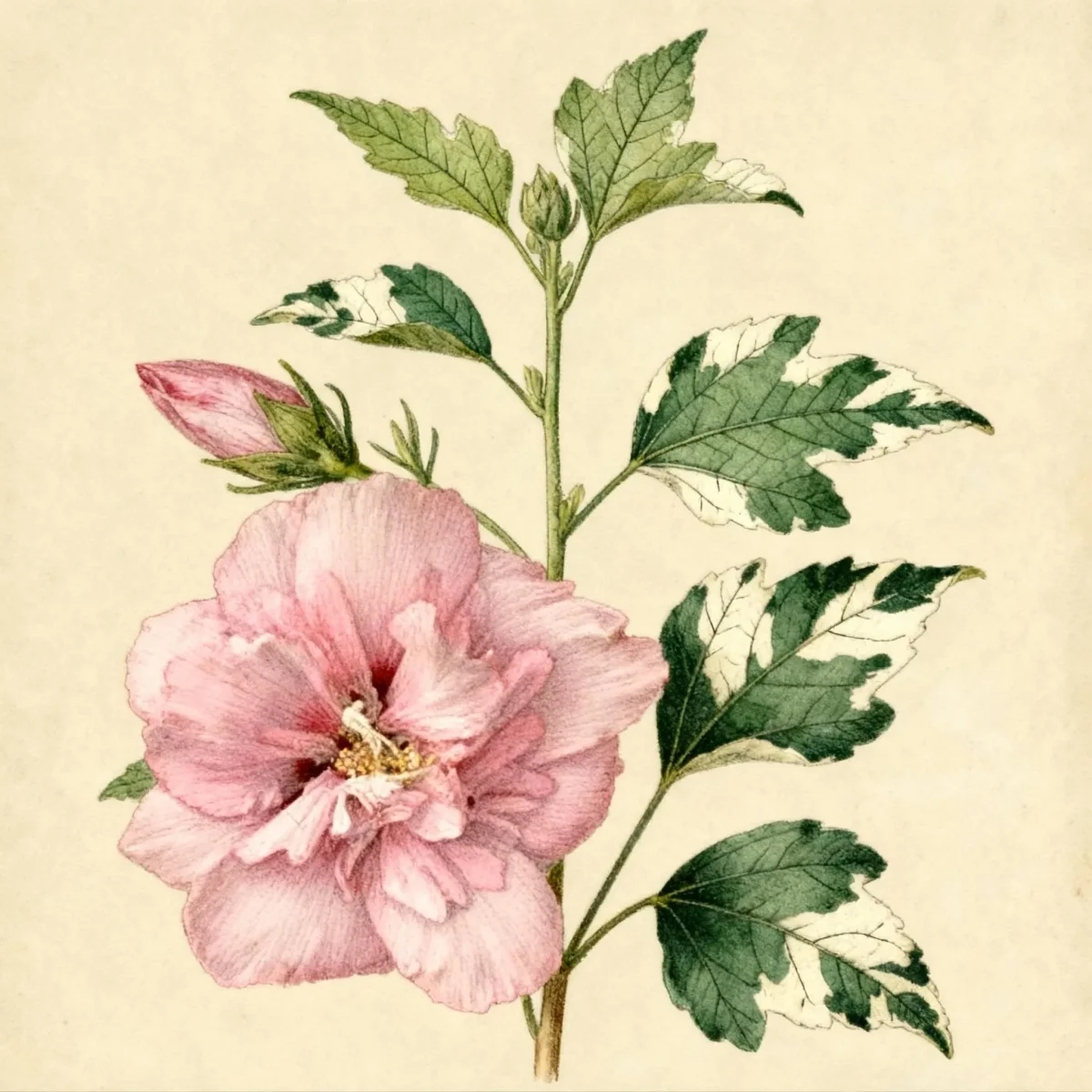
Hibiscus syriacus ‘America Irene Scott’ SUGAR TIP, commonly known as Rose of Sharon, brings reliable, late-season color to the landscape. This vigorous, upright, vase-shaped deciduous shrub stands out with its distinctive creamy-white and blue-green variegated foliage, setting it apart from standard selections. Gardeners highly value this sterile cultivar because it delivers showy, soft pink double flowers that bloom profusely from mid-summer well into autumn.
As a low-maintenance addition to the garden, this Rose of Sharon thrives in average, well-drained soils, though it boasts impressive tolerance for poor soils, heat, humidity, and urban pollution. Growing 8 to 12 feet tall, Hibiscus syriacus ‘America Irene Scott’ SUGAR TIP provides excellent structure, whether used as a screen, a background border plant, or even trained into a small tree form. Its dependable nature and long bloom period make it a cornerstone plant for continuous summer interest.
Fast Facts
- Plant Family: Malvaceae
- Plant Type: Deciduous shrub
- Hardiness Zones: USDA Zones 5-8
- Size at Maturity:
- Height: 8-12 ft
- Spread: 4-6 ft
- Bloom Time: July to October
- Bloom Description: Soft pink double flowers
- Sun Exposure: Full sun to part shade
- Water Needs: Medium
- Maintenance Level: Low
How to Grow
Planting Hibiscus syriacus ‘America Irene Scott’ SUGAR TIP is best done in spring or fall, ensuring it establishes roots before extreme temperatures hit. Locate your Rose of Sharon where it receives full sun for the most abundant flowering, although it tolerates light afternoon shade. It easily adapts to average, medium-moisture, well-drained soils, though it prefers organically rich conditions.
Maintenance remains low for this robust shrub. Provide medium water, especially during prolonged dry spells, although it shows good drought tolerance once established. Fertilizing is generally unnecessary unless the soil quality is very poor. The most significant care involves pruning; shape the shrub in spring, or for potentially larger blooms on the new cultivar, prune back hard to just 2-3 buds in late winter.
Be aware that standard Rose of Sharon species can sometimes self-seed aggressively, but fortunately, the ‘America Irene Scott’ cultivar is sterile, eliminating concerns about unwanted seedlings popping up throughout the garden. Its tolerance for both summer heat and urban pollution makes it a versatile and forgiving choice for many difficult landscape sites.
Landscape Uses
The structure and season-long color display offered by Hibiscus syriacus ‘America Irene Scott’ SUGAR TIP make it an indispensable landscape element. It excels when massed together to create an informal, flowering hedge or privacy screen, utilizing its upright growth habit effectively. Due to its substantial late-season performance, it acts as an excellent specimen plant, drawing attention when many other shrubs have finished blooming.
Consider using this Rose of Sharon in mixed shrub borders alongside earlier-flowering specimens, ensuring continuous interest from spring through fall. It pairs well with foundation plantings that offer good spring structure, or use it toward the back of perennial borders where its height is appropriate. The clean, variegated foliage of the ‘America Irene Scott’ variety adds texture even when it is not in flower.
Standout Features
Flower Qualities
- Showy
Noteworthy Characteristics
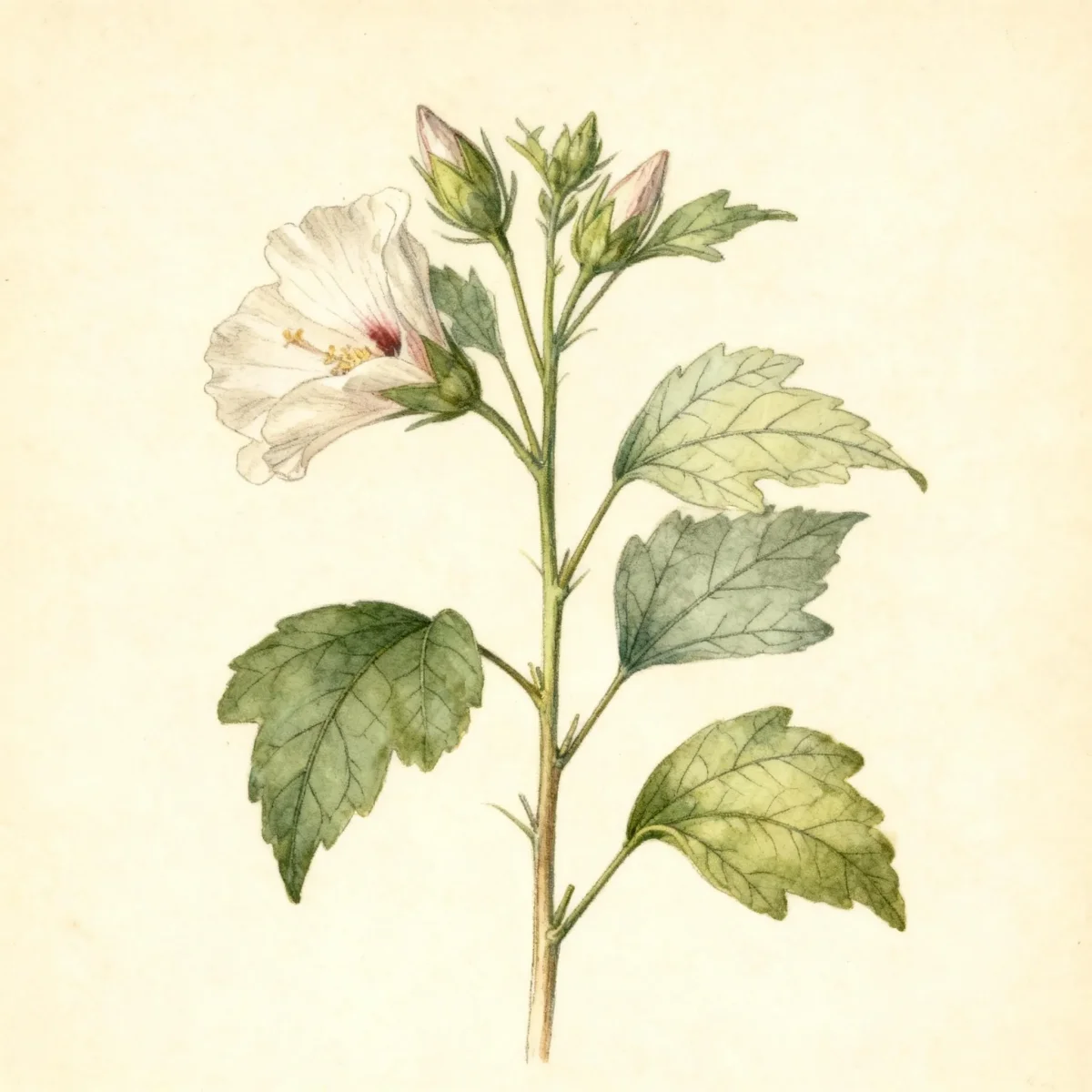
Rose of Sharon, known scientifically as Hibiscus syriacus, forms a vigorous, upright, vase-shaped deciduous shrub that reaches 8-12 feet tall and offers showy, hollyhock-like flowers over a long bloom period. A key feature of the ‘America Irene Scott’ selection is its variegated creamy-white and blue-green foliage alongside its signature soft pink double flowers. Notably, this cultivar is sterile and does not produce any self-seeding fruit.
Tolerances
- Deer
- Drought
- Clay Soil
- Black Walnut
Potential Problems
This shrub generally exhibits good health, but gardeners should monitor for common fungal issues, including susceptibility to leaf spots, blights, and rusts. Treating foliage promptly at the first sign of disease (often by improving air circulation through pruning) can manage these issues. Occasionally, insect pests like aphids, whiteflies, and Japanese beetles may appear. If Japanese beetles target your Hibiscus syriacus ‘America Irene Scott’ SUGAR TIP, manual removal or targeted insecticide application may be necessary to prevent severe foliage damage during peak feeding times.
Frequently Asked Questions
What hardiness zones is Rose of Sharon suitable for?
The Rose of Sharon, Hibiscus syriacus ‘America Irene Scott’ SUGAR TIP, is reliably hardy in USDA Zones 5 through 8.
How large does Hibiscus syriacus ‘America Irene Scott’ SUGAR TIP grow?
This cultivar typically reaches a mature height between 8 and 12 feet tall, with a spread ranging from 4 to 6 feet wide, forming an upright, vase-shaped structure.
When does Rose of Sharon bloom?
This shrub offers an extended bloom period lasting from July through October, presenting soft pink double flowers over many weeks.
What sun exposure does Rose of Sharon need?
For the best display of soft pink double flowers, Hibiscus syriacus ‘America Irene Scott’ SUGAR TIP requires full sun, although it will tolerate locations offering partial shade.
Conclusion
The combination of variegated foliage, sterility, and an exceptionally long bloom season from July to October makes Hibiscus syriacus ‘America Irene Scott’ SUGAR TIP a superior choice for summer color. This low-maintenance Rose of Sharon is tough enough to handle heat and poor soils while providing beautiful soft pink double flowers. Verify that your growing location falls within USDA Zones 5-8 before planning your spring planting.
Companion Planting
Selecting appropriate companions can enhance the visual appeal of your Rose of Sharon throughout the season. Since Hibiscus syriacus ‘America Irene Scott’ SUGAR TIP blooms late, pair it with early or mid-summer flowering shrubs and perennials that establish strong structural interest beforehand. Consider companion lavender or Russian Sage, which appreciate similar full sun conditions and whose silvery-blue foliage contrasts beautifully with the shrub’s variegated leaves. For foundation plantings, low-growing Sedum varieties or creeping phlox can offer colorful ground coverage beneath the canopy of the Rose of Sharon.
Wildlife Benefits
While the primary focus of the ‘America Irene Scott’ cultivar is its ornamental value, all hibiscus species generally attract pollinators. The prominent staminal column found on the flowers provides an accessible landing and feeding platform for long-tongued bees and sometimes butterflies throughout the extended summer season. Although sterile, the flowers still offer nectar, supporting local insect populations when many other garden plants may be transitioning out of their peak bloom phase. Planting this shrub helps bridge the late summer food gap for beneficial insects.