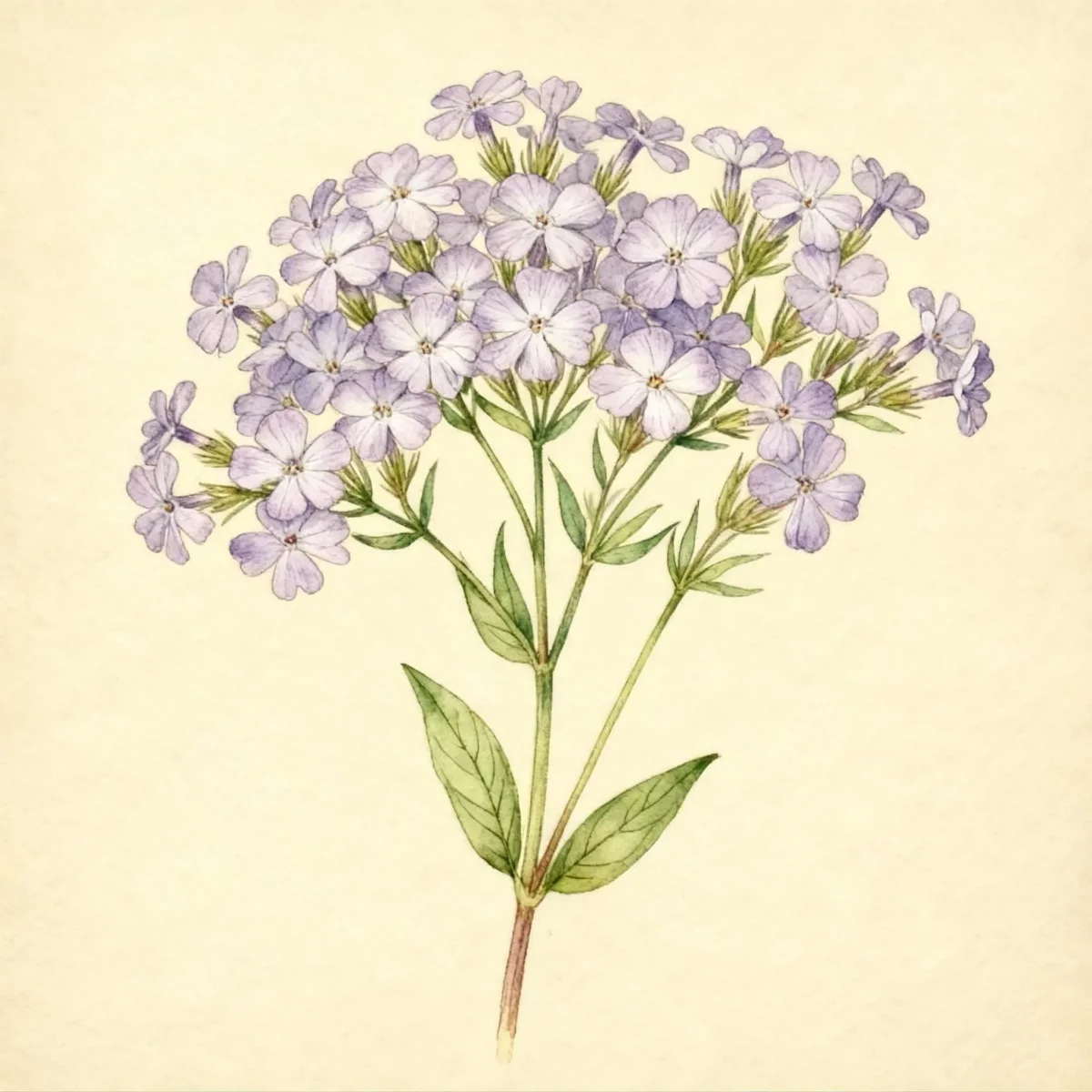
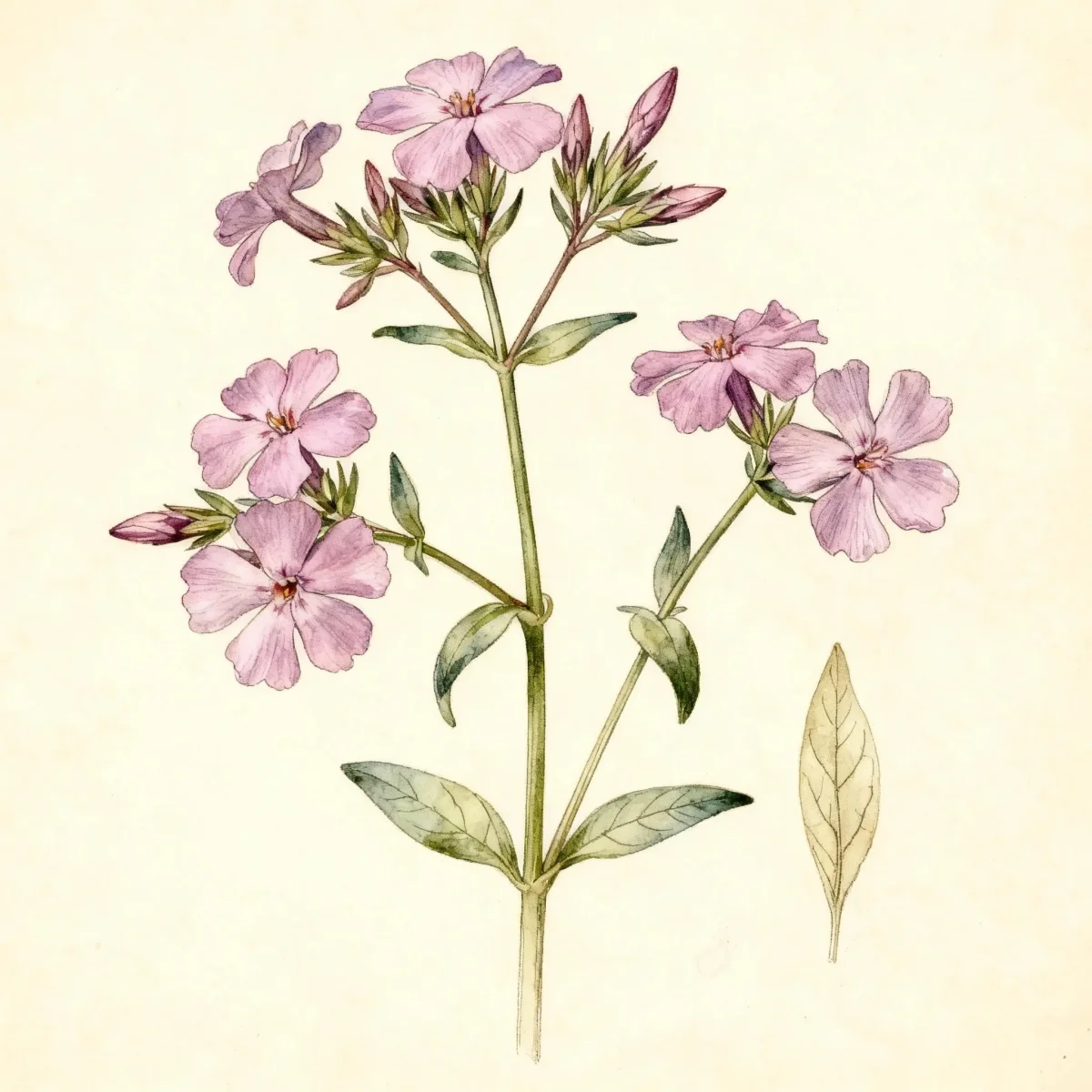
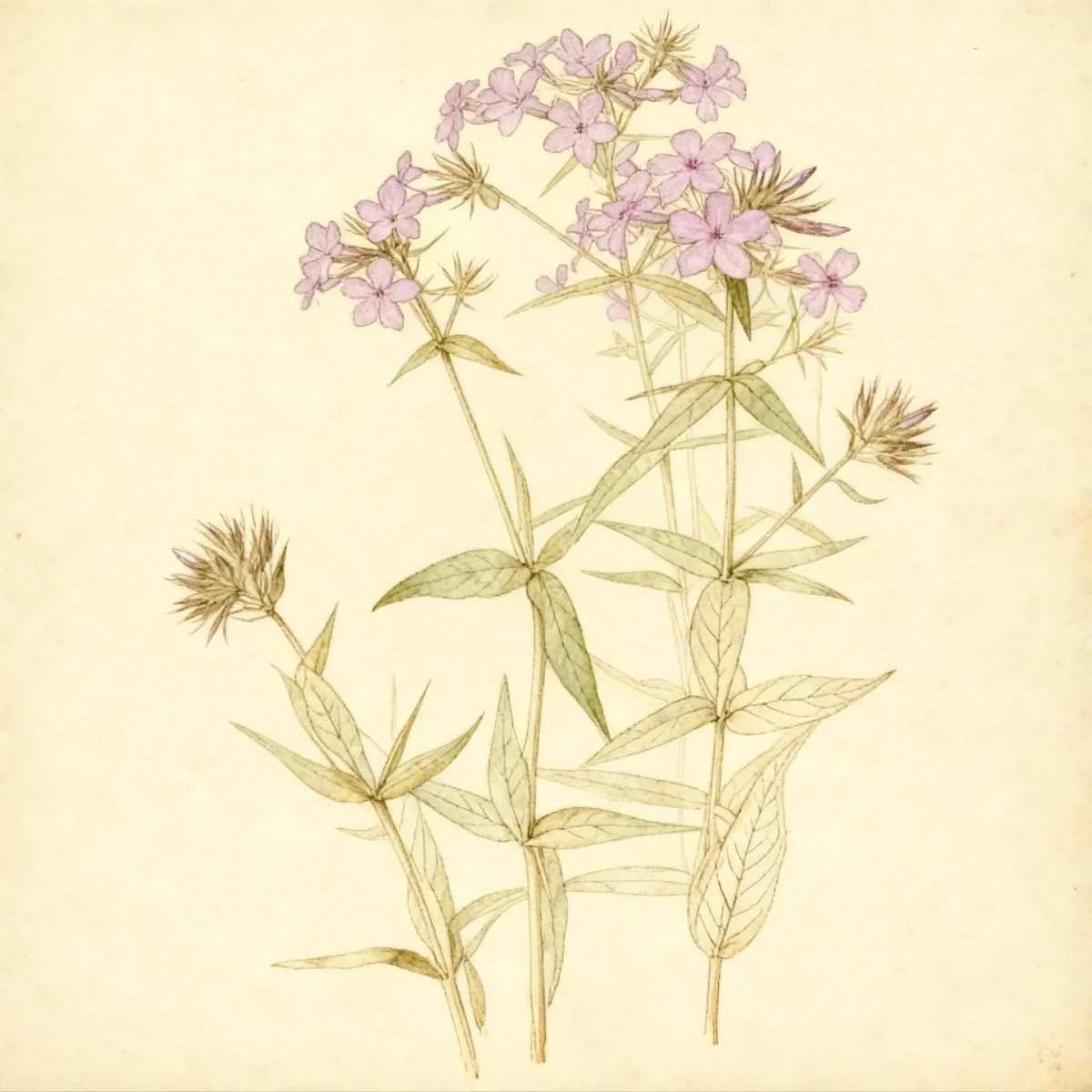
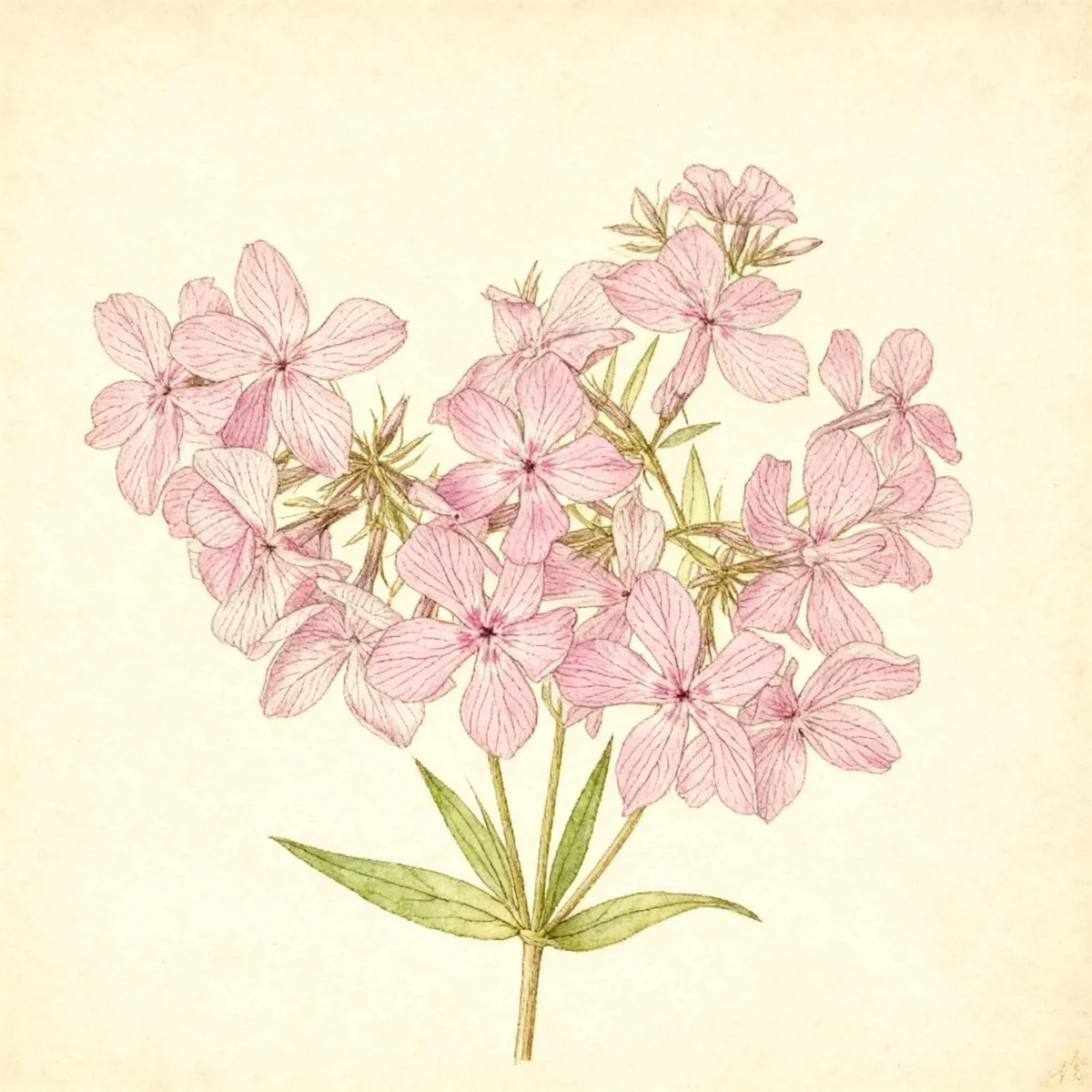
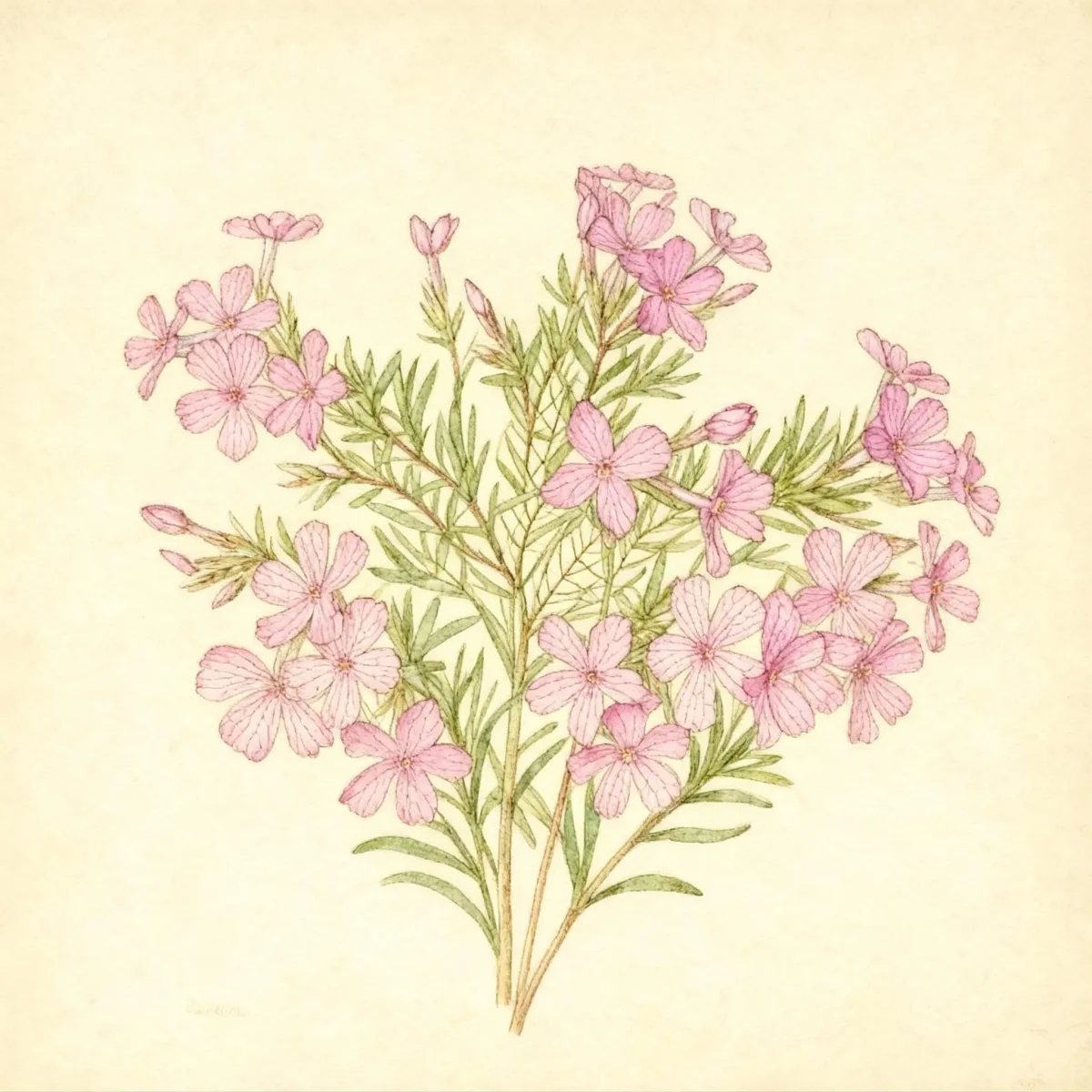
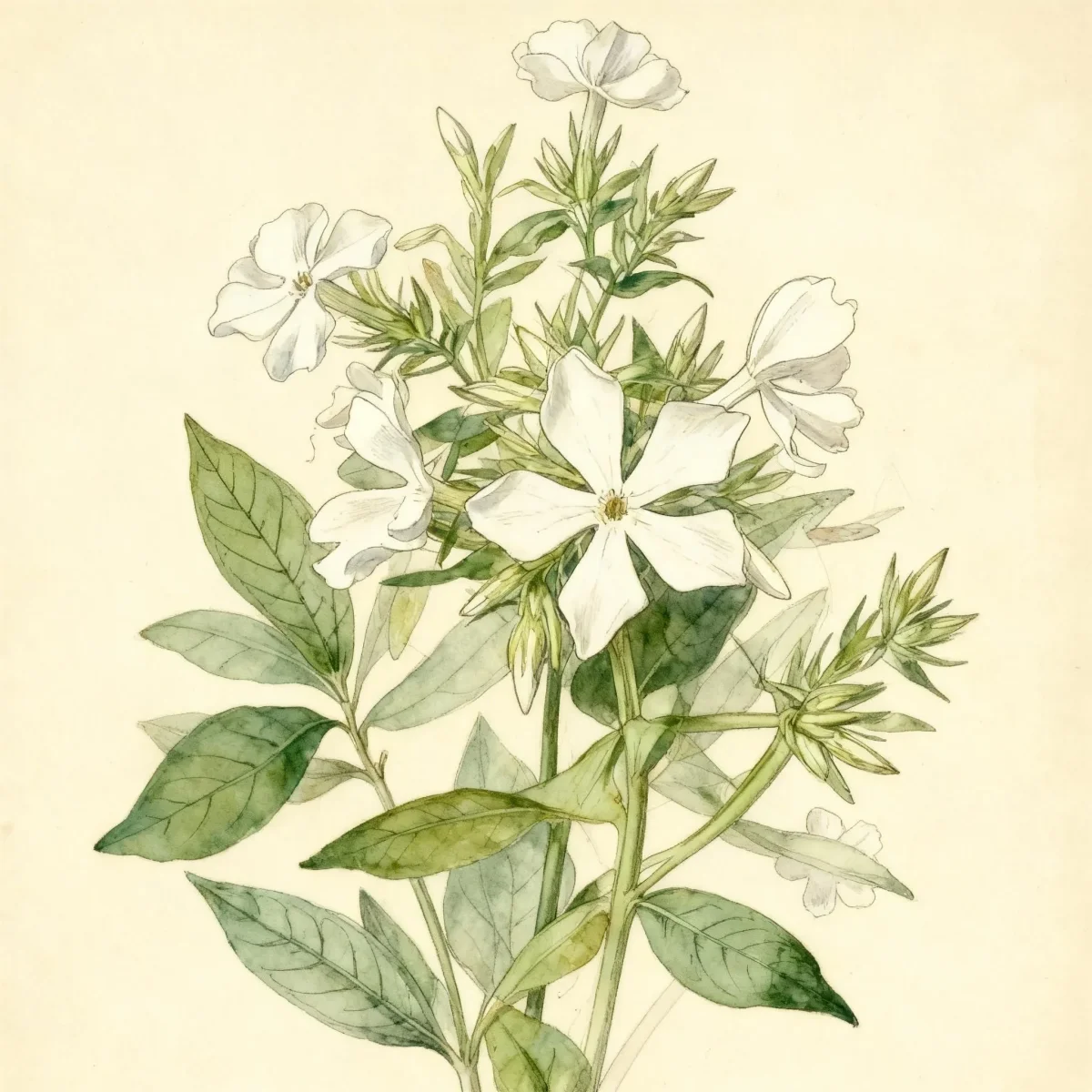
Moss phlox (Phlox subulata 'Bedazzled Lavender')
Phlox subulata 'Bedazzled Lavender' offers dense lavender blooms; a sun-loving Moss phlox excellent for ground cover in zones 4-8.
Scroll down to discover growing tips, care requirements, companion plants, and more
Complete Plant Information
Overview
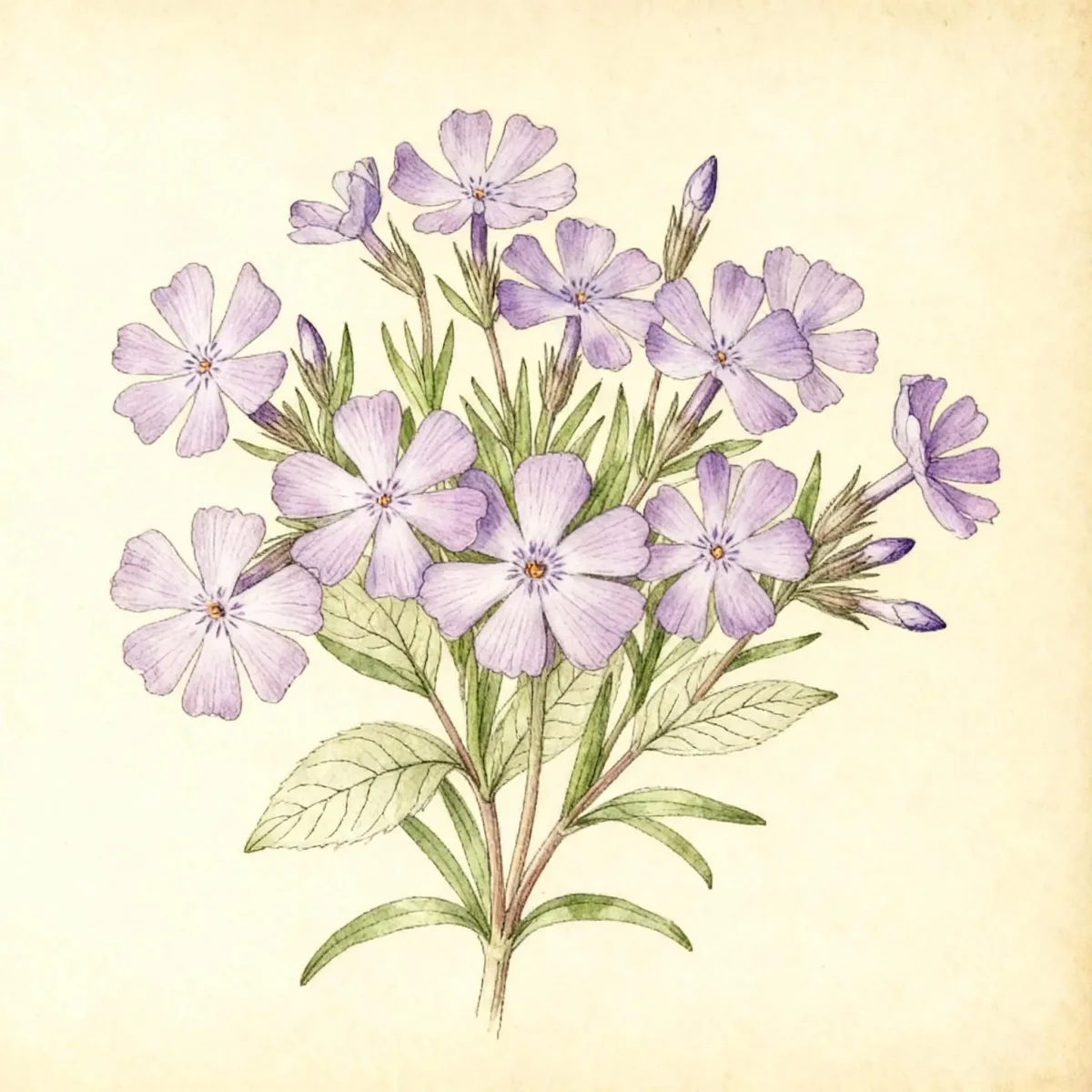
Phlox subulata ‘Bedazzled Lavender’ is a vigorous, spreading, mat-forming selection of Moss phlox highly valued for creating dense, low-growing carpets of color in spring. This stunning cultivar features a profusion of lavender (purple-pink) blooms that completely obscure the narrow, glossy, dark green foliage during peak season. Its ability to thrive in tough, sunny conditions makes it an essential addition to rock gardens and difficult slopes where many other perennials fail.
This herbaceous perennial is known for its creeping habit, forming mats often reaching 0.5 to 0.75 feet tall but spreading vigorously up to 3 feet wide. The foliage of the moss phlox often retains some green color throughout the winter, providing year-round interest even when not in bloom. Phlox subulata ‘Bedazzled Lavender’ is a reliable early bloomer.
The genus name Phlox references the Greek word for flame, a nod to the intense flower colors seen across the species. For gardeners seeking low-maintenance coverage that attracts pollinators, this selection of Moss phlox delivers excellent performance under full sun conditions.
Fast Facts
- Plant Family: Polemoniaceae
- Plant Type: Herbaceous perennial
- Hardiness Zones: USDA Zones 4-8
- Size at Maturity:
- Height: 0.5-0.75 ft
- Spread: 2.5-3 ft
- Bloom Time: April to May
- Bloom Description: Lavender
- Sun Exposure: Full sun
- Water Needs: Medium
- Maintenance Level: Medium
How to Grow
The key to successful Phlox subulata ‘Bedazzled Lavender’ cultivation is drainage paired with abundant sunlight. Plant in spring or fall in humusy, well-drained soil. While it prefers medium moisture, excellent drainage is critical, as soggy roots lead to collapse. It tolerates hot, dry exposures and thrives in sandy or gravelly soils better than many other phlox varieties.
Ensure plants receive full sun for the best flowering display; however, in extremely hot, humid summer climates, some dappled afternoon shade can be beneficial. Water during establishment and during prolonged dry spells, maintaining medium moisture levels. Fertilization is usually unnecessary in poor, average soils, as rich soil encourages floppy, less dense growth.
After the massive bloom period in April and May concludes, perform maintenance by cutting back the stems by half. This shearing encourages denser, more compact growth, helps maintain the desired neat mat shape, and may stimulate a light secondary bloom. Moss phlox is largely self-seeding in optimal settings.
Landscape Uses
As a prime ground cover, Phlox subulata ‘Bedazzled Lavender’ excels at softening hard edges and stabilizing slopes where erosion control is needed. Its dense, mat-forming habit makes it ideal for rock gardens, cascading over retaining walls, or bordering sunny walkways and pathways. It provides an unparalleled visual impact when allowed to spill over edgings or foundation plantings early in the season.
Consider pairing this creeping phlox with later-blooming perennials that appreciate the same full sun and sharp drainage, such as Sedum or low-growing Alliums. The early color display complements spring bulbs beautifully before they naturally fade. Use it as a vibrant, textural transition layer between ground layer plantings and taller border specimens.
Standout Features
Flower Qualities
- Showy
Noteworthy Characteristics
Phlox subulata, commonly called moss phlox, moss pink, mountain phlox or creeping phlox, is a vigorous, spreading, mat-forming, sun-loving phlox that grows to only 6” tall but spreads to 24” wide. It is noted for it creeping habit, its linear to awl-shaped leaves (which retain some green in winter) and its profuse carpet of mid-spring flowers with notched flower petals. ‘Bedazzled Lavender’ is an early blooming selection of moss phlox that features a dense carpet of purple-pink blooms above a mat of narrow, glossy, dark green foliage. Various cultivars are available featuring different flower colors, and the species is attractive to butterflies and other insect pollinators.
Tolerances
- Drought
- Erosion
Potential Problems
While many phlox species struggle with mildew, Phlox subulata and its cultivars generally exhibit better resistance to powdery mildew. The primary concerns often arise from environmental stress or specific pests. Spider mites can become problematic during periods of intense heat combined with dry conditions, requiring careful monitoring.
In wet or humid environments, foliar nematodes can sometimes cause visible damage to the foliage, stressing the plant’s structure. Gardeners should also be aware of potential browsing by rabbits, especially young or tender growth. Ensuring excellent air circulation and proper drainage remain the best preventative cultural practices against many common issues.
Frequently Asked Questions
What hardiness zones is Moss phlox suitable for?
Phlox subulata ‘Bedazzled Lavender’ is reliably hardy in USDA Zones 4 through 8.
How large does Phlox subulata ‘Bedazzled Lavender’ grow?
This creeping phlox typically reaches a height of 0.5 to 0.75 feet but spreads outward significantly, sometimes covering areas 2.5 to 3 feet wide.
What sun exposure does Moss phlox need?
This plant requires full sun exposure for optimal flower production, though it benefits from a little dappled shade during the hottest part of the afternoon in very hot climates.
When does Phlox subulata ‘Bedazzled Lavender’ bloom?
This variety blooms prolifically in mid-spring, generally from April to May, displaying dense lavender flowers.
Conclusion
Phlox subulata ‘Bedazzled Lavender’ is a foundational ground cover, offering a spectacular early-season display and excellent hardiness against drought and erosion. Its spreading nature quickly establishes vibrant color, making it an indispensable tool in sunny landscape designs. If your garden has full sun and well-drained soil, check your local hardiness zone suitability and plan to plant this beautiful Moss phlox this upcoming season.
Wildlife Benefits
The dense flowering habit of Phlox subulata ‘Bedazzled Lavender’ creates an irresistible landing pad for local insect pollinators. These early spring flowers are especially valuable, offering nectar when many other landscape plants have not yet begun to bloom. Butterflies are frequently noted visiting the lavender clusters, making it an excellent addition to habitats designed to support beneficial insects.
Because the foliage is linear and evergreen to semi-evergreen, it offers very low-profile protective cover close to the ground throughout the cooler months. While not a primary nesting site, the dense mat shields the soil surface, helping to moderate soil temperatures and conserve moisture beneath the canopy.
Propagation Tips
While Phlox subulata ‘Bedazzled Lavender’ can self-seed, propagation by stem cuttings is the preferred method for gardeners wishing to maintain cultivar purity. Take cuttings from new, non-flowering, semi-hardwood growth in late spring or early summer. Dip the base of the cutting in rooting hormone and place them in a sandy, moist medium under light shade or humidity cover.
Rooting success is often high when cuttings are taken before the plant becomes woody. Once roots have developed, typically after several weeks, the small clones can be transplanted to their permanent, well-drained locations. Division is also possible when plants become overly dense or need relocating, best performed in early spring before aggressive growth starts.