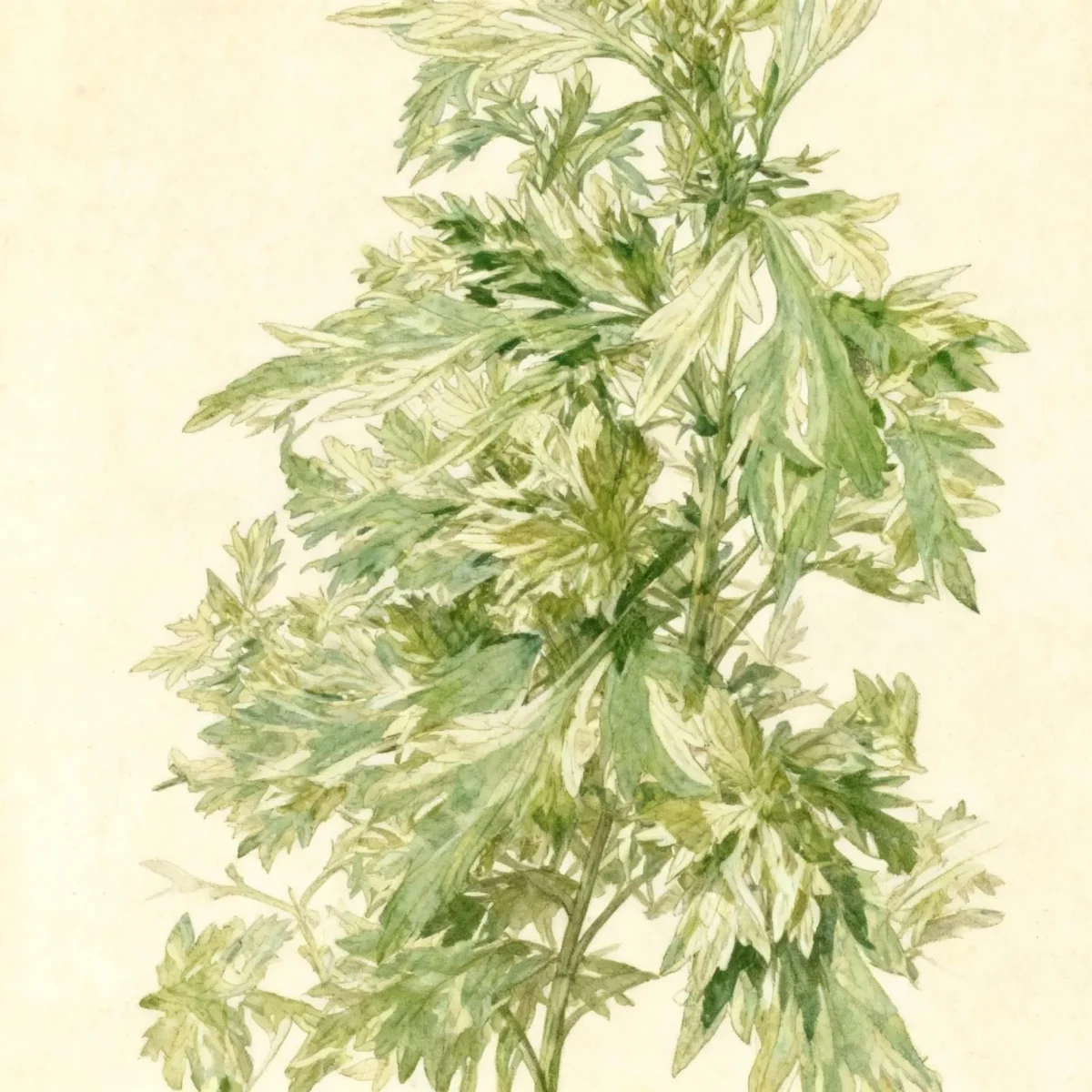
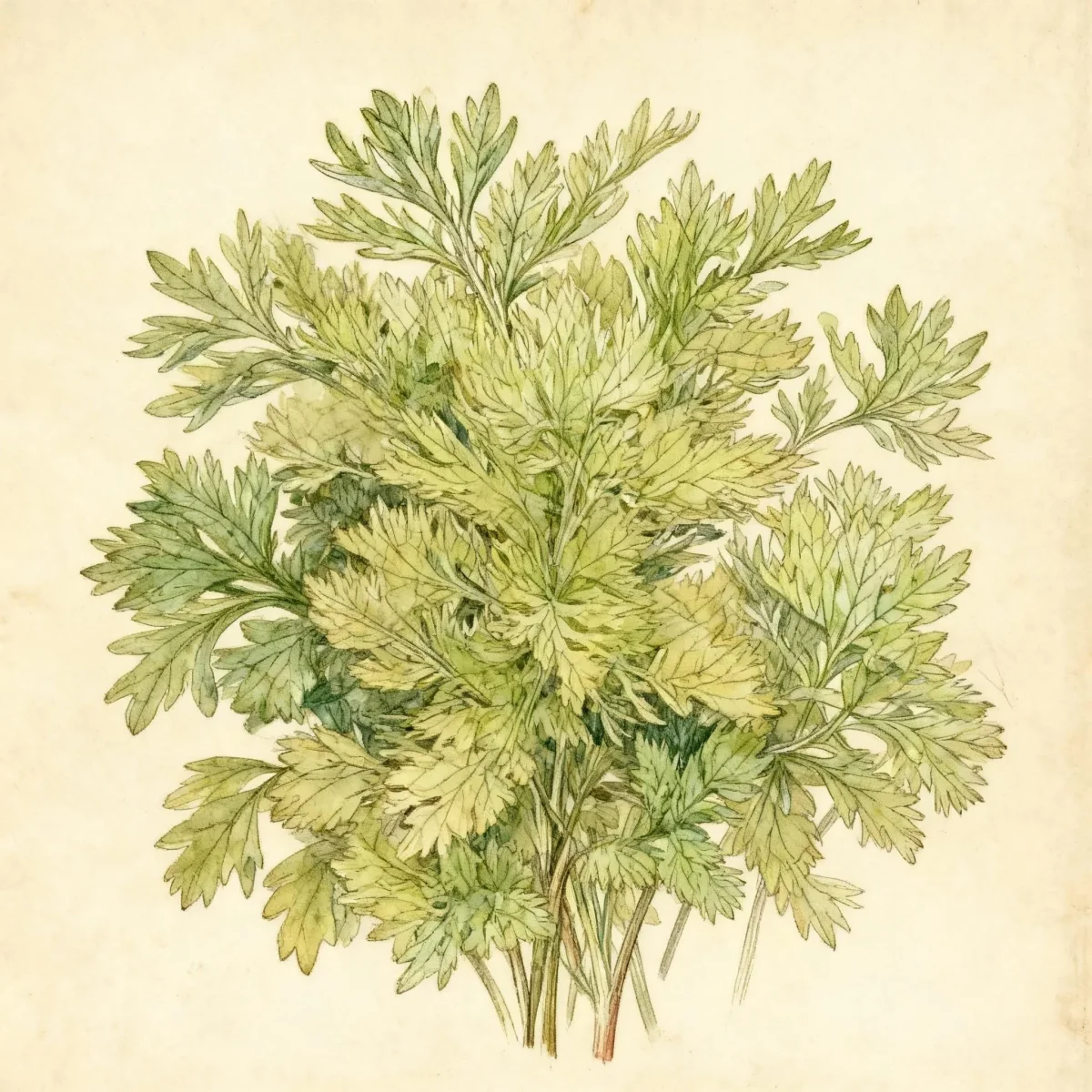
Rubber rabbitbrush (Ericameria nauseosa)
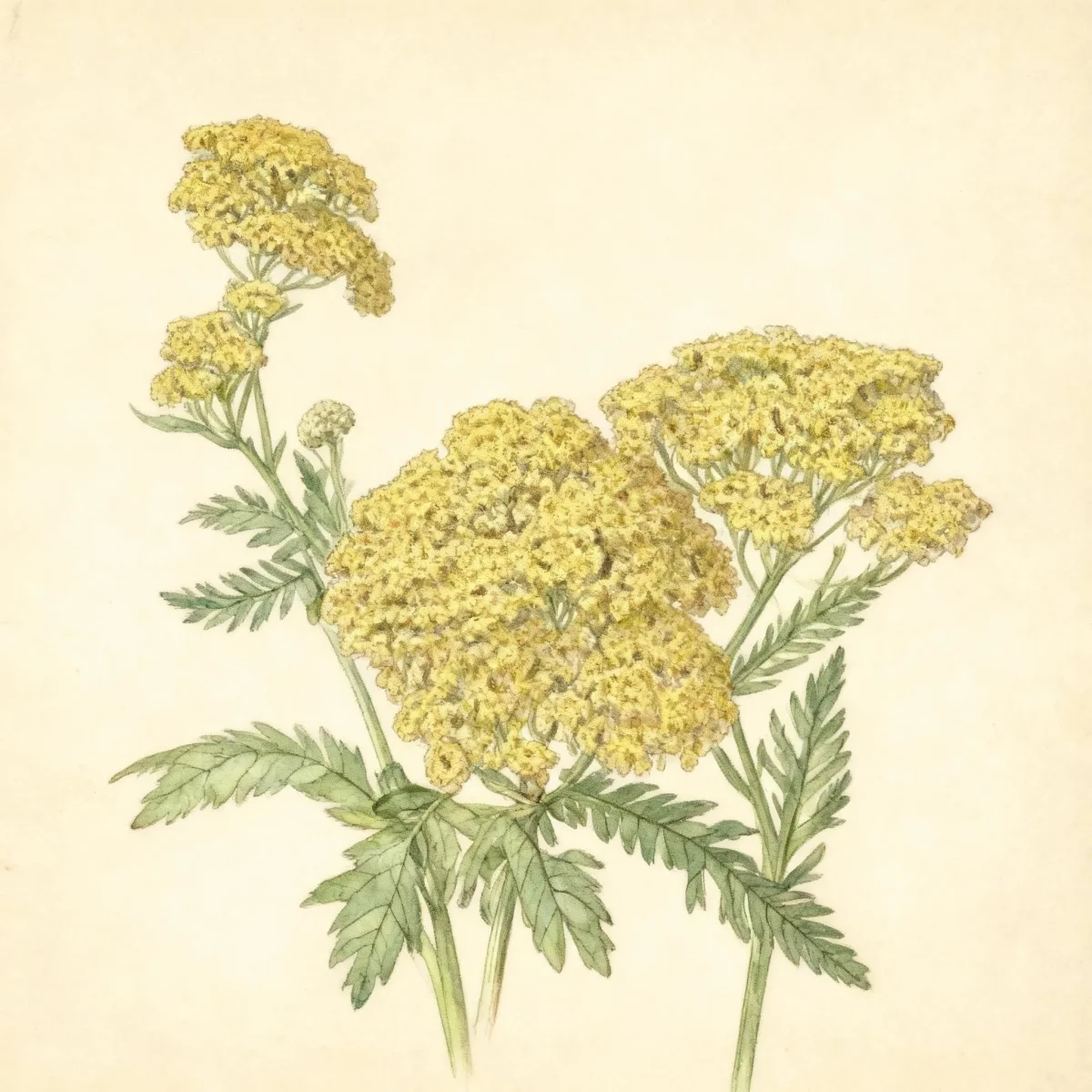
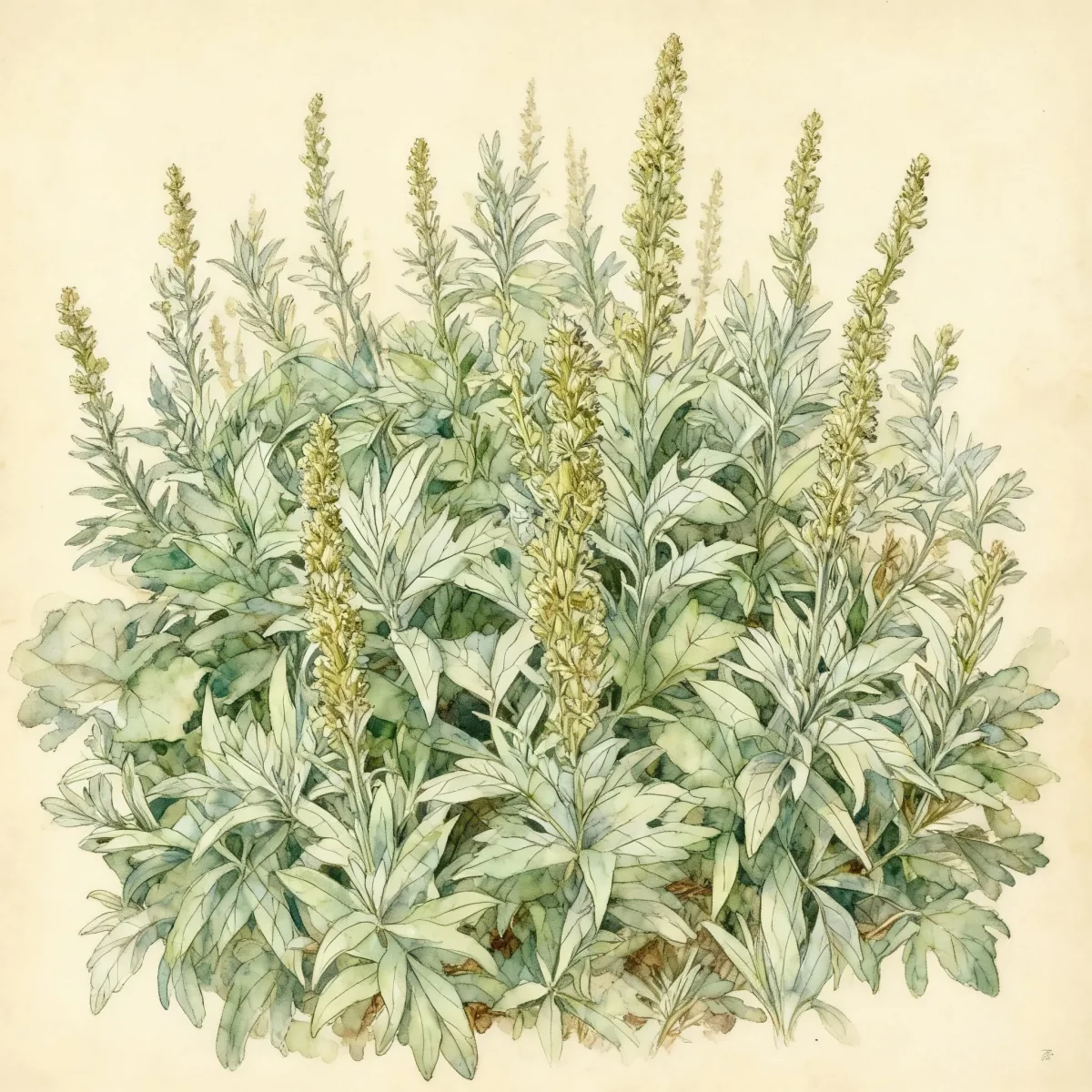
Ericameria nauseosa, or Rubber rabbitbrush, is a vigorous, gray-green shrub providing abundant yellow blooms in harsh, sunny, dry locations.
Scroll down to discover growing tips, care requirements, companion plants, and more
Complete Plant Information
Overview
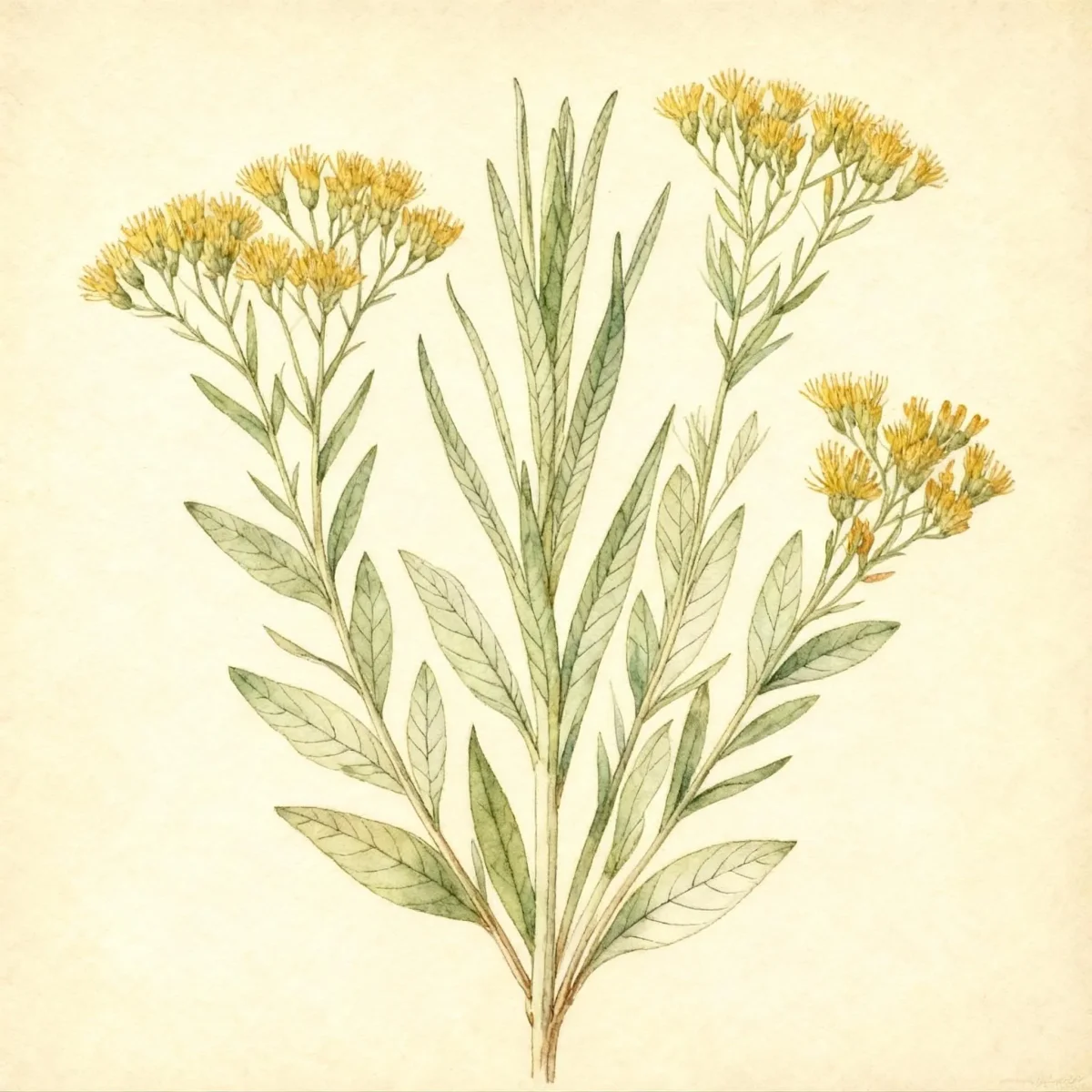
The Rubber rabbitbrush, scientifically known as Ericameria nauseosa, is a highly adaptable deciduous shrub native to the diverse sunny, open areas of Central North America. This plant is particularly valued for its resilience, thriving easily in dry, often disturbed soils where many other ornamentals struggle. Its aesthetic appeal lies in its attractive gray-green foliage contrasting beautifully with an abundant late-season display of bright yellow flowers.
Ericameria nauseosa grows vigorously but is recognized as not being invasive, making it a reliable choice for large-scale plantings in appropriate settings. It offers significant ornamental interest from late summer well into the fall, providing much-needed color when many other region-specific shrubs have finished flowering. This species is a quintessential component of xeriscaping and naturalized western landscapes.
Functionally, the Rubber rabbitbrush serves well in tough conditions due to its robust root system and tolerance for poor soil quality. While the species produces a memorable, sometimes ill-scented aroma when leaves are bruised, its overall structure and long bloom period secure its place in functional, low-input gardening designs.
Fast Facts
- Plant Family: Asteraceae
- Plant Type: Deciduous shrub
- Native Range: Central North America
- Hardiness Zones: USDA Zones 4-9
- Size at Maturity:
- Height: 4-7 ft
- Spread: 4-7 ft
- Bloom Time: July to October
- Bloom Description: Yellow
- Sun Exposure: Full sun
- Water Needs: Dry to medium
- Maintenance Level: Medium
How to Grow
Planting Ericameria nauseosa is best achieved during the dormant seasons—early spring or fall—to allow the roots to establish before intense summer heat arrives. This shrub demands full sun exposure; insufficient light will lead to sparse flowering and weak structure. It is remarkably easy to grow in average soils, provided they drain well, even if the soil is sandy, gravelly, or clay-heavy.
Once established, the watering needs for Rubber rabbitbrush are minimal, classifying it as drought-tolerant. Water deeply but infrequently, allowing soils to dry out between irrigation cycles; excess moisture can hinder its performance. Fertilization is rarely necessary, as this plant naturally thrives in less nutrient-rich environments. Pruning is generally minimal, aimed mostly at shaping for use as a low hedge or removing any winter-damaged wood in early spring.
A key cultural note is that Ericameria nauseosa readily self-seeds in the landscape, which is ideal for naturalizing large areas but something to monitor if neat boundaries are required. It offers exceptional value in disturbed sites or erosion control projects due to its hardiness.
Landscape Uses
Rubber rabbitbrush is not recommended for placement in formal, prominent garden areas due to its somewhat unrefined texture and potential for scent. Instead, its strengths emerge when it is massed or grown in large groups, allowing its architectural structure and massed yellow blooms to dominate. It excels in xeriscaping where water conservation is paramount, easily handling the dry soils often found in challenging zones.
Consider utilizing Ericameria nauseosa for creating low, informal hedges or stabilizing slopes where erosion control is needed. When sited appropriately, it blends seamlessly into native plant communities, often observed growing alongside sagebrush in its native habitat. The plant’s ornamental highlights—gray-green leaves, white stems, and long golden bloom—make it perfect for background screening or naturalized meadows.
Standout Features
Flower Qualities
- Showy
Noteworthy Characteristics
Chrysothamnus nauseosus, commonly called rubber rabbitbrush, is a gray-green, narrow-leaved, multi-branched, vigorous-but-not-invasive, deciduous shrub that typically grows to 4-7’ tall and features an abundant bloom of yellow flowers from July to October. It is native from Saskatchewan to British Columbia south through the Great Plains and western states to Texas, Sonora and Baja California where it is typically found growing in sunny open areas with dry soils (sandy, gravelly or clay) in a variety of habitats including the western plains, high desert, intermountain valley bottoms, foothills and mountains. The specific epithet is in reference to the nauseous aroma which usually emanates from bruised plant leaves.
Tolerances
- Thrives in disturbed soils
Potential Problems
This plant is celebrated for having virtually no serious insect or disease issues under proper cultural settings. Its resistance makes Ericameria nauseosa an extremely low-risk addition to challenging landscapes. Gardeners should focus primarily on ensuring excellent drainage, as root rot from waterlogged soil is the most common operational threat to this arid specialist.
Frequently Asked Questions
What hardiness zones is Rubber rabbitbrush suitable for?
The Rubber rabbitbrush is hardy and suitable for USDA Zones 4 through 9.
How large does Ericameria nauseosa grow?
This deciduous shrub typically matures to a height and spread between 4 to 7 feet.
When does Rubber rabbitbrush bloom?
Ericameria nauseosa provides a generous display of yellow composite flowers beginning in July and continuing through October.
What sun exposure does Ericameria nauseosa need?
This species requires a location receiving full sun to develop its best habit and maximize bloom production.
Conclusion
The resilience and extended golden bloom period make Ericameria nauseosa, or Rubber rabbitbrush, an invaluable asset for low-maintenance, water-wise landscapes across the West. Its ability to thrive in poor, dry soils guarantees success where pampered ornamentals fail. Check your local hardiness zone compatibility and plan mass plantings for great late-season impact.
Companion Planting
When integrating Rubber rabbitbrush into a native or arid garden design, select companions that share its preference for full sun and dry to medium water regimes. Plants with contrasting textures, such as structural cacti or fine-bladed native grasses, pair effectively against the dense, gray-green foliage of Ericameria nauseosa. Sagebrush is a common natural companion, offering a similar hardy, drought-tolerant profile without competing strongly for resources.
Seasonal Care Calendar
Spring is the ideal time to perform any light pruning needed on Ericameria nauseosa to maintain shape or remove winter dieback, though heavy pruning is usually unnecessary. As summer approaches, cease supplemental watering unless a drought is severe; remember that this shrub prefers dry conditions. In late summer, anticipate the spectacular transformation as the yellow flower buds open, providing crucial late-season color until the first hard frosts of fall.