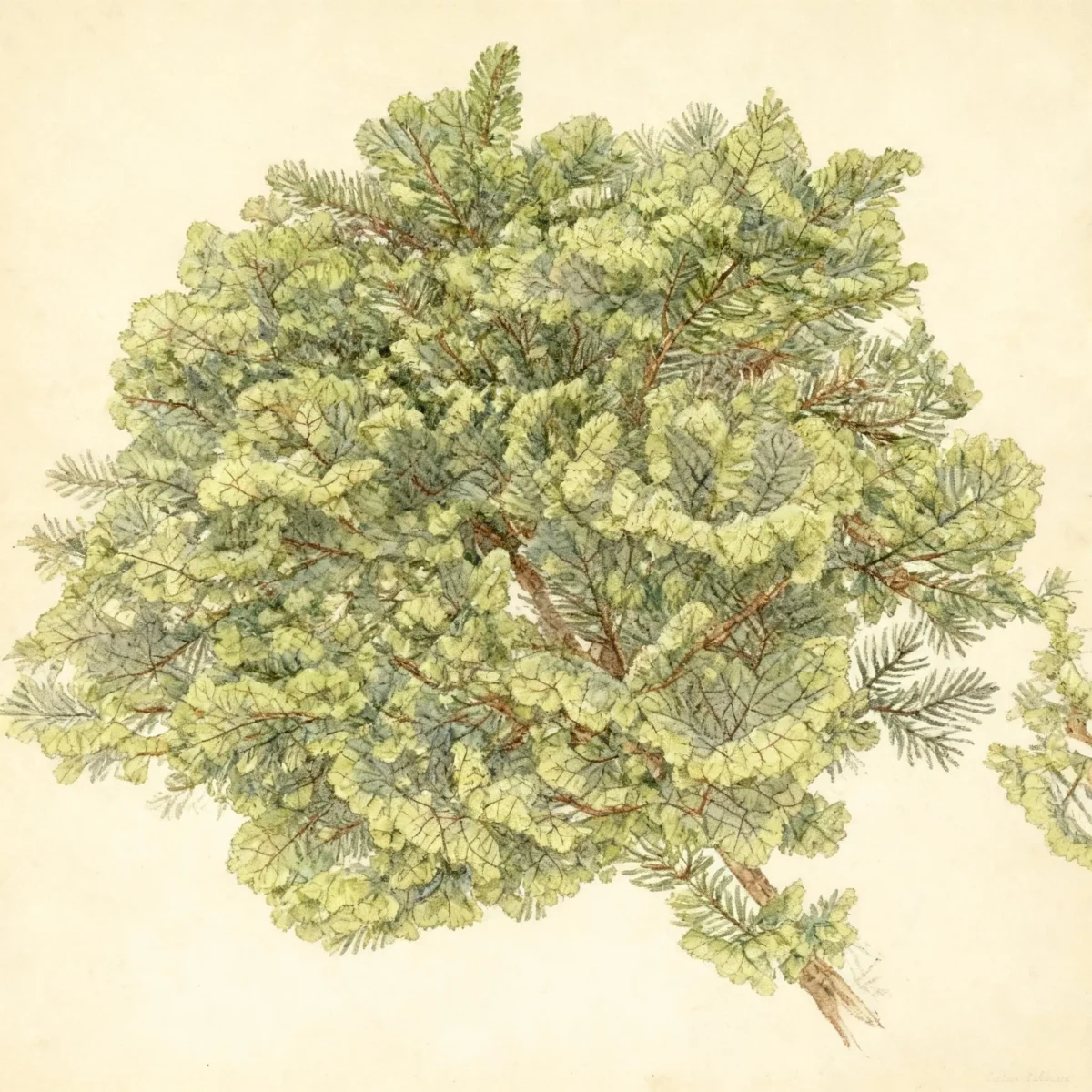
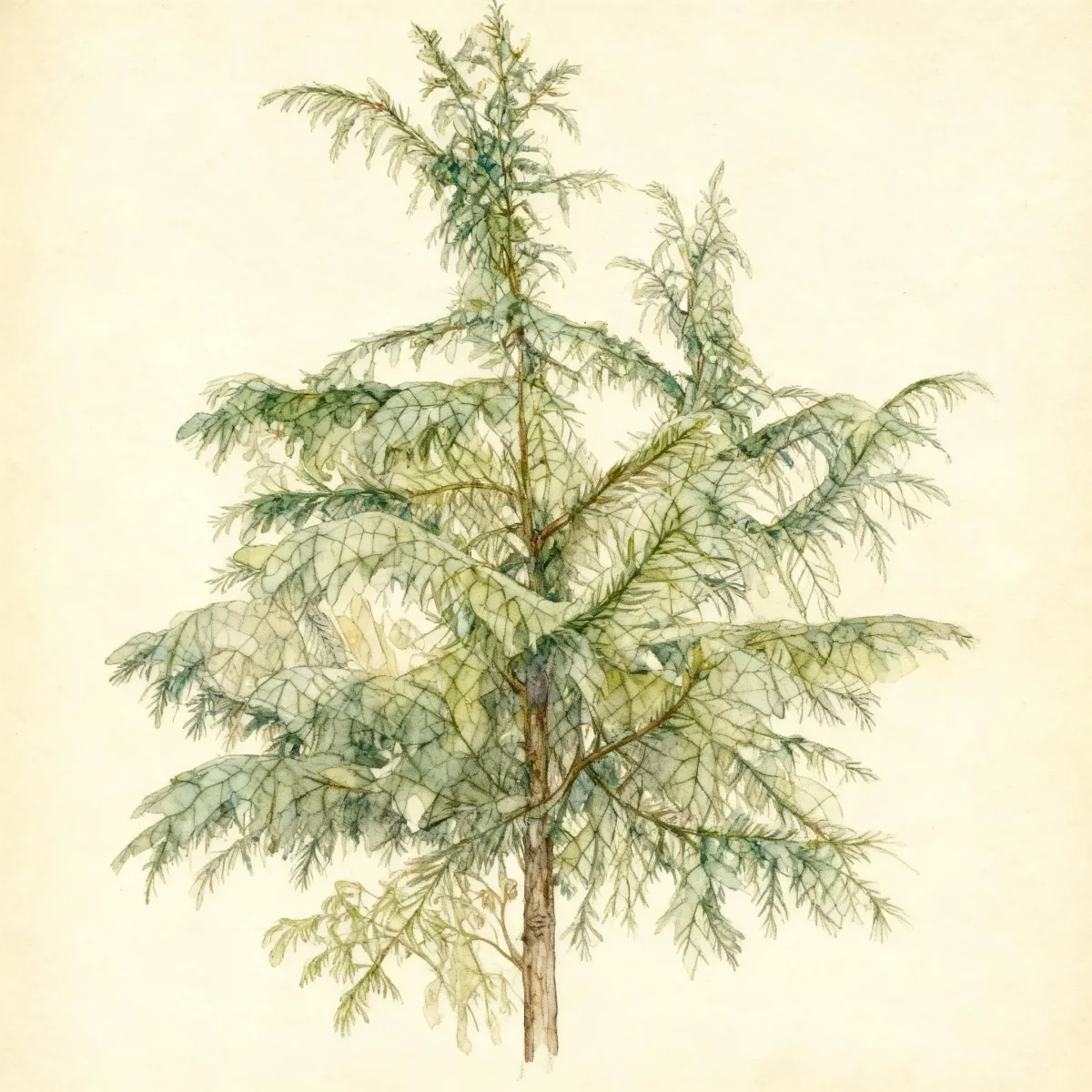
Spanish fir (Abies pinsapo 'Horstmann')
Abies pinsapo 'Horstmann', the compact Spanish fir, is a slow-growing needled evergreen perfect for rock gardens and borders.
Scroll down to discover growing tips, care requirements, companion plants, and more
Complete Plant Information
Overview
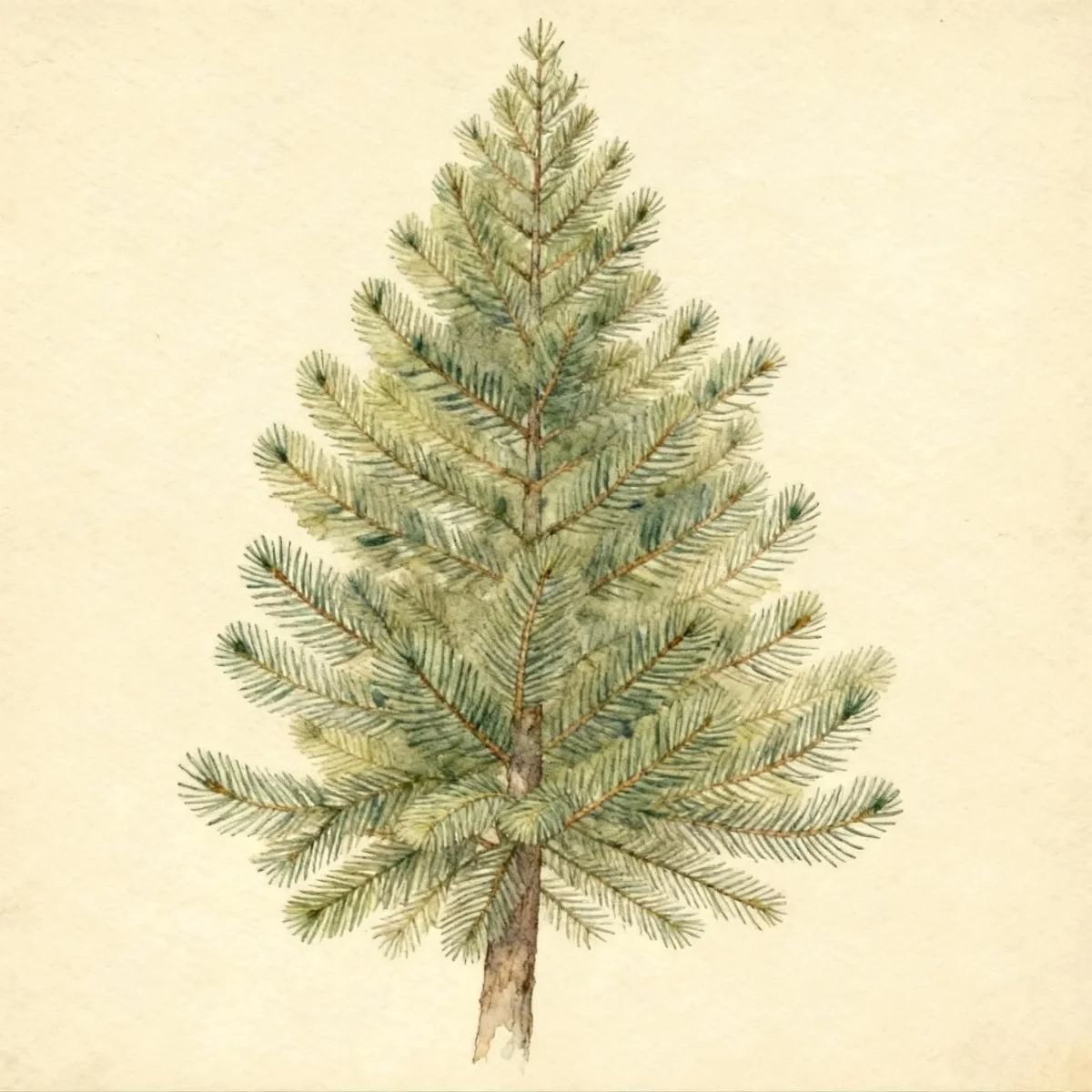
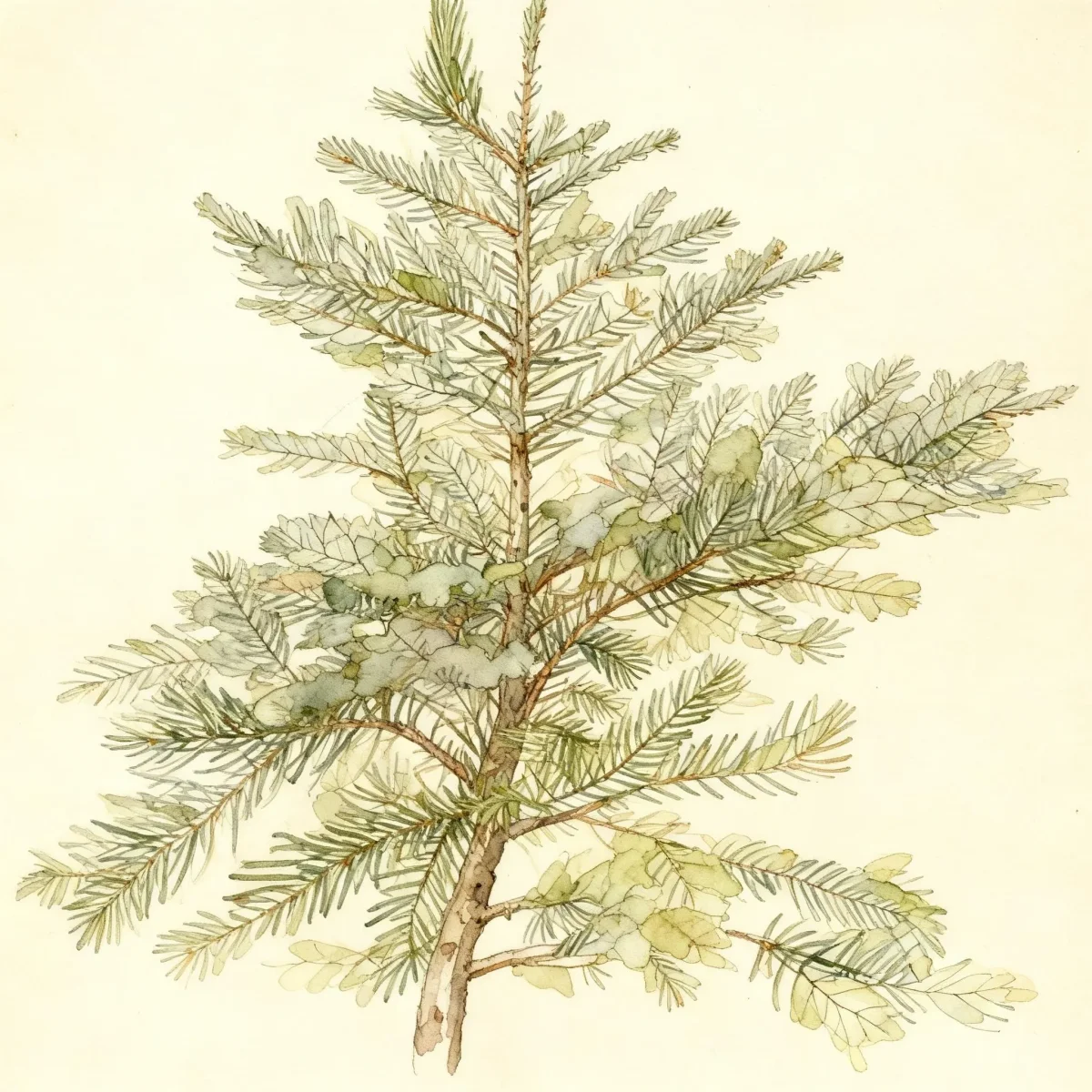
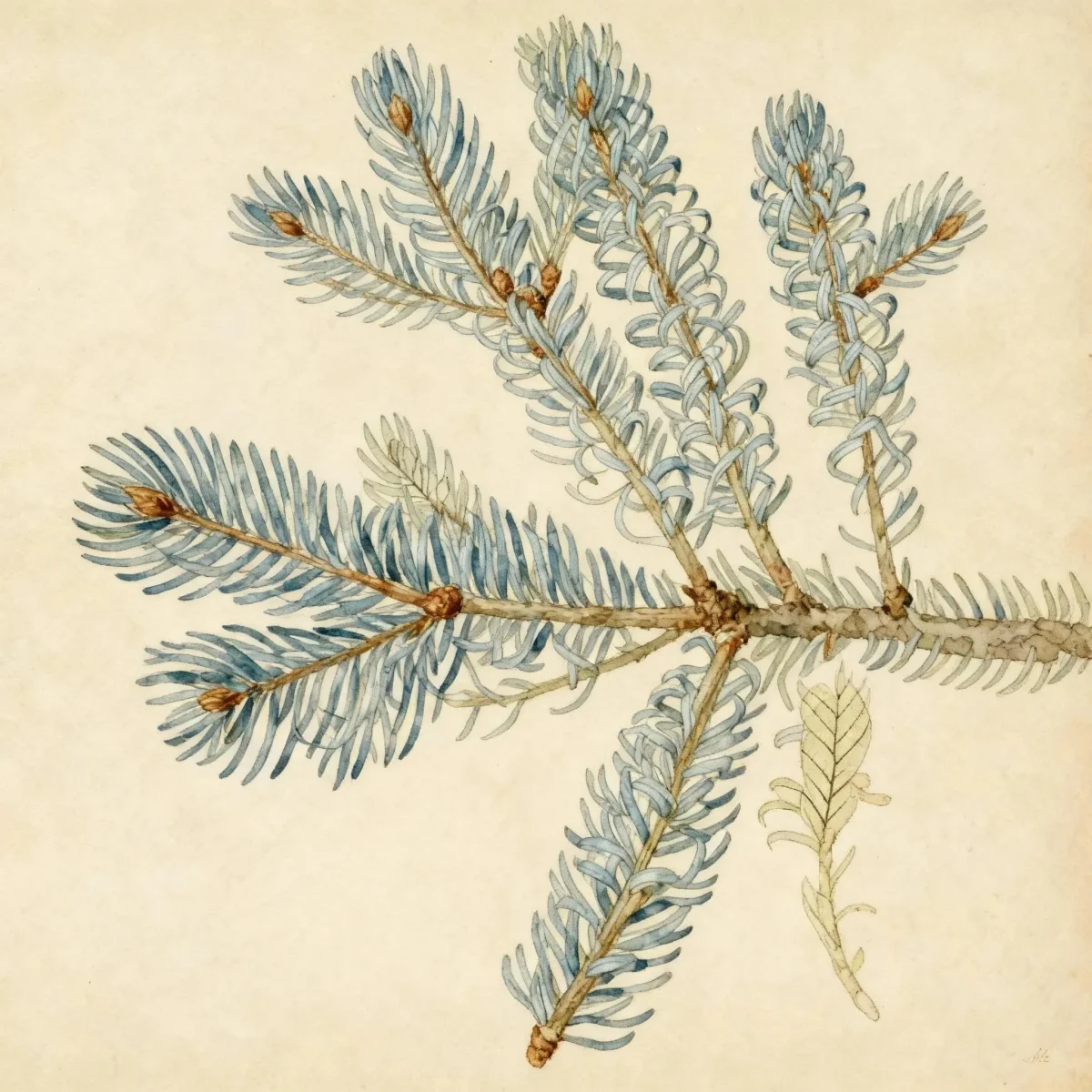
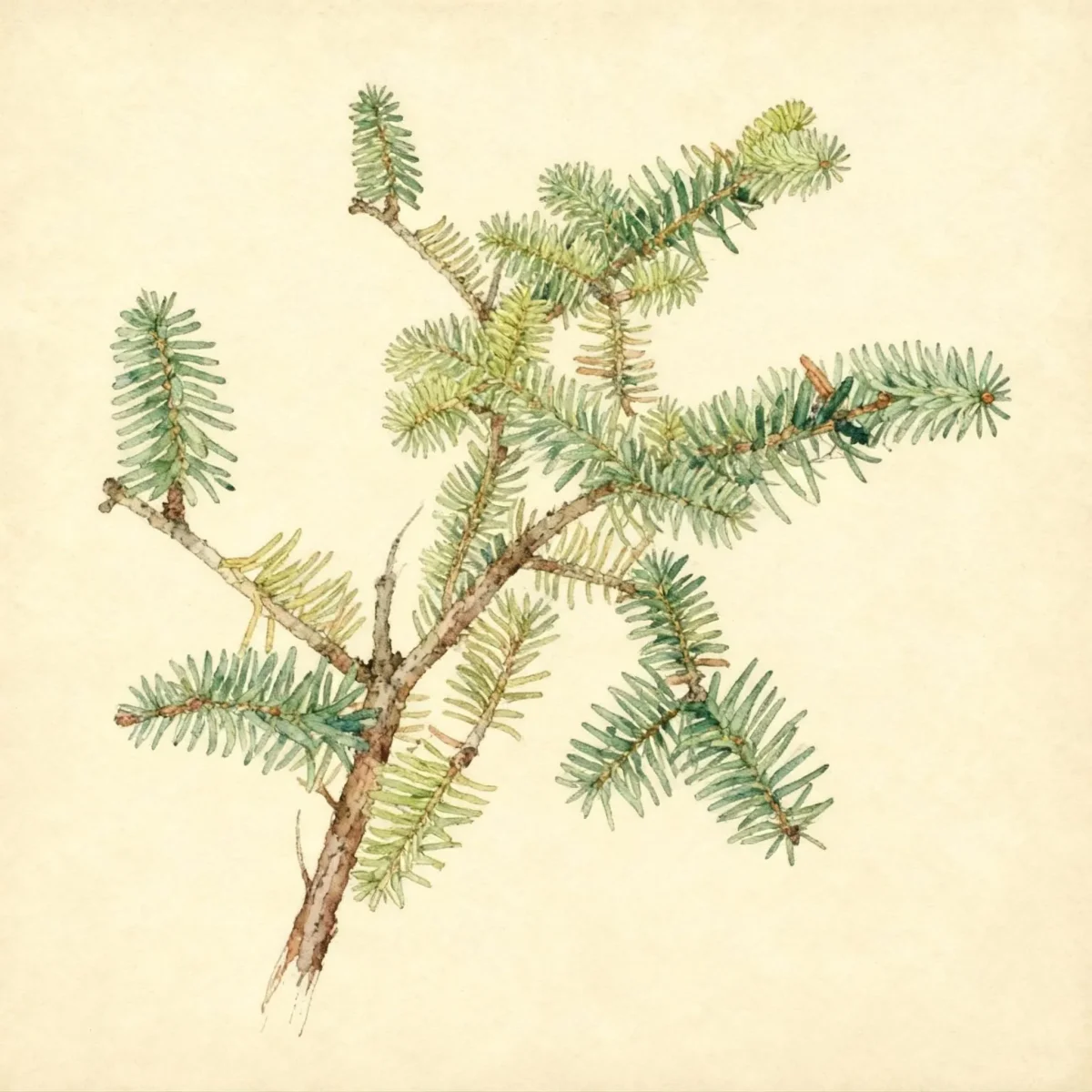
The Abies pinsapo ‘Horstmann’, commonly known as Spanish fir, offers gardeners a valuable, compact alternative to its larger relatives. This slow-growing dwarf selection maintains a dense, rounded form when young, making it an excellent focal point in limited spaces. Its needles are notably short, rigid, and radiate sharply around the branchlets, giving it a unique profile among firs.
Native to the dry mountains of Southern Spain, the Spanish fir adaptation means that this cultivar generally performs better in hot, dry spells than many other fir species. While it starts low and rounded, a central leader often develops later, shifting the overall habit toward a modest pyramidal shape suitable for rock gardens or as a specimen plant.
For gardeners seeking texture and year-round structure, Abies pinsapo ‘Horstmann’ provides distinct evergreen interest. Its slow growth rate ensures that pruning needs are minimal, appealing to those who prefer low-fuss conifers that offer maximum visual impact over decades.
Fast Facts
- Plant Family: Pinaceae
- Plant Type: Needled evergreen
- Hardiness Zones: USDA Zones 6-8
- Size at Maturity:
- Height: 1-2 ft
- Spread: 2-3 ft
- Bloom Time: Non-flowering
- Bloom Description: Non-flowering
- Sun Exposure: Full sun to part shade
- Water Needs: Medium
- Maintenance Level: Medium
How to Grow
Planting your Abies pinsapo ‘Horstmann’ should ideally occur in the cooler months—fall or early spring—allowing the root system time to establish before summer heat. Select a site providing full sun, especially if you wish to maintain tight growth, although partial shade is tolerated. This Spanish fir variety thrives in rich, slightly acidic, well-drained soil with medium moisture levels.
Care involves ensuring consistent moisture, particularly during the first few seasons after planting. Once established, the Spanish fir demonstrates resilience, better tolerating dry conditions than many fir peers, reflecting its native mountain habitat. Avoid heavy clay soils, which impede drainage and can encourage root rot, a significant potential problem. Fertilization is rarely necessary if the soil is moderately rich.
Pruning is generally avoided for this dwarf selection to maintain its characteristic rounded habit, though the central leader can be removed if a tighter mound shape is desired as the tree matures. Be vigilant for pests, especially spider mites in hot, dry weather. Remember that this specific dwarf selection, like the standard Abies pinsapo ‘Horstmann’, is not reliably hardy below USDA Zone 5.
Landscape Uses
The diminutive stature of Abies pinsapo ‘Horstmann’ makes it exceptionally versatile in contemporary garden design. It excels as an anchor in rock gardens where its strong texture contrasts beautifully with softer groundcovers. Its slow, low habit also makes it an outstanding border front specimen, providing year-round evergreen structure without overwhelming nearby perennials.
Consider using this Spanish fir cultivar near entries or pathways where its unique branching and short needles can be appreciated up close. Because it grafts well onto hardier rootstocks, transplanting stress is often managed, but site selection remains key to ensuring long-term health against urban pollution, which it generally tolerates poorly. Contrast its dark green foliage with lighter silver or chartreuse plants for dramatic effect.
Standout Features
Noteworthy Characteristics
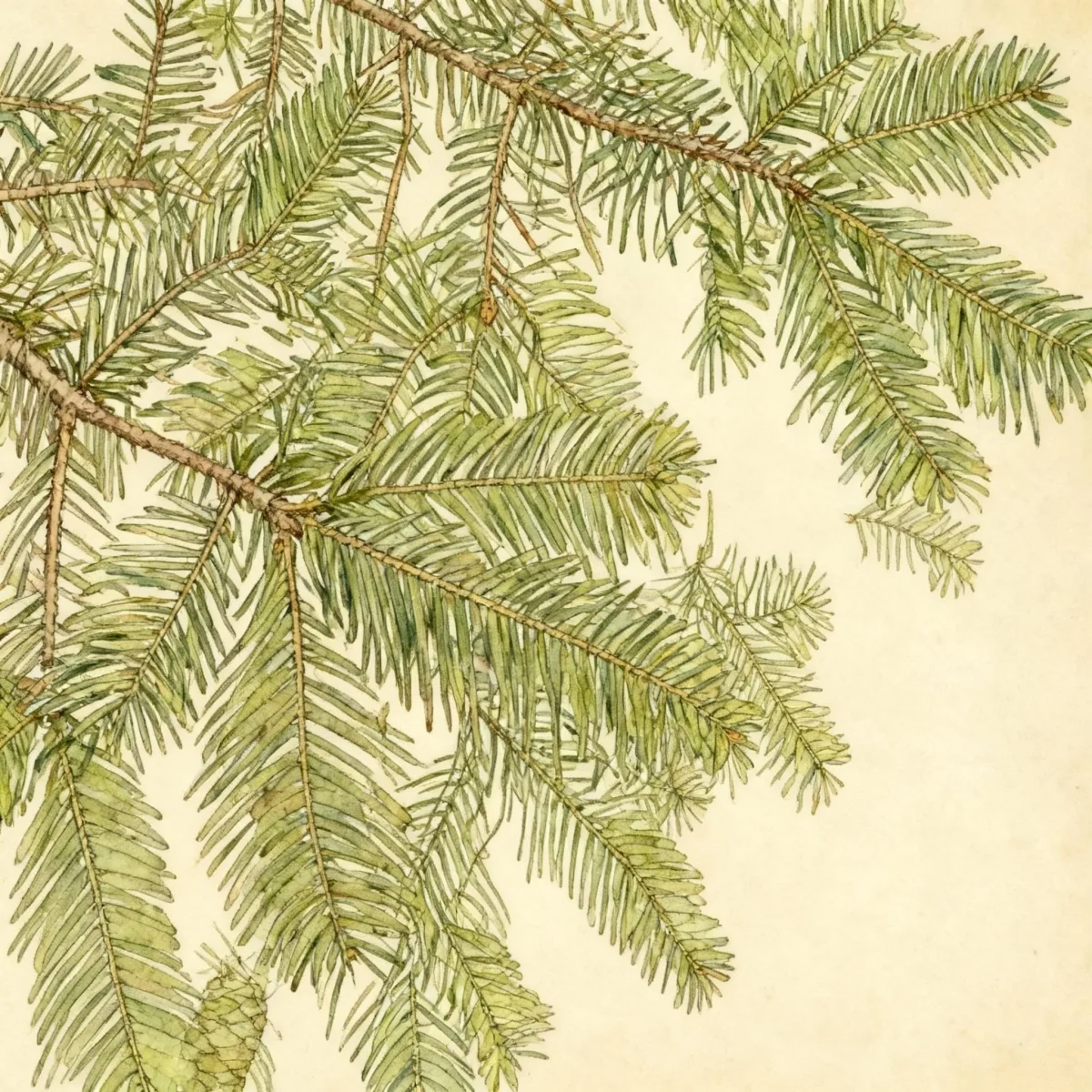
Abies pinsapo ‘Horstmann’ originated as a natural witch’s broom deformity found on a blue Spanish fir. This cultivar exhibits a very slow growth rate of only 1 to 4 inches per year, reaching approximately 2 feet tall and 3 feet wide within a decade, though it may eventually develop a pyramidal shape if the central leader is not managed. Distinctive features include its upright cones and short, sharp, dark green needles arranged radially around the branchlets.
Tolerances
- Trees generally have better tolerance for hot and dry conditions than many other trees in this genus
- Trees tolerate neutral to slightly alkaline soils
Potential Problems
Insect pests common to firs include adelgids, bark beetles, spruce budworms, aphids, bagworms, and scale; hot conditions can encourage spider mites. Disease issues to watch for involve root rots, needle rust, and twig blight. Minimize stress by providing excellent drainage, as trees are generally intolerant of urban pollution.
Frequently Asked Questions
What hardiness zones is Spanish fir suitable for?
The Abies pinsapo ‘Horstmann’ is typically suited for USDA Hardiness Zones 6 through 8.
How large does Abies pinsapo ‘Horstmann’ grow?
In ideal conditions, this dwarf selection is expected to reach a height between 1 and 2 feet with a spread of 2 to 3 feet, though growth is very slow.
What sun exposure does Spanish fir need?
Abies pinsapo ‘Horstmann’ prefers full sun but will tolerate areas receiving part shade.
When does Spanish fir bloom?
This needled evergreen is non-flowering.
Conclusion
The Abies pinsapo ‘Horstmann’ grants specialized texture and dependable evergreen mass in a manageable, slow-growing package, making it a cherished specimen plant for dedicated gardeners. Whether you utilize it in specialized rockeries or as an architectural accent, this Spanish fir selection provides unique aesthetics. Before planting, confirm that your site falls within USDA Zones 6-8 and ensure soil drainage is impeccable.
Companion Planting
When selecting companions for Abies pinsapo ‘Horstmann’, focus on plants that share similar needs for well-drained, slightly acidic soil—avoiding plants that require consistently moist conditions common to many woodland species. Low-growing, textural perennials that thrive in sun or light shade work best alongside this dwarf conifer. Consider pairing it with creeping junipers (Juniperus horizontalis cultivars) or low-mounding dwarf heathers (Calluna) for complementary color and texture contrast.
Seasonal Care Calendar
Spring is the primary time for assessment; check for signs of spider mite activity that may have occurred over dry winter periods, and treat promptly if signs are present. Summer care centers entirely on moderation; while this Spanish fir is more drought-tolerant than some, deep, infrequent watering during prolonged dry spells is beneficial, especially for newly installed plants. In autumn, ensure the root zone is prepared for winter by stopping fertilization. Over winter, protect container-grown specimens from harsh, drying winds common in Zone 6, although established field-planted Abies pinsapo ‘Horstmann’ in Zones 7 and 8 usually require no winter protection.