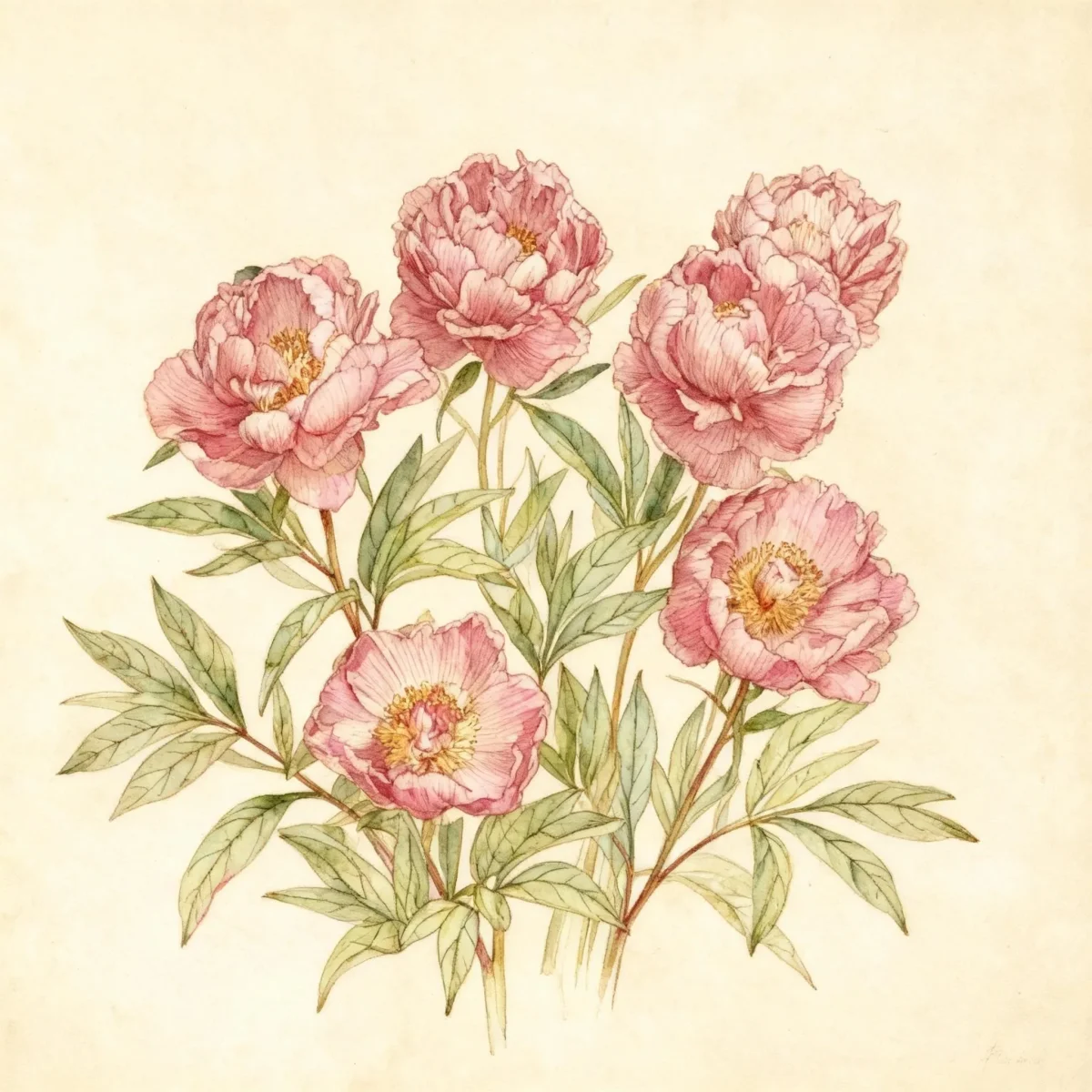
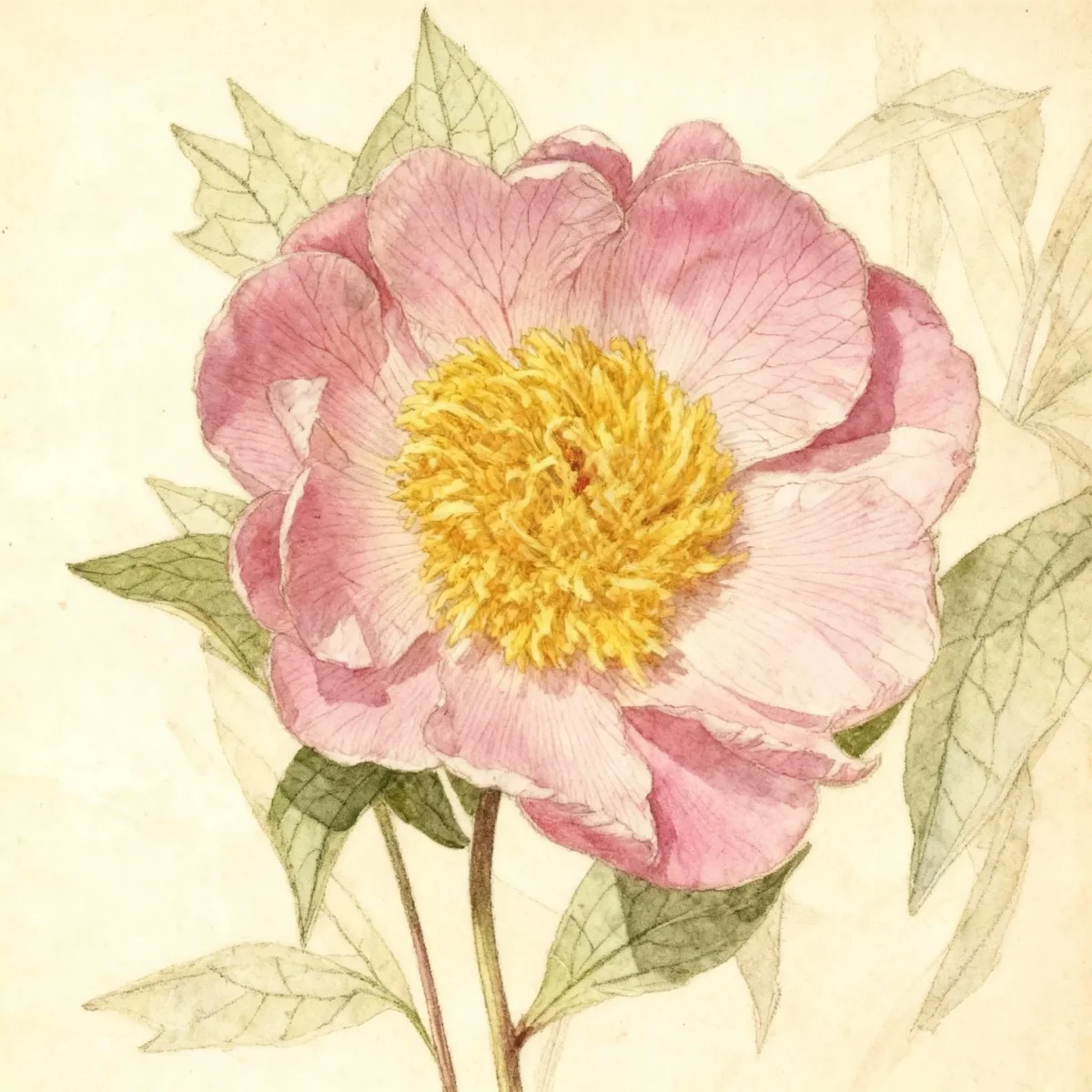
Peony (Paeonia lactiflora 'Honey Gold')
Paeonia lactiflora 'Honey Gold' is a showy, fragrant Peony blooming white with yellow centers, ideal for Zones 3-8.
Scroll down to discover growing tips, care requirements, companion plants, and more
Complete Plant Information
Overview
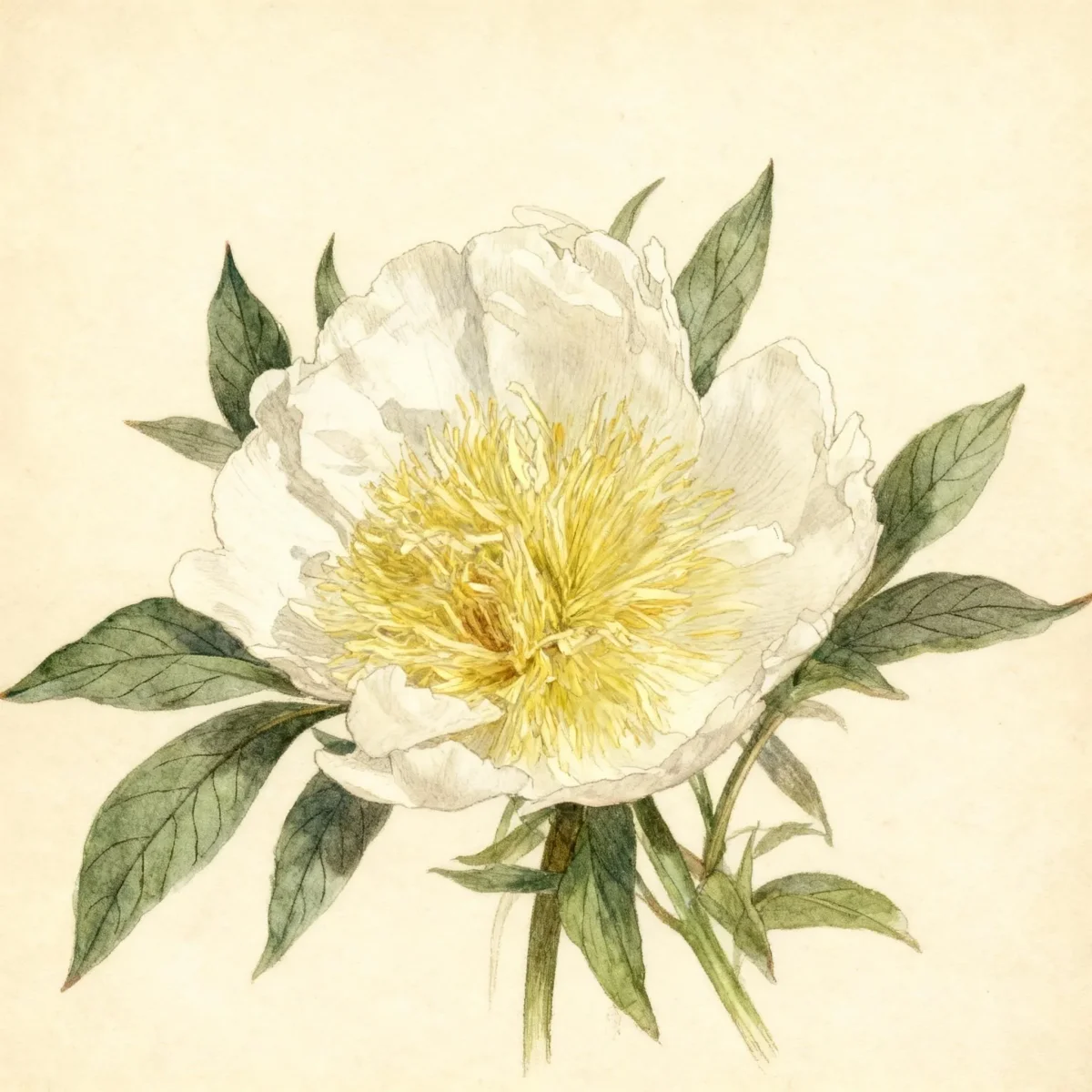
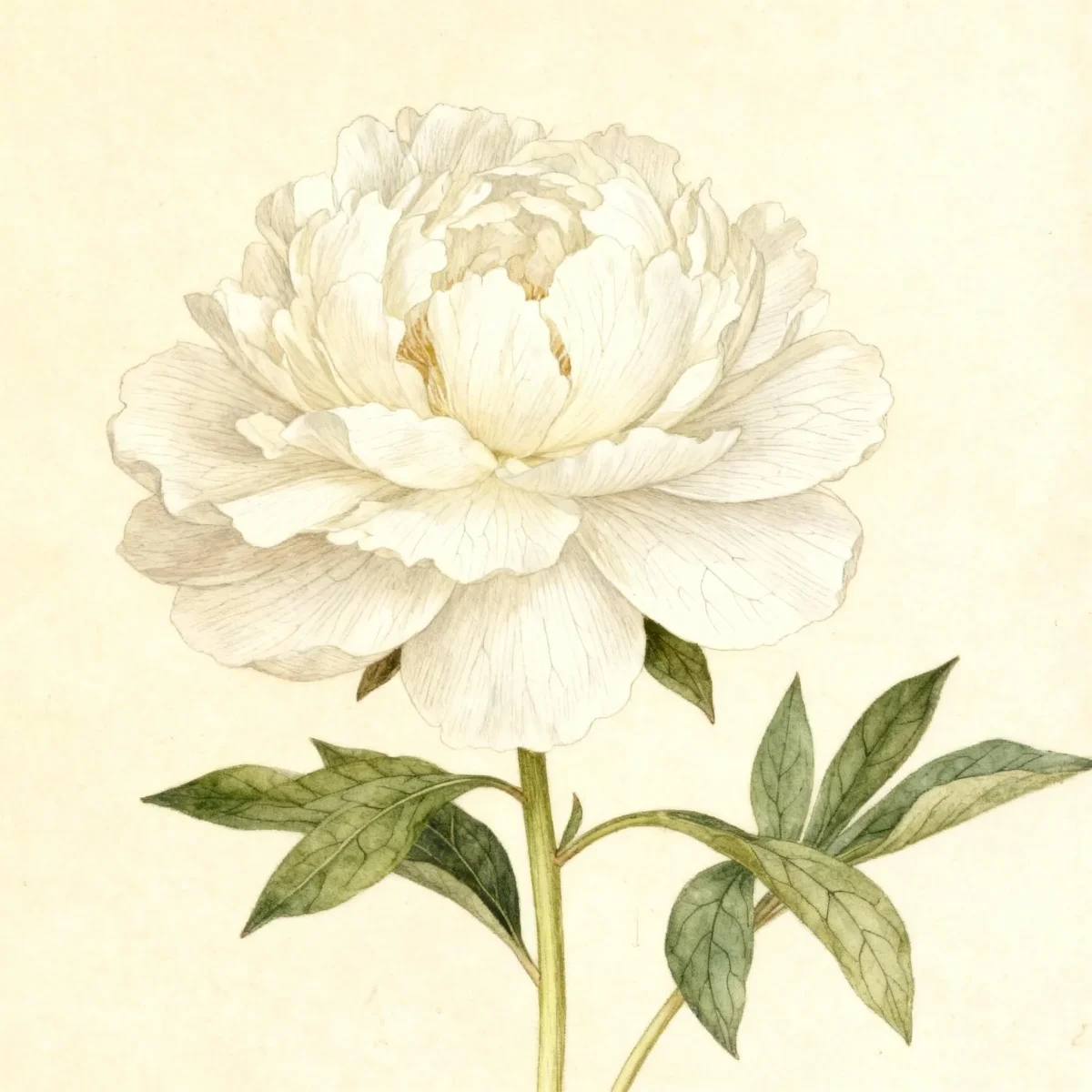
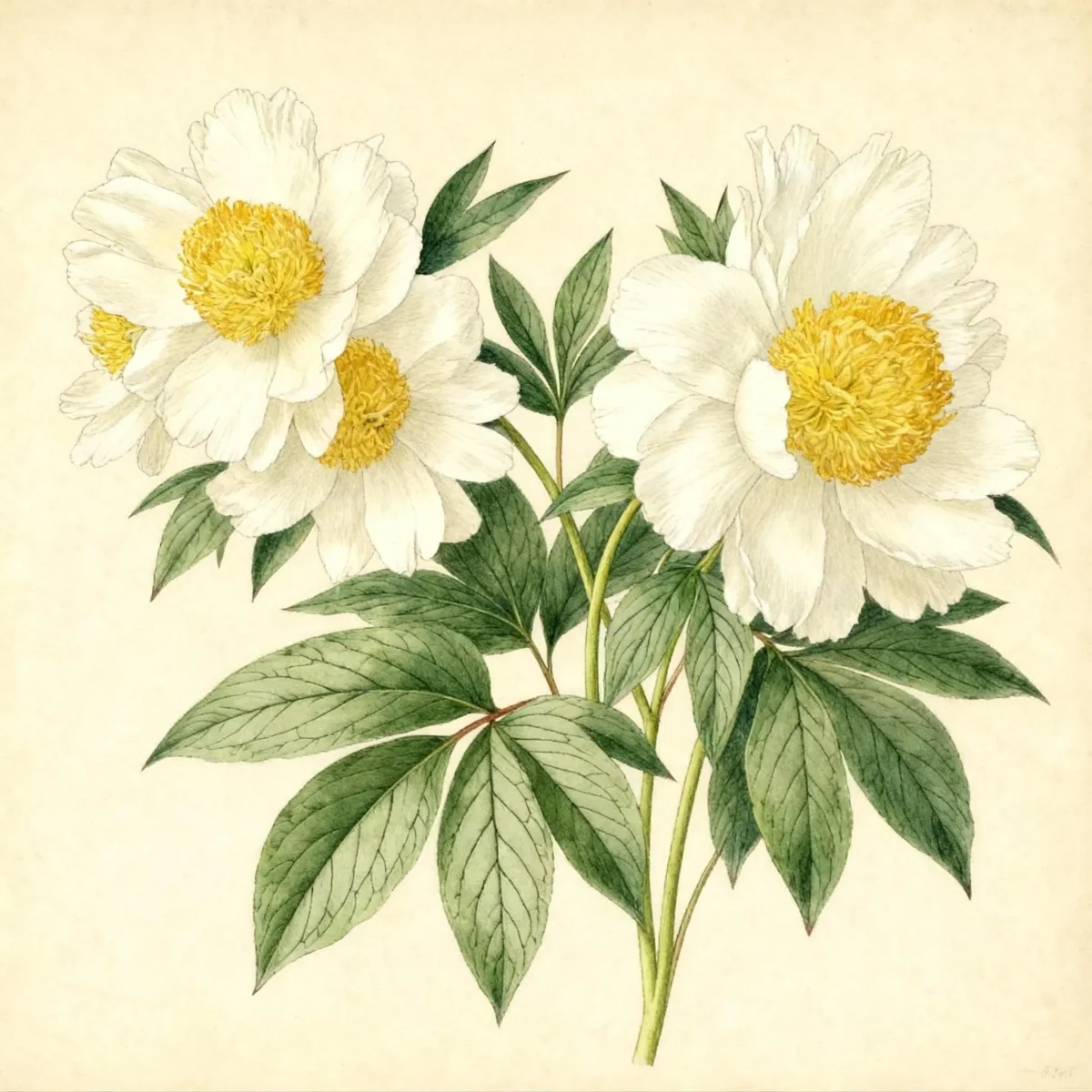
Paeonia lactiflora ‘Honey Gold’ is a highly valued herbaceous perennial, commonly known simply as Peony, treasured for its vigorous growth and distinctive, midseason blooms. This specific cultivar exhibits Japanese-form flowers, featuring striking bright white guard petals surrounding a gorgeous globe of buttery yellow center petals. As a long-lived garden staple, this Peony provides reliable color and fragrance year after year, enhancing structures and borders with minimal long-term effort.
This Clump-forming perennial thrives best when provided rich, well-drained soil and sufficient moisture, especially early in the growing season. While it prefers full sun, Paeonia lactiflora ‘Honey Gold’ benefits from some afternoon shade in the hottest climates, ensuring optimal health across USDA Zones 3 through 8. Gardeners love the sturdy stems of this Peony, though staking may occasionally be needed under heavy rain conditions.
Beyond its spectacular floral display, the foliage of Paeonia lactiflora ‘Honey Gold’ remains attractive through summer and fall, integrating well into mixed perennial beds. It is an excellent choice for cutting gardens and serves as a classic, dependable accent plant that requires few moves once established.
Fast Facts
- Plant Family: Paeoniaceae
- Plant Type: Herbaceous perennial
- Hardiness Zones: USDA Zones 3-8
- Size at Maturity:
- Height: 2.5-3 ft
- Spread: 1.5-2 ft
- Bloom Time: May to June
- Bloom Description: White with yellow center
- Sun Exposure: Full sun to part shade
- Water Needs: Medium
- Maintenance Level: Medium
How to Grow
Planting new Paeonia lactiflora ‘Honey Gold’ stock requires careful attention to depth; ensure the rootstock buds, or eyes, are placed approximately 2 inches below the soil surface for best flowering success. The ideal time for planting is typically fall, establishing the root system before winter provides the critical cold dormant season required by this species. These plants demand rich, fertile, and well-drained soils.
During the growing season, maintain a medium moisture level, ensuring abundant water availability early in the growth cycle. While relatively low maintenance once established, annual compost additions can benefit long-term vigor. Deadhead spent flowers promptly after bloom concludes to maintain garden tidiness.
As fall arrives and heavy frosts set in, cut the entire foliage mass to the ground and remove it from the garden area; this helps manage potential fungal issues. In colder climates or areas lacking consistent snow cover, applying mulch over the root zone in winter offers extra protection. Remember that Paeonia lactiflora ‘Honey Gold’ is exceptionally long-lived and should generally remain undisturbed for many years.
Landscape Uses
Peonies are foundational plants in traditional perennial borders, serving wonderfully as specimens or planted in complementary groups to create solid drifts of mid-season color. Paeonia lactiflora ‘Honey Gold’ works effectively as an accent plant, an herbaceous hedge along walkways, or as a substantial framing element against fences or walls. Its strong structure and showy blooms make it a focal point.
Consider pairing this Peony with early-season spring bulbs or later-flowering perennials to extend the garden’s interest beyond its initial 7-10 day bloom window. The dark green, attractive foliage of this Peony provides textural contrast throughout the summer, acting as a beautiful backdrop for shorter, sun-loving companions.
Standout Features
Flower Qualities
- Showy
- Fragrant
- Good Cut
Noteworthy Characteristics
Paeonia lactiflora, commonly known as common garden peony or Chinese peony, is an erect, clump-forming, shrub-like, herbaceous perennial that typically grows to 20-30” tall on stems tinged with red. ‘Honey Gold’ is a vigorous, midseason blooming cultivar with an upright to rounded habit that produces Japanese form flowers, featuring large, white guard petals surrounding a globe of small, crinkled, buttery yellow center petals. This specific Peony selection is highly regarded for its cut flower potential and fragrant mid-summer display.
Tolerances
- Rabbit
- Deer
Potential Problems
Peonies are generally pest-free, though growers should watch for Botrytis or Phytophthora blight, which can occasionally cause issues. Ants are frequently found on developing buds; however, these are harmless and should not be removed, as they often assist in bud opening. If your Paeonia lactiflora ‘Honey Gold’ fails to bloom, check planting depth, ensure sufficient sunlight (too much shade is a common cause), or confirm the plant is mature enough, as recently moved specimens may skip flowering for a season.
To manage potential physical damage, if blooms are large and heavy, supplementary staking might be necessary, especially before hard rains that can press the flowers into the soil. While powdery mildew sometimes appears on the foliage late in the season, it poses no serious threat to the health of the Peony. Deer and rabbits typically avoid consuming this reliable perennial.
Frequently Asked Questions
What hardiness zones is Peony suitable for?
Paeonia lactiflora ‘Honey Gold’ performs best in the cooler parts of its range, typically USDA Zones 5-7, but is adaptable across the full scope of USDA Zones 3-8.
How large does Peony grow?
This herbaceous perennial generally reaches a mature height between 2.5 and 3 feet tall, with a spread of 1.5 to 2 feet wide.
What sun exposure does Paeonia lactiflora ‘Honey Gold’ need?
The ideal placement for this Peony is in full sun, although locations that provide partial shade, particularly afternoon shade in very hot summers, are also suitable.
When does Peony bloom?
Paeonia lactiflora ‘Honey Gold’ is classified as a midseason bloomer, producing its white with yellow center flowers typically from May through June.
Conclusion
The Paeonia lactiflora ‘Honey Gold’ offers gardeners a reliable, long-lived perennial with fragrant, visually arresting blooms that serve wonderfully both in the border and as cut flowers. Its tolerance for a wide range of hardiness zones and resistance to common pests makes this Peony an outstanding investment for permanent landscape structure. Ensure correct historic planting depth and provide consistent moisture early in the season for the greatest success with this classic variety.
Companion Planting
When planning the perennial border around your Paeonia lactiflora ‘Honey Gold’, consider companions that either bloom before or after the Peony reaches its peak in late spring/early summer, helping to cover the foliage as the Peony finishes. Plants that prefer similar soil conditions—rich, well-drained, and fertile—make excellent neighbors. Good structural companions include Catmint (Nepeta) or Coral Bells (Heuchera), whose finer textures contrast beautifully with the Peony’s bold leaves.
Avoid planting species that require excessive moisture or swampy conditions, as these conditions can encourage root rot in the Peony. Also, be mindful of aggressive spreaders; since Peonies resent division and transplanting, choose perennials that will not quickly overwhelm or shade the base of the established Paeonia lactiflora ‘Honey Gold’.
Seasonal Care Calendar
Spring care focuses on encouraging robust growth; rake away old mulch early and cut back residual dead foliage from the previous year after the threat of hard frost has passed. This is a great time to work compost gently into the soil surface near the plant base, avoiding any disturbance to the shallow roots. Summer maintenance centers on consistent watering, especially during dry spells, and promptly removing spent blooms to direct the plant’s energy toward root development rather than seed production.
As summer transitions to fall, you can allow the foliage to remain until frost naturally kills it back. Once the foliage yellows in the fall, perform the annual cutback, trimming the stems to the ground level before winter sets in to prepare the Paeonia lactiflora ‘Honey Gold’ for its necessary cold dormancy period.