Pink (Dianthus barbatus 'PAS905052' SWEET BLACK CHERRY)
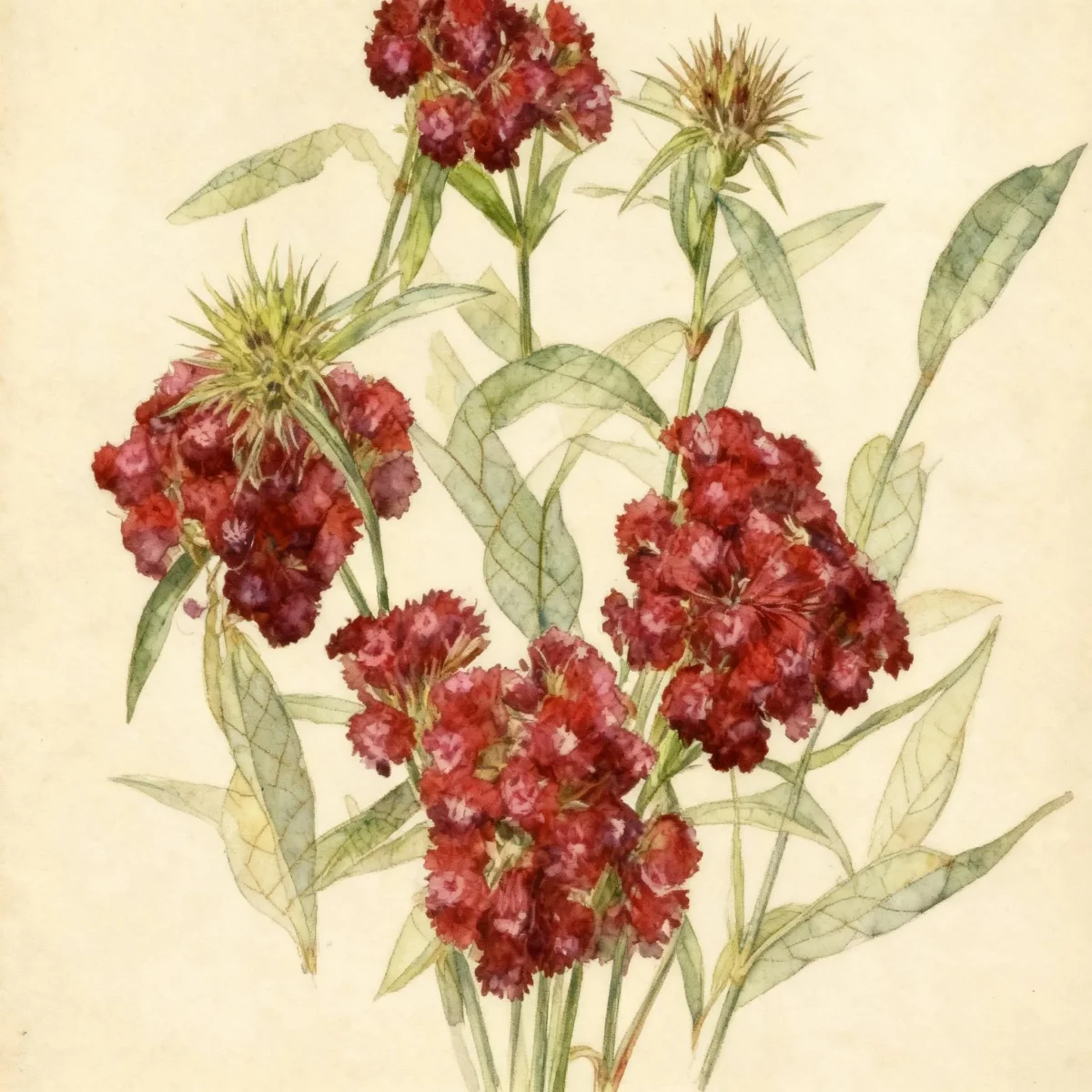
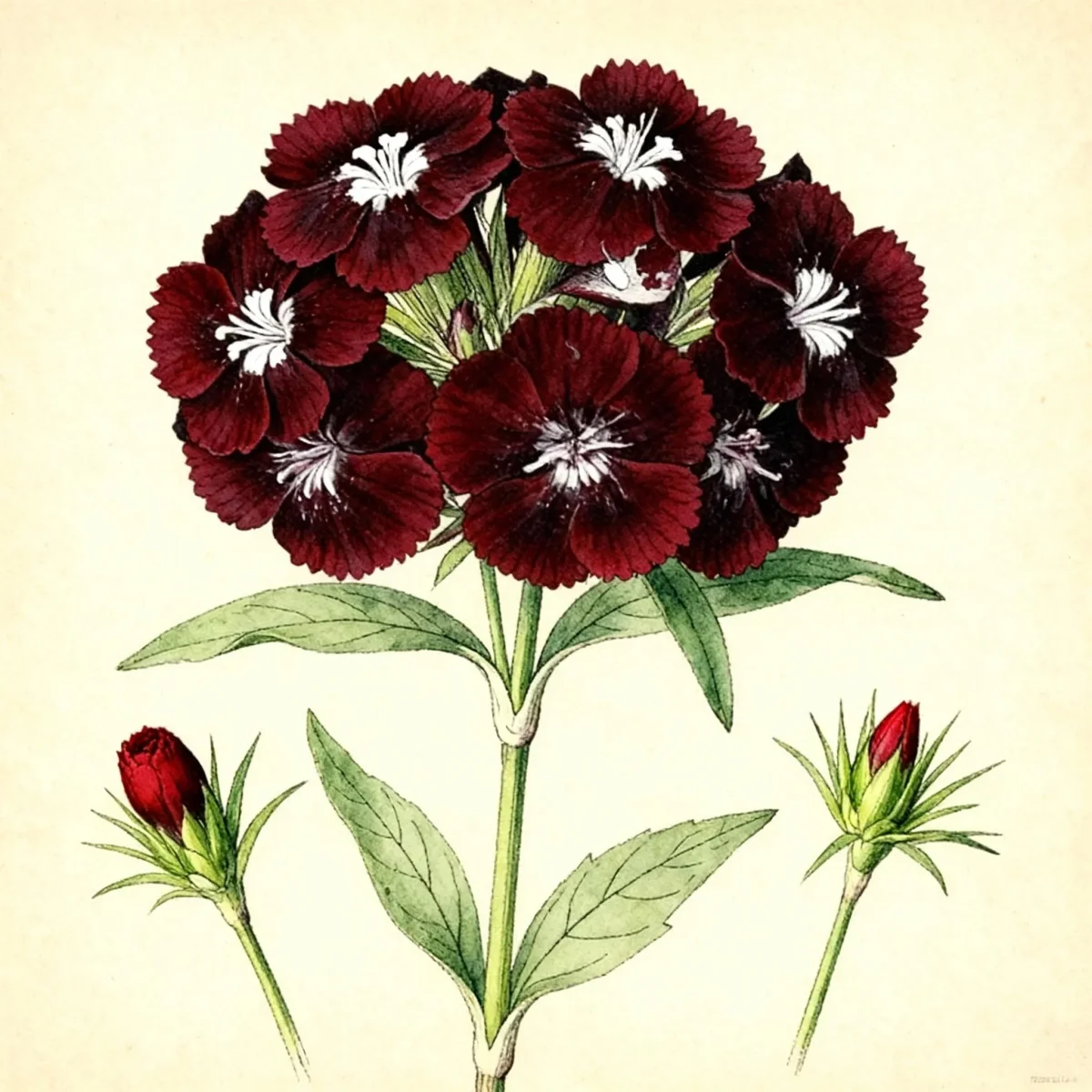
Dianthus barbatus 'PAS905052' SWEET BLACK CHERRY Pink offers dark red, satiny blooms. A versatile herbaceous perennial hardy in Zones 3-9.
Scroll down to discover growing tips, care requirements, companion plants, and more
Complete Plant Information
Overview
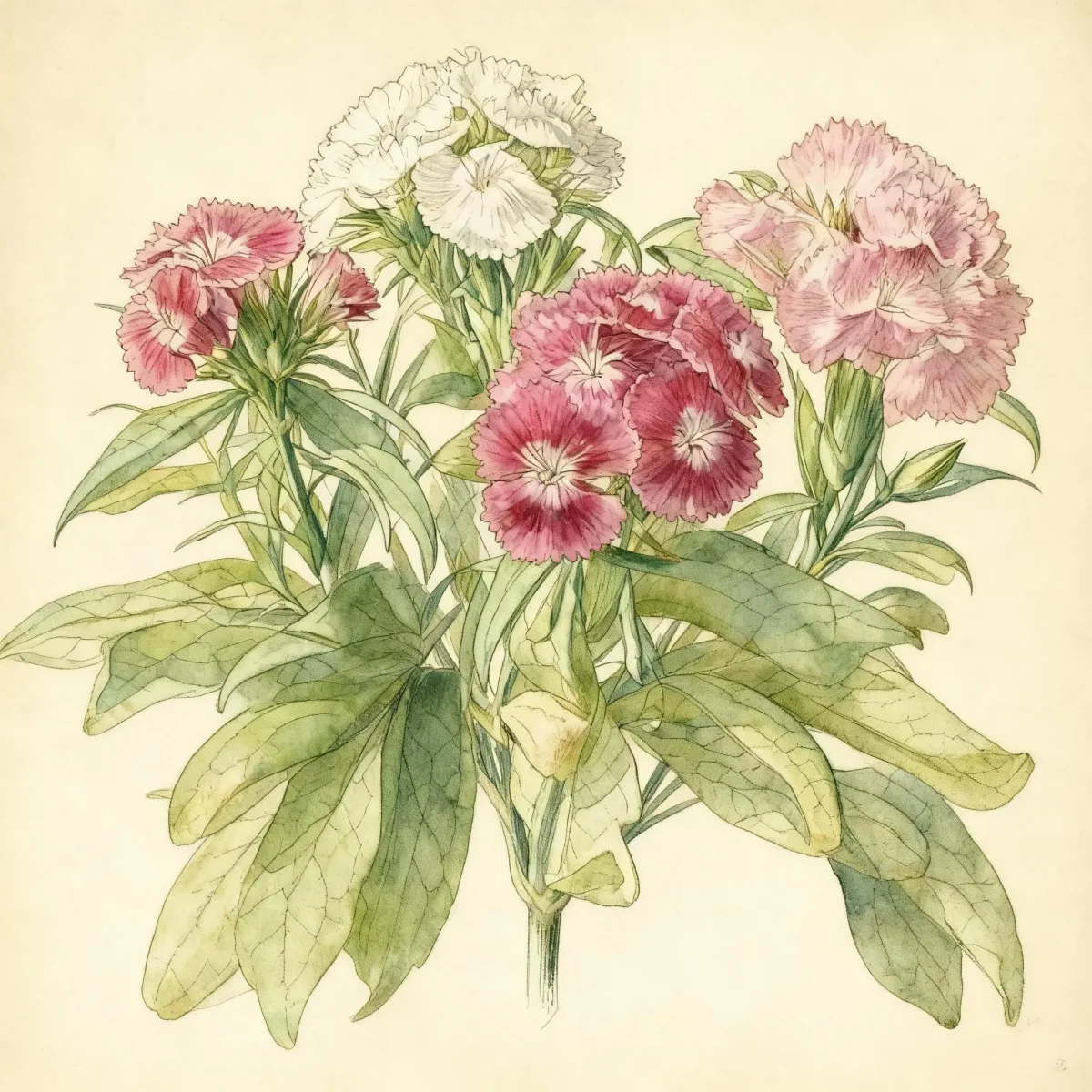
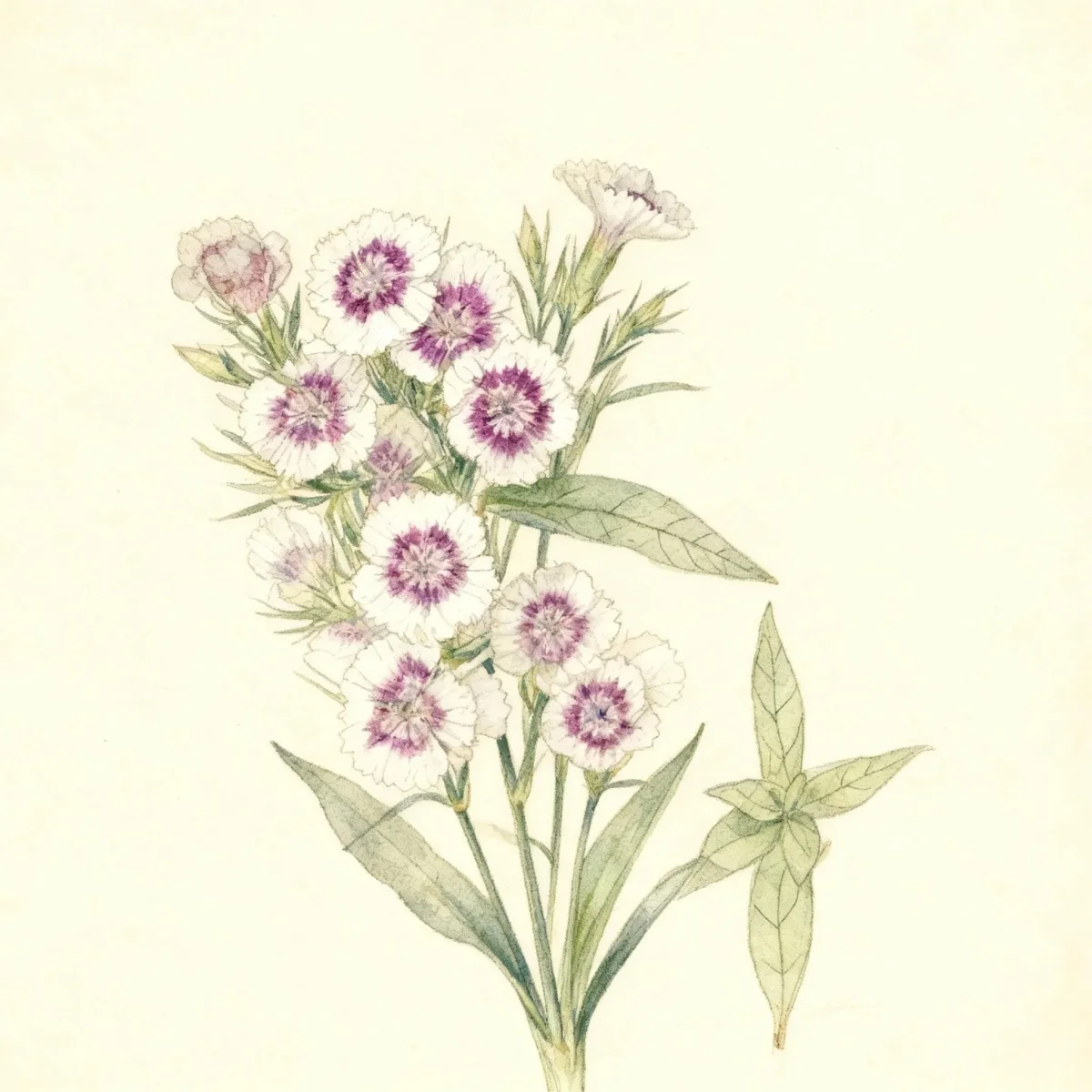
Dianthus barbatus ‘PAS905052’ SWEET BLACK CHERRY, commonly known as Pink or Sweet William, is prized for its vibrant, long-lasting bloom display. This specific cultivar features clusters of rich, dark red, satiny flowers that provide excellent color contrast against the medium green foliage. While often treated as a short-lived perennial or biennial, it offers reliable color from late spring until the first frost.
Gardeners appreciate Dianthus barbatus ‘PAS905052’ SWEET BLACK CHERRY for its adaptability across a wide hardiness range, spanning USDA Zones 3 through 9. Reaching up to 3 feet tall on sturdy stems, these plants are excellent vertical elements in mixed plantings. Their strong visual impact and use as exceptional cut flowers make them a staple in both formal and cottage garden settings.
These plants thrive best in locations receiving full sun, though they benefit from light afternoon shade in the hottest climates. Achieving success with this beautiful Pink variety involves providing deep, well-drained soil rich in organic matter, ensuring robust perennial tendencies where conditions are ideal.
Fast Facts
- Plant Family: Caryophyllaceae
- Plant Type: Herbaceous perennial
- Hardiness Zones: USDA Zones 3-9
- Size at Maturity:
- Height: 1.5-3 ft
- Spread: 0.75-1 ft
- Bloom Time: May to frost
- Bloom Description: Dark red
- Sun Exposure: Full sun to part shade
- Water Needs: Medium
- Maintenance Level: Medium
How to Grow
Dianthus barbatus ‘PAS905052’ SWEET BLACK CHERRY performs optimally when planted where it receives consistent moisture and good drainage. Although this is winter hardy to Zone 3, its long life in the garden depends heavily on soil quality; ensure it is deep, organically rich, and well-drained to prevent crown rot. You can plant seeds directly in late spring for bloom the following year, or purchase cold-treated plants in early spring or fall for quicker results, treating them as annuals if desired.
Mid-level maintenance is required to keep this Pink variety looking its best. Keep the soil consistently moist but never soggy, adhering to a medium watering schedule. While generally self-sufficient once established, prompt deadheading of spent flowers significantly encourages repeat blooming and promotes stronger perennial tendencies.
In hot summer regions, siting Dianthus barbatus ‘PAS905052’ SWEET BLACK CHERRY where it receives some protection from intense afternoon sun can prevent wilting and scorching. If aiming for continuous bloom, shearing back large plantings after the main flush of flowers helps redirect energy toward producing more stems. If allowed to mature, in optimum conditions, the plant may reseed itself, appearing like a long-lived perennial replacement.
Landscape Uses
The upright habit and striking dark red flowers of the Dianthus barbatus ‘PAS905052’ SWEET BLACK CHERRY make it a fantastic structural element wherever height is needed. It integrates beautifully into traditional cottage gardens, standing tall above lower-growing fillers. For beds and borders, plant them toward the back or middle to provide a strong vertical accent that leads the eye through the composition.
Because this selection produces long, sturdy flowering stems, it excels exceptionally well when used as a cutting flower. Harvest blooms generously throughout the season to enjoy the dark red clusters indoors; this frequent removal also benefits the plant’s overall vigor. Furthermore, Dianthus barbatus ‘PAS905052’ SWEET BLACK CHERRY performs admirably in large containers or window boxes, offering dramatic height combined with neighboring softer textures.
Consider pairing this vibrant Pink variety with silvery foliage to make the dark red color pop, or use textural companions like ornamental grasses that complement its sturdy vertical form without competing for nutrients or light.
Flower Qualities
- Showy
Noteworthy Characteristics
Dianthus barbatus, commonly called sweet William, typically grows 12-24” tall and features small flowers held in dense, flat-topped terminal clusters (3-5” wide). ‘PAS905052’ SWEET BLACK CHERRY features clusters of dark red, satiny blooms with contrasting white stamens. Plants can reach up to 3’ tall with a 1’ spread, and the long, sturdy flowering stems make this selection an excellent choice for cutting. This versatile plant can be grown as a perennial, spring-blooming annual, or fall-blooming annual.
Tolerances
- Deer
Potential Problems
Dianthus barbatus ‘PAS905052’ SWEET BLACK CHERRY is susceptible to fungal issues, notably crown rot and rust, particularly if the soil drainage is inadequate. Always prioritize a site with sharp drainage to mitigate this risk, ensuring you do not overwater, especially during humid periods.
Garden pests such as snails and slugs may target the foliage, especially when the plants are young or if moisture remains high; employ physical barriers or appropriate baits early in the season. Conversely, deer tend to avoid munching on the foliage of this Pink variety, offering a practical advantage in gardens prone to browsing wildlife.
Frequently Asked Questions
What hardiness zones is Dianthus barbatus ‘PAS905052’ SWEET BLACK CHERRY suitable for?
This versatile Dianthus variety is winter hardy across a broad range, thriving in USDA Zones 3 to 9.
How large does Pink grow?
Dianthus barbatus ‘PAS905052’ SWEET BLACK CHERRY typically reaches a height between 1.5 and 3 feet tall, with a spread lasting between 0.75 and 1 foot wide.
When does Pink bloom?
This selection offers an extended bloom time, starting in May and continuing right up until the first frost, typically displaying dark red coloration.
What sun exposure does Dianthus barbatus ‘PAS905052’ SWEET BLACK CHERRY need?
For the best performance, plant this cultivar in a location that provides full sun, though it appreciates some relief from intense afternoon heat with light shade.
Conclusion
The Dianthus barbatus ‘PAS905052’ SWEET BLACK CHERRY provides exceptional value through its long bloom season, sturdy stems excellent for cutting, and striking dark red coloration. This variety of Pink is a rewarding addition to nearly any garden space, provided you respect its need for excellent drainage. Check your local USDA hardiness zone now and plan your spring planting to ensure a spectacular display next season.
Companion Planting
When designing beds around Dianthus barbatus ‘PAS905052’ SWEET BLACK CHERRY, select companions that share similar cultural needs, prioritizing medium water use and full to partial sun exposure. Plants with contrasting textures, such as fine-leaved ornamental grasses or silvery Artemisia, provide an excellent backdrop that highlights the dense clusters of dark red blooms. Consider pairing it with other cottage garden classics like Shasta Daisies (Leucanthemum) or various perennial Salvia varieties, as they enjoy similar soil conditions and bloom times, often blooming slightly later to extend the garden’s color palette.
Propagation Tips
While many gardeners acquire Dianthus barbatus ‘PAS905052’ SWEET BLACK CHERRY as nursery starts to enjoy color the same year, propagation via seed is achievable. Starting seeds early indoors can encourage first-year flowering, though success depends on timing. If you wish to maintain the exact characteristics of this named cultivar, remember that double-flowered forms will not come true from seed, meaning vegetative propagation (though challenging for this biennial type) or purchasing new stock is necessary to guarantee identical results for future years.