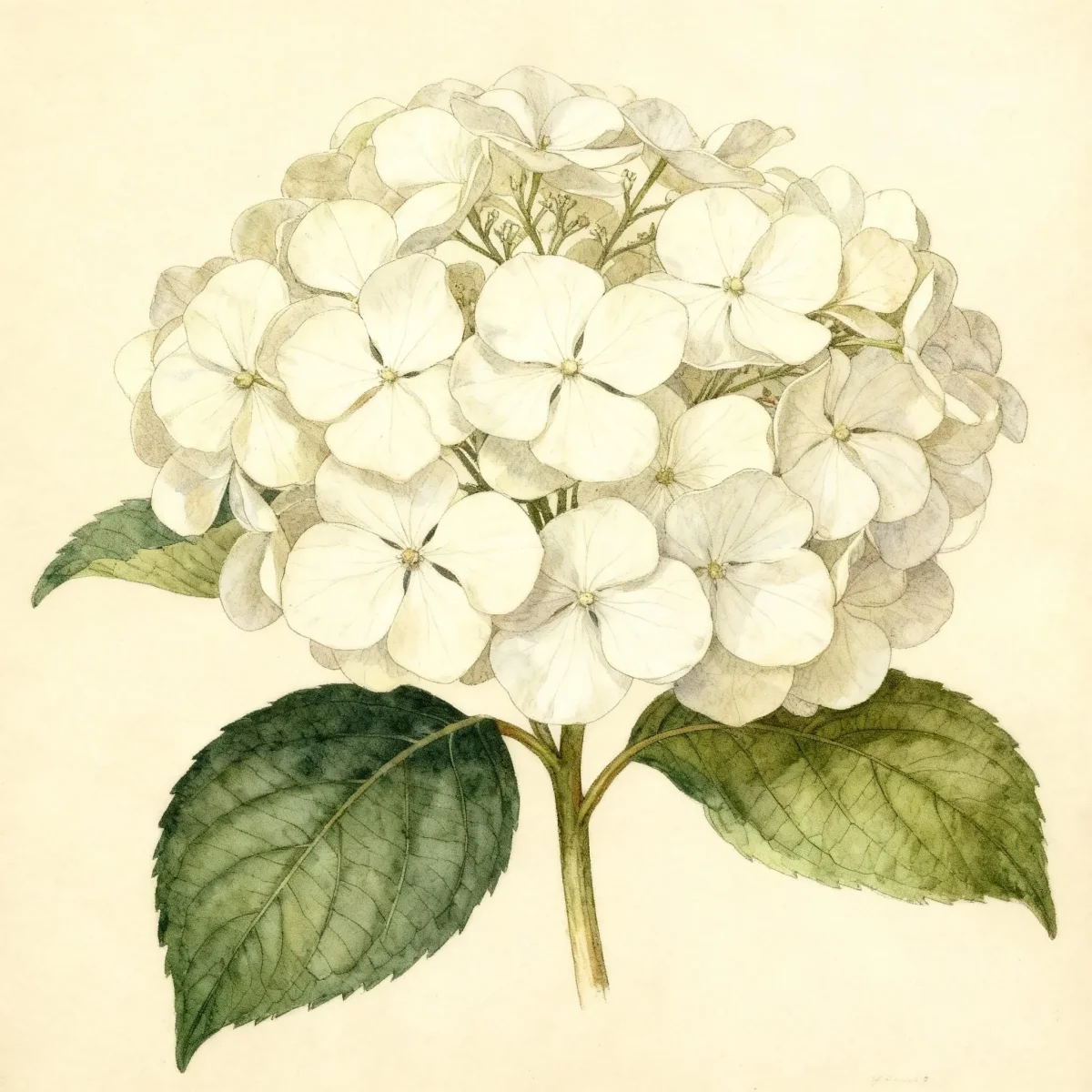
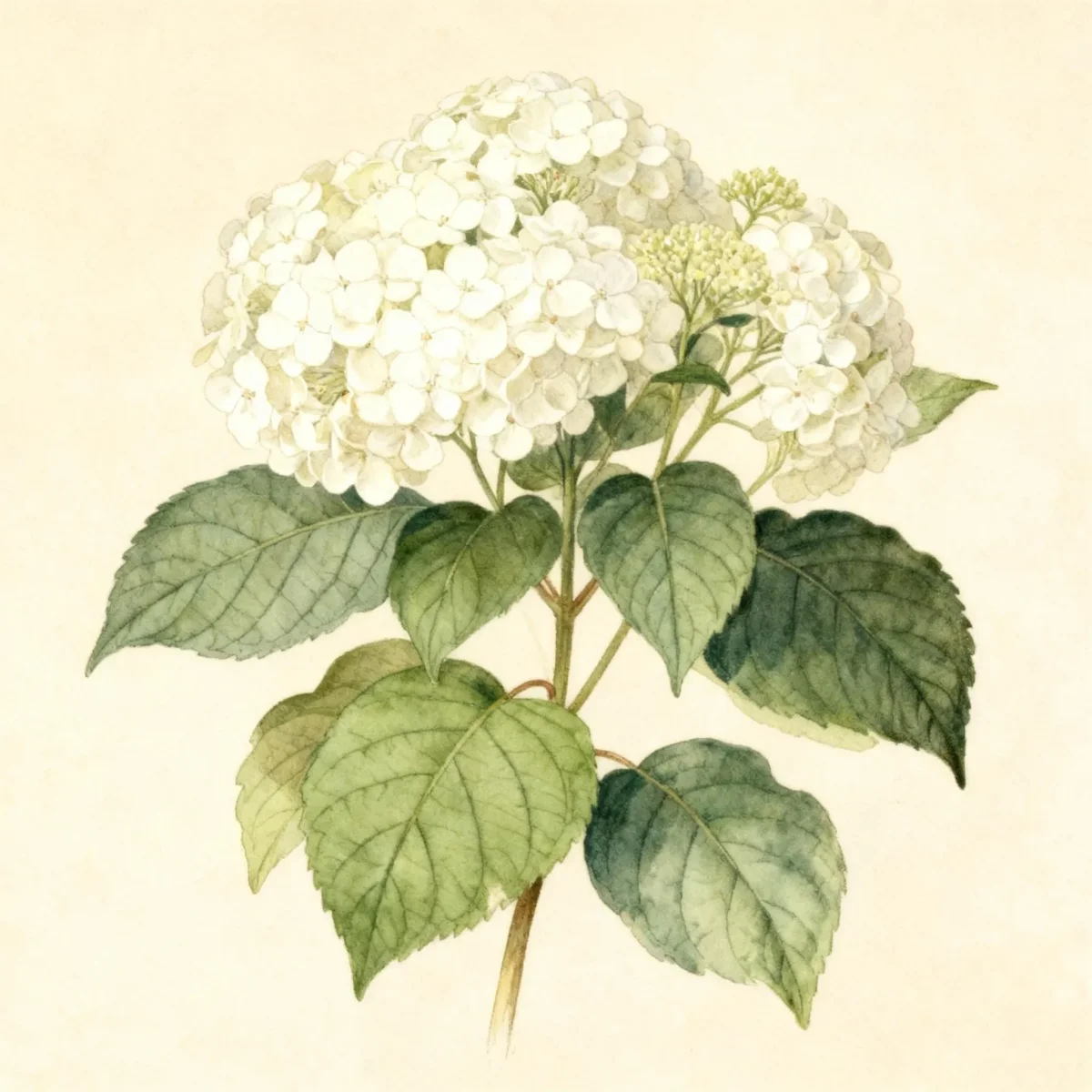
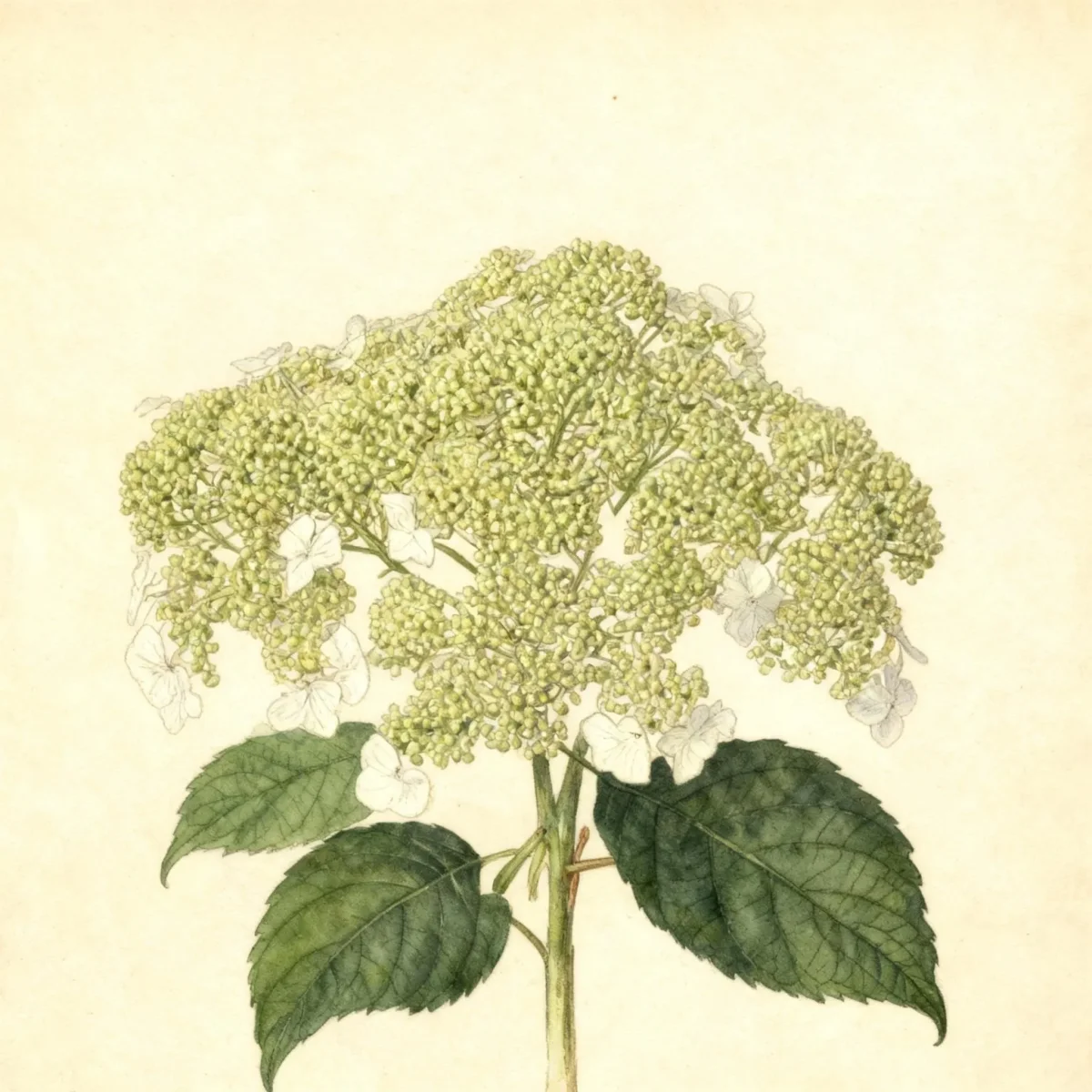
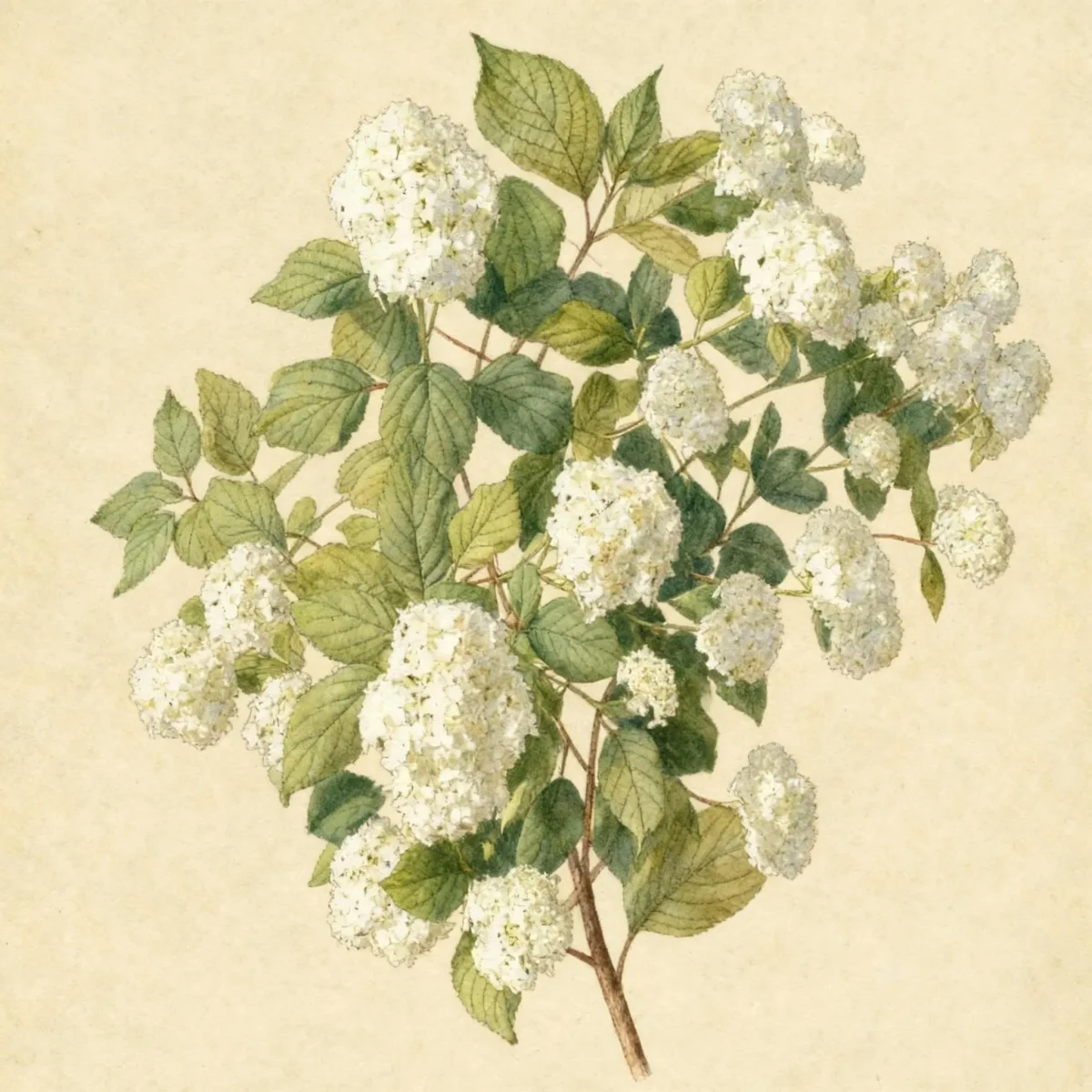
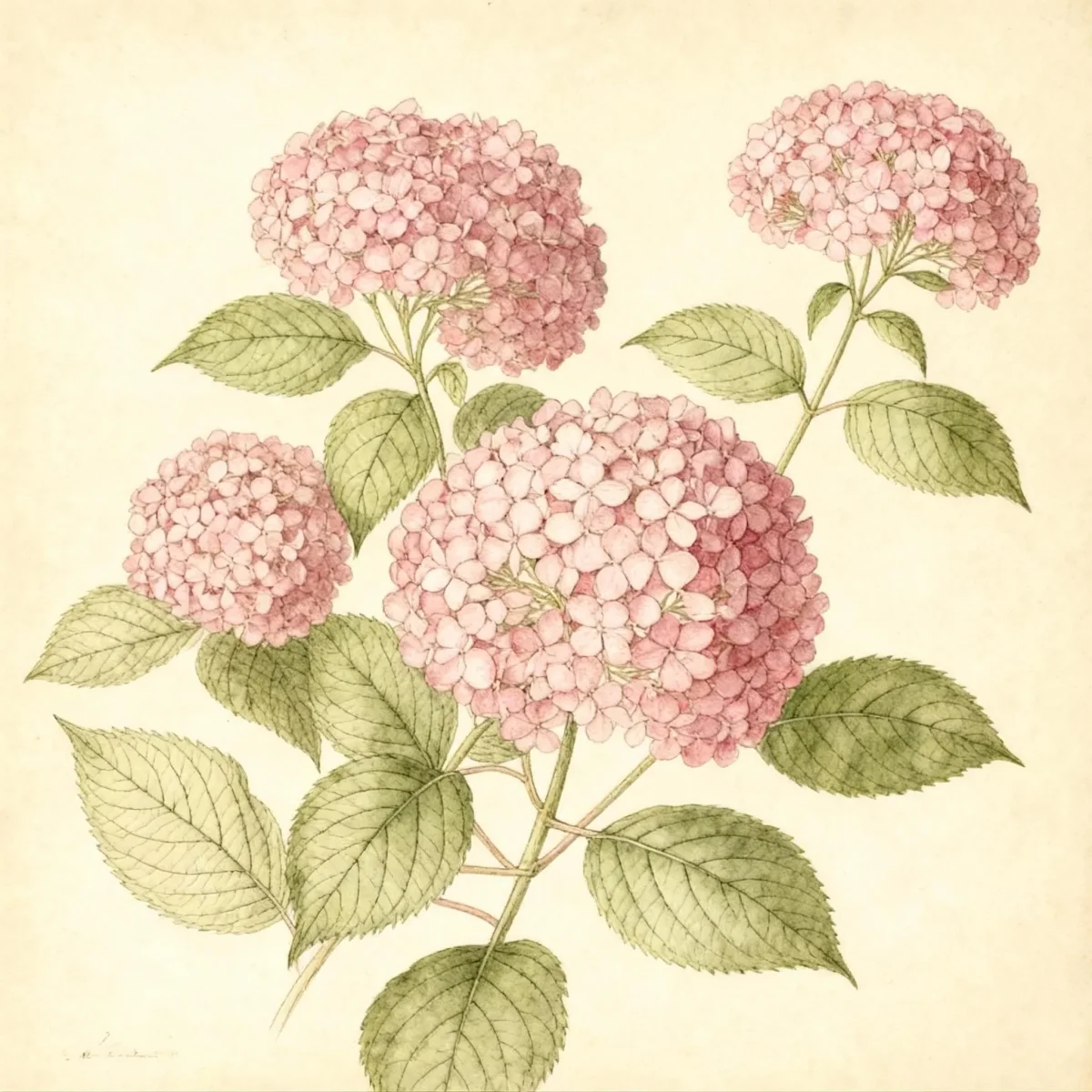
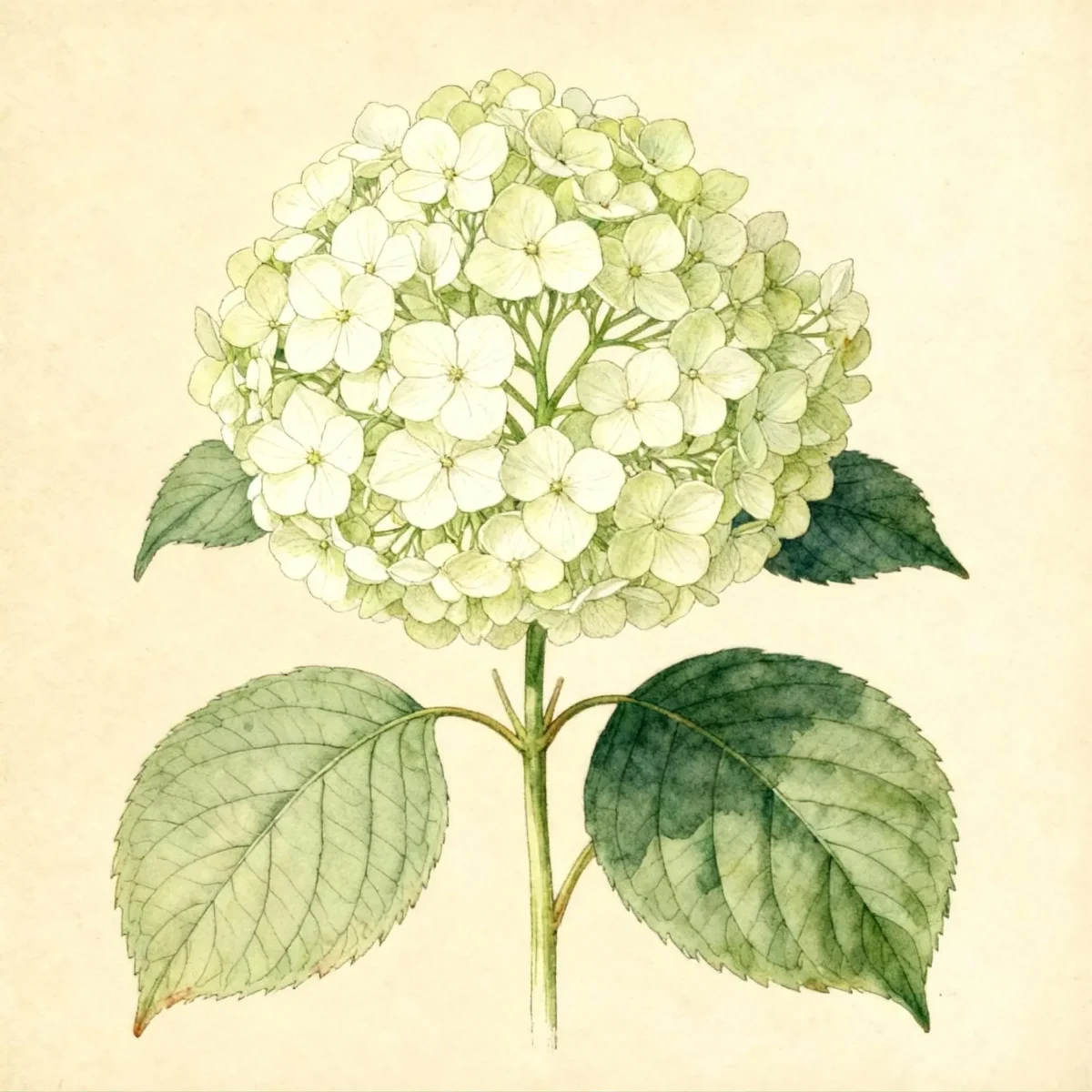
Smooth hydrangea (Hydrangea arborescens LIL ANNIE)
Hydrangea arborescens LIL ANNIE is a compact Smooth hydrangea perfect for low-maintenance gardens, blooming June-Sept.
Scroll down to discover growing tips, care requirements, companion plants, and more
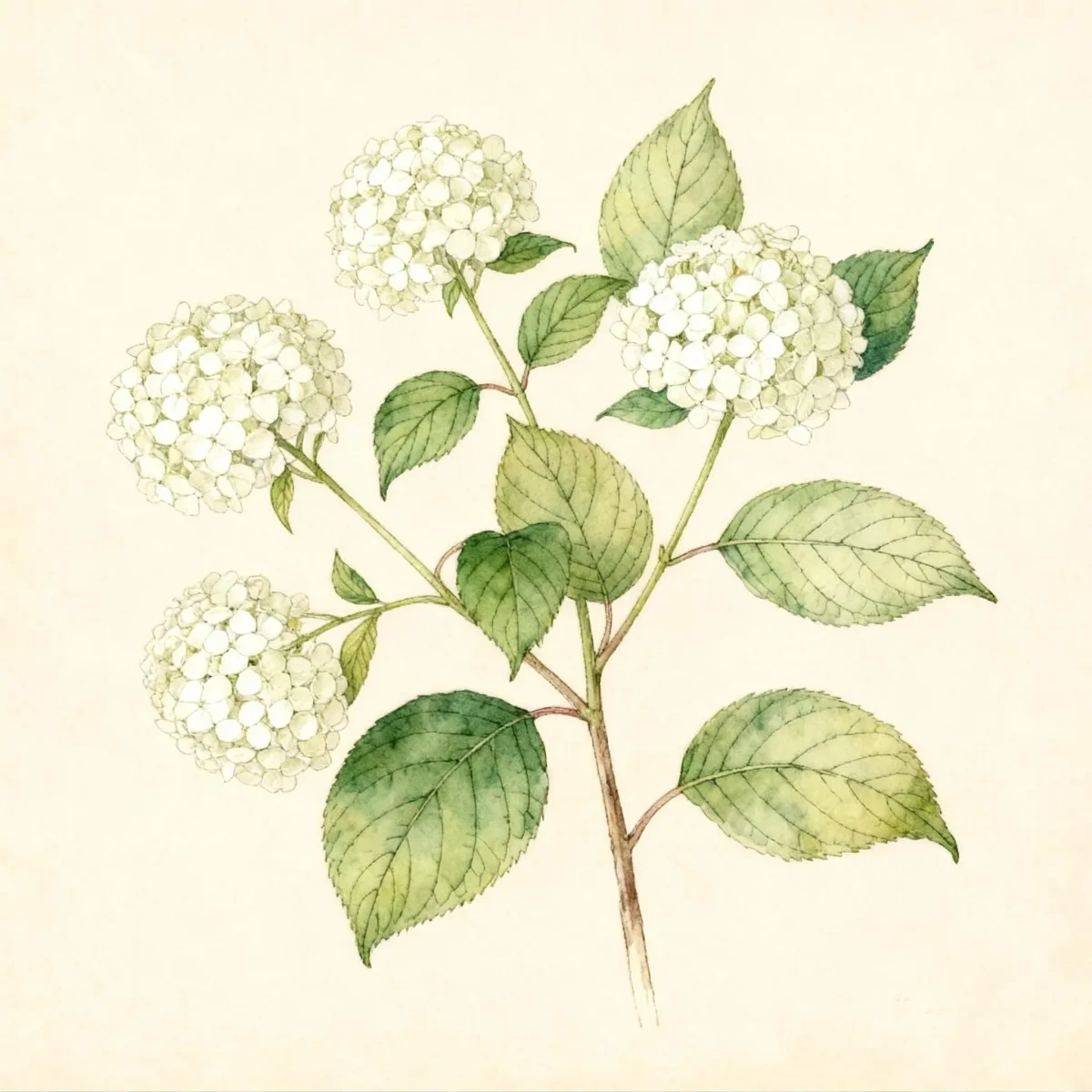
Complete Plant Information
Overview
Hydrangea arborescens LIL ANNIE is a highly valued, compact cultivar of the native Smooth hydrangea, offering reliable seasonal color with minimal effort. This variety exhibits upright branching and a pleasing, rounded habit, making it an excellent structural element in various landscape designs. Gardeners prize this shrub for its extended bloom period, featuring showy white flowers from mid-summer well into the fall months.
As a hardy selection, the Hydrangea arborescens LIL ANNIE thrives across a wide range of climates, provided it receives consistent moisture typical of its preferred woodland setting. Its robust nature allows it to adapt to varying soil chemistries, though it performs best when protected from intense afternoon sun and prolonged drought. The beautiful globe-shaped blooms are perfect for floral arrangements, cementing the appeal of Hydrangea arborescens LIL ANNIE for both landscape and cutting garden use.
This low-maintenance deciduous shrub brings significant aesthetic value through its dense foliage and long-lasting white flower clusters. Its native heritage ensures suitability for ecological restoration projects, such as erosion control, while its compact size makes it versatile for smaller properties needing reliable summer flowering interest.
Fast Facts
- Plant Family: Hydrangeaceae
- Plant Type: Deciduous shrub
- Hardiness Zones: USDA Zones 3-9
- Size at Maturity:
- Height: 3-4 ft
- Spread: 3-4 ft
- Bloom Time: June to September
- Bloom Description: White
- Sun Exposure: Part shade
- Water Needs: Medium
- Maintenance Level: Low
How to Grow
This Smooth hydrangea thrives when planted in average, medium-moisture, well-drained soils, ideally situated in a location receiving part shade. While it can tolerate full sun, consistent moisture is absolutely mandatory in those brighter conditions, as the foliage of Hydrangea arborescens LIL ANNIE rapidly declines when dry. This plant is intolerant of drought, so monitor watering, especially during establishment.
Maintenance for Hydrangea arborescens LIL ANNIE is refreshingly low. Bloom occurs reliably on new wood, which simplifies annual pruning decisions. For the most vigorous stems and best overall form, gardeners should prune plants back close to the ground in late winter before new growth begins. If pruning back hard is avoided, simply remove any weakened or damaged stems in early spring.
The inherent toughness of this cultivar is evident in its wide array of tolerances, allowing it to succeed in challenging locations. Plants may occasionally die back to the ground during exceptionally harsh winters, but because blooms are set on new wood, flowering remains consistent year after year.
Landscape Uses
The Hydrangea arborescens LIL ANNIE is highly versatile due to its manageable 3-4 foot stature and dependable flowering habit. Its best applications are often found massed or grouped within mixed shrub borders, creating soft texture under the canopy of taller trees (woodland garden settings). It also functions beautifully as a standalone specimen piece, where its compact, rounded form can be appreciated.
Consider utilizing this Smooth hydrangea in specialized areas throughout your property. Its tolerance for wet soil makes it an excellent candidate for use within a rain garden, helping to manage runoff effectively while providing excellent seasonal interest. Furthermore, its ability to handle clay soil means it often performs well where other ornamentals struggle.
For border design, pair Hydrangea arborescens LIL ANNIE with spring-flowering bulbs or later-blooming perennials that can fill the gap before its mid-summer white globes appear. Its shade tolerance also allows it to provide a bright contrast against dark green foundation plantings or structural evergreens.
Standout Features
Flower Qualities
- Showy
- Good Cut
- Good Dried
Noteworthy Characteristics
The parent species, Hydrangea arborescens, is renowned as the smooth hydrangea or wild hydrangea, a loosely branched deciduous shrub native to moist, rocky slopes in Eastern North America. LIL ANNIE distinguishes itself as a hardy, compact selection, maintaining an upright, rounded form around 4 feet tall and wide, producing white, globe-shaped clusters from mid-summer onward. Because these blooms remain attractive through fall, leaving the heads on the plant offers winter interest to the landscape.
Tolerances
- Rabbit
- Erosion
- Clay Soil
- Wet Soil
- Shallow-Rocky Soil
- Black Walnut
Potential Problems
Many hydrangea species, including this one, face susceptibility to various fungal and bacterial issues, such as leaf spots, rust, powdery mildew, bud blight, and bacterial wilt. Regular sanitation practices, including removing and destroying fallen foliage in autumn, reduce overwintering fungal spores. For the best vigor and disease resistance, adhere to the recommended pruning schedule of cutting stems nearly to the ground each late winter.
Pest monitoring should focus on common sucking insects found on ornamental shrubs, including scale, aphids, mites, and root-knot nematodes. Generally, the vigorous new growth encouraged by yearly hard pruning often outpaces minor pest damage, keeping the plant healthy. A positive aspect is that rabbits tend to avoid this specific smooth hydrangea variety.
Frequently Asked Questions
What hardiness zones is Smooth hydrangea suitable for?
The Hydrangea arborescens LIL ANNIE is suitable for cultivation across USDA Hardiness Zones 3 through 9, offering very broad adaptability across the country.
How large does Hydrangea arborescens LIL ANNIE grow?
This compact cultivar typically reaches a height between 3 and 4 feet, with a consistent spread matching its height, between 3 and 4 feet.
What sun exposure does Hydrangea arborescens LIL ANNIE need?
This plant prefers part shade in most landscapes, though it can tolerate full sun if consistent, medium moisture levels are maintained throughout the growing season.
When does Smooth hydrangea bloom?
Hydrangea arborescens LIL ANNIE produces its signature white blooms continuously from June right through September.
Conclusion
The Hydrangea arborescens LIL ANNIE offers gardeners an outstanding combination of manageable size, vibrant, long-lasting white flowers, and low maintenance requirements. This exceptional smooth hydrangea selection performs well in various moisture conditions, including challenging clay or wet soils. Before planting, confirm that your local environment falls within USDA Zones 3-9 and plan for that late-winter pruning to ensure the best display next summer.
Companion Planting
Because Hydrangea arborescens LIL ANNIE appreciates consistently moist conditions and part shade, successful companion plants share similar cultural needs. Consider pairing these shrubs with shade-loving perennials such as Hosta varieties prized for their foliage texture, or Astilbe, which offer contrasting airy flower plumes later in the season. Groundcovers like Pachysandra or Vinca minor are excellent for maintaining consistent soil moisture around the base of the hydrangea while suppressing weeds.
When designing a woodland edge garden, incorporate plants that contrast in stature. Taller ferns, such as Japanese Painted Fern, can provide vertical interest behind the 4-foot Hydrangea arborescens LIL ANNIE, while later-season bloomers like Toad Lily (Tricyrtis) can carry the color into early autumn after the main flush of white flowers fades.
Seasonal Care Calendar
Late Winter marks the most critical maintenance period for enjoying the compact form of the smooth hydrangea. For revitalization, prune the stems of Hydrangea arborescens LIL ANNIE back to 6 to 12 inches above the ground before new buds swell. In early spring, as temperatures reliably warm, focus on monitoring soil moisture, especially if you are transitioning from winter dormancy.
Summer care is primarily focused on irrigation; while this is a medium-water plant, remember that anything in full sun will require supplemental deep watering to prevent foliage decline. Check periodically for pests like aphids, treating only if necessary. In the fall, resist the urge to deadhead all the faded flower heads, as leaving them on the branches provides structural interest throughout the winter months.