Elderberry (Sambucus racemosa 'Smnsrd4' LEMONY LACE)
Discover Sambucus racemosa 'Smnsrd4' LEMONY LACE Elderberry, famed for its chartreuse, dissected foliage in USDA Zones 3-7. Needs sun to partial shade.
Scroll down to discover growing tips, care requirements, companion plants, and more
Complete Plant Information
Overview
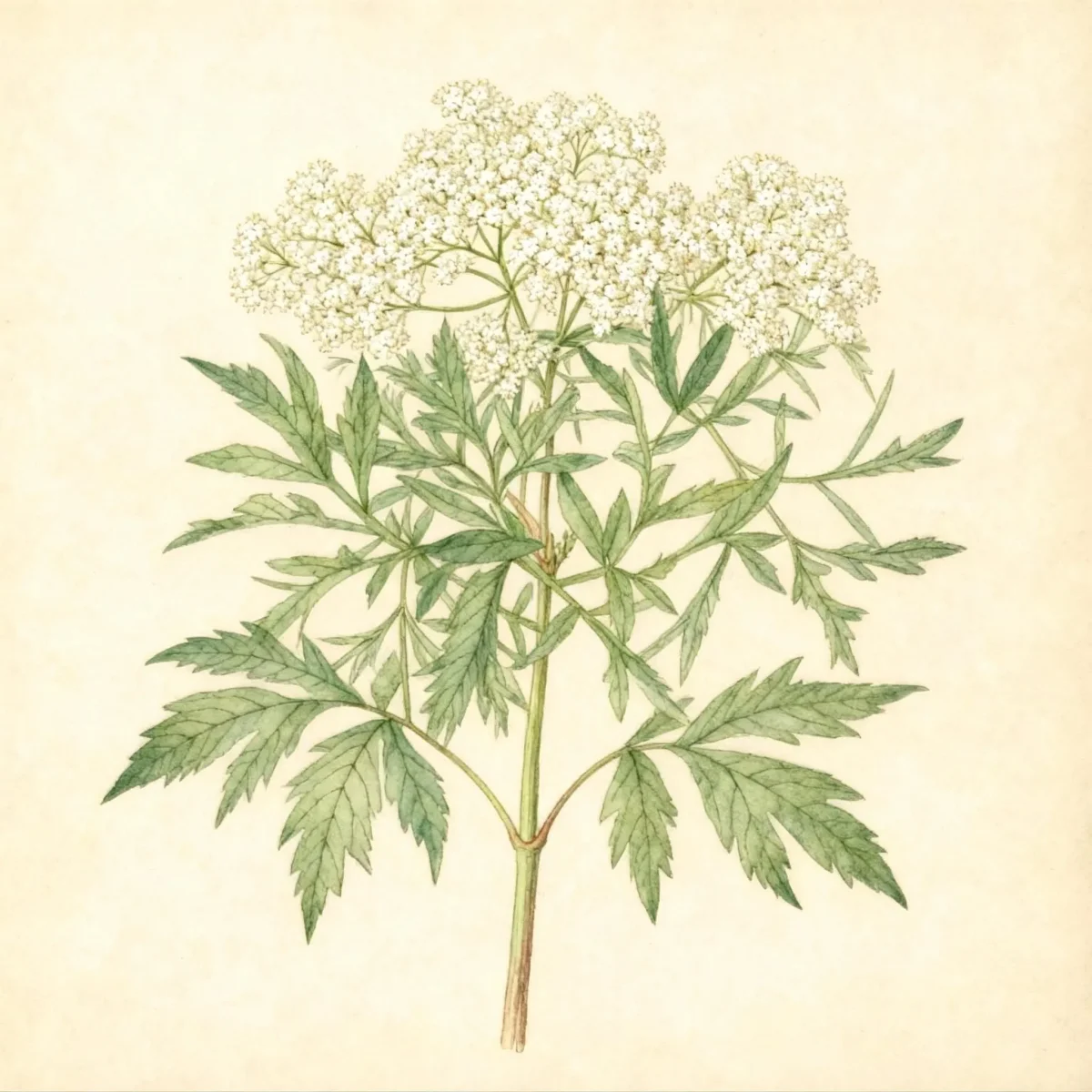
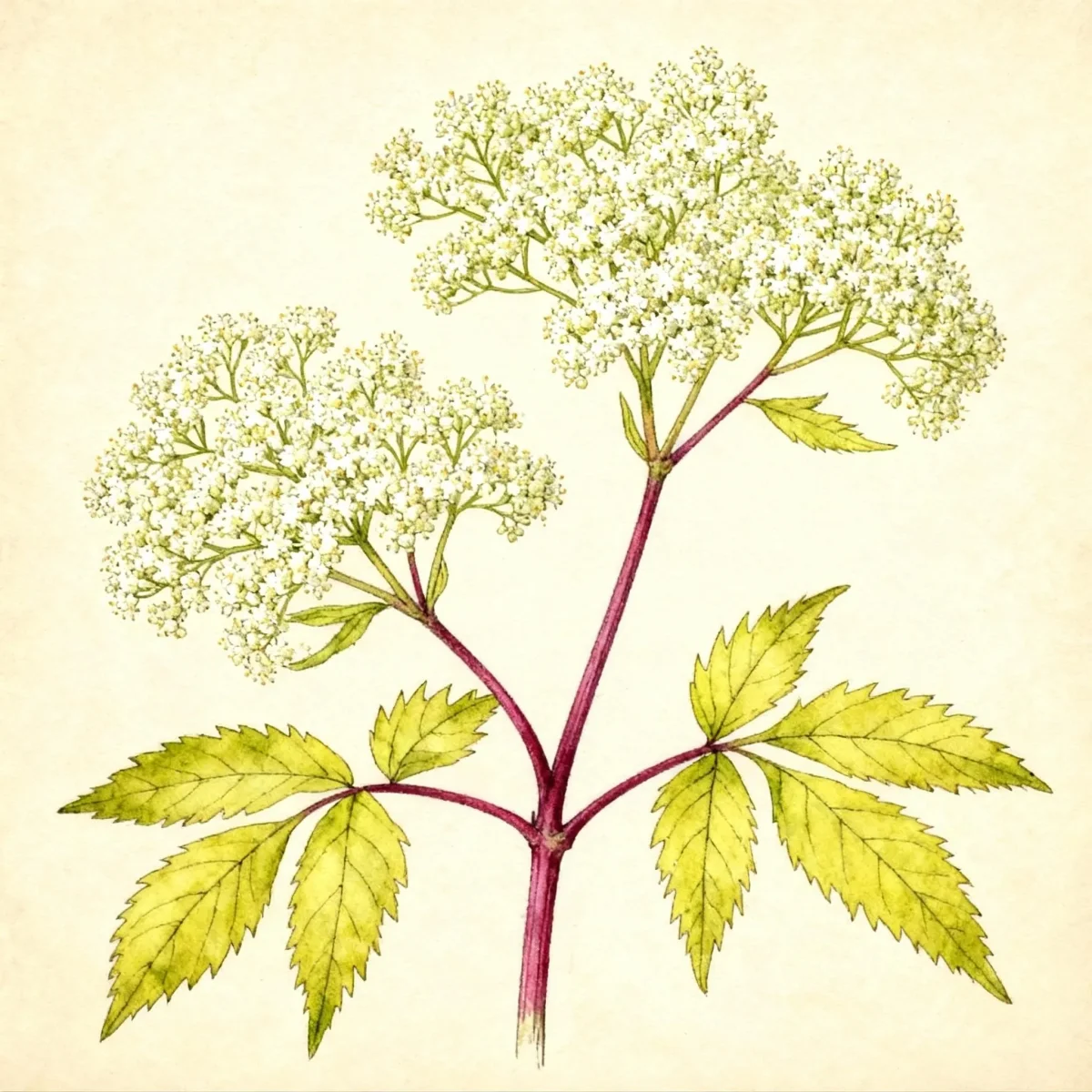
The Sambucus racemosa ‘Smnsrd4’ LEMONY LACE is a standout cultivar prized for its unusually vibrant foliage, offering a striking contrast in the landscape. This compact variety of Elderberry features deeply dissected leaves that emerge bright yellow or chartreuse, providing season-long visual interest. It is a reliable deciduous shrub that offers reliable performance across USDA Zones 3 through 7.
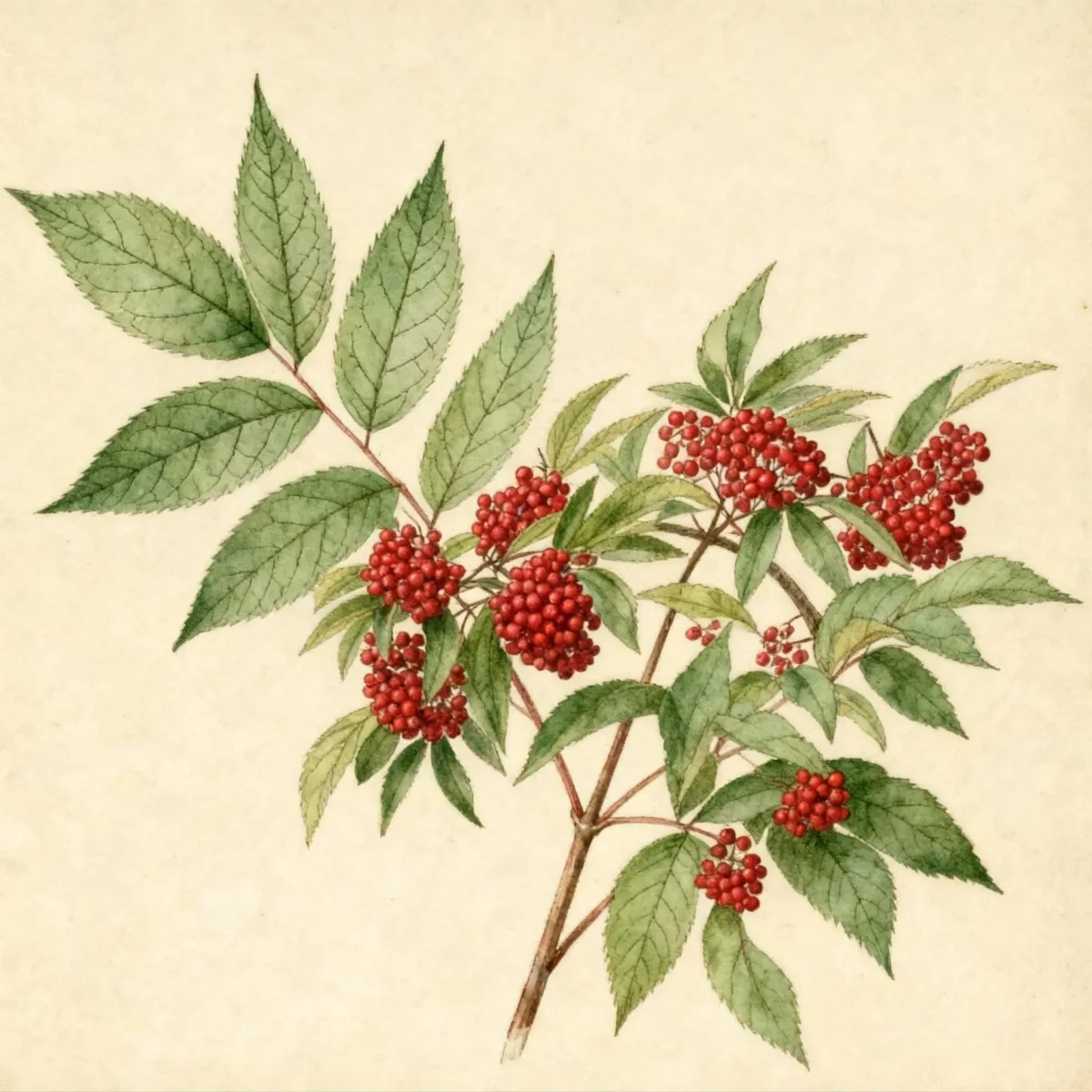
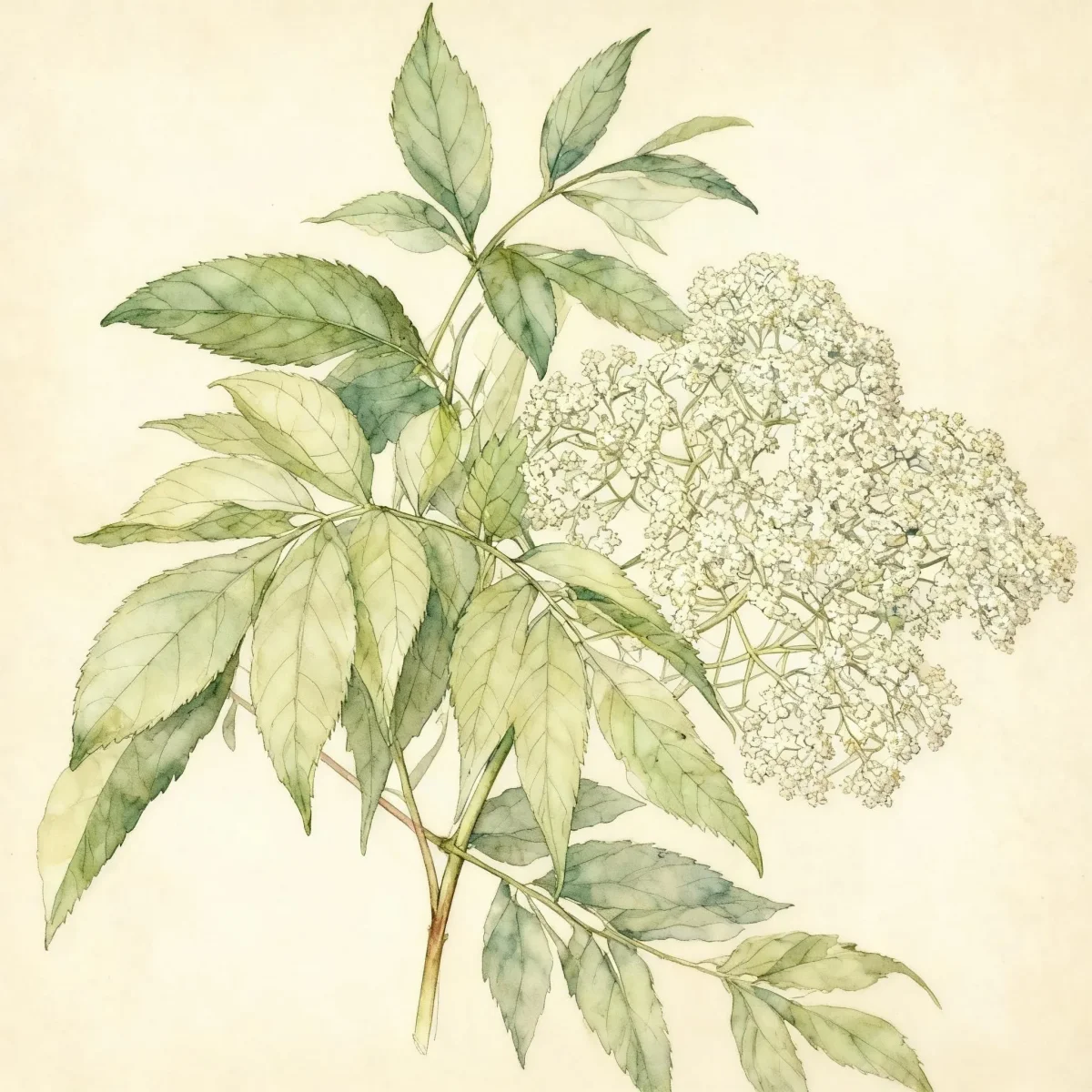
While it produces cone-shaped clusters of white flowers in late spring, the defining feature of this Elderberry cultivar is its brilliant leaf color, which deepens from golden yellow to lime green as the season progresses. The resulting red berries, though edible when cooked, are particularly attractive to local bird populations, adding movement and wildlife value to the garden.
For gardeners seeking manageable structure combined with high-impact color, Sambucus racemosa ‘Smnsrd4’ LEMONY LACE serves as an excellent feature or accent plant. Its medium size and tolerance for moist soil conditions make it versatile for various planting pockets, provided it receives adequate sunlight for the best color expression.
Fast Facts
- Plant Family: Adoxaceae
- Plant Type: Deciduous shrub
- Hardiness Zones: USDA Zones 3-7
- Size at Maturity:
- Height: 3-5 ft
- Spread: 4-6 ft
- Bloom Time: May to June
- Bloom Description: White
- Sun Exposure: Full sun to part shade
- Water Needs: Medium to wet
- Maintenance Level: Medium
How to Grow
Plant your Sambucus racemosa ‘Smnsrd4’ LEMONY LACE in spring or fall, ensuring it is situated where it can receive full sun, which is critical for developing the best chartreuse foliage color. This Elderberry thrives in deep, moist, humusy, nutrient-rich soils that are neutral to slightly acidic. While it tolerates a wide range of soil types, excellent drainage alongside consistent moisture support vigorous growth.
Water regularly, especially during the first growing season, to establish a robust root system, as this plant prefers medium to wet soil conditions. Minimal fertilization is usually required if the soil is rich. Be aware that all Elderberry varieties, including Sambucus racemosa ‘Smnsrd4’ LEMONY LACE, have a tendency to spread by suckering, creating natural colonies over time.
Maintenance is relatively straightforward. Pruning should be done lightly as needed immediately after flowering to maintain shape, or you can defer hard pruning. For rejuvenation or to maintain the most compact habit and best foliage appearance, horticulturists recommend a hard pruning back to the ground in late winter, removing older or weaker canes annually. Control suckers promptly if you wish to maintain defined borders.
Landscape Uses
The compact habit and brilliant foliage of Sambucus racemosa ‘Smnsrd4’ LEMONY LACE make it an outstanding specimen shrub in mixed borders where its color can shine against darker greens. Because it tolerates moist conditions, it is perfectly suited for planting near stream banks, retention ponds, or in low spots in the landscape where other shrubs might struggle with wet feet.
Consider using this Elderberry as an informal, low-maintenance screen or background element. Its sprawling nature is appreciated when naturalized in large groups or mass plantings where the root suckering can be allowed to naturally expand the planting area. It works exceptionally well when placed next to deep green evergreens or dark-leafed perennials to maximize the contrast provided by its bright leaves.
This shrub also functions beautifully as a colorful accent. Due to its unique texture, it avoids looking overly formal, fitting well into cottage gardens or naturalized settings where its spring blooms and summer fruit provide successive interest beyond just the foliage.
Standout Features
Flower Qualities
- Showy
Fruit Qualities
- Showy
- Edible
Noteworthy Characteristics
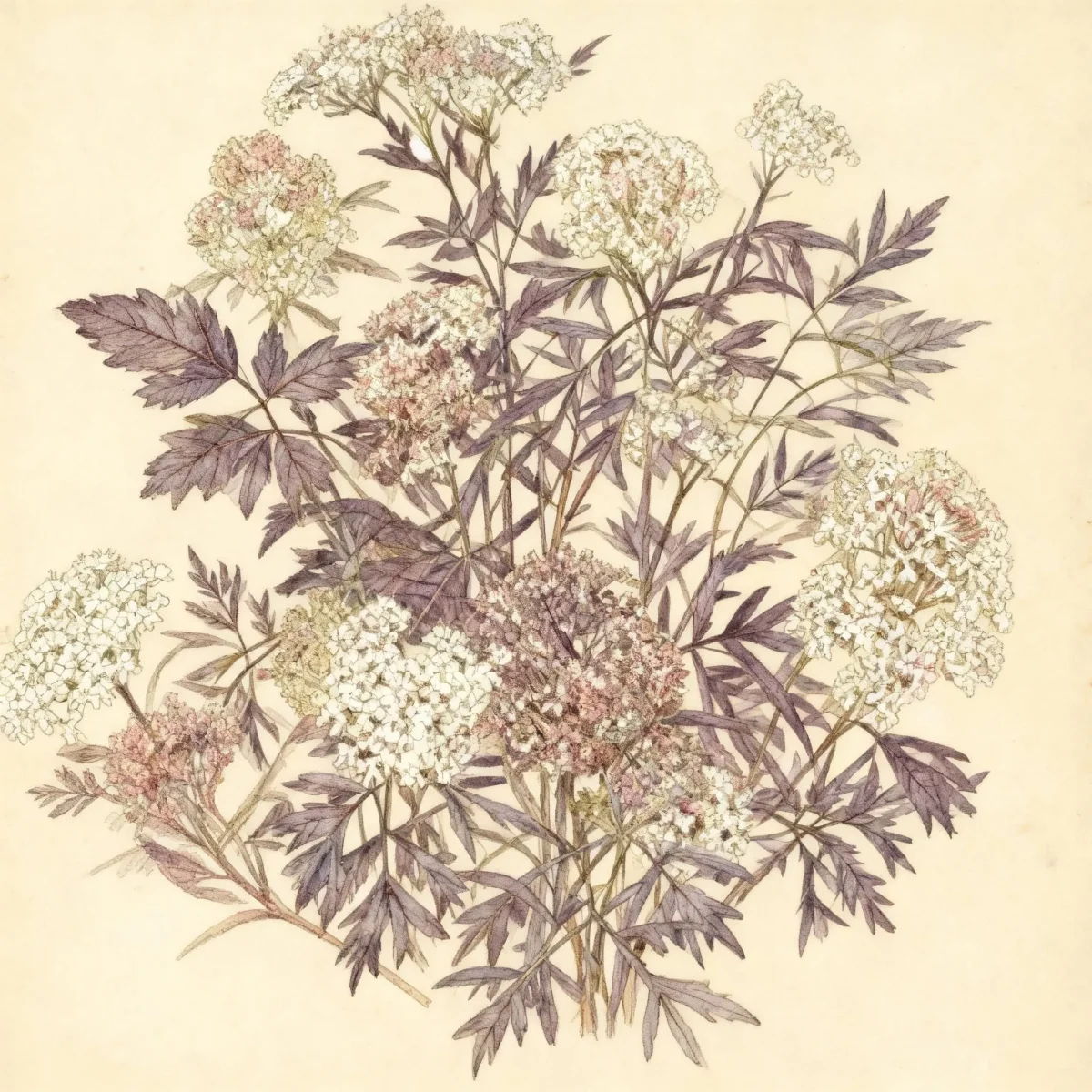
Sambucus racemosa, commonly known as red elder or red elderberry, is a deciduous suckering shrub which typically grows to 8-12’ tall with a somewhat sprawling habit in its natural form. This specific cultivar, ‘Smnsrd4’ LEMONY LACE, is known for being compact, freely branching, and irregularly mounding, featuring deeply dissected, bright yellow to chartreuse foliage. Cone-shaped panicles of small, white flowers emerge in spring before the new growth and are followed by red berries which are highly attractive to birds.
Tolerances
- Wet Soil
Potential Problems
Potential issues with this vibrant Elderberry often center around environmental stress or common pests. Susceptibility includes canker, powdery mildew, and leaf spot, which are often managed by ensuring good air circulation through proper spacing or timely pruning. Watch for pests such as borers, spider mites, and aphids, treating infestations early according to integrated pest management guidelines.
Branches can be brittle and are occasionally susceptible to damage from heavy snow or high winds, necessitating appropriate pruning practices, particularly removing dead or weak wood in late winter. Remember that aggressive spread via root suckers is inherent to the species, so plan for regular removal if you do not desire colony formation. Thankfully, this cultivar shows resistance to deer browse.
Frequently Asked Questions
What hardiness zones is Elderberry (Sambucus racemosa ‘Smnsrd4’ LEMONY LACE) suitable for?
This cultivar is generally winter hardy across USDA Zones 3 through 7, though the brightest foliage color is achieved in the warmer end of that range when planted in full sun.
How large does Elderberry grow?
Sambucus racemosa ‘Smnsrd4’ LEMONY LACE is a relatively compact variety, typically reaching a height between 3 to 5 feet and spreading 4 to 6 feet wide at maturity.
When does Elderberry bloom?
This variety features its bloom time from May well into June, displaying clusters of tiny, white flowers before the leaves fully develop their mature color.
Conclusion
The Sambucus racemosa ‘Smnsrd4’ LEMONY LACE offers incomparable foliage brightness for the medium-sized shrub category, making it an excellent choice for structure and color contrast in dynamic gardens. Whether used for its wildlife appeal or its striking chartreuse leaves, this Elderberry brings consistent beauty and relatively adaptable culture. Before planting, confirm your location falls within USDA Zones 3-7 and plan your site to maximize sun exposure for the deepest golden hues.
Companion Planting
When selecting companions for Sambucus racemosa ‘Smnsrd4’ LEMONY LACE, focus on plants that either contrast sharply with its bright chartreuse color or that share its preference for moist, well-drained soils. Dark-leafed perennials, such as Black Mondo Grass (Ophiopogon planiscapus ‘Nigrescens’) or deep purple Heucheras, create stunning visual tension next to the glowing foliage of the Elderberry.
Because this shrub enjoys medium to wet soil, incorporating moisture-loving marginal plants can create a lush, woodland-edge effect. Hostas with blue or dark green foliage, native ferns that appreciate consistent moisture, or moisture-tolerant perennials like Astilbe or Ligularia work well as groundcover underneath the spreading canopy.
Ensure that companion plants do not compete too aggressively for water shallowly above the root zone if you are not actively irrigating, since while it needs moisture, the soil must still drain well. This approach maximizes the aesthetic impact of the LEMONY LACE while keeping cultural maintenance synchronized.
Wildlife Benefits
The fruits produced by Sambucus racemosa ‘Smnsrd4’ LEMONY LACE are a significant draw for local wildlife, particularly birds, even though they are typically cooked for human consumption. The small, dark red berries appear in upright clusters in the summer, providing a vital late-season food source when other natural fruits become scarce.
Furthermore, the dense, branching habit of this deciduous shrub offers excellent sheltered structure for nesting and cover throughout the growing season. Even though the plant is mentioned as being resistant to deer browse, its presence still supports the overall health and biodiversity of the garden ecosystem.
The flowers, while not heavily perfumed like some other elderberries, still serve as reliable early-season nectar sources for beneficial insects and pollinators emerging in late spring, contributing to the buzz in your garden just as the distinctive foliage is peaking.