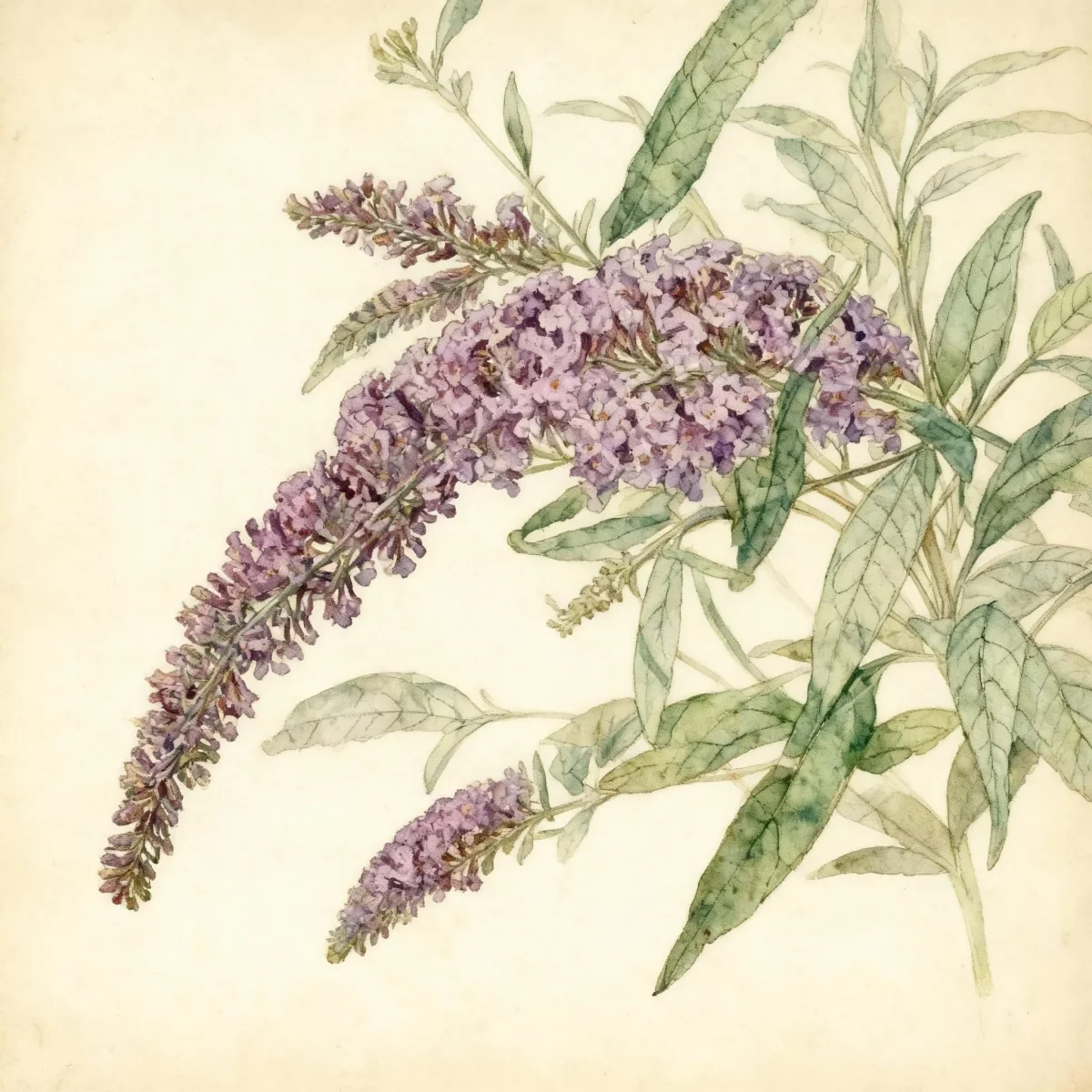
Butterfly bush (Buddleja 'SMNBDL' PUGSTER AMETHYST)
Buddleja 'SMNBDL' PUGSTER AMETHYST Butterfly bush is a dwarf, low-maintenance bloomer with fragrant purple flowers from summer to fall.
Scroll down to discover growing tips, care requirements, companion plants, and more
Complete Plant Information
Overview
The Buddleja ‘SMNBDL’ PUGSTER AMETHYST is a highly valued, compact hybrid selection renowned for extending the season of color in the garden. This dwarf Butterfly bush cultivar packs continuous, fragrant blooms into a manageable size, making it an excellent choice for smaller spaces or containers. Its key appeal lies in its ability to attract abundant butterflies throughout the summer and into early fall when many other shrubs have finished flowering.
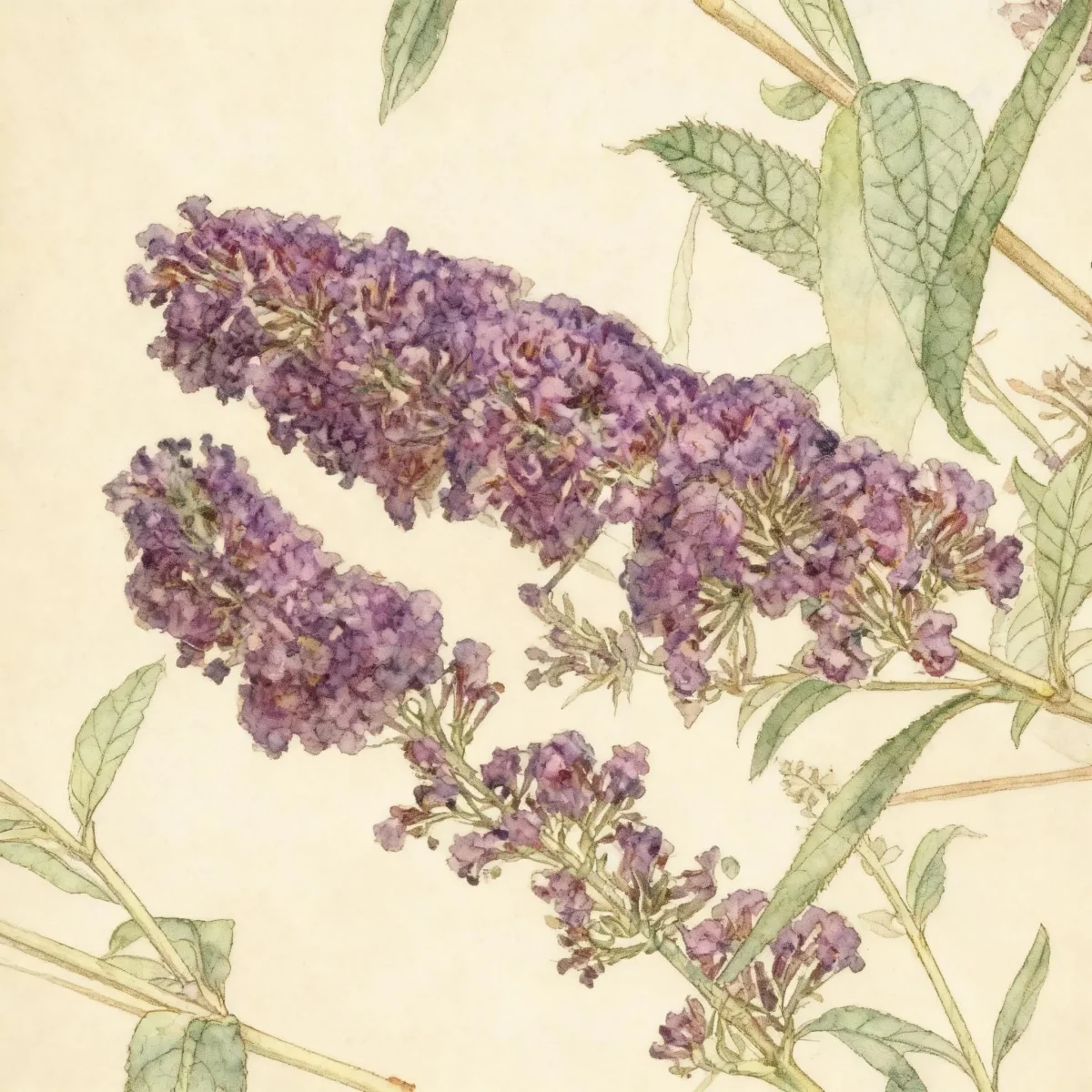
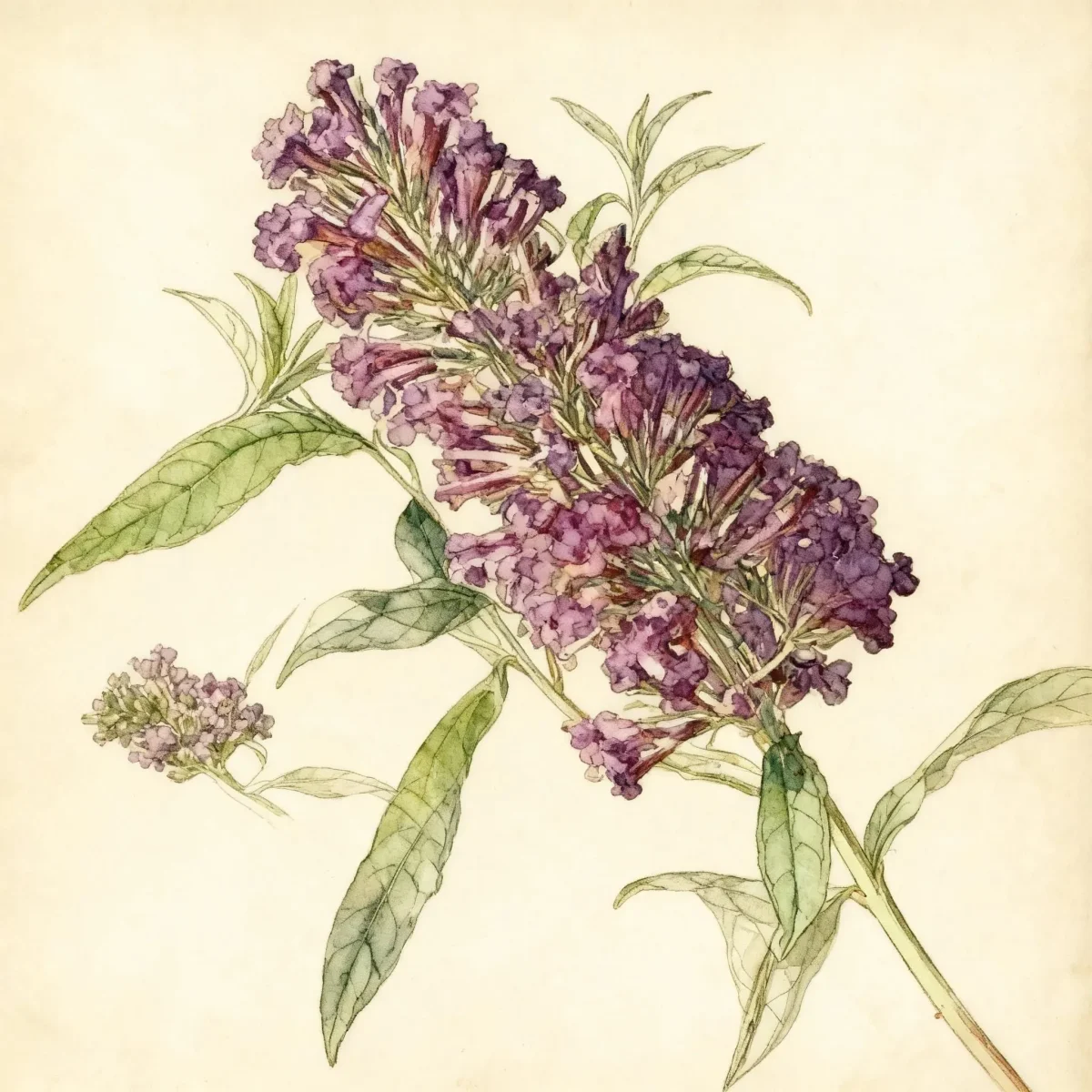
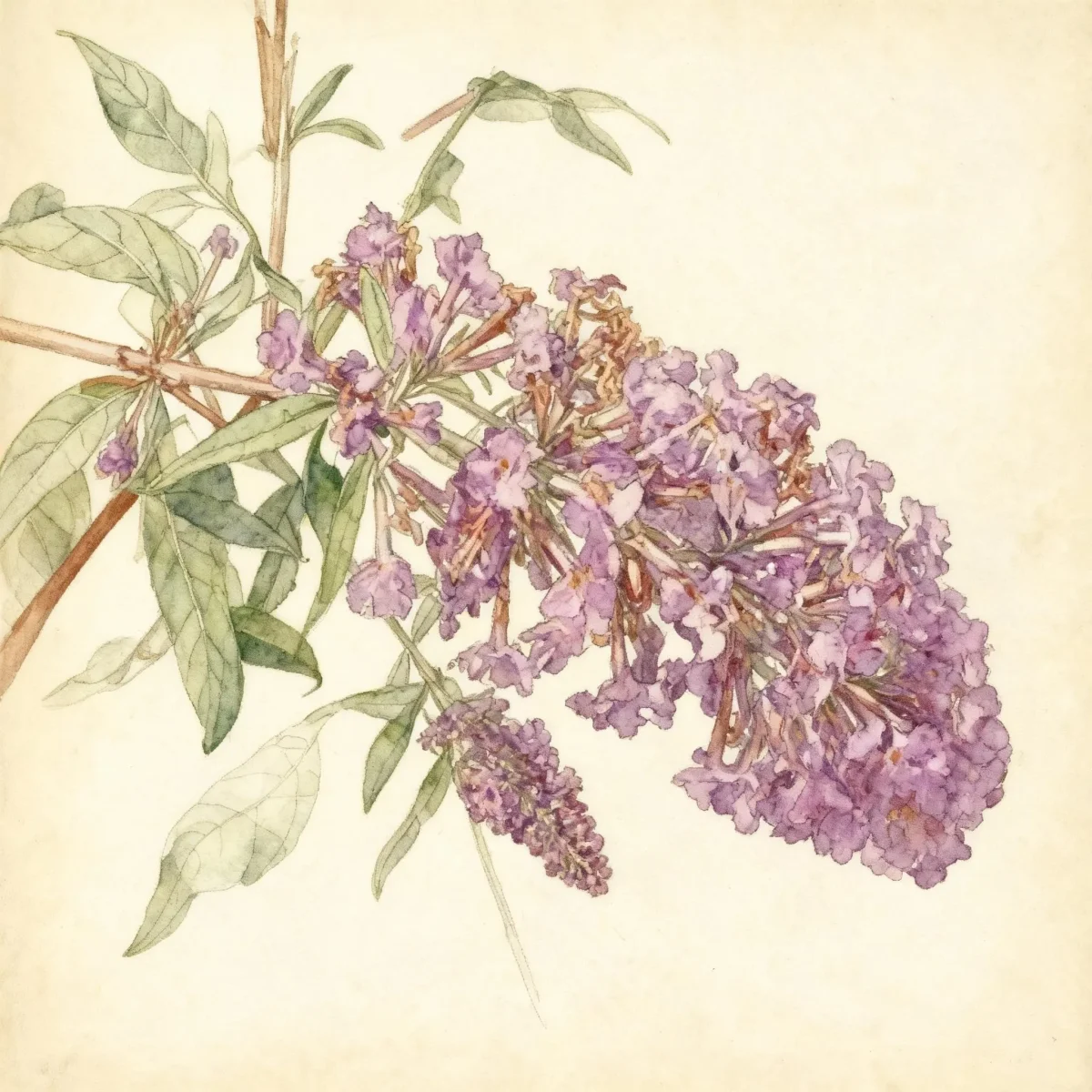
As a low-maintenance deciduous shrub, the Buddleja ‘SMNBDL’ PUGSTER AMETHYST thrives when given ample sunlight. It produces striking, dense, cone-shaped inflorescences of lilac-purple flowers continuously from early summer until fall frost. Gardeners appreciate this specific variety, commonly known as PUGSTER AMETHYST, for its reliable performance and resistance to common garden pests like rabbits.
Cultivating this Butterfly bush provides exceptional color and powerful pollinator support in the landscape. Whether used as a specimen or massed in a border, the compact habit of Buddleja ‘SMNBDL’ PUGSTER AMETHYST ensures it remains neat without becoming sprawling. Ensuring full sun exposure is the most critical factor for maximizing flower production and maintaining a tight shape.
Fast Facts
- Plant Family: Scrophulariaceae
- Plant Type: Deciduous shrub
- Hardiness Zones: USDA Zones 5-9
- Size at Maturity:
- Height: 1.75-2 ft
- Spread: 2-2.5 ft
- Bloom Time: June to September
- Bloom Description: Purple
- Sun Exposure: Full sun
- Water Needs: Medium
- Maintenance Level: Low
How to Grow
Plant Buddleja ‘SMNBDL’ PUGSTER AMETHYST in the spring or fall after the danger of hard frost has passed. Ensure the location receives full sun, as this plant becomes sparse and flowering diminishes significantly without 6+ hours of direct daily sun. It performs best in average, medium moisture, well-drained soils. While it can adapt to clay soil, amending the soil structure beforehand is recommended to prevent the poor drainage that this plant dislikes.
Water moderately, especially when establishing the shrub. While it handles medium moisture once established, avoid overly wet conditions, as Buddleja does poorly in poorly draining sites. Maintenance is typically low; however, for the most vigorous growth and superior flower display, it responds extremely well to aggressive pruning.
In late winter, cut the woody stems close to the ground, especially in USDA Zones 5 and 6 where the plant may die back to the ground naturally. This hard cut-back mimics herbaceous perennial care and results in superior summer blooms and better overall shape for your Butterfly bush. Deadheading spent flower spikes throughout the growing season will encourage new bloom production.
Landscape Uses
The dwarf, mounding habit of the Buddleja ‘SMNBDL’ PUGSTER AMETHYST makes it incredibly versatile in modern garden designs. It provides essential late-season color when many other shrubs are tired, fitting perfectly into mixed borders, cottage gardens, or contemporary structural plantings. Its small stature allows it to be grown successfully in containers, adding summer impact to patios and entryways.
Because of its reliable flower production and attractiveness to pollinators, it is a star component in dedicated butterfly gardens. It pairs well with sun-loving perennials that don’t require constant attention, such as Coneflowers (Echinacea) or Russian Sage (Perovskia). Furthermore, the blooms cut cleanly, making this Butterfly bush a popular addition to fresh floral arrangements.
Standout Features
Flower Qualities
- Showy
- Fragrant
Noteworthy Characteristics
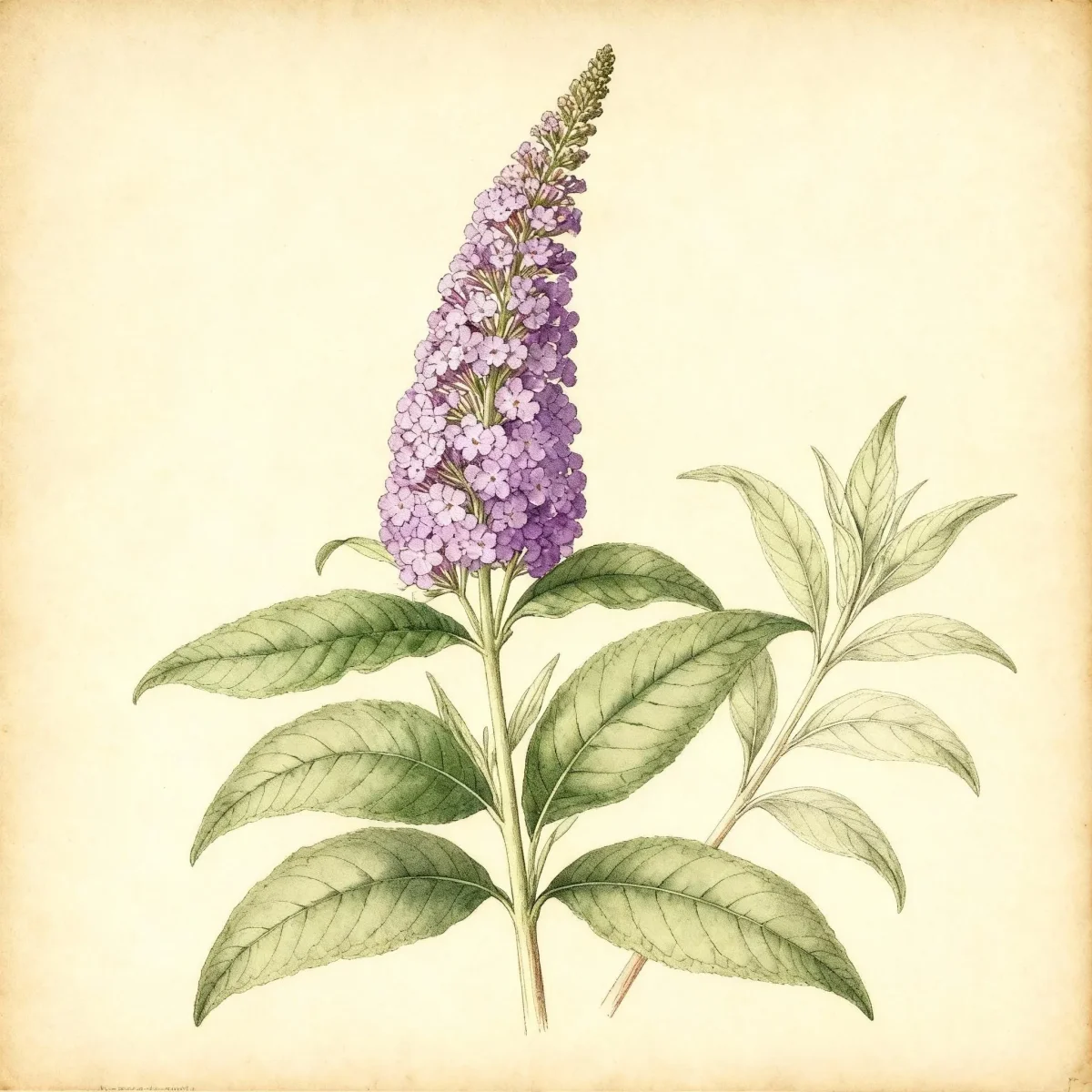
Buddleja is a genus of about 100 species of mainly shrubs but also some trees and climbers, native across Asia, Africa, and the Americas. Commonly called butterfly bush, these plants are famous for attracting butterflies and other vital pollinators. The specific cultivar ‘SMNBDL’, sold as PUGSTER AMETHYST, is a compact, dwarf hybrid featuring dense, 7-inch-long spikes of small, fragrant, lilac-purple flowers that are highly attractive to beneficial insects.
Tolerances
- Rabbit
- Clay Soil
Potential Problems
The Buddleja ‘SMNBDL’ PUGSTER AMETHYST is generally regarded as disease and insect-free, offering a significant advantage over some fussier shrubs. The main concern stems from its seed production; this plant can spread readily by seed and is listed as invasive in certain regions, so gardeners should always check local regulations before planting. In the southern US, nematodes can sometimes pose a problem below ground. Rabbits, however, tend to avoid browsing on this Butterfly bush.
Frequently Asked Questions
What hardiness zones is Buddleja ‘SMNBDL’ PUGSTER AMETHYST suitable for?
This durable shrub is suited for USDA Hardiness Zones 5 through 9.
How large does the Butterfly bush PUGSTER AMETHYST grow?
It maintains a compact size, typically reaching only 1.75 to 2 feet in height with a spread of 2 to 2.5 feet.
What sun exposure does the Buddleja ‘SMNBDL’ PUGSTER AMETHYST need?
This plant absolutely requires full sun exposure to achieve optimal flowering performance and maintain a dense, non-leggy shape.
When does this Butterfly bush bloom?
You can expect the fragrant purple blooms to appear continuously from June through September.
Conclusion
The Buddleja ‘SMNBDL’ PUGSTER AMETHYST delivers maximum impact in a minimum footprint, providing low-maintenance color and essential nectar for pollinators. Its compact nature and long bloom season make this particular Butterfly bush an indispensable asset for modern gardeners. Before planting, verify that your site offers the required full sun and check local regulations regarding the invasive potential of the Butterfly bush genus in your area.
Companion Planting Ideas
Selecting appropriate companions for Buddleja ‘SMNBDL’ PUGSTER AMETHYST ensures a cohesive, water-wise, and sun-loving display. Look for plants that share its need for full sun and well-drained soil, such as ornamental grasses like Blue Fescue (Festuca glauca) whose silvery-blue foliage contrasts beautifully with the dark amethyst blooms. Lavender (Lavandula) is another excellent pairing, sharing similar low-water needs and enhancing the overall pollinator attraction of the area.
Drought-tolerant perennials like Sedum (stonecrop) or Yarrow (Achillea) work well near the base of your PUGSTER AMETHYST. These choices help suppress weeds and provide ground cover without competing aggressively for nutrients or water, complementing the shrub’s natural mounding form. Combining these elements creates a beautiful, low-maintenance border that blooms reliably throughout the summer heat.
Seasonal Care Calendar
Spring preparation for your Butterfly bush is crucial for maximizing summer flowers. In early spring, before new growth begins, prune the woody stems back hard—cutting them down to just a few inches above the ground provides the most vigor for the season ahead. As the season progresses into summer, lightly shearing off the spent flower spikes can encourage faster rebloom cycles on this quick-growing shrub.
Summer care should focus primarily on monitoring soil moisture until the shrub is fully established; while medium water is needed, ensure drainage remains excellent, especially during heavy rains. Pest monitoring is generally minimal, making summer maintenance easy, allowing you more time simply to enjoy the visiting butterflies drawn to the fragrant purple flowers of the PUGSTER AMETHYST. In fall, the deciduous shrub needs little attention other than perhaps cleaning up any fallen leaves once the foliage has yellowed.