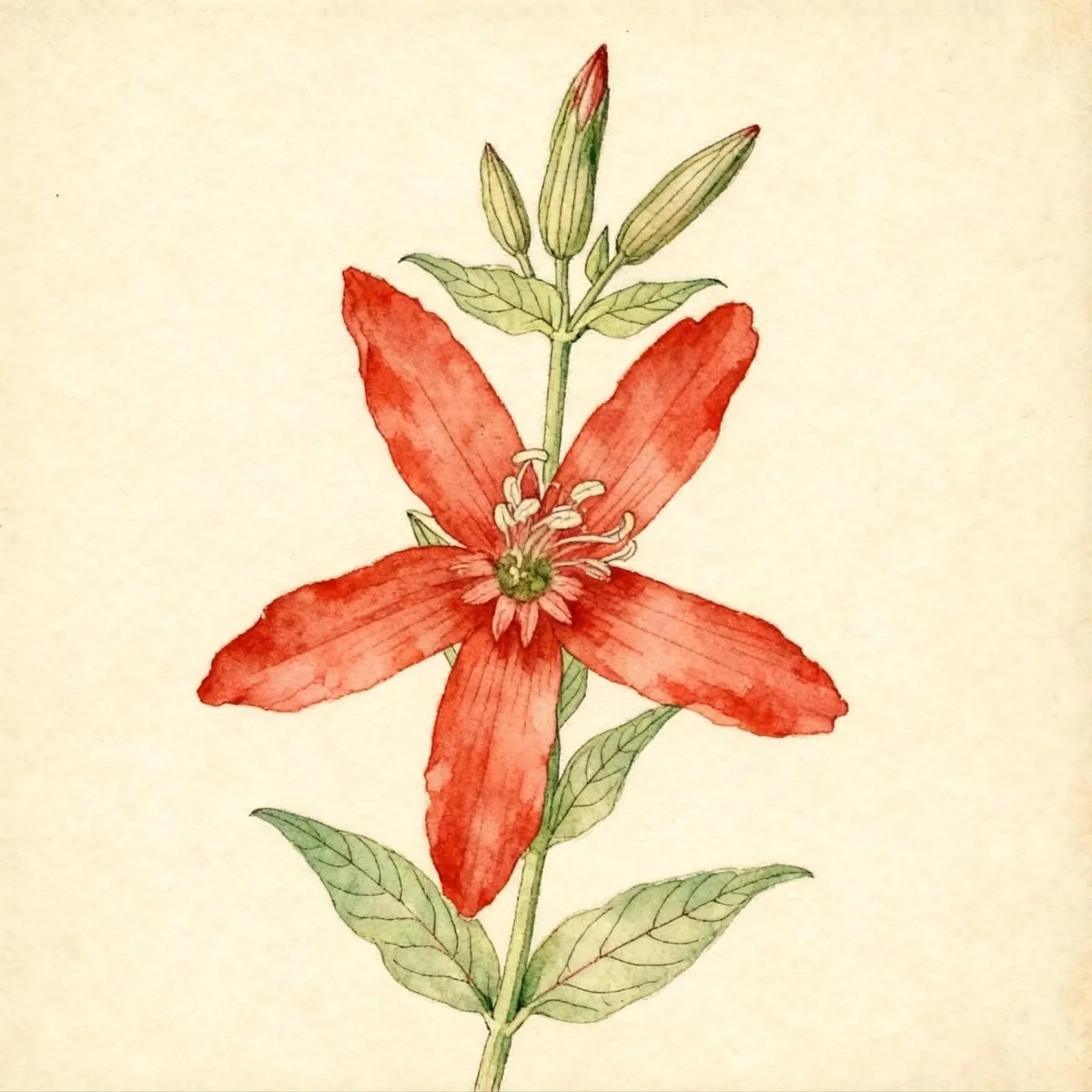
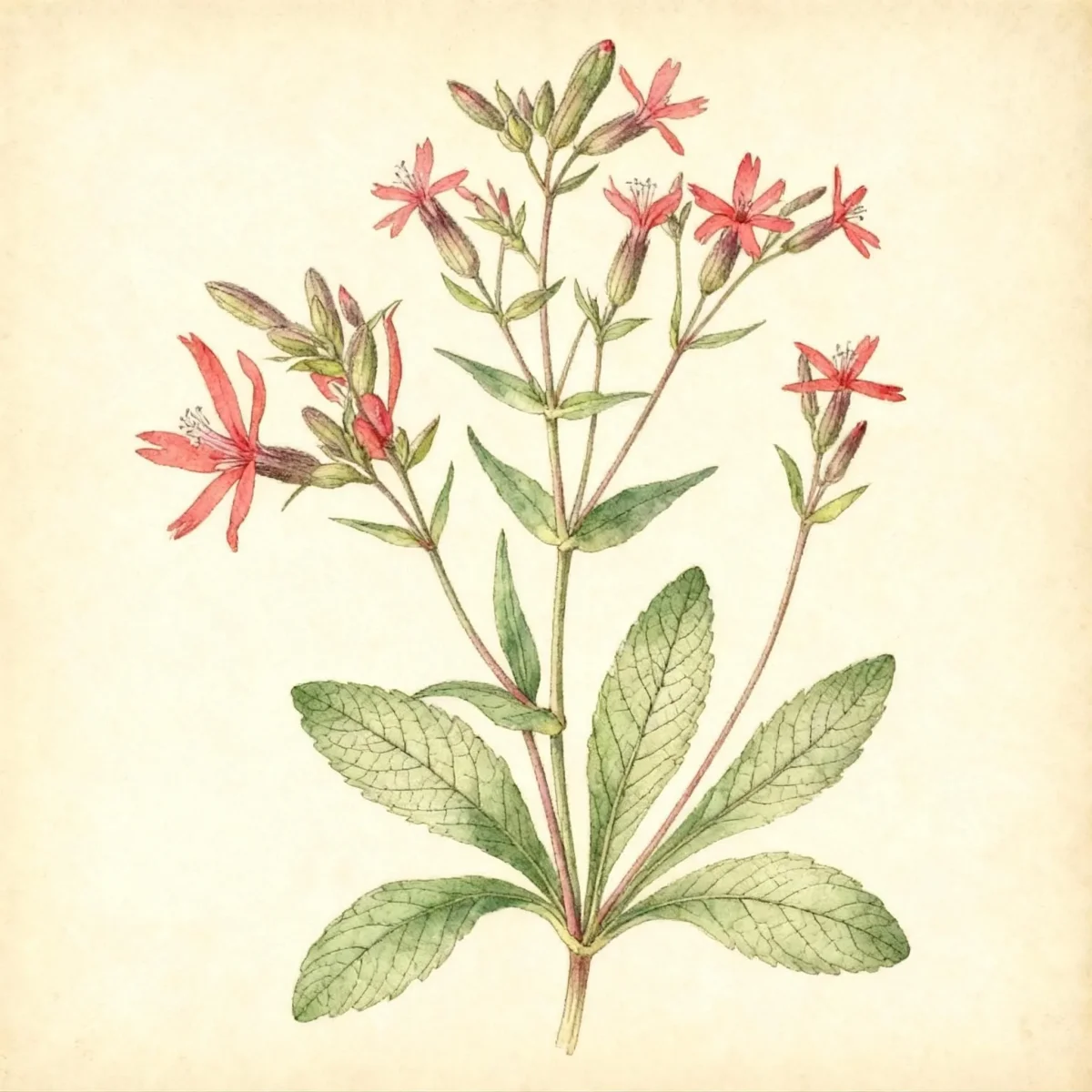
Wild pink (Silene caroliniana var. wherryi 'Short and Sweet')
Silene caroliniana var. wherryi 'Short and Sweet' (Wild pink) is a compact perennial featuring bright pink blooms. Ideal for dry, sunny to partly shaded native gardens.
Scroll down to discover growing tips, care requirements, companion plants, and more
Complete Plant Information
Overview
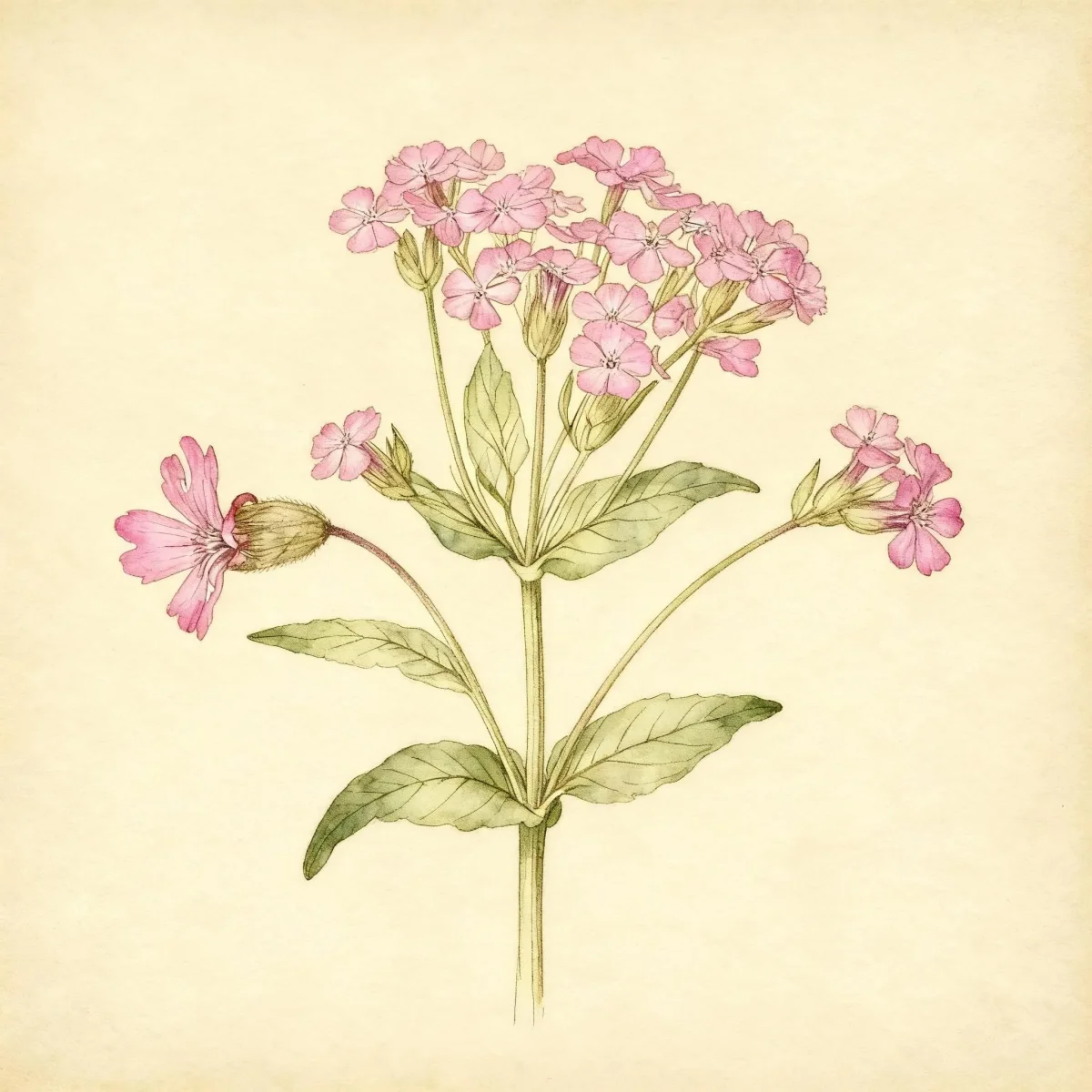
Silene caroliniana var. wherryi ‘Short and Sweet’, known commonly as Wild pink, is a highly valued, compact native perennial perfect for gardeners seeking low-maintenance beauty. It forms tight, attractive mounds of foliage topped by clear rose-pink flowers that resemble woodland phlox. This cultivar offers excellent performance in drier conditions where other border plants might struggle.
This selection of wild pink, Silene caroliniana var. Wherryi ‘Short and Sweet’, retains the charm of the species while remaining notably petite, typically reaching less than a foot tall. It serves as a significant early nectar source, drawing butterflies and various insect pollinators when many other flowers are just beginning their season.
Growers will appreciate that this plant requires excellent drainage and thrives in tough spots, making it a resilient choice for rock gardens or naturalized areas. Once established, the low-mounding clumps of bright pink bloom provide reliable texture and color in late spring.
Fast Facts
- Plant Family: Caryophyllaceae
- Plant Type: Herbaceous perennial
- Hardiness Zones: USDA Zones 5-8
- Size at Maturity:
- Height: 0.5-0.75 ft
- Spread: 1-1.5 ft
- Bloom Time: May to June
- Sun Exposure: Full sun to part shade
- Water Needs: Dry to medium
- Maintenance Level: Medium
How to Grow
Plant Silene caroliniana var. wherryi ‘Short and Sweet’ in the spring or fall, prioritizing locations that afford the best drainage possible. This variety, like all wild pink, absolutely requires soil that is well-drained; root rot is a primary concern in heavy or constantly wet conditions. It thrives in average soils but performs exceptionally well in dryish, sandy, or gravelly environments, appreciating full sun but tolerating a spot that receives some part afternoon shade.
Maintenance is generally low once established, aligning with its natural habitat preference for drier sites. Handle with care, as these plants are best left undisturbed once they settle in, minimizing transplanting stress. Watering should be kept to dry to medium requirements; while young plants need consistent moisture to establish roots, mature clumps are notably drought tolerant. Fertilization is rarely necessary.
To keep the clumps neat, cut back the faded flowering stems after blooming concludes, which encourages a tidier appearance through the summer heat. Avoid excessive summer watering, especially where drainage is questionable, as this is the most common failure point for this otherwise robust perennial.
Landscape Uses
The compact habit of Silene caroliniana var. wherryi ‘Short and Sweet’ makes it exceptionally well-suited for naturalized plantings, allowing it to spread gently between larger grasses or shrubs. Its low stature ensures it functions perfectly as an edging plant or in the front of border fronts where taller species might obstruct the view.
Rock gardens are an ideal setting for this wild pink, as the shallow-rocky soil types found there mimic its preferred native environment, providing the necessary aeration and drainage. Consider grouping several plants together to create a striking drift of bright pink color during late spring to early summer. It pairs effectively with other dry-loving natives that share similar sun/shade requirements.
Standout Features
Flower Qualities
- Showy
Noteworthy Characteristics
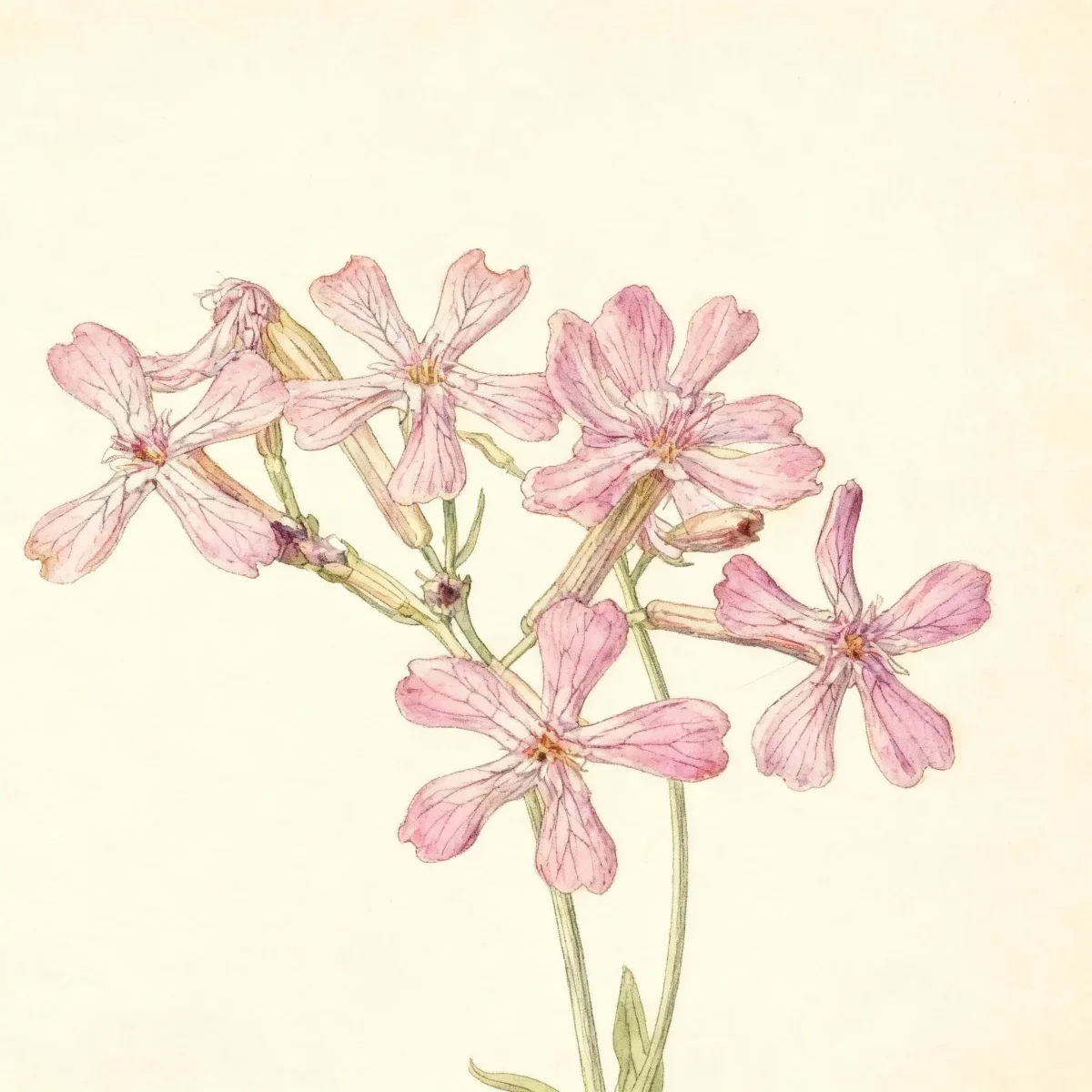
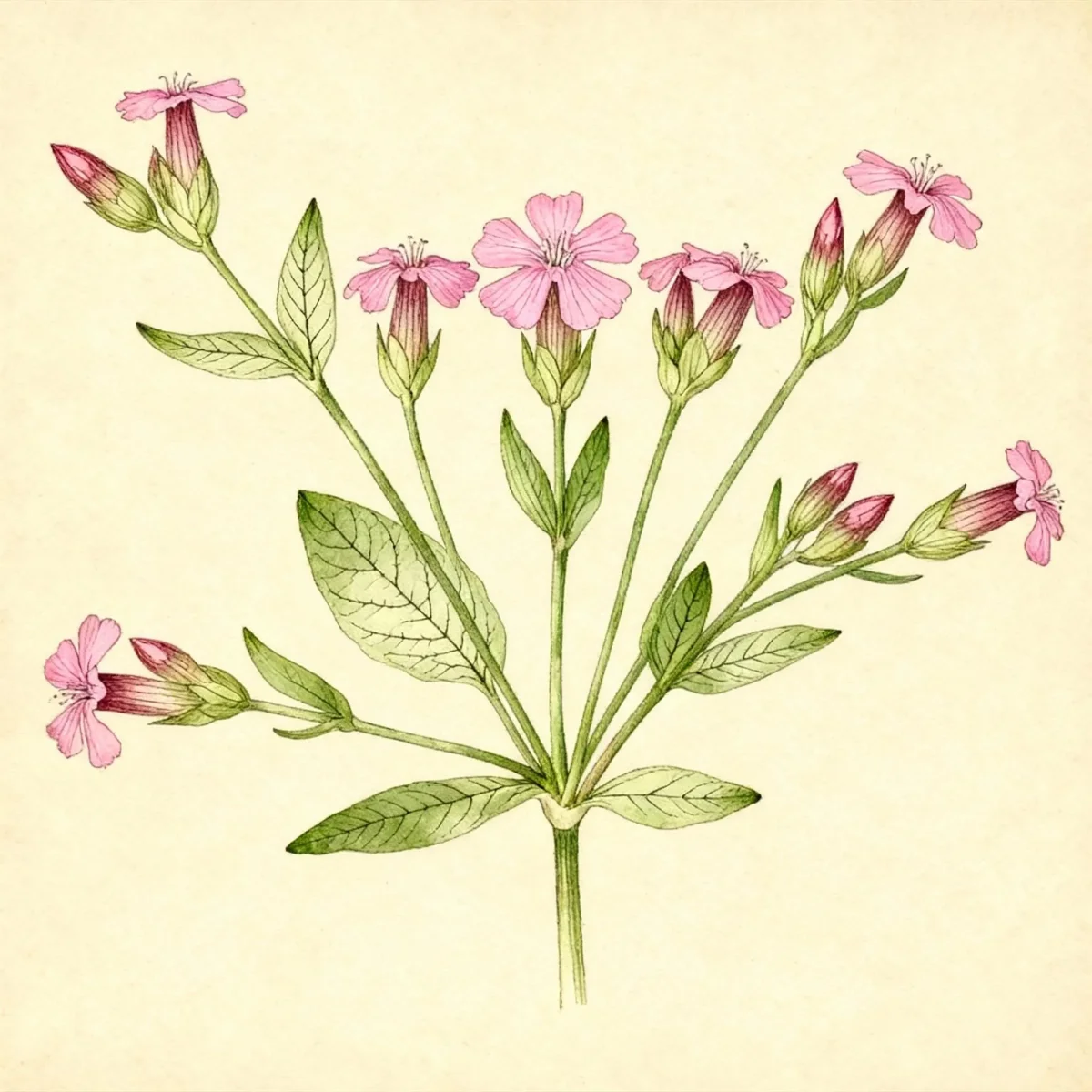
Silene caroliniana, commonly called wild pink, Carolina campion, or catchfly, is a low, mounded wildflower native to eastern and central North America, often resembling woodland phlox. Loose clusters of five-petaled, rose-pink flowers appear on sticky stems rising above tufts of narrow, lance-shaped basal leaves. The ‘Short and Sweet’ selection is celebrated for being compact, reaching only about 8” tall and spreading up to 18”, making it a wonderful, bright accent plant.
Tolerances
- Drought
- Dry Soil
- Shallow-Rocky Soil
Potential Problems
This plant generally avoids serious insect or disease problems, which adds to its appeal as a low-fuss native option. The primary threat to the health of Silene caroliniana var. wherryi ‘Short and Sweet’ is root rot, which occurs if the soil becomes overly saturated or poor drainage persists. Ensure planting sites are never low spots where water collects, and amend heavy clay soils aggressively with grit or sand prior to planting to maintain necessary aeration.
Frequently Asked Questions
What hardiness zones is Wild pink suitable for?
The recommended hardiness range for Silene caroliniana var. wherryi ‘Short and Sweet’ is USDA Zones 5 through 8.
How large does Silene caroliniana var. wherryi ‘Short and Sweet’ grow?
This cultivar is quite compact, typically maintaining a height between 0.5 and 0.75 feet, spreading modestly between 1 and 1.5 feet wide.
When does Wild pink bloom?
You can expect the showy, bright pink flowers of this variety to appear from May into June.
What sun exposure does Wild pink need?
Silene caroliniana var. wherryi ‘Short and Sweet’ prefers a location receiving full sun, though it tolerates conditions ranging to part shade, providing it still receives adequate light.
Conclusion
The compact size and robust tolerance for dry, lean soils make Silene caroliniana var. wherryi ‘Short and Sweet’ an indispensable component for sustainable garden design. This vibrant Wild pink provides essential early nectar in a tidy package perfect for borders and small spaces. Check your local USDA zone compatibility and plan planting during cooler parts of the season for the best establishment success.
Companion Planting
When selecting companions for this Wild pink, prioritize other drought-tolerant, sun-loving perennials that share similar needs for excellent drainage. Species that tolerate gravelly soils, such as various Sedums, low-growing Thymes, and native Pinks (Dianthus relatives), integrate seamlessly with the texture and needs of Silene. Avoid moisture-loving hostas or ferns which would conflict with the dry requirements of Silene caroliniana var. wherryi ‘Short and Sweet’.
Wildlife Benefits
As an important early nectar source, the blossoms of the Wild pink are highly attractive to emerging butterflies and other beneficial insect pollinators in late spring. Planting this native perennial supports local ecosystems by providing reliable forage when resources can be scarce immediately following winter dormancy. Its low growth habit also offers effective ground cover without overpowering neighboring species.