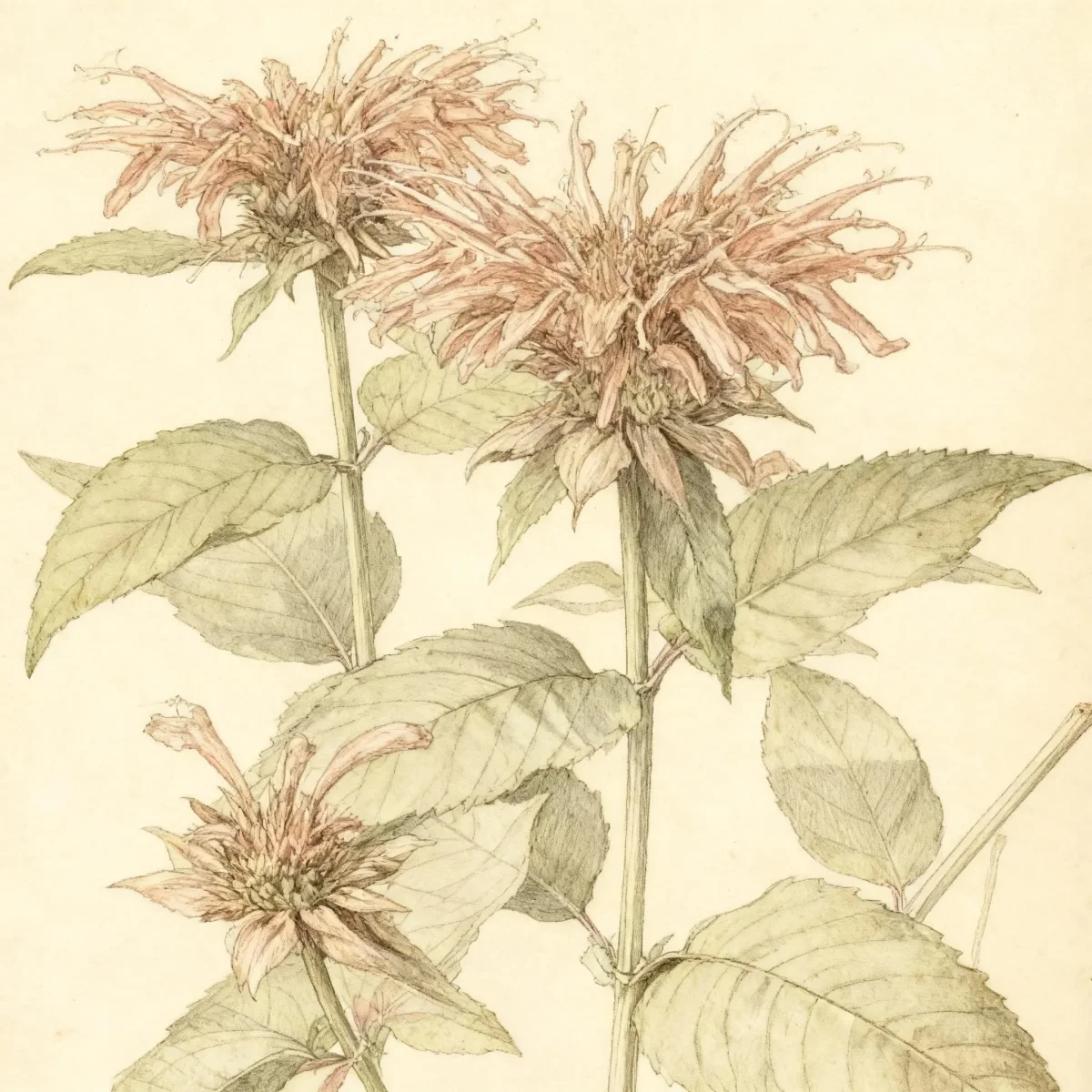
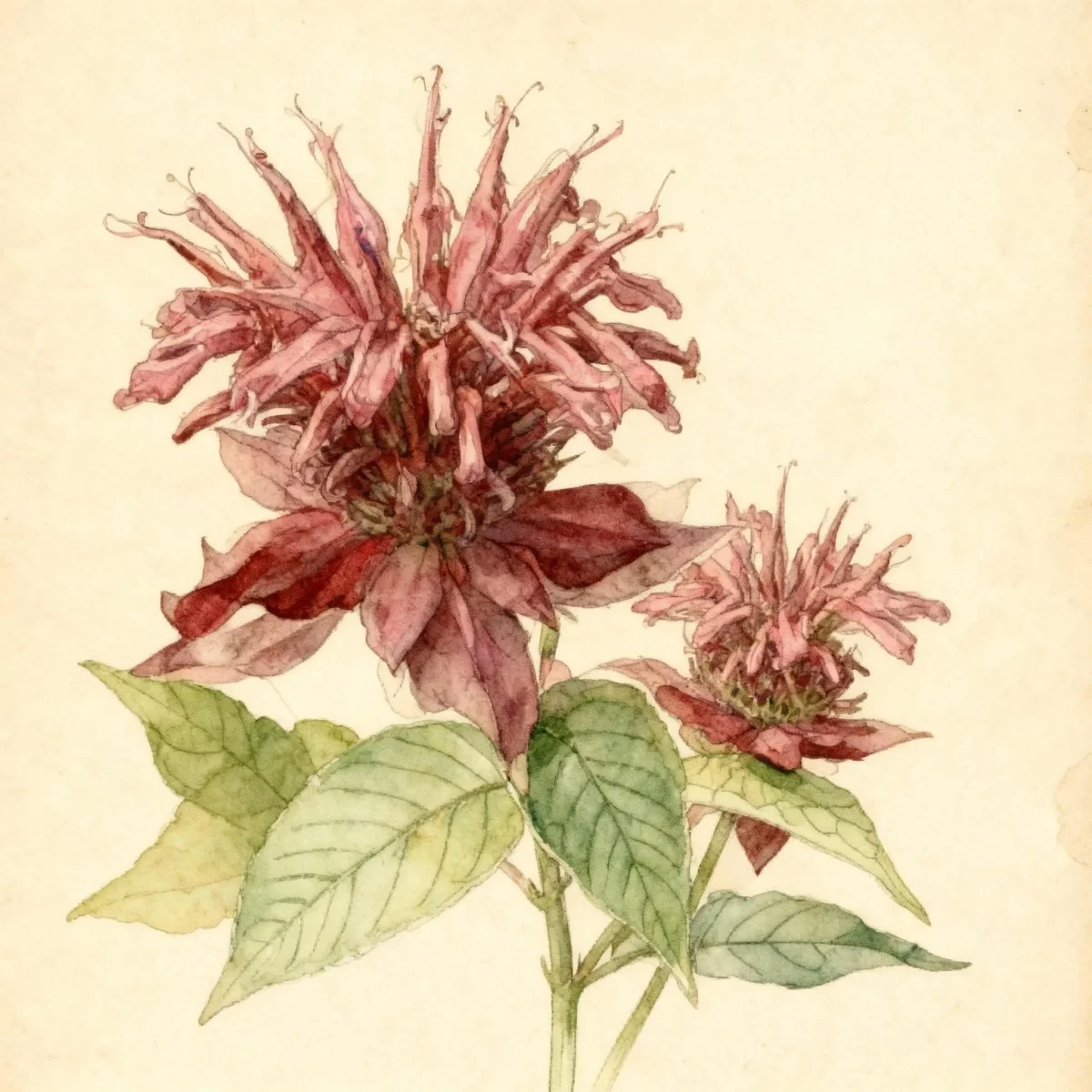
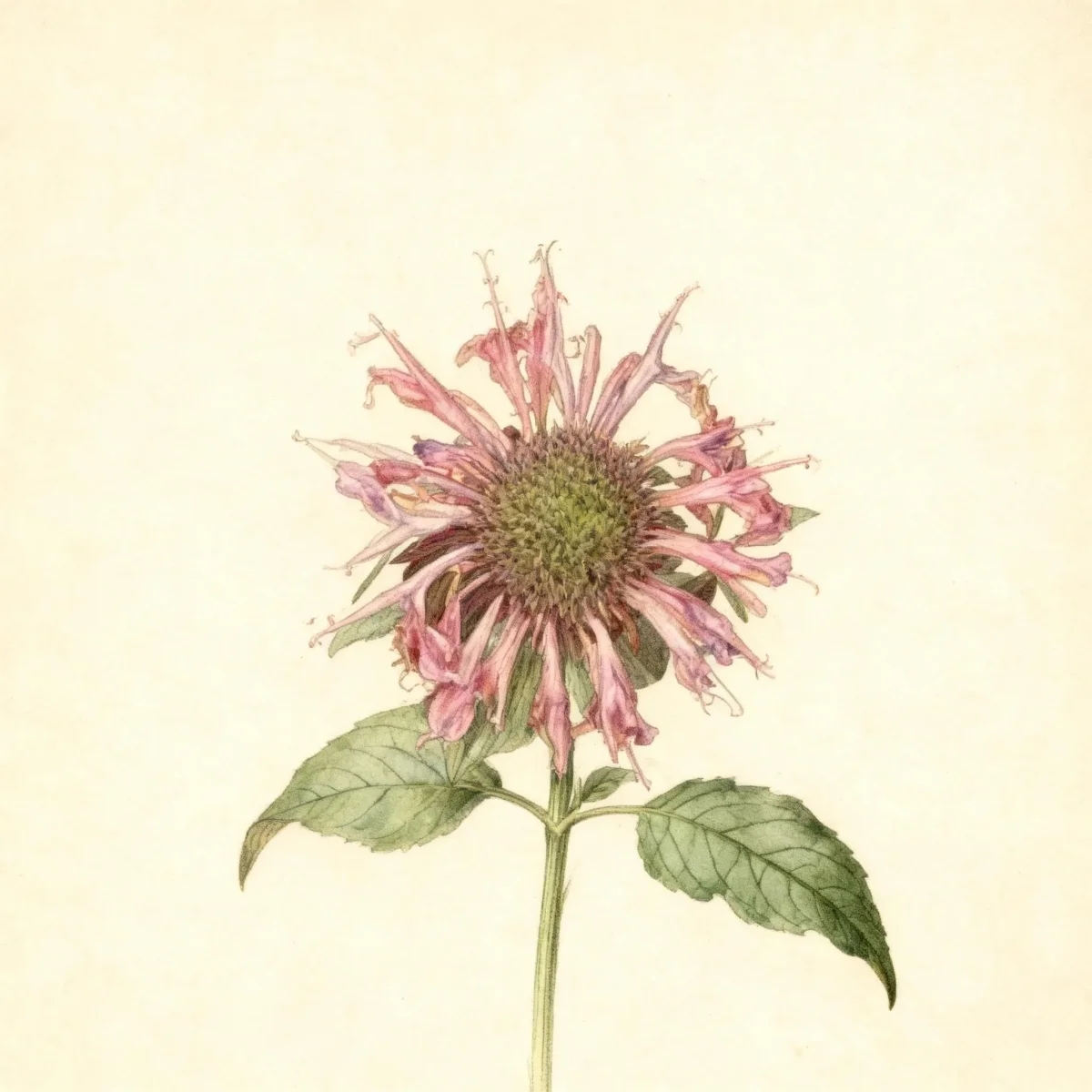
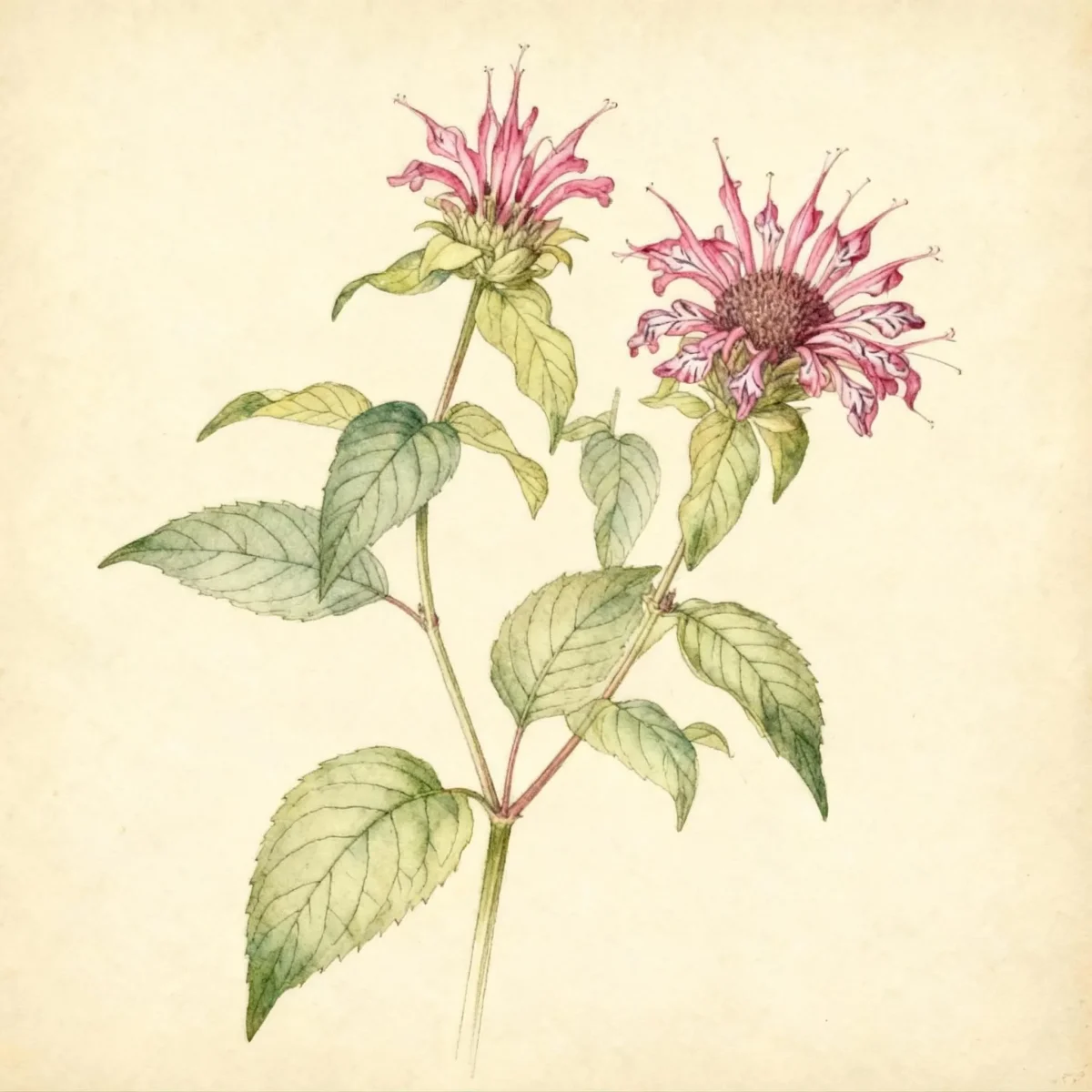
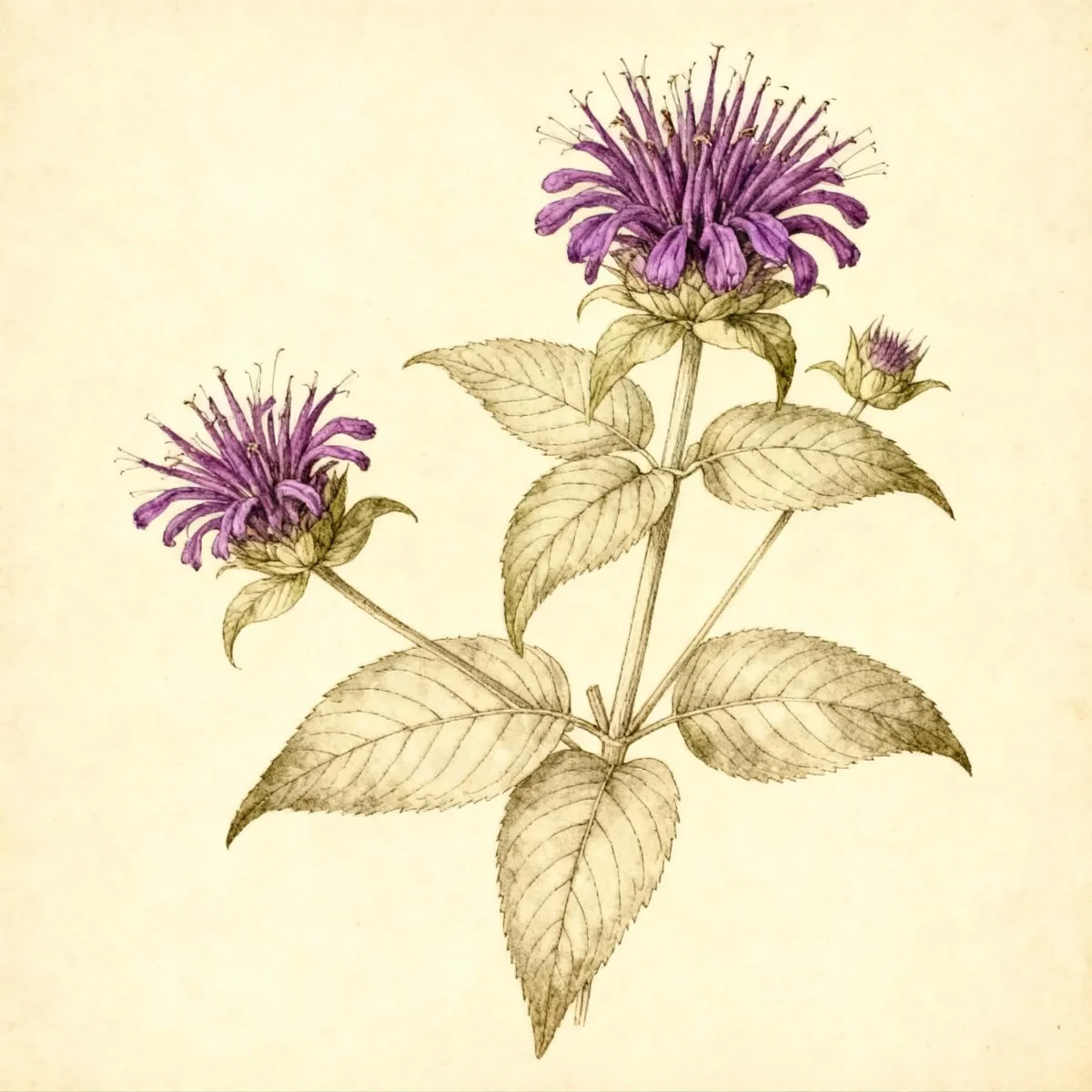
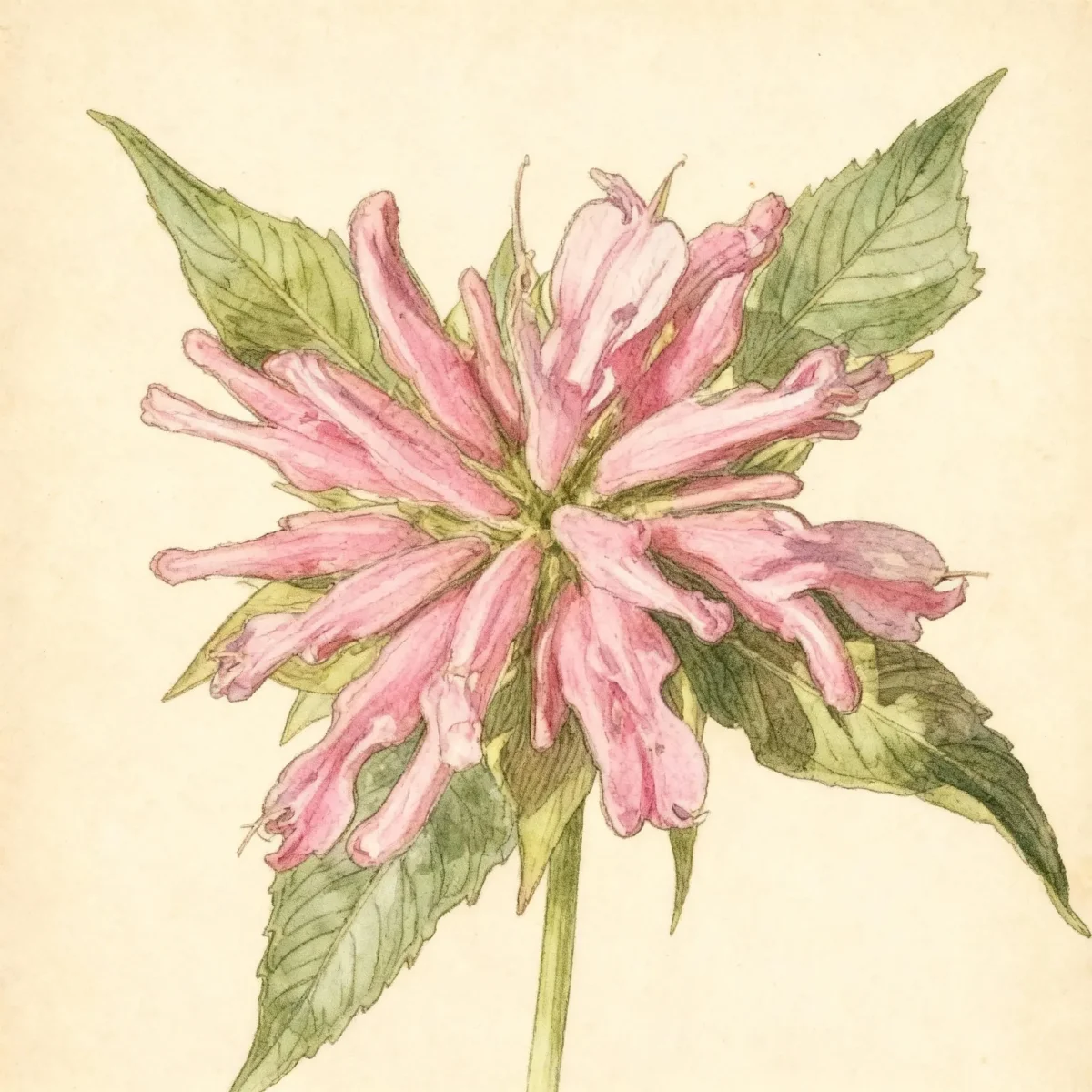
Bee balm (Monarda didyma 'Pink Frosting')
Monarda didyma 'Pink Frosting' offers fragrant pink blooms, thrives in moist soil, and attracts pollinators to your garden.
Scroll down to discover growing tips, care requirements, companion plants, and more
Complete Plant Information
Overview
Monarda didyma ‘Pink Frosting’ is a standout herbaceous perennial prized for its vibrant color and excellent fragrance, making it a valuable addition to any pollinator or cottage garden. This specific selection, a compact cultivar of the classic Bee balm, provides abundant clusters of charming pink, tubular flowers throughout mid to late summer. It brings reliable structure, reaching up to two feet tall, while also providing significant aesthetic and ecological benefits.
As a member of the mint family, this plant offers more than just beautiful summer blooms; the aromatic foliage is a bonus, and its flowers are magnetic to bees, hummingbirds, and butterflies when massed together. While traditional bee balm can sometimes struggle with mildew, the ‘Pink Frosting’ variety offers improved resistance, making maintenance slightly easier for the dedicated gardener.
Ultimately, Monarda didyma ‘Pink Frosting’ excels in areas where moisture is consistently available. Gardeners should seek locations offering full sun to light afternoon shade, ensuring the soil remains moist to wet to support robust, healthy clumps of this attractive Bee balm.
Fast Facts
- Plant Family: Lamiaceae
- Plant Type: Herbaceous perennial
- Hardiness Zones: USDA Zones 4-9
- Size at Maturity:
- Height: 1.5-2 ft
- Spread: 2-2.5 ft
- Bloom Time: July to August
- Bloom Description: Pink
- Sun Exposure: Full sun to part shade
- Water Needs: Medium to wet
- Maintenance Level: Medium
How to Grow
For the best display, plant Monarda didyma ‘Pink Frosting’ in the spring or fall. This Bee balm thrives best when sited in rich, moisture-retentive soil. While it performs well in full sun, planting it where it receives some afternoon shade is beneficial in the hottest regions to reduce stress, especially as its water needs are medium to wet. It handles heavier clay soils better than many perennials, provided drainage allows the soil to remain consistently moist without becoming waterlogged year-round.
Watering is critical for keeping this plant happy and healthy; never allow the soil to dry out completely. Consistent moisture directly combats the susceptibility of the plant to foliage diseases. Fertilizing is generally unnecessary if the soil is rich and humusy, as over-fertilizing can lead to excessive, weak foliage growth at the expense of flowers.
To maintain vigor and shape, divide the clumps of Monarda didyma ‘Pink Frosting’ every three to four years. This division prevents overcrowding, which is crucial for maintaining good air circulation around the foliage. Deadheading spent blooms is recommended to prolong the flowering period throughout the summer and to discourage unwanted self-seeding.
Landscape Uses
Monarda didyma ‘Pink Frosting’ is an exceptional choice for mixing into the back or middle of mixed perennial borders, providing vertical interest with its sturdy stems and bright pink flowers. Due to its requirement for consistent moisture, it excels in rain gardens or along the edges of ponds and streams where water collects. This specific cultivar works beautifully in cottage gardens, lending an informal, cheerful texture alongside salvias or coreopsis.
For wildlife enthusiasts, this Bee balm is a magnet for beneficial insects, making it a spectacular addition to dedicated butterfly or bird gardens. Furthermore, its blooms are excellent for cutting; harvest stems when the flowerheads are fully formed for refreshing, fragrant, fresh cut arrangements used indoors.
Consider mass planting Monarda didyma ‘Pink Frosting’ to maximize its visual impact and its ability to suppress weeds once established. It naturally integrates well into meadow plantings or naturalized areas where it can form soft, attractive colonies via its rhizomes.
Standout Features
Flower Qualities
- Showy
- Fragrant
- Good Cut
Noteworthy Characteristics
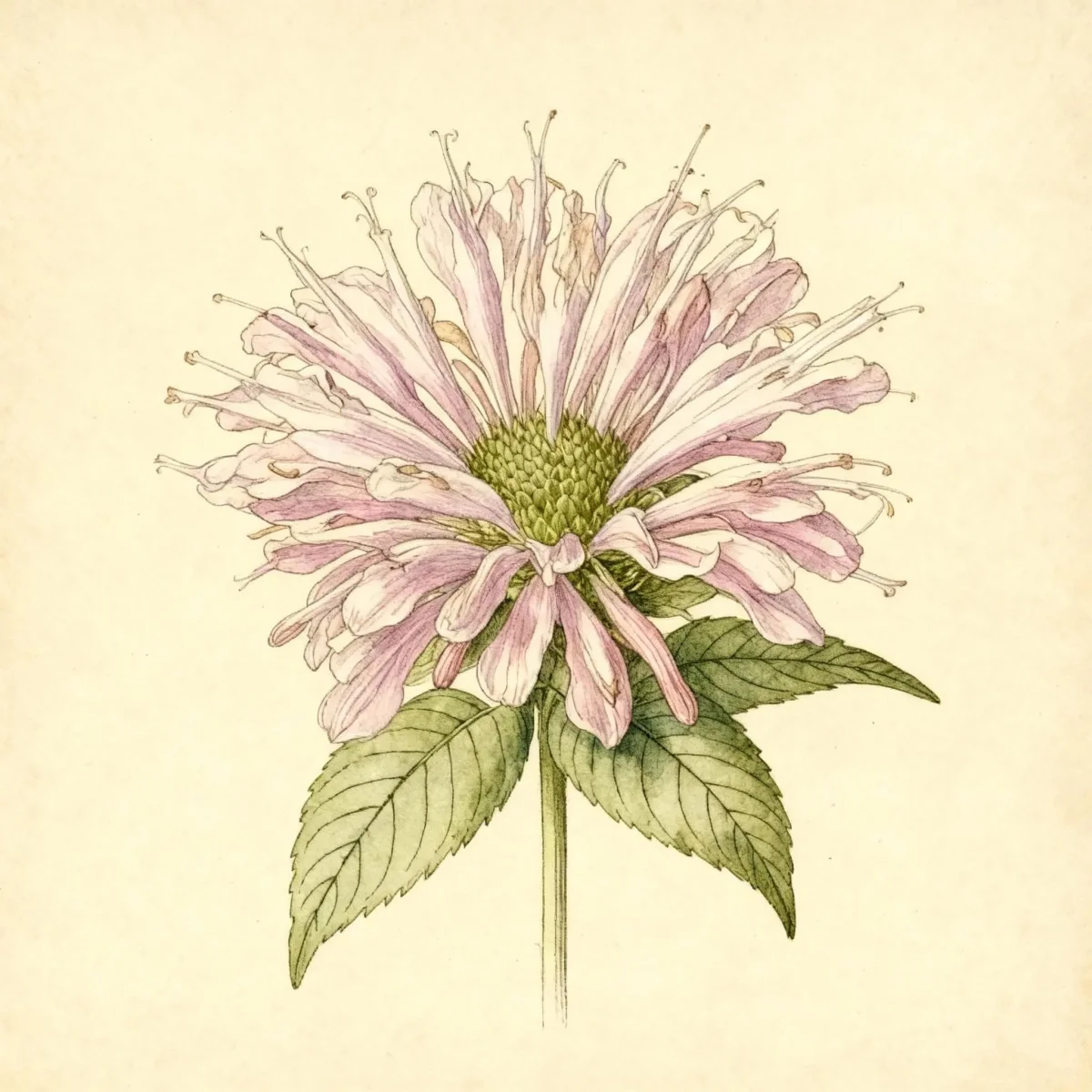
Monarda didyma, known by a number of different common names including bee balm, Oswego tea and bergamot, is native to eastern North America where it typically occurs in bottomlands, thickets, moist woods and along streambanks from Maine to Minnesota south to Missouri and Georgia. ‘Pink Frosting’ is a compact, upright selection of bee balm that features clusters of pink flowers held atop sturdy stems, with mature clumps reaching up to 2’ tall and spreading to fill a 2.5’ area. This cultivar is particularly noted for having a flower structure made up of rounded, 2.5-3” wide, terminal clusters of fragrant, pink, tubular flowers suitable for fresh cut arrangements.
Tolerances
- Rabbit
- Deer
- Clay Soil
- Wet Soil
- Black Walnut
Potential Problems
Powdery mildew is the most common concern for Bee balm, especially when air circulation is poor or if the plants become stressed due to dry soil conditions. Rust can also occasionally manifest on the leaves. To mitigate fungal issues, ensure adequate spacing between plants during installation or division to promote excellent airflow. Avoid overhead irrigation late in the day, which keeps foliage damp overnight. While the native species can be highly susceptible, the cultivar Monarda didyma ‘Pink Frosting’ has been bred to feature improved mildew resistance, helping gardeners maintain healthier foliage throughout the season.
Frequently Asked Questions
What hardiness zones is Bee balm suitable for?
Monarda didyma ‘Pink Frosting’ is rated for robust growth across USDA Hardiness Zones 4 through 9.
How large does Monarda didyma ‘Pink Frosting’ grow?
This compact cultivar generally reaches a height between 1.5 and 2 feet, spreading consistently between 2 and 2.5 feet wide.
When does Bee balm bloom?
This perennial provides stunning color from July through August, featuring showy spikes of pink flowers.
What sun exposure does Bee balm need?
For optimal flowering and health, the ideal placement for Monarda didyma ‘Pink Frosting’ is full sun to partial shade conditions.
Conclusion
Monarda didyma ‘Pink Frosting’ offers gardeners a mildew-resistant, visually striking component featuring fragrant pink blooms highly attractive to pollinators. Ensure you meet the medium to wet moisture requirements for this excellent Bee balm selection to thrive in your landscape. Consult your local USDA zone map before planting to confirm it is suitable for your climate.
Companion Planting
When planning the perennial border, choose companions for Monarda didyma ‘Pink Frosting’ that share similar moisture and light requirements to create a cohesive planting scheme. Plants that appreciate consistent moisture, such as certain varieties of Astilbe, Lobelia cardinalis, or Ligularia, thrive alongside bee balm. For structures that contrast Nicely with the rugged texture of Monarda, integrate plants with finer foliage like Siberian Iris or taller ornamental grasses.
This combination strategy works both culturally—ensuring all plants receive enough water—and aesthetically. Placing Monarda didyma ‘Pink Frosting’ near shorter foreground plants allows its 2-foot height to shine without obscuring desirable blooms, creating depth in the garden bed.
Wildlife Benefits
The inherent value of Bee balm varieties lies in their exceptional attractiveness to local fauna. The tubular flower shape specifically caters to hummingbirds, which are frequent visitors to Monarda didyma ‘Pink Frosting’. Beyond the hummingbirds, the bright pink flowers serve as a major attractant for various species of native bees and beneficial butterflies seeking nectar during the mid-summer slump.
Planting these in groups or mass plantings increases their visibility and effectiveness as a floral resource station. Even after the primary blooming season ends in late summer, the seed heads can provide textural interest and late-season forage for smaller birds that consume the seeds.