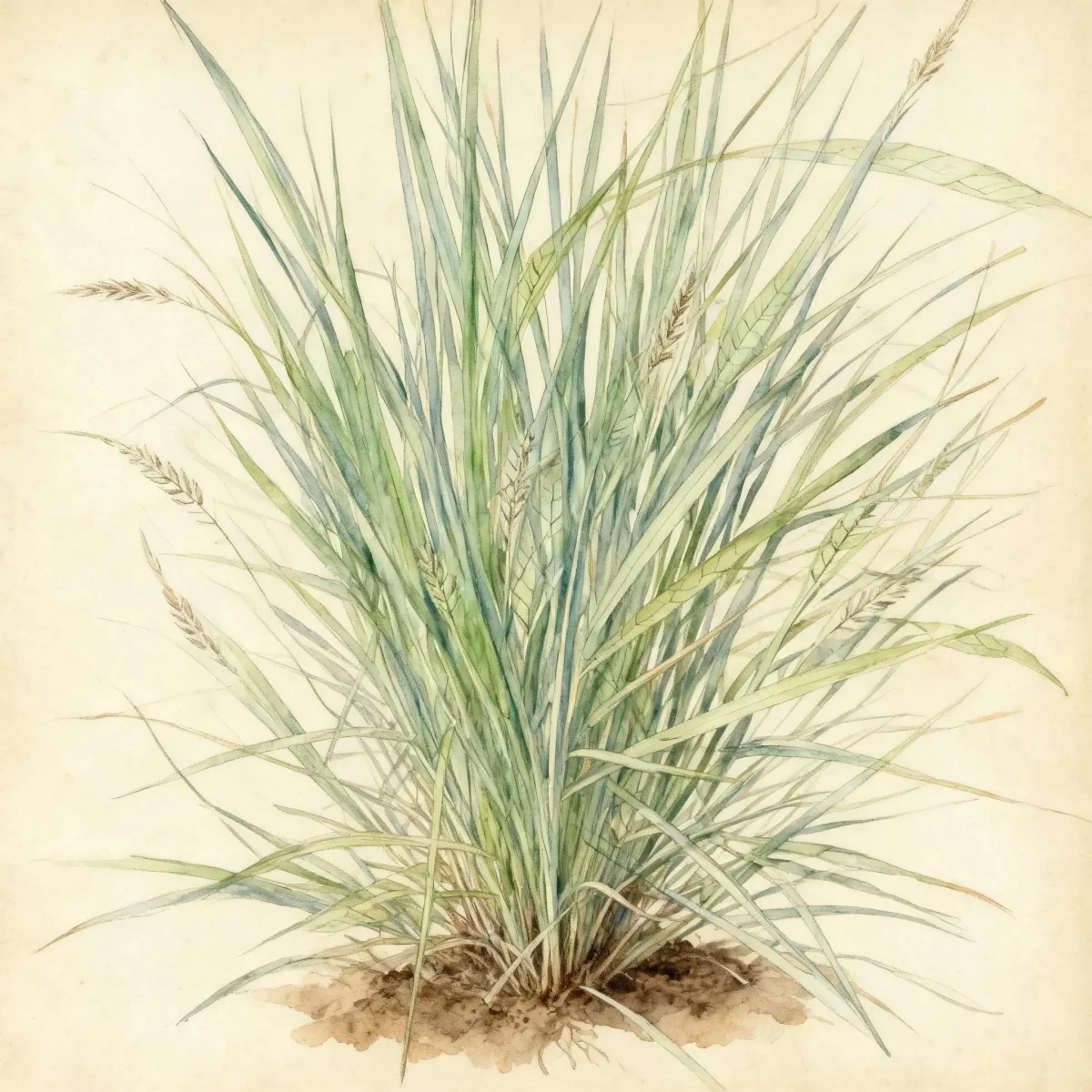
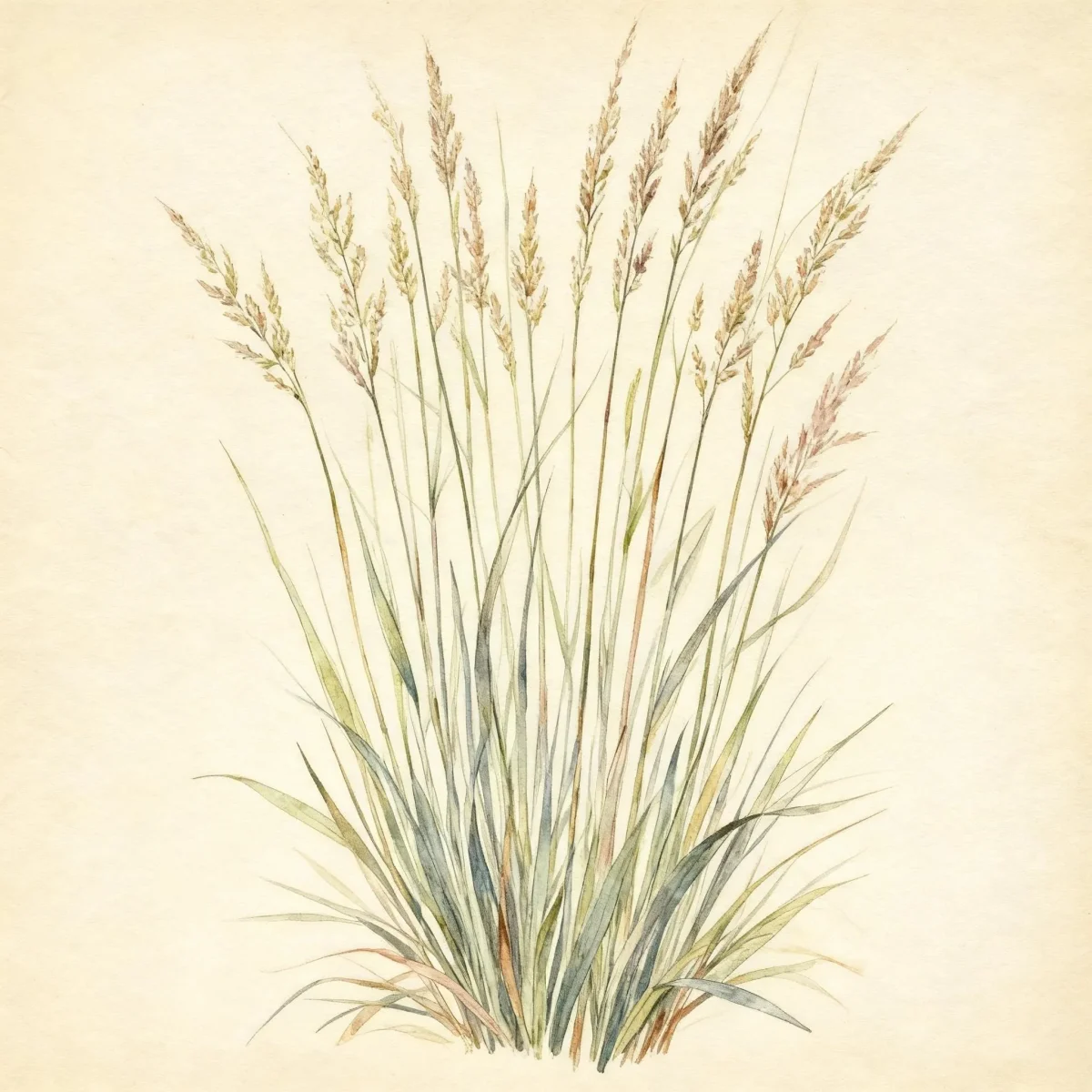
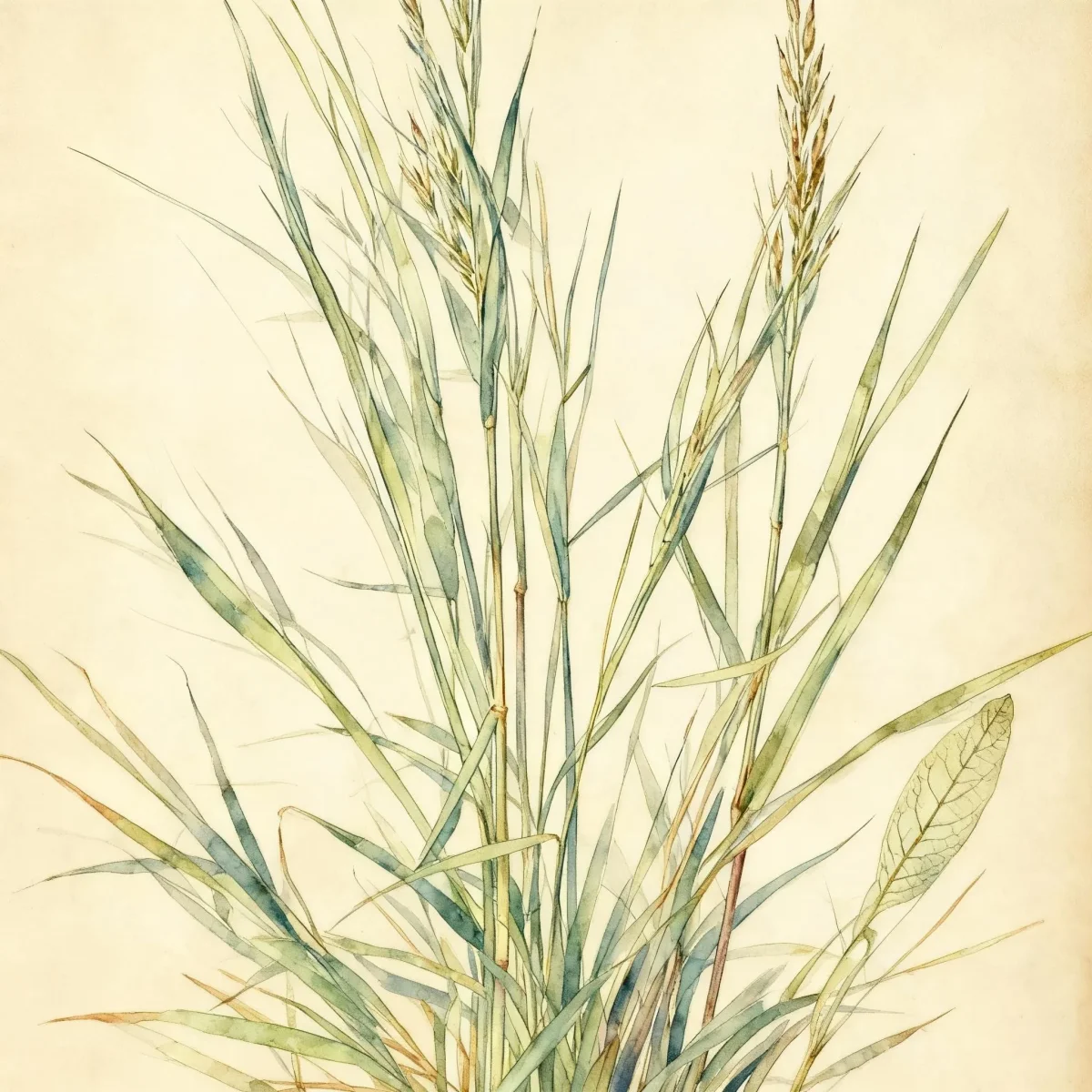
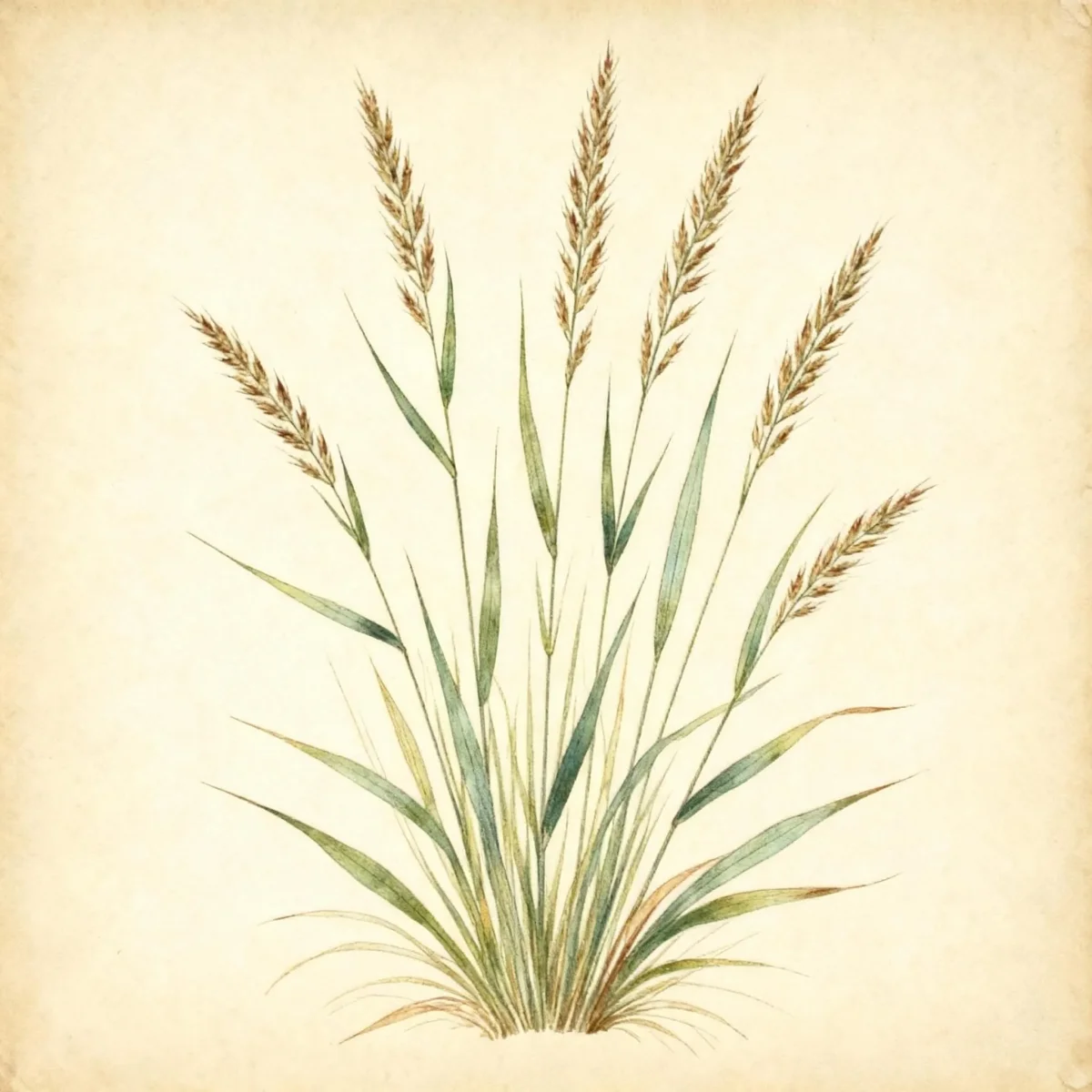
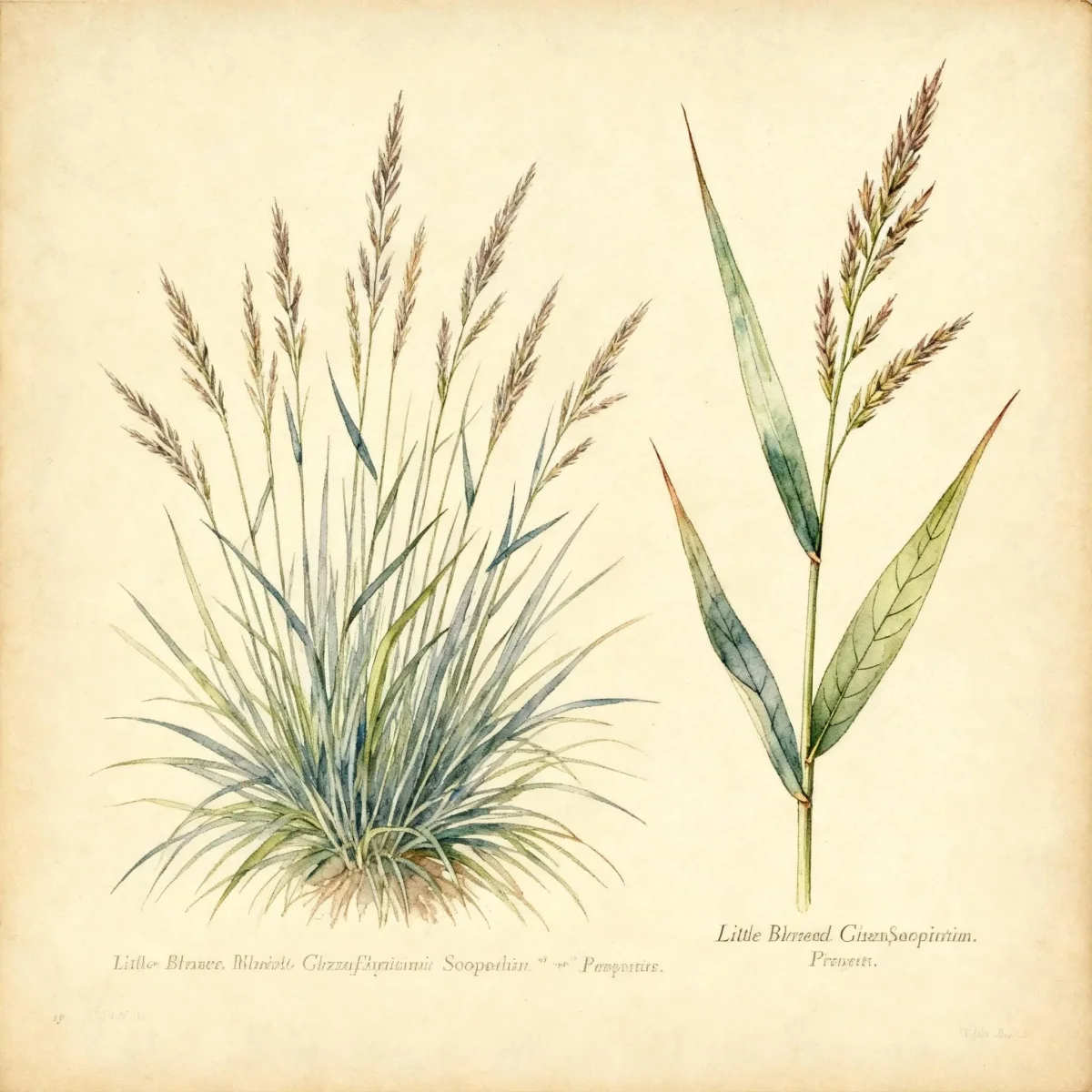
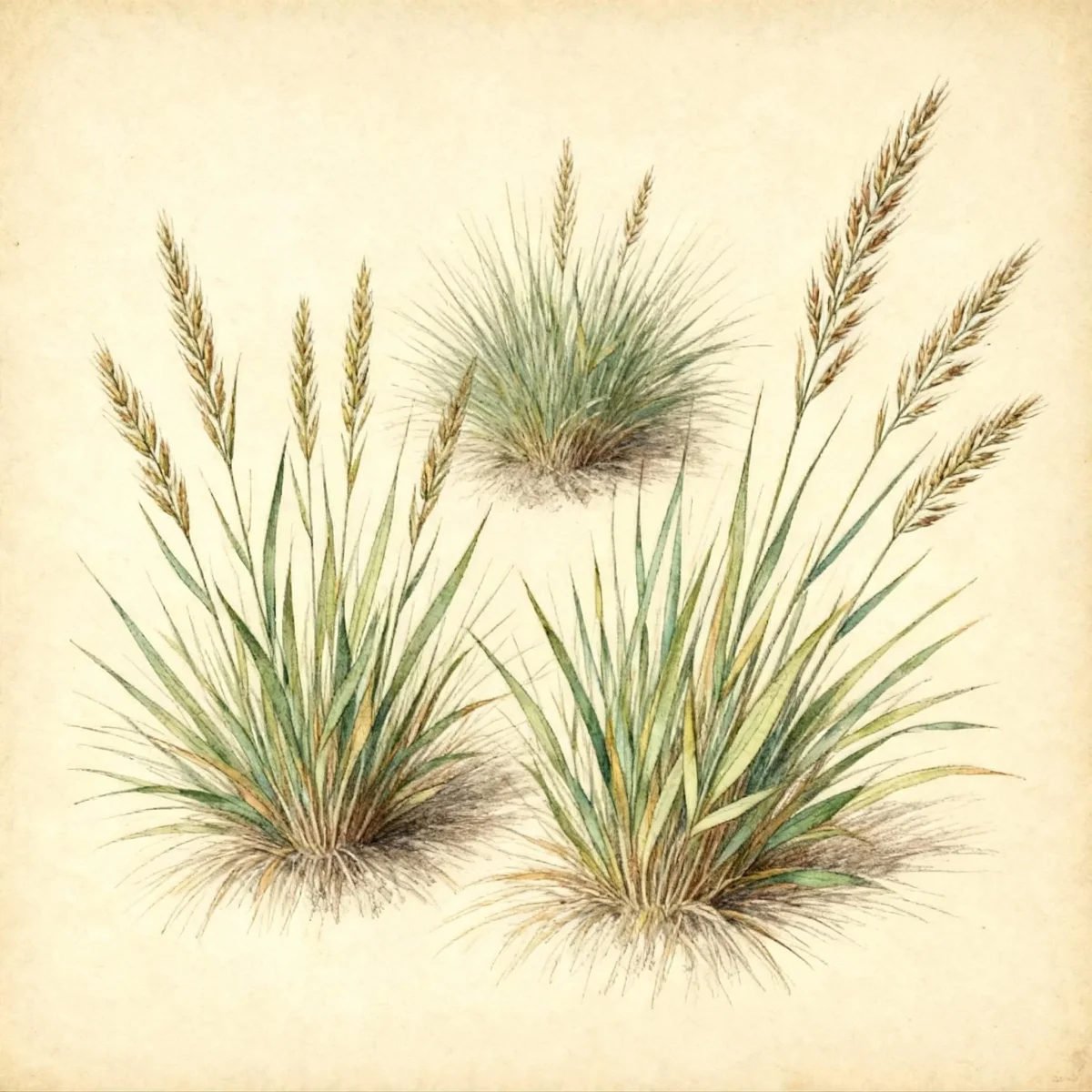
Little bluestem (Schizachyrium scoparium 'Prairie Munchkin')
Schizachyrium scoparium 'Prairie Munchkin' is a compact Little bluestem valued for stunning fall color and superior drought tolerance.
Scroll down to discover growing tips, care requirements, companion plants, and more
Complete Plant Information
Overview
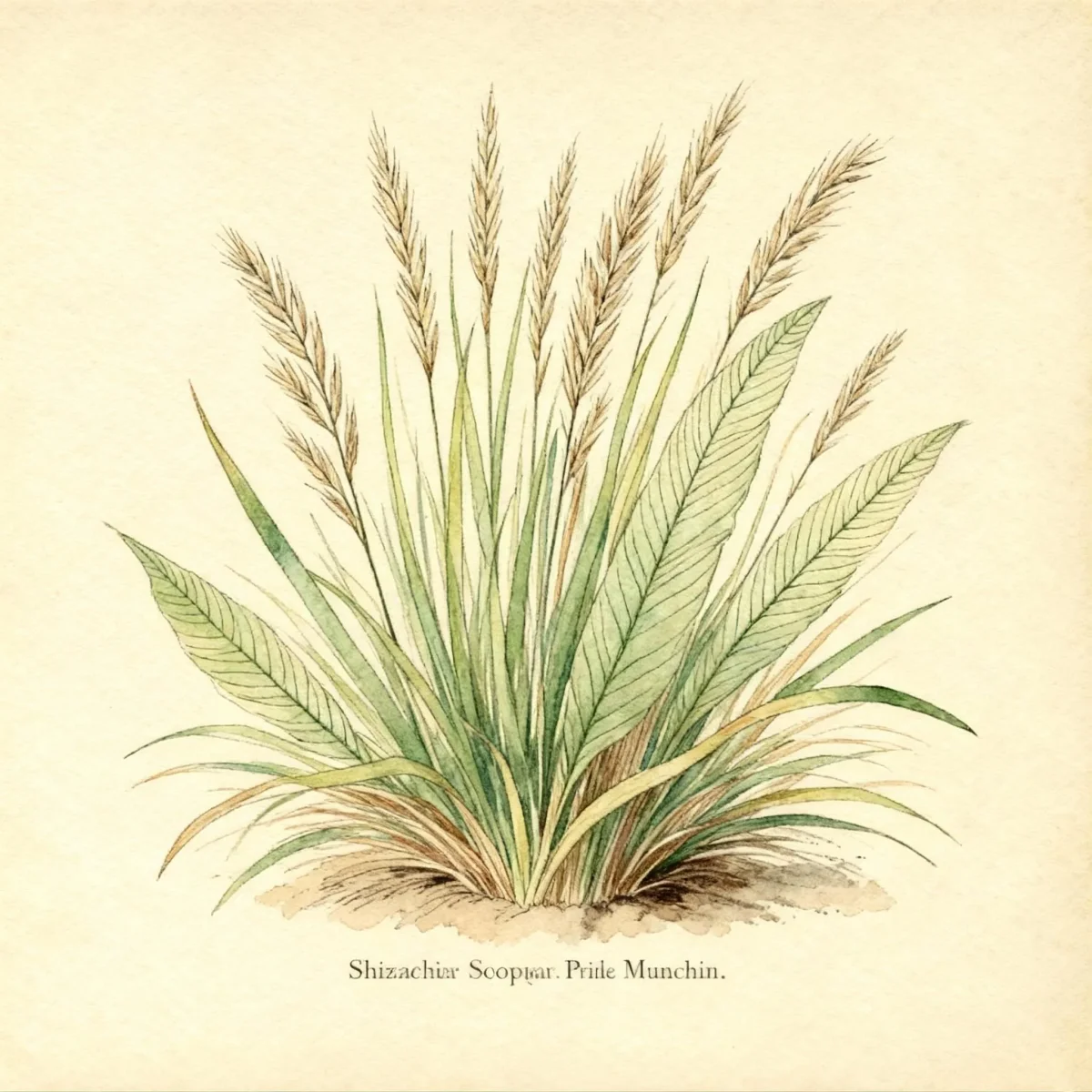
Schizachyrium scoparium ‘Prairie Munchkin’ is a superior, compact cultivar of the native Little bluestem, prized for its reliable structure and vibrant seasonal displays. This ornamental grass anchors prairie-style plantings, offering slender, upright foliage that transitions beautifully through the seasons. It is exceptionally valuable for gardeners seeking low-input, high-impact specimens that mimic the grandeur of North American tallgrass prairies.
As a tough, dependable grass, Little bluestem provides excellent texture and movement in the landscape, contrasting beautifully with broadleaf perennials. Its key selling point, beyond its inherent drought resistance once established, is the striking autumn transformation where blue-green summer blades shift into rich copper, orange, and maroon tones. The resulting structure of Schizachyrium scoparium ‘Prairie Munchkin’ provides crucial winter interest.
This cultivar is highly adaptable, thriving even in poor soil conditions where other plants might falter. Its low maintenance requirements, combined with its resilience to heat, humidity, and dry spells, make Little bluestem an indispensable choice for sustainable, water-wise garden designs.
Fast Facts
- Plant Family: Poaceae
- Plant Type: Ornamental grass
- Hardiness Zones: USDA Zones 3-9
- Size at Maturity:
- Height: 2.5-3 ft
- Spread: 1.5-2 ft
- Bloom Time: August to October
- Bloom Description: Light brown
- Sun Exposure: Full sun
- Water Needs: Dry to medium
- Maintenance Level: Low
How to Grow
Plant Schizachyrium scoparium ‘Prairie Munchkin’ in spring or fall after danger of hard frost has passed, ensuring it receives full sun exposure throughout the day; insufficient light encourages flopping later in the season. This selection performs best in average, well-drained soil, but exhibits excellent adaptability, tolerating challenging conditions like clay soils and poor fertility. Given its native heritage, good drainage is vital.
Water sparingly once established, as little bluestem possesses good drought resistance. Fertilization is typically unnecessary, as rich soils can lead to excessive, floppy growth. The primary maintenance task involves cutting the entire clump down to the ground level in late winter or early spring before new growth begins.
This cut-back prepares the plant for its new seasonal flush and removes the old, weathered stems. Because the seed heads are attractive and persist into winter, many experienced gardeners delay pruning until the snow cover has passed or the threat of hard freezes is long gone, allowing the winter silhouette to add structure.
Landscape Uses
Little bluestem, including the compact Schizachyrium scoparium ‘Prairie Munchkin’, is highly versatile. It excels as an ornamental grass used for low borders along pathways where its defined clump habit is appreciated, or massed in meadow settings to recreate a natural prairie vista. Its size also makes it suitable for rock gardens or stabilizing banks prone to erosion due to its deep root system.
Consider grouping it with late-blooming perennials that enjoy similar dry, sunny conditions, such as coneflower (Echinacea) or native sedums. The recommended use as a rain garden plant highlights its ability to handle occasional inundation while thriving in drier periods once established, making it a reliable structural component in varied moisture zones.
Standout Features
Flower Qualities
- Insignificant
Fruit Qualities
- Showy
Noteworthy Characteristics
Schizachyrium scoparium, commonly called little bluestem, is native to prairies, fields, clearings, hills, limestone glades, roadsides, waste areas and open woods from Alberta to Quebec south to Arizona and Florida. It was one of the dominant grasses of the vast tallgrass prairie region which once covered rich and fertile soils in many parts of central North America. The foliage turns shades of bronze-orange in the fall, and Schizachyrium scoparium ‘Prairie Munchkin’ specifically matures from blue-green to copper, orange, and maroon tones. Flowers are followed by clusters of fluffy, silvery-white seed heads which are attractive and often persist into winter, providing excellent winter presence.
Tolerances
- Deer
- Drought
- Erosion
- Dry Soil
- Shallow-Rocky Soil
- Black Walnut
- Air Pollution
Potential Problems
This cultivar is rarely troubled by serious insect or disease problems, contributing significantly to its low maintenance profile. Avoid overly rich soils or excessive moisture, as these conditions are the most common stressors, potentially leading to premature thinning or stem flopping, especially when planted in too much shade. Proper spring pruning helps maintain vigor.
Frequently Asked Questions
What hardiness zones is Little bluestem suitable for?
Schizachyrium scoparium ‘Prairie Munchkin’ performs reliably across USDA Zones 3 through 9.
How large does Schizachyrium scoparium ‘Prairie Munchkin’ grow?
This compact selection typically reaches a height between 2.5 and 3 feet, with a spread of 1.5 to 2 feet at maturity.
What sun exposure does Little bluestem need?
This ornamental grass requires full sun exposure (at least six hours of direct sunlight daily) to maintain upright growth habits and achieve its best fall coloration.
When does Schizachyrium scoparium ‘Prairie Munchkin’ bloom?
Bloom time occurs from August through October, displaying light brown, subtle flowers followed by fluffy, silvery-white seed heads.
Companion Planting
Look for companion plants that share the full-sun, dry to medium water needs of Little bluestem. Excellent partners include drought-tolerant perennials such as Russian Sage (Perovskia atriplicifolia), various Sedum species, or other tough prairie natives like Baptisia (False Indigo). Pairing the fine texture of Schizachyrium scoparium ‘Prairie Munchkin’ with plants possessing bold, large leaves creates dynamic contrast in the border.
Wildlife Benefits
The role of Little bluestem in supporting local ecosystems is significant. The silvery seed heads of Schizachyrium scoparium ‘Prairie Munchkin’ provide a valuable late-season food source that often persists well into the winter, attracting numerous bird species. Furthermore, the dense clumps offer beneficial cover for ground-dwelling insects and small beneficial wildlife throughout the year, enhancing biodiversity in garden settings.
Conclusion
Schizachyrium scoparium ‘Prairie Munchkin’ stands out as an exceptionally resilient and beautiful native grass, delivering year-round interest with minimal intervention. Its capability to thrive in difficult, dry soils makes this compact Little bluestem a sustainable workhorse for any sunny location. Before planting, confirm your garden falls within USDA Zones 3-9 and ensure placement receives full, unobstructed sun.