Cotoneaster (Cotoneaster glaucophyllus)
Robust, low-maintenance Cotoneaster glaucophyllus offers silvery-hairy foliage and showy red berries, thriving in tough garden spots.
Scroll down to discover growing tips, care requirements, companion plants, and more
Complete Plant Information
Overview
The Cotoneaster glaucophyllus is a valuable, thicket-forming shrub prized for its resilience and year-round visual interest. As a broadleaf evergreen, it provides structure and screening, particularly when utilized as a hedge. Its key ornamental feature is the dense cover of fine, silvery hairs on its elliptic foliage, which lends a unique architectural texture to the garden.
This versatile Cotoneaster variety is easy to establish, requiring low maintenance once settled. It flourishes across a wide spectrum of challenging soil types, linking its usefulness to difficult planting sites where many other shrubs fail. Gardeners appreciate this species for its reliable performance and the visual dynamic created by its small white flowers transforming into glossy red berries.
Though native to the mountainous regions of Southern China, Cotoneaster glaucophyllus adapts well to cultivation in USDA Zones 7 through 9. Whether serving as a robust screen or adding texture to mixed borders, this shrub offers significant aesthetic payoff for minimal input.
Fast Facts
- Plant Family: Rosaceae
- Plant Type: Broadleaf evergreen
- Native Range: China
- Hardiness Zones: USDA Zones 7-9
- Size at Maturity:
- Height: 5-8 ft
- Spread: 5-8 ft
- Bloom Time: May to July
- Bloom Description: White
- Sun Exposure: Full sun to part shade
- Water Needs: Medium
- Maintenance Level: Low
How to Grow
For optimal growth and the best flowering and fruiting display, plant Cotoneaster glaucophyllus where it receives full sun exposure, though it tolerates light, minimal shade. Planting is best done when conditions allow for establishment before extreme weather sets in, utilizing well-draining soil, though this species is exceptionally forgiving.
Once established, the watering needs for this Cotoneaster are medium. It performs excellently even when experiencing occasional drought conditions due to its robust root system. Fertilization is rarely necessary; focus on removing any dead or damaged wood during pruning, rather than heavy shaping, to maintain its natural, upright to arching habit.
This plant demonstrates remarkable environmental hardiness. Site preparation should account for its tolerance to heavy clay, dry conditions, and rocky substrates. Furthermore, its ability to handle urban stress—including salt spray and air pollution—makes the Cotoneaster glaucophyllus a reliable selection for difficult transitional zones or seaside gardens.
Landscape Uses
The inherent structure and density of Cotoneaster glaucophyllus make it an excellent choice for functional planting. It fulfills the role of a substantial hedge or screen beautifully, hiding utilitarian areas or defining property lines within USDA Zones 7-9. Its five-to-eight-foot mature spread allows for a solid, evergreen barrier.
Beyond formal hedging, this species excels in less manicured settings. Consider using it within mixed borders where its silvery-hued foliage can contrast with deep green plants. It is also highly recommended for difficult situations like rock gardens or xeriscaping projects due to its high tolerance for dry, shallow, or poor soils.
For seaside gardens, the noted tolerance of salt spray is crucial, making this Cotoneaster a dependable anchor shrub. While it is effective as a specimen, its grouping potential allows for creating immersive thickets or informal masses, capitalizing on its natural, spreading growth habit.
Standout Features
Fruit Qualities
- Showy
Noteworthy Characteristics
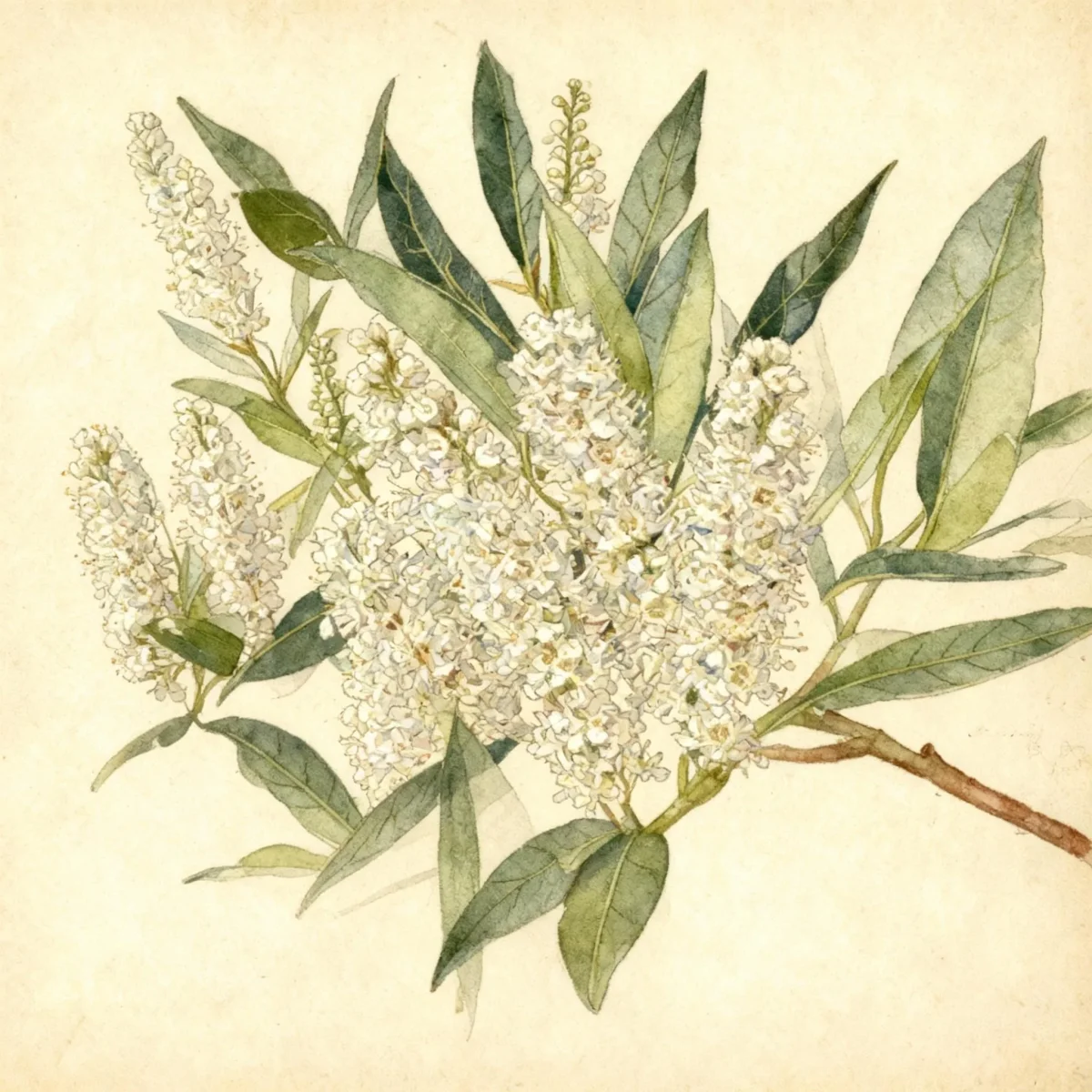
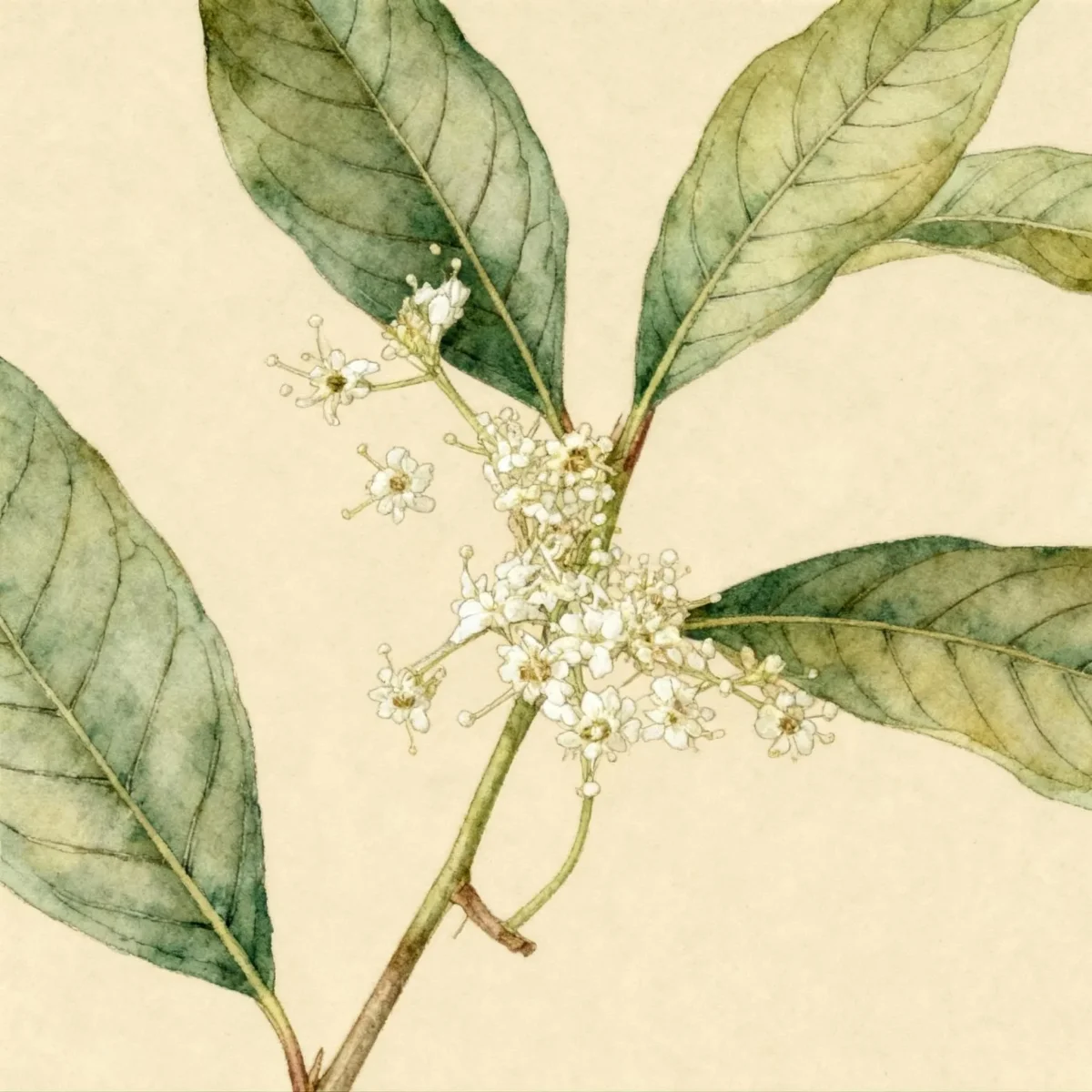
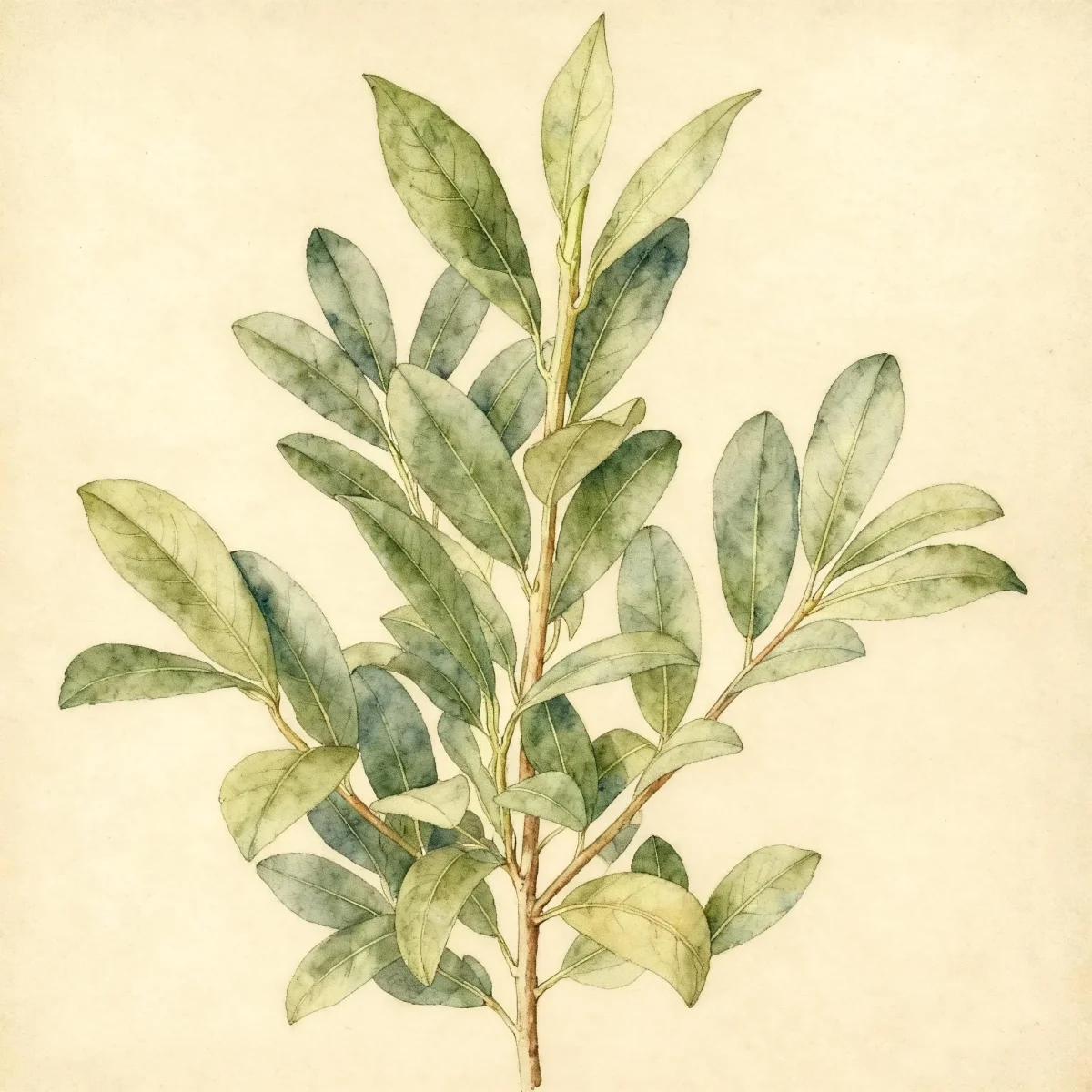
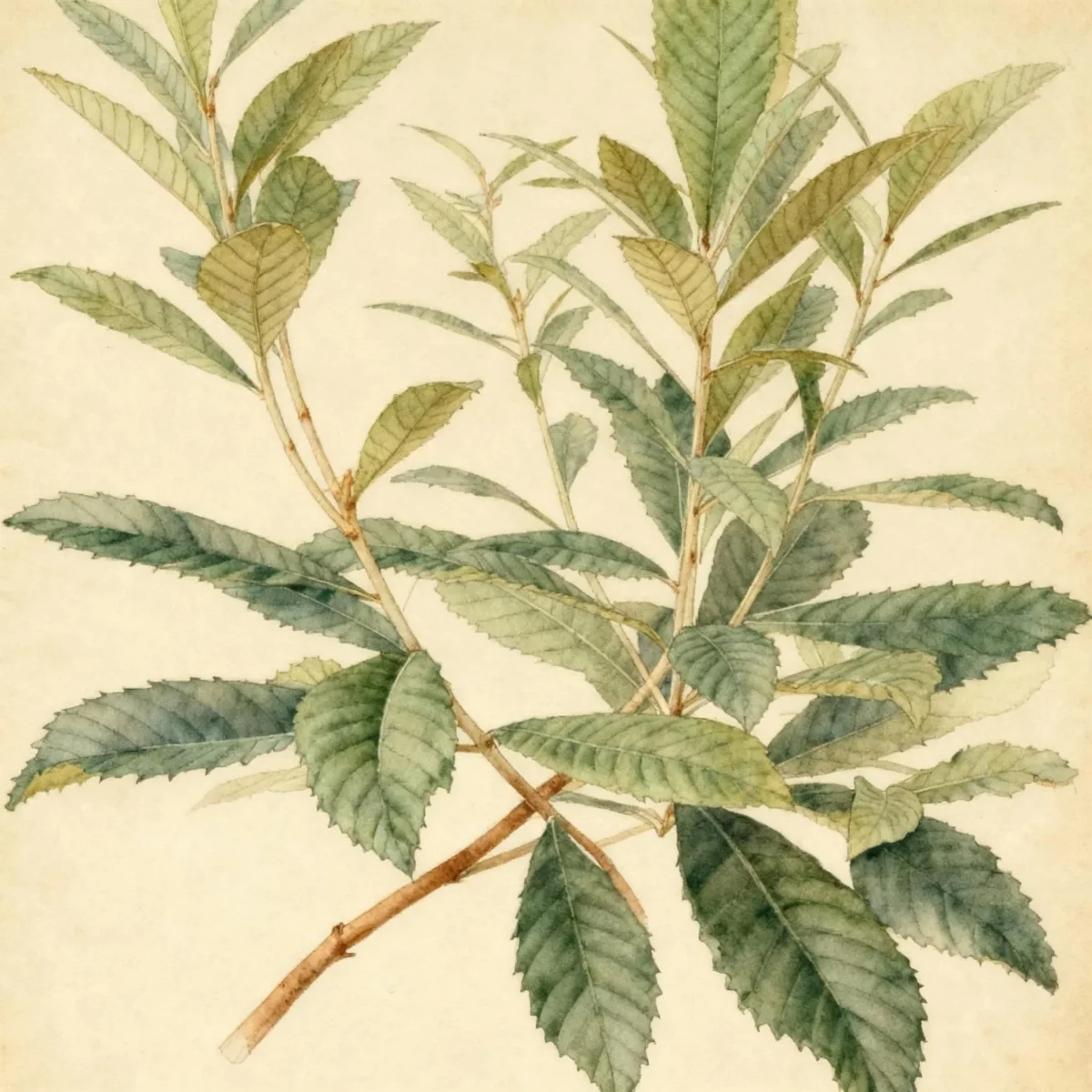
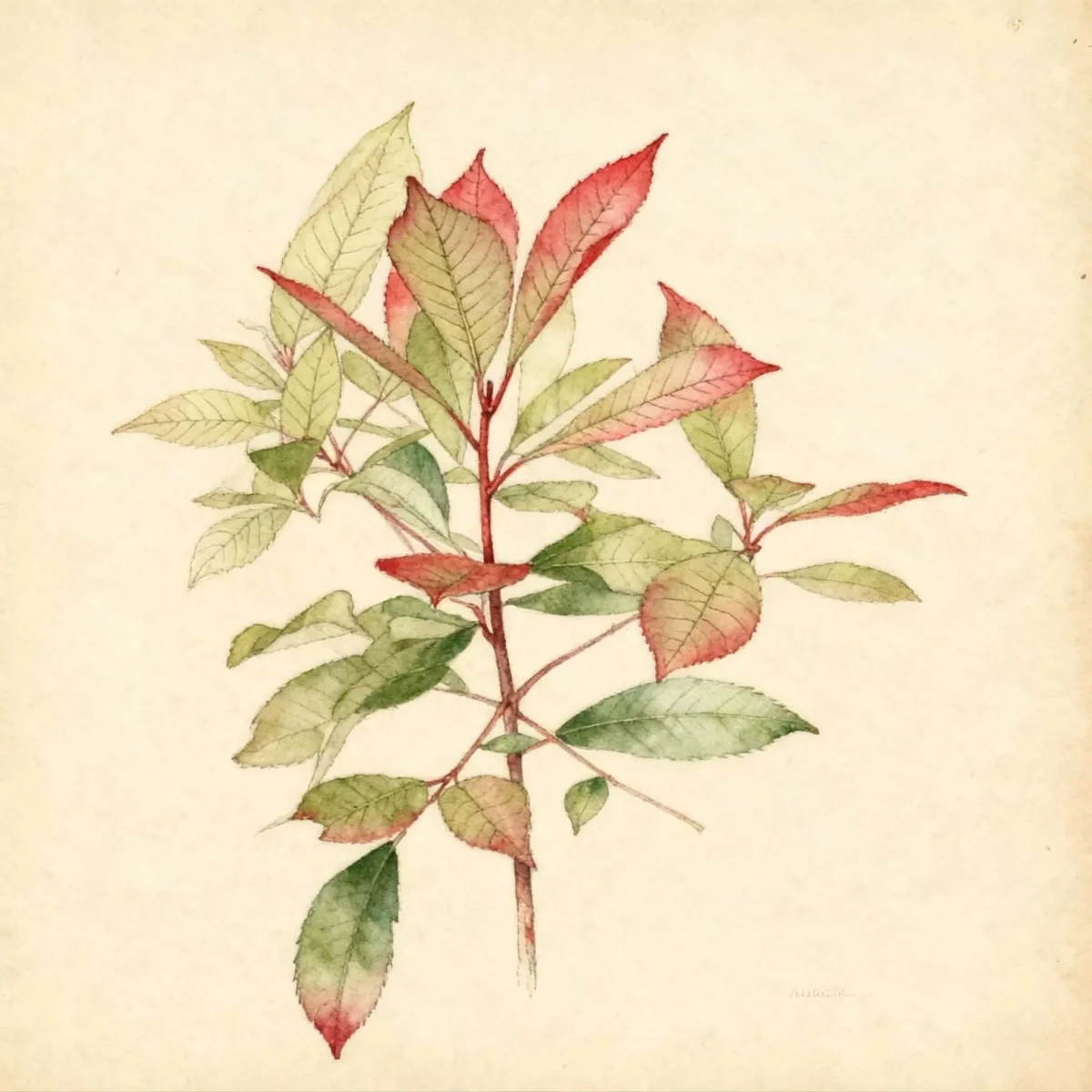
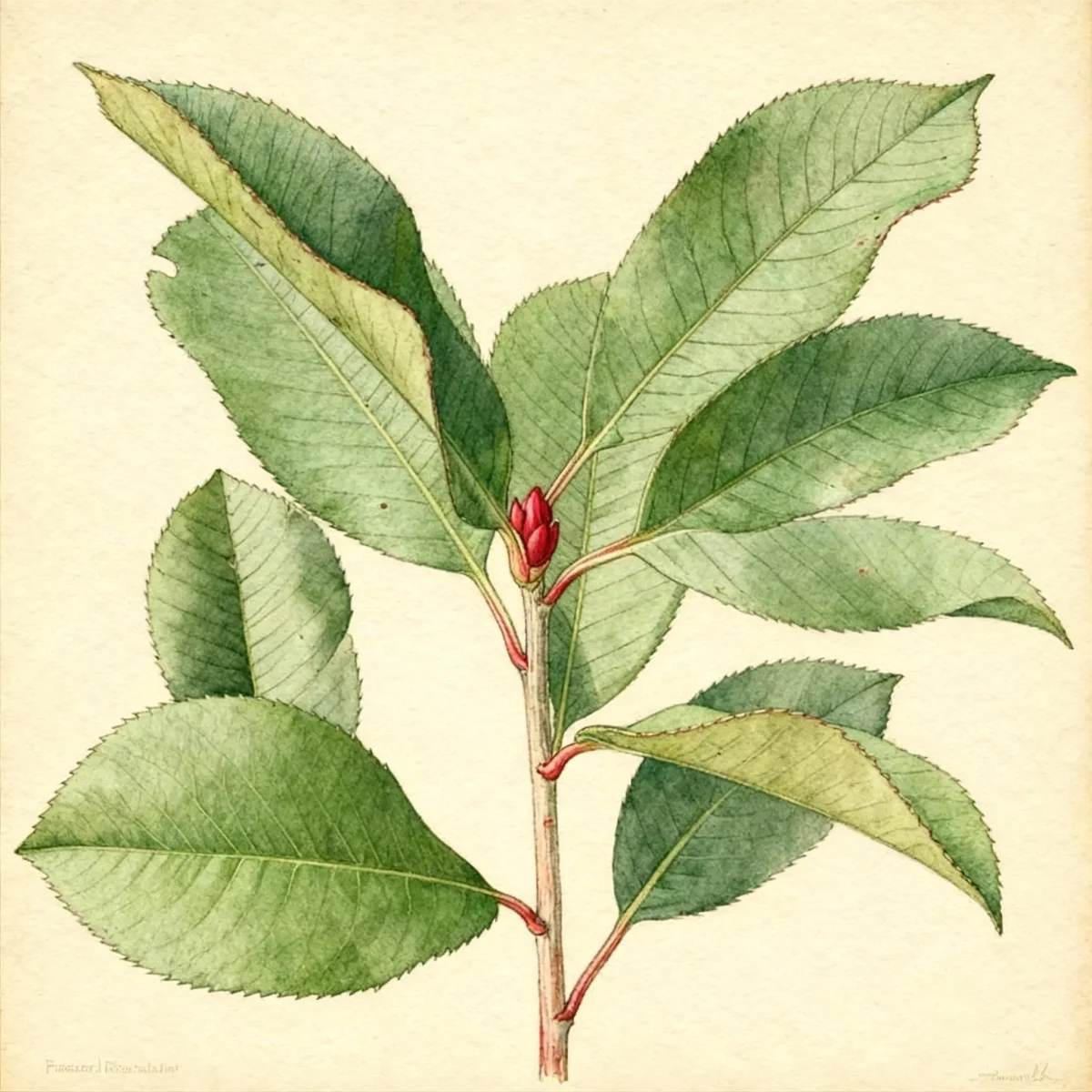
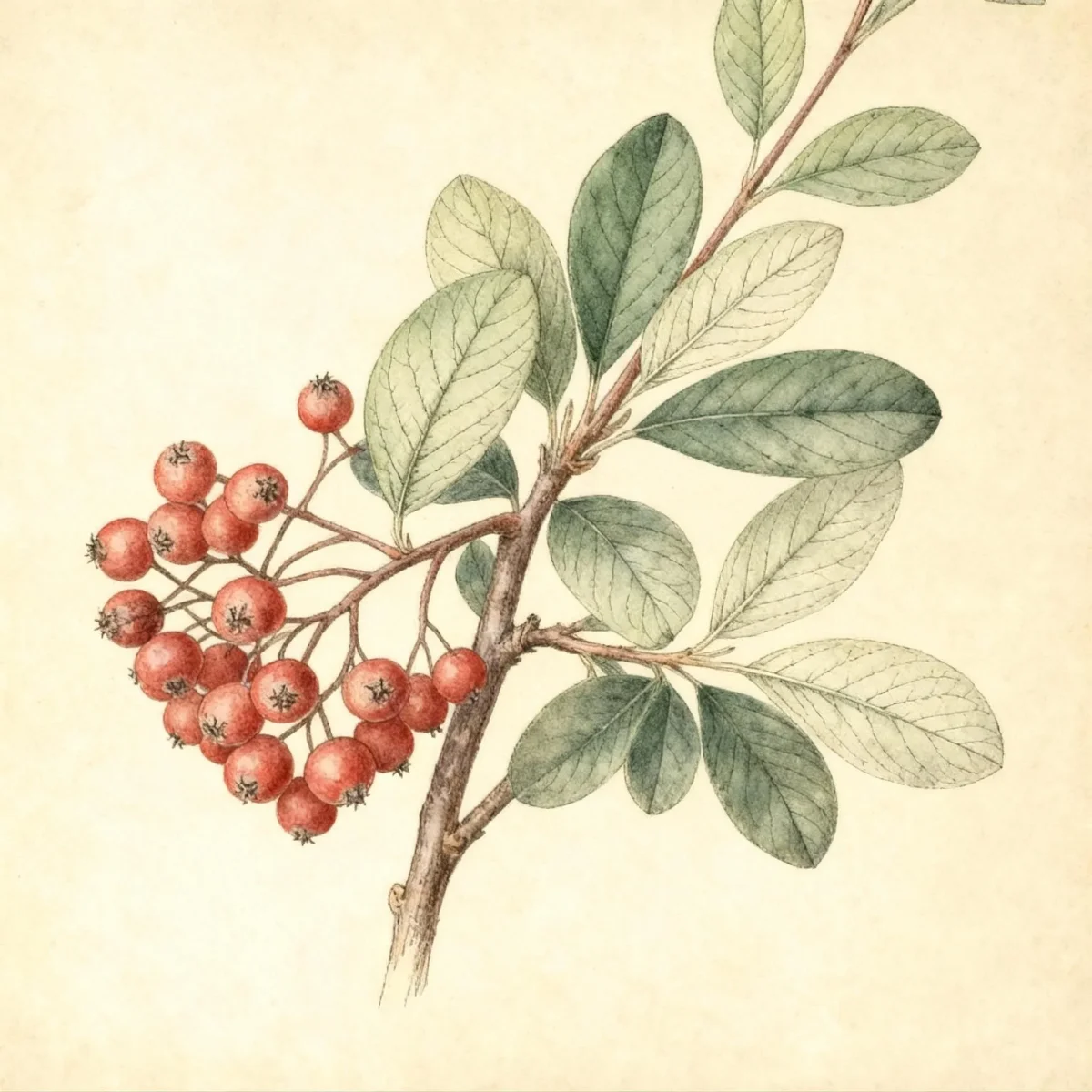
Cotoneaster glaucophyllus is an evergreen to semi-deciduous, thicket-forming shrub native to southern China where it is found growing in mountainous forest clearings, thickets, and on rocky slopes at elevations between 4,000-10,000’. Mature plants typically reach 5-8’ tall with a similar spread in cultivation, but can be found growing as large as 16’ tall and wide in the wild. The stems are upright to arching and densely branched. The foliage is elliptic in shape, up to 2.5” long and 1” wide, and covered in a layer of fine, silvery hairs. The hairs are more dense on younger foliage. Axillary clusters of small, white flowers bloom in late spring into summer and are followed by small, glossy red berries. The berries can persist on the plant through winter and are attractive to birds. This plant has escaped cultivation and is considered invasive in parts of Australia and New Zealand. Check local laws before adding this plant to your landscape.Genus name comes from the Latin cotonea meaning “quince” and aster meaning “resembling” or “similar to”.The specific epithet glaucophyllus means “leaves having a grey or blue bloom”, in reference to the appearance of the foliage of this species
Tolerances
- Drought
- Clay Soil
- Dry Soil
- Shallow-Rocky Soil
- Air Pollution
Potential Problems
This Cotoneaster variety can be susceptible to certain fungal and bacterial issues, most notably fireblight, leaf spots, and canker. Proactive care involves ensuring good air circulation through proper spacing and avoiding overhead watering late in the day to minimize the risk of leaf spot development. Early identification of symptoms is key to managing these diseases.
Pest monitoring should focus on common sucking insects that thrive in warm weather. Watch specifically for infestations of aphids, lacebugs, and the cotoneaster webworm. Mites commonly become a problem when the plant is stressed, particularly during prolonged hot and dry spells, emphasizing the need for consistent, deep watering during summer heatwaves.
Frequently Asked Questions
What hardiness zones is Cotoneaster suitable for?
Cotoneaster glaucophyllus is suitable for gardeners located in USDA Hardiness Zones 7 through 9.
How large does Cotoneaster grow?
Mature plants typically reach a height between 5 to 8 feet and spread equally between 5 to 8 feet.
What sun exposure does Cotoneaster need?
This species prefers full sun for the best flowering and fruiting performance but adapts well to partial shade.
When does Cotoneaster bloom?
The plant produces masses of small white flowers beginning in late spring and continuing through the early summer, specifically from May to July.
Conclusion
The Cotoneaster glaucophyllus offers superb value as a durable, low-maintenance evergreen for challenging garden sites. Its attractive, silvery-tinged foliage and persistent red fruit provide season-long interest, making it a standout choice among landscape shrubs. Before incorporating this resilient Cotoneaster into your design, confirm that your climate falls within Zones 7-9 and decide on its best functional role, whether as a screen or textural element.
Companion Planting
When selecting companions for Cotoneaster glaucophyllus, focus on plants that share similar preferences for sun exposure (full to part shade) and drought tolerance once established. Since this Cotoneaster handles dry, rocky conditions well, pairing it with Mediterranean herbs or tough perennials works effectively. Consider plants like Lavender (Lavandula spp.), Russian Sage (Perovskia atriplicifolia), or certain ornamental grasses such as Blue Fescue (Festuca glauca) to complement its silvery tones and structure.
Avoid placing the Cotoneaster in overly rich, consistently wet soil areas, as this can weaken its natural defenses against pests and diseases. By choosing companions that thrive under similar marginal soil conditions, you ensure the entire planting scheme remains robust and requires minimal supplemental care, highlighting the low-maintenance nature of the Cotoneaster.
Wildlife Benefits
While the small white flowers of Cotoneaster glaucophyllus bloom in late spring, they are attractive to generalist pollinators during that period. The most significant wildlife benefit comes after flowering, when the glossy red berries appear. These fruits are noted for persisting well into the winter months, providing a critical late-season food source for various local bird species when other fresh resources have diminished.
Planting this species specifically for its winter interest means placing it where the berry display is visible from common viewing areas, such as near a patio or window. As a dense, thicket-forming shrub, the established Cotoneaster also offers excellent protective cover and nesting opportunities for smaller birds throughout the year, enhancing the overall ecological value of your landscape.