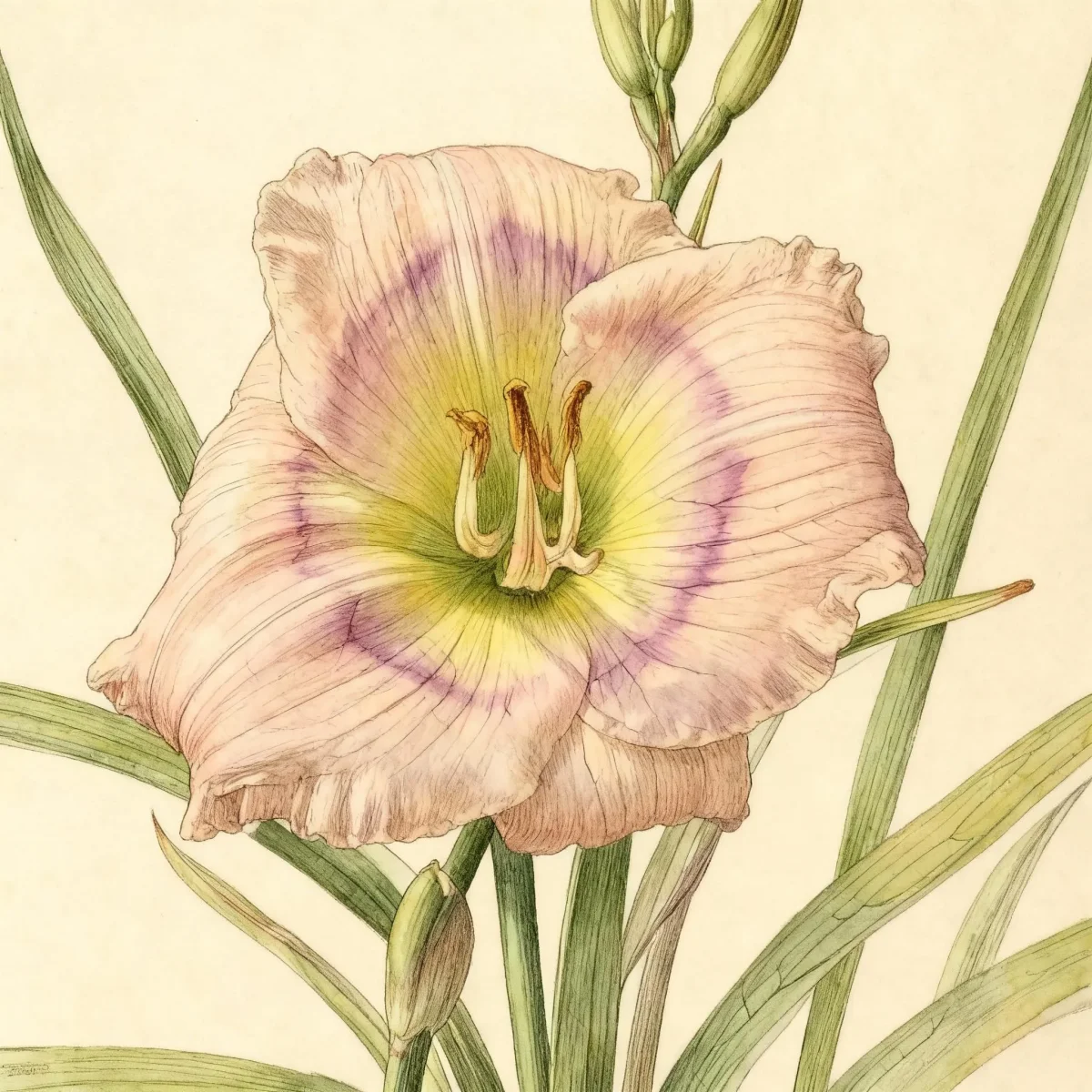
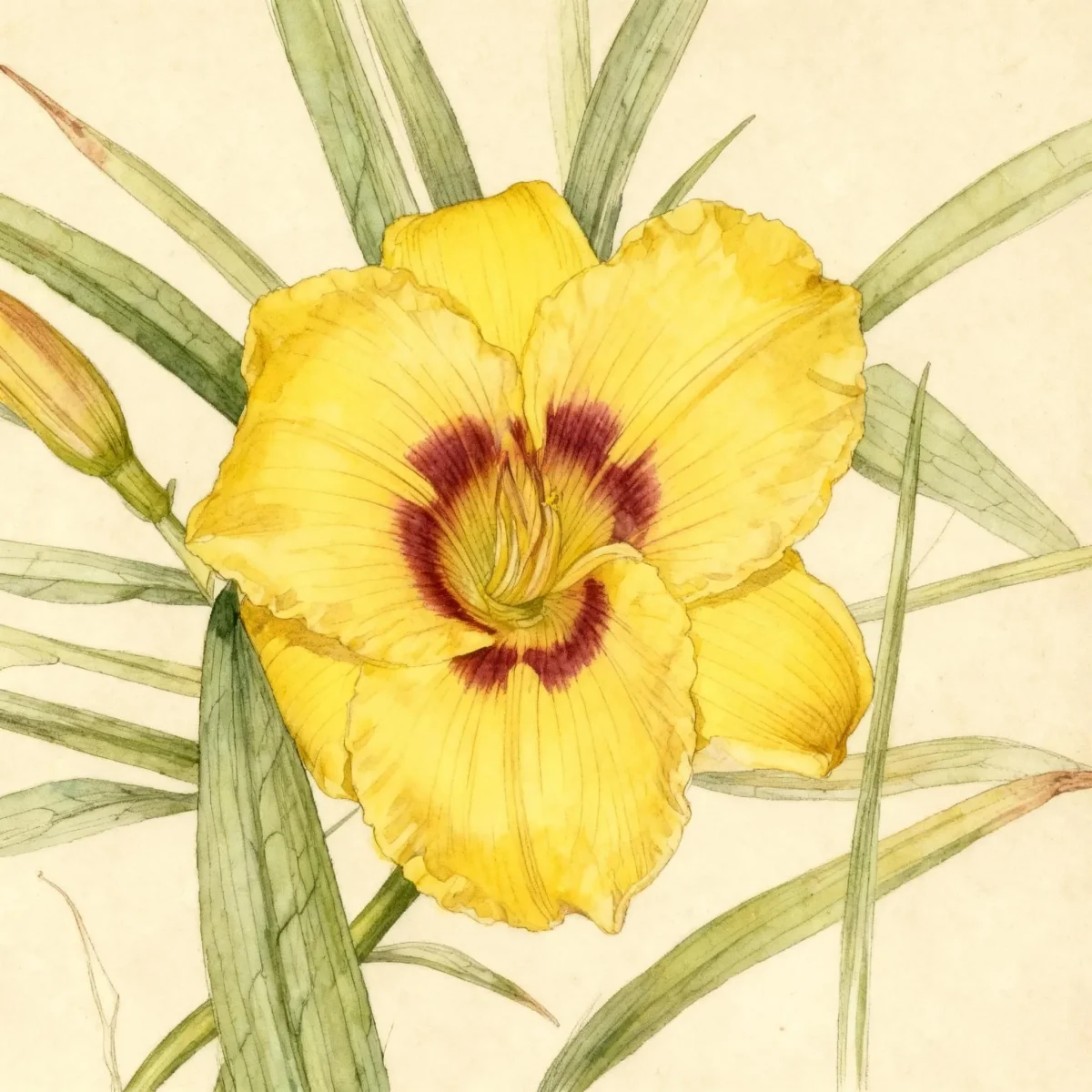
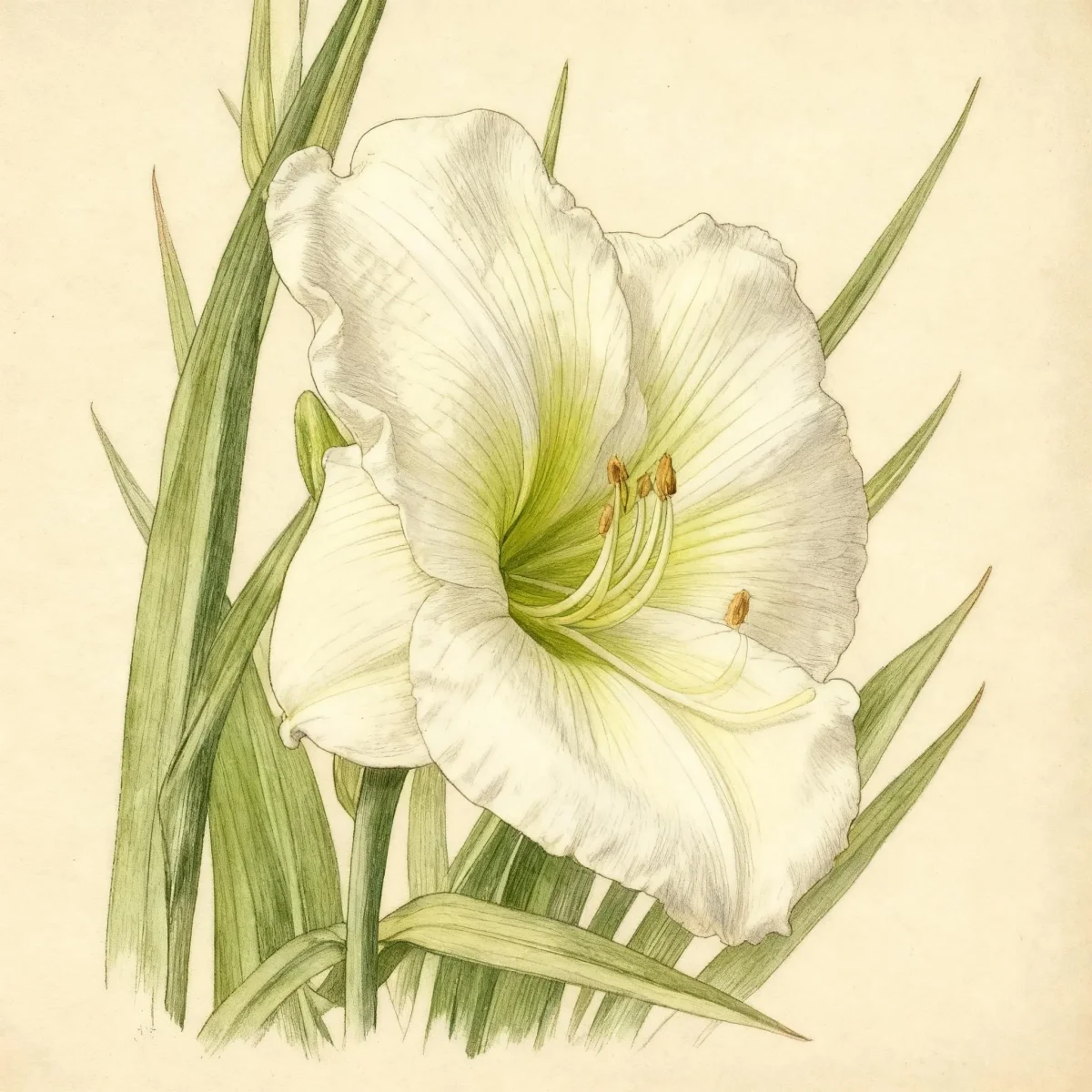
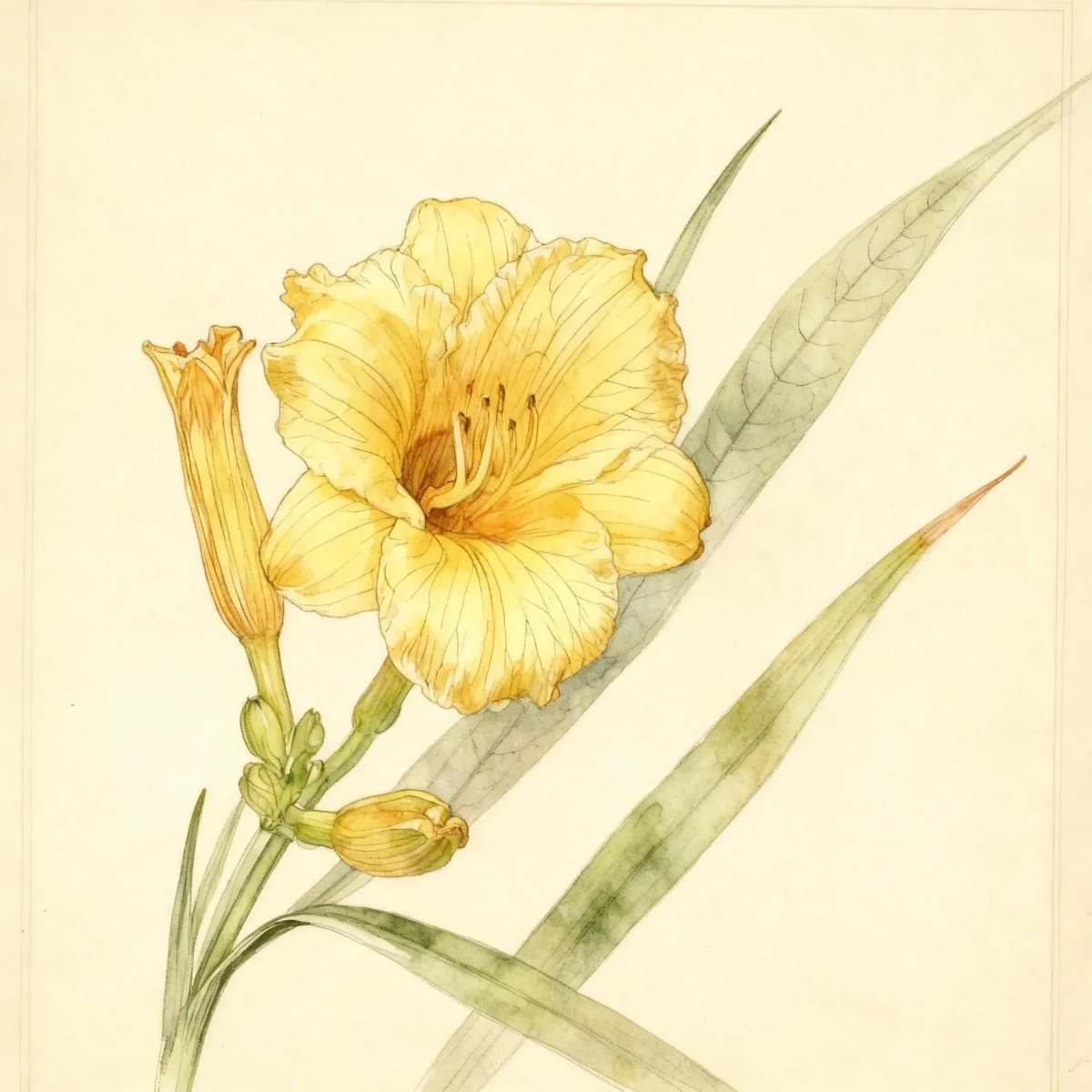
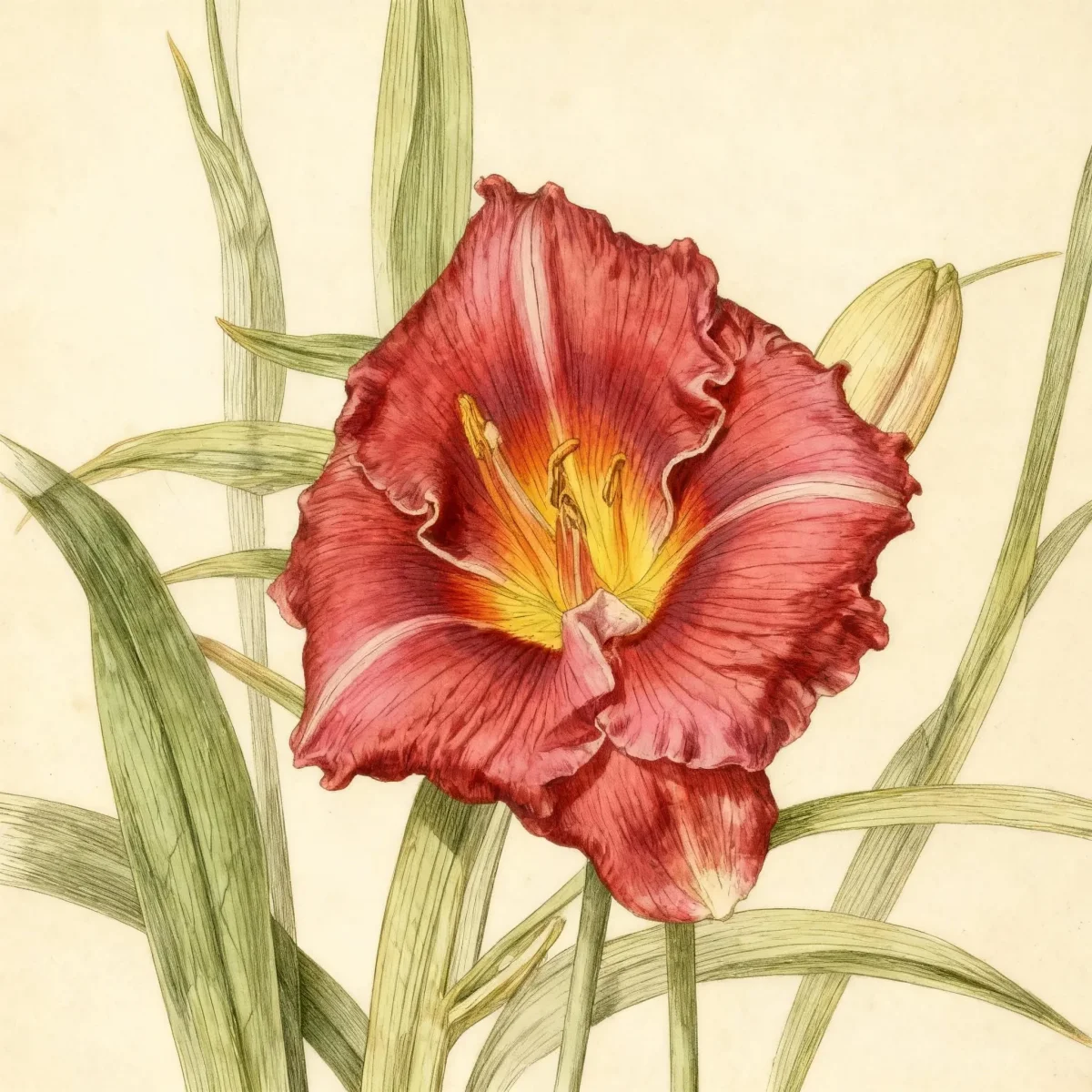
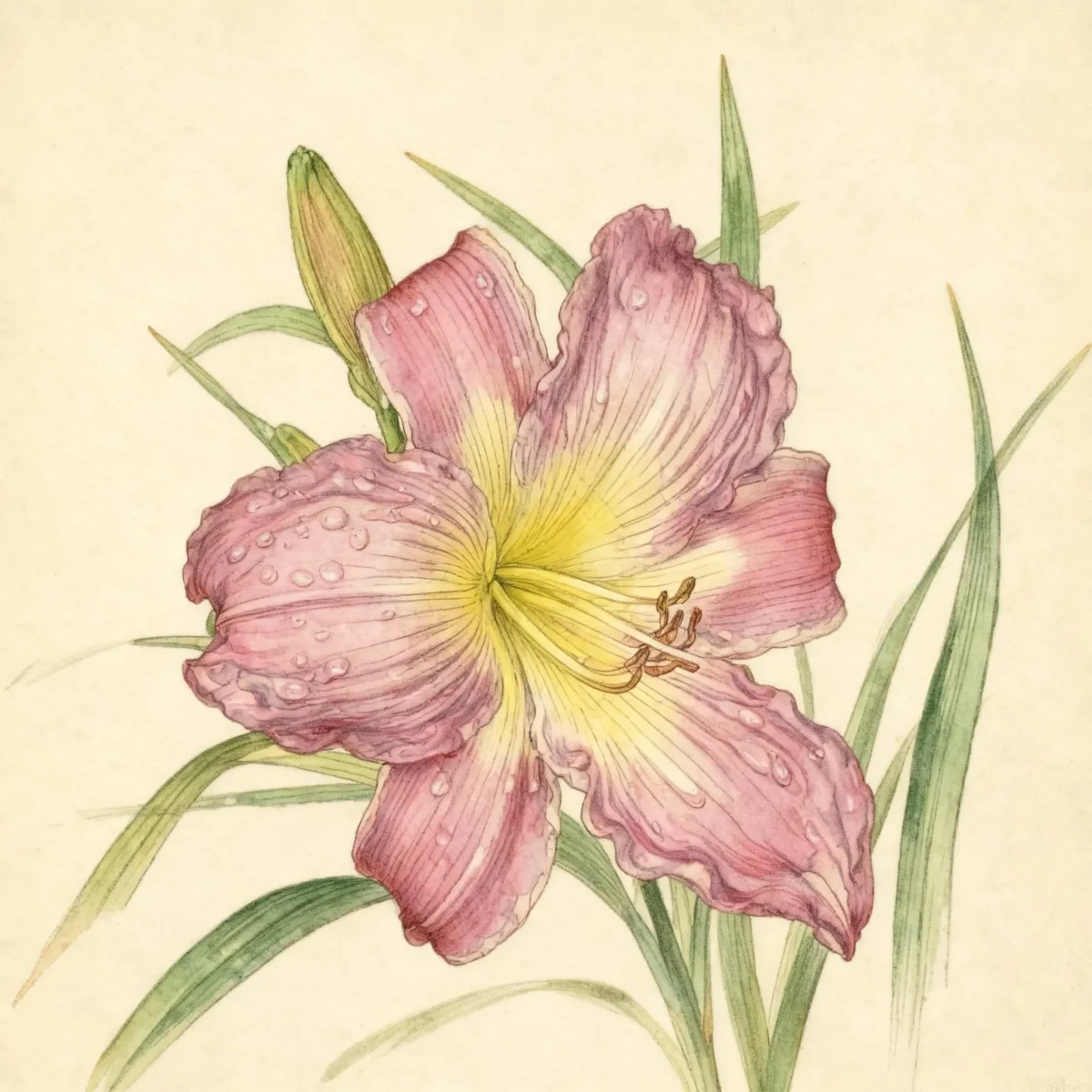
Daylily (Hemerocallis 'China Bride')
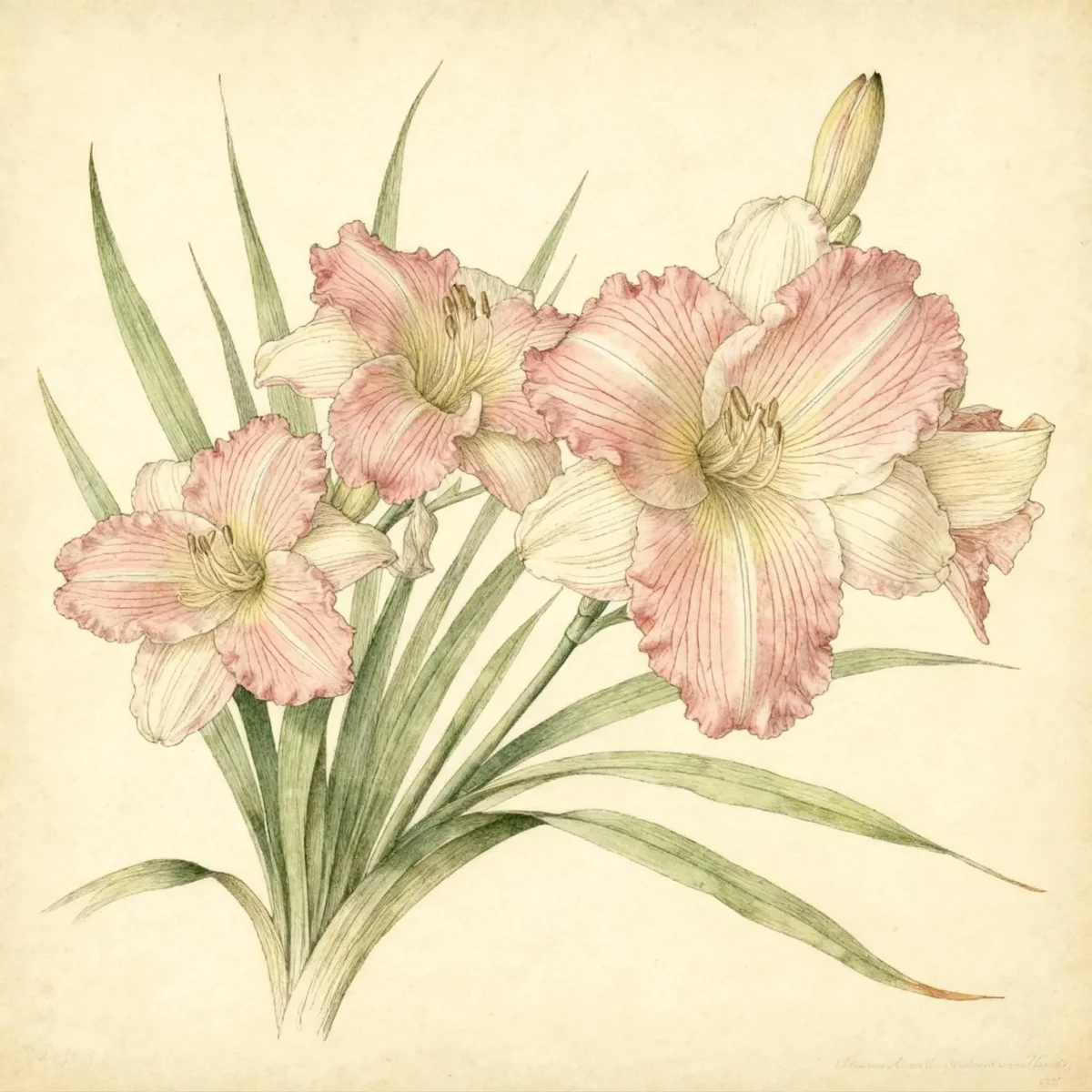
Hemerocallis 'China Bride' is a reblooming Daylily featuring light pink flowers with yellow throats, ideal for zones 3-9.
Scroll down to discover growing tips, care requirements, companion plants, and more
Complete Plant Information
Overview
Hemerocallis ‘China Bride’ is a highly adaptable and rewarding herbaceous perennial, commonly known as a Daylily, prized for its long bloom season and ease of care. This specific cultivar showcases distinctive light pink flowers accented by a bright yellow to green throat, providing continuous color from early summer into mid-summer. Daylilies like Hemerocallis ‘China Bride’ form attractive clumps of arching, grass-like foliage, making them excellent structural elements in perennial borders. Their toughness and ability to thrive with minimal intervention make this specific Daylily cultivar indispensable for both novice and experienced gardeners seeking reliable summer performance.
Fast Facts
- Plant Family: Asphodelaceae
- Plant Type: Herbaceous perennial
- Hardiness Zones: USDA Zones 3-9
- Size at Maturity:
- Height: 1.5-2 ft
- Spread: 1.5-2 ft
- Bloom Time: June to August
- Bloom Description: Light pink with yellow to green throat
- Sun Exposure: Full sun to part shade
- Water Needs: Medium
- Maintenance Level: Low
How to Grow
Planting Hemerocallis ‘China Bride’ is best done in spring or fall. Select a location that receives full sun to partial shade, knowing that more sunlight generally encourages heavier blooming. Although daylilies are highly tolerant of various soil types, they perform best in deep, fertile loams with a medium moisture level and excellent drainage.
Caring for this Daylily is straightforward. Water deeply during dry spells to maintain attractive foliage, especially during periods of summer heat and humidity. Deadhead spent flowers daily to maintain neatness, and remove the entire flower scape once blooming concludes. While generally unfussy, optimal performance for your Hemerocallis ‘China Bride’ clumps requires dividing the plants every three to four years, ideally performed in spring in cold northern climates.
As a winter-dormant type, this Daylily requires a cold period; avoid planting it in zones higher than 9 if you desire robust annual reblooms. If your foliage appears leggy or damaged in fluctuating winter conditions, cutting it back helps maintain a clean appearance for the following spring display.
Landscape Uses
The reliable stature and prolific flowering of the Daylily make Hemerocallis ‘China Bride’ incredibly versatile in landscape design. Their medium height (1.5 to 2 feet) makes them perfect for use as a mid-border planting, providing a soft transition between shorter annuals or groundcovers and taller background shrubs. They also excel when massed over large areas, where drifting clumps create a dramatic, continuous wash of color throughout the summer months.
Due to their robust nature, daylilies are superb edging plants along walkways or driveways, lending structure without becoming overly aggressive. While this particular cultivar shares general daylily appeal, its light pink coloring allows it to coordinate beautifully with silver-leaved foliage, blues, and deep purples, softening bright color schemes or complementing pastel cottage gardens.
Standout Features
Flower Qualities
- Showy
Noteworthy Characteristics
Hemerocallis is known for having flowers that typically last only one day, though the plant produces successive blooms over a long season. Hybridizers have created over 60,000 registered cultivars, including ‘China Bride,’ which is noted as an evergreen, reblooming, diploid type. This specific Daylily cultivar features elegant, wavy petal margins and reaches approximately 6 inches across, held atop 2-foot scapes.
Tolerances
- Rabbit
Potential Problems
Daylilies are celebrated because they are exceptionally adaptable and tough, making them relatively pest-free perennials. Occasionally, pests like spider mites, aphids, or thrips may appear, but a strong spray of water or insecticidal soap usually resolves minor outbreaks. Be aware that Daylily Rust fungal disease can become problematic in humid regions with poor air circulation, requiring preventative fungicide applications if history indicates an issue. Fortunately, the common threat of rabbits tends to avoid feeding on Hemerocallis ‘China Bride’.
Frequently Asked Questions
What hardiness zones is Daylily suitable for?
This cultivar, Hemerocallis ‘China Bride’, is reliably hardy in USDA Zones 3 through 9.
How large does Daylily grow?
Mature clumps of this Daylily typically reach a height between 1.5 and 2 feet tall, with a spread of 1.5 to 2 feet.
When does Daylily bloom?
Hemerocallis ‘China Bride’ primarily blooms from June to August, displaying light pink flowers with a yellow to green throat, and exhibits sporadic reblooming throughout the summer.
What sun exposure does Daylily need?
For the best display, plant your Daylily in an area receiving full sun, though it can tolerate light, partial shade.
Conclusion
Hemerocallis ‘China Bride’ stands out as an extremely valuable, low-maintenance perennial that delivers long-lasting summer color with its beautiful, light pink blooms. The reliability and adaptability of this particular Daylily ensure success in diverse garden settings across USDA Zones 3 to 9. Ensure your planting site has good drainage, and enjoy planning where you will place these cheerful clumps next season.
Companion Planting
Selecting appropriate neighbors can enhance the visual appeal and health of your Hemerocallis ‘China Bride’ planting beds. Since daylilies prefer medium moisture and bloom vigorously with protection from the hottest afternoon sun, companion plants that manage soil moisture or offer contrasting foliage texture are ideal. Try pairing them with plants requiring similar cultural conditions, such as Hostas (which appreciate the shade provided by the daylily foliage if placed strategically) or various ornamental grasses that complement the linear leaves of the Daylily. Echinacea (Coneflower) also pairs well, as both appreciate sun, though Echinacea is significantly more drought-tolerant once established.
Seasonal Care Calendar
Spring preparation is crucial for an abundant bloom season for your Hemerocallis ‘China Bride’. Rake out any old, dead foliage left from winter dormancy to improve air circulation and reduce hiding spots for pests. Fertilize lightly once new vegetative growth begins emerging, preferring a balanced granular fertilizer applied around the base of the clump. Throughout summer, the primary care requirement is deadheading the spent blooms daily to encourage the plant’s energy toward forming new buds rather than producing seed pods.
As summer wanes and the main bloom cycle slows, you can trim back the spent flower scapes completely once the floret clusters are finished. If the foliage looks tattered by the end of summer, you may cut it back halfway to refresh the appearance before fall, though this is not mandatory for winter survival. Avoid heavy fertilization late in the season, which can encourage tender growth vulnerable to early freezes.