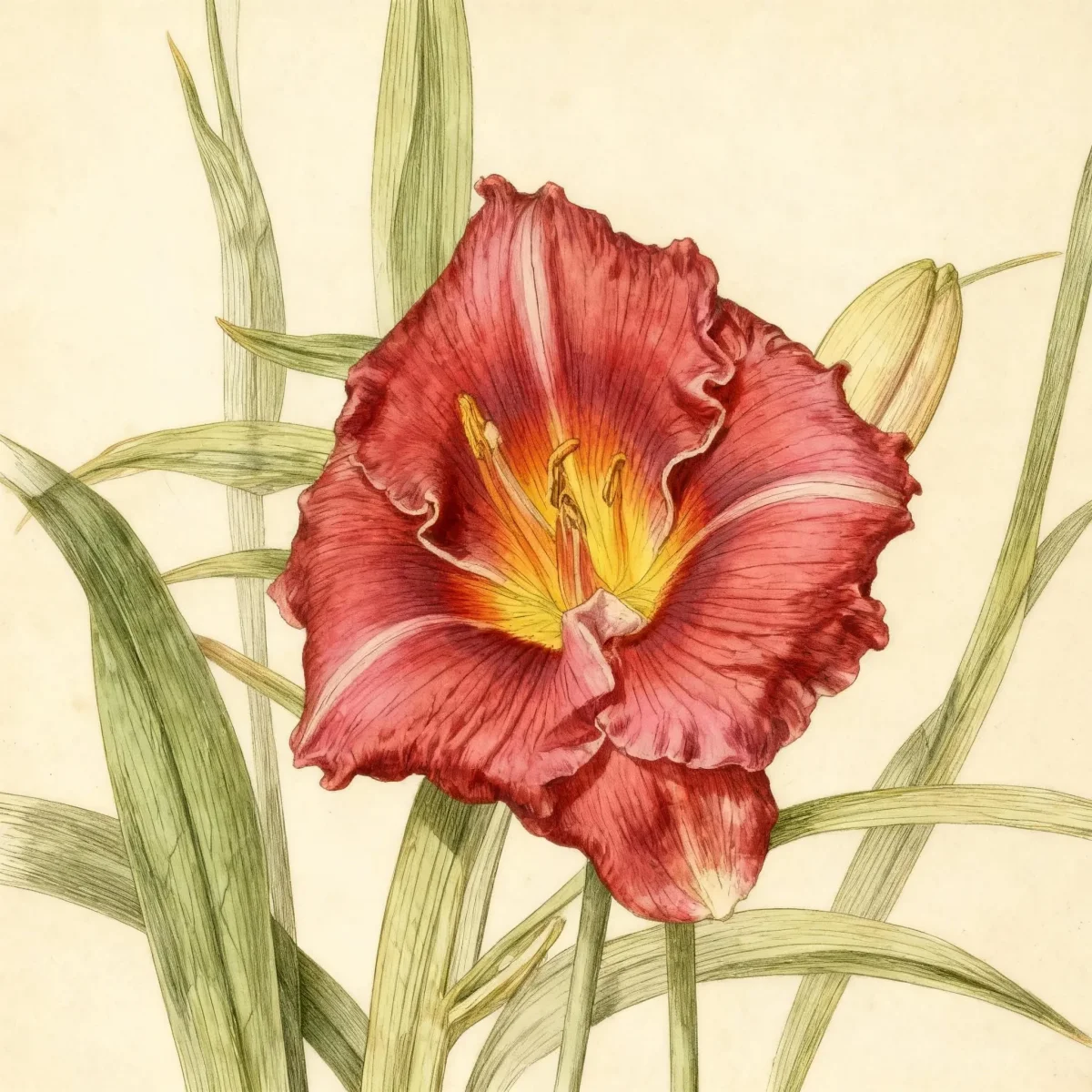
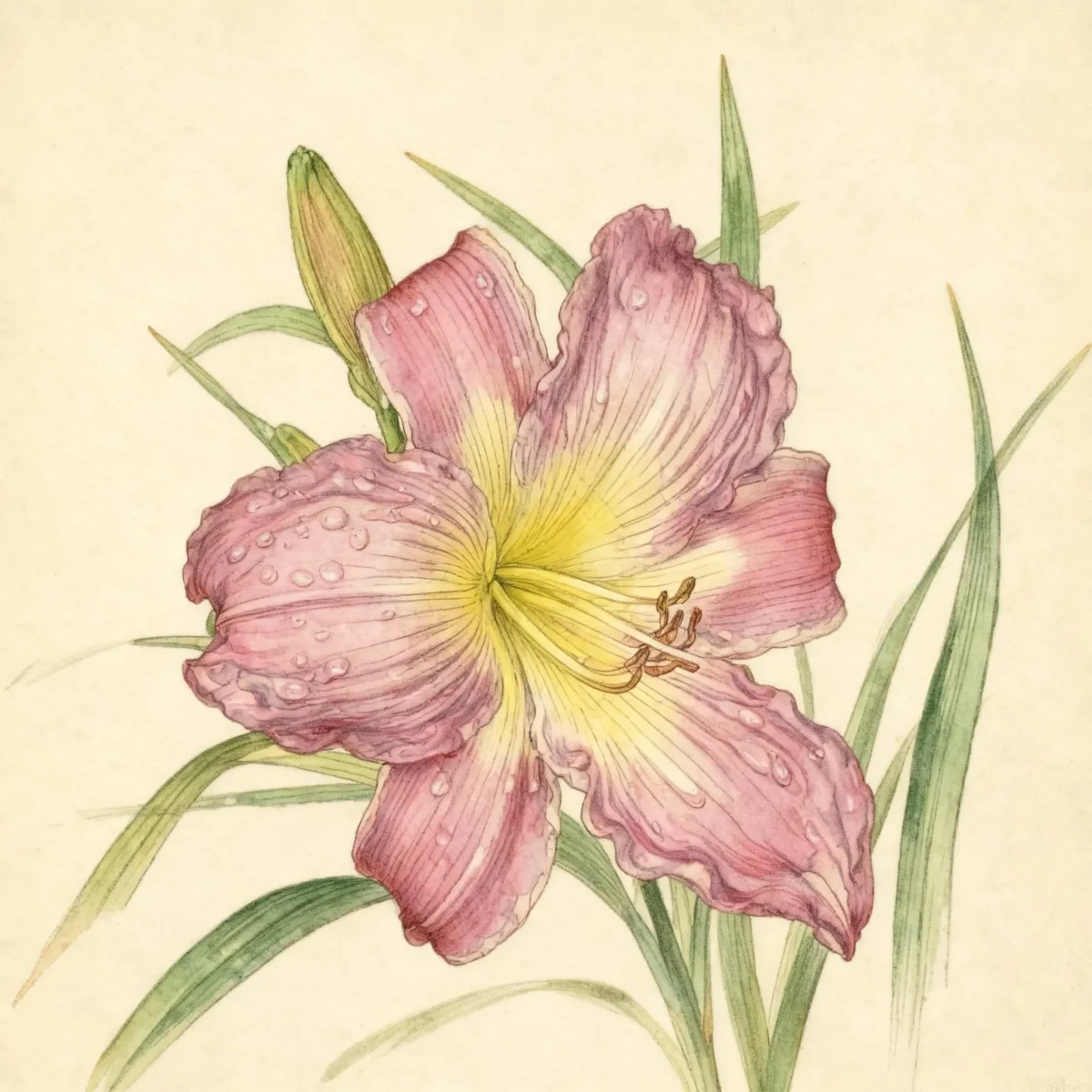
Daylily (Hemerocallis 'Clearly a Thrill')
Hemerocallis 'Clearly a Thrill' is a low-maintenance Daylily featuring striking orange-pink blooms from June to August.
Scroll down to discover growing tips, care requirements, companion plants, and more
Complete Plant Information
Overview
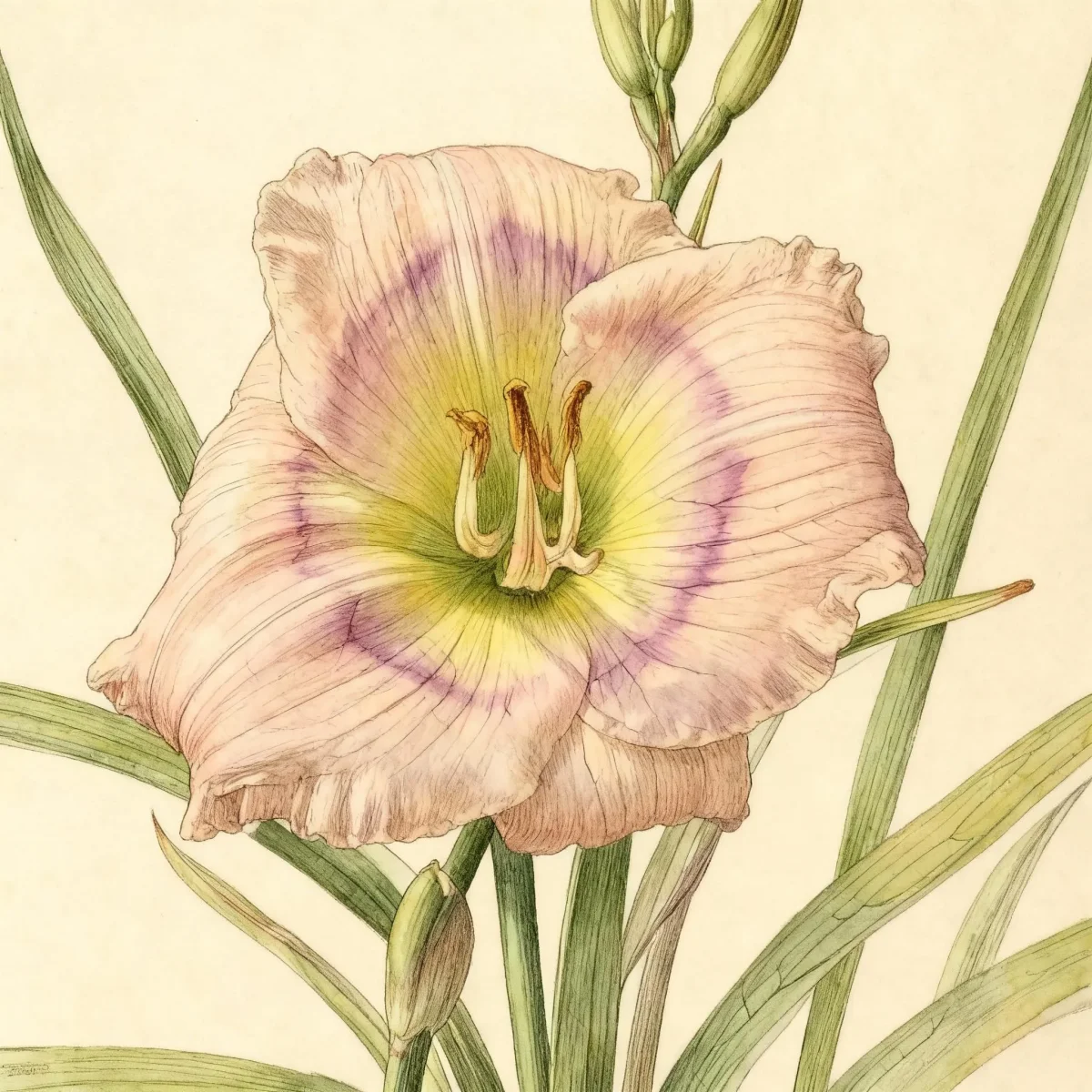
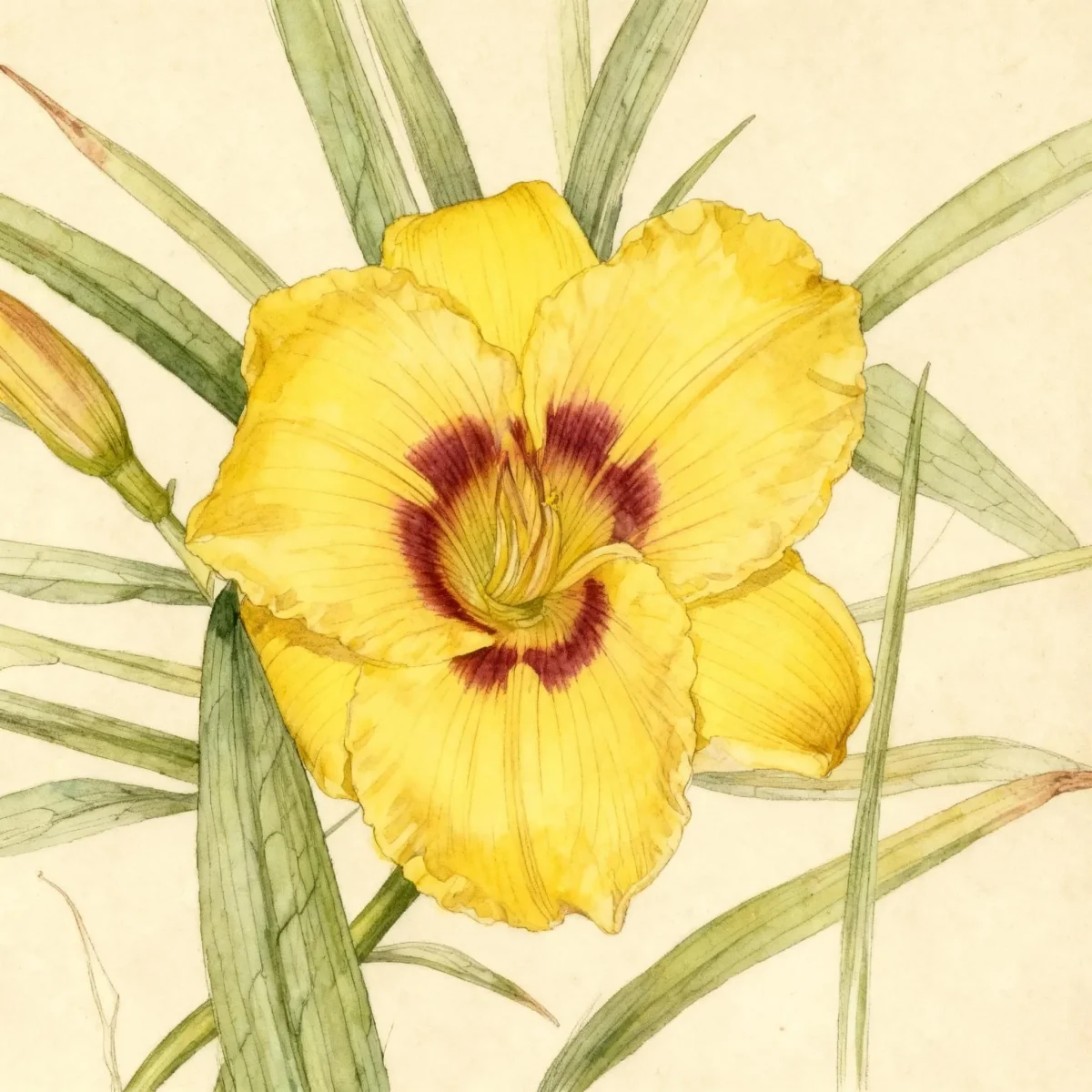
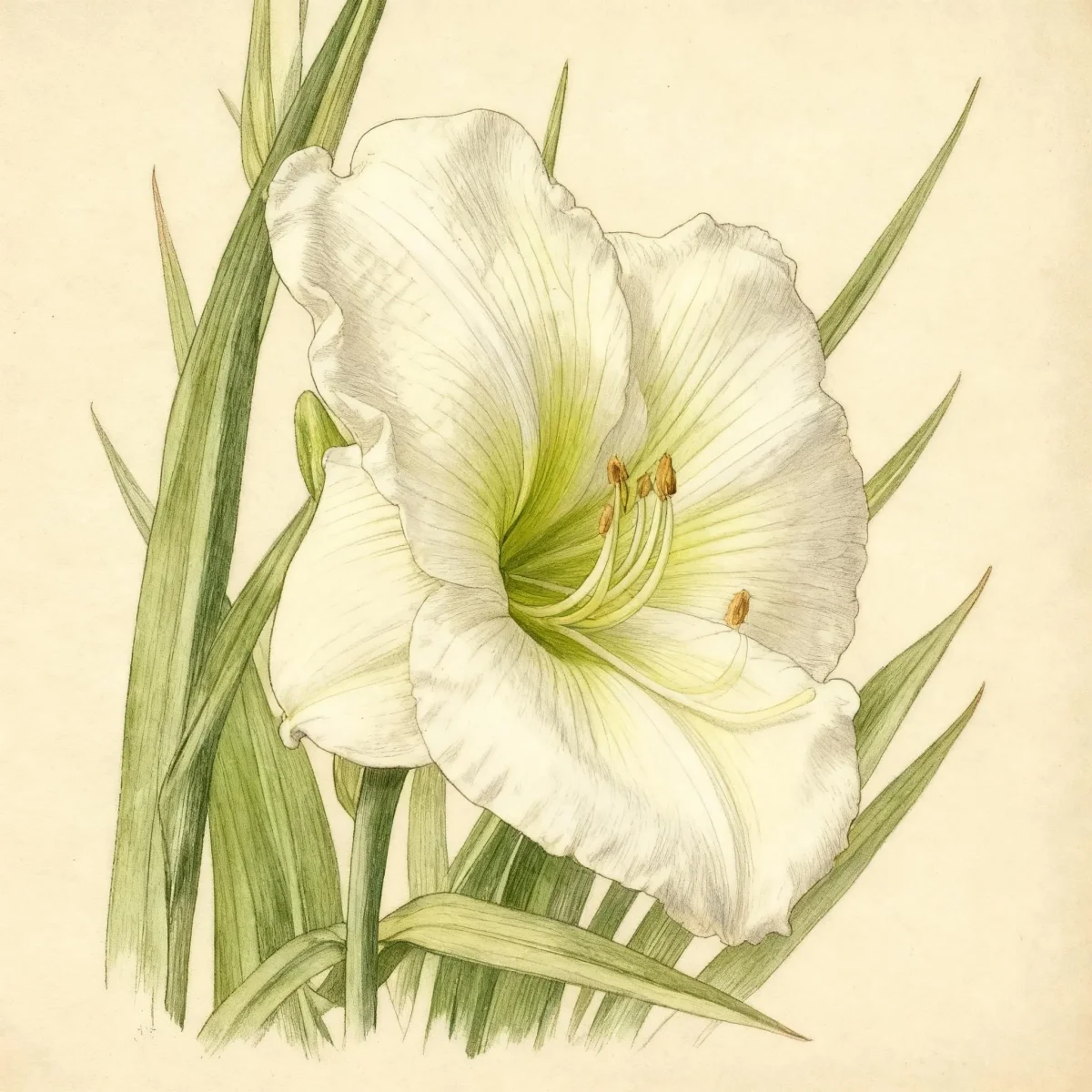
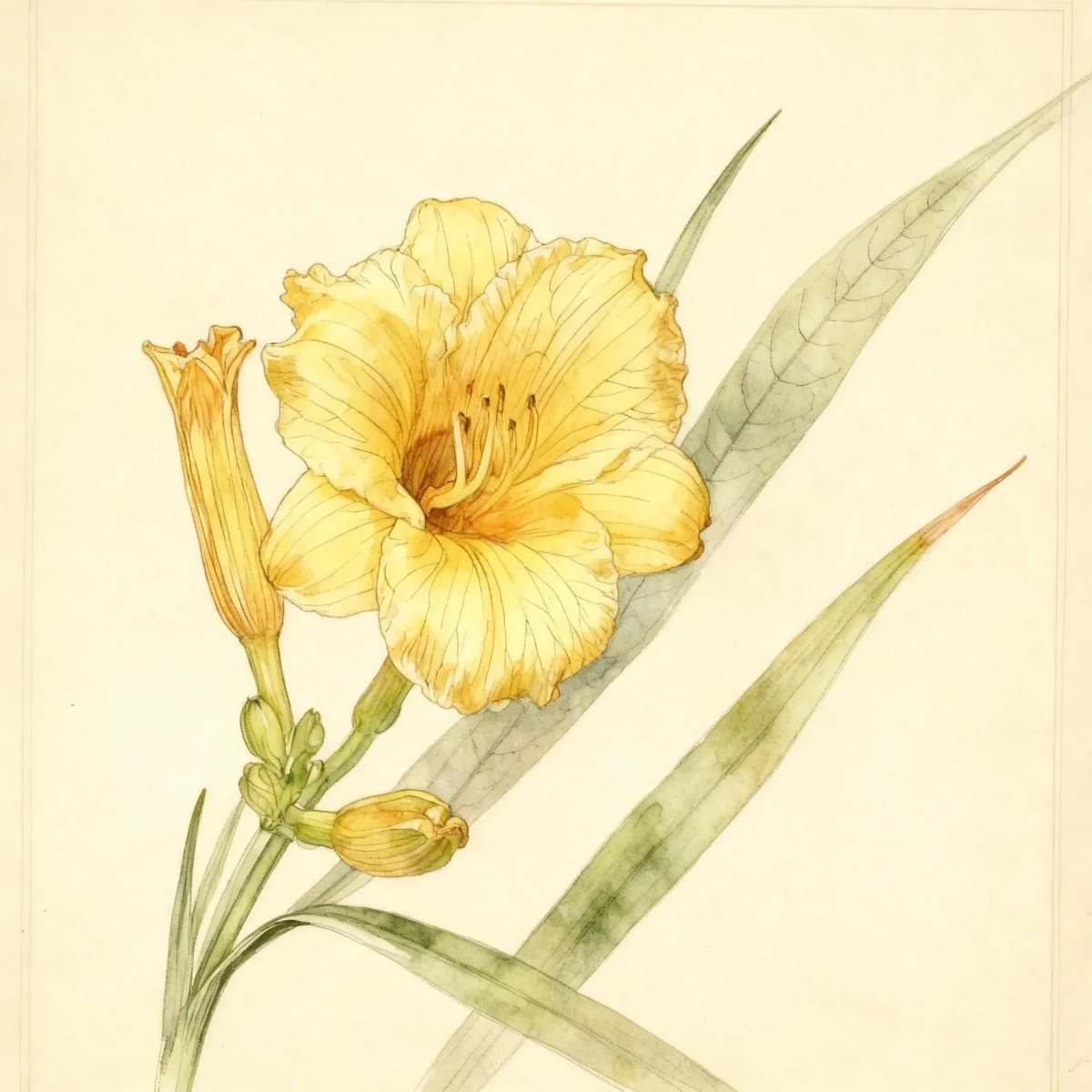
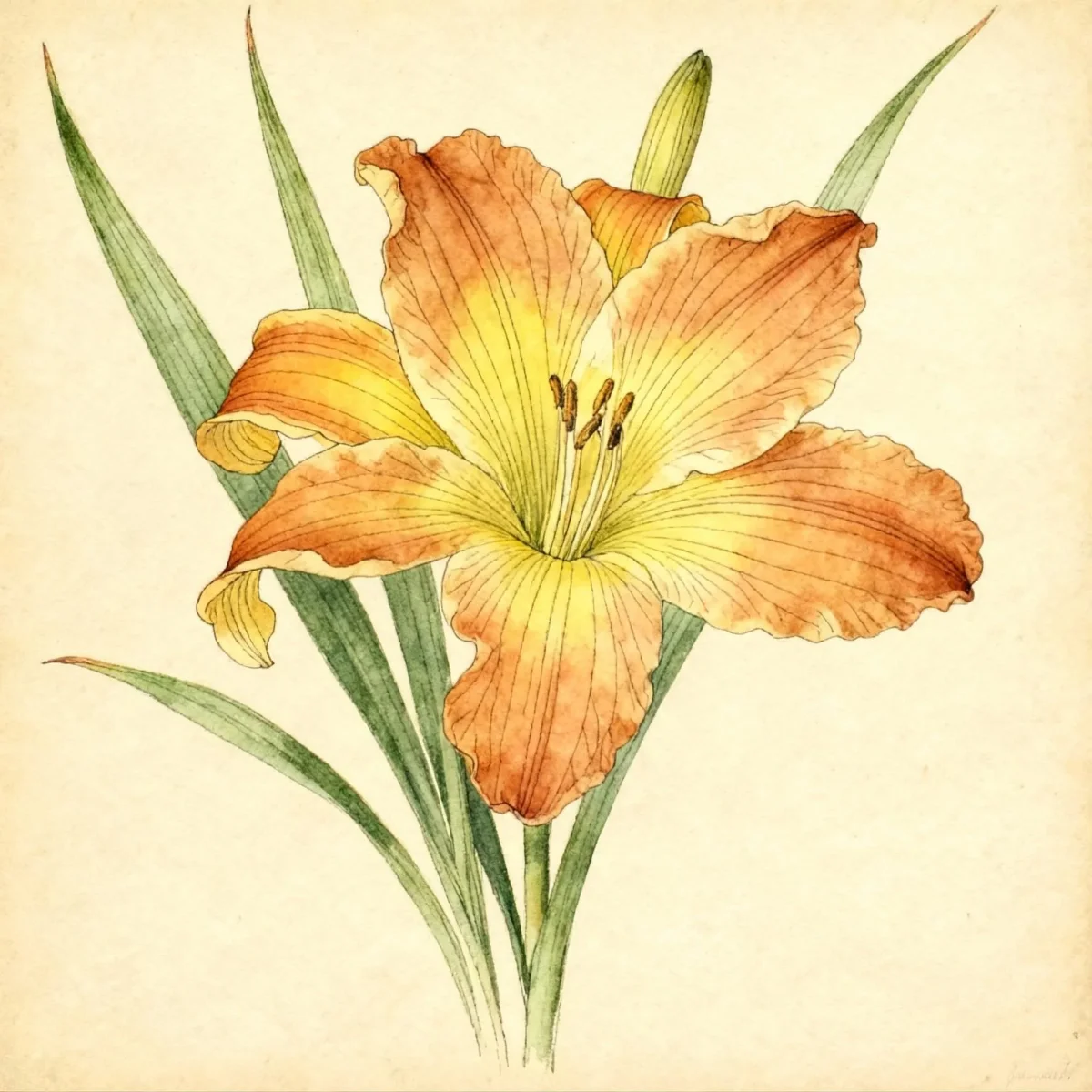
Hemerocallis ‘Clearly a Thrill’ is a highly valued herbaceous perennial celebrated for its vibrant floral display and exceptional ease of care. This Daylily cultivar produces large, double flowers boasting an attractive orange-pink hue complemented by a noticeable yellow-green throat, ensuring standout color throughout the summer months. As a reblooming, tetraploid variety, it offers extended garden interest, making it a reliable performer in diverse landscapes.
Gardening is simplified with this Daylily, as it thrives in average, well-drained soils and tolerates a broad range of conditions, flourishing anywhere from full sun to partial shade. Its low maintenance requirement means gardeners can spend less time tending and more time enjoying the spectacle created by mature clumps of Hemerocallis ‘Clearly a Thrill’.
These plants offer significant aesthetic value, providing essential texture and color massing in perennial beds. The consistent blooming habit ensures that your garden retains visual appeal from early summer well into the hotter months, solidifying the Daylily’s status as a staple in temperate zone landscaping.
Fast Facts
- Plant Family: Asphodelaceae
- Plant Type: Herbaceous perennial
- Hardiness Zones: USDA Zones 3-9
- Size at Maturity:
- Height: 2-2.5 ft
- Spread: 2-2.5 ft
- Bloom Time: June to August
- Bloom Description: Orange-pink with yellow-green throat
- Sun Exposure: Full sun to part shade
- Water Needs: Medium
- Maintenance Level: Low
How to Grow
Planting Hemerocallis ‘Clearly a Thrill’ is straightforward; they perform best when established in average, medium moisture, well-drained soils. While they tolerate many soil types, deep, fertile loams encourage the best growth. Plant crown depth is crucial—ensure the crown sits right at the soil line for optimal performance.
Ongoing maintenance for this Daylily is minimal. Deadhead spent flowers daily for a tidy appearance, and remove the entire flower scape once all blooms on it have faded. Although plants are tolerant of summer heat and humidity, deep watering during extended dry spells keeps the grass-like foliage looking its best.
For vigorous, long-term health and the best blooming display, plan to divide mature clumps every three to four years. Spring division is generally preferred, especially in colder climates like those in the northern reaches of its hardiness range. Remember that hybrid Daylilies will not reliably grow true to type if you attempt propagation via seed.
As a winter-dormant variety, Hemerocallis ‘Clearly a Thrill’ requires a cold period; therefore, growers in Zones 9 and above may wish to consider evergreen types instead, as severe winter cold is necessary for these dormant cultivars to reset for the next season.
Landscape Uses
The structural habit and reliable color of the Daylily make it incredibly versatile in landscape design. Hemerocallis ‘Clearly a Thrill’ excels as a border plant, lining walkways or defining the edge of a flower bed with its upright, linear foliage. Clumps soften hardscape edges beautifully and provide mid-range height that doesn’t usually obscure taller background plants.
For mass plantings, these perennials are an excellent, low-care choice for filling large areas quickly, creating broad swaths of color that require little intervention once established. While the classic Daylily is robust enough for ground cover situations, even smaller specimens are excellent for edging or integrating into rock gardens where well-drained conditions are paramount.
Consider pairing your Daylily planting with lower-growing perennials that enjoy similar sun and moisture needs, such as ornamental grasses or salvias, to create layered interest. The sword-like foliage of Hemerocallis ‘Clearly a Thrill’ provides strong vertical contrast against mounding shrubs.
Standout Features
Flower Qualities
- Showy
Noteworthy Characteristics
Genus name comes from the Greek words hemera meaning day and kallos meaning beauty as each flower lasts but one day. Hybridizers have expended considerable effort creating new daylilies featuring flowers with new colors, color combinations, shapes and patterns across more than 60,000 registered cultivars. Hemerocallis ‘Clearly a Thrill’ is specifically noted as an evergreen, reblooming, tetraploid cultivar, offering large, double, orange-pink blooms held on scapes reaching 2.5’ tall, ensuring extended summer enjoyment.
Tolerances
- Rabbit
Potential Problems
Daylilies are renowned for being extremely adaptable and are comparatively pest-free. The primary minor pests you might encounter are occasional mites, aphids, or thrips, which can usually be managed with targeted insecticidal soap if necessary. A more serious concern in some regions can be Daylily rust, a fungal disease that typically presents as rust-colored pustules on the foliage.
Prevention is key against Daylily rust; ensure good air circulation around your plants by spacing them appropriately or dividing congested clumps. Rabbit pressure is generally low, as rabbits tend to avoid the foliage. Consistent deadheading and proper cleanup helps minimize hiding spots for small pests.
Frequently Asked Questions
What hardiness zones is Daylily suitable for?
This specific Daylily cultivar, Hemerocallis ‘Clearly a Thrill’, is suitable for USDA Zones 3 through 9. Gardeners should note that dormant types are not recommended for the warmer end of this spectrum (Zone 9 and above) due to their need for a colder winter dormancy period.
How large does Daylily grow?
Hemerocallis ‘Clearly a Thrill’ typically reaches a mature height between 2 and 2.5 feet tall, with a comparable spread of 2 to 2.5 feet wide, creating a substantial yet manageable clump.
What sun exposure does Daylily need?
This perennial requires full sun to part shade exposure to produce its best display of orange-pink flowers. Ensure it receives at least six hours of direct sunlight daily if possible.
When does Daylily bloom?
The primary bloom time for Hemerocallis ‘Clearly a Thrill’ is June through August. It is a reblooming variety, offering sporadic repeat flowering throughout the rest of the summer after the initial flush.
Conclusion
Hemerocallis ‘Clearly a Thrill’ remains a powerhouse in the perennial garden, offering low-maintenance care compounded with spectacular, long-lasting color from its double orange-pink blooms. This esteemed Daylily ensures reliable summer performance and structural integrity in mixed borders. Before planting, confirm your microclimate falls within USDA Zones 3-9 to guarantee successful overwintering and robust reblooming for your own Hemerocallis ‘Clearly a Thrill’.
Companion Planting
Choosing companions for your Daylilies involves blending plants that enjoy similar growing conditions—lots of sun and medium water—while offering textural contrast. Hostas or ferns can work well planted near the edges where they receive afternoon shade, as the Daylily foliage dies back later in the season.
For full-sun perennial borders, consider pairing Hemerocallis ‘Clearly a Thrill’ with plants that bloom later, such as Coneflowers (Echinacea) or Black-Eyed Susans (Rudbeckia). These partnerships create a harmonious tapestry where the bold colors of the Daylily transition smoothly into fall color palettes without competing for resources.
Seasonal Care Calendar
Spring cleanup is essential for vigorous Daylily growth, involving cutting back any remaining dead foliage from the previous year, particularly important for winter-dormant types. Apply a balanced, slow-release fertilizer lightly around the base of the plant as new growth begins to emerge in early spring.
During the peak summer bloom from June to August, consistent deadheading (removing spent flowers) directly encourages the reblooming habit of Hemerocallis ‘Clearly a Thrill’. This is also the best time to inspect foliage for early signs of pests if you are vigilant about pest control.
In the autumn, especially if you plan to divide your Daylilies next spring, ensure the foliage remains intact until it yellows naturally. This allows the plant to store maximum energy for winter dormancy and the following year’s impressive floral show.