Daylily (Hemerocallis 'Concorde Nelson')
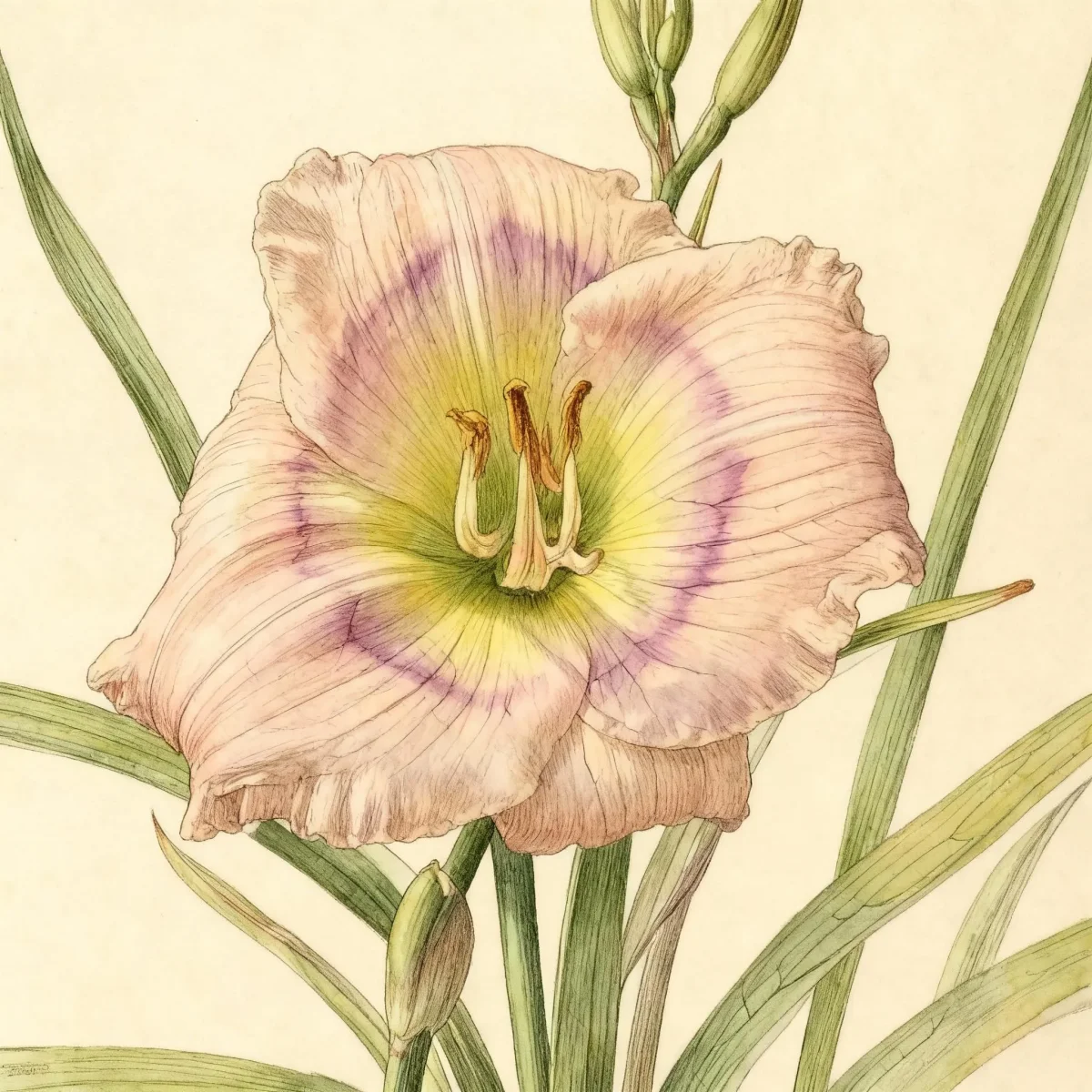
Hemerocallis 'Concorde Nelson' is a low-maintenance Daylily boasting showy, pale pink blooms from June to July.
Scroll down to discover growing tips, care requirements, companion plants, and more
Complete Plant Information
Overview
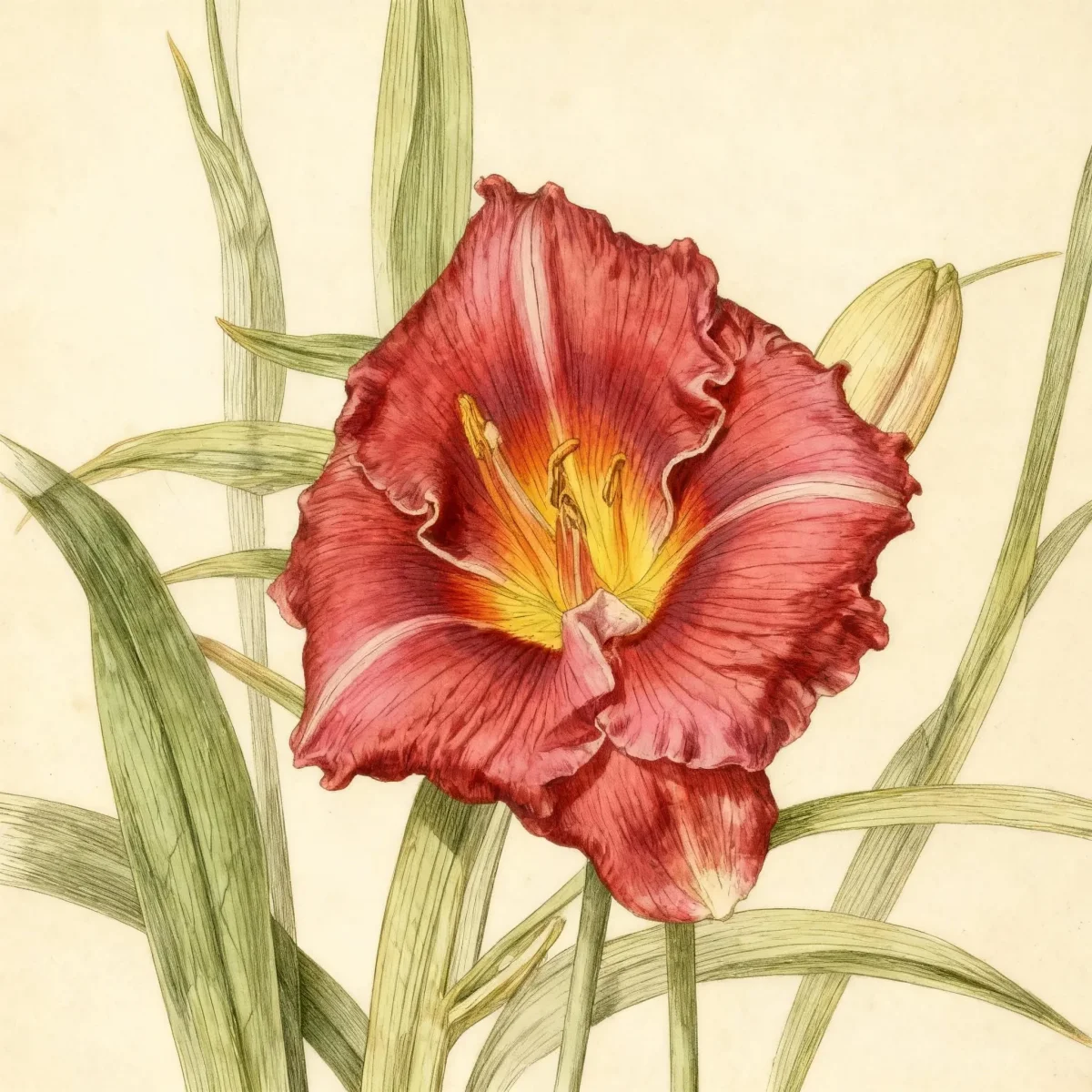
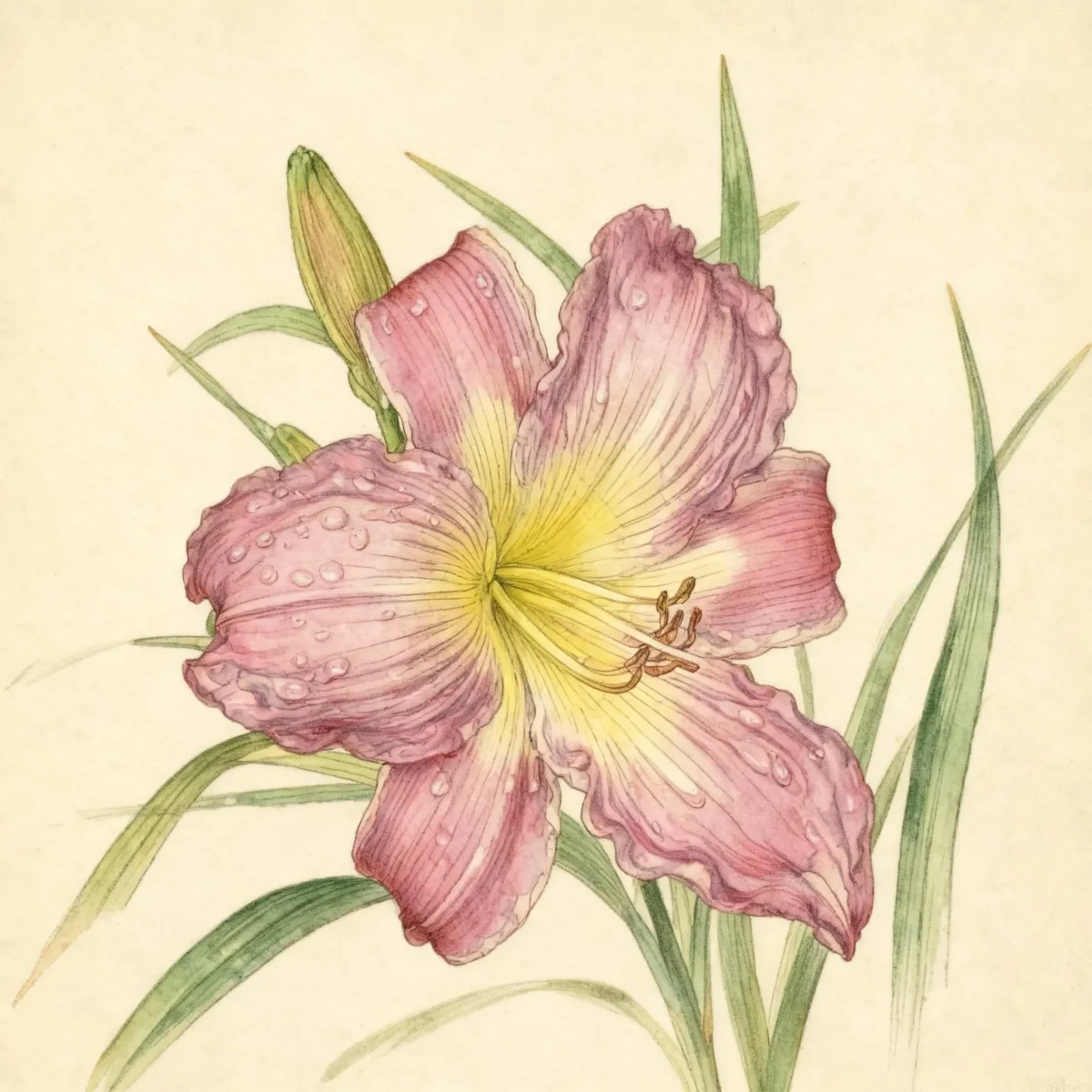
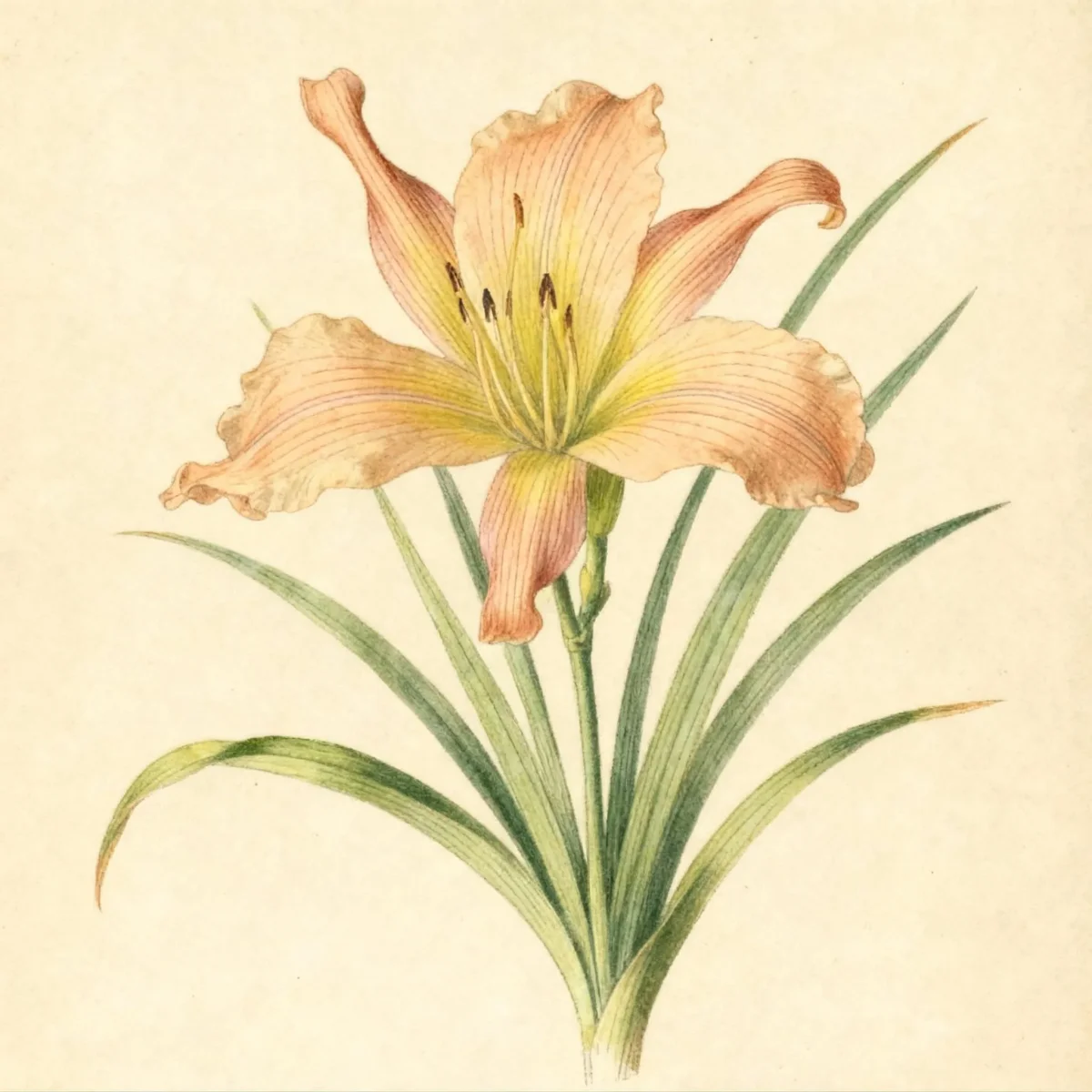
Hemerocallis ‘Concorde Nelson’ is a highly adaptable and celebrated Daylily cultivar, valued by gardeners for its striking appearance and resilience. This herbaceous perennial adds substantial value to mixed borders with its large, uniquely formed flowers that display a beautiful pale pink hue contrasted by a bright yellow throat. As a semi-evergreen variety, it offers reliable performance across a wide range of North American climates.
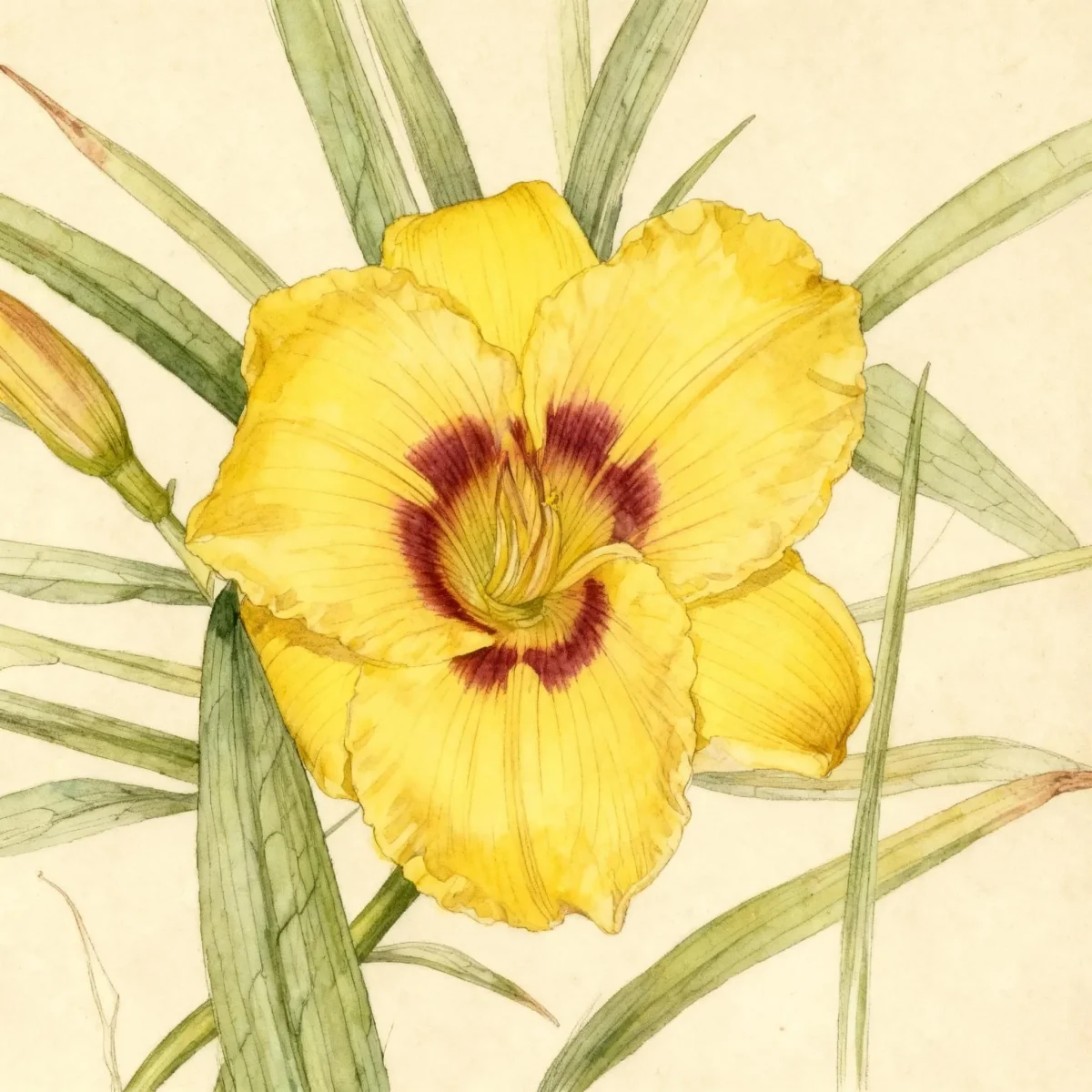
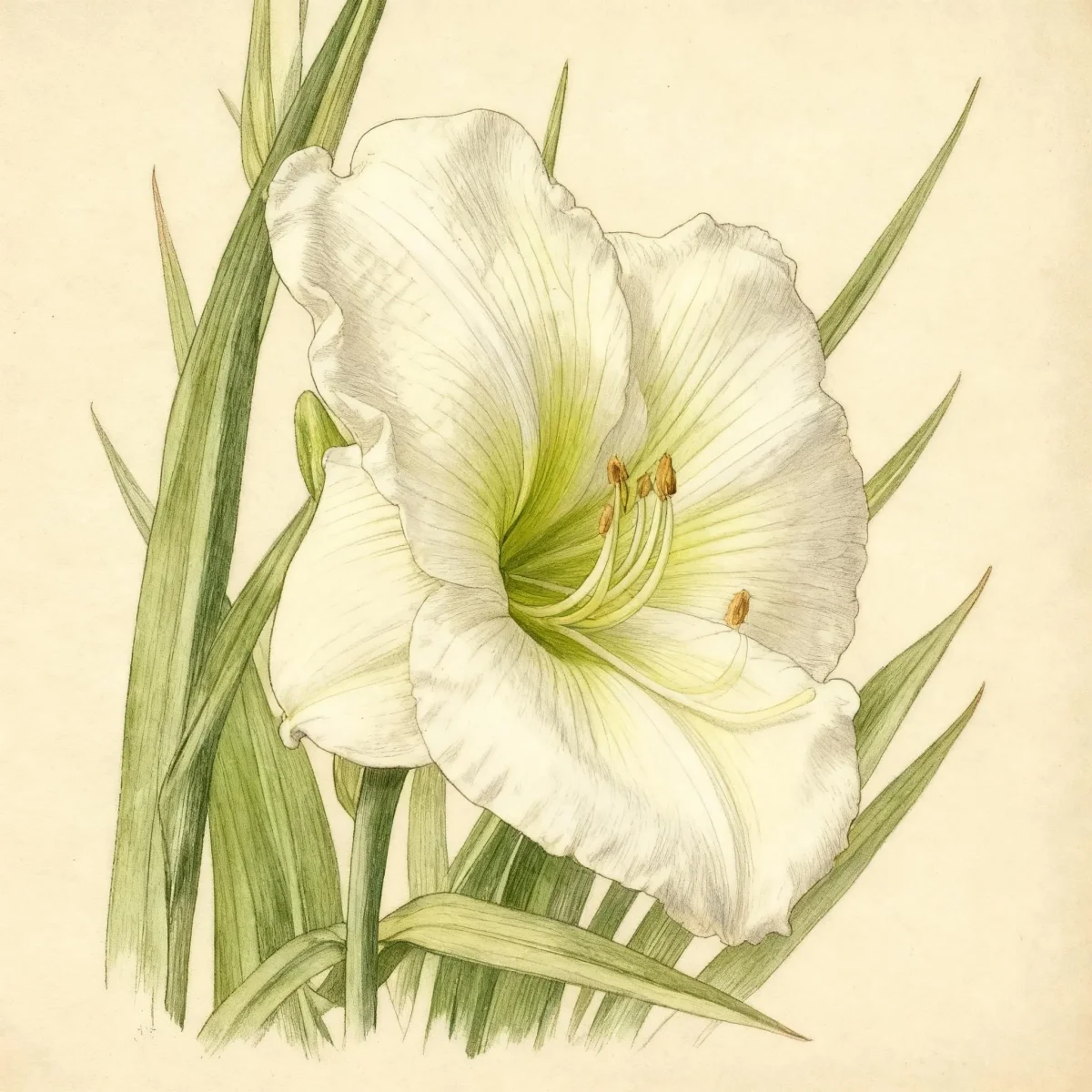
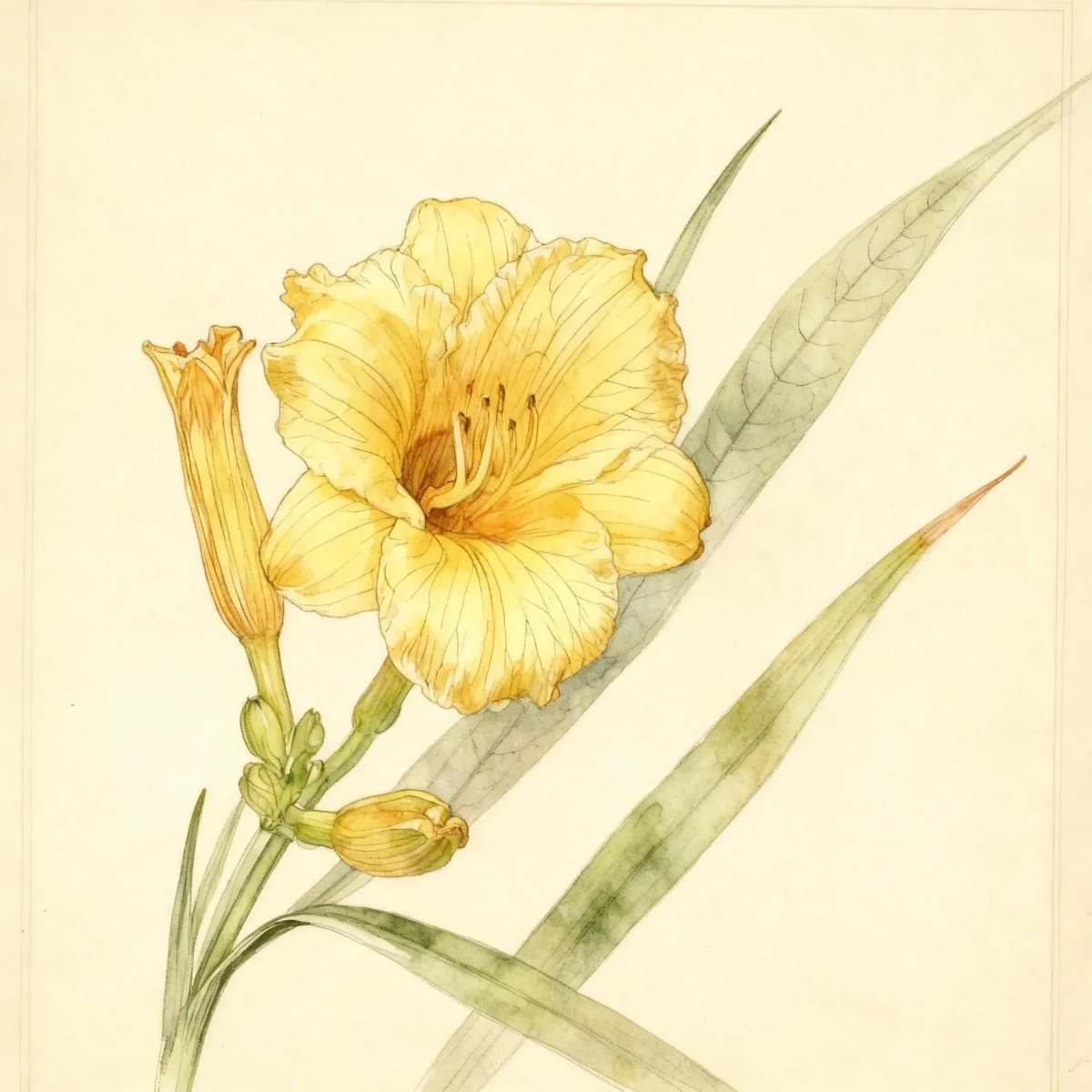
This cultivar belongs to the vast Hemerocallis genus, commonly known as daylilies, which are famous for their prolific yet ephemeral blooms—each blossom lasting just a day, replaced quickly by the next in succession. Hemerocallis ‘Concorde Nelson’ typically matures to about two feet tall, presenting an orderly clump of grassy foliage that looks intentional even outside of bloom time.
For gardeners seeking robust, low-effort color, the Daylily is an unmatched choice. Hemerocallis ‘Concorde Nelson’ fulfills this requirement, thriving in full sun to partial shade and demanding only average care. Its tolerance for heat and humidity, combined with general pest resistance, makes it a fundamental building block for low-maintenance perennial landscapes.
Fast Facts
- Plant Family: Asphodelaceae
- Plant Type: Herbaceous perennial
- Hardiness Zones: USDA Zones 3-9
- Size at Maturity:
- Height: 1.5-2 ft
- Spread: 1.5-2 ft
- Bloom Time: June to July
- Bloom Description: Pale pink with yellow throat
- Sun Exposure: Full sun to part shade
- Water Needs: Medium
- Maintenance Level: Low
How to Grow
Planting Hemerocallis ‘Concorde Nelson’ is best accomplished in spring or fall, ensuring the fibrous roots establish before extreme temperatures hit. These Daylilies perform best when set in average, medium moisture, well-drained soils, though they thrive immensely in deep, fertile loams. Ensure the crown of the plant is not buried too deeply; it should sit just at the soil surface.
Ongoing care is straightforward. Deadhead spent flowers daily for optimal garden neatness, and remove the entire flower scape (stem) once the blooming period for that scape is over. While Daylilies tolerate heat well, consistent medium watering, especially during dry spells, keeps the foliage looking crisp and attractive. Although they are low-maintenance, for the best display of blooms, division of mature clumps is recommended every three to four years, typically done in spring in colder regions.
Winter dormancy is an important aspect for many hybrid daylilies like Hemerocallis ‘Concorde Nelson’. If you reside in Zones 9 or higher, be aware that this cultivar is winter dormant and may not perform as vigorously as in cooler climates. In cold winters, cut back damaged foliage in late fall or early spring to maintain a tidy appearance as the plant prepares for new spring growth.
Landscape Uses
The dependable stature and attractive foliage of the Daylily make Hemerocallis ‘Concorde Nelson’ incredibly versatile in landscape design. Due to its moderate height (1.5 to 2 feet), it functions perfectly in the middle ground of perennial borders, where it can softly blend colorful bloom cycles with other spring and summer flowers. They are easily planted in clumps for a defined impact or massed over large areas for dramatic sweeps of color.
These plants are excellent for edging pathways or structured beds, providing a solid, neat edge owing to their strap-like foliage that remains largely attractive all season. While the blooms of ‘Concorde Nelson’ are noteworthy, the plant’s solid green base acts as a wonderful textural contrast when paired with fine-textured grasses or broad-leafed hostas grown in the partial shade provided by trees.
For creating robust, long-term perennial displays, daylilies are hard to beat. Their vigorous clumping nature means they suppress most weed growth once established, reducing ongoing maintenance—a huge benefit for any garden plan. Consider pairing this pale pink variety with deep purples or bright yellows for maximum floral contrast when planning your garden layout.
Standout Features
Flower Qualities
- Showy
Noteworthy Characteristics
Hemerocallis is a genus cherished for producing flowers in almost every color except true blue. ‘Concorde Nelson’ is specifically noted as a semi-evergreen, diploid daylily cultivar featuring large flowers around 7 inches across with a distinct Unusual Form classification due to its pinched, crispate petals. These elegant pale pink flowers emerge on 2.5-foot scapes during mid-season but do not offer repeat flowering.
Tolerances
- Rabbit
Potential Problems
Daylilies are remarkably adaptable and generally resistant to most common garden pests. However, occasionally monitor for mites, aphids, or thrips, which can usually be managed with simple treatments or strong jets of water. Daylily rust is the most serious disease concern in some humid environments, requiring vigilance and prompt removal of infected foliage. Fortunately, rabbits typically avoid chewing on the foliage of the Daylily.
Frequently Asked Questions
What hardiness zones is Daylily suitable for?
Hemerocallis ‘Concorde Nelson’ is robustly suited for USDA Zones 3 through 9, offering reliable perennial performance across a broad geographic range.
How large does Daylily grow?
Mature clumps of this Daylily cultivar typically reach a height between 1.5 and 2 feet, with a comparable spread of 1.5 to 2 feet.
When does Daylily bloom?
This Daylily cultivar exhibits its main flush of bloom during the mid-season period of June to July, presenting pale pink flowers with a yellow throat.
What sun exposure does Hemerocallis ‘Concorde Nelson’ need?
Hemerocallis ‘Concorde Nelson’ performs best when situated in locations receiving full sun to part shade conditions.
Conclusion
Hemerocallis ‘Concorde Nelson’ proves itself an indispensable perennial for gardeners needing reliable color with very minimal upkeep. Its showy, unusual form flowers provide mid-summer beauty, cementing the Daylily’s reputation as a garden stalwart. Decide on your planting location now, checking your soil drainage and sun exposure, to ensure robust success with your new Hemerocallis ‘Concorde Nelson’ plant.
Companion Planting
Selecting companions for Daylilies should focus on plants that share similar cultural needs regarding sun and medium moisture levels. Plants with contrasting foliage texture work wonderfully alongside the strappy leaves of Hemerocallis ‘Concorde Nelson’. Consider pairing it with larger foliage plants like Hostas, which can tolerate the partial shade that Daylilies are sometimes happy to accept, especially during intense afternoon heat.
For vibrant color pairings, utilize traditional cottage garden favorites. Salvia varieties or Nepeta (Catmint) bloom profusely through the summer, offering mounds of blue or purple that beautifully complement the pale pink flowers of this Daylily. Since Daylilies appreciate division every few years, ensure companionship choices do not become overly invasive, which could complicate your maintenance routine for the Hemerocallis ‘Concorde Nelson’.
Seasonal Care Calendar
Spring preparation for your Daylily requires removing any remaining tattered winter foliage; this process also helps clear out potential overwintering sites for pests. Once new growth begins, an application of balanced, slow-release fertilizer can support the powerful bloom production expected in June and July. In late summer or early fall, after flowering is complete, plan for division if the clump has become dense and performance has lagged, ensuring good air circulation for the following season.
Summer management centers on consistent watering, particularly crucial during dry spells to keep the foliage standing upright and attractive, even though the individual flowers only last a day. Deadheading spent blooms promptly is key to keeping the plant looking sharp throughout its bloom period, redirecting the plant’s energy toward producing more flowers rather than setting seed pods.
As fall approaches, monitor leaf health. If you are in a colder zone (3-6), preparing for winter involves accepting the natural die-back of the foliage, though you can tidy up any highly damaged leaves. Avoid heavy fertilizing late in the season, as this encourages tender new growth that may not survive the first hard frost.