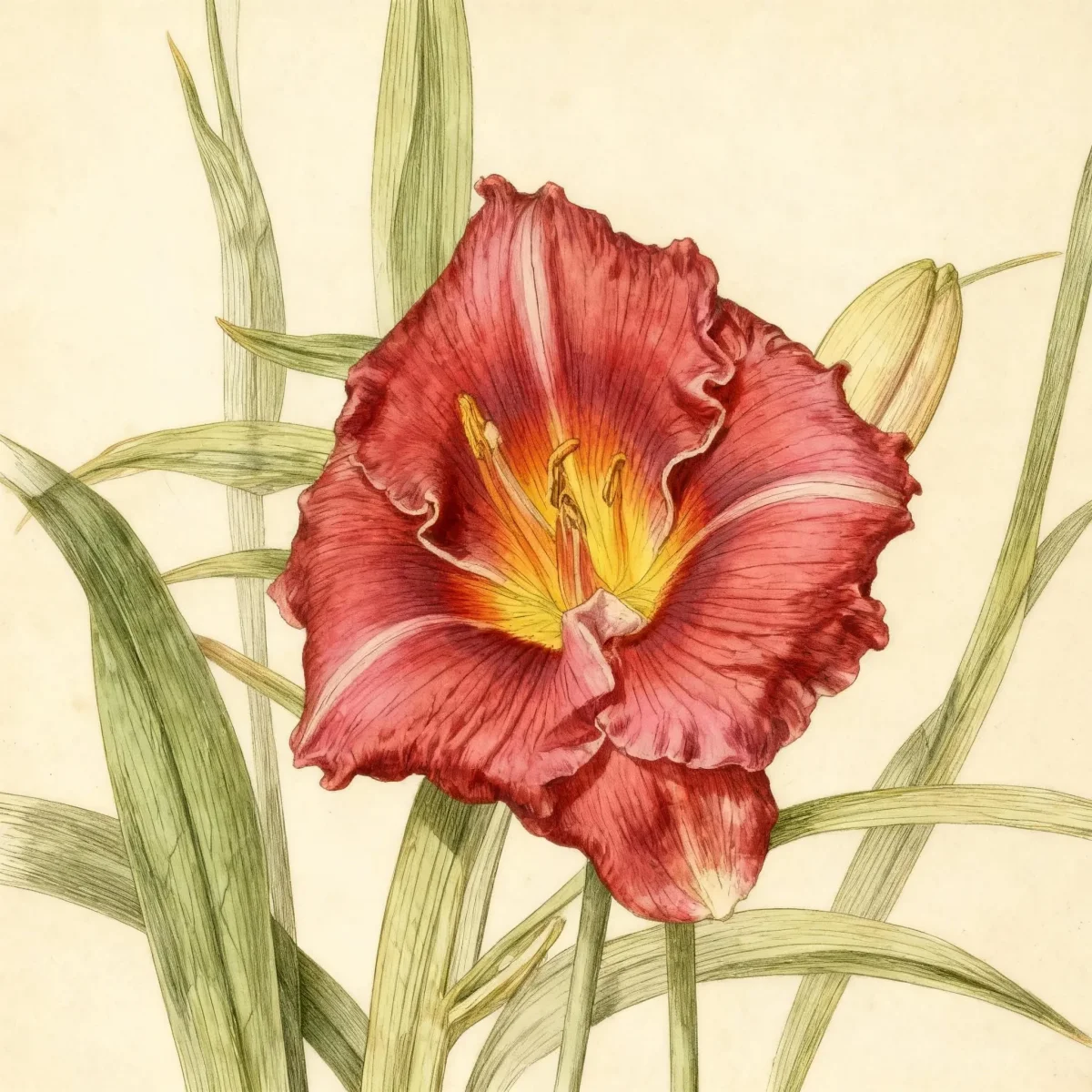
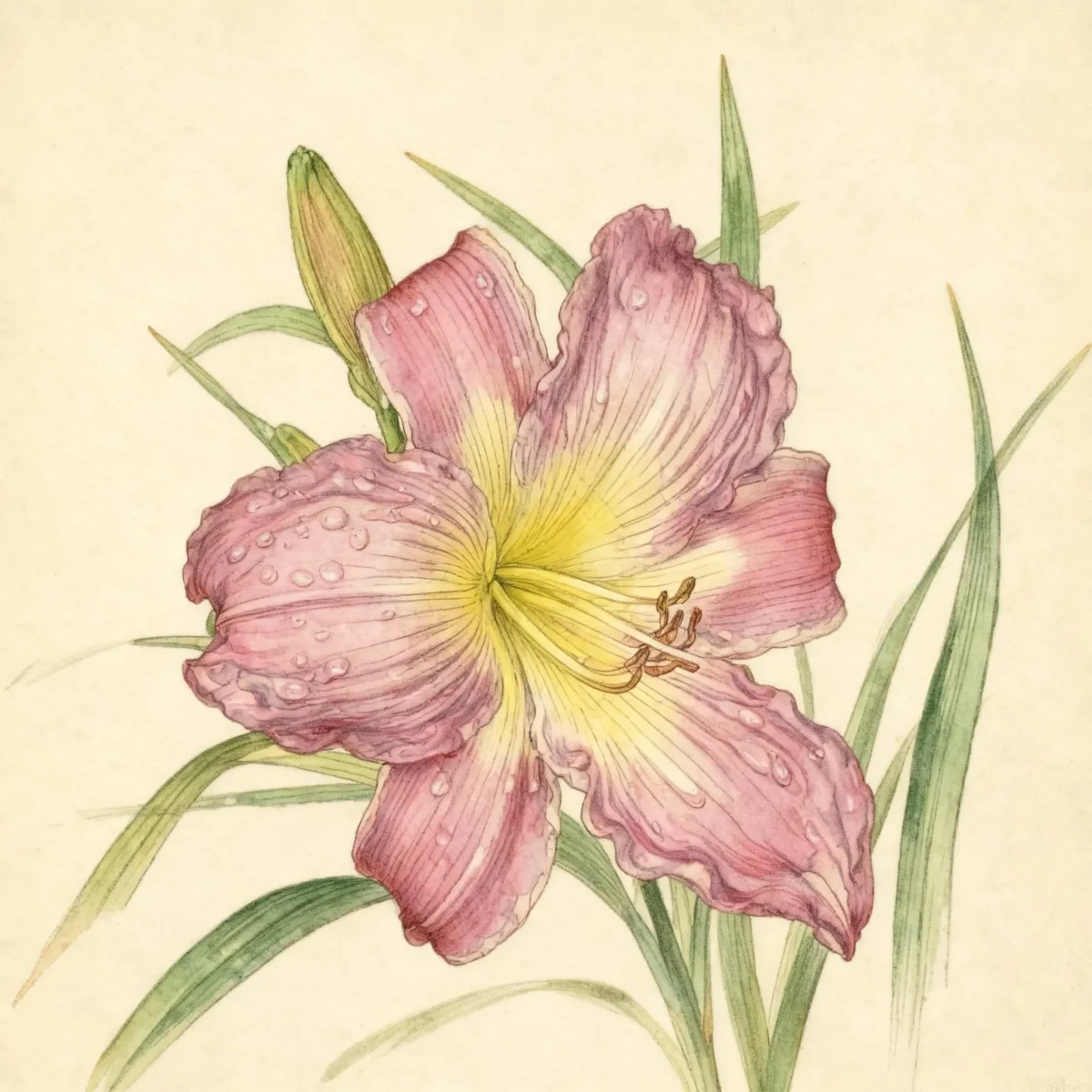
Daylily (Hemerocallis 'Evermore Greatful')
The Hemerocallis 'Evermore Greatful' Daylily offers striking red blooms with a green throat, thriving in zones 3-9 with low maintenance.
Scroll down to discover growing tips, care requirements, companion plants, and more
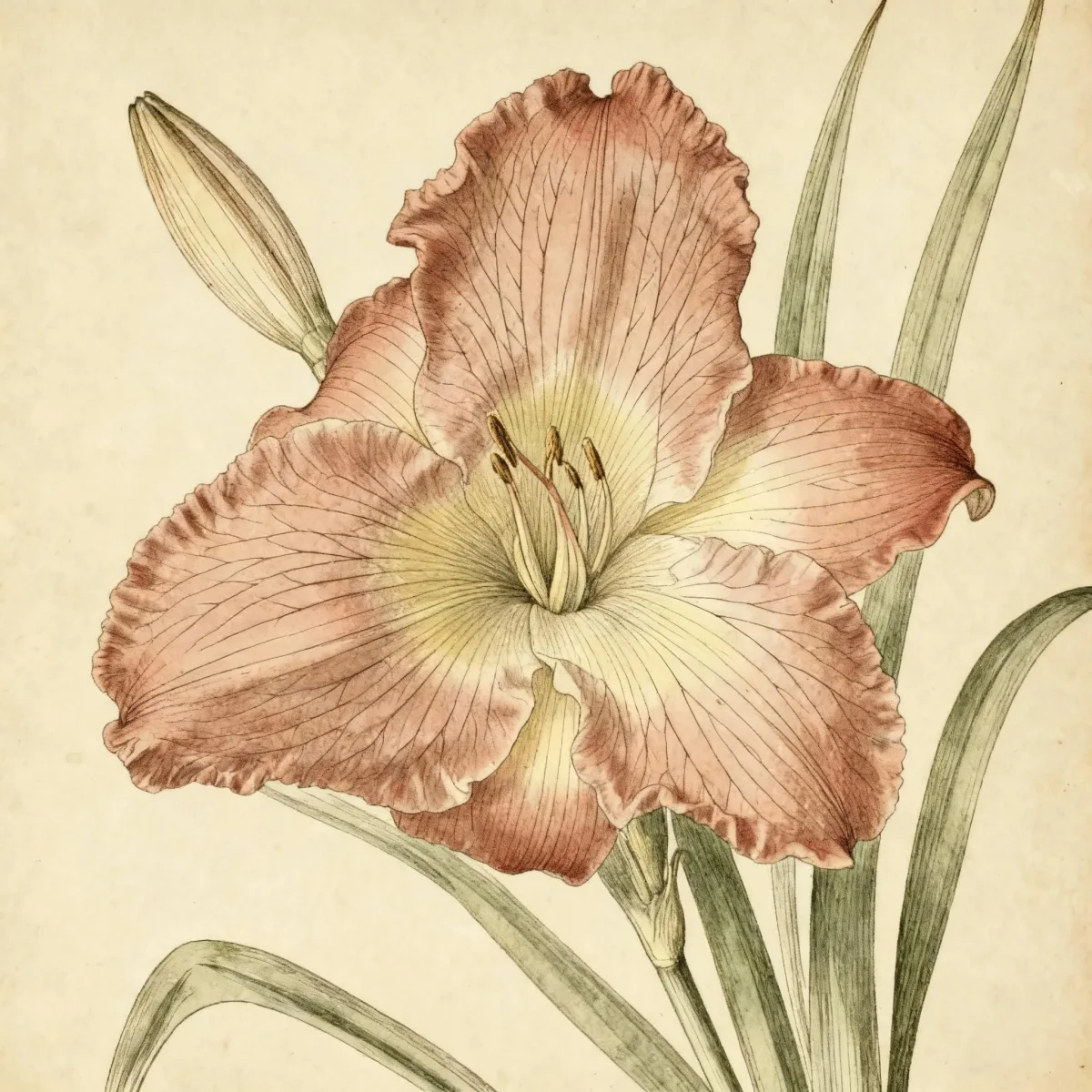
Complete Plant Information
Overview
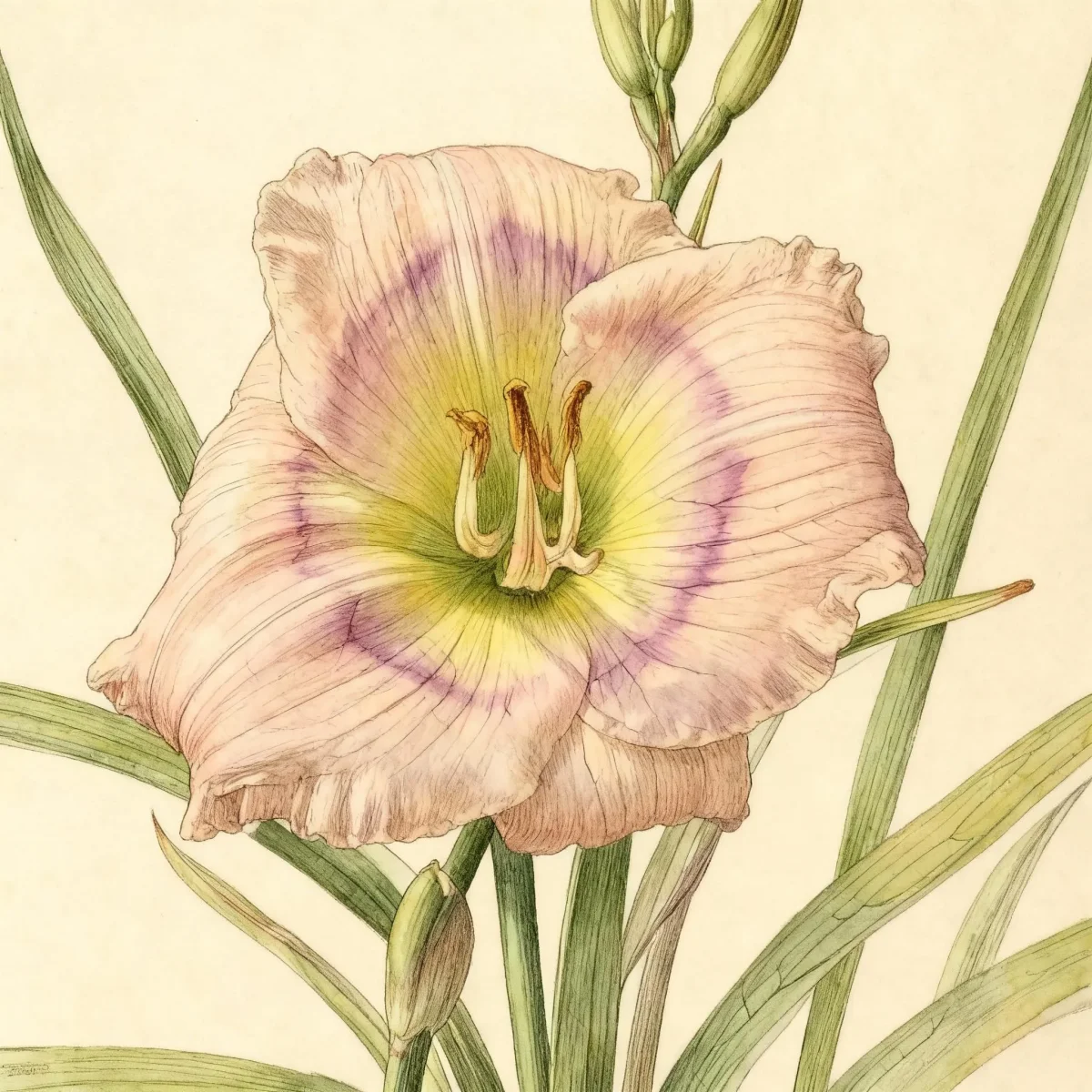
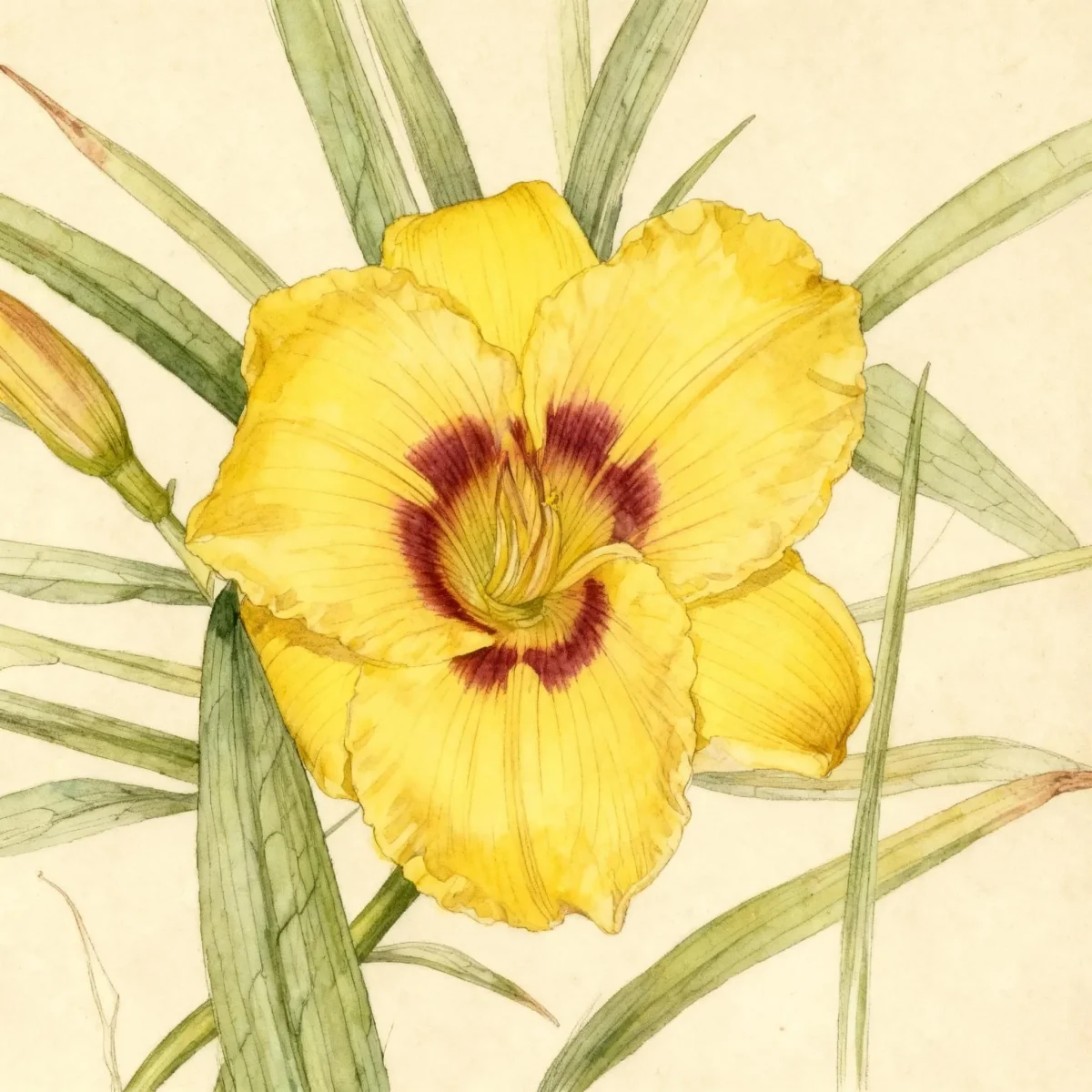
Hemerocallis ‘Evermore Greatful’ is a desirable tetraploid Daylily cultivar prized for its consistent performance and vibrant coloration, featuring deep red flowers contrasted beautifully by a soft green throat. As an herbaceous perennial, this variety brings reliable structure and seasonal color to the garden landscape without demanding excessive attention. Gardeners appreciate the ease with which this Daylily naturalizes, providing dense clumps of attractive, grass-like foliage.
This specific Daylily cultivar matures to a manageable height of about 2 feet, making it perfectly scaled for borders and mixed plantings where structure is needed mid-season. While this variety is semi-evergreen, gardeners in colder sectors should expect dormancy, which is crucial for the overall health of this type of Hemerocallis. Hemerocallis ‘Evermore Greatful’ offers a low-maintenance approach to achieving high visual impact in sunny garden locations.
Fast Facts
- Plant Family: Asphodelaceae
- Plant Type: Herbaceous perennial
- Hardiness Zones: USDA Zones 3-9
- Size at Maturity:
- Height: 1.5-2 ft
- Spread: 1.5-2 ft
- Bloom Time: June to July
- Bloom Description: Red with green throat
- Sun Exposure: Full sun to part shade
- Water Needs: Medium
- Maintenance Level: Low
How to Grow
Planting Hemerocallis ‘Evermore Greatful’ is best achieved in spring or fall, ensuring the crown sits just at or slightly above the soil line; these Daylilies perform exceptionally well in average, medium moisture, well-drained soils, though they thrive best in deep, fertile loams. Water needs are medium, but these plants are tolerant of summer heat and humidity, requiring deep watering during extended dry spells to maintain attractive foliage quality.
Routine care for this Daylily is minimal. Deadheading spent flowers daily ensures neatness, and removing the entire flower scape once blooming concludes keeps the clump looking sharp. Since most Hemerocallis sold commercially are hybrids like ‘Evermore Greatful’, they will not breed true from seed, making division the primary means of propagation.
For optimal performance, divide mature clumps every three to four years in either the spring or fall. In colder zones (like those experienced in the St. Louis area), spring division is preferred. Winter dormant daylilies absolutely require a proper cold period for robust blooming; therefore, they are not ideal candidates for deep south zone 9 gardens seeking continuous evergreen performance.
Landscape Uses
The medium stature and low maintenance requirements of this Daylily make it an excellent structural element across various landscape designs. Hemerocallis ‘Evermore Greatful’ is fantastic as an edging plant along walkways or nestled into the front of perennial borders where its deep red flowers can stand out against lighter companions. They are also highly effective when mass planted over large areas, creating broad sweeps of mid-season color that require virtually no fuss once established.
Consider pairing this Daylily with shorter spring bloomers that fade before it begins, allowing for continuous color transition in the bed. They contrast well against silvery foliage plants or use them to break up the texture of ornamental grasses. Because they are robust and tolerate heat well, they serve as reliable anchors in mixed perennial plantings that might suffer under harsher sun conditions.
Standout Features
Flower Qualities
- Showy
Noteworthy Characteristics
Hemerocallis is a vast genus, commonly known as daylilies, native primarily to Asia and Europe, though modern varieties like ‘Evermore Greatful’ are the result of extensive hybridization efforts creating thousands of registered cultivars. Each flower typically opens for only one day, yet the plant produces an abundance of blooms consecutively over a long season, giving the appearance of continuous flowering. This specific semi-evergreen, tetraploid cultivar displays deep red blooms, around 6.5 inches wide, atop 2-foot scapes, providing rich mid-season color before going dormant for winter in cooler climates.
Tolerances
- Rabbit
Potential Problems
Daylilies are renowned for being extremely adaptable and generally pest-free perennials, positioning Hemerocallis ‘Evermore Greatful’ as a reliable choice. Occasional minor issues may include spider mites, aphids, or thrips, though these rarely cause lasting damage. Daylily rust fungus can become problematic in humid regions, requiring management through good air circulation and appropriate fungicide applications if necessary. A significant benefit is that rabbits tend to avoid these plants entirely.
Frequently Asked Questions
What hardiness zones is Daylily suitable for?
The Hemerocallis ‘Evermore Greatful’ Daylily is suitable for USDA Hardiness Zones 3 through 9.
How large does the Daylily grow?
Mature clumps of this Daylily typically reach a height between 1.5 to 2 feet, with a comparable spread of 1.5 to 2 feet.
When does Daylily bloom?
Hemerocallis ‘Evermore Greatful’ blooms from June to July, producing striking red flowers accented by a green throat.
What sun exposure does Daylily need?
This Daylily variety performs best when given full sun to part shade conditions.
Conclusion
The Daylily, and specifically the cultivar Hemerocallis ‘Evermore Greatful’, offers gardeners a tough, beautiful, and long-lived perennial featuring showy red blooms during the summer months. Its low maintenance profile and adaptability across hardiness zones 3-9 make it an indispensable choice for new and experienced gardeners alike. Before planting, confirm your location falls within the suitable hardiness range and prepare your soil to be well-drained for success.
Companion Planting
When designing a perennial border featuring Hemerocallis ‘Evermore Greatful’, choose companions that complement its mid-summer bloom time without competing for the same root space. Plants that thrive in full sun to part shade and also require medium water are ideal matches. Consider pairing it with Shasta Daisies, Coneflowers (Echinacea), or ornamental grasses like Switchgrass, whose upright texture provides a textural contrast to the Daylily’s arching foliage.
Another great adjacency strategy is grouping it with spring-blooming bulbs or rhizomatous perennials whose foliage dies back just as the Daylily begins to ramp up for its display. This ensures that the garden maintains visual interest throughout the season, preventing sparse areas as the Daylily enters or exits its bloom cycle. Remember that the deep red of this cultivar pairs well with blues and purples for high contrast.
Seasonal Care Calendar
Spring preparation for your Hemerocallis ‘Evermore Greatful’ involves promptly removing any remaining dead foliage from the previous year, which helps improve air circulation around the crowns. This is also the best time to fertilize lightly if you wish to boost flowering, though these Daylilies rarely require heavy feeding. During the summer bloom period (June to July), consistent medium watering is key, especially during dry spells to keep foliage healthy. In the fall, if division is planned, aim for early fall or wait until the ground is not frozen.