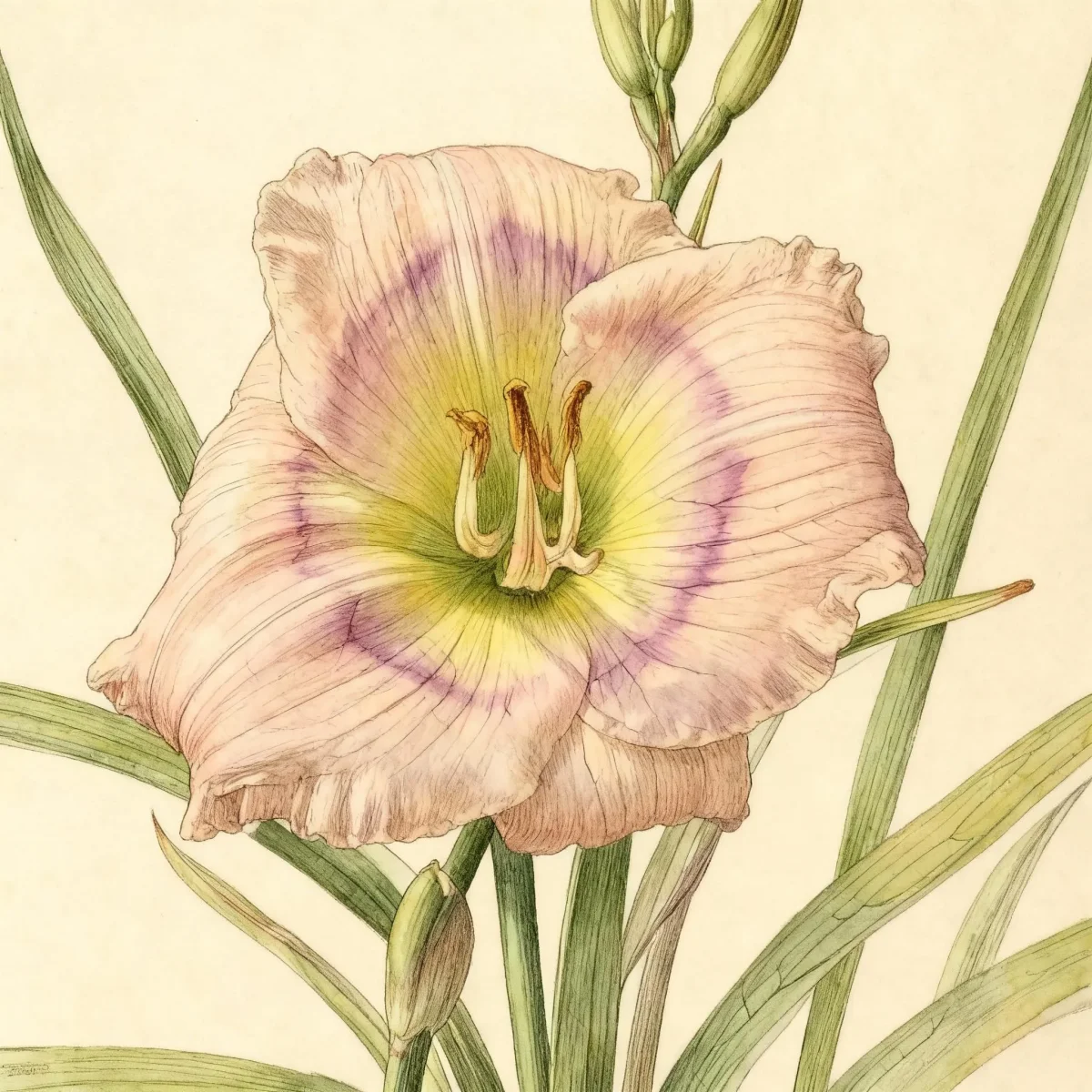
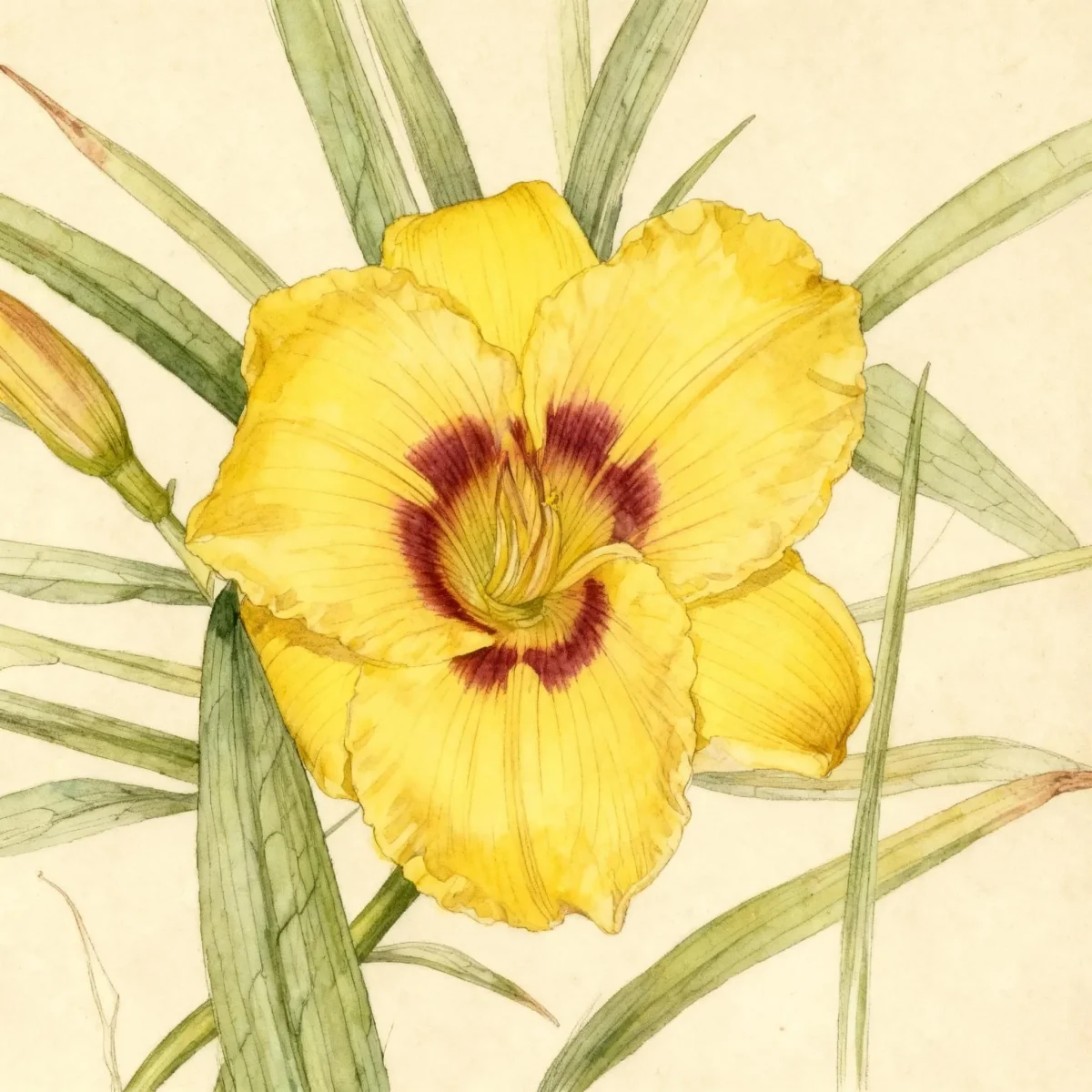
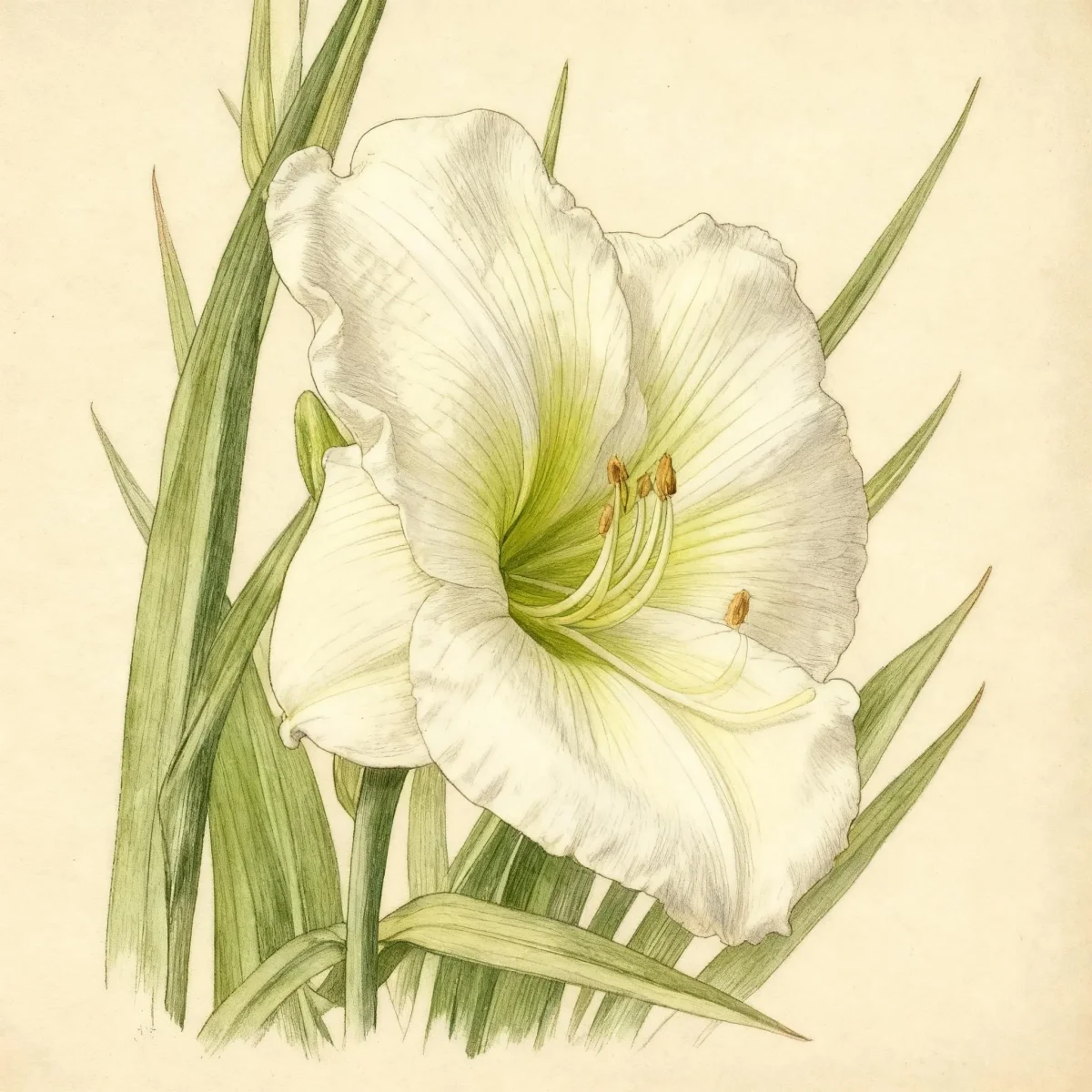
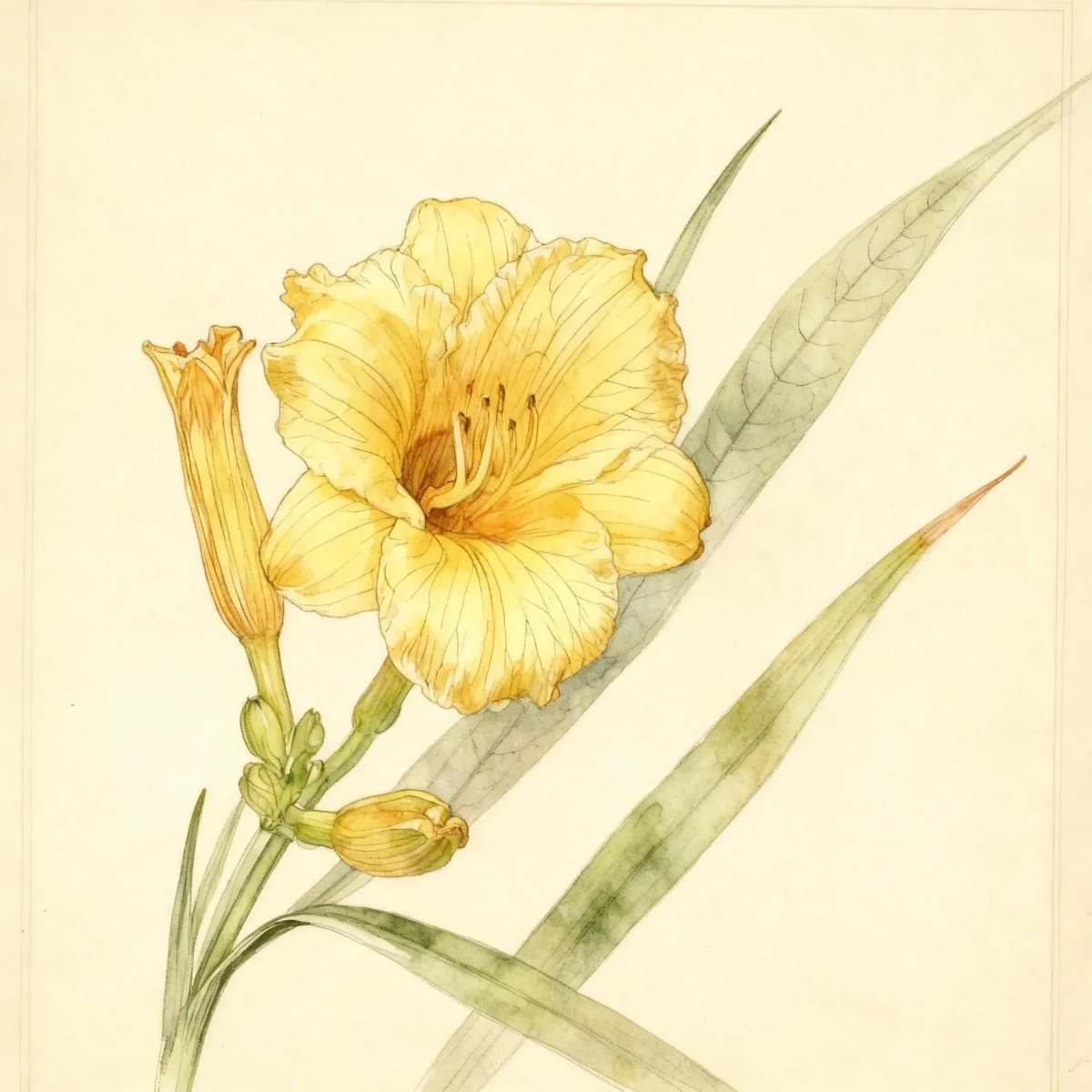
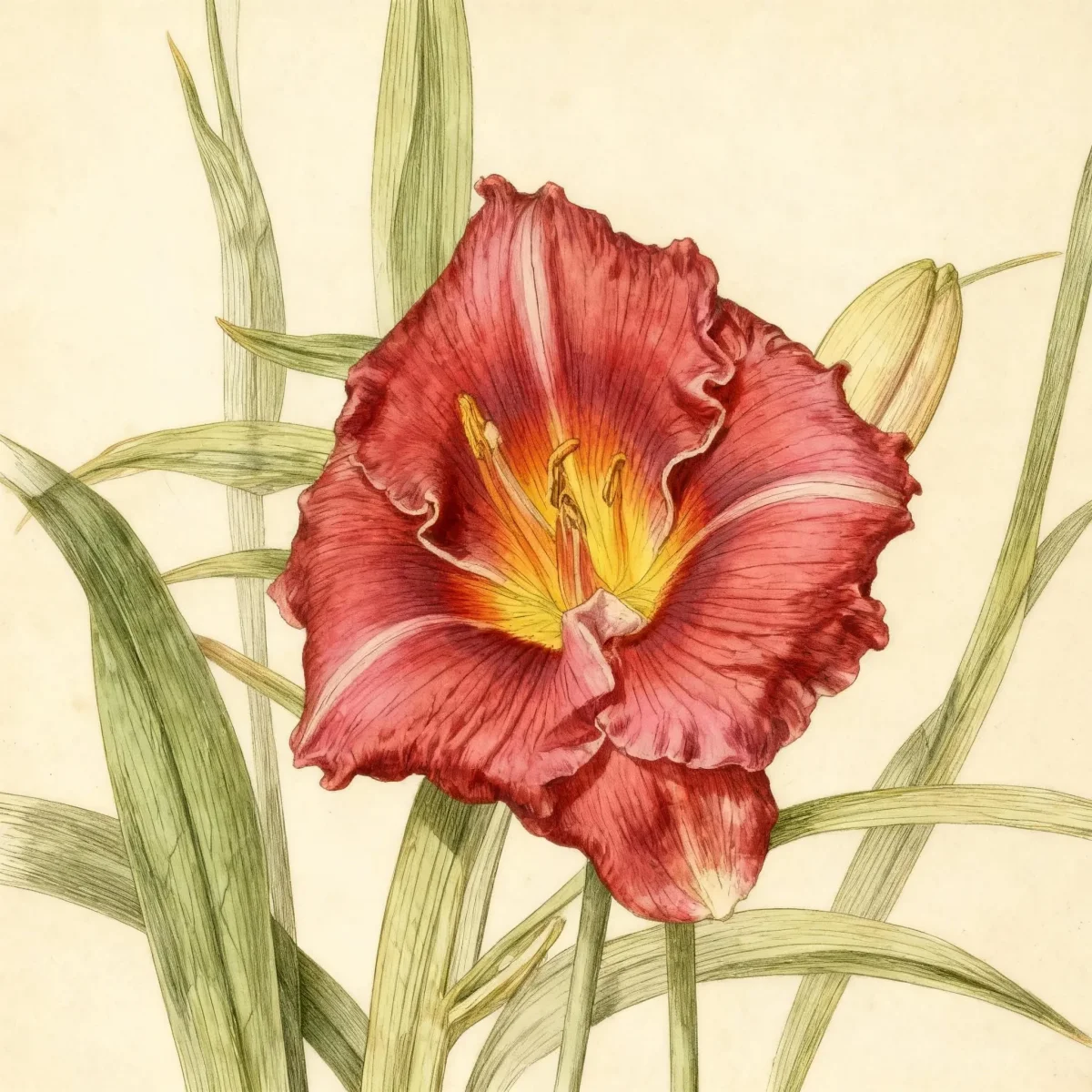
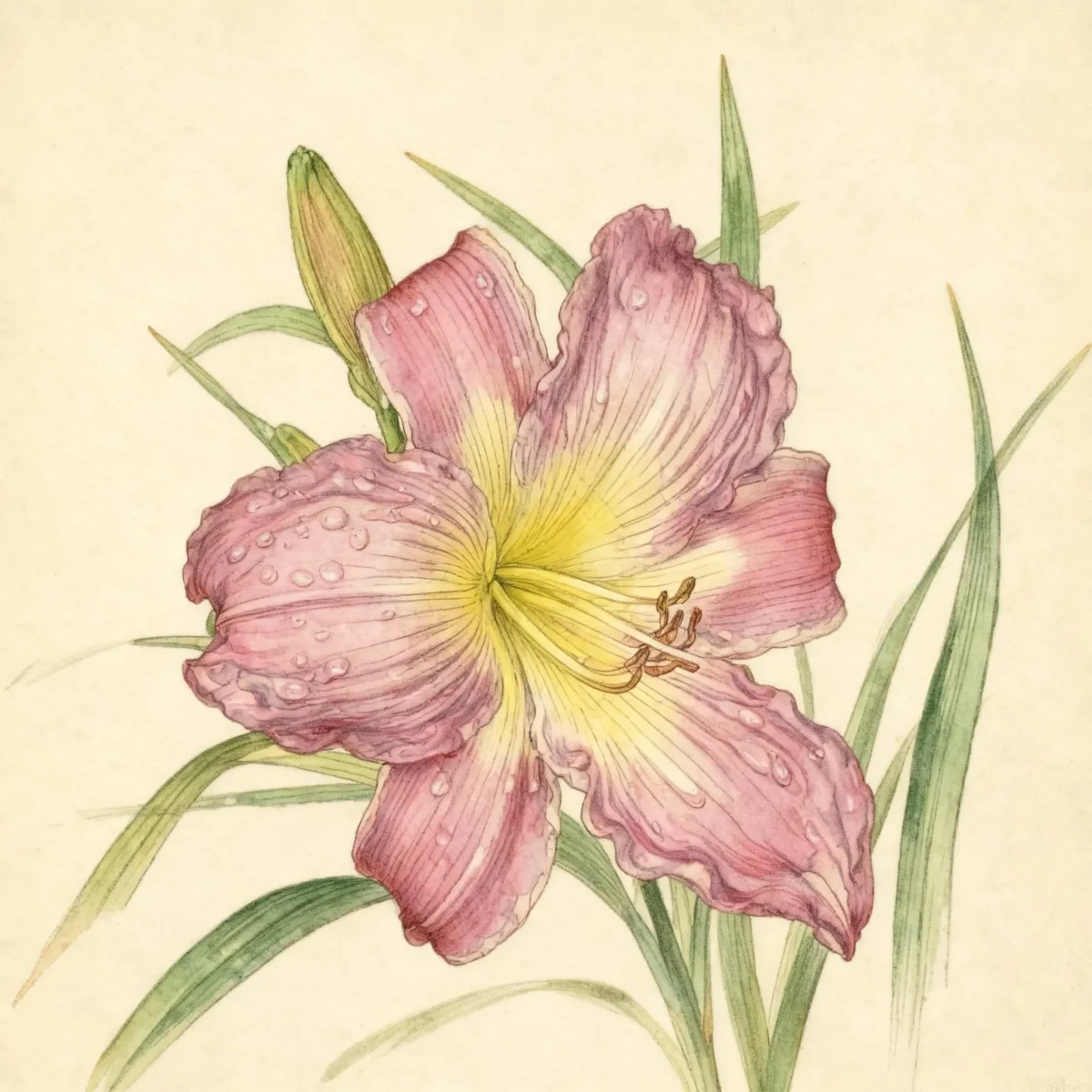
Daylily (Hemerocallis 'Fours are Wild')
Hemerocallis 'Fours are Wild' is a low-maintenance, winter dormant Daylily known for its striking pale yellow flowers in June.
Scroll down to discover growing tips, care requirements, companion plants, and more
Complete Plant Information
Overview
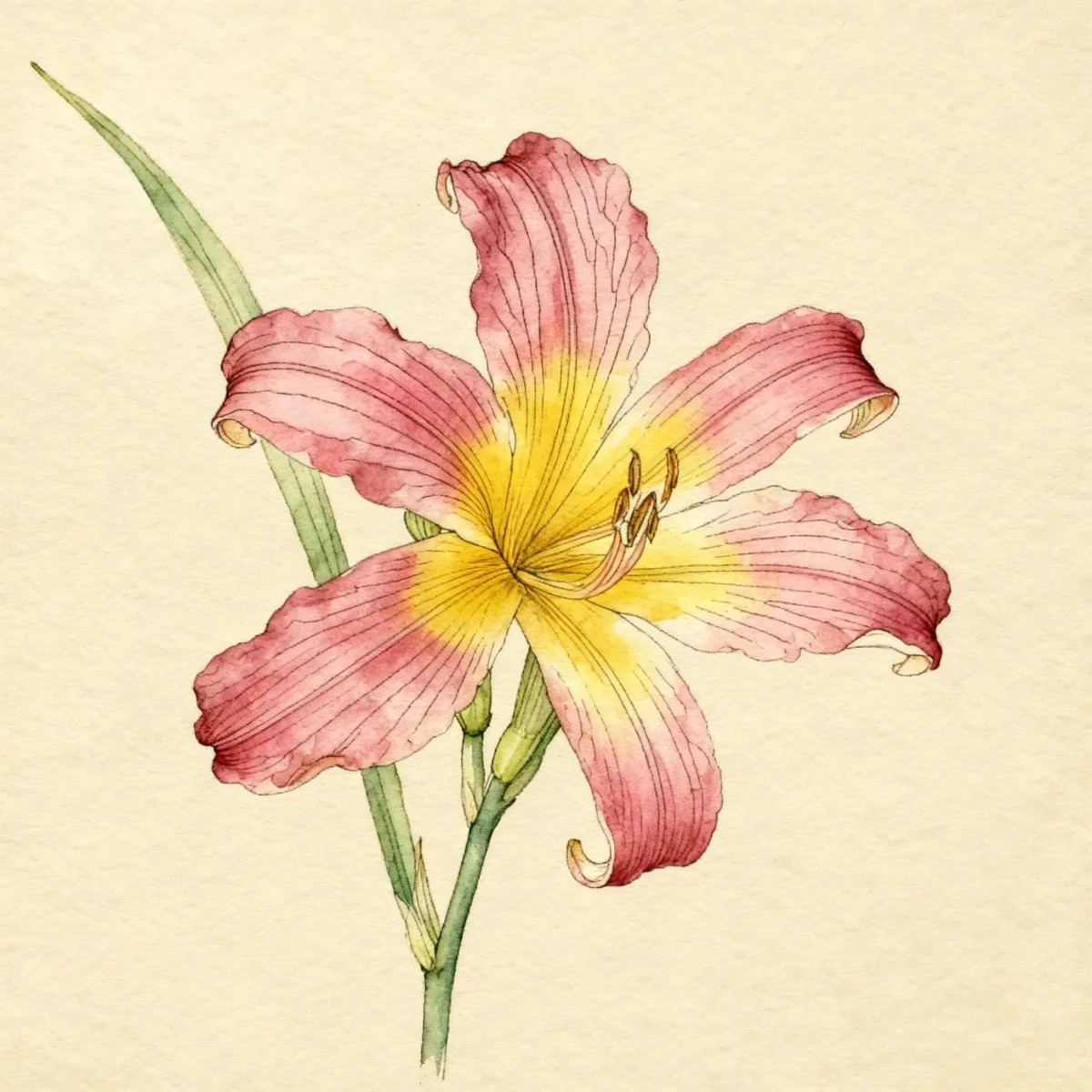
Hemerocallis ‘Fours are Wild’ is a captivating herbaceous perennial offering reliable summer color, distinguishing itself with its unique polymerous flower structure. This specific Daylily cultivar features four sepals and four petals, resulting in a striking, symmetrical bloom of pale yellow beginning in June. As a low-maintenance selection, this variety provides excellent visual impact without demanding excessive attention throughout the growing season.
Gardeners value the Daylily genus for its adaptability and impressive bloom cycles, even though individual flowers last only a day. With mature clumps reaching 2.5 feet tall and wide, Hemerocallis ‘Fours are Wild’ works beautifully in perennial borders or mass plantings where its clean foliage provides structure before and after its early summer show. It is a robust, winter dormant hybrid perfect for gardeners seeking reliable performance across a wide range of climates.
Fast Facts
- Plant Family: Asphodelaceae
- Plant Type: Herbaceous perennial
- Hardiness Zones: USDA Zones 3-9
- Size at Maturity:
- Height: 2-2.5 ft
- Spread: 2-2.5 ft
- Bloom Time: June
- Bloom Description: Pale yellow
- Sun Exposure: Full sun to part shade
- Water Needs: Medium
- Maintenance Level: Low
How to Grow
Planting Hemerocallis ‘Fours are Wild’ is straightforward; aim for early spring or fall in average, medium moisture, well-drained soils. While Daylilies tolerate a variety of soils, they perform best when situated in deep, fertile loams that hold consistent moisture. Ensure the crown is planted level with the soil surface, avoiding burying it too deeply, which can inhibit spring emergence.
Maintenance for this low-maintenance perennial is minimal. Deadhead spent flowers daily for improved garden neatness, and remove the entire flower scape once all blooms have finished to redirect the plant’s energy. Though tolerant of summer heat, deep watering during dry spells is essential to keep the foliage attractive, especially during peak summer performance.
For optimal future blooming, Daylilies should be divided every three to four years, preferably in the spring, particularly in colder climates like the St. Louis area. Remember that since Hemerocallis ‘Fours are Wild’ is a winter dormant variety, it requires a cold period for consistent performance and is not ideal for the warmest zones (Zone 9 and above).
Landscape Uses
Daylily cultivars like Hemerocallis ‘Fours are Wild’ are foundational plants for almost any sunny border or mixed perennial bed. Their grass-like, sword-shaped foliage provides excellent texture and vertical accents throughout the season, bridging gaps between spring bloomers and later summer anchors. Since they are easy-to-grow herbaceous perennials, they excel when planted in mass over large areas to create blocks of early summer color.
They are fantastic for defining an edge or border, creating a neat transition between lawn and garden beds. They perform admirably when interspersed with low-growing groundcovers or robust shrubs that can handle similar sun and water requirements. While this specific cultivar may not be dwarf, standard Daylilies are frequently used successfully in larger rock gardens or mass plantings where their robust nature ensures coverage.
Standout Features
Flower Qualities
- Showy
Noteworthy Characteristics
Hemerocallis is a genus renowned for horticultural development, with over 60,000 registered cultivars stemming from species native to Asia and central Europe. While most flowers last only a day, consistent succession ensures long seasonal color. Hemerocallis ‘Fours are Wild’ is notable because it is a diploid, winter dormant cultivar specifically recognized for its polymerous blooms, meaning it has more floral parts than the typical six, displaying four sepals and four petals in a distinctive 5.75-inch diameter pale yellow flower.
Tolerances
- Rabbit
Potential Problems
Daylilies are exceptionally adaptive and generally pest-free, contributing to their low maintenance appeal. Occasionally, watch for minor infestations of mites, aphids, or thrips that target the foliage or developing buds. In humid or wet regions, Daylily rust fungal disease can become problematic and requires prompt management. Given that rabbits tend to avoid this plant, this Daylily offers reliable visual enjoyment without significant pest pressure.
Frequently Asked Questions
What hardiness zones is Daylily suitable for?
Hemerocallis ‘Fours are Wild’ is suitable for USDA Hardiness Zones 3 through 9.
How large does Daylily grow?
When mature, this Daylily cultivar typically reaches heights between 2 and 2.5 feet, with a similar spread of 2 to 2.5 feet wide.
When does Daylily bloom?
This cultivar blooms in June, producing pale yellow flowers. It is noted that this specific variety does not repeat bloom.
What sun exposure does Daylily need?
For best performance and robust flowering, Hemerocallis ‘Fours are Wild’ requires Full sun to part shade conditions.
Conclusion
Hemerocallis ‘Fours are Wild’ offers landscape gardeners an excellent combination of striking, unique pale yellow blooms in early summer and very low maintenance requirements. This dependable Daylily thrives in many conditions, making it a stalwart choice for perennial beds and borders. Check your local planting zone compatibility before purchasing to ensure this winter dormant Hemerocallis thrives for you next season.
Design Ideas
Daylilies are unparalleled for creating visual structure and repetition within a garden design due to their reliable foliage clumps. Hemerocallis ‘Fours are Wild’ works well when placed toward the front or middle of a layered border, where its 2.5-foot height won’t obscure smaller companions. Consider pairing the pale yellow blooms with companions that offer contrasting colors, such as deep purple Salvia or cool blue Catmint, which bloom later in the season to ensure continuous interest as the Daylily finishes its primary flush in June.
Utilizing Daylilies in mass planting dramatically increases their impact; planting drifts of five or more Hemerocallis ‘Fours are Wild’ specimens allows the viewer to truly appreciate their form and color across a large swath of the yard. Furthermore, since they tolerate heat and humidity well, they anchor edges near patios or walkways where summer interest is highly desired. Their grass-like foliage softens hardscape edges beautifully throughout the season.
Companion Planting
Effective companion planting for Daylilies focuses on integrating plants that appreciate similar sun and moisture regimes while providing contrasting textures or bloom times. Because Daylilies prefer medium water, consider pairing them with moderately thirsty perennials like Hostas (in shadier spots) or Siberian Iris. When planting near Hemerocallis ‘Fours are Wild’, which blooms early in June, select late-season anchors such as Coneflowers (Echinacea) or ornamental grasses that will emerge in fullness once the Daylily scapes have been removed.
Staggering the bloom times is key to maximizing garden impact. Allow the Daylily foliage to anchor the base of the planting, and surround it with plants that offer different leaf shapes—think the broad leaves of Peonies or the fine textures of ornamental grasses, which visually complement the linear Daylily leaves. Furthermore, placing companions that deter common Daylily pests, although minor, can only help the overall health of the clump.