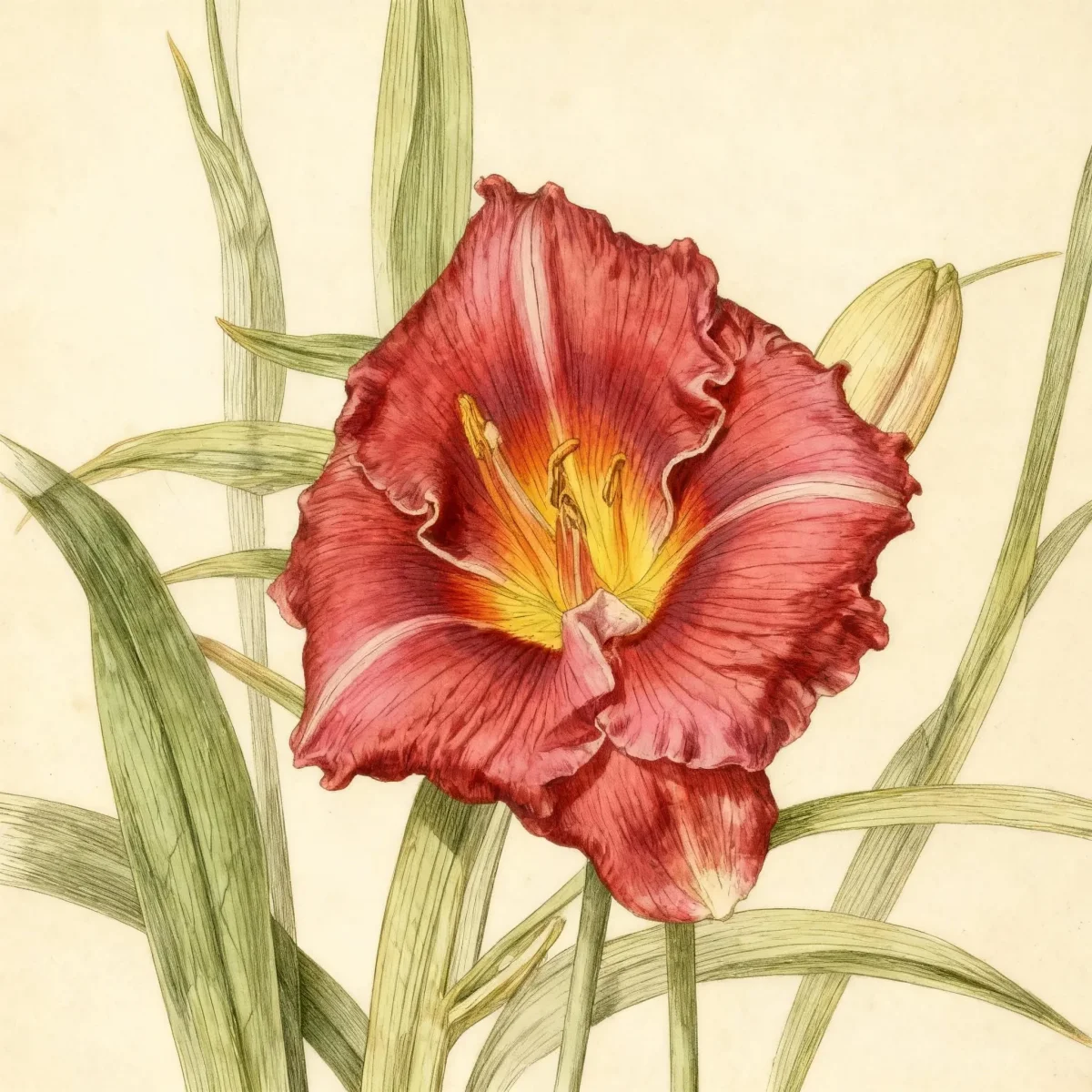
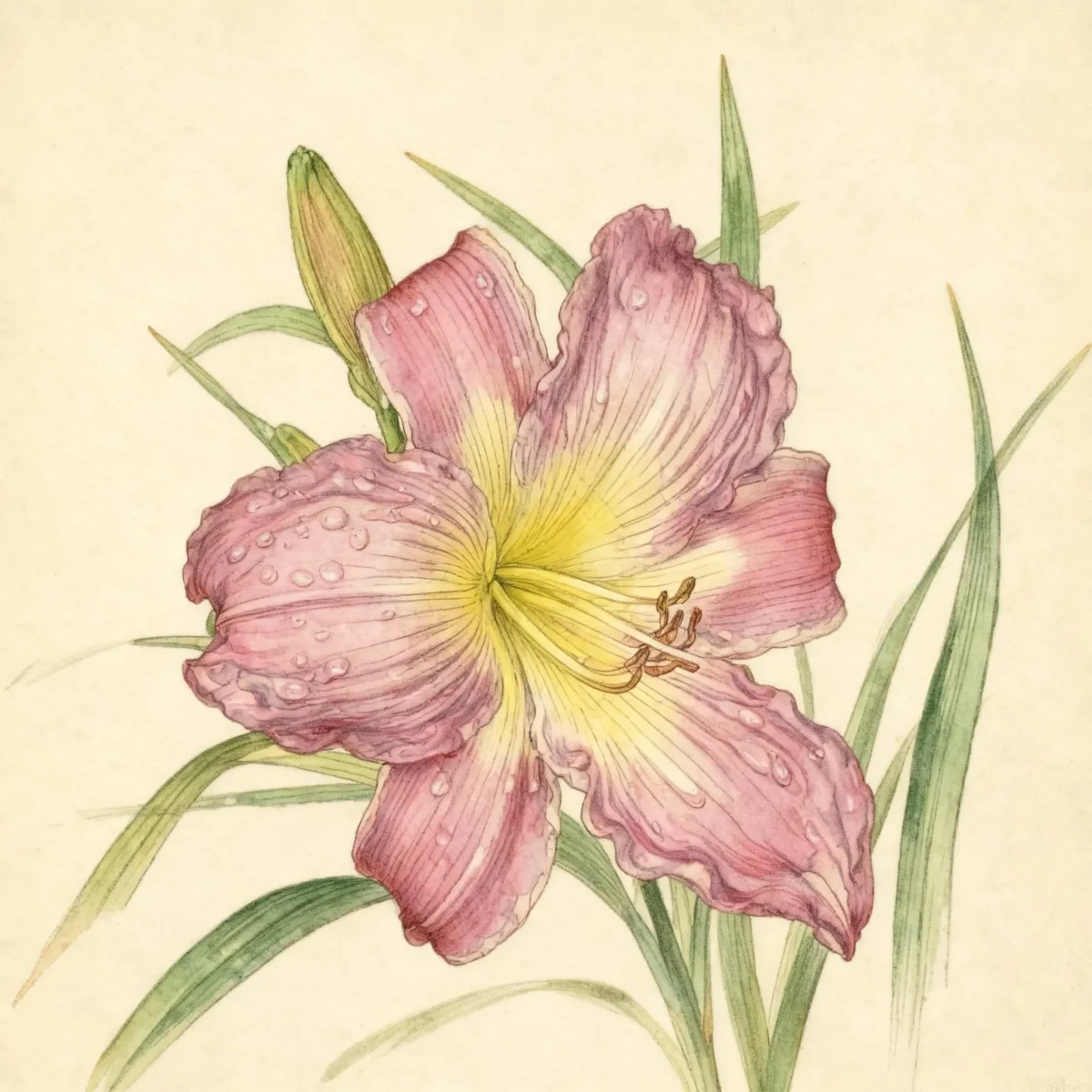
Daylily (Hemerocallis 'Girly Q')
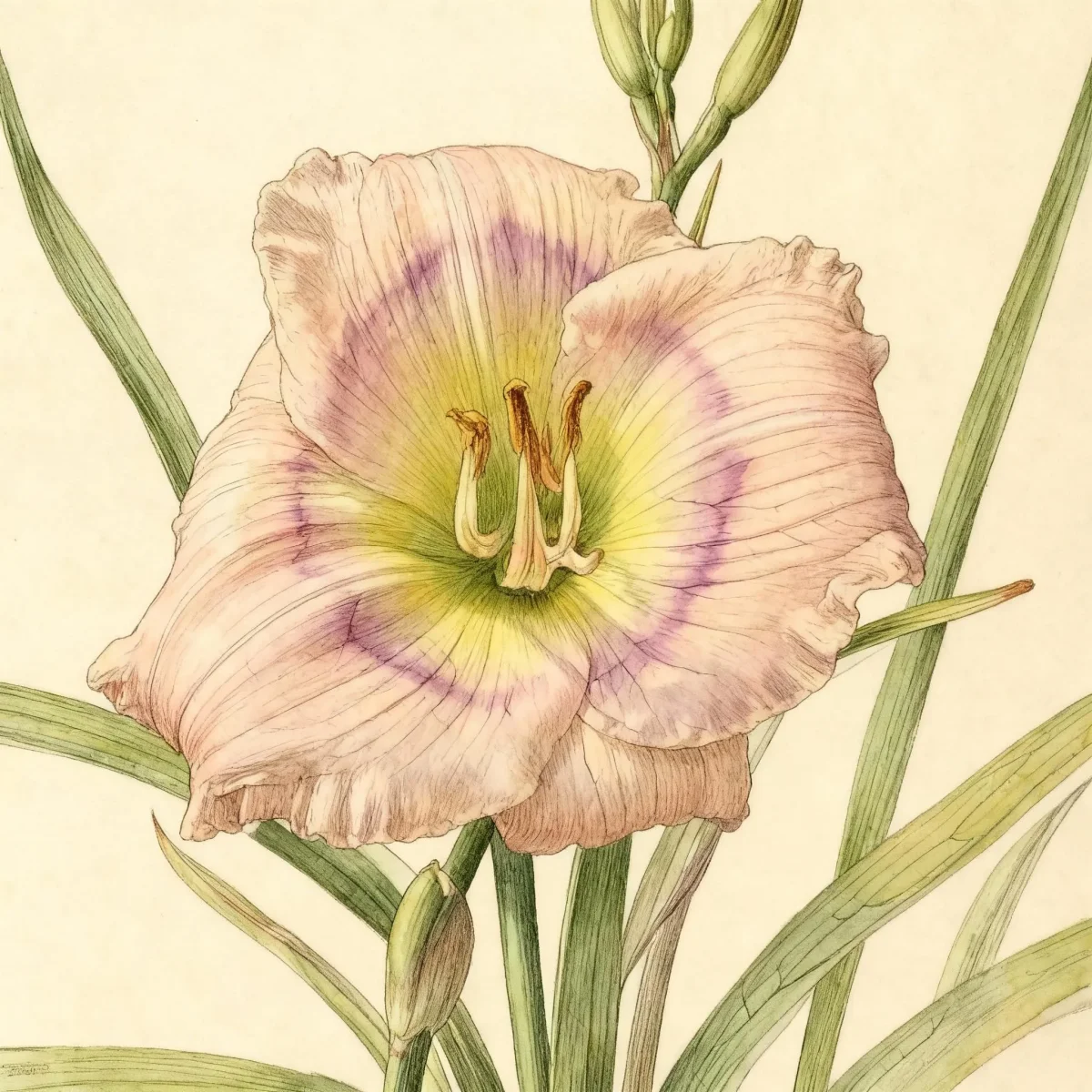
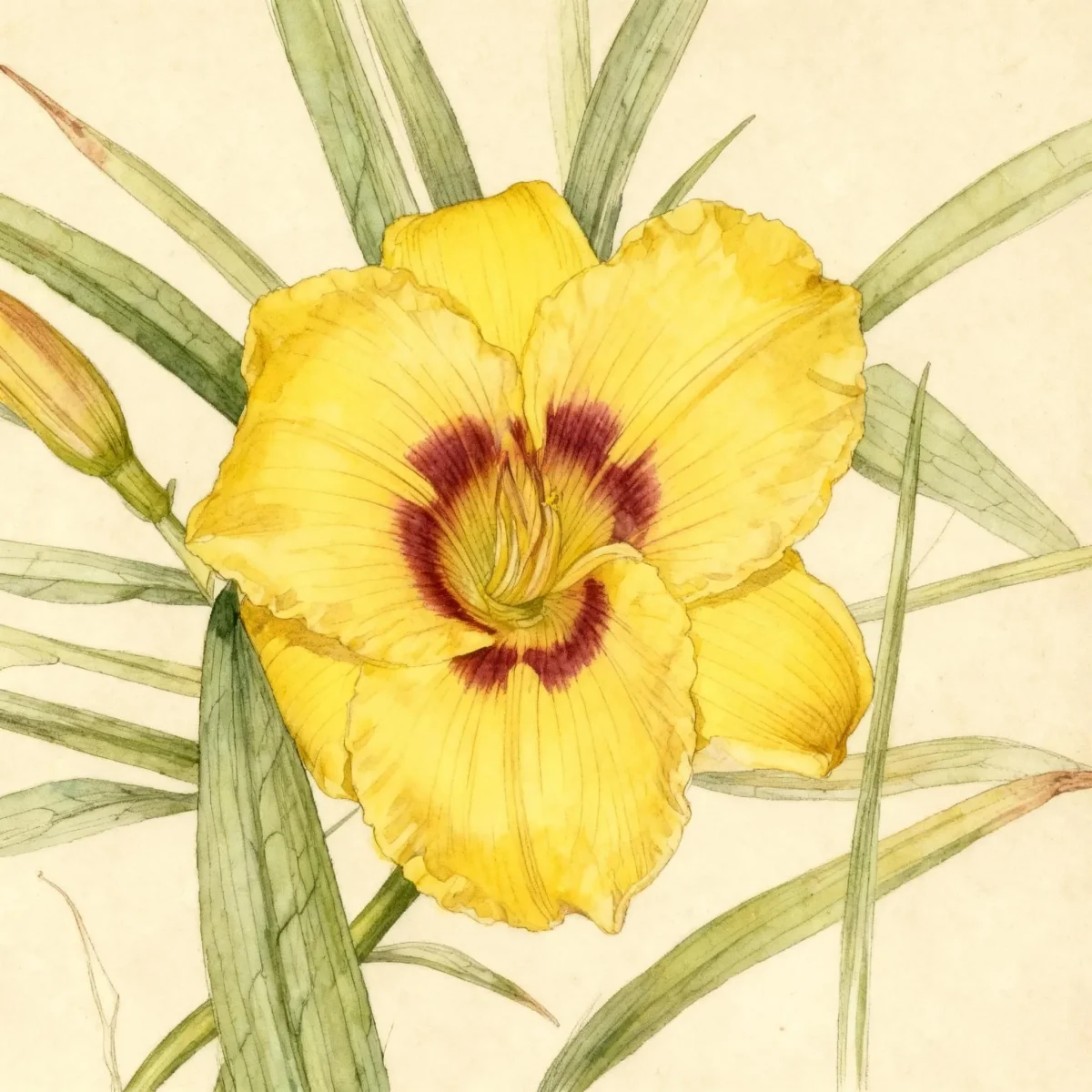
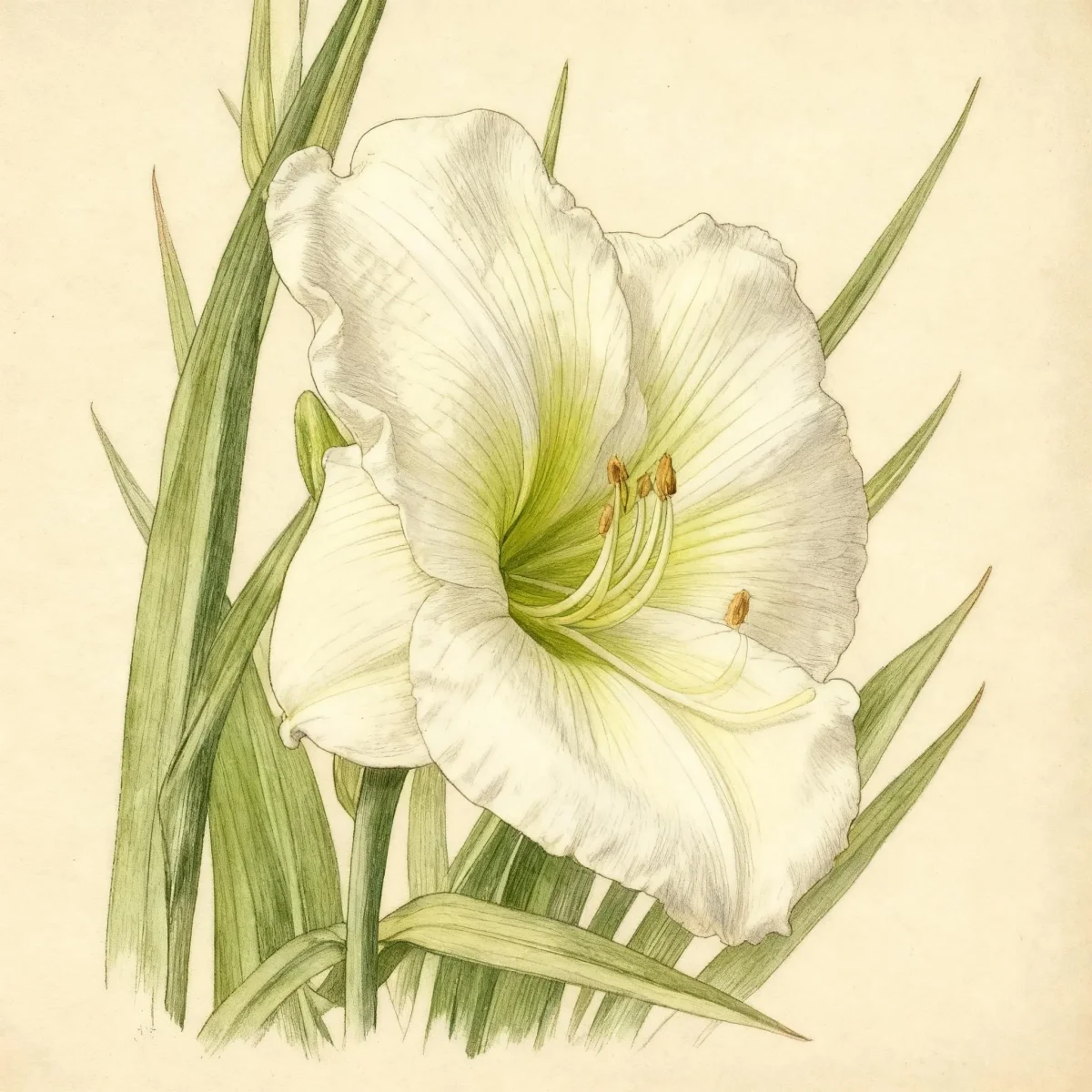
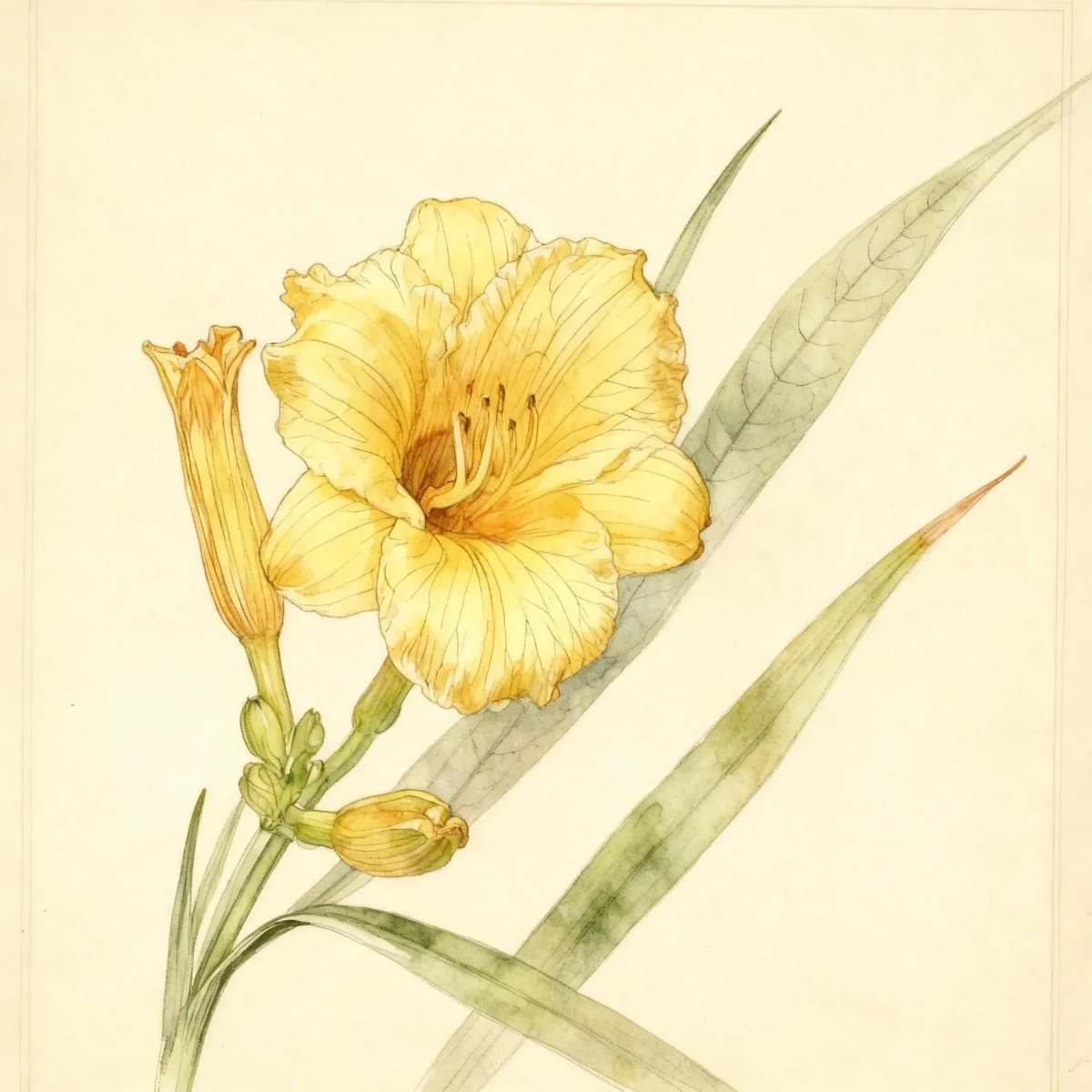
Hemerocallis 'Girly Q' is a low-maintenance Daylily known for dark purple, unusual form flowers blooming mid-summer.
Scroll down to discover growing tips, care requirements, companion plants, and more
Complete Plant Information
Overview
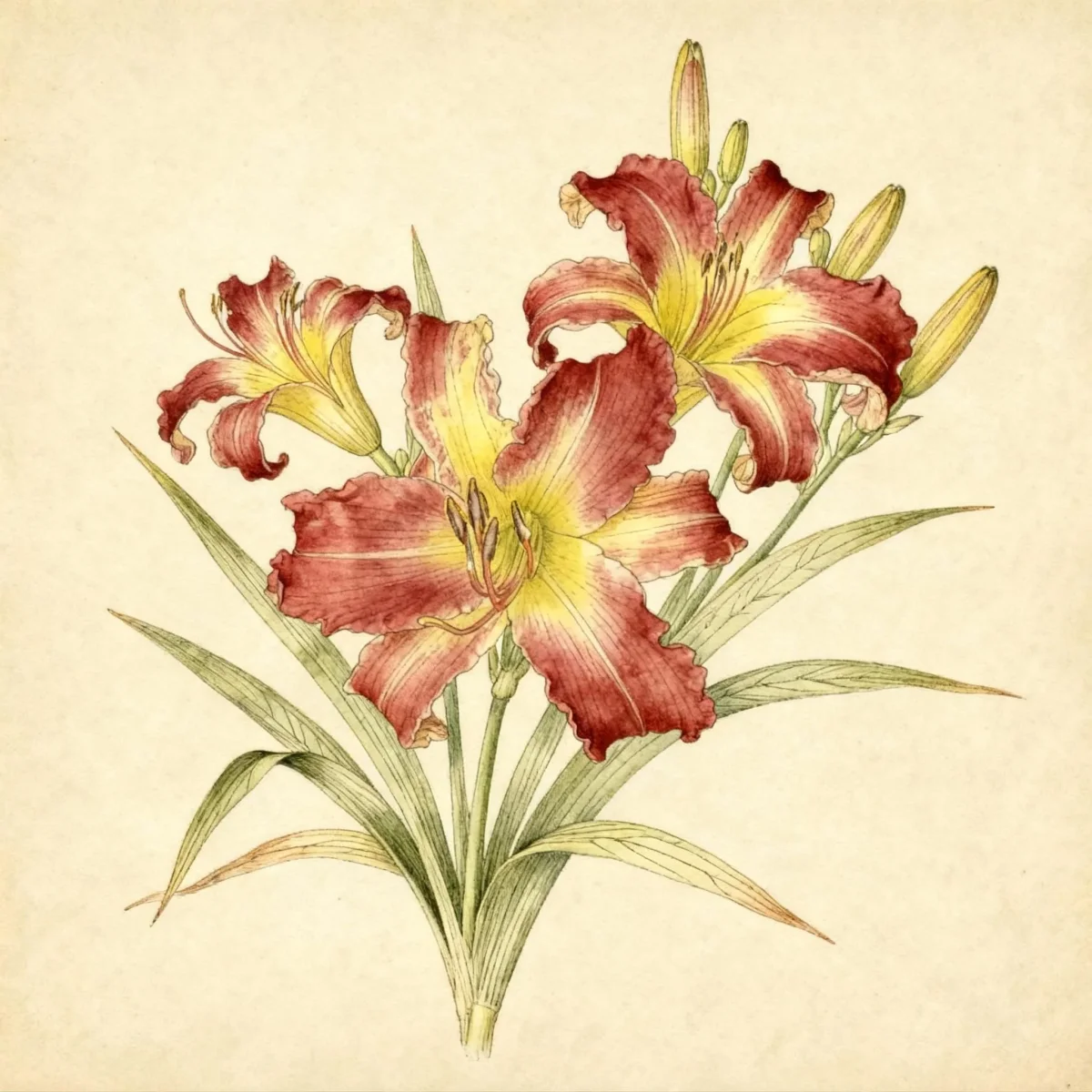
Hemerocallis ‘Girly Q’ is a striking herbaceous perennial that brings reliable summer color to the garden. This specific Daylily cultivar is valued for its distinct dark purple blooms featuring contrasting light throats, presented in an interesting Unusual Form. As a winter dormant variety, this Hemerocallis ‘Girly Q’ offers excellent adaptability across a wide range of US climates.
Gardeners appreciate this Daylily for fitting seamlessly into diverse landscape roles while requiring relatively little intervention. Its medium water needs and low maintenance level make it an accessible choice for both novice and experienced growers seeking dependable performance. The successful cultivation of Hemerocallis ‘Girly Q’ results in dense clumps of attractive, arching foliage topped with vibrant flowers during the peak summer months.
The genus Hemerocallis has been heavily hybridized, leading to over 60,000 registered cultivars, highlighting the horticultural importance of the Daylily family. Choosing a robust cultivar like Hemerocallis ‘Girly Q’ ensures a reliable source of seasonal beauty with a relatively high tolerance for heat and humidity, provided basic care requirements are met.
Fast Facts
- Plant Family: Asphodelaceae
- Plant Type: Herbaceous perennial
- Hardiness Zones: USDA Zones 3-9
- Size at Maturity:
- Height: 2-2.5 ft
- Spread: 2-2.5 ft
- Bloom Time: June to July
- Bloom Description: Dark puple with yellow to green throat
- Sun Exposure: Full sun to part shade
- Water Needs: Medium
- Maintenance Level: Low
How to Grow
Planting Hemerocallis ‘Girly Q’ should occur in average, medium moisture, well-drained soils. While Daylilies tolerate a range of soil types, they perform optimally in deep, fertile loams when sited in full sun or receiving partial afternoon shade. Spring is generally the best time to plant or divide, especially in colder northern regions like those similar to the St. Louis area climate.
Routine care for this Daylily primarily involves deadheading spent flowers daily for aesthetic neatness. Remove the entire flower scapes once blooming has finished for the season. Although plants are tolerant of summer heat, be sure to provide deep watering during extended dry spells to maintain attractive foliage throughout the summer.
Because Hemerocallis ‘Girly Q’ is a winter dormant type, it requires a necessary cold period to ensure the best subsequent bloom performance, meaning they are not recommended for the warmest zones (Zone 9 requires consideration). Ensure you divide clumps every 3 to 4 years, either in the fall or spring, to maintain vigor and prevent overcrowding. Remember that hybrid daylilies like this one will not breed true from seed collected in the garden.
Landscape Uses
Daylilies are foundational plants for general garden design due to their reliable texture and color throughout the growing season. Hemerocallis ‘Girly Q’ works beautifully when massed over large areas to create ribbons of deep color or grown in traditional clumps along borders, providing excellent mid-height structure. They also serve effectively as casual edging along pathways where their grass-like foliage offers year-round interest.
These herbaceous perennials pair well visually and culturally with later-blooming perennials, ensuring continuous interest after the initial flush of Daylily flowers fades. Consider planting them alongside later-blooming ornamental grasses or sturdy cottage garden favorites that share similar medium water and sun requirements. Because of their upright habit, they make excellent middle-layer plants in mixed perennial beds.
When using Hemerocallis ‘Girly Q’ in formal settings, ensure adequate air circulation to help minimize any potential disease issues. For more naturalized areas, letting them spread slightly is encouraged, although dividing every few years keeps them tidy and flowering profusely.
Standout Features
Flower Qualities
- Showy
Noteworthy Characteristics
Hemerocallis is a genus of about 15 species of herbaceous perennials commonly known as daylilies, native to Asia and central Europe. Hybridizers have created incredible diversity, resulting in over 60,000 registered cultivars featuring varied colors and forms. Hemerocallis ‘Girly Q’ is a winter dormant diploid cultivar; its 6.5” blooms are classified as Unusual Form due to their cascading segments, providing dramatic dark purple color mid-season above 2.5’ tall foliage clumps.
Tolerances
- Rabbit
Potential Problems
Daylilies are exceptionally adaptable and generally pest-free, which is one of the huge advantages of growing Hemerocallis ‘Girly Q’. Occasionally, growers may notice minor infestations of mites, aphids, or thrips requiring mild insecticidal soap treatment. The most serious potential issue, Daylily rust, can become problematic in humid regions and requires proactive management, such as selecting resistant varieties and ensuring good air flow. Fortunately, rabbits tend to avoid this genus entirely due to the foliage composition.
Companion Planting
Companion plants for Hemerocallis ‘Girly Q’ should complement its need for well-drained soil and medium moisture while occupying different vertical niches. Excellent partners include plants that thrive in partial shade as the afternoon sun lessens, such as Hostas or Astilbes, which offer contrasting leaf textures. For sunny locations, consider pairing the Daylily with Salvia cultivars or Nepeta (Catmint), as these provide soft, mounding forms that beautifully offset the stiff, upright growth of the Daylily foliage.
Propagation Tips
The primary method for maintaining and propagating Hemerocallis ‘Girly Q’ is through division of the established crowns. Since specific cultivars like this one do not breed true from seed, division ensures you retain the exact characteristics of the parent plant. This process should ideally be performed every three to four years in early spring, particularly in colder zones, or in the fall in milder climates. Gently dig up the clump, separate the rooted fans with a sharp knife or spade, and immediately replant divisions into prepared soil to minimize transplant shock.
Frequently Asked Questions
What hardiness zones is Daylily suitable for?
Hemerocallis ‘Girly Q’ is suitable for USDA Hardiness Zones 3 through 9, offering wide adaptability across many regions.
How large does Daylily grow?
This Hemerocallis cultivar typically reaches a mature height between 2 and 2.5 feet, with a spread of 2 to 2.5 feet.
When does Daylily bloom?
Hemerocallis ‘Girly Q’ blooms in the mid-season, usually spanning from June to July, displaying dark purple flowers with a yellow to green throat.
What sun exposure does Daylily need?
This Daylily requires full sun to part shade conditions for optimal flowering and growth.
Conclusion
Hemerocallis ‘Girly Q’ stands out as a dependable, low-maintenance perennial, delivering dramatic dark purple blooms throughout early and mid-summer. This specific Daylily cultivar offers an interesting flower form that elevates traditional landscape borders. Analyze your local climate to confirm USDA Zone compatibility before planning your garden layout, ensuring you plant this stunning Hemerocallis ‘Girly Q’ in a location with well-drained soil.