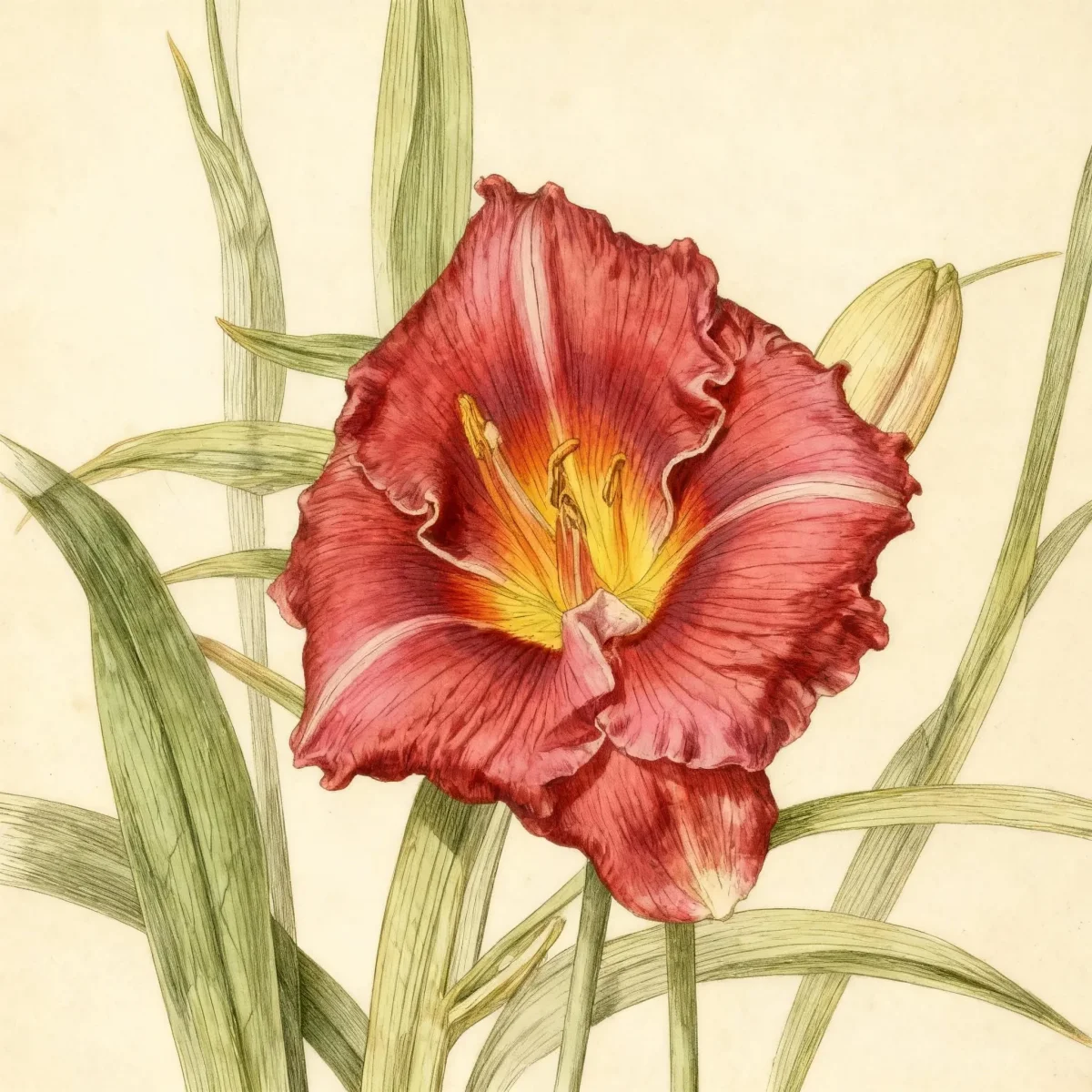
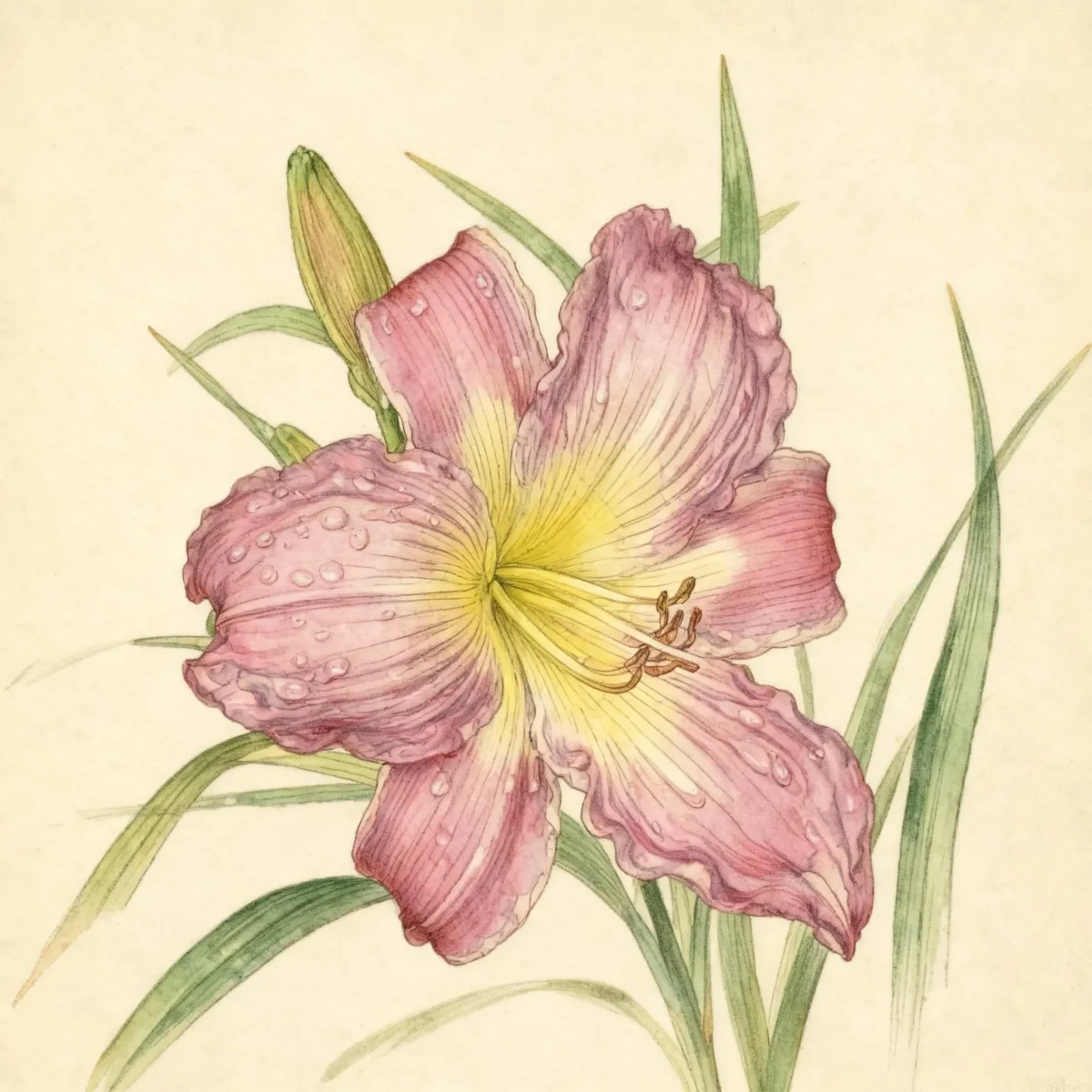
Daylily (Hemerocallis 'Greywoods Lofty Lizzie')
Hemerocallis 'Greywoods Lofty Lizzie' is a showy, fragrant yellow Daylily, ideal for low-maintenance zones 3-9 borders.
Scroll down to discover growing tips, care requirements, companion plants, and more
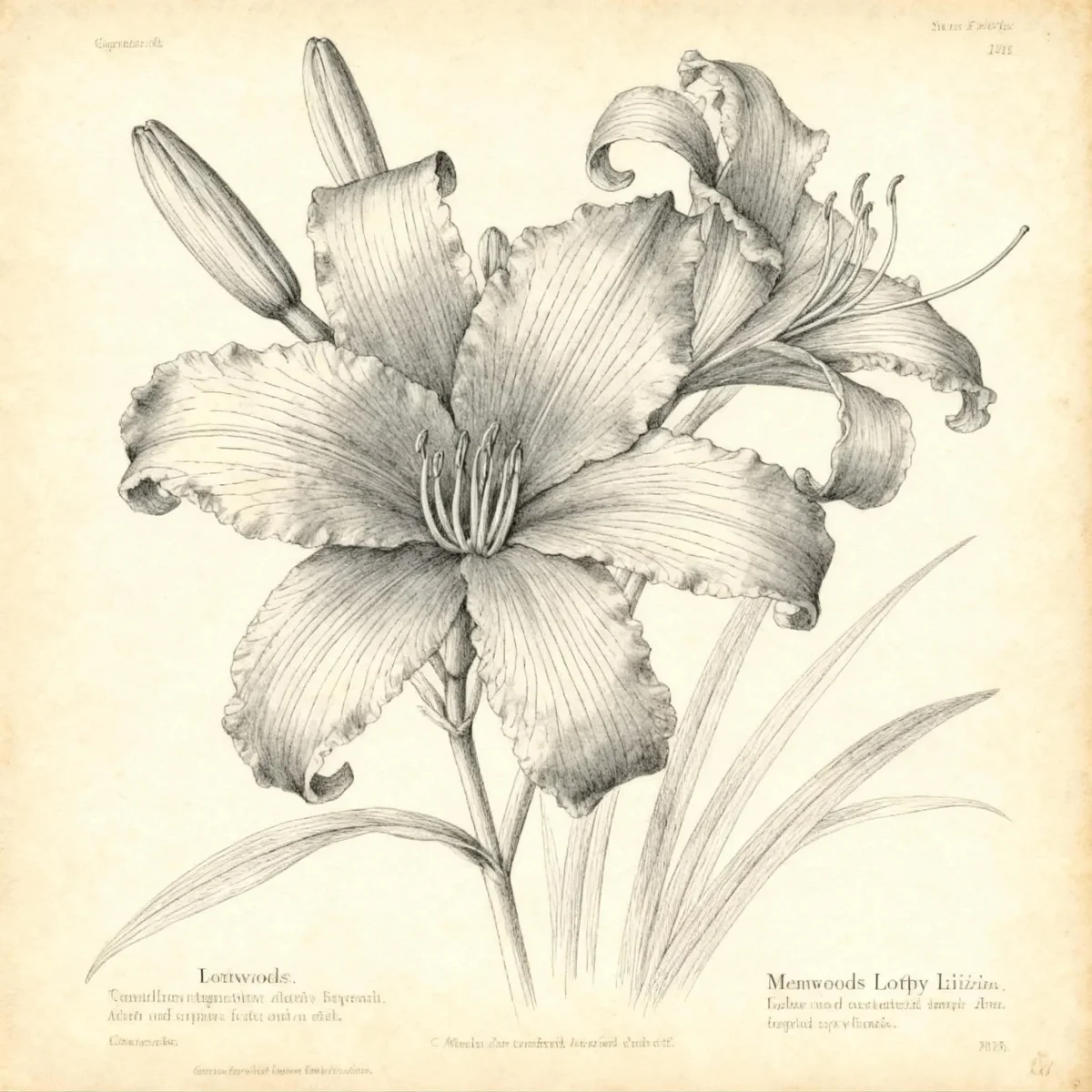
Complete Plant Information
Overview
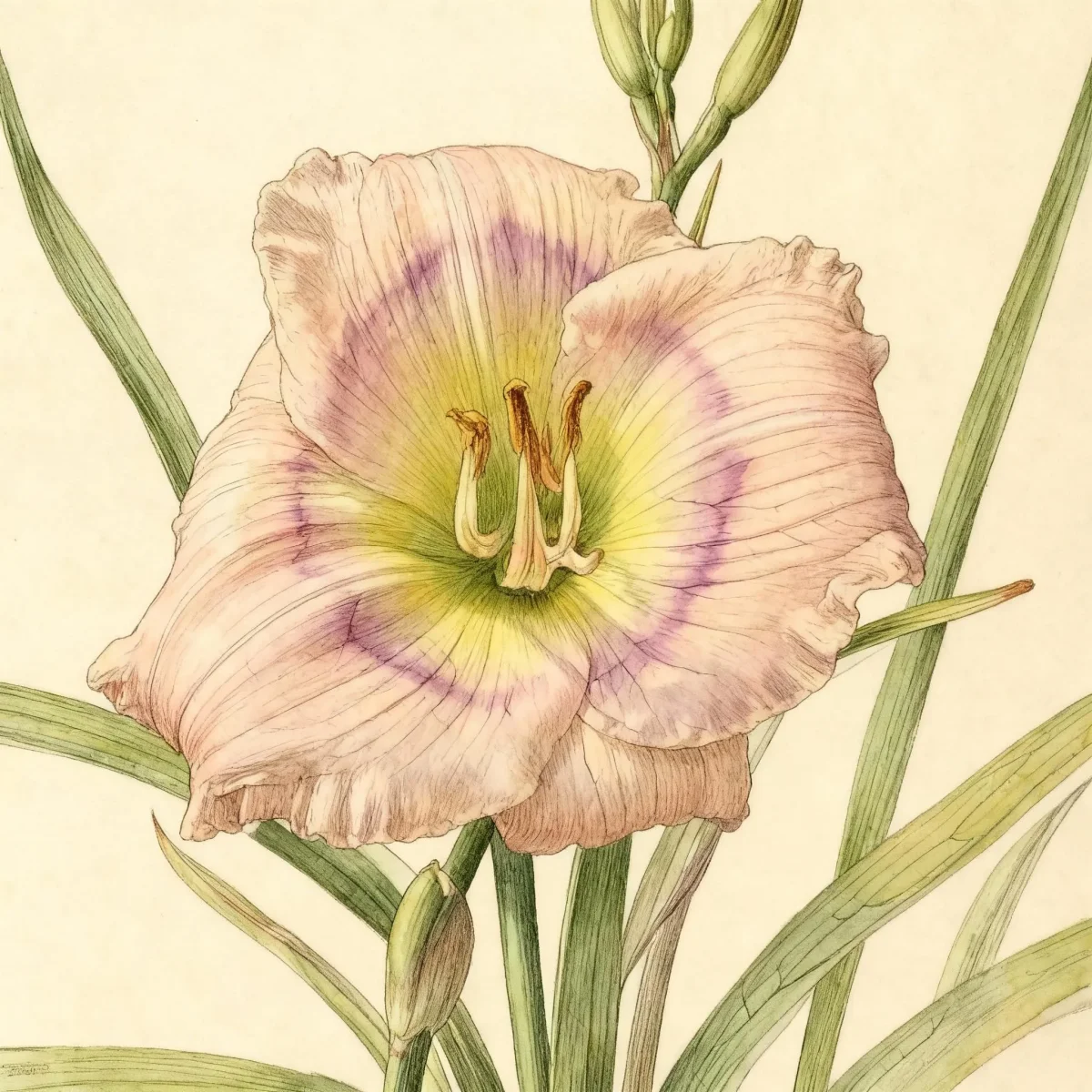
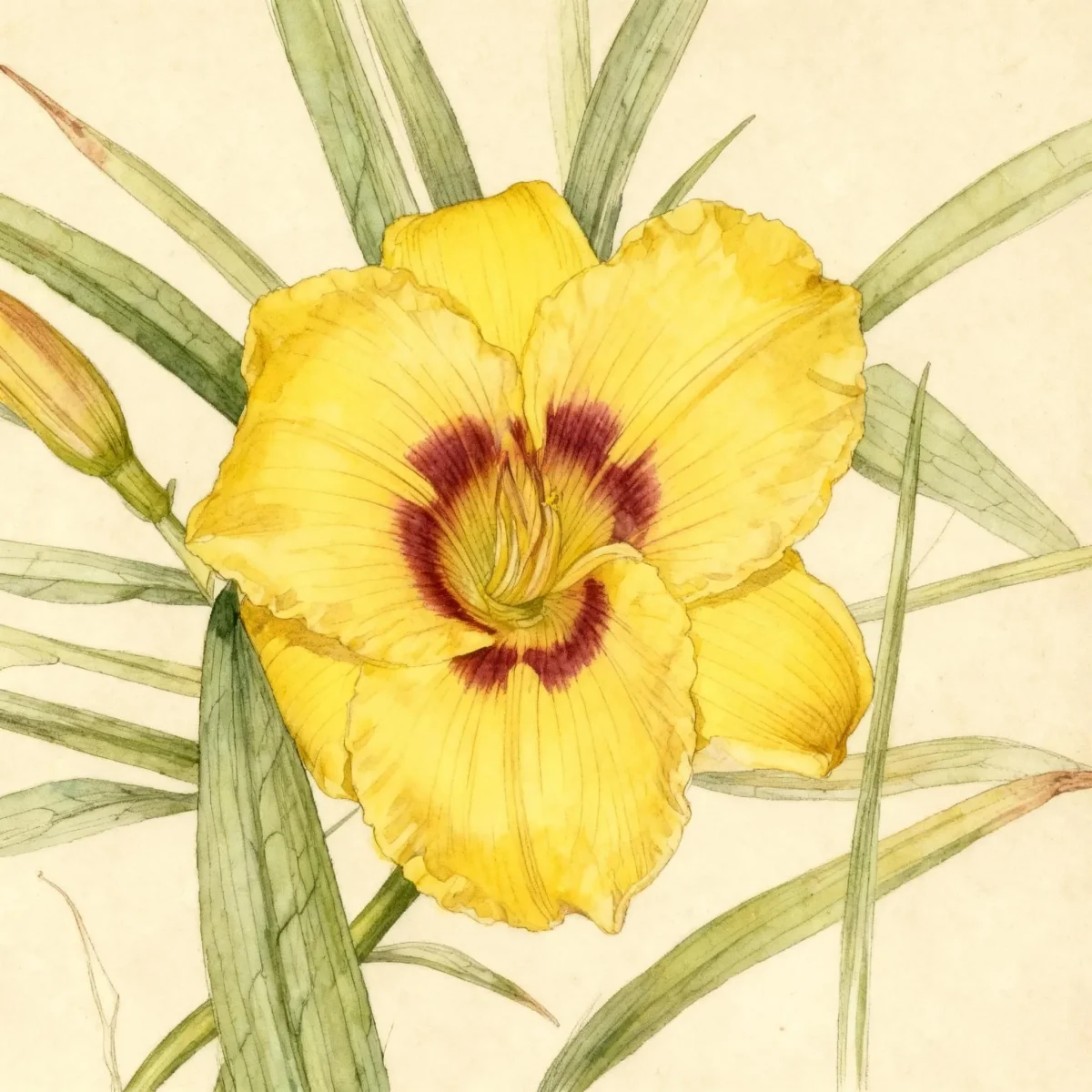
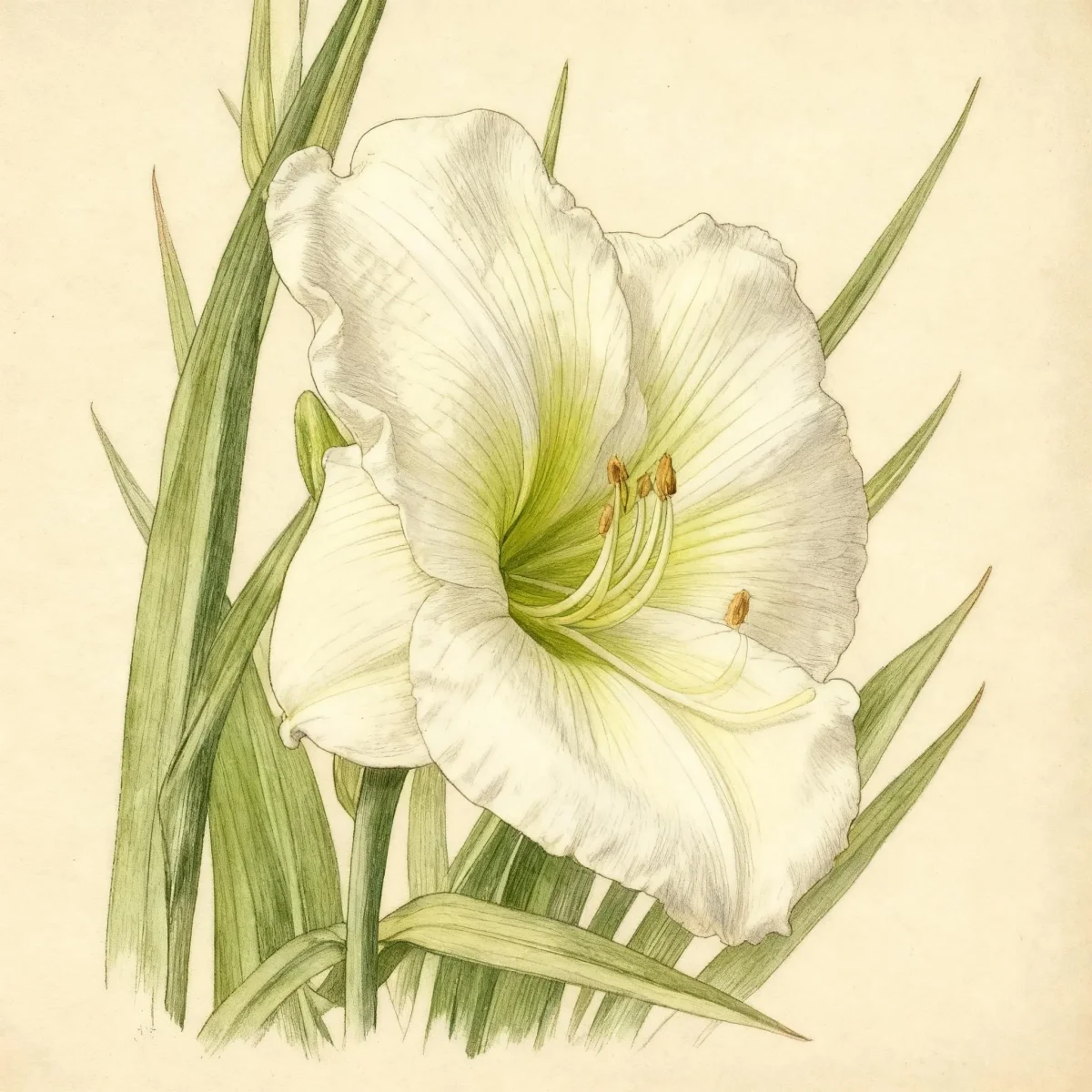
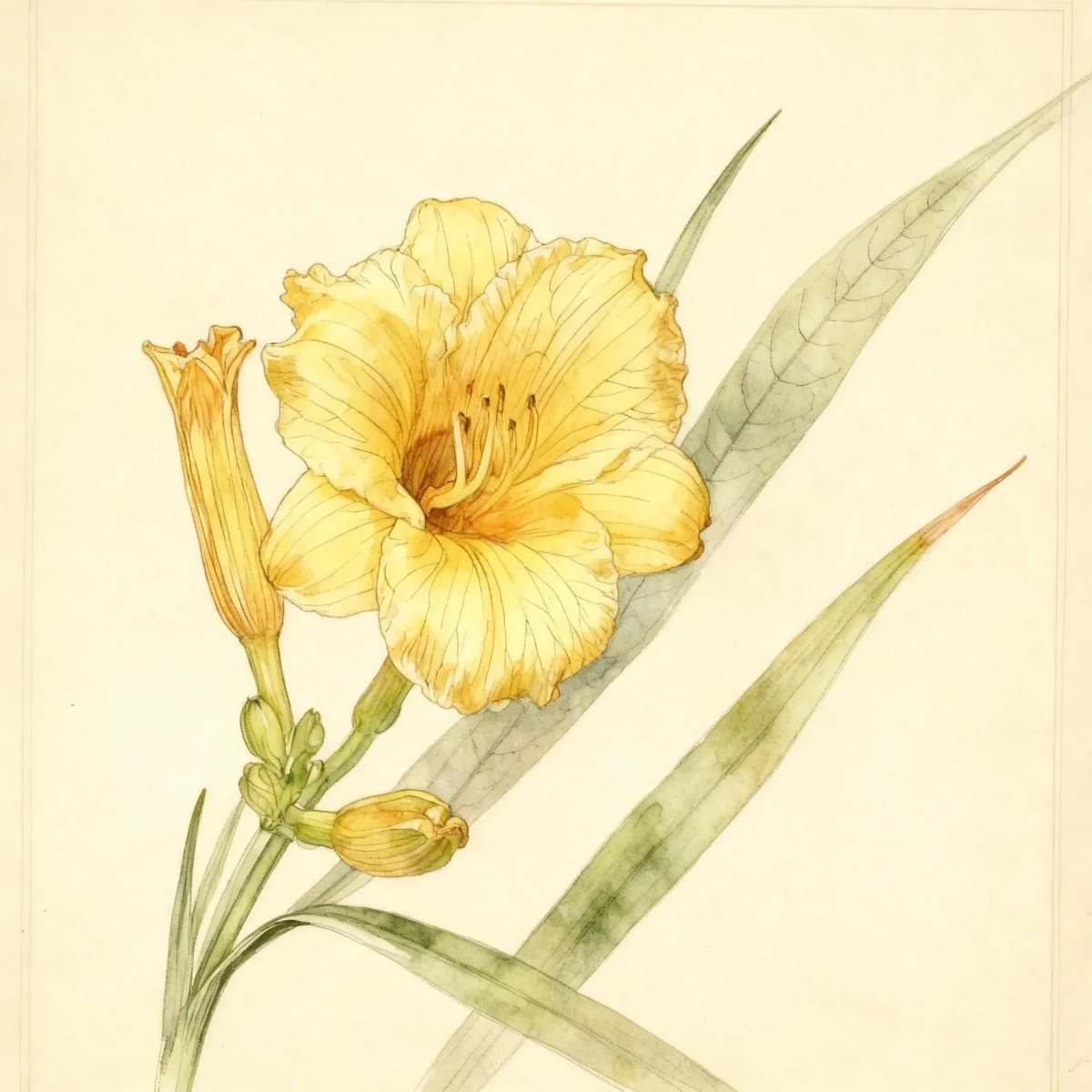
Hemerocallis ‘Greywoods Lofty Lizzie’ is a spectacular tetraploid Daylily celebrated for its distinctive appearance and robust constitution. This cultivar produces large, showy yellow blooms often noted for their wavy, feathered margins, providing significant mid-season impact in the garden. As an herbaceous perennial, it is valued for its longevity and relatively low input requirements, making it a staple in contemporary landscapes.
This Daylily establishes itself well in a variety of conditions, thriving best when provided with full sun to partial shade. Mature clumps reach approximately 2.5 feet tall and wide, presenting masses of grass-like foliage throughout the growing season. Hemerocallis ‘Greywoods Lofty Lizzie’ offers gardeners a reliable source of vibrant color and fragrance with minimal fuss, though specific winter dormancy needs must be observed.
The longevity and adaptability of this particular Daylily ensure it remains popular among gardeners looking for impactful, easy-to-manage border or mass planting solutions. Proper cultural care, including timely deadheading, ensures the best display from this superb Hemerocallis hybrid.
Fast Facts
- Plant Family: Asphodelaceae
- Plant Type: Herbaceous perennial
- Hardiness Zones: USDA Zones 3-9
- Size at Maturity:
- Height: 2-2.5 ft
- Spread: 2-2.5 ft
- Bloom Time: June to July
- Bloom Description: Yellow
- Sun Exposure: Full sun to part shade
- Water Needs: Medium
- Maintenance Level: Low
How to Grow
Daylilies, including the robust Hemerocallis ‘Greywoods Lofty Lizzie,’ prefer relatively easy cultural conditions. Plant them in average, medium moisture, well-drained soils, though they will perform best if given deep, fertile loams. Locate them where they receive full sun to achieve the best bloom count, though they tolerate light afternoon shade.
Maintenance for this Daylily is refreshingly low. Deadhead spent flowers daily to maintain a tidy appearance; remove the entire flower stalk (scape) once flowering has finished for the season. While they tolerate heat and humidity, ensure deep watering during dry spells to keep the sword-like foliage looking attractive.
As a winter-dormant variety, Hemerocallis ‘Greywoods Lofty Lizzie’ requires a cold period for optimal performance, thus it is not recommended for the warmest regions of Zone 9 and above. For long-term vigor, plan to divide mature clumps every three to four years, ideally in the spring in colder climates. Remember that hybrid daylilies, like this one, will not reliably come true from seed.
Landscape Uses
Hemerocallis ‘Greywoods Lofty Lizzie’ excels as a foundation plant due to its neat, clump-forming habit and reliable color display. These easy-to-grow herbaceous perennials are perfect for defining garden borders, providing structure along walkways, or creating bold edgings where their 2.5-foot height is advantageous.
For large properties, Daylilies are excellent choices for mass planting over large areas, creating rivers of sunny yellow color that blend well with structural shrubs. While this specific cultivar is not dwarf, its solid structure still allows for use in mixed perennial beds where vibrant yellows are needed to contrast blues or purples planted nearby.
Standout Features
Flower Qualities
- Showy
- Fragrant
Noteworthy Characteristics
Hemerocallis is a genus of herbaceous perennials commonly known as daylilies, with over 60,000 cultivars registered showing incredible diversity in form and color. ‘Greywoods Lofty Lizzie’ stands out as a winter dormant, tetraploid daylily cultivar featuring large, fragrant, yellow flowers that can reach 8.5 inches in diameter, held aloft on approximately 3-foot scapes. These blooms showcase wavy, feathered margins, marking the main flowering period in mid-season, though this specific cultivar does not repeat bloom.
Tolerances
- Rabbit
Potential Problems
Daylilies are remarkably adaptable and generally resist pests and diseases well. While highly tolerant, keep an eye out for occasional mites, aphids, or thrips, which can usually be managed with simple insecticidal soaps. The main concern in certain regions is Daylily rust, a fungal disease that affects the foliage. Fortunately, rabbits tend to graze on many garden plants but usually avoid the foliage of Daylilies, offering some passive protection.
Frequently Asked Questions
What hardiness zones is Daylily suitable for?
Hemerocallis ‘Greywoods Lofty Lizzie’ is hardy across USDA Zones 3 through 9.
How large does Daylily grow?
This cultivar typically matures to a height between 2 and 2.5 feet tall, with an equal spread of 2 to 2.5 feet wide.
What sun exposure does Daylily need?
Daylily performs optimally in full sun but adapts well to partially shaded locations.
When does Daylily bloom?
Hemerocallis ‘Greywoods Lofty Lizzie’ displays its yellow flowers primarily from June to July.
Conclusion
Hemerocallis ‘Greywoods Lofty Lizzie’ offers unparalleled value through its low maintenance needs and impressive size, delivering vibrant yellow, fragrant blooms reliably throughout the season. This Daylily is a cornerstone plant that delivers significant aesthetic return for minimal effort. Always confirm your local hardiness zone compatibility before planting to ensure many years of enjoyment from this beautiful Daylily.
Companion Planting
When integrating Hemerocallis ‘Greywoods Lofty Lizzie’ into a mixed border, select companions that complement its medium water needs and sun requirements. Plants that thrive in similar conditions, such as Salvia, Echinacea, or various ornamental grasses, pair beautifully. Consider planting shorter, late-season bloomers like Russian Sage nearby to extend visual interest after the Daylily’s mid-season color fades.
Seasonal Care Calendar
Spring cleanup is essential for dormant Daylilies; cut back any remaining dead foliage once new growth appears. Fertilize lightly in early spring if soils are poor, utilizing a balanced, slow-release fertilizer. Summer care focuses primarily on watering during extended dry periods to maintain lush foliage well past the main blooming time. In the fall, leave the spent scapes in place until they dry completely before cutting them down near the crown.