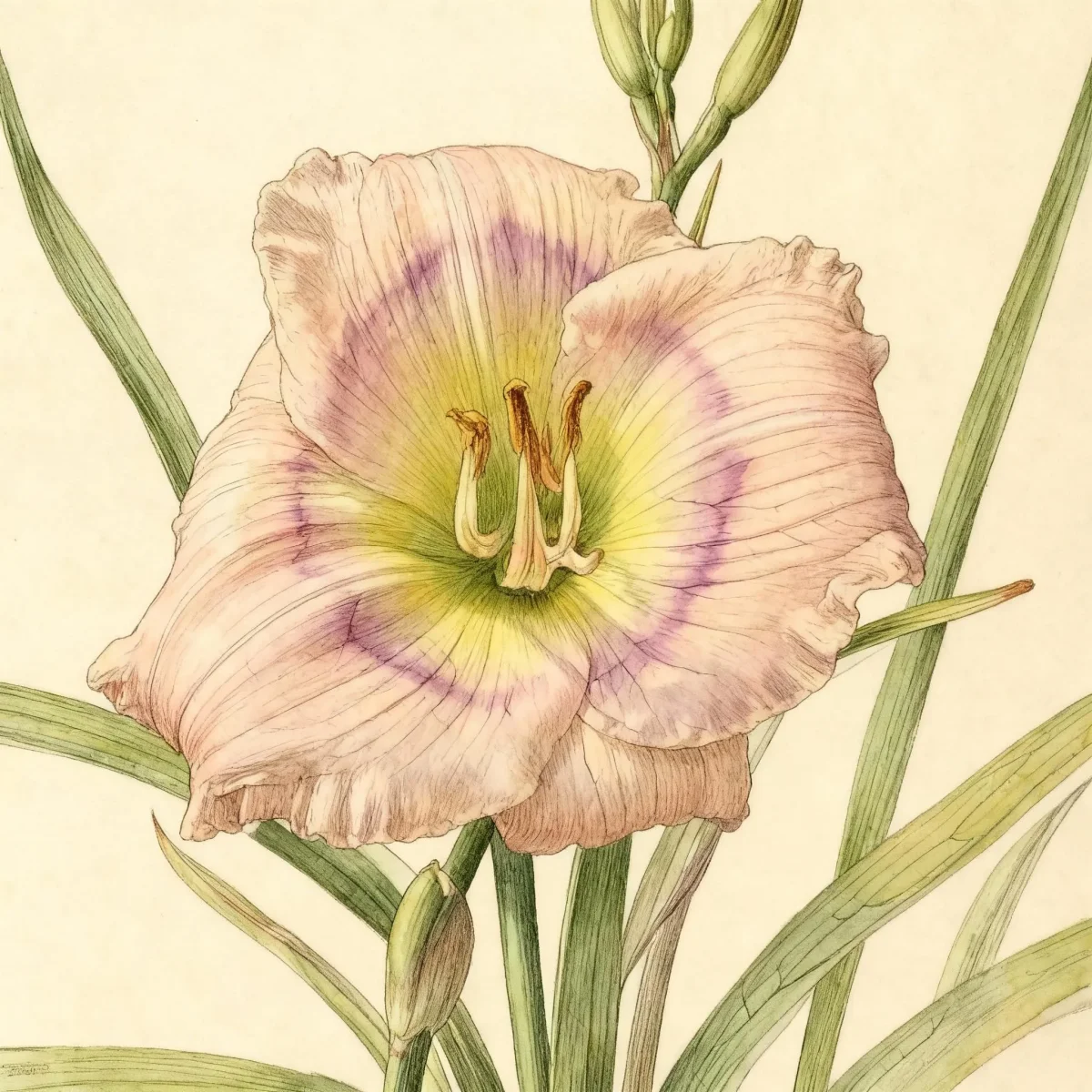
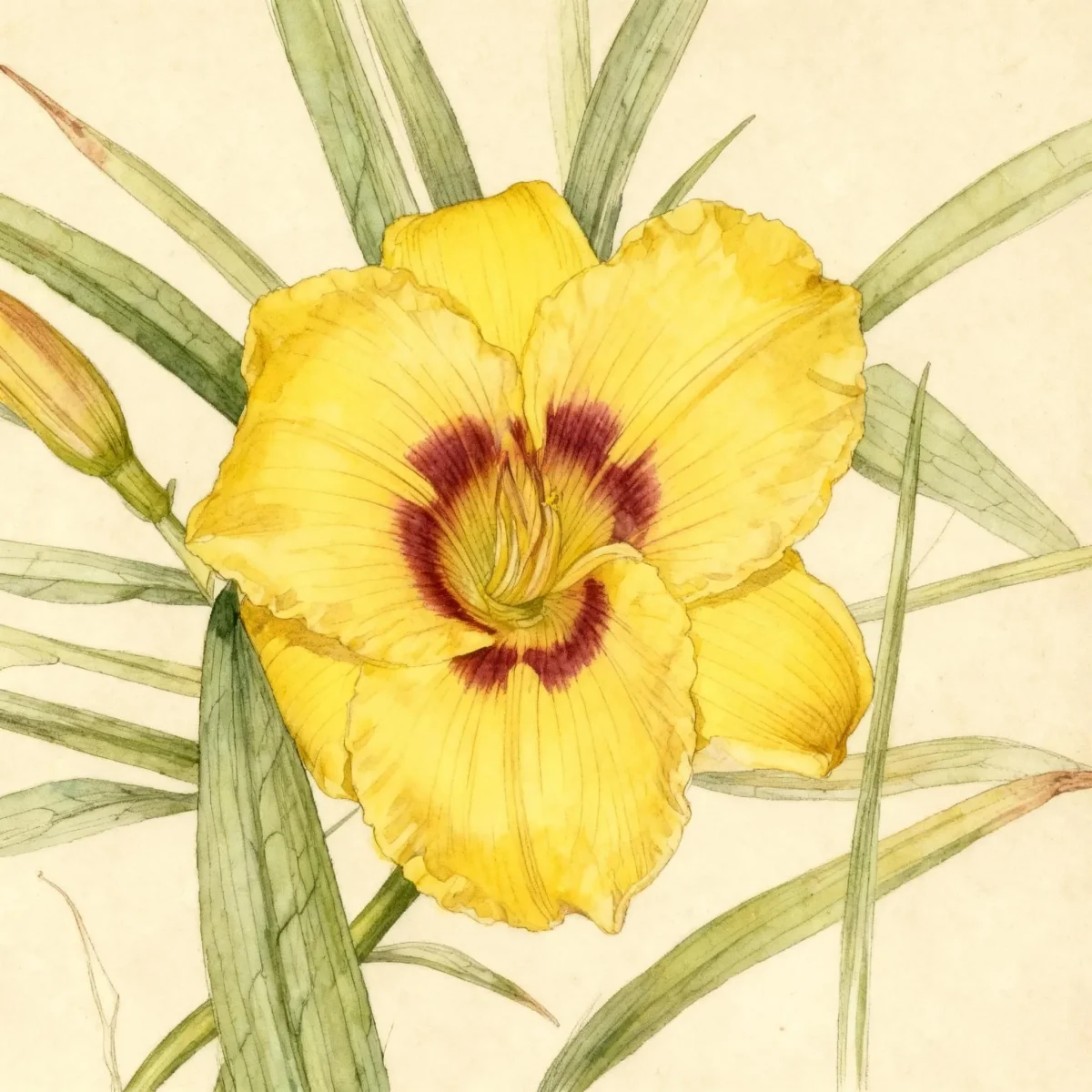
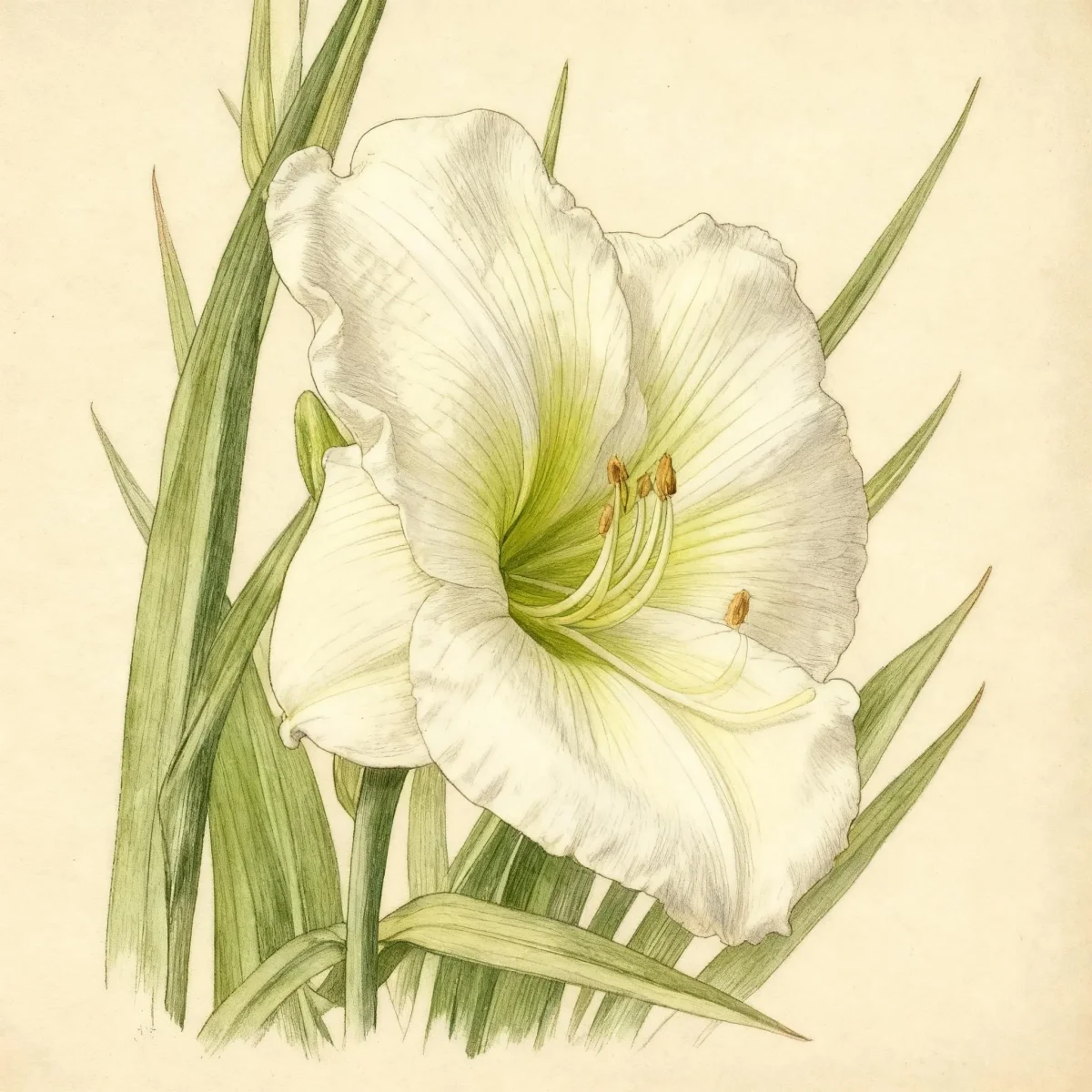
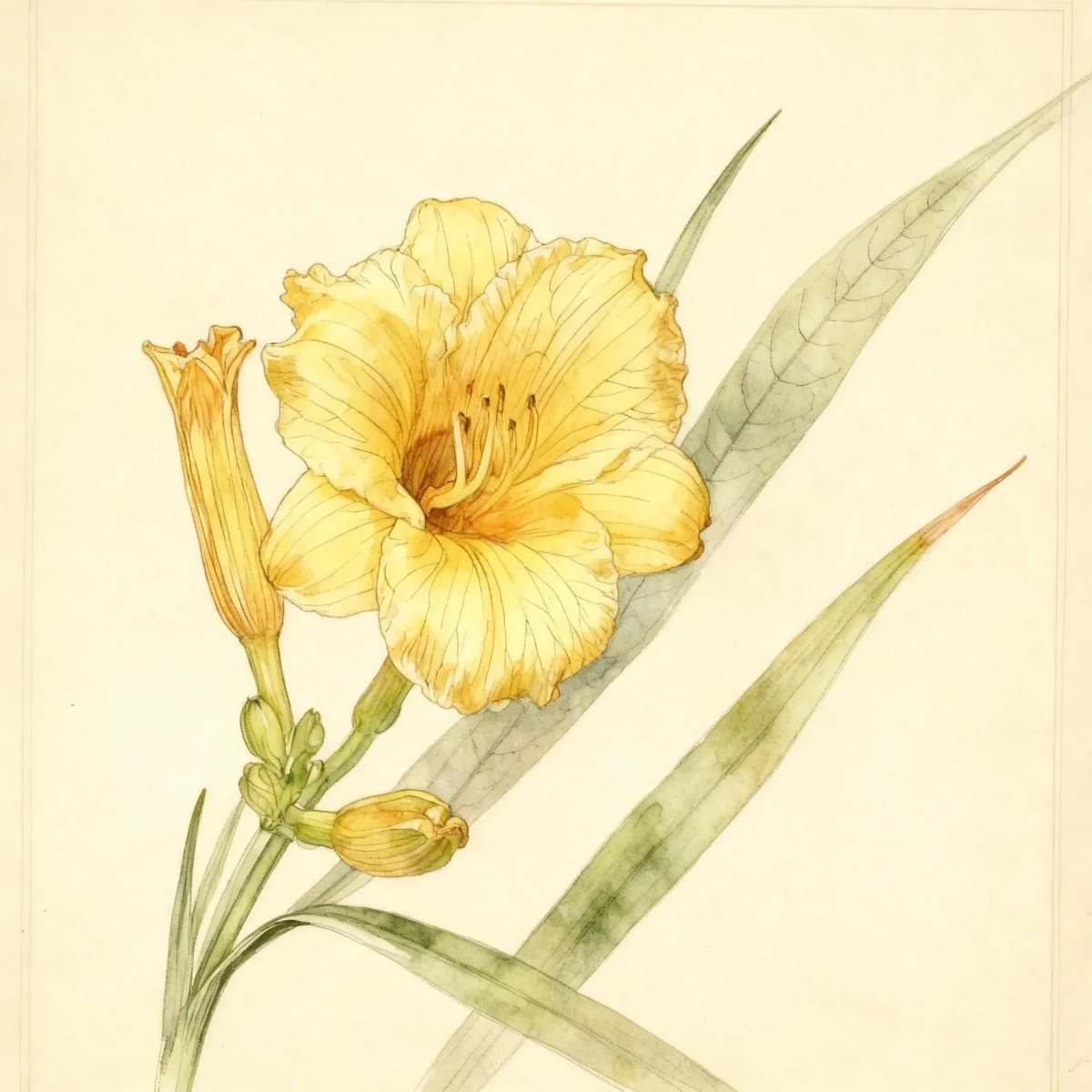
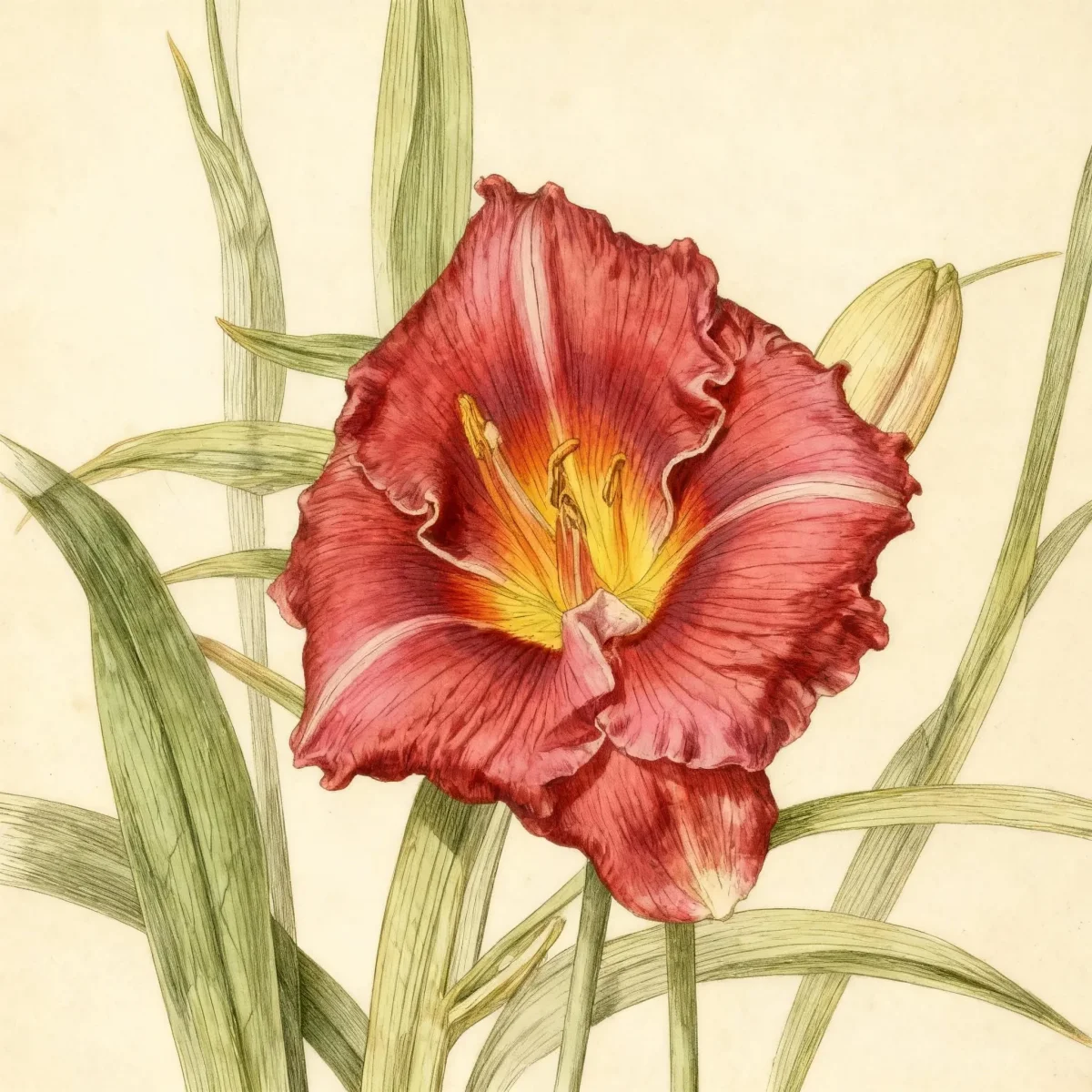
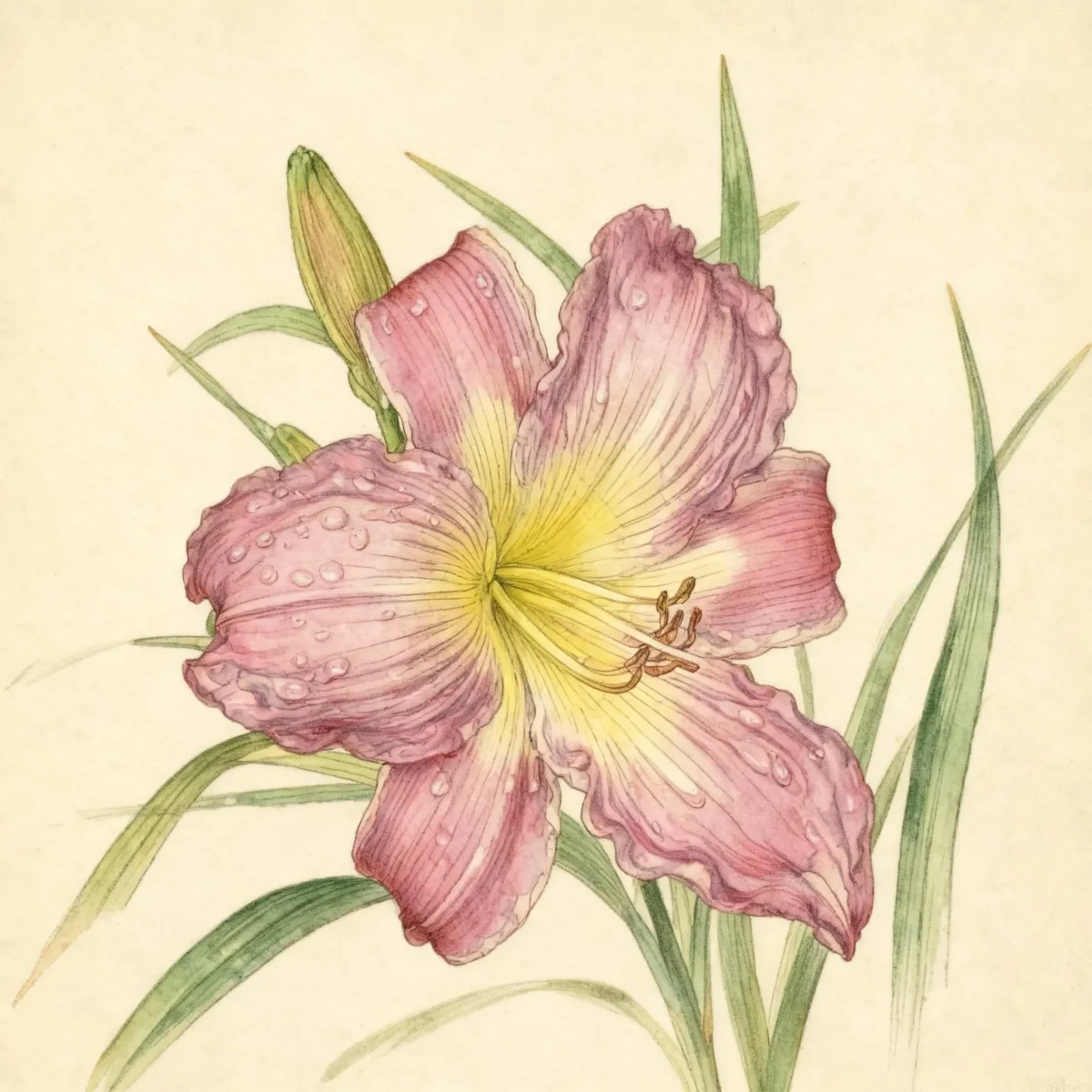
Daylily (Hemerocallis 'If I Were a Shepherd')
Hemerocallis 'If I Were a Shepherd' is a lovely Daylily offering fragrant, creamy pink-yellow blooms. Low maintenance, hardy in Zones 3-9.
Scroll down to discover growing tips, care requirements, companion plants, and more
Complete Plant Information
Overview
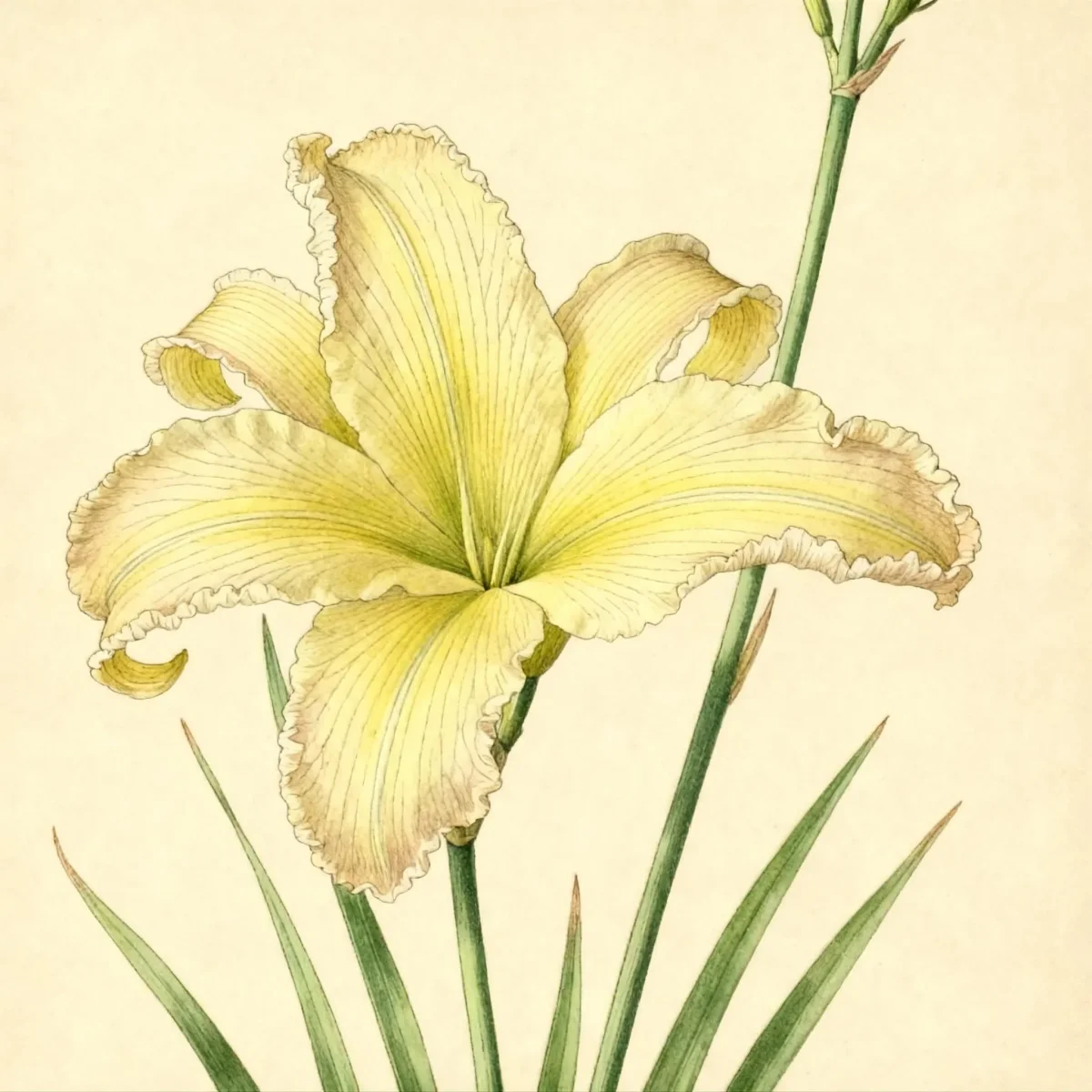
Hemerocallis ‘If I Were a Shepherd’ is a highly desirable, winter-dormant Daylily cultivar celebrated for its beautiful, fragrant blossoms. This specific Hemerocallis offers a sophisticated color palette: creamy pink-yellow petals highlighted by a soft, pale green throat, making it a standout in any garden setting. As an herbaceous perennial, it provides reliable, low-maintenance performance across a wide range of climates, reliably returning year after year.
This cultivar is valued for its longevity of display, producing flowers mid-season followed by sporadic reblooming throughout the summer months. The mature clumps of this Daylily reach about 2.5 feet tall with a similar spread, offering substantial visual interest without becoming overgrown. Gardeners appreciate the Daylily genus for its adaptability and the sheer volume of blooms produced over the flowering period.
With its low maintenance requirements and tolerance for heat and humidity, Hemerocallis ‘If I Were a Shepherd’ brings elegance with minimal fuss. Its grassy foliage provides a neat backdrop, ensuring the garden looks tidy even when the plant is not in peak bloom. Incorporating this Daylily ensures reliable summer color and fragrance.
Fast Facts
- Plant Family: Asphodelaceae
- Plant Type: Herbaceous perennial
- Hardiness Zones: USDA Zones 3-9
- Size at Maturity:
- Height: 2-2.5 ft
- Spread: 2-2.5 ft
- Bloom Time: June to July
- Bloom Description: Creamy pink-yellow with pale green throat
- Sun Exposure: Full sun to part shade
- Water Needs: Medium
- Maintenance Level: Low
How to Grow
Hemerocallis ‘If I Were a Shepherd’ thrives when planted in average, medium moisture, well-drained soils. While Daylilies are highly adaptable, they perform optimally in deep, fertile loam areas. Plant new specimens in spring or fall, ensuring the crown sits just at soil level. Full sun is preferred for the most prolific blooming, though this variety tolerates partial shade gracefully.
Routine care for this Daylily is straightforward. Deadhead spent flowers daily to maintain a neat appearance and encourage successive blooms. Once the flowering period is entirely finished, remove the spent scapes completely. During dry spells, especially in summer heat or humidity, provide deep watering to keep the foliage looking its best.
For long-term health and vigor, Daylilies benefit from division every three to four years. This should ideally be done in the spring, particularly in colder climates like the St. Louis area. Remember that Hemerocallis ‘If I Were a Shepherd’ is a winter-dormant type, requiring consistent cold to set buds properly for the following season, making it less suitable for the warmest reaches of Zone 9 and above.
Landscape Uses
Daylilies, including the specialty cultivar Hemerocallis ‘If I Were a Shepherd’, are exceptionally versatile landscape workhorses. Their linear, grass-like foliage provides excellent textural contrast when planted against broad-leafed shrubs or finer groundcovers. Use them effectively to line walkways or define the edge of a perennial border where their mid-season flowers provide a crucial splash of color.
Mass planting Daylilies over large areas creates a sweeping, cohesive ribbon of texture and bloom, minimizing the need for frequent maintenance compared to high-input annuals. Although this specific cultivar matures at 2.5 feet, making it somewhat taller, consider grouping it with shorter border plants for a layered effect. Due to their robust nature, they are excellent for stabilizing slopes or planting in view corridors where consistent performance is required.
Standout Features
Flower Qualities
- Showy
- Fragrant
Noteworthy Characteristics
The genus Hemerocallis, commonly known as the Daylily, includes cultivars developed through extensive hybridization, resulting in over 60,000 registered varieties offering virtually every color except true blue. Each individual flower lasts only one day, but the continuous succession of blooms keeps the plant looking vibrant throughout its season, with Hemerocallis ‘If I Were a Shepherd’ reblooming sporadically into summer. These specific 6-inch diameter flowers are held on 3-foot scapes, showcasing their creamy pink-yellow hues attractively.
Tolerances
- Rabbit
Potential Problems
Daylilies are recognized as exceptionally adaptable perennials that rarely suffer from serious pest or disease issues. The biggest threat may be Daylily rust if conditions are persistently humid and warm, though this issue varies significantly by geographic region. Occasionally monitor for common pests like aphids or thrips, which can usually be managed with targeted, light applications of insecticidal soap.
Rabbits generally avoid consuming Daylily foliage, offering a practical benefit when selecting plants for areas where browsing is common. By ensuring proper air circulation through timely deadheading and division, gardeners can keep foliage healthy and minimize stress that attracts opportunistic pests.
Frequently Asked Questions
What hardiness zones is Daylily suitable for?
Hemerocallis ‘If I Were a Shepherd’ is hardy across USDA Zones 3 through 9.
How large does Daylily grow?
Mature clumps typically reach a height of 2 to 2.5 feet and spread about 2 to 2.5 feet wide.
When does Daylily bloom?
The primary bloom time for this Daylily is June to July, often providing sporadic reblooming later in the summer.
What sun exposure does Hemerocallis ‘If I Were a Shepherd’ need?
This Daylily performs best in full sun but adapts well to partial shade conditions.
Conclusion
Hemerocallis ‘If I Were a Shepherd’ provides gardeners with a reliable, fragrant, and visually appealing Daylily option that requires minimal upkeep. Its blend of tolerance and mid-season flowering ensures dependable performance throughout the summer months in USDA Zones 3-9. Before planting, confirm your local hardiness zone compatibility and prepare your soil for well-drained, fertile conditions to ensure the best display next season.
Companion Planting
Selecting appropriate companions helps maximize the aesthetic appeal and cultural compatibility of your Daylilies. Since Daylilies prefer medium moisture and full sun, pair them with other reliable perennials that share similar needs, such as Coneflowers (Echinacea), Black-Eyed Susans (Rudbeckia), or ornamental grasses that can handle the summer heat. Planting lower-growing groundcovers around the base can help shade the soil surface, keeping the roots of the Daylily cooler, which is beneficial during intense heat waves.
Avoid planting shallow-rooted, high-feeding perennials right next to clumps of Hemerocallis ‘If I Were a Shepherd’, as crowding can lead to competition for nutrients and reduce air movement around the foliage. Strategic placement ensures that while the Daylily provides height and strong vertical lines, surrounding plants offer complementary shapes and textures without overwhelming the flower stalks.
Seasonal Care Calendar
Spring (Cleanup & Division): As temperatures warm, remove any remaining old, dead foliage from the previous year. This is the best time to divide overcrowded clumps of Daylilies, ensuring vigorous new growth. Avoid heavy fertilization until after the main flush of spring growth begins.
Summer (Maintenance): The primary focus during summer is bloom maintenance and hydration. Deadhead spent flowers daily to promote rebloom, and ensure plants receive deep, consistent watering during dry spells to maintain attractive foliage. Pest inspection should also be routine during this peak growing period.
Fall (Preparation): For this winter-dormant variety, cut back the flower scapes after blooming ceases. While light cleanup of foliage is optional, many gardeners prefer to leave the foliage standing until early spring, as it can offer some winter protection to the crown of the Hemerocallis.