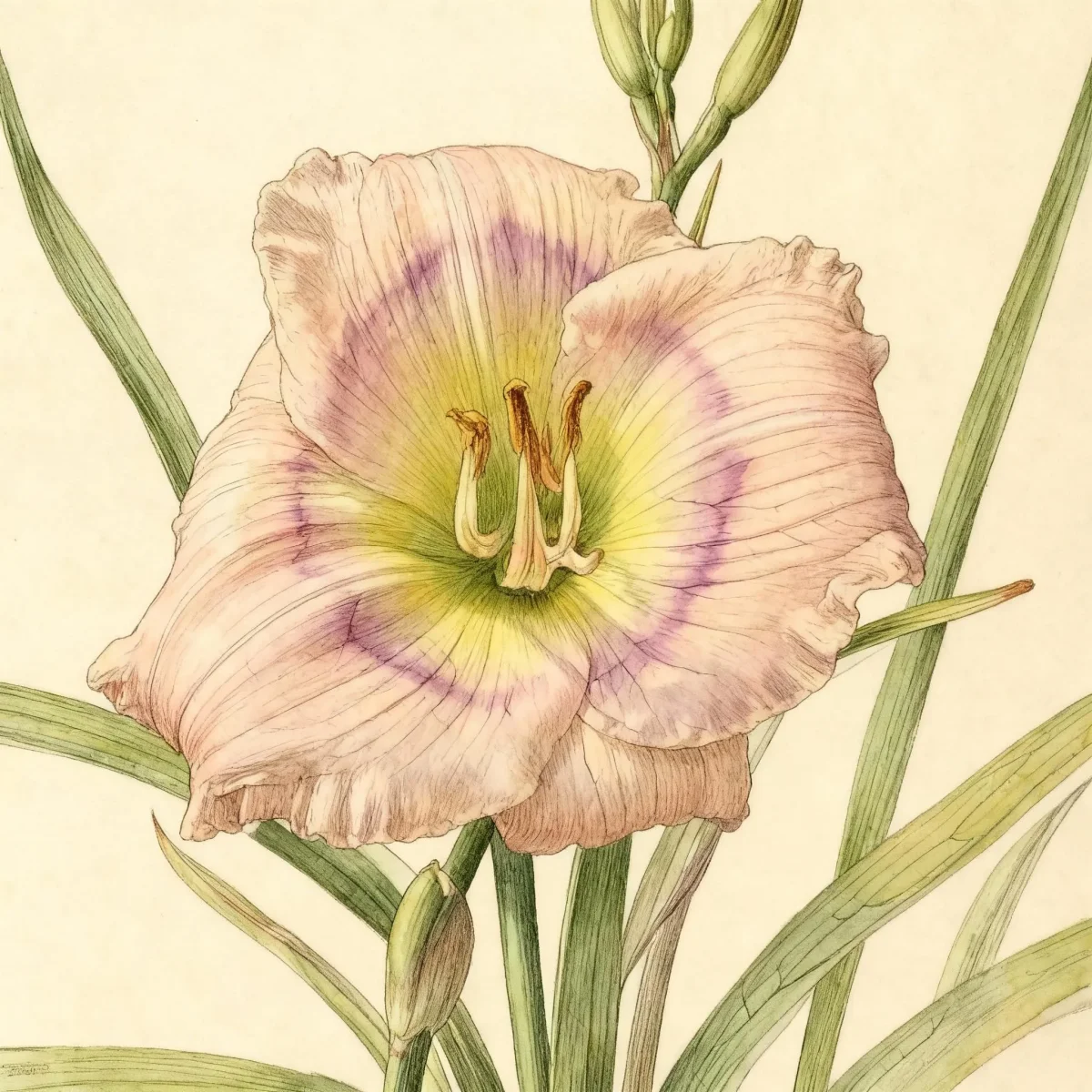
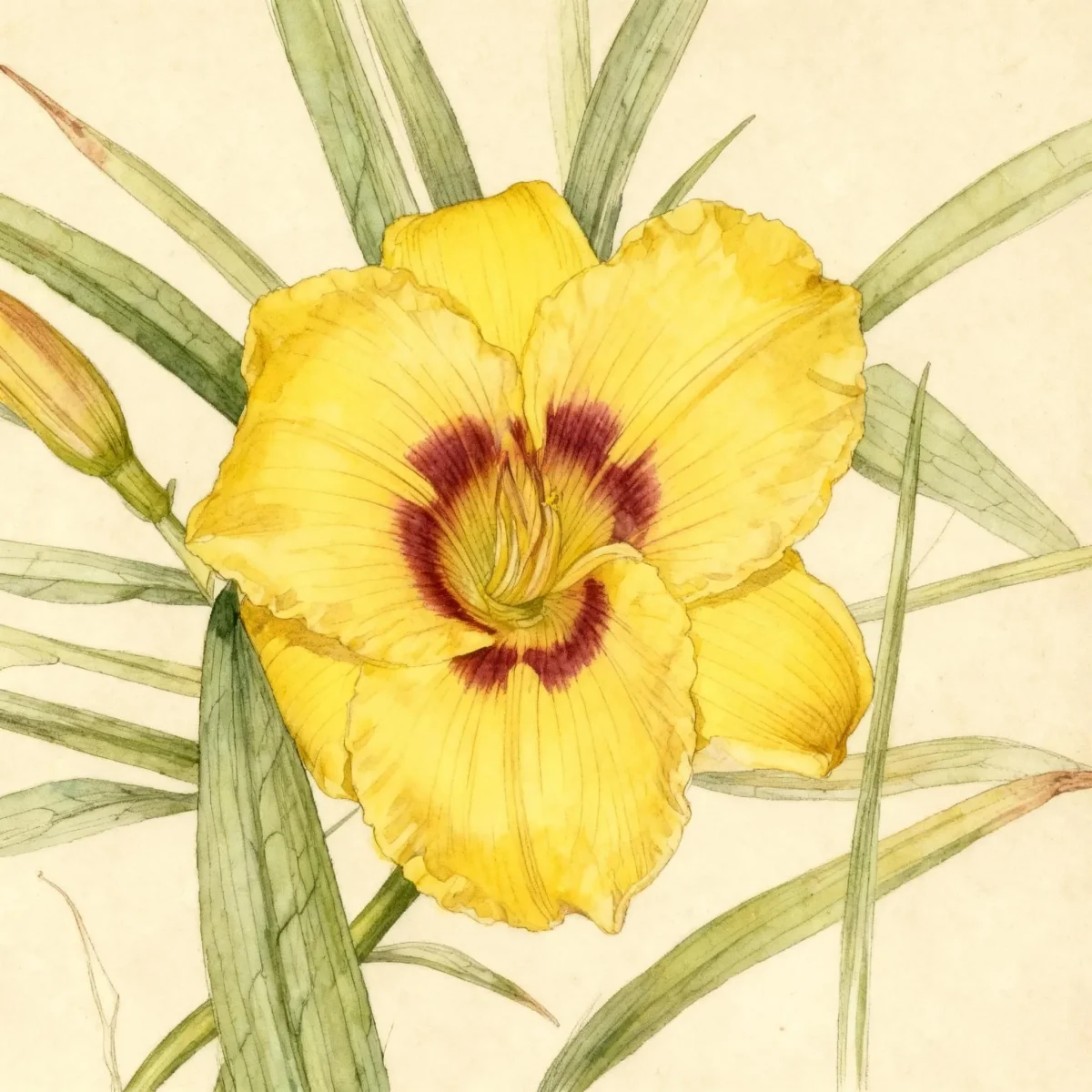
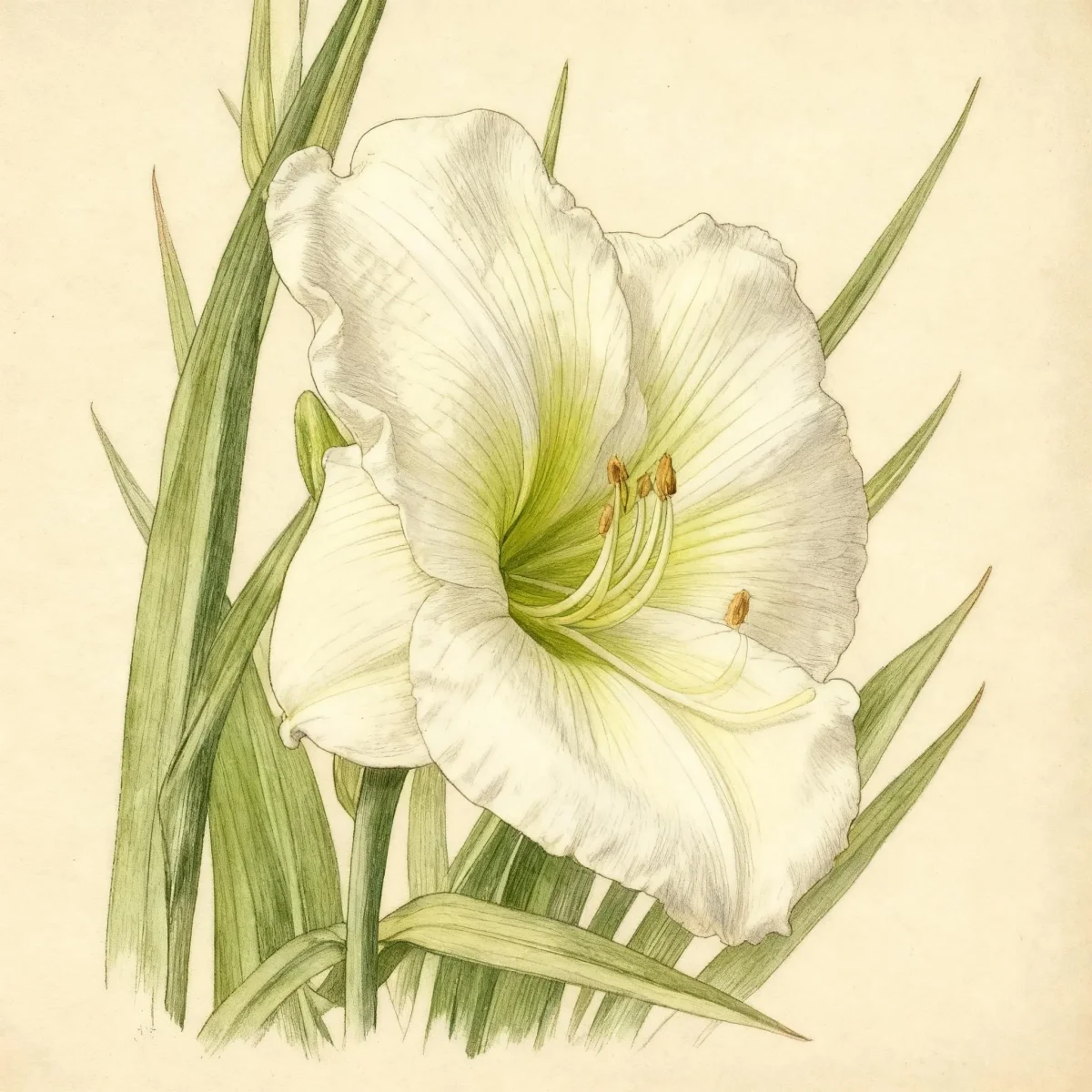
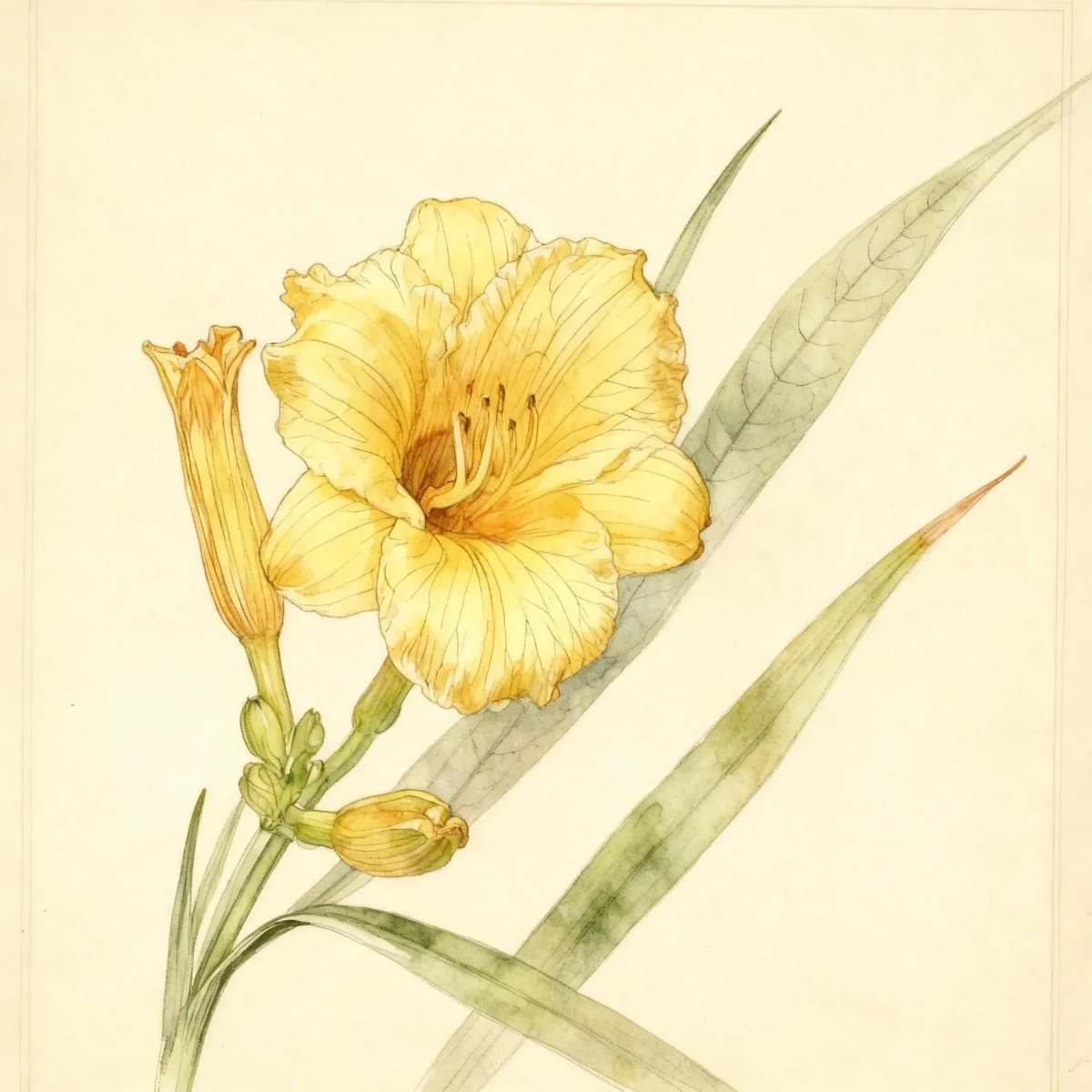
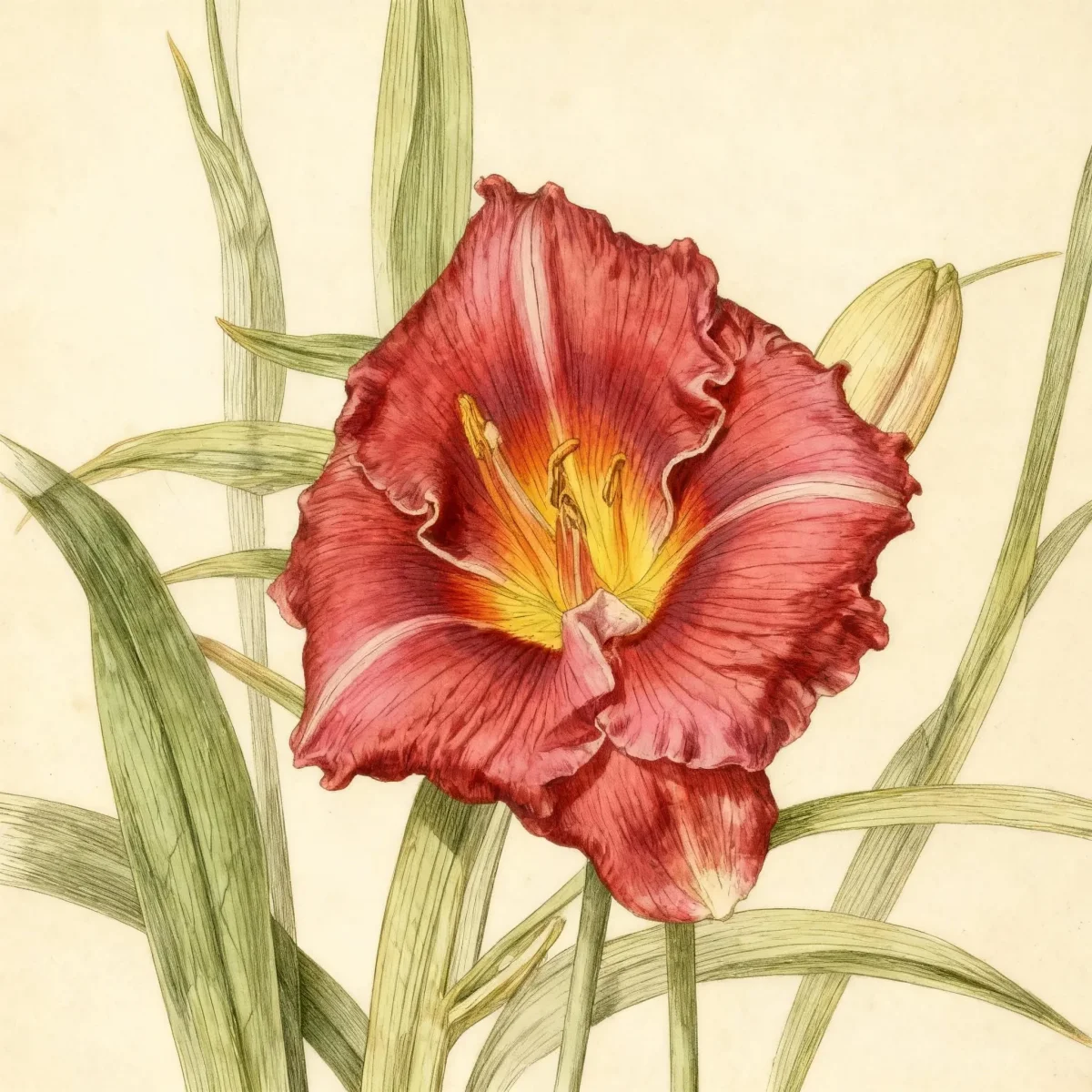
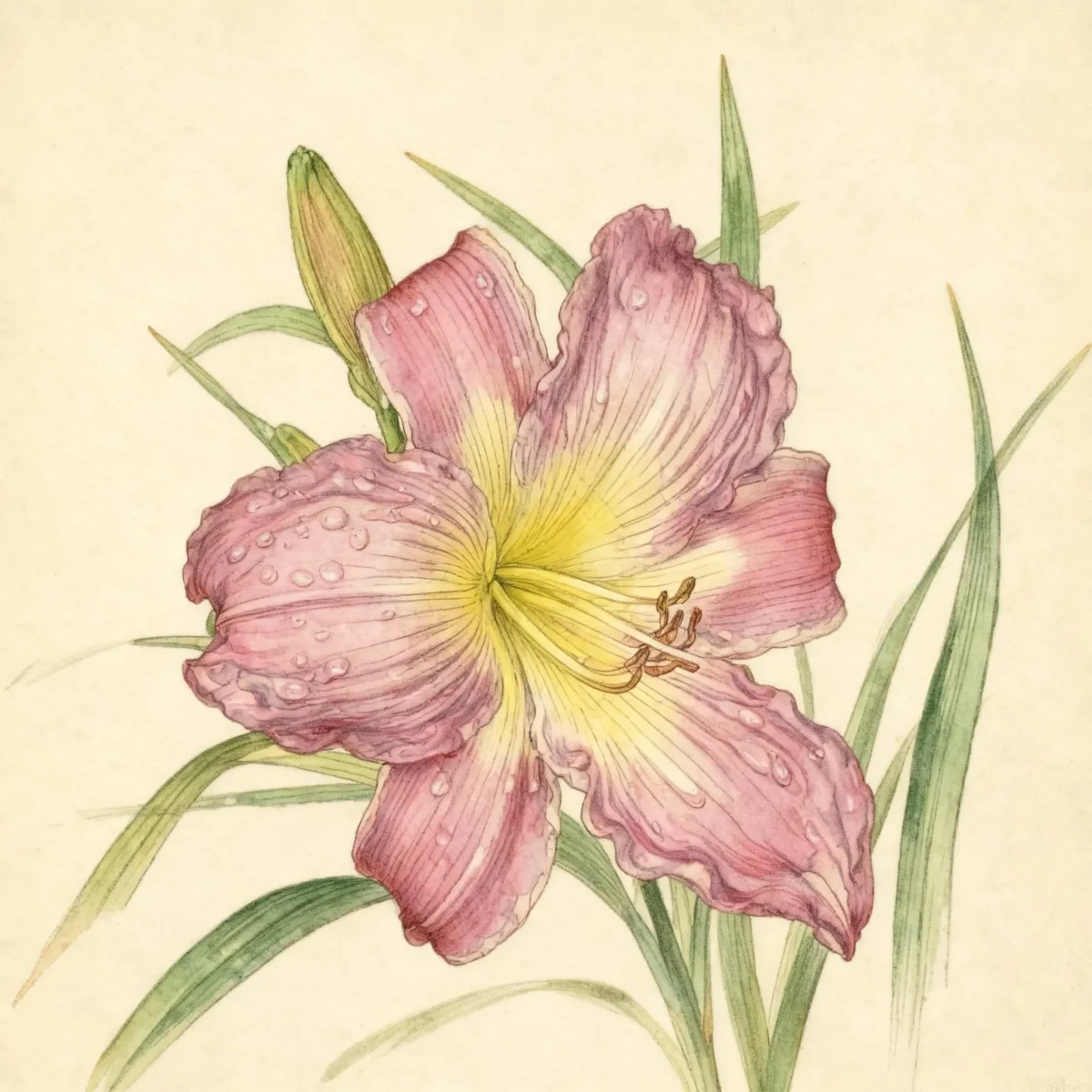
Daylily (Hemerocallis 'Juan Tapia')
Hemerocallis 'Juan Tapia' Daylily offers vibrant, reblooming golden yellow flowers. Low maintenance, heat tolerant perennial for Zones 3-9.
Scroll down to discover growing tips, care requirements, companion plants, and more
Complete Plant Information
Overview
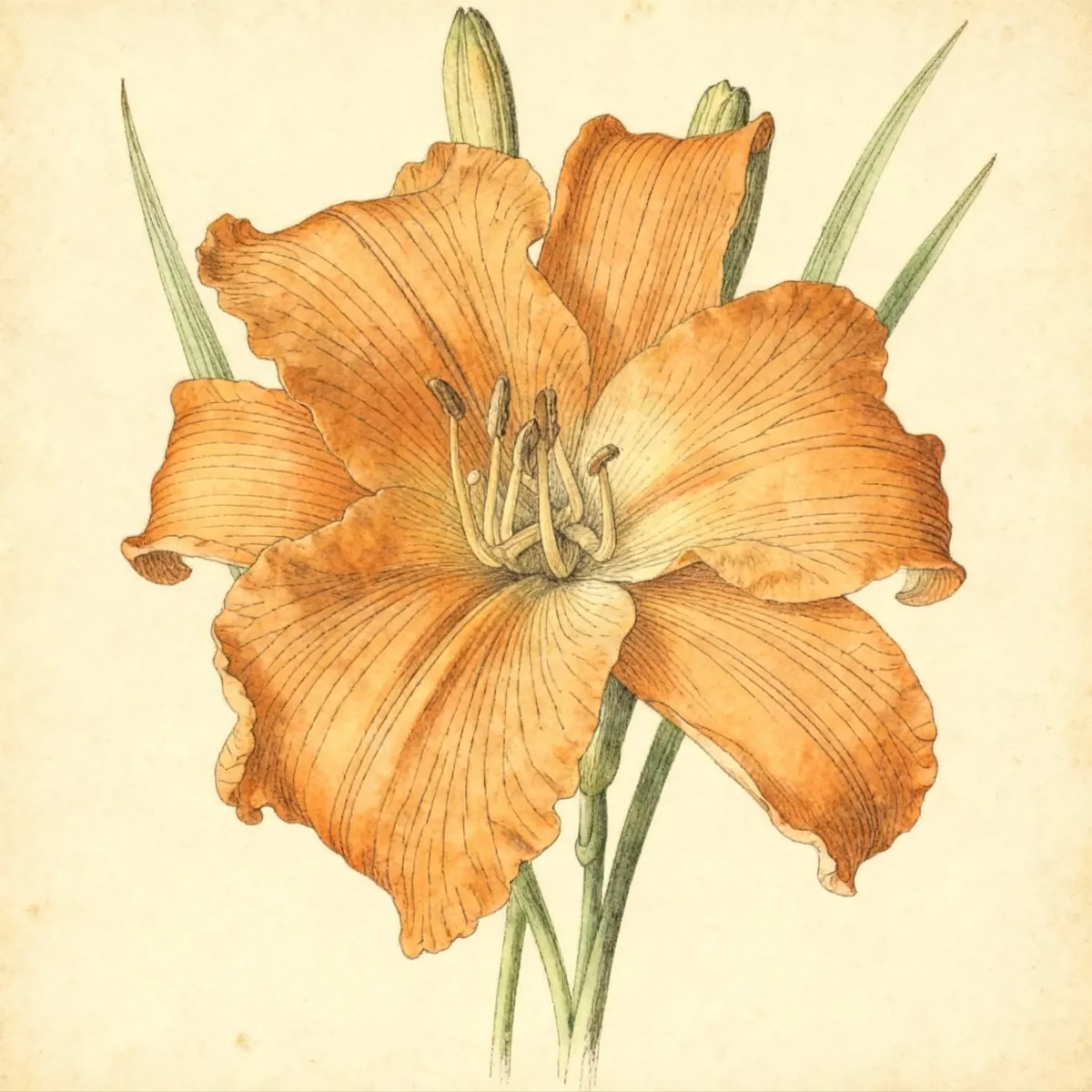
Hemerocallis ‘Juan Tapia’ is a standout tetraploid Daylily valued for its reliable performance and cheerful coloration. This cultivar produces bright, golden yellow blooms that provide continuous interest from mid to late summer, often reblooming sporadically. As a winter-dormant herbaceous perennial, it offers robust structure, maturing to about two feet tall and wide.
This specific type of Daylily thrives across a vast range of climates, performing best in USDA Zones 3 through 9. It is celebrated for its low maintenance needs, making it an excellent performer for both novice gardeners and large-scale landscape applications. The rich golden yellow flowers ensure this Hemerocallis ‘Juan Tapia’ remains a focal point in the summer garden.
Gardeners appreciate daylilies for their versatility and toughness. While caring for Hemerocallis ‘Juan Tapia’ is straightforward, providing adequate moisture during dry spells helps maintain attractive foliage throughout the heat of summer. This Daylily is a dependable perennial providing years of vivid, easy-to-manage color.
Fast Facts
- Plant Family: Asphodelaceae
- Plant Type: Herbaceous perennial
- Hardiness Zones: USDA Zones 3-9
- Size at Maturity:
- Height: 1.5-2 ft
- Spread: 1.5-2 ft
- Bloom Time: July to August
- Bloom Description: Golden yellow
- Sun Exposure: Full sun to part shade
- Water Needs: Medium
- Maintenance Level: Low
How to Grow
Planting Hemerocallis ‘Juan Tapia’ is best performed in spring or fall, allowing the fibrous roots to establish before extreme temperatures hit. These Daylilies thrive in average, medium moisture, well-drained soils. While they adapt well to many soil types, deep, fertile loams will yield the best flowering performance. Plant the crown of the Daylily so the top is right at the soil surface when planting.
Routine care for this Daylily is minimal. Deadheading spent flowers daily is recommended for aesthetic neatness, though not strictly necessary for plant survival. Once the flowering cycle concludes, remove the entire flower scape. While tolerant of heat and humidity, ensure medium water needs are met, especially during dry spells, to keep the foliage crisp.
Winter dormancy is important for this type of cold-hardy perennial. In very warm climates (Zone 9 and above), the foliage may remain evergreen, but in colder regions, expect the foliage to die back. Division is recommended every three to four years, typically in the spring in cold regions, to rejuvenate clumps and maintain vigorous blooming of your Hemerocallis ‘Juan Tapia’.
Landscape Uses
The robust nature and pleasing mid-season bloom time of Hemerocallis ‘Juan Tapia’ make it incredibly useful in diverse landscape designs. Its manageable size of about two feet tall and wide positions it perfectly for use as neat edging along walkways or defining the front of a perennial border, providing a bright edge of golden yellow.
Daylilies excel when planted in masses, creating sweeping drifts of color over large areas, which is highly effective for masking foundation plantings or softening slopes. Though it is classified as a general perennial, this Daylily integrates beautifully with other late-season bloomers like Rudbeckia or Achemilla, providing textural contrast while sharing similar sun and water requirements.
For gardeners seeking low-input color, massing clumps of this Daylily provides continuous visual impact throughout the summer months without demanding frequent attention or specialized care.
Standout Features
Flower Qualities
- Showy
Noteworthy Characteristics
Hemerocallis is a genus renowned for producing flowers that, despite lasting only a single day, bloom in succession over a prolonged period, offering extended garden beauty. The foliage of this Daylily is linear and grass-like, forming dense clumps. Hemerocallis ‘Juan Tapia’ specifically is known as a reblooming, tetraploid cultivar whose flowers reach approximately 6.5 inches across atop sturdy stalks reaching 2.5 feet high.
Tolerances
- Rabbit
Potential Problems
Hemerocallis ‘Juan Tapia’ is inherently adaptable and generally resistant to most common garden pests and diseases. Maintain good air circulation, especially when planting densely, as this can help mitigate fungal issues like Daylily rust, which is the most problematic disease in humid areas.
Occasionally, mites, aphids, or thrips may appear. If pests are observed, minor infestations can often be managed with strong sprays of water. Since rabbits tend to avoid this Daylily, pest control primarily focuses on these sucking insects or fungal management. Remember that hybrid daylilies will not reliably come true from seed if you attempt propagation that way.
Frequently Asked Questions
What hardiness zones is Daylily suitable for?
Hemerocallis ‘Juan Tapia’ is suitable for USDA Zones 3 through 9, offering excellent cold tolerance and good adaptability to heat.
How large does Daylily grow?
Mature clumps of this Daylily typically reach a height between 1.5 and 2 feet, with a spread of 1.5 to 2 feet. The flowering scapes can reach up to 2.5 feet tall.
What sun exposure does Daylily need?
This variety performs best with full sun exposure, though it tolerates partial shade. Ensure it receives significant sunlight for the best proliferation of its golden yellow blooms.
When does Daylily bloom?
The primary bloom time for Hemerocallis ‘Juan Tapia’ is from July to August, with sporadic reblooming noted throughout the remainder of the summer season.
Conclusion
The Hemerocallis ‘Juan Tapia’ Daylily provides exceptional garden value through its low maintenance requirements and vibrant, golden yellow mid-to-late season flowers. This dependable perennial ensures reliable summer color for gardeners across Zones 3 to 9. Check your local hardiness zone compatibility before planting this robust Daylily this coming spring or fall.
Companion Planting for Daylilies
Companion planting near your Hemerocallis ‘Juan Tapia’ is an excellent strategy to enhance border aesthetics and manage garden microclimates. Because daylilies prefer well-drained soil and full sun, pair them with other sun-loving, drought-tolerant perennials that emerge later or have contrasting foliage textures. Good companions include ornamental grasses, Coneflowers (Echinacea), and Russian Sage (Perovskia atriplicifolia).
Avoid planting heavy feeders directly beside the Daylily clumps, as competition for nutrients can reduce the vigor of the Hemerocallis ‘Juan Tapia’. Furthermore, planting lower-growing perennials around the base helps shade the soil, which keeps the Daylily roots cooler during intense summer heat, improving overall health.
Design Ideas for Golden Yellow Accents
Utilizing the bright golden yellow color of Hemerocallis ‘Juan Tapia’ can introduce warmth and light into shaded or neutral garden areas. For striking contrast, plant this Daylily against deep purple foliage, such as dark Heuchera varieties or black-leaved Ophipogon. The linear foliage provides a nice vertical element between rounded hostas or softer groundcovers.
Consider using this Daylily in mass plantings near water features or along sightlines in the yard where its mid-summer bursts of color will be most noticeable. Because it is winter-dormant, ensure companion plants offer structural interest during the fall and winter months once the Daylily foliage has receded.