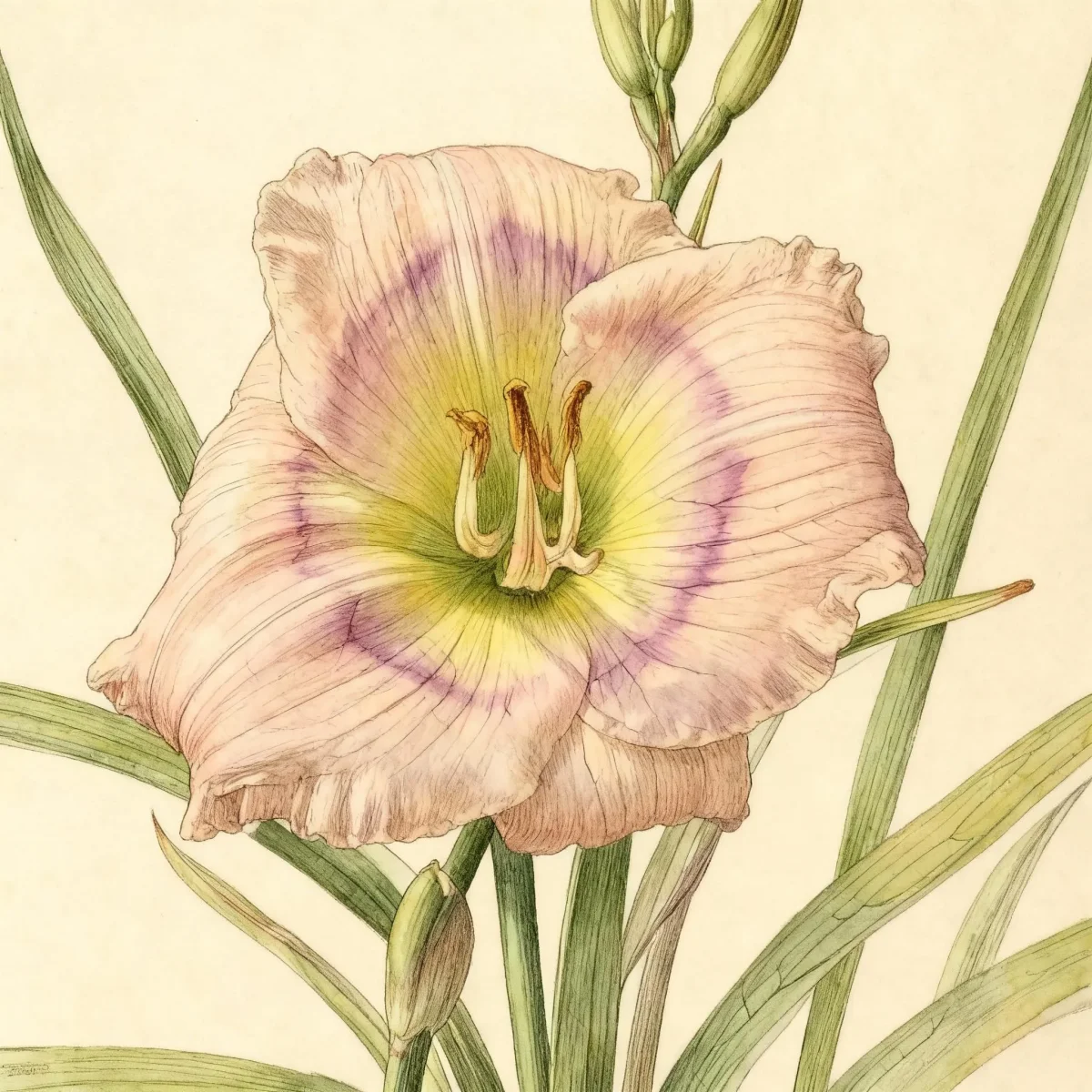
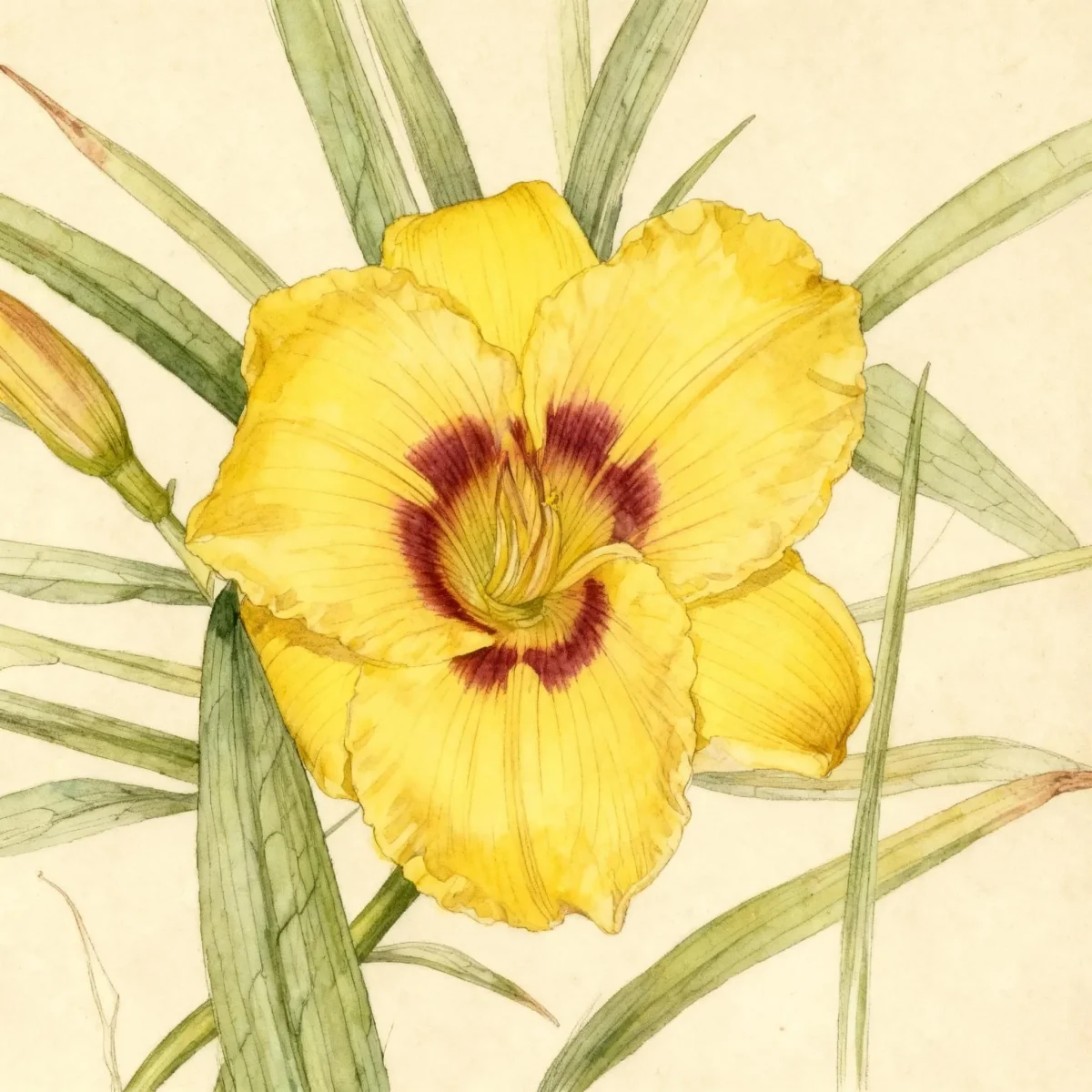
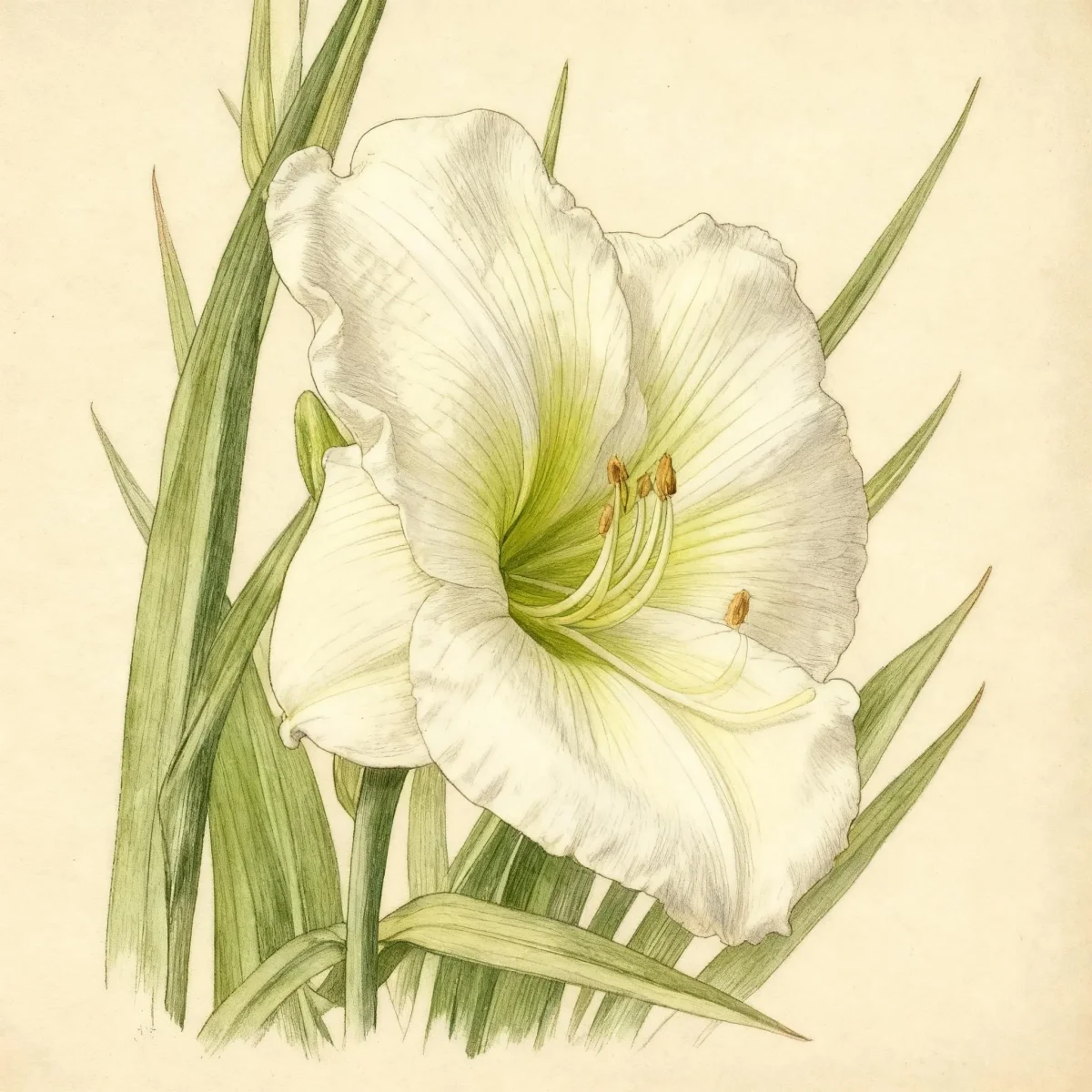
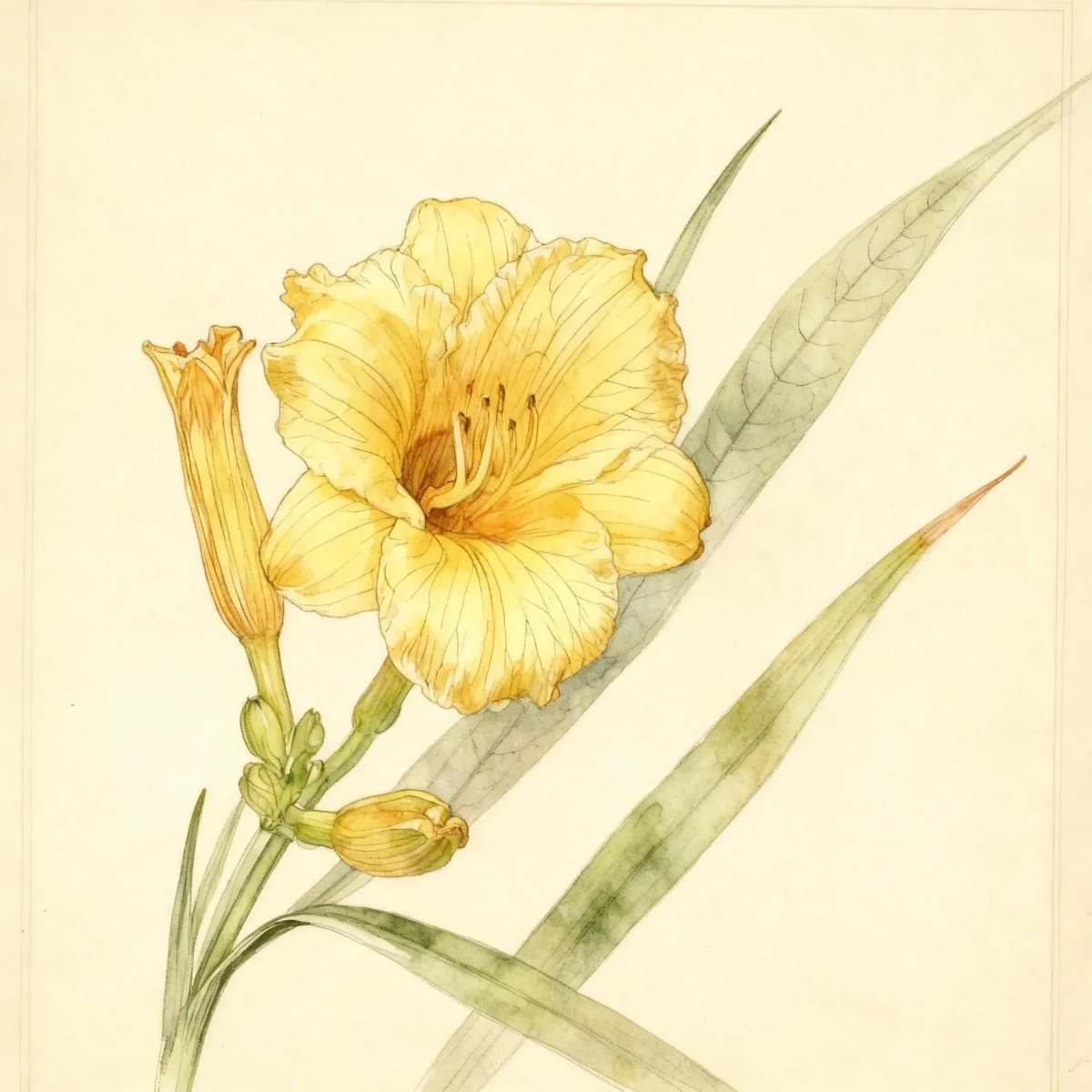
Daylily (Hemerocallis 'Lamplighter's Circle')
Discover Hemerocallis 'Lamplighter's Circle' Daylily, a low-maintenance perennial with striking burgundy blooms perfect for Zones 3-9.
Scroll down to discover growing tips, care requirements, companion plants, and more
Complete Plant Information
Overview
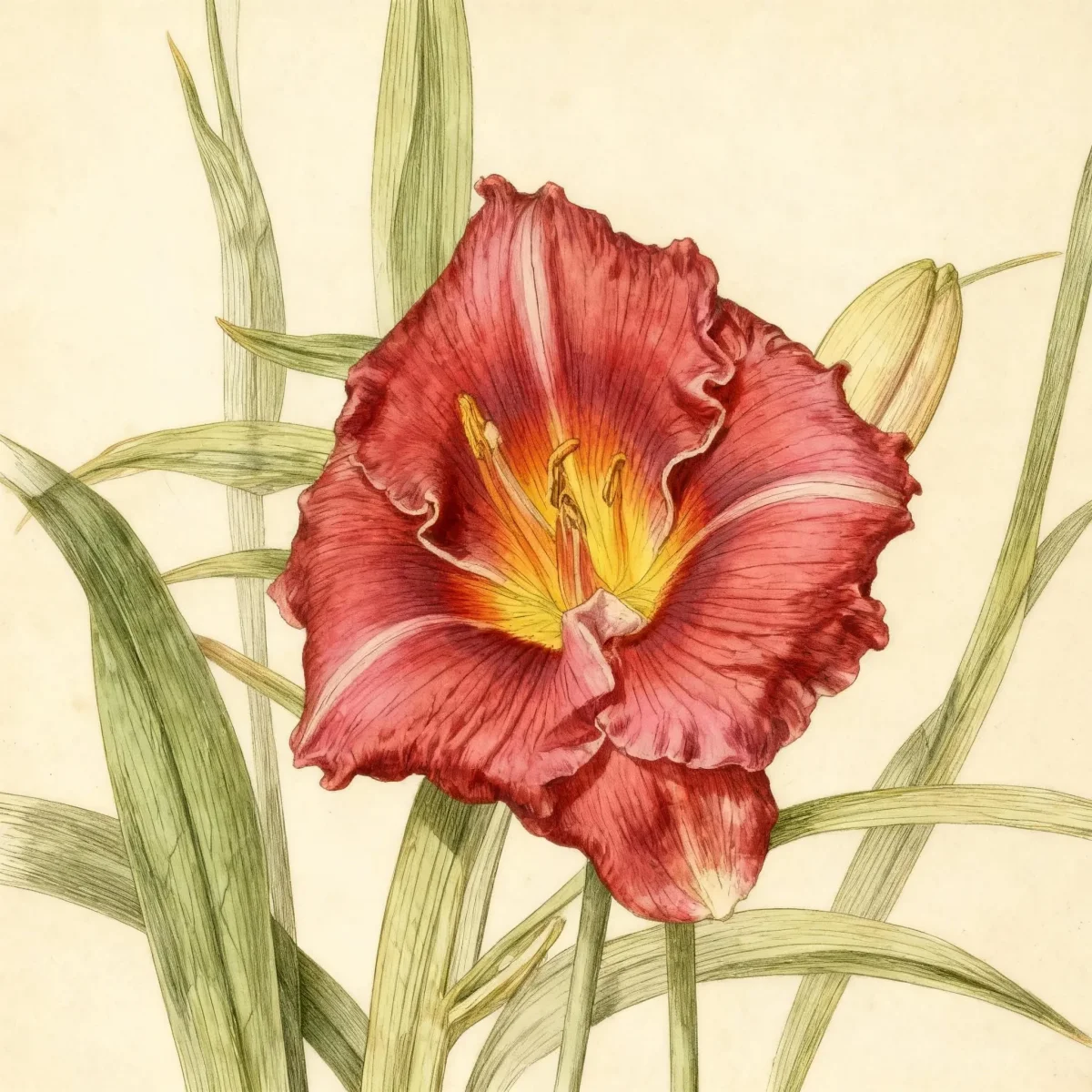
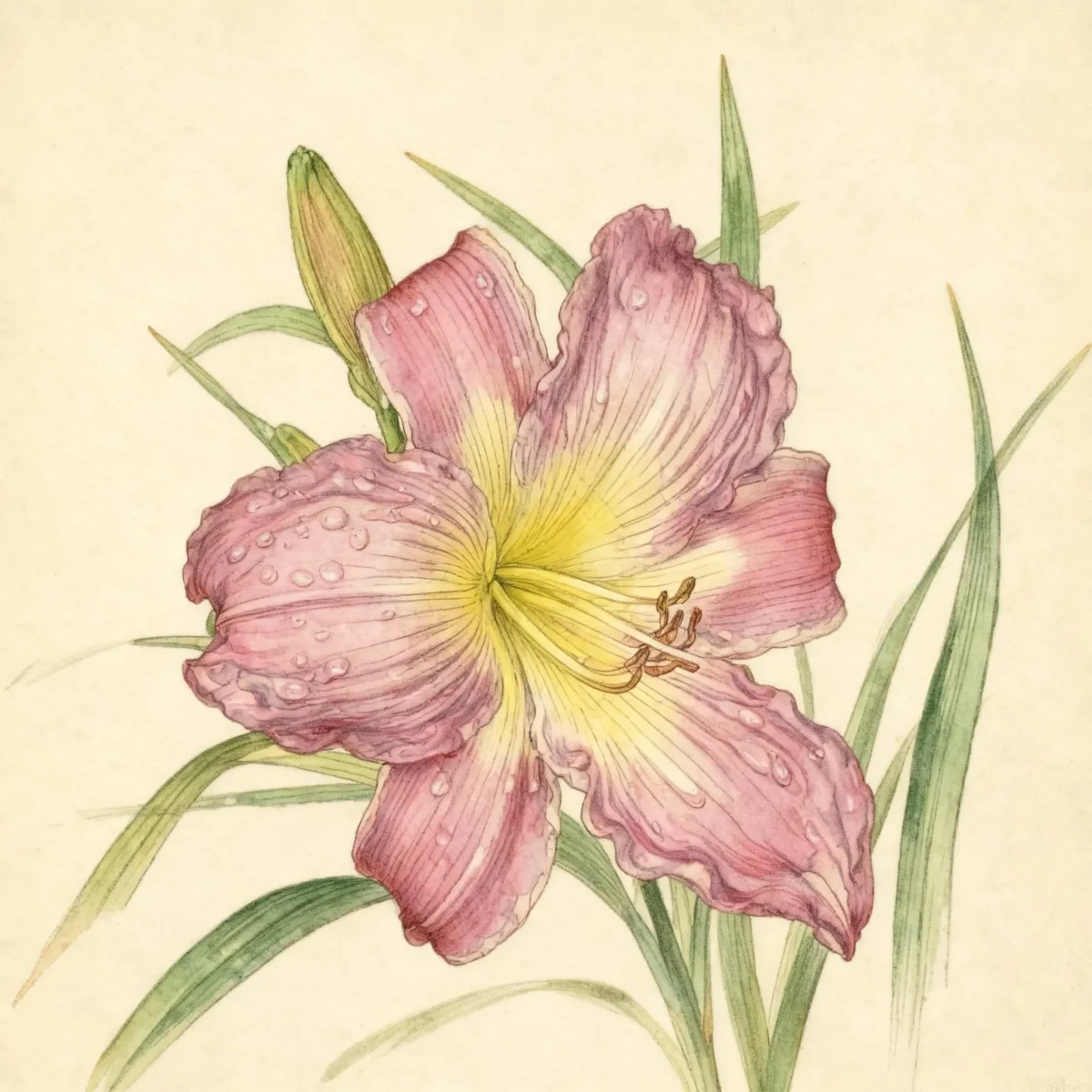
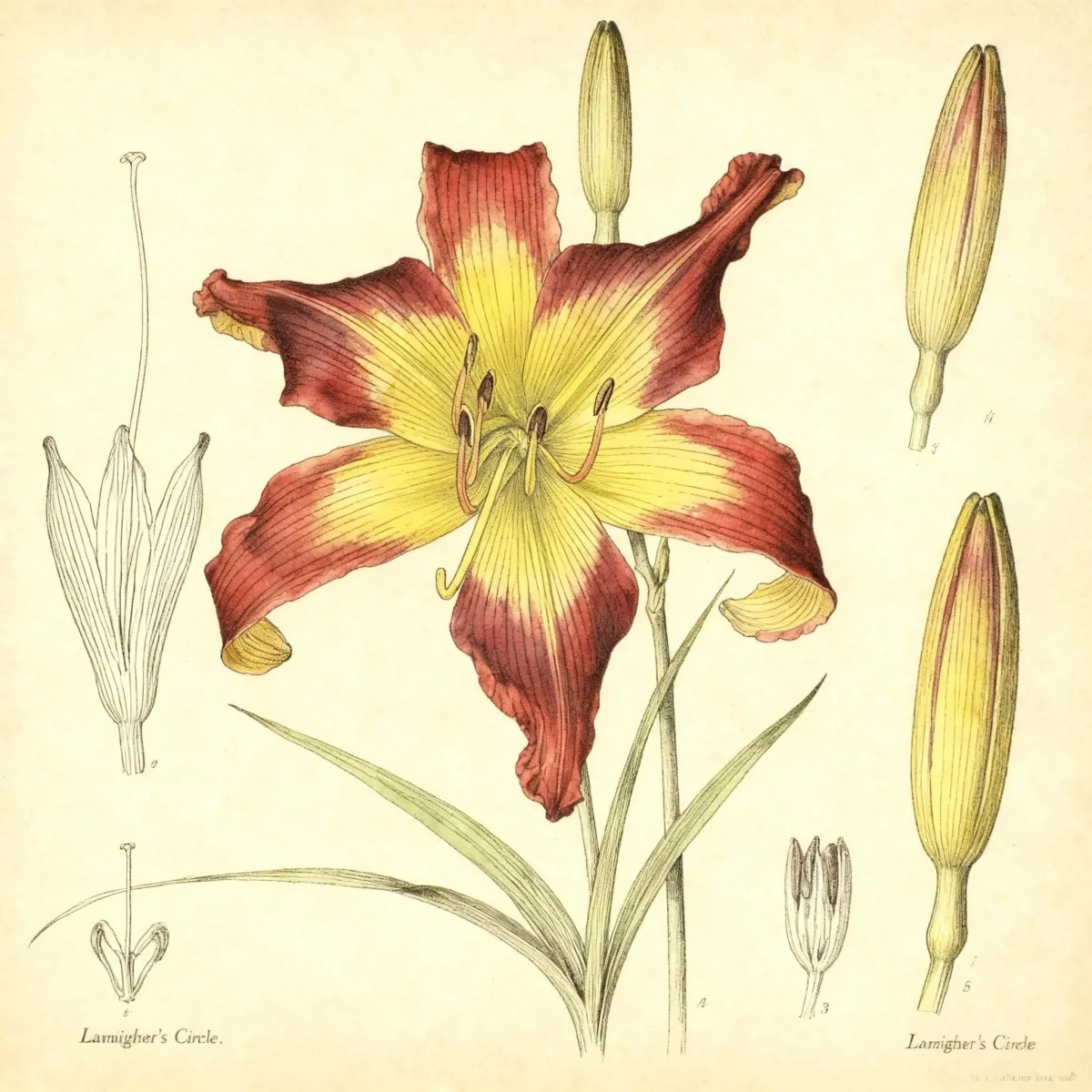
Hemerocallis ‘Lamplighter’s Circle’ is a specialized tetraploid Daylily cultivar prized for its rich, dramatic coloration and substantial stature, offering superb visual impact in the late summer garden. This herbaceous perennial provides low maintenance throughout its season, returning reliably year after year to display its large, burgundy-red flowers, which feature a distinctive yellow-to-green throat. As a robust Daylily, it offers essential garden structure with its sword-like foliage, performing best when utilized broadly in mass plantings or as reliable border accents.
This particular cultivar is noted for being evergreen in milder climates and provides flowers lasting one day each, characteristic of the genus, yet blooming in such succession that the overall display remains long. Hemerocallis ‘Lamplighter’s Circle’ showcases the incredible diversity achieved by modern hybridizers, moving far beyond wild species forms into reliable, garden-worthy specimens like this one.
Gardeners appreciate the resilience of this Daylily, particularly its tolerance for heat and humidity, making it a dependable choice for robust color where other plants might struggle mid-season. Its easy-going nature combined with the sophisticated flower coloring of Hemerocallis ‘Lamplighter’s Circle’ secures its place as a staple perennial.
Fast Facts
- Plant Family: Asphodelaceae
- Plant Type: Herbaceous perennial
- Hardiness Zones: USDA Zones 3-9
- Size at Maturity:
- Height: 2-2.5 ft
- Spread: 2-2.5 ft
- Bloom Time: July to August
- Bloom Description: Burgundy with yellow to green throat
- Sun Exposure: Full sun to part shade
- Water Needs: Medium
- Maintenance Level: Low
How to Grow
Planting Hemerocallis ‘Lamplighter’s Circle’ is best done in spring or fall, ensuring the crown sits just at the soil line. While Daylilies perform well in a wide range of soils, they thrive in deep, fertile loams that are medium moist and well-drained. Ensure the planting location receives adequate sun—full sun promotes better blooming, though they tolerate part shade.
Ongoing care for this Daylily is minimal. Deadhead spent flowers daily for neatness, and remove the entire scape once blooming has finished to keep the planting tidy. Although tolerant of heat, provide deep watering during dry spells to maintain attractive foliage, satisfying their medium water needs. As this is a winter dormant cultivar, it requires the cold period for optimal future performance, though this means it is not recommended for Zone 9 and above.
To maintain vigor, plan to divide mature clumps of Hemerocallis ‘Lamplighter’s Circle’ every three to four years, ideally in spring in colder regions. Remember that hybrid Daylilies, including ‘Lamplighter’s Circle’, will not breed true from seed, so division is the only way to propagate the exact cultivar characteristics.
Landscape Uses
Daylilies are exceptionally versatile due to their attractive foliage mounds that persist well after the bloom season, providing texture even out of flower. Hemerocallis ‘Lamplighter’s Circle’ is fantastic when used as edging along paths or driveways where its deep burgundy color can contrast sharply with lighter-colored hardscaping. Consider massing these plants over large areas to establish bold swathes of color that anchor landscape beds during mid to late summer.
Because they are vigorous and relatively easy to grow herbaceous perennials, Daylilies serve as excellent foundation plantings beneath taller shrubs or near the front of perennial borders. They pair well visually with plants that offer contrasting foliage textures or bloom times, such as silvery Lamb’s Ears or late-blooming Coneflowers, ensuring continuous interest beyond the July to August bloom period of the Daylily.
Standout Features
Flower Qualities
- Showy
Noteworthy Characteristics
Hemerocallis is a genus of about 15 species of herbaceous perennials commonly known as daylilies. Hybridizers have expended considerable effort over the years creating new daylilies featuring flowers with new colors, color combinations, shapes and patterns. Each flower typically remains open for one (but sometime two) days, hence the common name of daylily. ‘Lamplighter’s Circle’ is an evergreen, tetraploid daylily cultivar that features large, burgundy red blooms with yellow to green throats. The blooms reach around 10” in diameter and are held atop sturdy 4.5’ tall scapes, providing a significant, late-season feature.
Tolerances
- Rabbit
Potential Problems
Daylilies are generally resistant to most serious pests and diseases. The primary concern usually involves rust fungus, which appears as powdery yellow or orange pustules on the foliage, typically striking during humid weather. Prevention involves ensuring good air circulation through proper spacing and avoiding overhead watering late in the day. If rust appears, affected foliage should be removed promptly and discarded (not composted). Foliage retaining its green status late into the season (evergreen types like this one in mild climates) might still benefit from being cut back in colder zones to prepare for winter dormancy.
Frequently Asked Questions
What hardiness zones is Daylily suitable for?
Hemerocallis ‘Lamplighter’s Circle’ is well-suited for USDA Hardiness Zones 3 through 9, making it a broadly adaptable perennial.
How large does Daylily grow?
Mature clumps of Hemerocallis ‘Lamplighter’s Circle’ typically reach about 2 to 2.5 feet tall with an equivalent spread, blooming on scapes reaching up to 4.5 feet.
When does Daylily bloom?
This Daylily features its main flowering period from July through August, displaying unique burgundy blooms with a yellow to green throat.
What sun exposure does Daylily need?
For the most prolific blooming of Hemerocallis ‘Lamplighter’s Circle’, aim for full sun, although it tolerates partial shade conditions.
Conclusion
Hemerocallis ‘Lamplighter’s Circle’ delivers significant aesthetic value through its unusually dark, rich bloom color and strong structural growth habit, making this Daylily a reliable performer. Its low maintenance requirements mean gardeners can enjoy the spectacular mid to late-summer show with minimal fuss. Evaluate your site conditions now to ensure compatibility within Zones 3-9 and incorporate this beautiful Daylily into your next planting plan.
Companion Planting
Choosing companions for Hemerocallis ‘Lamplighter’s Circle’ should focus on plants that thrive under similar conditions: full sun to partial shade and medium moisture. Good partners include plants with complementary textures, such as ornamental grasses which offer fine, airy contrast to the Daylily’s thick, linear leaves. Consider reliable perennials like Russian Sage (Perovskia atriplicifolia) for its gray, silver foliage or sturdy Russian Iris, which bloom earlier in the season, extending garden interest.
When selecting companions, ensure you choose varieties that are not aggressively spreading, as Daylilies prefer to remain undisturbed for several years between divisions. The bold stature of this 2.5-foot Daylily also pairs well with lower-growing, compact groundcovers that can hide the base crown area, keeping the garden looking tidy.
Design Ideas for Dark Blooms
The deep burgundy hues of Hemerocallis ‘Lamplighter’s Circle’ flowers make them excellent focal points, especially when contrasted against light backgrounds or utilized in moonlight gardens. Because the color darkens the overall look, plant surrounding materials in bright whites, pale yellows, or silver-blues to make the burgundy pop rather than fade into shadow. Use masses of Hemerocallis ‘Lamplighter’s Circle’ near water features or patios where they can immediately draw the eye during their July to August bloom window.
Alternatively, use this Daylily in monochromatic schemes alongside purples or deep reds for a rich, layered look. Due to its robust nature, it is well-suited for hiding the fading foliage of spring bulbs like daffodils or tulips, acting as a mid-season replacement when spring bloomers are finished.