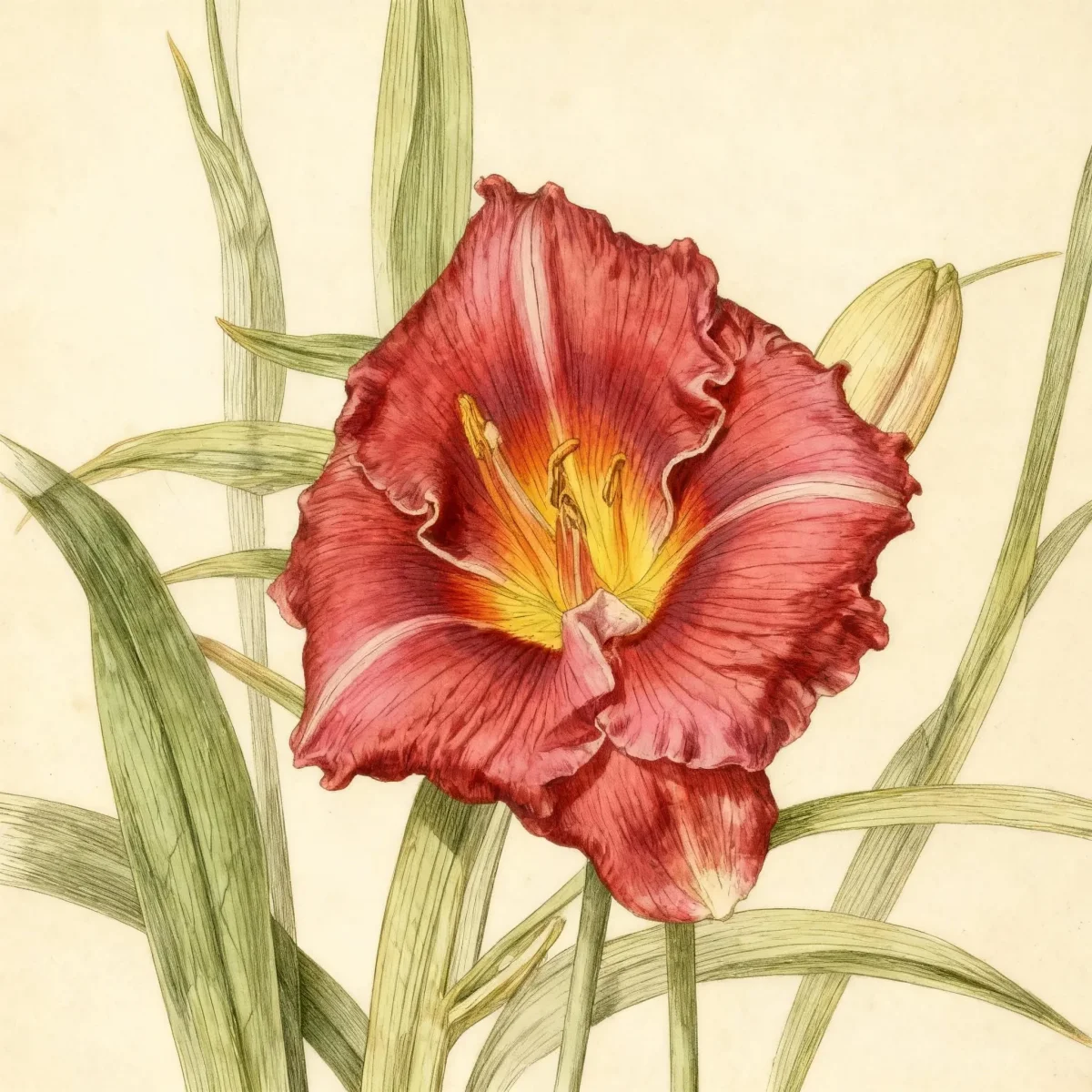
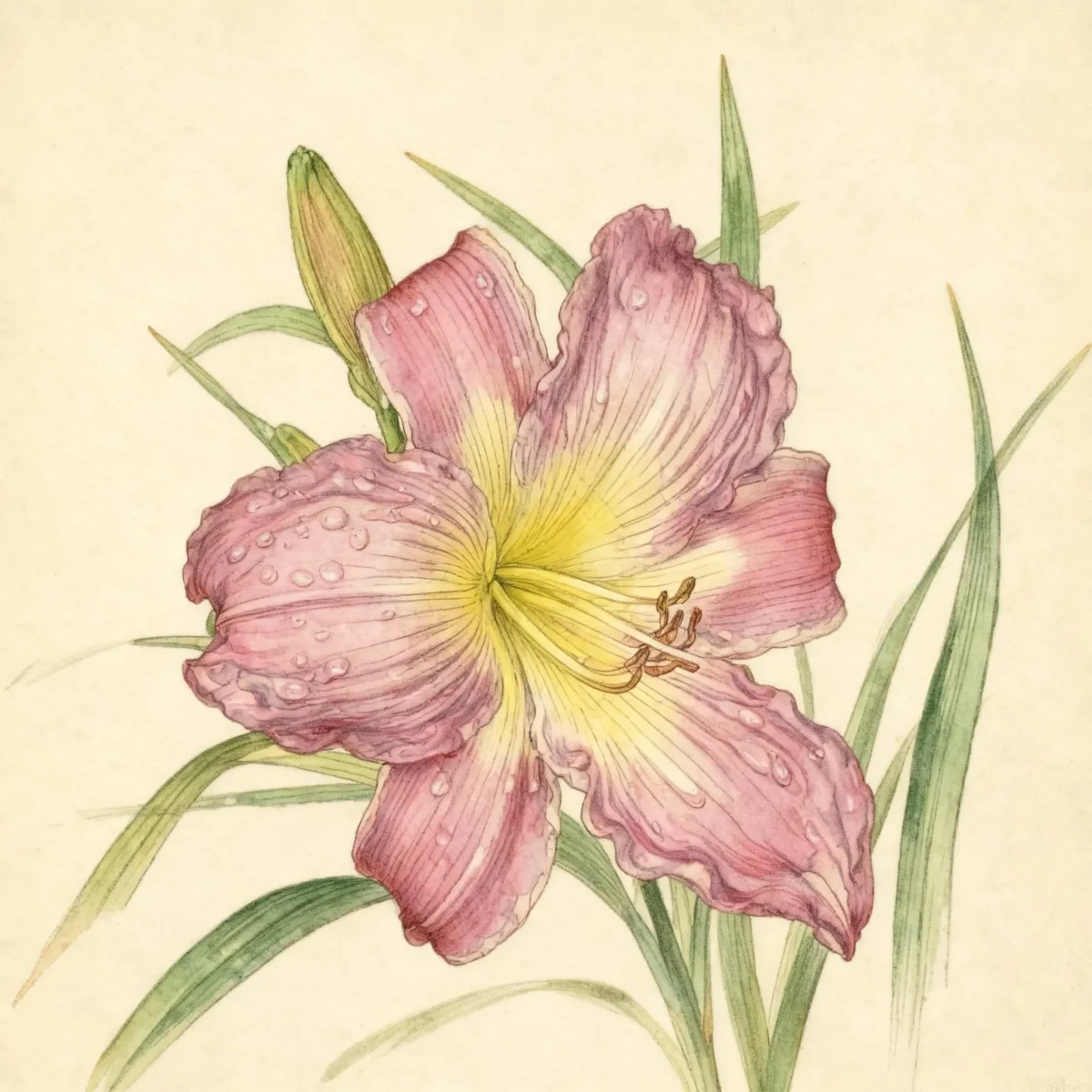
Daylily (Hemerocallis 'Piggy Tails')
Hemerocallis 'Piggy Tails' is a low-maintenance Daylily featuring showy, purple, spider-form flowers blooming from January to August.
Scroll down to discover growing tips, care requirements, companion plants, and more
Complete Plant Information
Overview
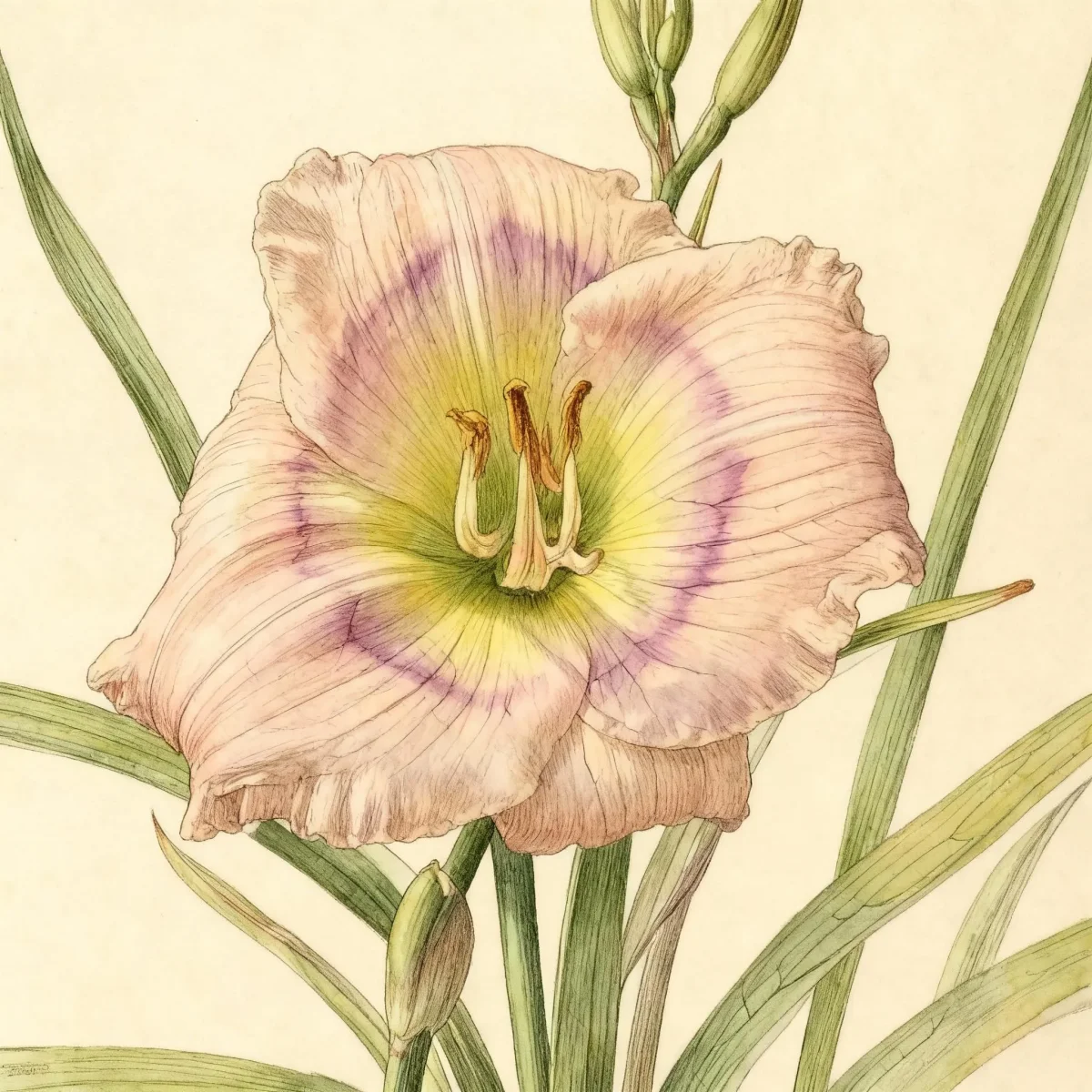
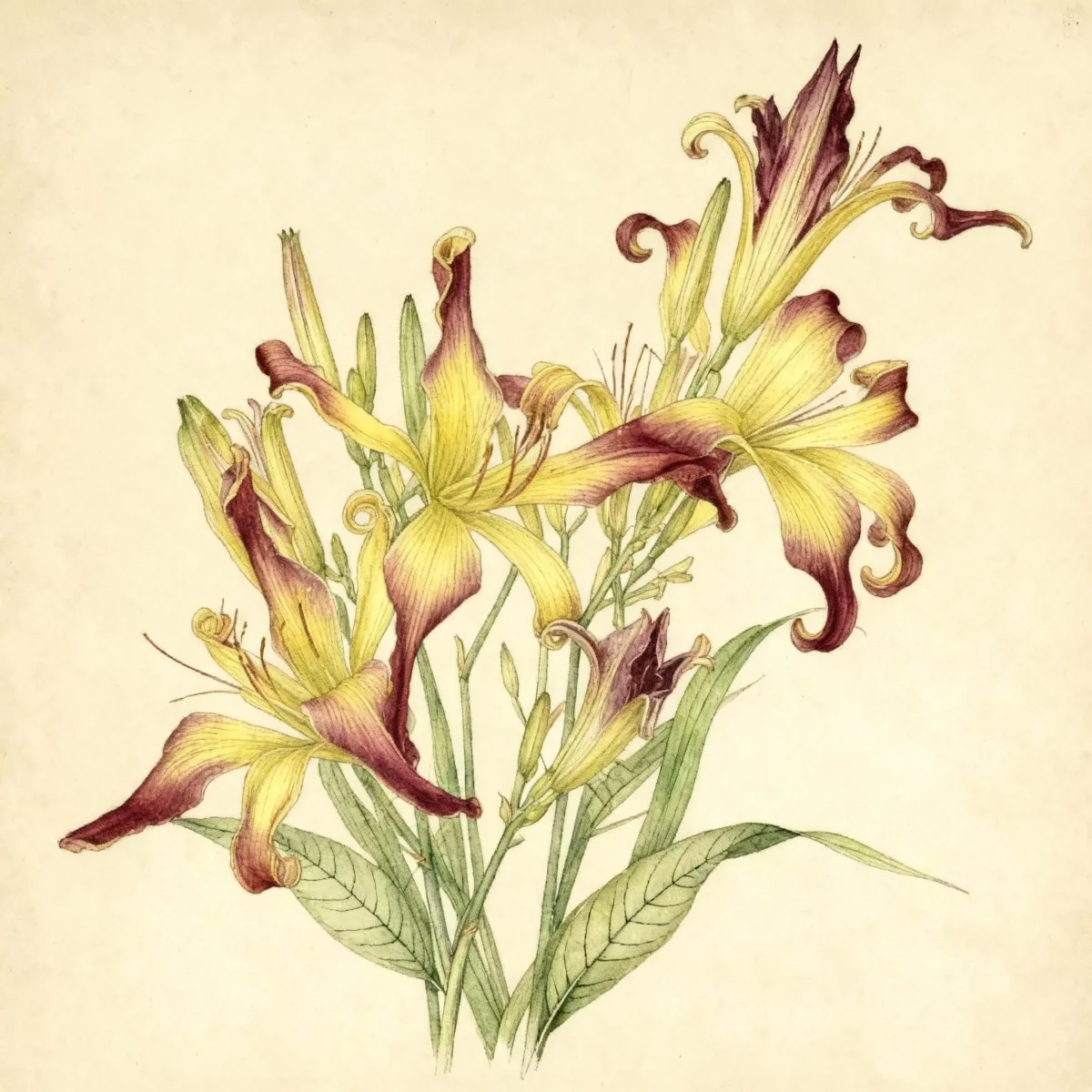
Hemerocallis ‘Piggy Tails’ is a standout cultivar within the popular Daylily genus, valued by gardeners for its reliably extended bloom season stretching from January through August. This specific diploid cultivar produces striking, large, spider-form flowers characterized by deep purple petals contrasting sharply with a green throat. As a winter-dormant variety, Hemerocallis ‘Piggy Tails’ offers low maintenance requirements, thriving easily in a wide variety of conditions once established.
This herbaceous perennial establishes clumps reaching up to 2.5 feet tall and wide, providing excellent structure in garden beds. While the primary display occurs mid to late season, sporadic reblooming keeps landscapes interesting throughout the warmer months. The Daylily genus, prized for its adaptability, ensures that Hemerocallis ‘Piggy Tails’ serves as a dependable, colorful component for nearly any sunny border.
Fast Facts
- Plant Family: Asphodelaceae
- Plant Type: Herbaceous perennial
- Hardiness Zones: USDA Zones 3-9
- Size at Maturity:
- Height: 2-2.5 ft
- Spread: 2-2.5 ft
- Bloom Time: January to August
- Bloom Description: Purple with green throat
- Sun Exposure: Full sun to part shade
- Water Needs: Medium
- Maintenance Level: Low
How to Grow
Planting Hemerocallis ‘Piggy Tails’ is best accomplished in the spring or fall, allowing the fibrous roots to establish before extreme heat or cold. While Daylilies perform well in many soil types, they show best results in deep, fertile, well-drained loams. Ensure the crown of the plant is set right at the soil line; planting the crown too deep is a common cause of poor blooming.
Care is generally simple for this low-maintenance Daylily. Water medium amounts, ensuring supplemental deep watering during dry, hot spells to maintain attractive foliage. Deadhead spent flowers daily for a neat appearance, and remove the entire flower scape once blooming has finished for the cycle. Hemerocallis ‘Piggy Tails’ requires regular division, ideally every three to four years during spring, particularly in colder climates, to maintain vigor and prolific flowering.
Since this is a winter-dormant variety, it benefits from the required cold period across its hardiness range. Gardeners should note that hybrid Daylilies like ‘Piggy Tails’ will not reliably come true if propagated by seed, making division the preferred method of increase.
Landscape Uses
Hemerocallis ‘Piggy Tails’ is highly adaptable, making it ideal for numerous landscape applications. Its upright, clumping habit works perfectly as edging along pathways or defining the front of a mixed perennial border where its vibrant purple flowers catch the eye. Due to its robust nature and tolerance for heat, it excels when massed together over large areas for high-impact seasonal color displays.
Because Daylilies are extremely adaptable, they pair well with almost any other sun-loving perennial that complements their foliage structure or bloom time. Consider using them alongside lower-growing groundcovers like Sedum or plants that offer textural contrast, such as ornamental grasses or Salvia. The reliable performance of the Daylily makes it a cornerstone plant for foundational garden designs.
Standout Features
Flower Qualities
- Showy
Noteworthy Characteristics
Genus name comes from the Greek words hemera meaning day and kallos meaning beauty as each flower lasts but one day. ‘Piggy Tails’ is a winter dormant, reblooming, diploid daylily cultivar that features large, spider form flowers with purple petals and green throats. The blooms reach 8.5” in diameter and are held on 3.5’ tall scapes, ensuring excellent visibility in the garden.
Tolerances
- Rabbit
Potential Problems
Daylilies are famously resilient and generally escape most pest and disease pressures. However, occasionally monitor for mites, aphids, or thrips, treating promptly with horticultural soap if populations become problematic. The most significant potential issue in humid regions is Daylily rust, a fungal disease that causes yellow or brown spots on the foliage; ensure good air circulation to help mitigate this risk. Rabbits tend to avoid Hemerocallis ‘Piggy Tails’, making it a suitable choice for gardeners battling small mammal damage.
Frequently Asked Questions
What hardiness zones is Daylily suitable for?
Hemerocallis ‘Piggy Tails’ is suitable for USDA Hardiness Zones 3 through 9.
How large does Hemerocallis ‘Piggy Tails’ grow?
Mature clumps of Hemerocallis ‘Piggy Tails’ typically reach 2 to 2.5 feet in height and spread about 2 to 2.5 feet.
What sun exposure does Hemerocallis ‘Piggy Tails’ need?
This Daylily requires full sun to part shade conditions for optimal performance and flowering.
When does Daylily bloom?
The primary bloom time for this cultivar is January to August, featuring purple flowers with a green throat.
Conclusion
The Daylily cultivar Hemerocallis ‘Piggy Tails’ provides outstanding value through its long bloom period, striking purple coloration, and robust, low-maintenance growth habit. This adaptable perennial is a fantastic addition to borders and mass plantings across Zones 3-9. Before planting, confirm your soil drains well and incorporate organic matter for the best results with your new Hemerocallis ‘Piggy Tails’.
Companion Planting
Selecting suitable companions is key to enhancing the visual appeal of your Daylily beds. Pair Hemerocallis ‘Piggy Tails’ with plants that thrive in similar full sun to part shade conditions and medium water needs. Think about contrasting foliage texture; plants with fine, airy leaves, such as ornamental grasses like Panicum virgatum, create a beautiful backdrop for the bold, sword-like leaves of the Daylily.
Consider grouping Hemerocallis ‘Piggy Tails’ with later-blooming perennials to ensure season-long color continuity. While this Daylily offers an exceptionally long bloom cycle, combining it with plants like Coneflowers (Echinacea) or Black-Eyed Susans (Rudbeckia) provides reliable summer interest once the initial flush of purple has passed. Ensure you give companions enough room, as Daylilies will form substantial clumps over time.
Seasonal Care Calendar
Spring is the time to clean up winter debris and assess the health of your Daylilies. Remove any dead foliage from the previous year and apply a balanced fertilizer if your soil is lean, though many Daylilies thrive without heavy feeding. Spring division, best for cold climates, should be completed as soon as new growth appears.
Summer care focuses on moisture management and deadheading. Because Hemerocallis ‘Piggy Tails’ tolerates heat, providing deep, infrequent watering during extended dry spells keeps the foliage looking fresh and supports the sporadic summer reblooming efforts. Continue to snip off spent flowers to encourage the plant to put energy into new blooms rather than seed production.
In the fall, especially in colder zones, you can perform division if you missed the spring window, or simply tidy up the foliage as it naturally begins to die back. If you garden in warmer areas where the foliage remains semi-evergreen, cutting back heavily is optional; otherwise, cut scapes down to the crown after blooming ceases.