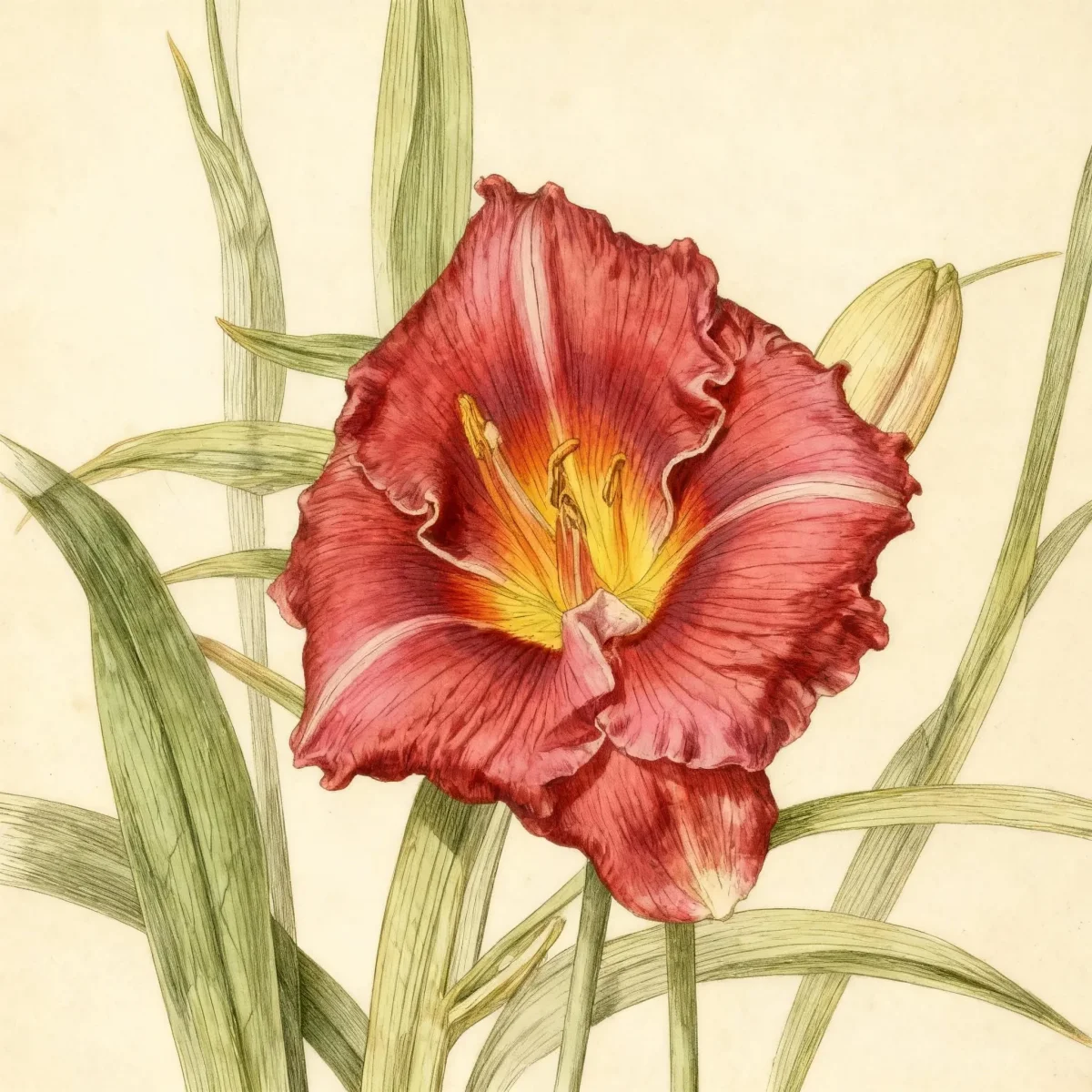
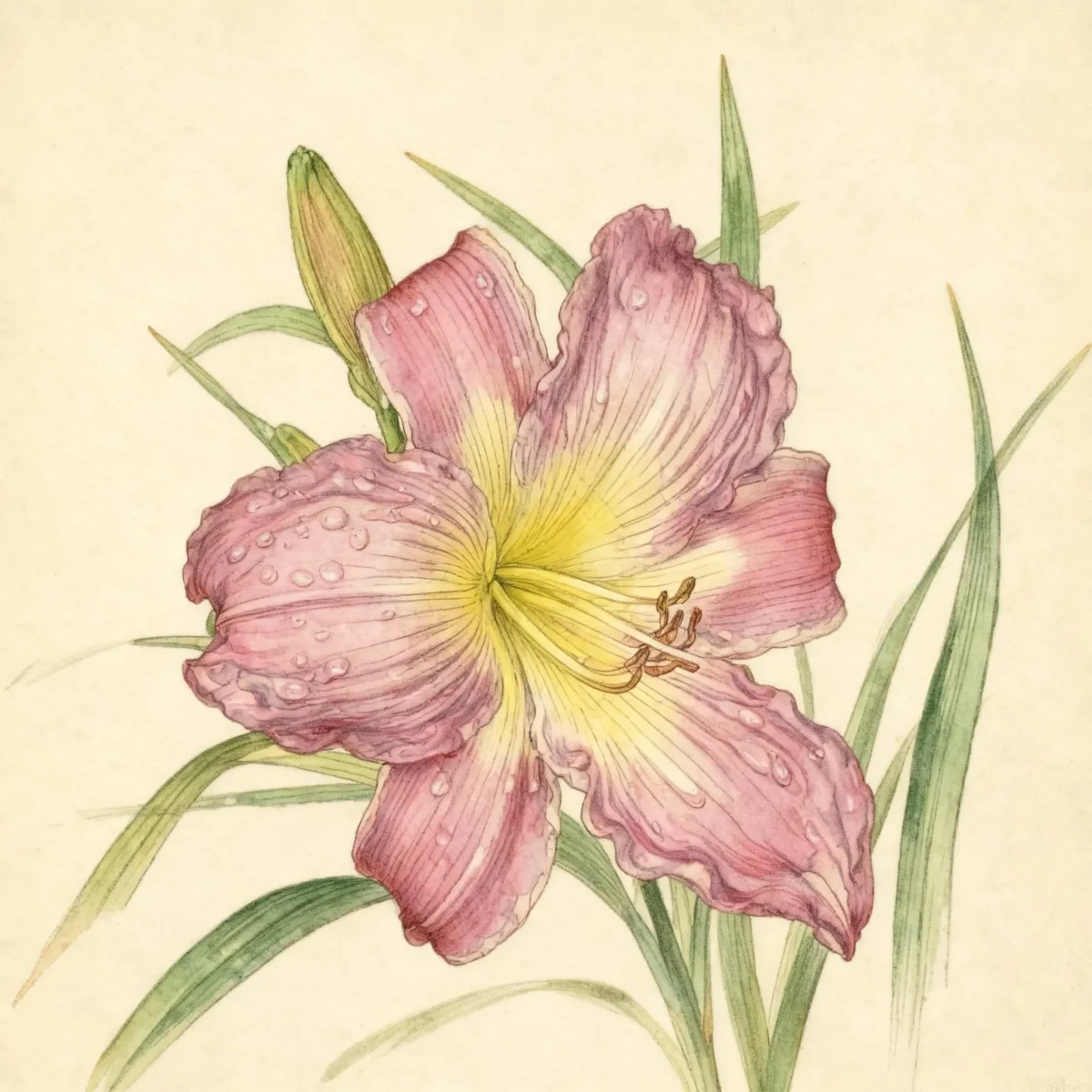
Daylily (Hemerocallis 'Savannah's Big Dream')
Hemerocallis 'Savannah's Big Dream' is a low-maintenance Daylily offering coral pink blooms from June through August in zones 3-9.
Scroll down to discover growing tips, care requirements, companion plants, and more
Complete Plant Information
Overview
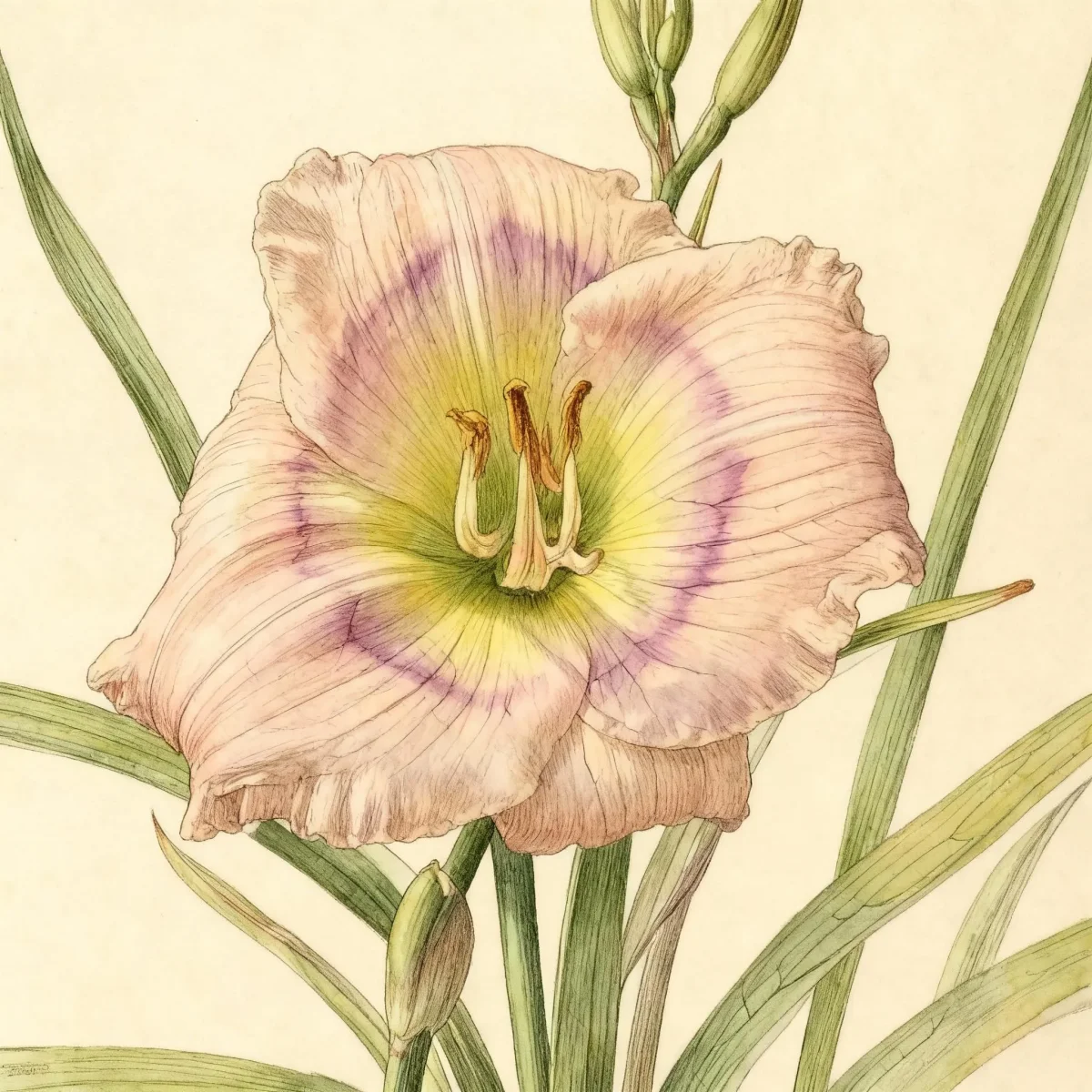
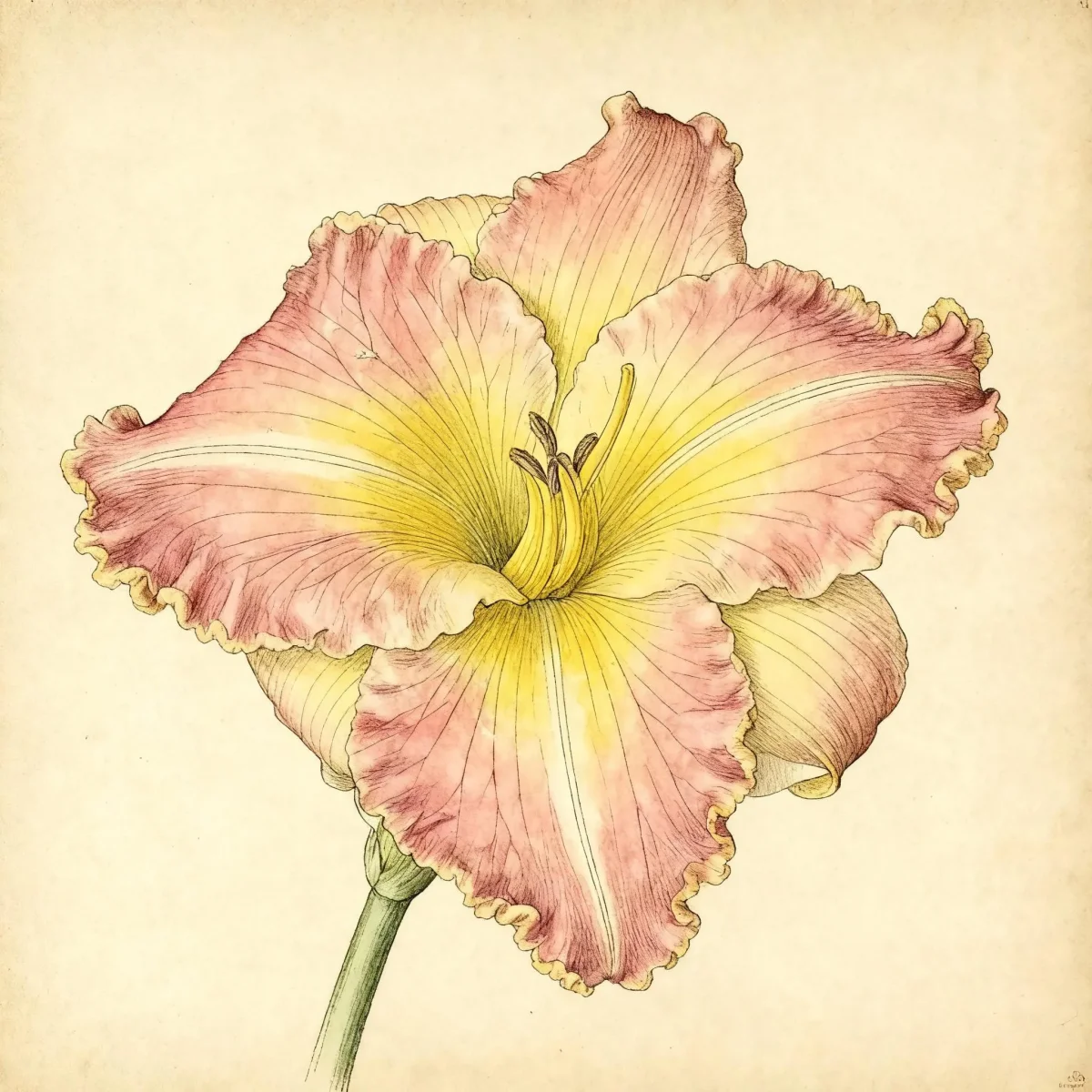
Hemerocallis ‘Savannah’s Big Dream’ is a robust, evergreen, reblooming tetraploid Daylily celebrated for its striking coloration and long bloom window. This cultivar produces generously sized, 7-inch flowers displayed in vibrant coral pink, featuring a contrasting yellow-to-green throat, making it a standout performer in the summer garden. As an herbaceous perennial, it offers reliable structure and color, thriving easily across a wide range of USDA Hardiness Zones, making the beautiful Hemerocallis ‘Savannah’s Big Dream’ accessible to many gardeners.
This Daylily variation is known for its low maintenance requirements, tolerating both heat and humidity once established. Its growth habit results in attractive clumps reaching about two feet tall and wide, supported by strap-like basal foliage that remains evergreen in milder climates. Planting Hemerocallis ‘Savannah’s Big Dream’ ensures a succession of blooms through mid-summer, providing excellent long-term seasonal interest for borders and mass plantings.
Fast Facts
- Plant Family: Asphodelaceae
- Plant Type: Herbaceous perennial
- Hardiness Zones: USDA Zones 3-9
- Size at Maturity:
- Height: 1.5-2 ft
- Spread: 1.5-2 ft
- Bloom Time: June to August
- Bloom Description: Coral pink with yellow to green throat
- Sun Exposure: Full sun to part shade
- Water Needs: Medium
- Maintenance Level: Low
How to Grow
Planting this Daylily variety is best achieved in the spring or fall, ensuring the crowns are set just below the soil line in average, medium moisture, well-drained soils. While Daylilies are adaptable, Hemerocallis ‘Savannah’s Big Dream’ performs best when situated in locations receiving full sun to light afternoon shade; too much shade may reduce flowering quality. Deep, fertile loams provide ideal conditions for robust clump development.
Daylily care is relatively straightforward. Deadhead spent flowers daily for a continuous neat appearance, and ensure you remove the entire flower scape once blooming has finished for the season. Though tolerant of summer conditions, provide deep watering during dry spells to keep the foliage looking its best. This Daylily appreciates division every three to four years, ideally done in spring in colder regions, to maintain vigorous blooming.
Since ‘Savannah’s Big Dream’ is a winter dormant type, it requires a cold period to perform optimally, meaning it is less suitable for the mildest areas of Zone 9 and above. Avoid propagating by seed, as hybrid daylilies rarely grow true to their parent’s characteristics.
Landscape Uses
The Daylily genus, and cultivars like Hemerocallis ‘Savannah’s Big Dream’, are exceptionally versatile foundation plants for landscape design. Their neat, clumping growth habit makes them perfect additions for formal borders, where their consistent height provides excellent mid-layer structure. They also perform admirably as edging along walkways, offering crisp lines of foliage between bloom cycles.
For large-scale applications, Daylilies excel when planted in mass groupings to cover large areas, suppressing weed growth while delivering a sustained wave of color throughout the summer. While this specific cultivar reaches 2 feet, smaller Daylilies are often highlighted in rock gardens, but ‘Savannah’s Big Dream’ shines best in mixed perennial borders alongside complementary textures like ornamental grasses or shorter Geraniums.
Standout Features
Flower Qualities
- Showy
Noteworthy Characteristics
Hemerocallis is a genus of about 15 species of herbaceous perennials commonly known as daylilies, with most commercially available plants being hybrids developed for superior color and form. Each flower typically lasts only one day, but the plant produces flowers in such succession that the overall display lasts for a long period. Hemerocallis ‘Savannah’s Big Dream’ specifically offers the benefit of reblooming, extending its coral pink display sporadically throughout the summer months atop its 2-foot scapes.
Tolerances
- Rabbit
Potential Problems
Daylilies are exceptionally adaptable and generally pest-free, which contributes to the popularity of the Daylily in home gardens. Occasional minor issues can include infestations of mites, aphids, or thrips. In certain humid regions, Daylily rust can become a concern, requiring vigilant monitoring and appropriate fungicide treatment if symptoms appear. Fortunately, rabbits typically avoid this foliage.
Frequently Asked Questions
What hardiness zones is Daylily (Hemerocallis ‘Savannah’s Big Dream’) suitable for?
Hemerocallis ‘Savannah’s Big Dream’ is suitable for USDA Zones 3 through 9.
How large does Daylily (Hemerocallis ‘Savannah’s Big Dream’) grow?
This cultivar matures to a height between 1.5 and 2 feet, with a corresponding spread of 1.5 to 2 feet.
When does Daylily (Hemerocallis ‘Savannah’s Big Dream’) bloom?
It typically blooms from June to August, featuring coral pink flowers with yellow to green throats.
What sun exposure does Daylily (Hemerocallis ‘Savannah’s Big Dream’) need?
This Daylily thrives best with full sun exposure, though it can tolerate light part shade conditions.
Conclusion
Hemerocallis ‘Savannah’s Big Dream’ provides an excellent combination of vibrant color, reliable reblooming performance, and low maintenance, securing its spot as a garden staple. This Daylily is a workhorse that delivers significant visual impact with minimal fuss, especially when placed where its coral pink blooms can be enjoyed. Evaluate your local growing conditions and plant this robust perennial during the optimal spring or fall period for best establishment.
Companion Planting
Choosing suitable companions can enhance the visual appeal of your Daylilies while optimizing the microclimate of the planting bed. Because Hemerocallis ‘Savannah’s Big Dream’ appreciates well-drained soil, pair it with plants that share similar moisture requirements, avoiding overly thirsty neighbors. Consider planting shorter ornamental grasses, such as Hakonechloa (Japanese Forest Grass), near the edges of borders to contrast the stiff, vertical foliage of the Daylily.
For color harmony, select companions that bloom slightly before or after the main flush of the Daylily, such as early summer Salvia or late-blooming Asters, to ensure continuous garden interest. Since this Daylily is relatively low-maintenance and pest-resistant, avoid planting it directly beside susceptible ornamentals that might require intensive chemical interventions.
Seasonal Care Calendar
Spring is the pivotal time for awakening your Daylilies; remove any old, dead foliage as the new fans of growth emerge, cutting back to the ground as needed. This is also the ideal time for division if your clumps have become overly crowded and flowering has diminished. Throughout the summer, focus on deadheading the spent flowers on Hemerocallis ‘Savannah’s Big Dream’ to encourage continuous reblooming activity, and ensure deep watering during dry heat waves.
As the season winds down, Daylily cleanup is minimal, especially for evergreen types like this one. In colder zones, once the foliage yellows significantly in late fall, you can tidy the area by cutting back the remaining leaves. Daylilies require no complex winter protection, as their natural dormancy ensures vigor for the following season.