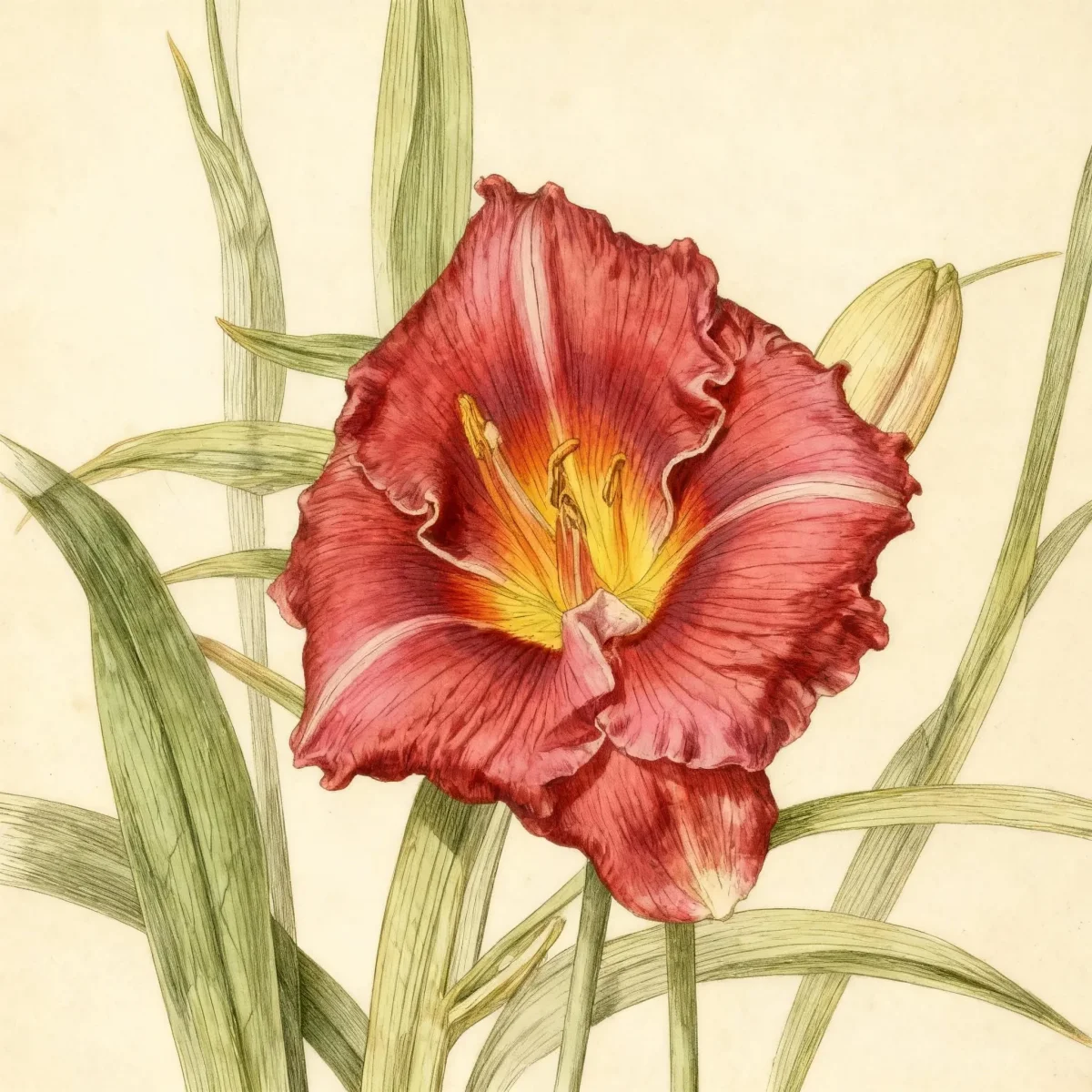
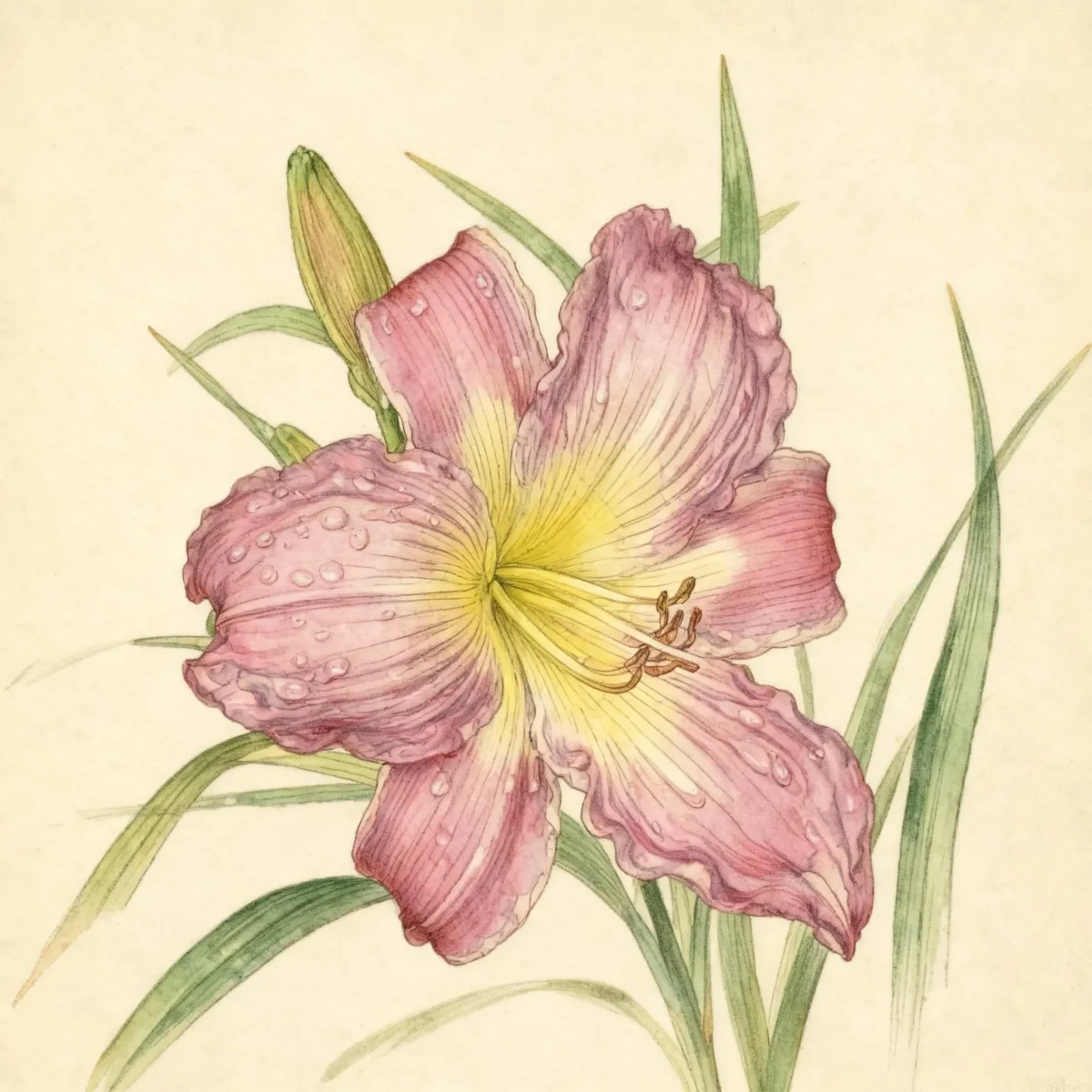
Daylily (Hemerocallis 'Sidewinder Oh Seven')
Hemerocallis 'Sidewinder Oh Seven' is a low-maintenance Daylily featuring showy pink blooms in summer. Hardy Zones 3-9.
Scroll down to discover growing tips, care requirements, companion plants, and more
Complete Plant Information
Overview
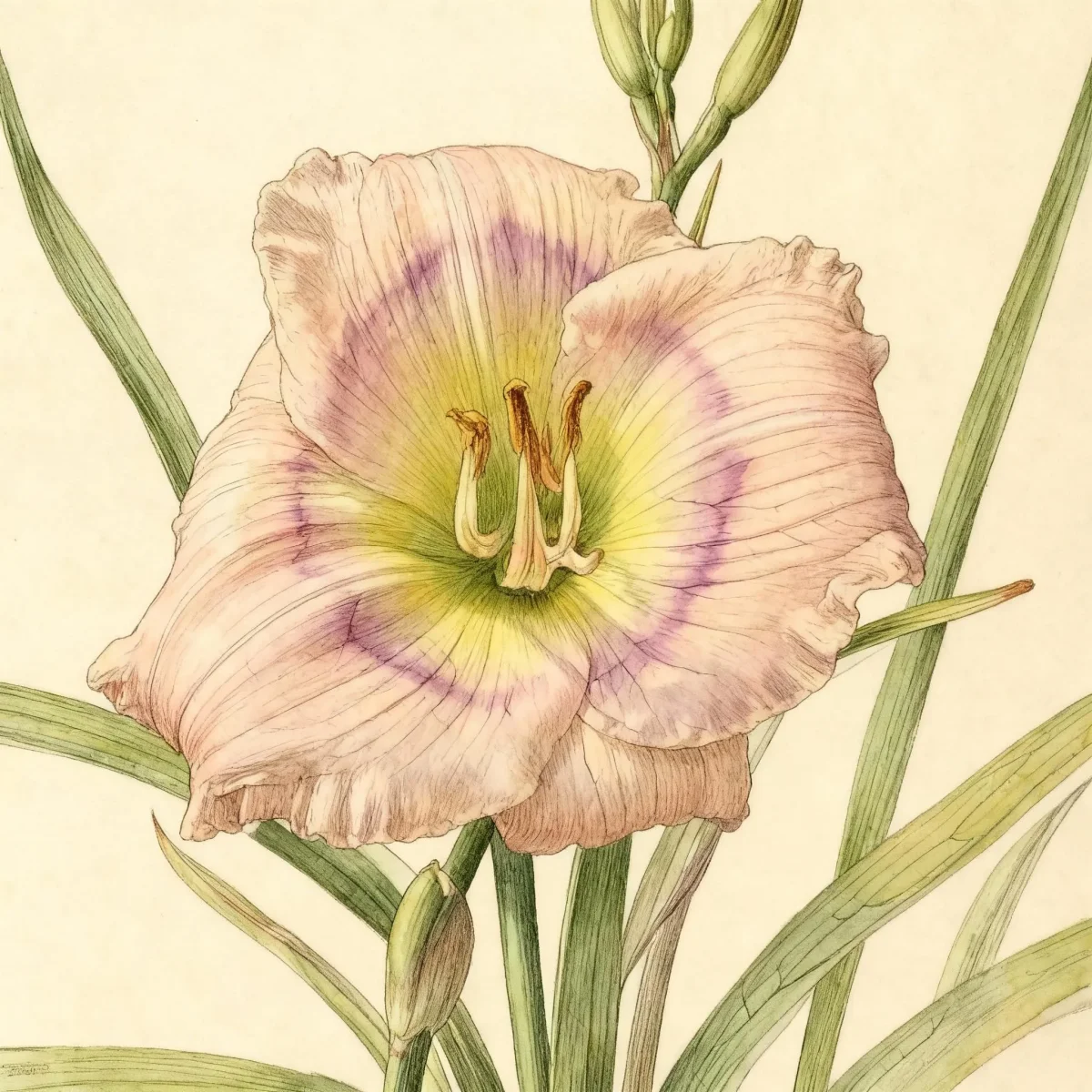
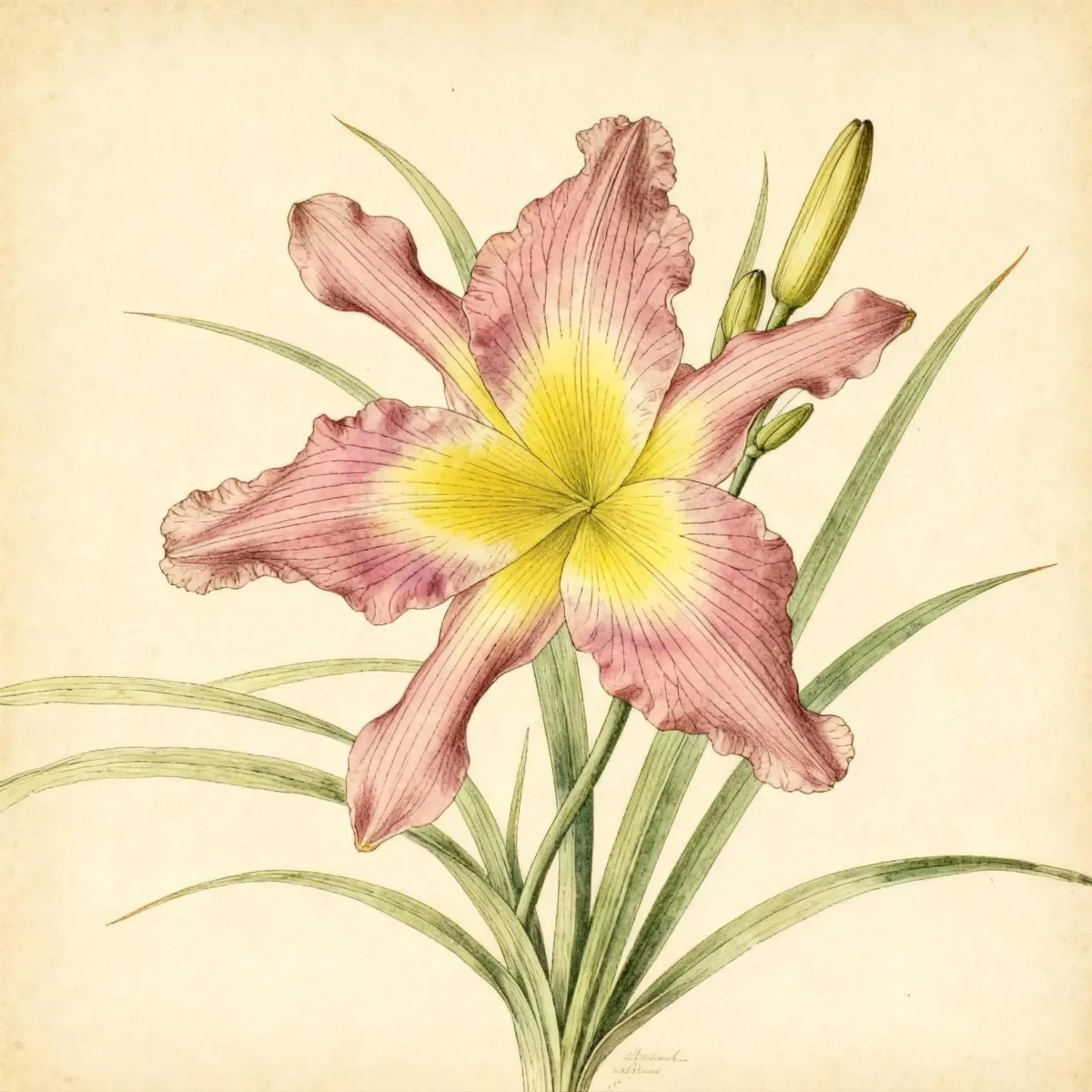
Hemerocallis ‘Sidewinder Oh Seven’ is a dazzling addition to the perennial border, celebrated for its unusual flower form and reliable summer performance. This Daylily cultivar offers distinct, 7-inch pink blooms accented by a green throat, making it a standout performer in gardens across many climates. As a semi-evergreen, reblooming tetraploid daylily, it provides extended color interest throughout the growing season.
This herbaceous perennial is known for its robust nature and adaptability, thriving best when planted in full sun to areas receiving partial afternoon shade. Daylilies, in general, are some of the most versatile and easy-to-care-for flowering plants available to home gardeners today. Planting Hemerocallis ‘Sidewinder Oh Seven’ ensures you receive consistent beauty with minimal fuss, provided the basic soil and moisture needs are met.
Mature clumps of this Daylily reach about two feet tall and spread similarly, providing excellent texture with their grass-like foliage. By deadheading spent blooms, gardeners encourage further flowering, maximizing the display provided by this exceptional Hemerocallis ‘Sidewinder Oh Seven’ cultivar from early summer into late summer.
Fast Facts
- Plant Family: Asphodelaceae
- Plant Type: Herbaceous perennial
- Hardiness Zones: USDA Zones 3-9
- Size at Maturity:
- Height: 1.5-2 ft
- Spread: 1.5-1 ft
- Bloom Time: June to August
- Bloom Description: Pink with green throat
- Sun Exposure: Full sun to part shade
- Water Needs: Medium
- Maintenance Level: Low
How to Grow
Planting Hemerocallis ‘Sidewinder Oh Seven’ is best done in spring or fall, ensuring the fibrous roots establish before extreme weather hits. These Daylilies perform well in a wide range of soils, but the ideal location features deep, fertile loams with medium moisture and excellent drainage. Place plants where they receive full sun for the best bloom count, though they tolerate part shade.
Maintenance for this low-maintenance variety is straightforward. Deadhead spent flowers daily, a practice that encourages repeat blooming, and remove the entire flower scapes once blooming has finished completely. While Daylilies tolerate heat and humidity, deep watering during dry spells is appreciated to keep the foliage looking lush and attractive throughout the summer.
For optimal performance, mature clumps of Daylily should be divided every three to four years, ideally in the spring, especially in colder winter regions like the St. Louis area. Be aware that Hemerocallis ‘Sidewinder Oh Seven’ is a winter dormant type; it requires a cold period for best blooming and is therefore less suitable for the warmest extent of its range (Zone 9 and above).
Landscape Uses
The reliable structure and vibrant blooms of Daylilies make them essential workhorses in landscape design. Hemerocallis ‘Sidewinder Oh Seven’ excels when used in mixed perennial borders, providing vertical accents softened by its slender, arching foliage. They are superb for edging pathways or mass planting over large slopes where their low maintenance requirements are highly valued.
Planting Daylilies in drifts creates a powerful visual impact, particularly when paired with contrasting textures like hostas or spiky ornamental grasses. While this cultivar matures to about two feet, smaller varieties are often utilized in rock gardens, though ‘Sidewinder Oh Seven’ is perfectly sized for mid-border placements where its unique pink blooms can be easily viewed.
Standout Features
Flower Qualities
- Showy
Noteworthy Characteristics
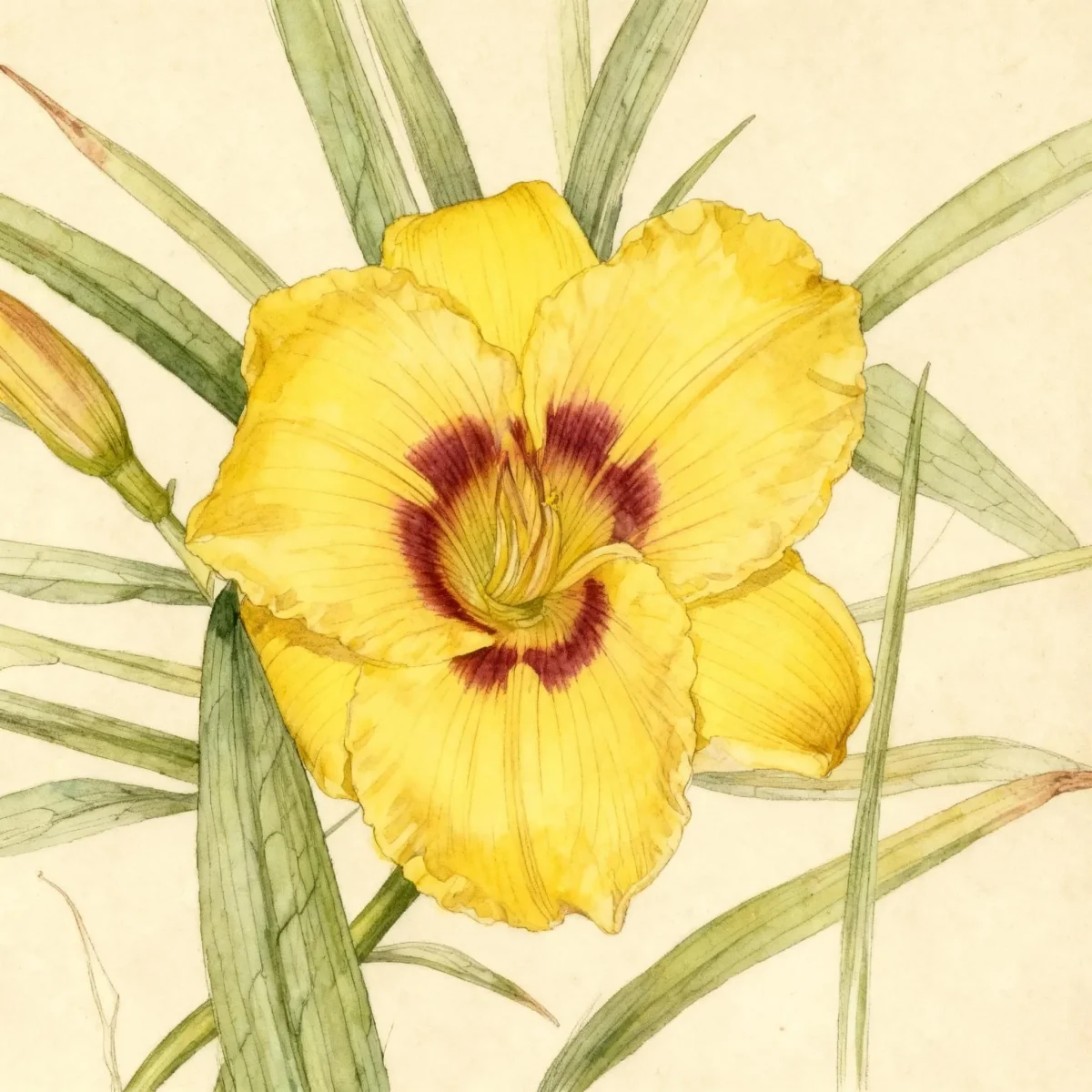
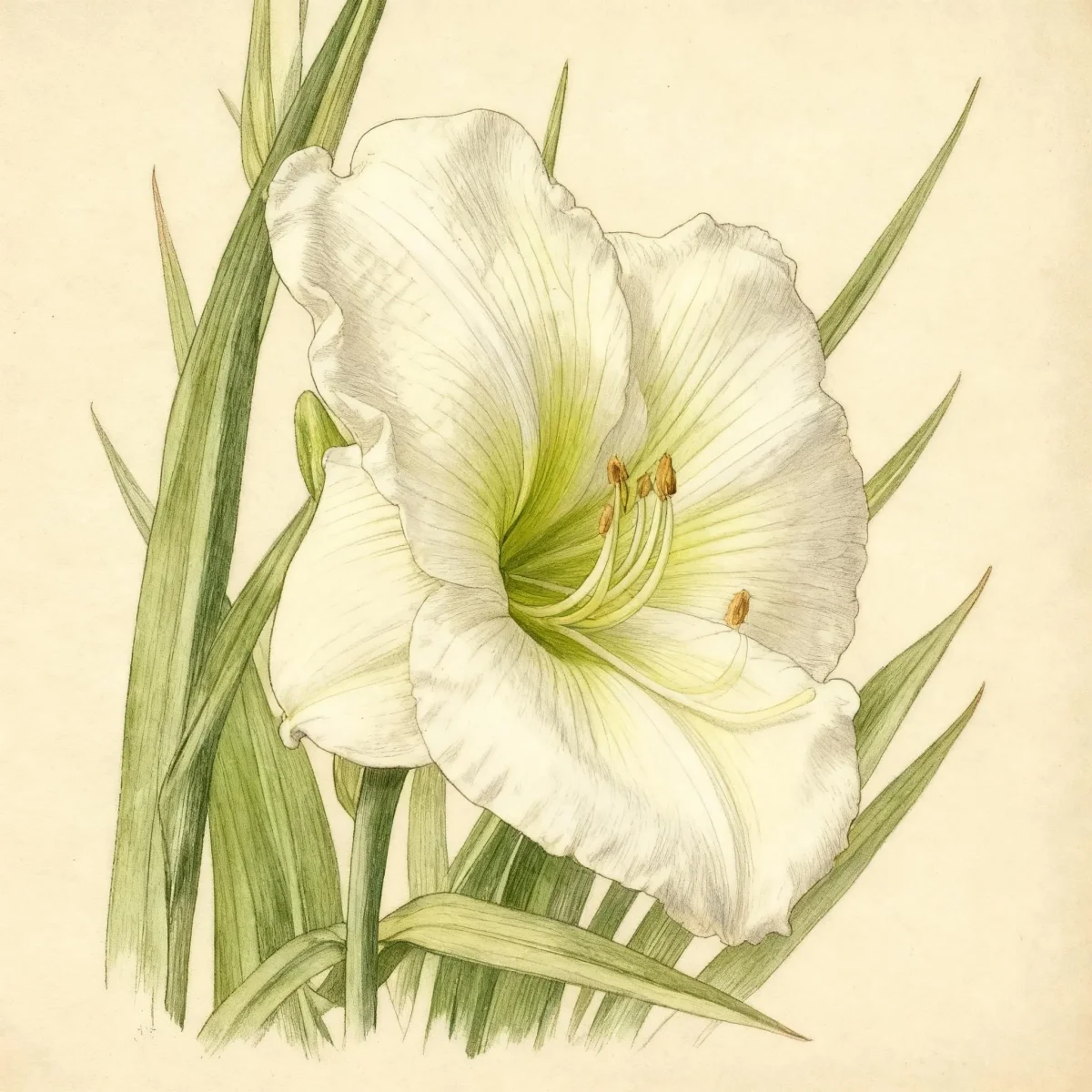
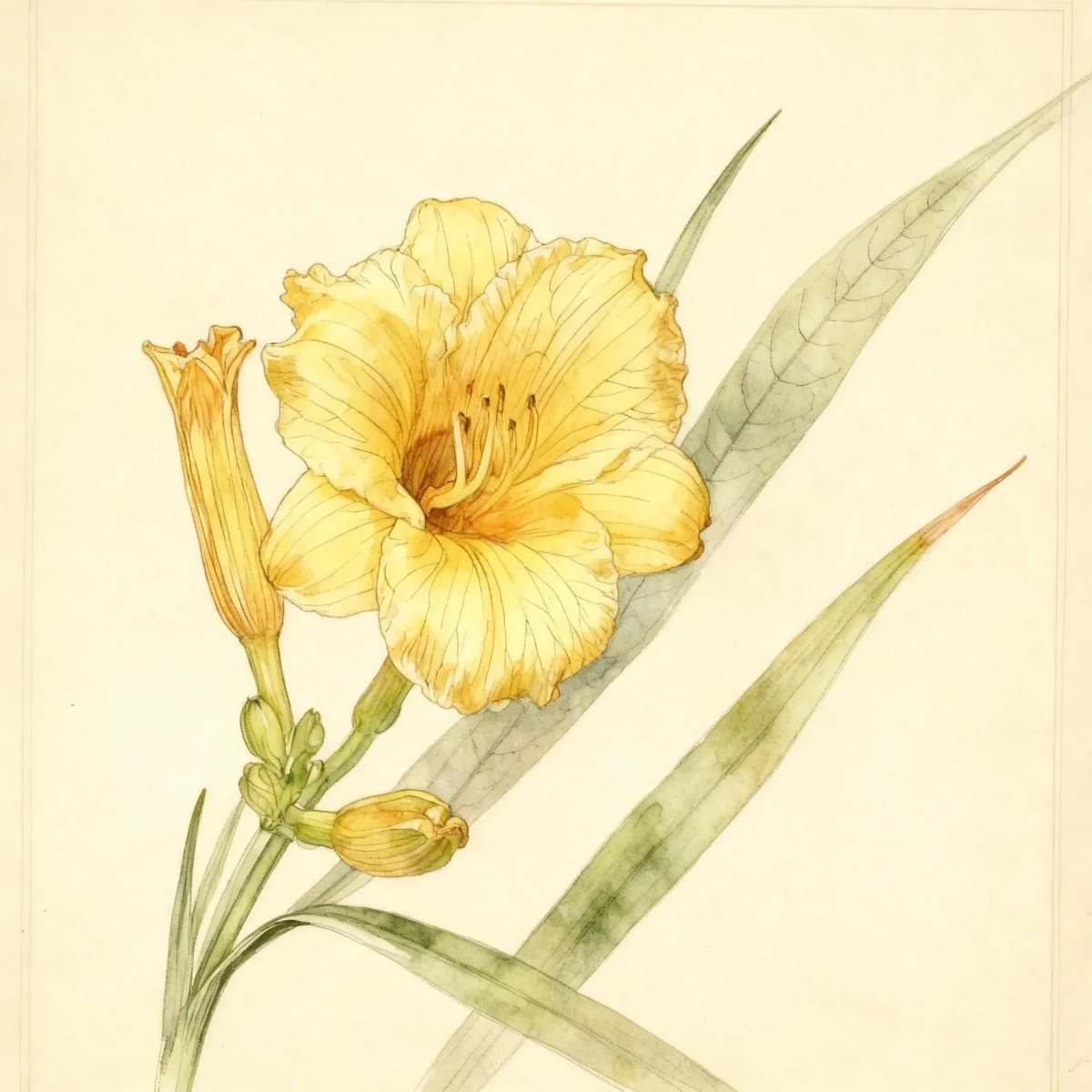
Hemerocallis is a genus of about 15 species of herbaceous perennials commonly known as daylilies. Hybridizers have expended considerable effort over the years creating new daylilies featuring flowers with new colors, color combinations, shapes and patterns. ‘Sidewinder Oh Seven’ is a semi-evergreen, reblooming, tetraploid daylily cultivar, classified as Unusual Form due to its pinched, crispate petals, which reach 7” in diameter atop 2.25’ scapes.
Tolerances
- Rabbit
Potential Problems
Daylilies are famously adaptable and generally pest-free, making them gardener favorites. Occasionally, mites, aphids, or thrips may affect foliage, but infestations are usually minor. Daylily rust can be a concern in humid climates, requiring preventative spraying if previous years showed issues. On a positive note, rabbits tend to completely avoid the foliage of the Daylily.
Frequently Asked Questions
What hardiness zones is Daylily suitable for?
Hemerocallis ‘Sidewinder Oh Seven’ is suitable for USDA Zones 3 through 9.
How large does Daylily grow?
Mature clumps of this Daylily reach approximately 1.5 to 2 feet in height, with a spread lasting between 1 and 1.5 feet.
What sun exposure does Daylily need?
This Daylily variety requires full sun to part shade for optimal growth and flowering performance.
When does Daylily bloom?
The primary bloom time for Hemerocallis ‘Sidewinder Oh Seven’ is June to August, producing gorgeous pink flowers with a green throat.
Conclusion
Hemerocallis ‘Sidewinder Oh Seven’ offers remarkable value through its low maintenance requirements and striking, unusual form pink blooms, making it a dependable performer from USDA Zone 3 northward. This specific Daylily cultivar provides excellent mid-season color and impressive rebloom potential within the herbaceous perennial landscape. Ensure your site offers well-drained soil and confirm your zone compatibility before planning your spring planting of this fantastic Daylily.
Companion Planting
Choosing effective companions for Daylilies centers on plants that appreciate similar sun exposure and moisture levels, while providing textural contrast. Pairing Hemerocallis ‘Sidewinder Oh Seven’ with plants near the front of the border, such as ornamental sages (Salvia) or catmint (Nepeta), creates a lovely blend of fine foliage and sturdy flower spikes. In shadier spots, the broad, contrasting leaves of Hostas or ornamental ferns make excellent choices that appreciate the filtered light Daylilies tolerate.
Seasonal Care Calendar
Managing your Hemerocallis ‘Sidewinder Oh Seven’ effectively requires attention across the seasons. In early spring, cut back any remaining old foliage from the previous year to encourage clean new growth. Throughout the active bloom period of June through August, consistent deadheading is crucial to promote subsequent flushes of pink flowers on this reblooming cultivar. In late fall, particularly in colder zones, allow the foliage to die back naturally to help feed the crown before the winter dormancy sets in.