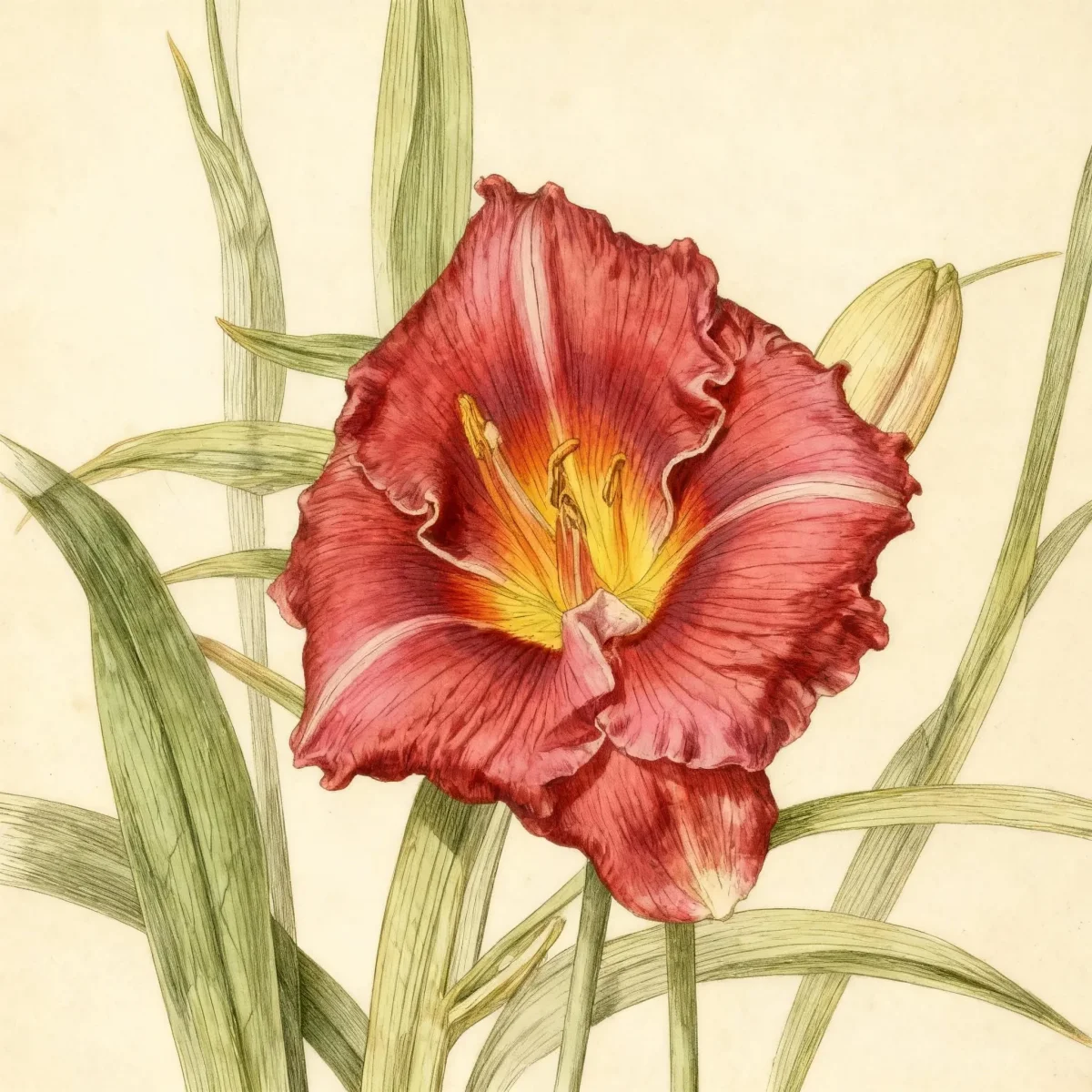
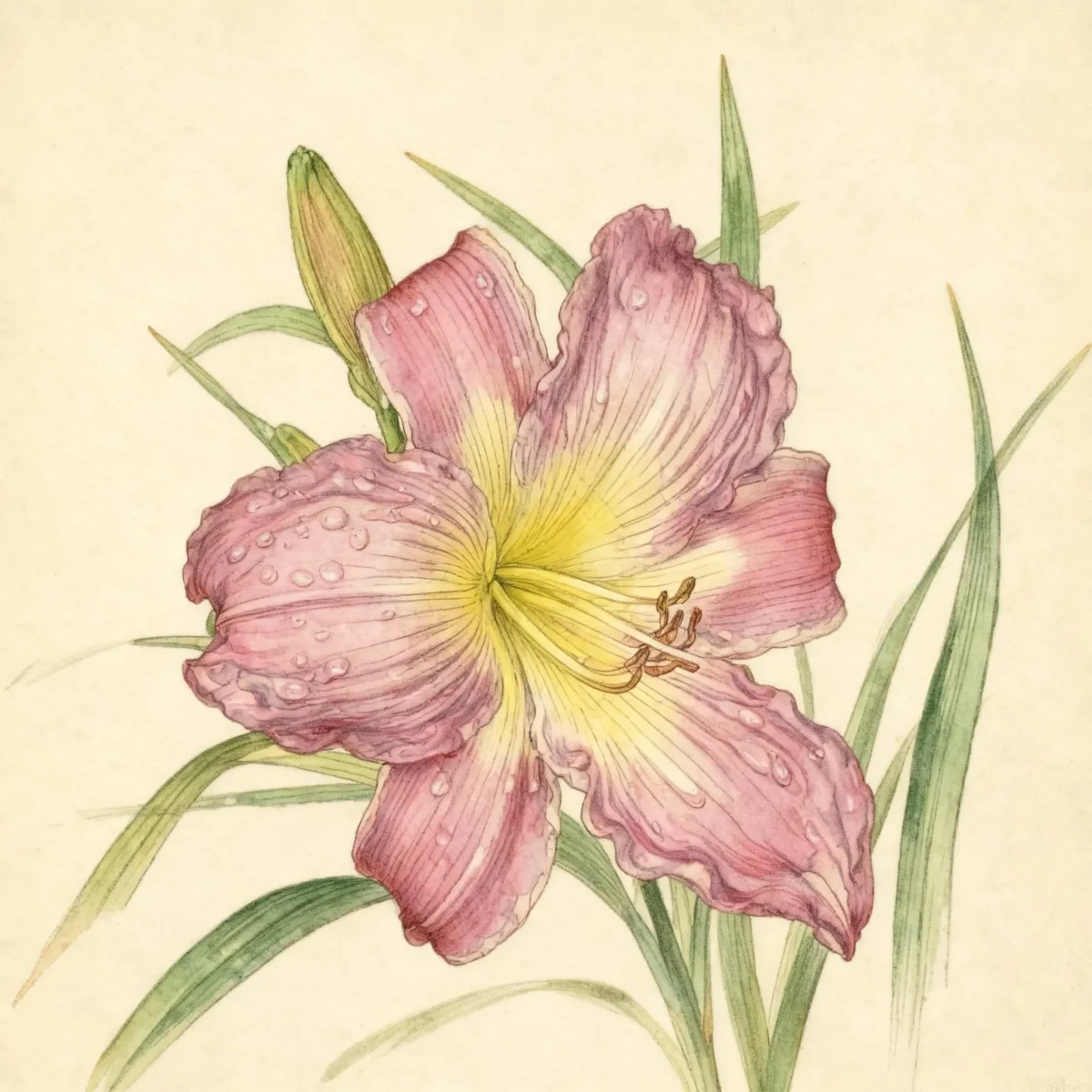
Daylily (Hemerocallis 'Texas Big Bend')
Hemerocallis 'Texas Big Bend' is a fragrant, reblooming Daylily known for showy orange flowers. Low maintenance perennial for Zones 3-9.
Scroll down to discover growing tips, care requirements, companion plants, and more
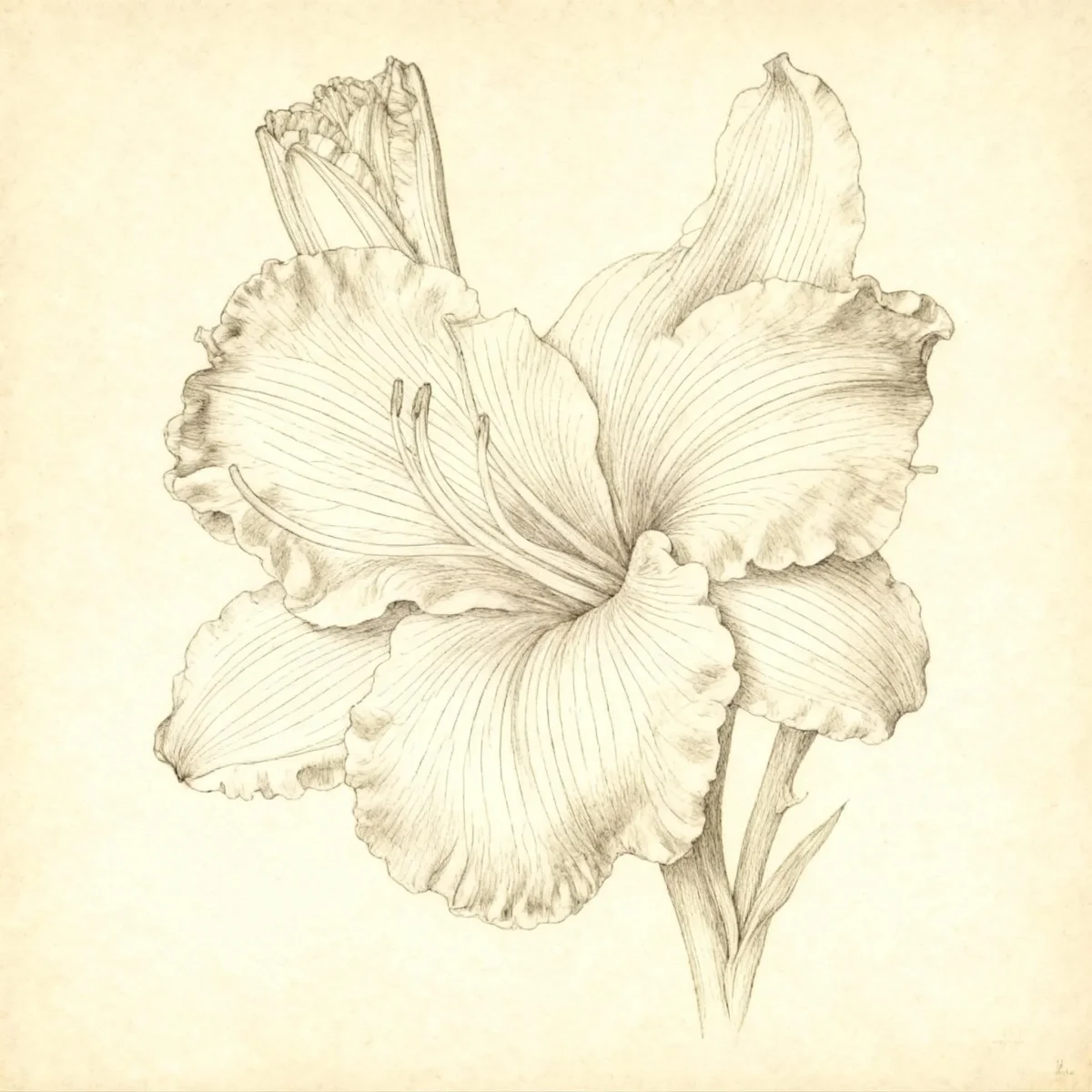
Complete Plant Information
Overview
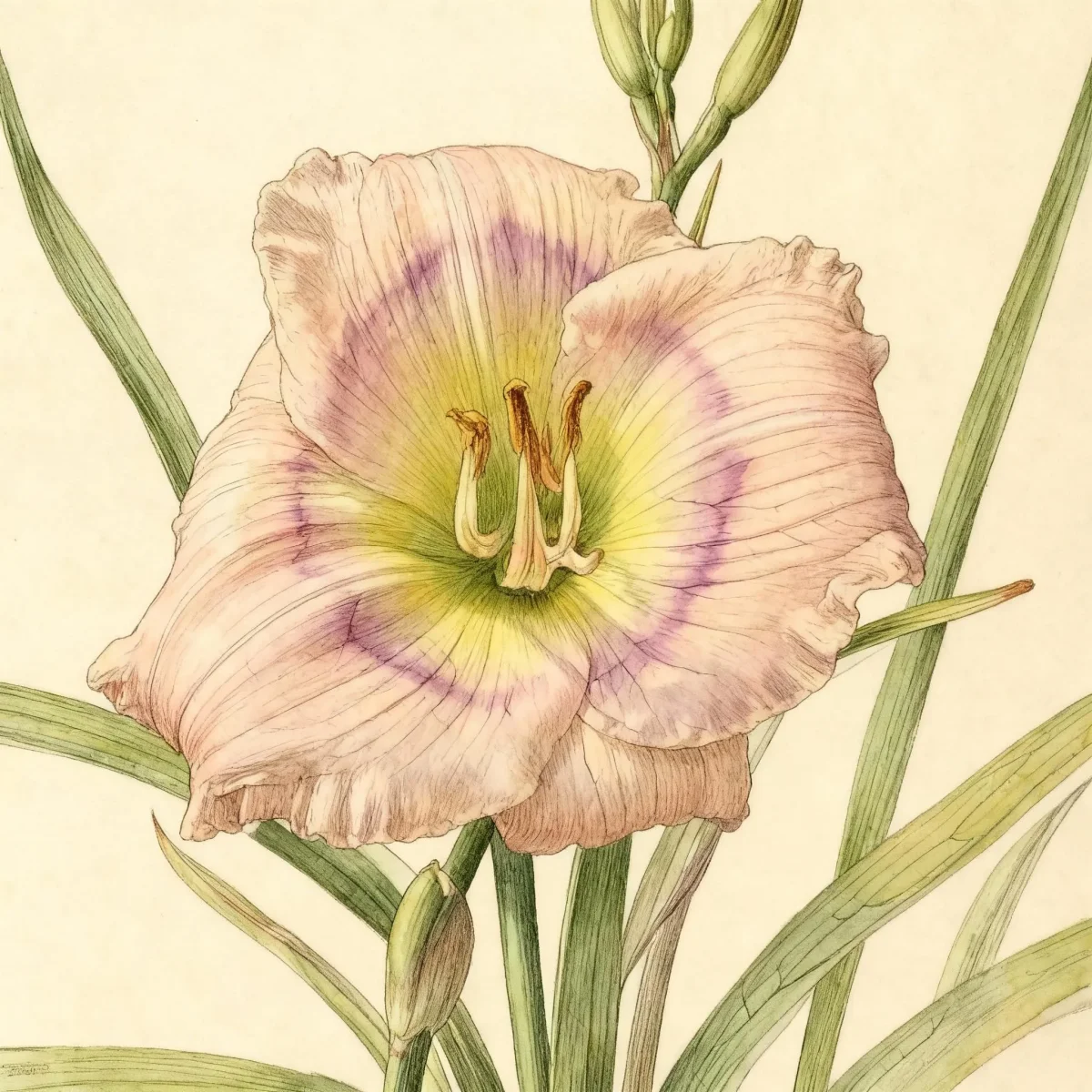
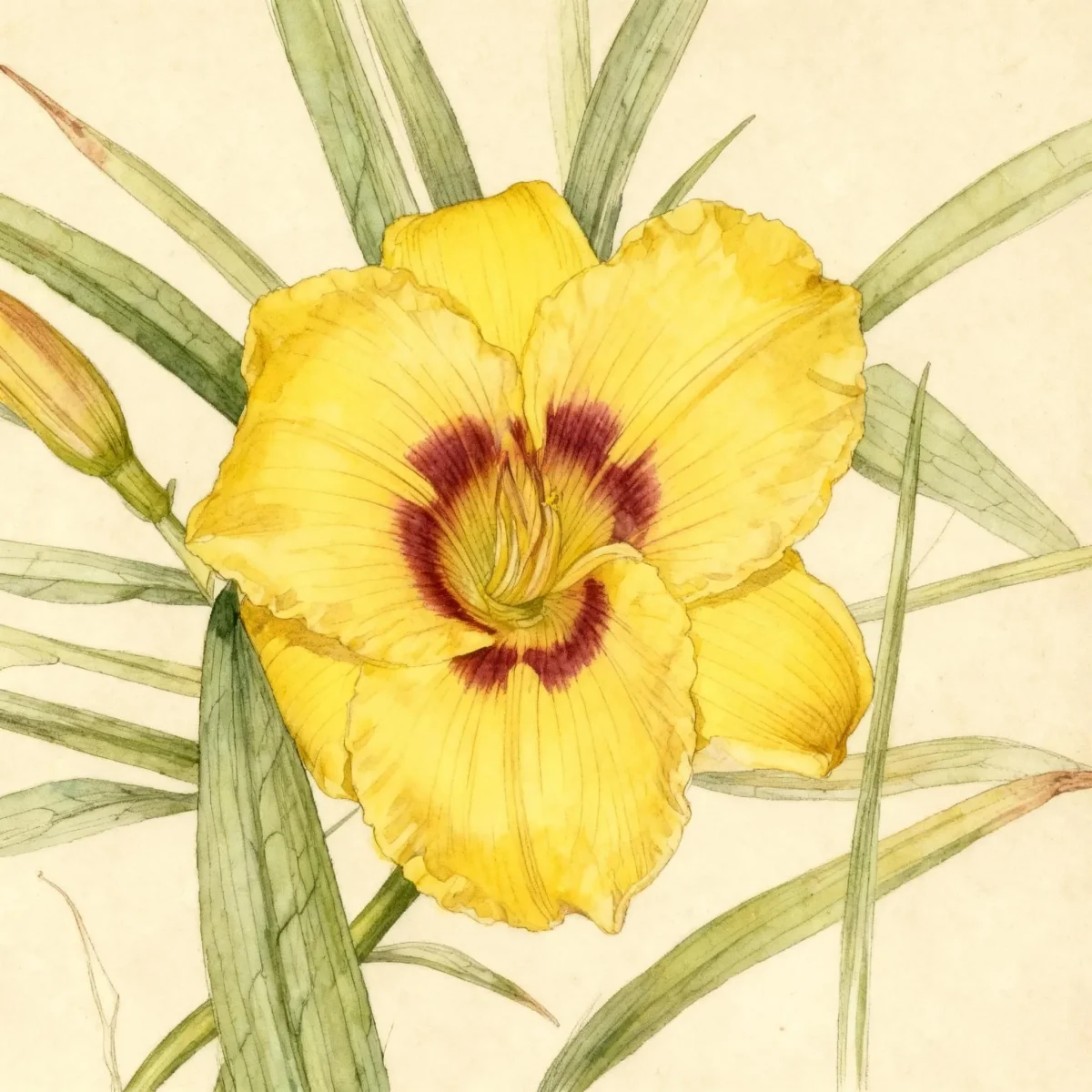
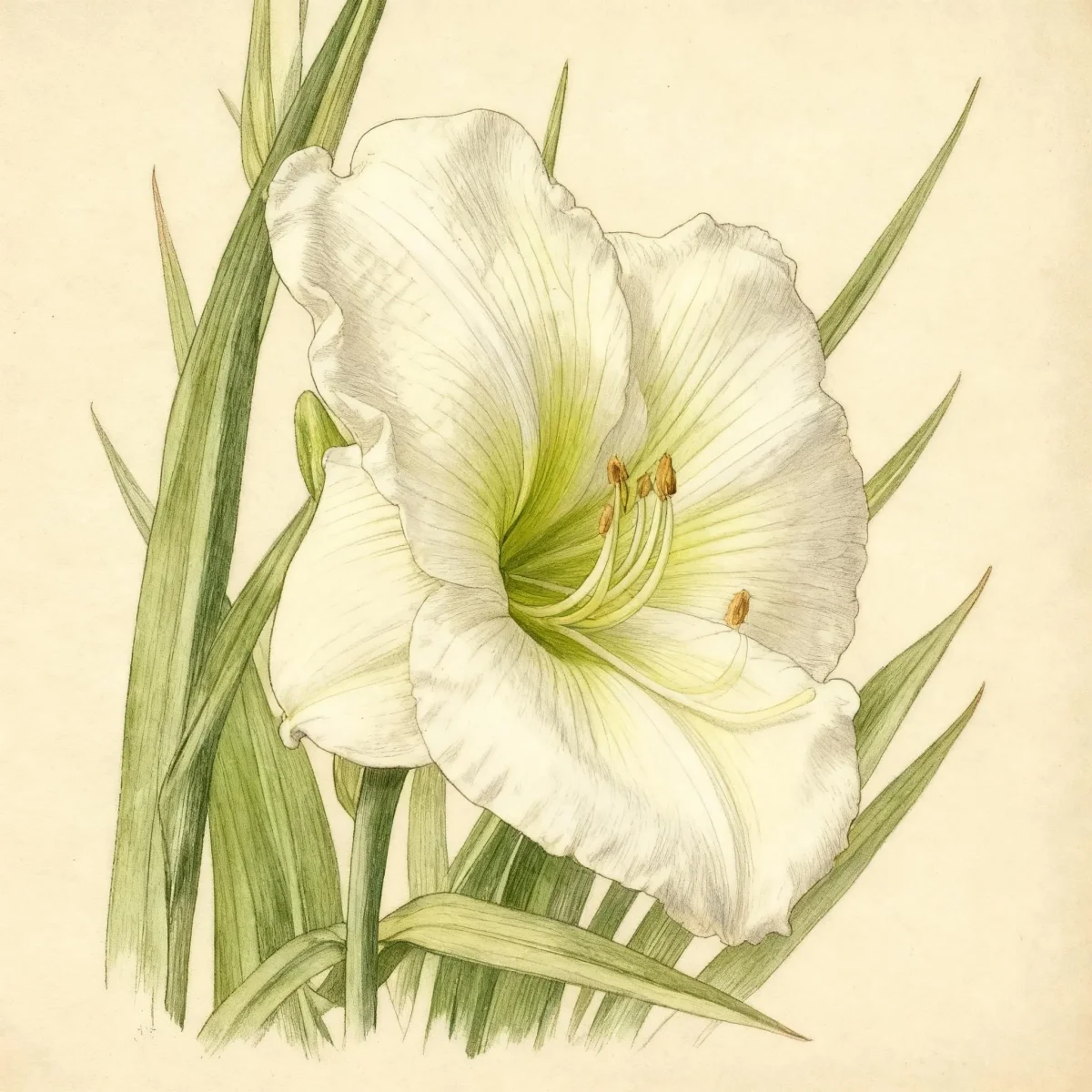
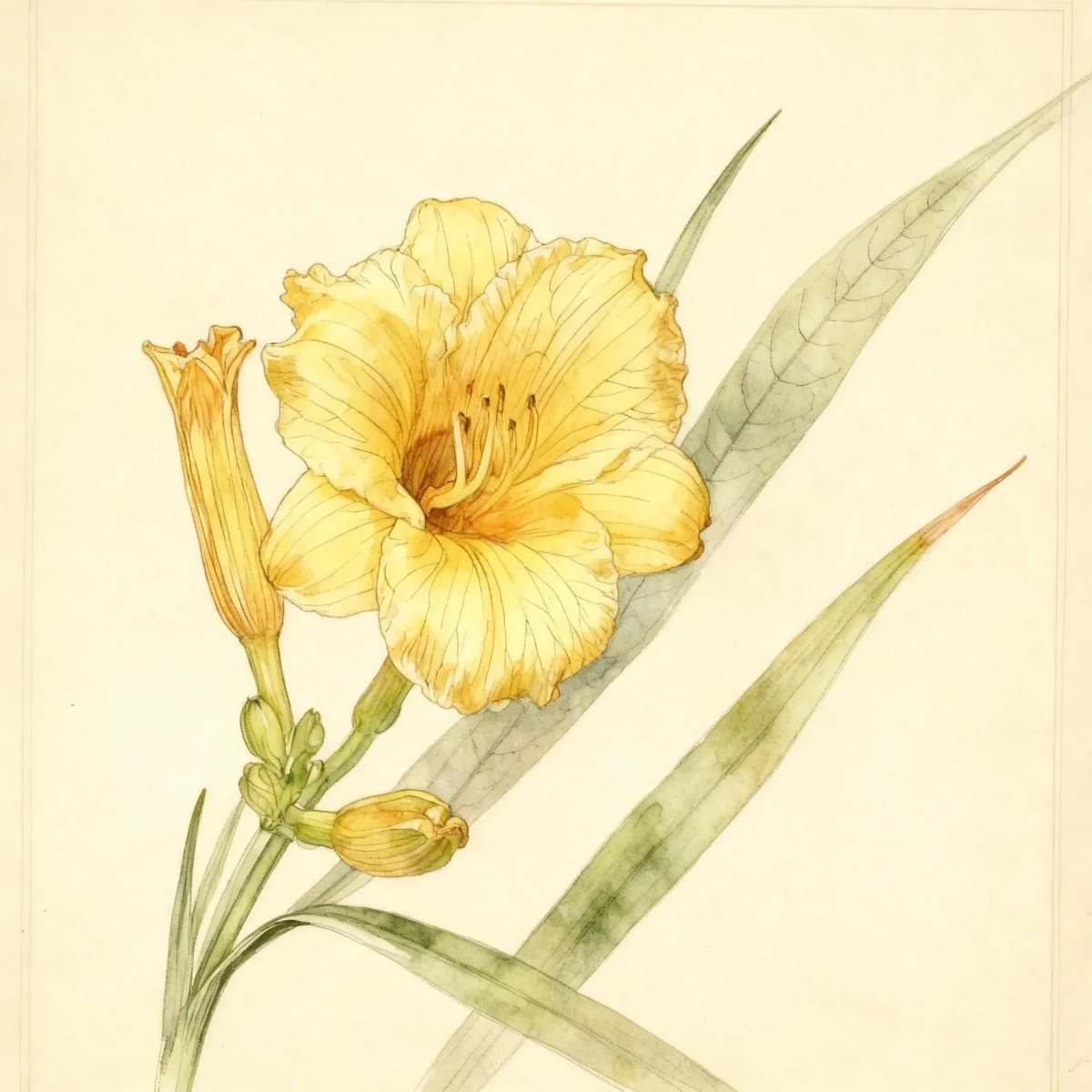
Hemerocallis ‘Texas Big Bend’ is a spectacular evergreen, reblooming tetraploid Daylily prized by gardeners for its striking color and extended bloom season. This variety features showy, fragrant orange blooms, each highlighted by a vibrant green throat, making it a reliable performer in temperate landscapes. As a low-maintenance herbaceous perennial, this Daylily offers significant visual impact with minimal yearly effort.
The mature clumps of Hemerocallis ‘Texas Big Bend’ reach about two feet tall and wide, fitting neatly into borders or mass plantings. Its fibrous roots and heat/humidity tolerance make it incredibly adaptable across USDA Zones 3 through 9. Gardeners value this cultivar for its ability to produce successive waves of color from early to mid-season, often extending sporadically through the summer months.
This Daylily is exceptionally easy to integrate into established garden spaces, providing reliable structure with its grass-like foliage. Whether used as an edging plant or in large groupings, Hemerocallis ‘Texas Big Bend’ delivers consistent beauty, ensuring that the classic charm of the Daylily remains prominent in the garden design.
Fast Facts
- Plant Family: Asphodelaceae
- Plant Type: Herbaceous perennial
- Hardiness Zones: USDA Zones 3-9
- Size at Maturity:
- Height: 1.5-2 ft
- Spread: 1.5-2 ft
- Bloom Time: June to August
- Bloom Description: Orange with green throat
- Sun Exposure: Full sun to part shade
- Water Needs: Medium
- Maintenance Level: Low
How to Grow
Planting Hemerocallis ‘Texas Big Bend’ is best done in spring or fall, ensuring the fibrous roots get established before extreme weather. These Daylilies thrive in average, medium moisture, well-drained soils. While they perform well in many conditions, they show superior vigor when grown in deep, fertile loams, and require full sun for the best bloom display, though they tolerate light afternoon shade.
Maintenance for this low-maintenance perennial centers on routine cleanup and water management during drought. It is crucial to deadhead spent flowers daily for visual appeal and remove the entire scape once blooming has finished for the season. Although tolerant of humidity and summer heat, deep watering during dry spells is appreciated to keep the attractive, linear foliage looking its best.
For optimal flowering performance, plan on dividing mature clumps of your Daylily every three to four years, typically in the spring, especially in areas with harsh winters. Because Hemerocallis ‘Texas Big Bend’ is a winter-dormant type, it requires that cold winter rest period to set buds properly; this makes it less ideal for the warmest parts of Zone 9 where dormancy may not be achieved.
Landscape Uses
The robust nature and manageable size of Hemerocallis ‘Texas Big Bend’ make it an indispensable workhorse in landscape design. These plants function beautifully as edging along pathways or driveways, providing a clean, neat line. They are also excellent for mass plantings, quickly covering large areas with rich foliage and providing a solid block of color during the summer months.
This Daylily excels when used to soften the transition between sun-loving perennials and lawn areas. Consider planting them in drifts against a backdrop of evergreen shrubs, where their summer color will contrast sharply with the dark foliage. Due to its hardiness and low demands, Hemerocallis ‘Texas Big Bend’ works perfectly in mixed perennial borders requiring reliable, repeated performance year after year.
Standout Features
Flower Qualities
- Showy
- Fragrant
Noteworthy Characteristics
The genus Hemerocallis, commonly known as Daylily, derives its name from the Greek words hemera (day) and kallos (beauty), reflecting that each individual bloom typically lasts only one day. Hybridizers have produced over 60,000 registered cultivars, showcasing an array of forms and colors, though blue remains elusive. ‘Texas Big Bend’ itself is a noteworthy evergreen, reblooming tetraploid cultivar presenting 6.5-inch orange flowers held aloft on two-foot scapes.
Tolerances
- Rabbit
Potential Problems
Daylilies are renowned for being extremely adaptable and relatively pest-free herbaceous perennials, contributing to their low maintenance rating. Gardeners should remain vigilant, however, for occasional outbreaks of mites, aphids, or thrips, which can usually be managed with simple horticultural oils or insecticidal soap. In humid climates, Daylily rust can become an issue, requiring increased air circulation or fungicide application.
A significant benefit is that rabbits tend to avoid consuming Daylily foliage, making Hemerocallis ‘Texas Big Bend’ a safe choice for gardens where deer or rabbit pressure is a concern. Good cultural practices, such as prompt deadheading and proper division, are the best proactive defenses against most minor issues.
Frequently Asked Questions
What hardiness zones is Daylily suitable for?
Hemerocallis ‘Texas Big Bend’ is suitable for USDA Hardiness Zones 3 through 9.
How large does Daylily grow?
This Daylily typically matures to a height between 1.5 and 2 feet, with a spread ranging from 1.5 to 2 feet wide.
What sun exposure does Hemerocallis ‘Texas Big Bend’ need?
This plant requires full sun to part shade conditions to produce its best flush of blooms.
When does Daylily bloom?
The main flowering period for this Daylily is from June through August, often showing sporadic reblooming afterward.
Conclusion
Hemerocallis ‘Texas Big Bend’ offers exceptional garden value through its hardiness, low maintenance requirements, and reliable fragrant summer color. Integrating this vibrant orange Daylily into your garden ensures seasonal cheer without demanding intensive care. Before planting, confirm that your site falls within Zones 3-9 and prepare soil to be deep and well-drained for the best performance from your new Hemerocallis ‘Texas Big Bend’.
Companion Planting
Selecting appropriate companions helps maintain the overall health and aesthetic of your Daylily bed. Plants that appreciate similar moisture levels but offer contrasting foliage textures work exceptionally well alongside the sword-like leaves of Hemerocallis ‘Texas Big Bend’. Consider pairing them with Salvia or Nepeta, which provide spikes of color without competing aggressively for root space.
For areas receiving consistent heat and sun, taller ornamental grasses can create an attractive vertical contrast when planted behind clumps of Daylilies. Since Daylilies perform best when divided every few years, choose companions that are similarly easy to divide or that can tolerate being temporarily disturbed during the spring division process.
Design Ideas for Mass Planting
Mass planting Daylilies, such as Hemerocallis ‘Texas Big Bend’, is an effective strategy for achieving high visual impact with minimal labor. Planting groups of five or more specimens creates a cohesive, undulating sea of color when they bloom simultaneously during their peak in early to mid-season. This technique is ideal for large slopes or buffering unattractive views within the landscape.
Because this cultivar is evergreen in warmer regions, it provides necessary structure even outside of its primary bloom time. Use masses of this Daylily to define the edges of large lawn areas or to create informal drifts underneath high-canopy, mature trees where other flowering perennials might struggle due to lower light levels.