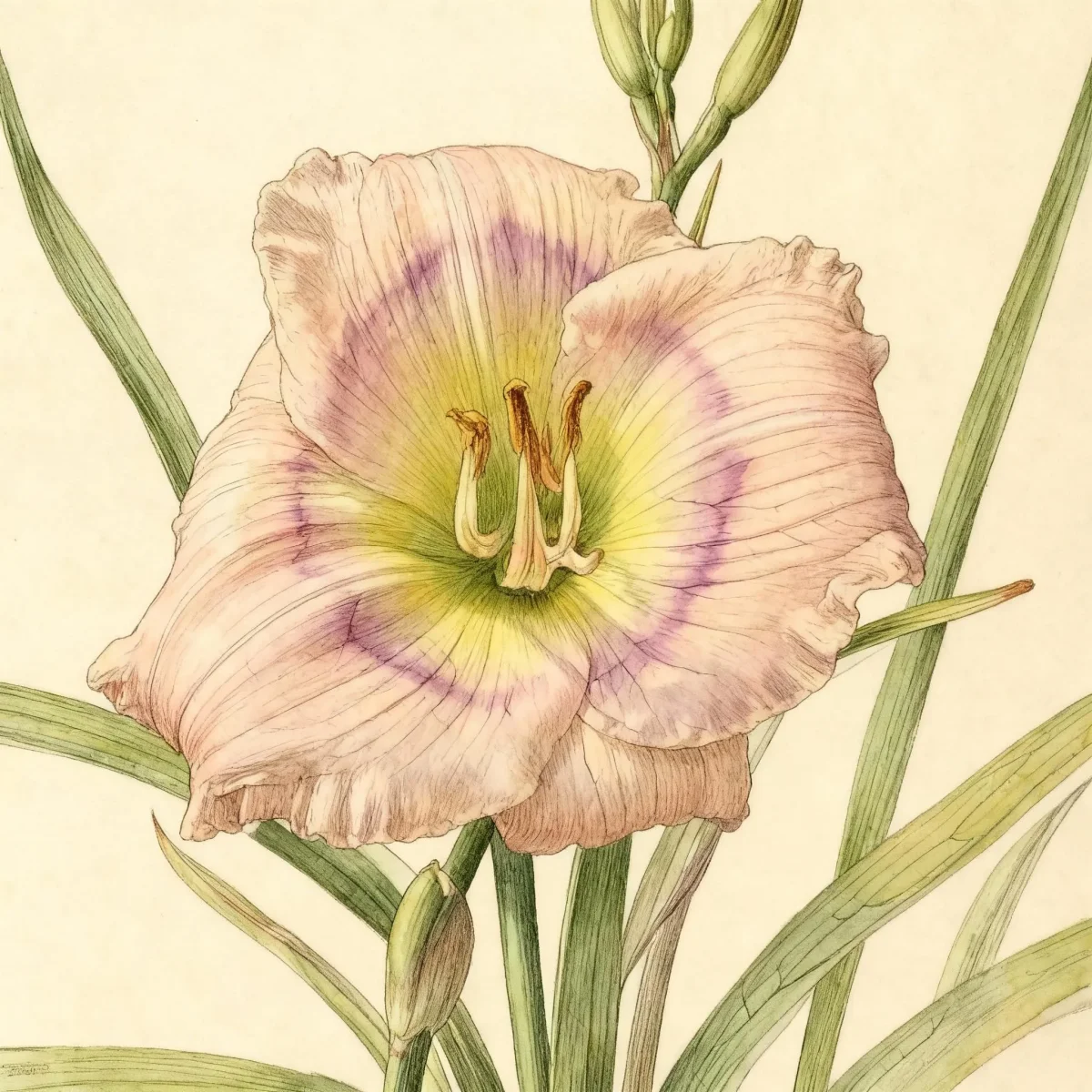
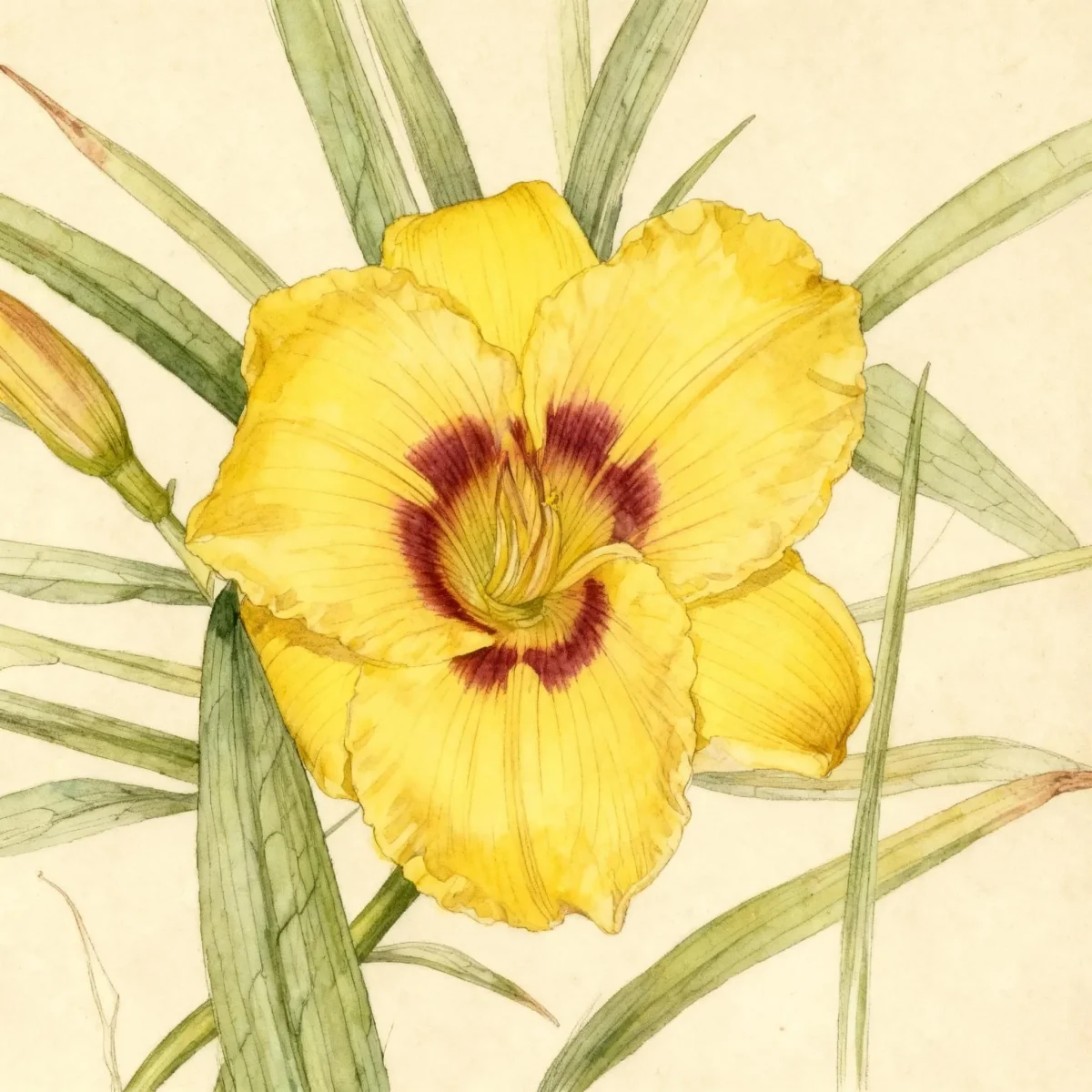
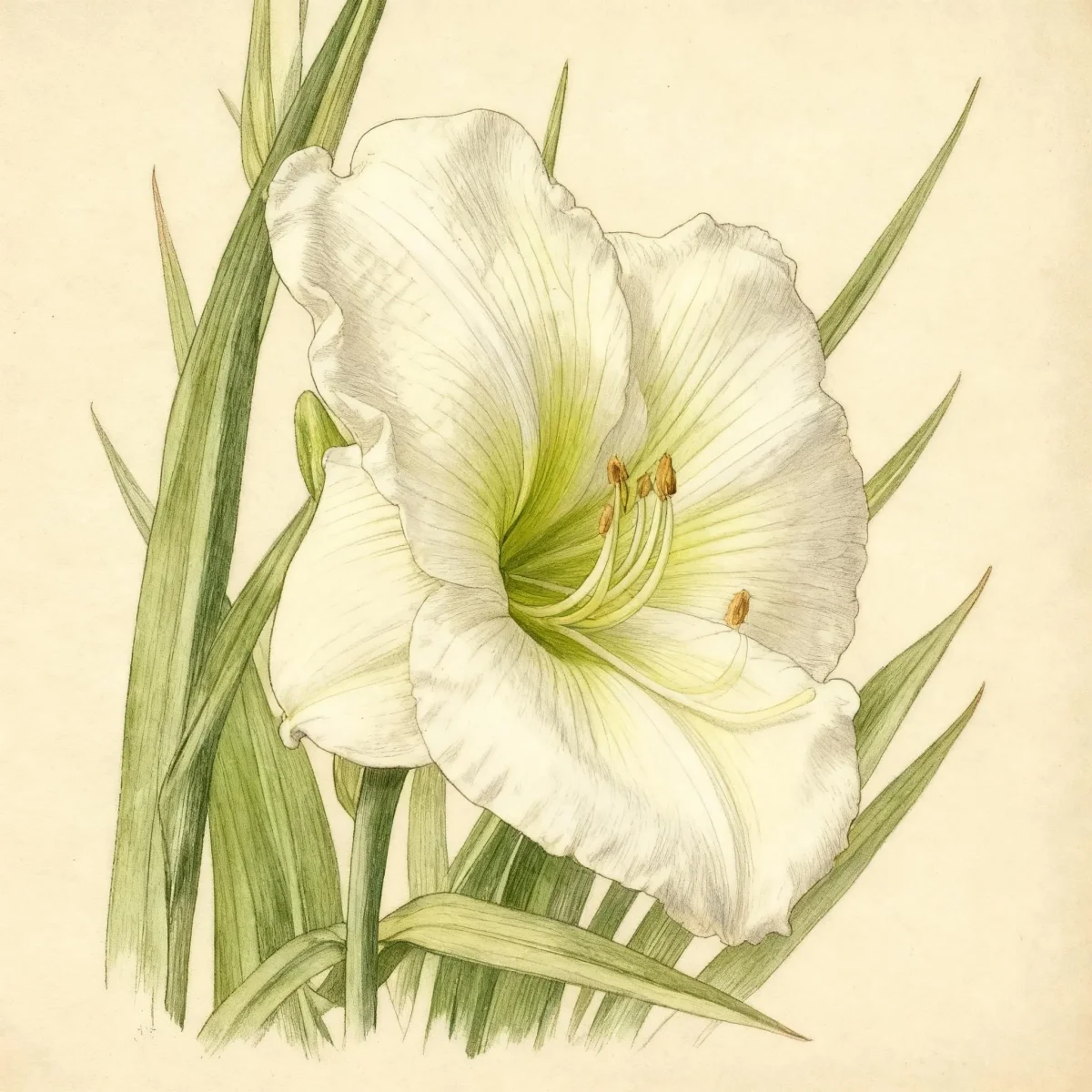
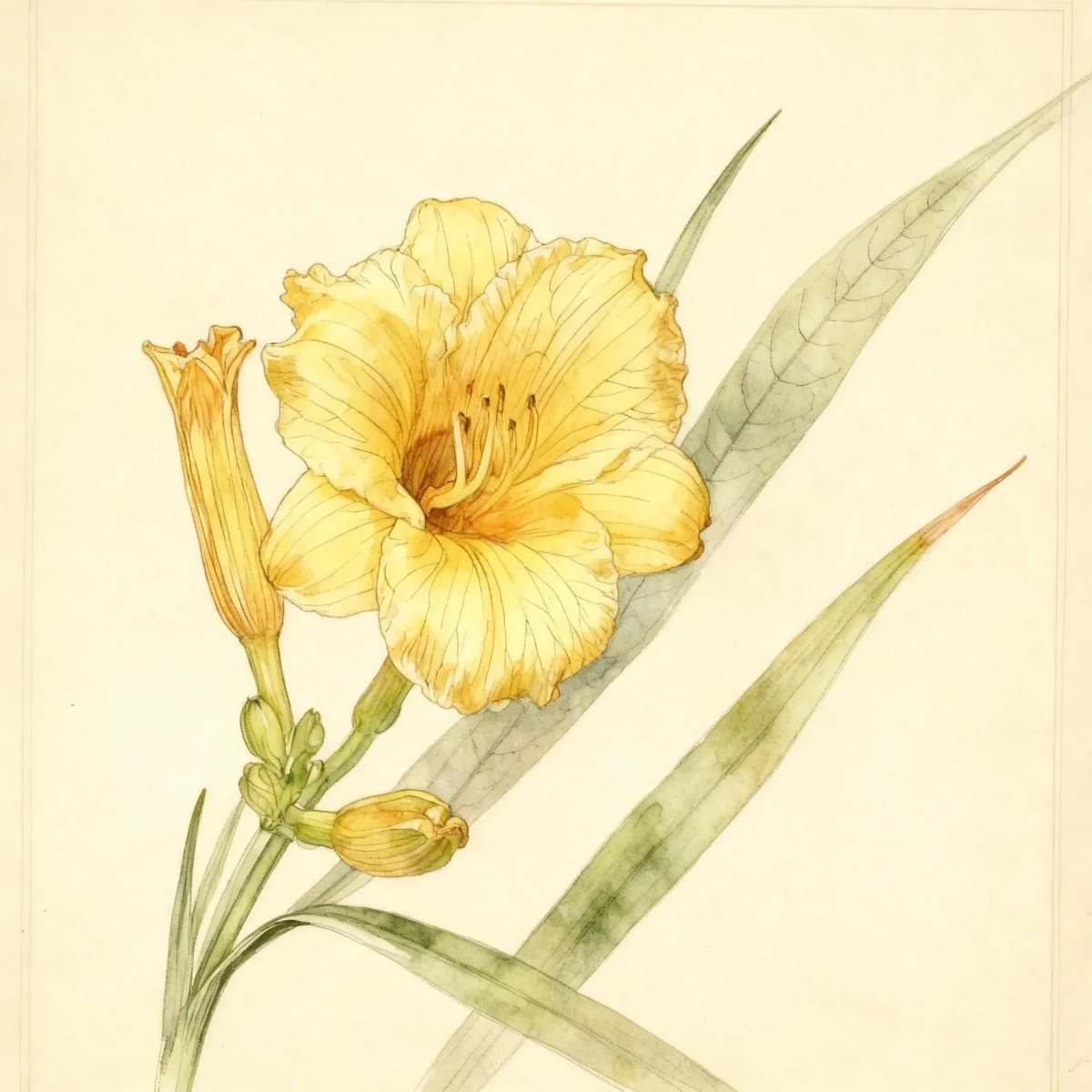
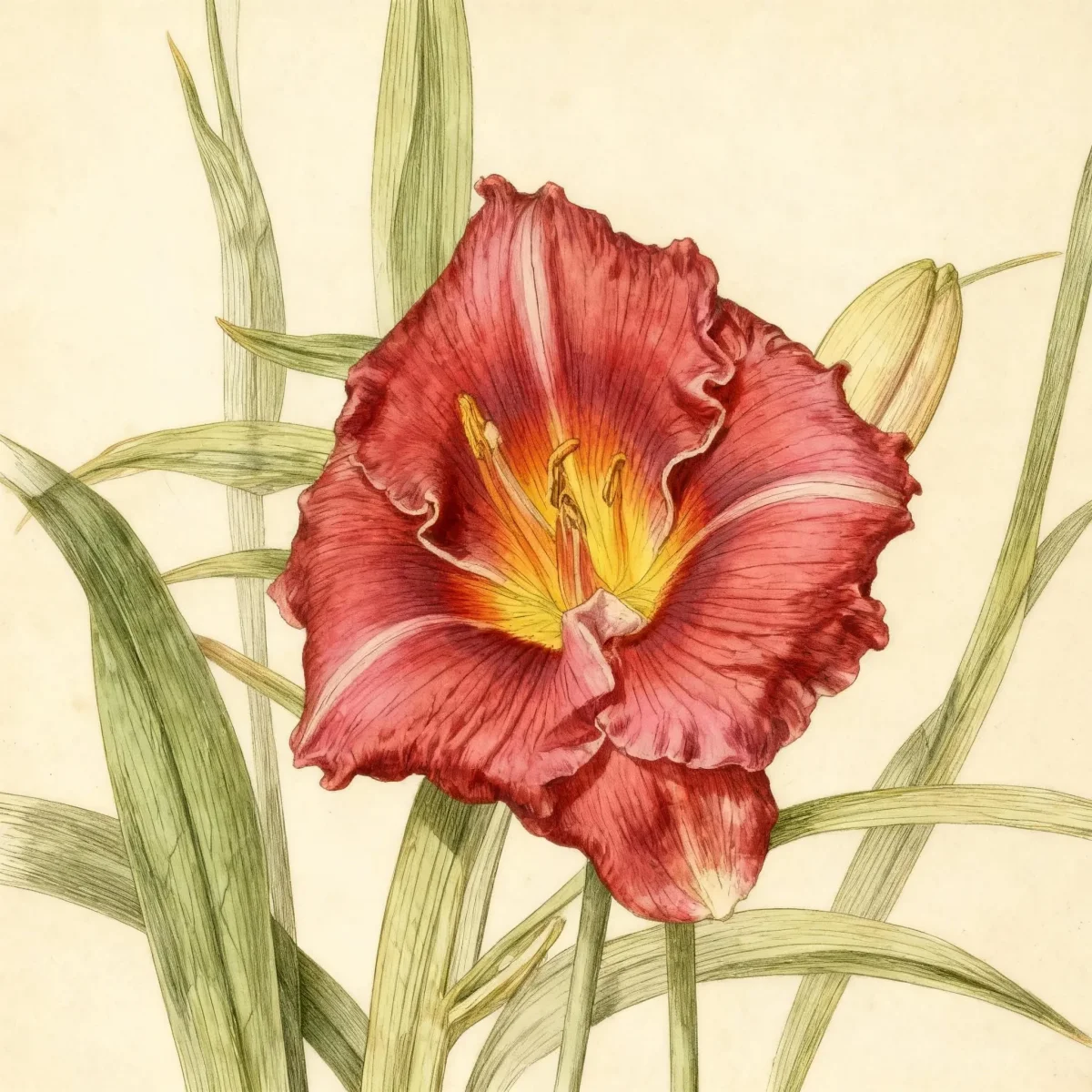
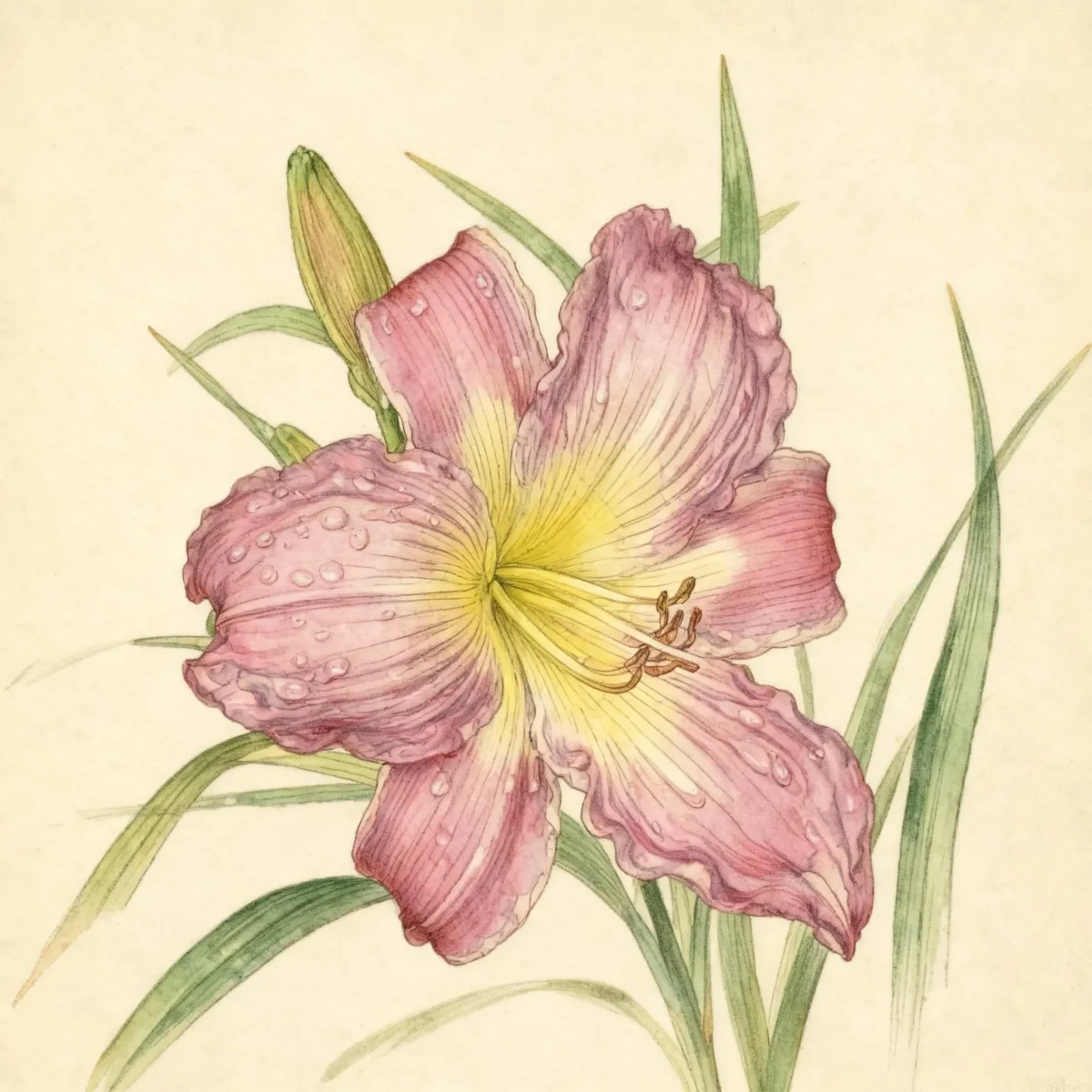
Daylily (Hemerocallis 'Zuni Thunderbird')
Hemerocallis 'Zuni Thunderbird' is a low-maintenance Daylily featuring showy, burgundy flowers from June to July.
Scroll down to discover growing tips, care requirements, companion plants, and more
Complete Plant Information
Overview
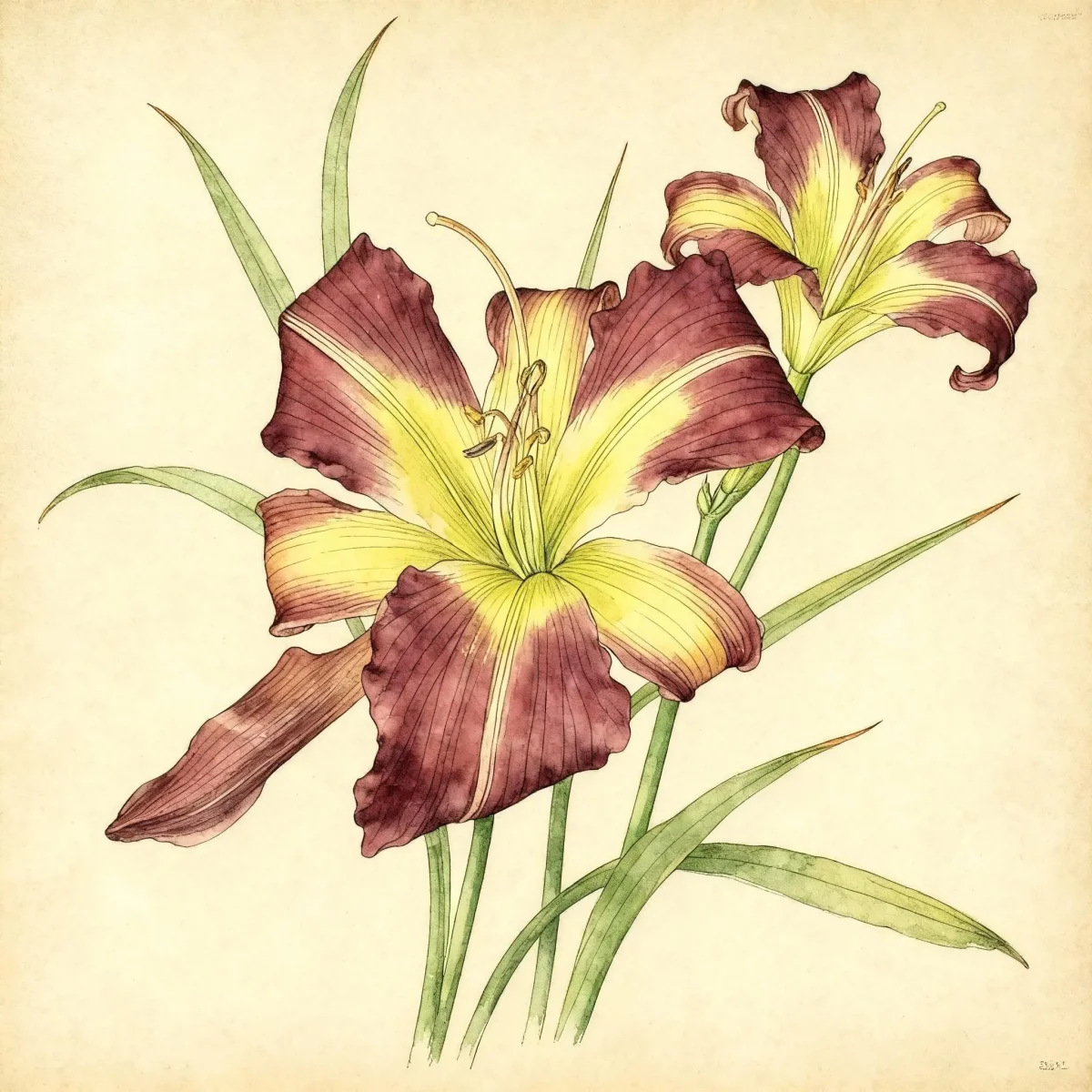
The striking Hemerocallis ‘Zuni Thunderbird’ offers a deep, unusual color palette for the summer garden. This particular Daylily cultivar features dramatic, large blooms described as burgundy with distinct green throats, setting it apart from more common orange or yellow varieties. As a robust herbaceous perennial, it provides consistently reliable color and structure in perennial beds across a wide range of climates.
Hemerocallis ‘Zuni Thunderbird’ is renowned for its ease of growth and low maintenance requirements, making it an excellent choice for both novice and experienced gardeners seeking high impact with minimal effort. It thrives in average soils, provided they are reasonably well-drained, adapting well to full sun or partial shade conditions within its specified hardiness range.
Gardeners value this Daylily for its aesthetic contribution during peak summer months, with its grass-like foliage offering attractive texture even when not in bloom. Successful cultivation of Hemerocallis ‘Zuni Thunderbird’ contributes to long-lasting garden interest, with established plants forming dense, manageable clumps.
Fast Facts
- Plant Family: Asphodelaceae
- Plant Type: Herbaceous perennial
- Hardiness Zones: USDA Zones 3-9
- Size at Maturity:
- Height: 1.5-2 ft
- Spread: 1.5-2 ft
- Bloom Time: June to July
- Bloom Description: Burgundy with green throat
- Sun Exposure: Full sun to part shade
- Water Needs: Medium
- Maintenance Level: Low
How to Grow
Planting Daylilies is best accomplished in either the fall or early spring, allowing the fibrous roots to establish before the stress of summer heat. While these plants tolerate a wide variation in soil composition, they perform optimally in deep, fertile loams that retain medium moisture. Ensure the planting site offers good drainage, as prolonged wet feet can cause root issues.
Maintenance for Hemerocallis ‘Zuni Thunderbird’ is blessedly simple. Deadhead spent flowers daily if you desire a neat appearance, and promptly remove the entire bloom scape once the flowering period is complete. While generally tolerant of heat, deep watering during periods of summer drought will keep the foliage looking its best. Hybrid daylilies like this one generally do not require heavy fertilization.
For rejuvenation and optimal performance, plan to divide large clumps of Hemerocallis ‘Zuni Thunderbird’ every three to four years. In colder regions (like Zone 4 or 5), spring division is preferable; in milder areas, fall division works well. Remember that hybrid daylilies will not breed true from seed, so division is the only way to propagate this exact cultivar.
Landscape Uses
As an easy-to-grow herbaceous perennial, Hemerocallis ‘Zuni Thunderbird’ excels when utilized in traditional garden settings. Its clumping habit and defined height (around 2 feet) make it perfect for structuring borders, providing mid-story color between shorter groundcovers and taller background shrubs. Mass planting these daylilies creates a sweeping expanse of dark burgundy, offering dramatic contrast against lighter foliage.
The sword-like foliage maintains visual interest throughout the season, even when the plant is not flowering, making it excellent for edging walkways or defining the transition zone between lawn and flowerbed. While this specific cultivar is not dwarf, planting it in clumps near the front of a border ensures the unique flower form is easily appreciated up close.
Standout Features
Flower Qualities
- Showy
Noteworthy Characteristics
Hemerocallis is a genus of about 15 species of herbaceous perennials commonly known as daylilies. Hybridizers have expended considerable effort over the years creating new daylilies featuring flowers with new colors, color combinations, shapes and patterns. ‘Zuni Thunderbird’ is a diploid daylily cultivar whose blooms reach 7” in diameter and are classified as Unusual Form due to their twisting, crispate petals.
Tolerances
- Rabbit
Potential Problems
Daylilies are remarkably adaptable and generally resist most common garden pests. Occasionally, you may observe mites, aphids, or thrips, which can usually be managed with preventative horticultural oil or blasts of water. A more location-specific concern can be Daylily rust, especially in humid climates, requiring targeted fungicide application if severe. Fortunately, the data indicates that rabbits tend to avoid the foliage of this Daylily.
Frequently Asked Questions
What hardiness zones is Daylily suitable for?
Hemerocallis ‘Zuni Thunderbird’ is suitable for cultivation in USDA Hardiness Zones 3 through 9.
How large does Hemerocallis ‘Zuni Thunderbird’ grow?
Mature clumps typically reach 1.5 to 2 feet in height, with an equal spread of 1.5 to 2 feet.
When does Daylily bloom?
This variety blooms during the mid-season, specifically June to July, displaying burgundy flowers with green throats.
What sun exposure does Hemerocallis ‘Zuni Thunderbird’ need?
This Daylily performs best when situated in locations receiving full sun to part shade exposure.
Conclusion
Hemerocallis ‘Zuni Thunderbird’ delivers exceptional garden value through its dramatic, unusual flower color and low-care nature. This Daylily is a proven performer, offering reliable summer structure and vivid burgundy accents without demanding constant attention. Ensure you select an appropriate sunny location within Zones 3-9 before planting this fantastic cultivar.
Companion Planting
Choosing appropriate companions helps maximize the visual appeal of Hemerocallis ‘Zuni Thunderbird’ while managing garden microclimates. Because Daylilies prefer full to part sun and medium moisture, pair them with plants that share similar cultural needs. Consider low-growing silver foliage plants, like Lamb’s Ears (Stachys byzantina), to contrast against the deep burgundy blooms of the Daylily.
Plants that benefit from the filtered afternoon shade provided by taller foliage clumps are also excellent partners. Hostas, while needing slightly more shade than the Daylily prefers, can work well on the eastern side of a planting bed where they receive morning sun. For sequential summer interest, plant late-blooming Salvia varieties near your Hemerocallis to maintain color impact after the main July flush passes.
Dividing and Transplanting Daylilies
Dividing established clumps of Hemerocallis ‘Zuni Thunderbird’ is crucial for maintaining vigor and bloom density. If the center of the clump begins to die out, or if the blooms become sparse, it is time to divide. Use a sharp spade to cut the clump into smaller sections, ensuring each new division has a healthy root system and several fans of foliage attached.
The best time for division depends on your climate; spring is safest for very cold regions, while fall works well in milder zones. After dividing, immediately replant the sections at the same depth they were previously growing, watering thoroughly to minimize transplant shock. This rejuvenation process ensures your Hemerocallis ‘Zuni Thunderbird’ continues to perform spectacularly for years to come.