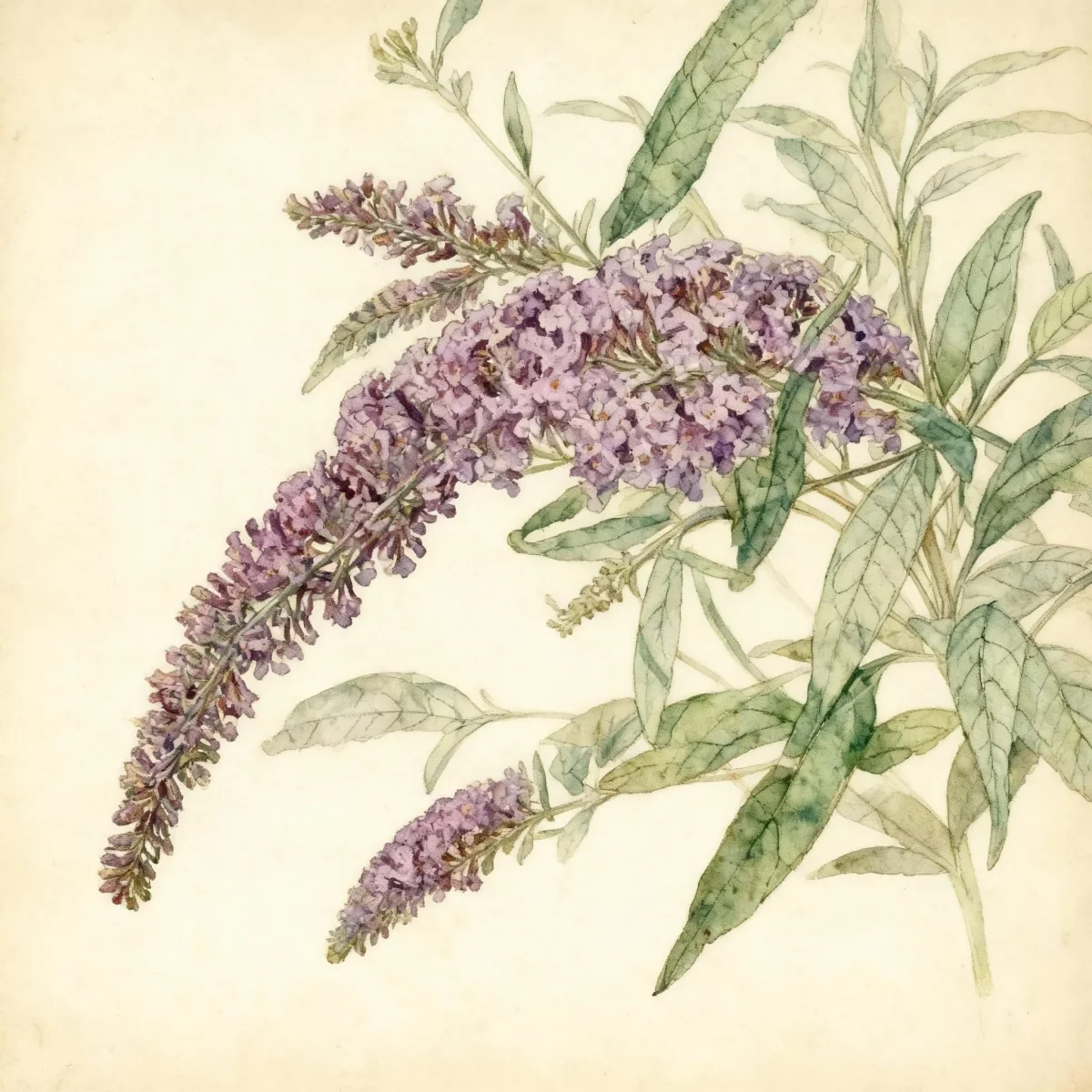
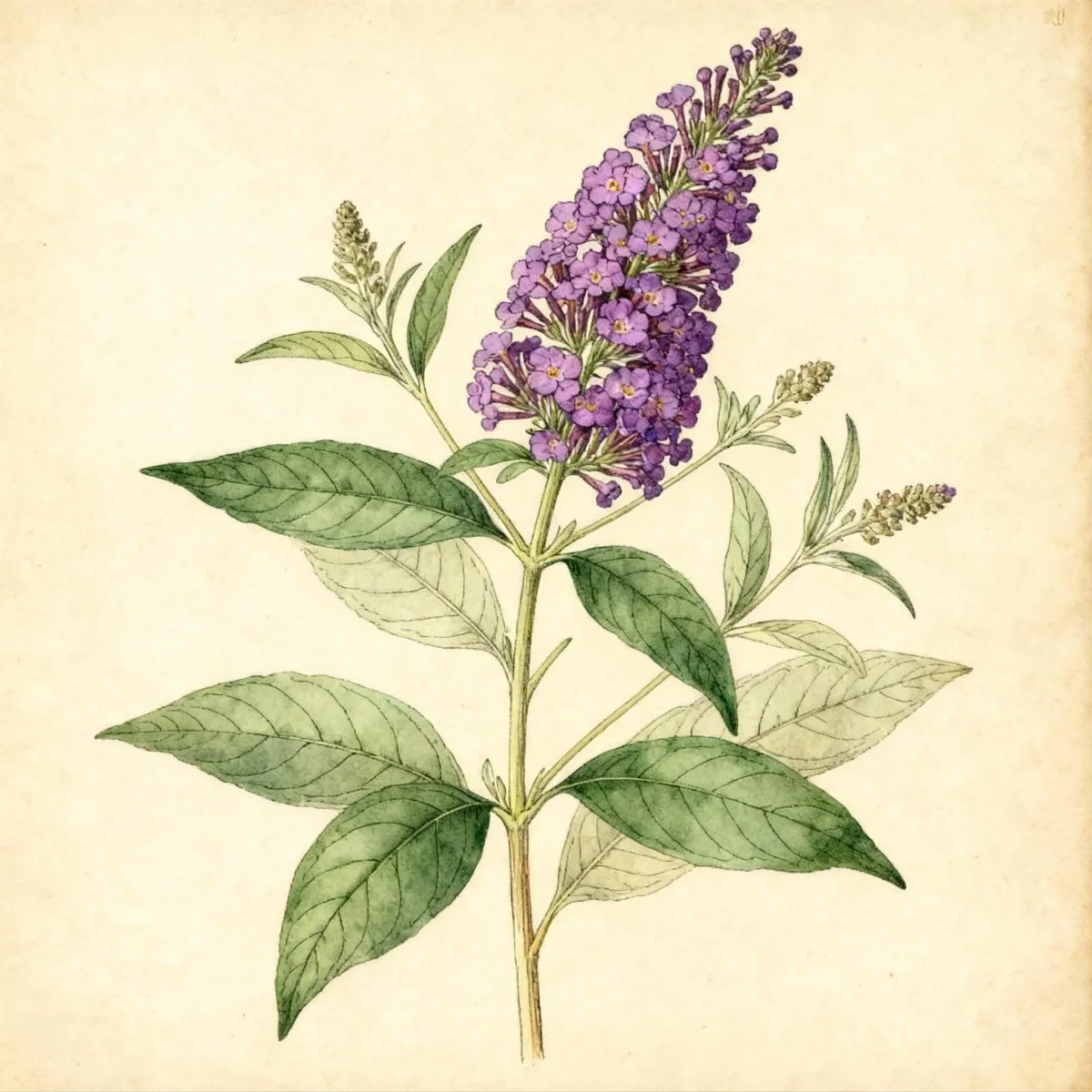
Butterfly bush (Buddleja 'Miss Violet')
Buddleja 'Miss Violet' butterfly bush offers fragrant, showy purple blooms from June to September. Low maintenance, deer-resistant, and sun-loving.
Scroll down to discover growing tips, care requirements, companion plants, and more
Complete Plant Information
Overview
Buddleja ‘Miss Violet’ is a highly desirable, compact selection earning its common name, Butterfly bush, through exceptional attractiveness to late-season pollinators. This deciduous shrub provides reliable color throughout the summer and into early fall when many other woody landscape plants have finished flowering. It offers gardeners a refined, densely branched habit suitable for smaller spaces.
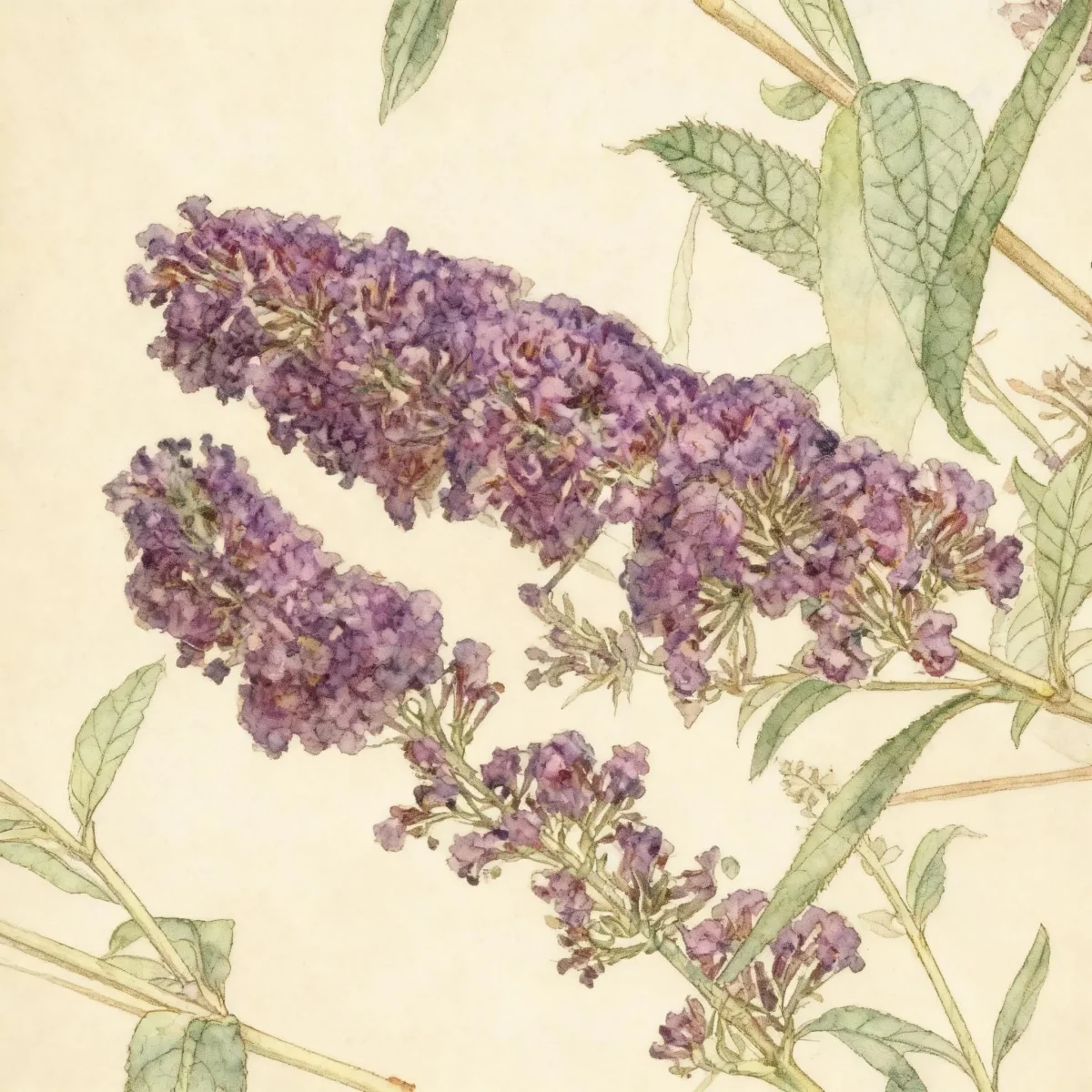
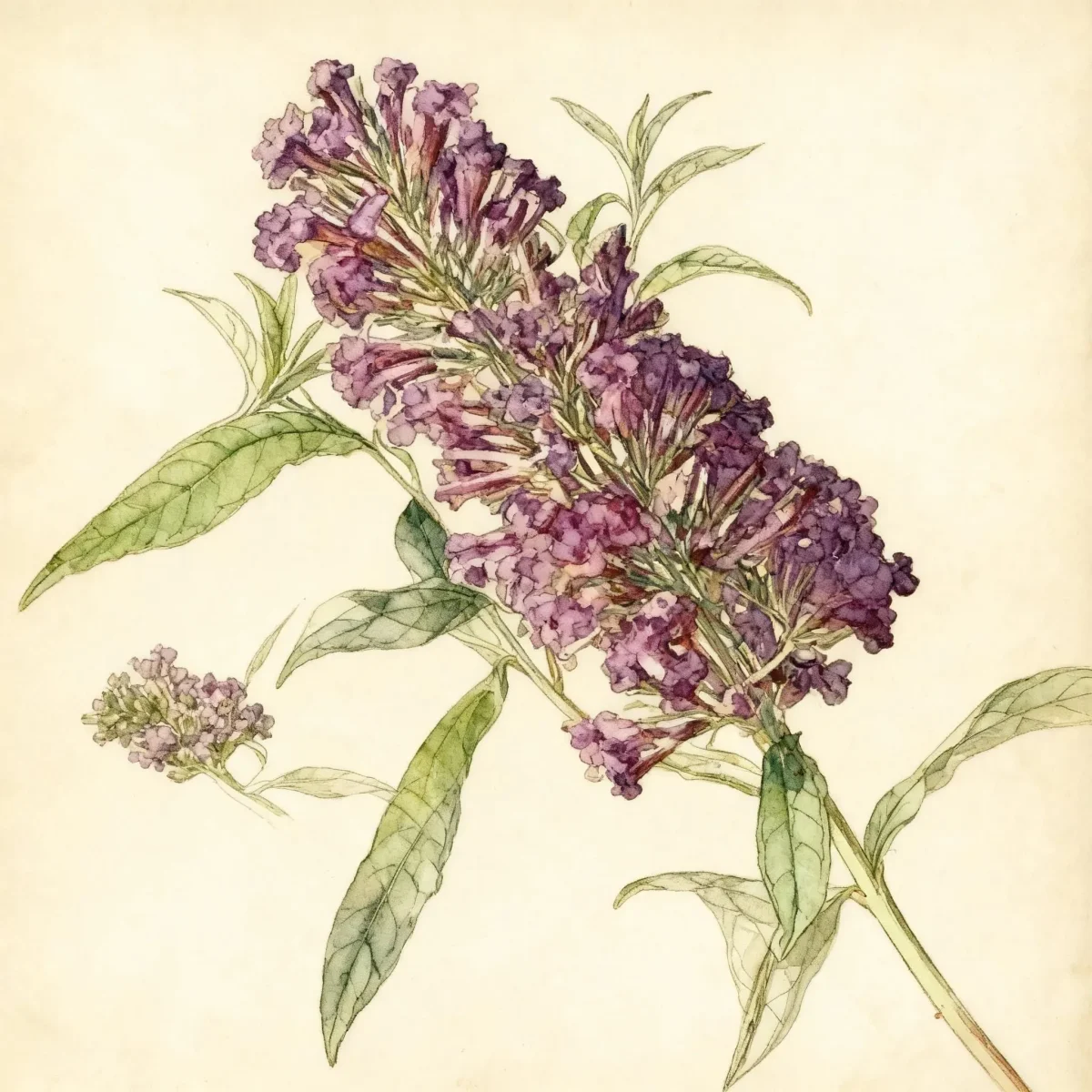
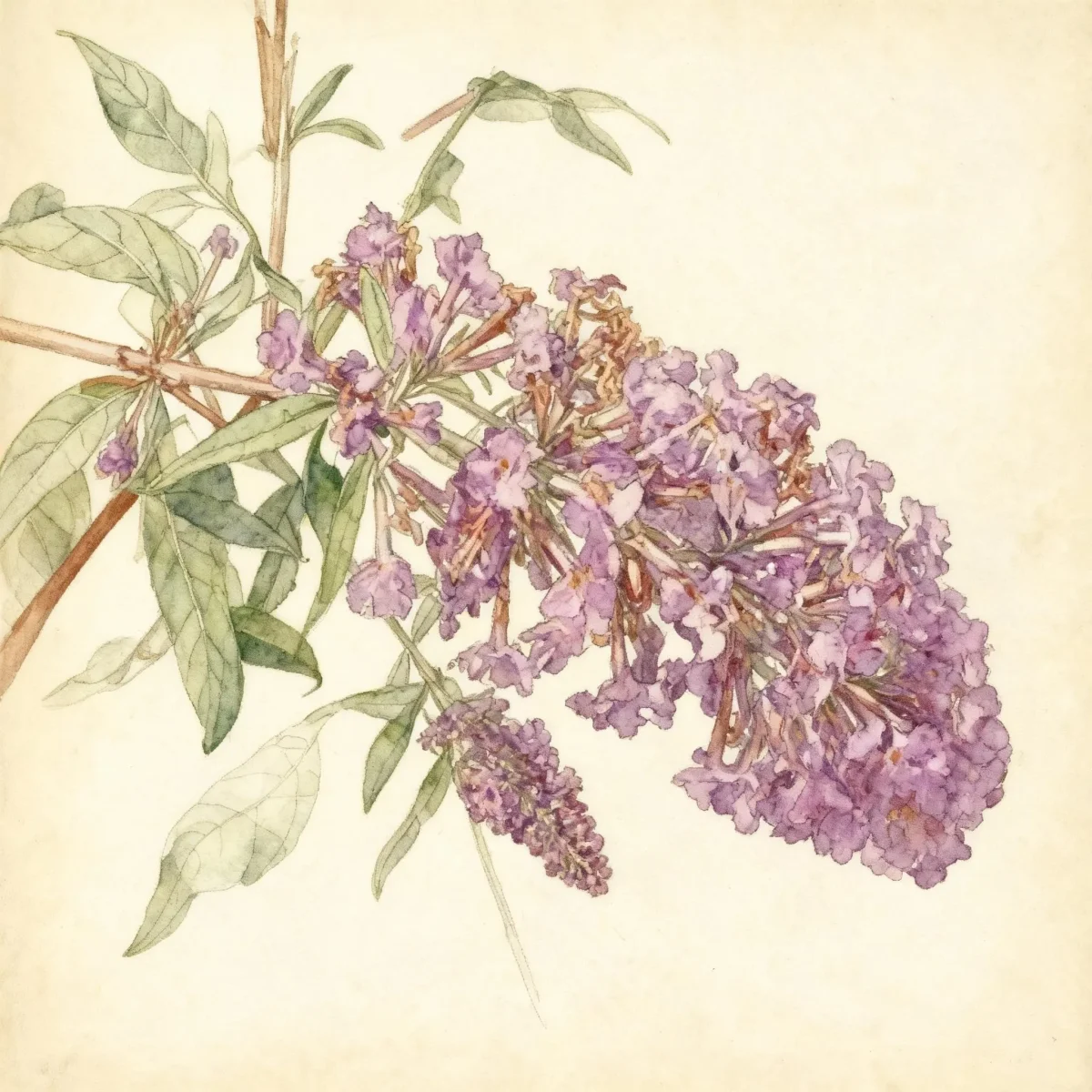
This cultivar of hybrid butterfly bush is noted for its fragrant, small, tubular purple flowers held in 7-inch panicles, making it a visual and textual anchor in the perennial or shrub border. While it offers low maintenance, understanding its light and soil needs is key to unlocking its full potential, especially for vigorous summer performance.
The significant advantage of Buddleja ‘Miss Violet’ lies in its improved seed viability profile compared to older butterfly bush varieties, though gardeners should still consult local guidelines regarding invasive potential. Its reliability, extended bloom time, and stature make Buddleja ‘Miss Violet’ an excellent modern addition to any sunny garden space.
Fast Facts
- Plant Family: Scrophulariaceae
- Plant Type: Deciduous shrub
- Hardiness Zones: USDA Zones 5-9
- Size at Maturity:
- Height: 4-5 ft
- Spread: 4-5 ft
- Bloom Time: June to September
- Bloom Description: Purple
- Sun Exposure: Full sun
- Water Needs: Medium
- Maintenance Level: Low
How to Grow
Plant Buddleja ‘Miss Violet’ in the spring after the danger of hard frost, ensuring it goes into a location that promises full sun exposure throughout the day. These shrubs thrive in average, medium moisture, well-drained soils. While they can adapt to clay soil, the soil should be amended initially to improve drainage, as the plant performs poorly in consistently wet, soggy conditions.
Water moderately, especially during establishment or during extended dry spells. The key to maintaining a robust shape and superior flowering performance in Buddleja ‘Miss Violet’ is ample sunlight; deficiency leads to sparse, weedy looking growth. Pruning is a highly recommended annual practice.
In colder climates (USDA Zones 5 and 6), expect the plant to die back to the ground in winter. Prune these stems back close to the ground in late winter to encourage vigorous spring regrowth and the strongest bloom display. Even in warmer zones, cutting back hard annually maintains the best shape. Deadheading spent flower spikes throughout the season will prompt the plant to produce more blooms.
Landscape Uses
The reliable color show from Buddleja ‘Miss Violet’ is invaluable during the mid to late summer lull, providing attractive spikes of purple when few other shrubs are flowering strongly. This versatility allows it to integrate smoothly into various designs, including mixed shrub borders, cottage gardens, and dedicated rose gardens needing ongoing color contrast.
As a favorite of the pollinator world, it naturally earns a prime spot in butterfly gardens, drawing activity and life to the landscape. Furthermore, these flowers make excellent fresh-cut material, meaning you can enjoy the beauty of your Butterfly bush indoors too. Site mature plants where their 4 to 5-foot spread allows for good air circulation between specimens.
Standout Features
Flower Qualities
- Showy
- Fragrant
- Good Cut
Noteworthy Characteristics
Buddleja is a genus of about 100 species of mainly shrubs but also some trees and climbers, native across Asia, Africa, and the Americas. Commonly called butterfly bush, they are highly attractive to butterflies and other pollinators. The cultivar ‘Miss Violet’ is a compact, densely branched selection featuring 7” long panicles of small, fragrant, purple, tubular flowers. This cultivar exhibits reduced seed production, specifically with less viable female flowers than some other selections.
Tolerances
- Rabbit
- Clay Soil
Potential Problems
This Butterfly bush generally exhibits few serious insect or disease issues, which adds to its low maintenance appeal. A primary cultural concern is ensuring proper drainage; the plant suffers significantly in wet, poorly draining areas. Gardeners in the deep South may occasionally contend with nematodes.
A critical ecological note is that older butterfly bush varieties can spread aggressively by seed, leading to invasive concerns in certain regions like New Zealand and parts of the US. While ‘Miss Violet’ has reduced seed viability, always check local invasive plant regulations before planting. Rabbits typically avoid this shrub.
Frequently Asked Questions
What hardiness zones is Butterfly bush suitable for?
Buddleja ‘Miss Violet’ is reliably hardy in USDA Zones 5 through 9, though it may require hard pruning if winter dieback occurs in the colder end of its range.
How large does Buddleja ‘Miss Violet’ grow?
When mature, this compact hybrid butterfly bush typically reaches a manageable size of 4 to 5 feet tall with an equal spread, making it versatile for border applications.
What sun exposure does Buddleja ‘Miss Violet’ need?
For the best density and most robust bloom production, Buddleja ‘Miss Violet’ requires full sun exposure daily; flowering will diminish significantly in partial shade.
When does Butterfly bush bloom?
This specific cultivar provides continuous color, blooming reliably from June well into September, displaying distinctive purple flowers.
Conclusion
The Buddleja ‘Miss Violet’ is a superb choice for gardeners seeking long-lasting, fragrant summer color combined with easy care. As a low-maintenance, deer & rabbit-tolerant shrub that attracts essential pollinators, this butterfly bush enhances biodiversity. Before planting, confirm that your site receives full sun and check regional guidelines regarding its potential invasiveness characteristics.
Wildlife Benefits
As the common name suggests, this plant is a magnet for beneficial insects. The fragrant, tubular purple flowers of Buddleja ‘Miss Violet’ are perfectly shaped for butterflies and hummingbirds seeking nectar across a long season. Planting it near patios or windows allows you to observe wildlife activity throughout the summer months.
While ‘Miss Violet’ is bred for reduced seed output, its flowering performance ensures a steady supply of nectar when many other shrubs have faded. Pairing it with other nectar-rich plants like coneflowers or salvias can create an extended pollinator corridor in your yard.
Companion Planting
Because Buddleja ‘Miss Violet’ requires full sun and appreciates dry to medium moisture, pair it with other drought-tolerant, sun-loving perennials that share similar low-maintenance needs. Consider companion plants that complement its vertical structure and vibrant purple hue without demanding excessive water.
Excellent partners include Russian Sage (Perovskia atriplicifolia) for silvery texture contrast, or various Sedum varieties that offer late summer texture. These companions help fill out the base of the shrub as it establishes, creating a richer, multi-layered tapestry of color and form throughout the garden season.