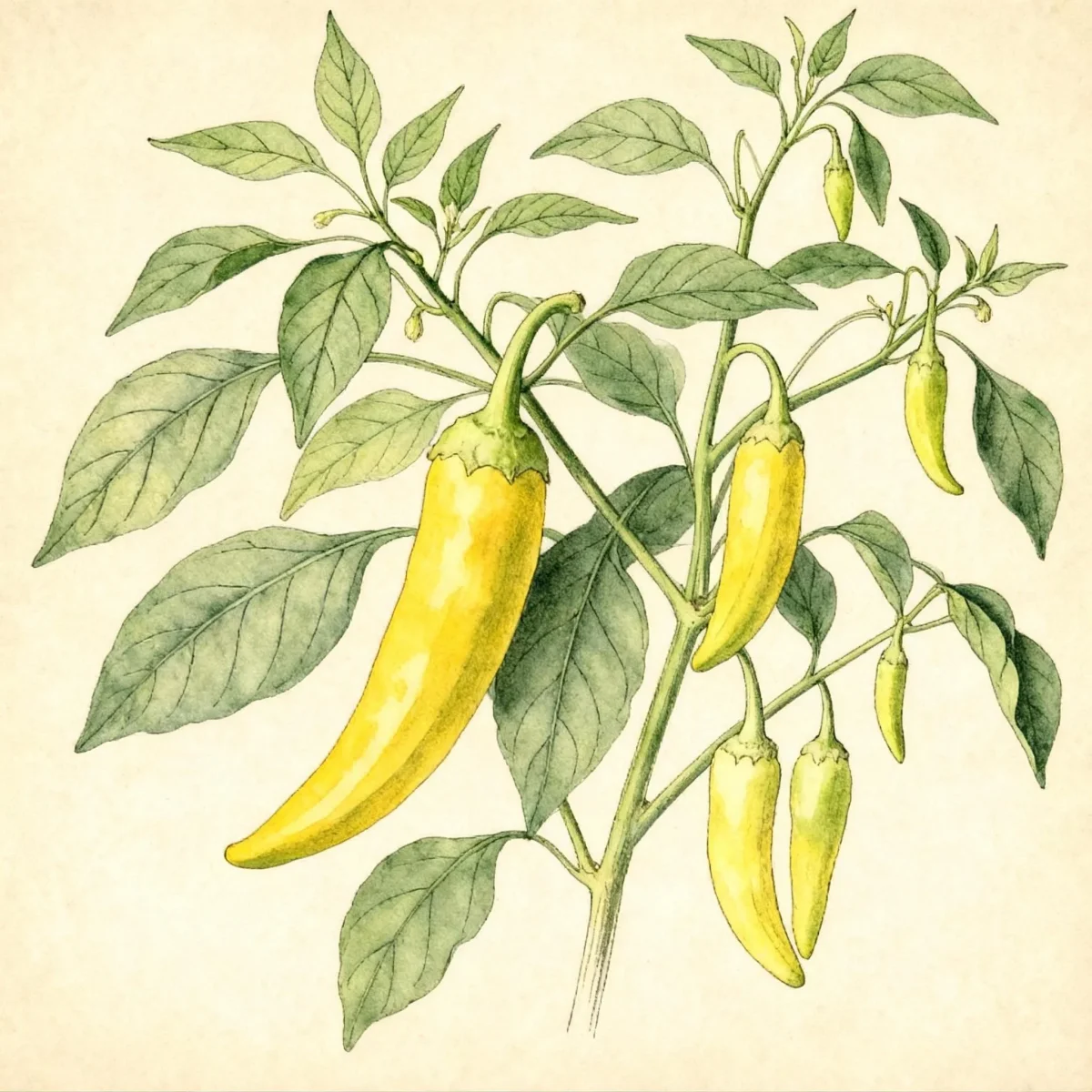
Sweet pepper (Capsicum annuum 'Bananarama')
Grow Capsicum annuum 'Bananarama', a compact Sweet pepper, for mild, flavorful fruits perfect for stuffing. Zones 9-11.
Scroll down to discover growing tips, care requirements, companion plants, and more
Complete Plant Information
Overview
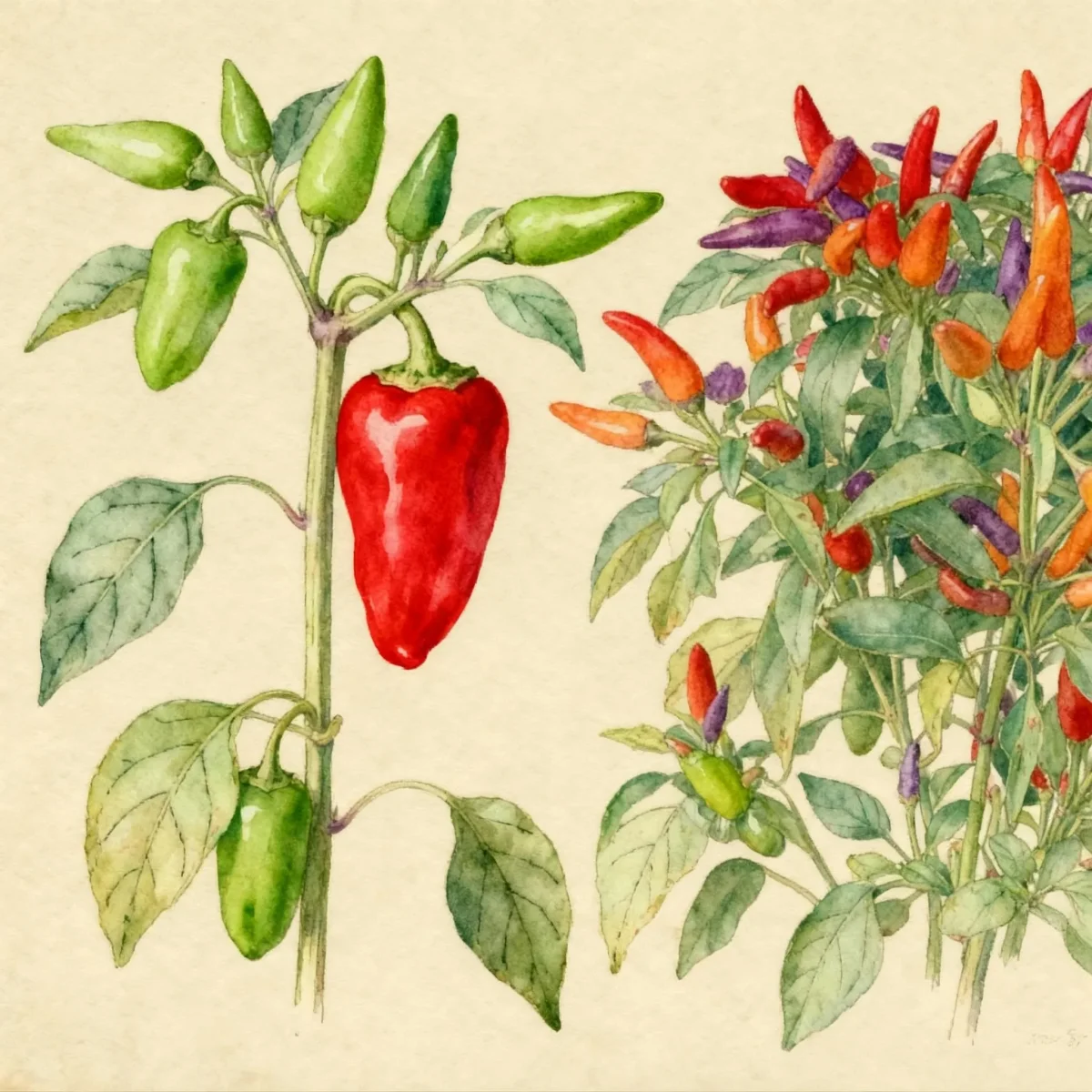
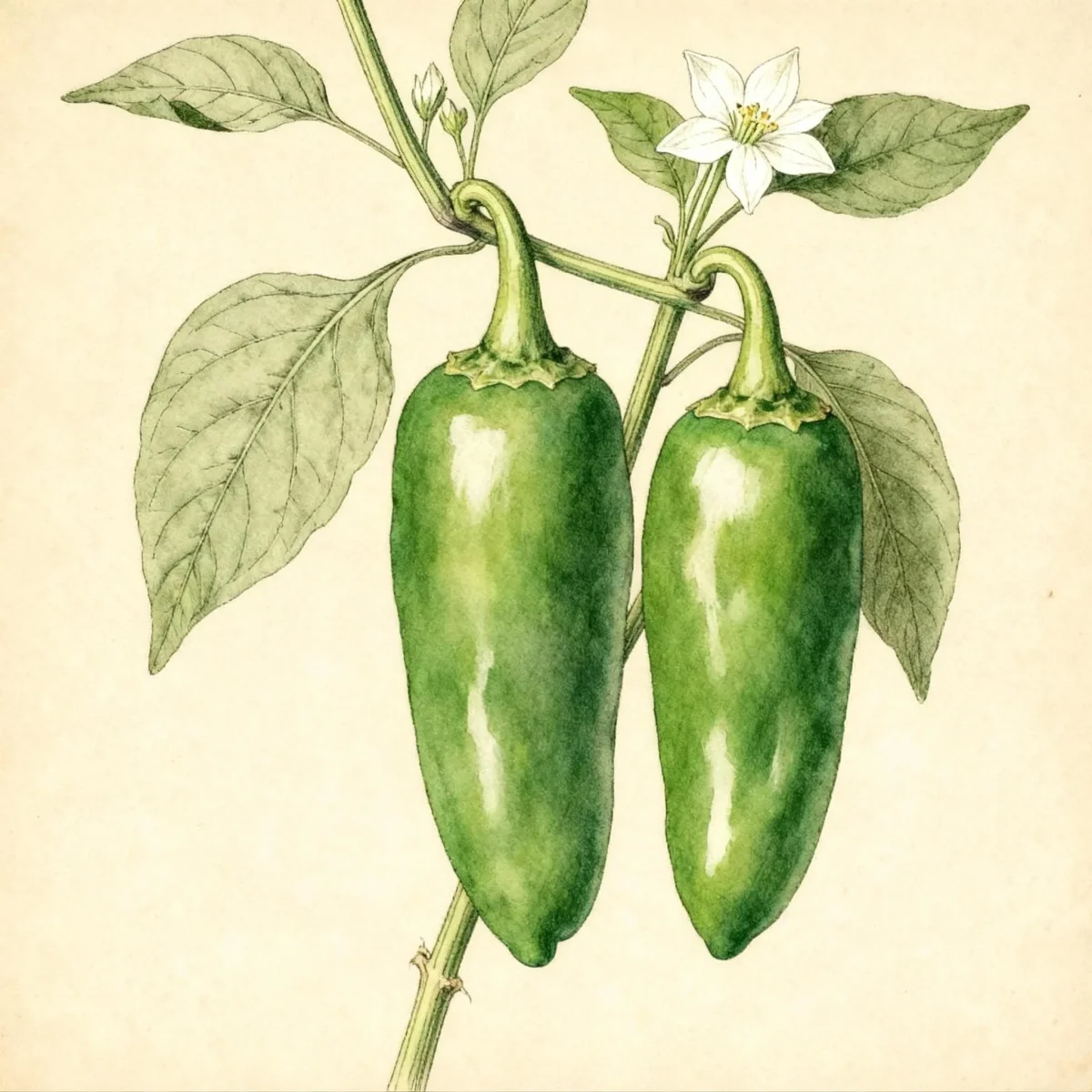
The Capsicum annuum ‘Bananarama’ is a highly desirable compact selection in the sweet pepper category, prized by vegetable gardeners for its mild flavor and unique fruit shape. As a frost-tender perennial often grown as an annual, this variety demands warm conditions to thrive, producing large, flavorful fruits that mature from bright yellow to a rich orange-red. Gardeners appreciate Capsicum annuum ‘Bananarama’ for its ornamental appeal alongside its excellent culinary use, especially when stuffing recipes are planned.
This herbaceous perennial is relatively straightforward to cultivate, provided its need for warmth and rich, well-drained soil is met. While it is productive, gardeners must shield young plants from fluctuating temperatures, as peppers strongly dislike root disturbance and cold stress. Successfully growing this sweet pepper variety leads to a generous harvest of 7-8 inch long fruits perfect for grilling or roasting.
The versatility of Capsicum annuum ‘Bananarama’ extends to its size; reaching only about 2 feet tall, it fits beautifully into small garden spaces or large containers. Understanding the cultural requirements of this Sweet pepper is key to maximizing yield and ensuring the thick-skinned fruits develop fully before the season ends.
Fast Facts
- Plant Family: Solanaceae
- Plant Type: Herbaceous perennial
- Hardiness Zones: USDA Zones 9-11
- Size at Maturity:
- Height: 1.5-2 ft
- Spread: 1-1.5 ft
- Bloom Time: Flowers not showy
- Sun Exposure: Full sun
- Water Needs: Medium
- Maintenance Level: Medium
How to Grow
Starting seeds for Capsicum annuum ‘Bananarama’ requires forethought, as they must be sown indoors about 6 to 8 weeks before the last expected frost. Use peat pots, sowing three seeds per pot and thinning to the strongest seedling later. Transplanting into the garden should only occur after all danger of frost has passed and nighttime temperatures consistently remain above 55°F.
Soil preparation is crucial for this Solanaceae member. Ensure the location features organically rich, fertile, and, most importantly, well-drained soil, as peppers strongly dislike wet feet. Plant seedlings 18 to 24 inches apart in rows spaced likewise. Mulching between plants helps retain necessary moisture and moderate soil temperature.
Consistent care prevents stress in Sweet pepper plants. Water regularly enough to avoid drought conditions, especially when fruits are developing, but never allow the soil to become saturated. Pinching young Capsicum annuum ‘Bananarama’ plants back lightly will encourage a bushier, sturdier habit. Avoid planting where tomatoes or eggplants grew previously due to shared susceptibility to soil-borne pathogens.
Since these are frost-tender perennials, gardeners in cooler areas must treat the Sweet pepper as an annual. However, they can be successfully overwintered indoors if a very sunny spot is available, allowing for longer-term production.
Landscape Uses
Capsicum annuum ‘Bananarama’ offers both exceptional yield and visual appeal, making it an excellent vegetable addition to mixed borders or dedicated kitchen gardens. The contrast between the deep green foliage and the developing yellow and orange-red fruits provides continuous seasonal interest. Due to its compact nature, the nearly 2-foot tall stature of this banana pepper selection works well near the front of the perennial border or tucked into mixed containers.
When using Capsicum annuum ‘Bananarama’ in containers, ensure the pot is adequately large to support its root system, as stress can impede fruit production. These peppers pair beautifully with herbs like basil and petunias in decorative mixed planters, blurring the line between edible patch and ornamental display. The overall effect is highly ornamental before the harvest even begins.
Consider grouping these peppers with other colorful edible annuals, or use them near pathways where their ornamental fruit display can be easily appreciated. Remember that careful crop rotation is essential; avoid planting near other nightshades to minimize disease carryover in the soil.
Standout Features
Flower Qualities
- Insignificant
Fruit Qualities
- Edible
Noteworthy Characteristics
Most cultivated peppers, now known globally, were first cultivated in the New World over 8,000 years ago. The genus name Capsicum derives from the Greek word kapto, meaning ‘to bite,’ though this specific variety, Capsicum annuum ‘Bananarama’, is exceptionally mild. This compact banana pepper selection produces large, flavorful fruits reaching 7-8 inches long, which possess thick skin making them ideal for stuffing, grilling, and roasting after maturing from yellow through orange-red.
Tolerances
- Fungal and bacterial leaf spot, wilt, mosaic virus and stem/root rot may occur. Potential insect pests include aphids, white flies, cutworms, pepper maggots and Colorado potato beetles
Potential Problems
Fungal and bacterial leaf spots, along with potential wilts and mosaic viruses, can affect your plants. These issues often arise from poor air circulation or overly humid conditions, which can be exacerbated in crowded plantings. Proper spacing, as recommended (18-24 inches), is the primary preventative measure.
Insect pests are also a consideration when growing Sweet pepper. Watch carefully for aphids, white flies, cutworms, pepper maggots, and Colorado potato beetles. Regular inspection, especially of the undersides of leaves, allows for early intervention using insecticidal soap or targeted organic controls before infestations become established.
Frequently Asked Questions
What hardiness zones is Capsicum annuum ‘Bananarama’ suitable for?
Capsicum annuum ‘Bananarama’ is reliably grown in USDA Hardiness Zones 9 through 11, though it is most commonly cultivated as an annual outside of this range.
How large does Sweet pepper grow?
Mature Capsicum annuum ‘Bananarama’ plants typically reach a height between 1.5 and 2 feet tall, with a spread of 1 to 1.5 feet wide, making it a manageable size for containers.
What sun exposure does Capsicum annuum ‘Bananarama’ need?
This variety requires full sun exposure to produce its best yield of flavorful fruits.
When does Sweet pepper bloom?
The flowers of this Sweet pepper variety are considered not showy.
Conclusion
The Capsicum annuum ‘Bananarama’ offers gardeners a reliable source of mild, large, and attractive peppers suitable for numerous culinary applications, wrapped in a conveniently compact form factor. By respecting its need for warm soil, consistent moisture, and full sun, you can ensure a successful harvest of this excellent Sweet pepper. Before planning your garden layout, confirm that your local conditions align with USDA Zones 9-11 or prepare to grow it as a season-long annual.
Companion Planting
Selecting good neighbors is vital for healthy pepper growth, especially given the shared susceptibility to diseases within the nightshade family. Good companions include deep-rooted herbs like basil and rosemary, which can help deter certain flying pests. Leafy greens planted nearby can act as a living mulch, helping to keep the soil cooler around the pepper roots during peak summer heat.
Focus on beneficial companions that do not occupy the same soil niches or share the same pest pressures. Onions and carrots planted around the perimeter can help distract or repel common vegetable pests without competing heavily for nutrients.
Seasonal Care Calendar
For annual cultivation outside of Zones 9-11, the gardening year begins indoors by starting Capsicum annuum ‘Bananarama’ seeds 6 to 8 weeks before the last frost date. Harden off seedlings thoroughly before transplanting outdoors once night temperatures are stable above 55°F.
Summer care centers on consistent medium watering and checking plants every few days for early signs of pests like aphids or white flies. Pinching back the tips of young plants early in the season promotes the bushiness needed to support a heavy fruit load later on. Mulch generously to keep roots happy.
As autumn approaches, monitor the ripening process. If significant danger of frost exists, harvest all remaining fruits, even if slightly immature, as frost will destroy the plants. If overwintering indoors is planned, move the entire plant container inside to a sunny window or grow light setup before the first frost hits.